Cooking classes in Nevis offer one of the most practical and memorable ways to understand the island beyond its beaches, inns, and historic estates. For travelers building an itinerary around adventure and activities, these classes belong firmly on the list because food in Nevis is not a side attraction; it is a living record of African, British, French, Indian, and wider Caribbean influence shaped by fishing grounds, tropical agriculture, and generations of home cooks. When people search for Caribbean cuisine classes in Nevis, they usually want to know three things: what they will cook, whether the experience is suitable for beginners, and how the class connects to local culture. In my experience planning island activities and reviewing culinary programs across the Leeward Islands, the strongest classes answer all three at once.
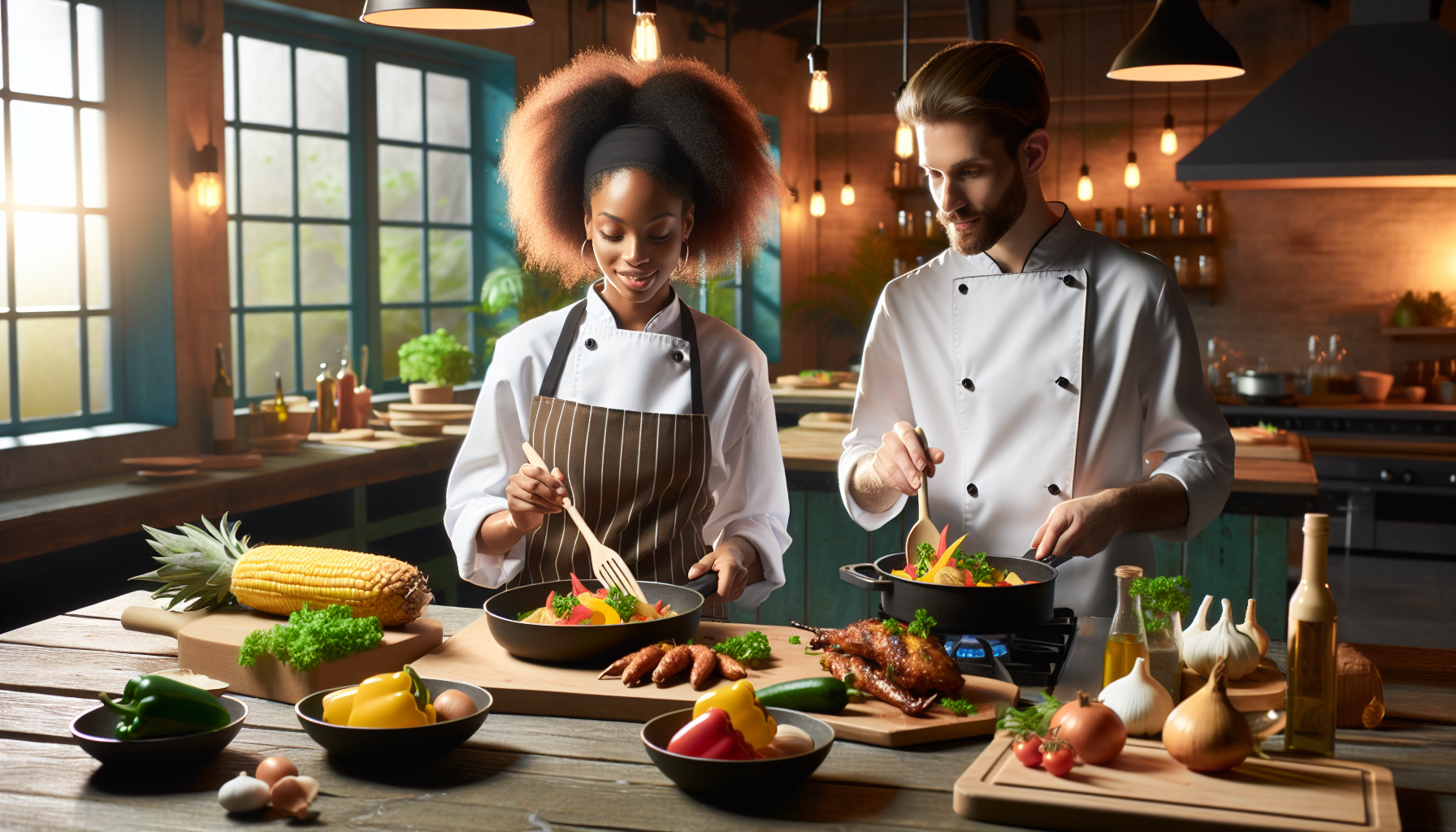
At its core, a cooking class in Nevis is a guided lesson in local ingredients, techniques, and dining customs. You may learn to season fresh fish with thyme, scallion, garlic, and Scotch bonnet; prepare peas and rice with coconut milk; fry plantains to the right caramelized edge; or build a proper pepper pot with layered heat rather than blunt spice. Some sessions take place in boutique hotel kitchens, some in private homes, and others as chef-led workshops tied to restaurants, guesthouses, or cultural events. The format varies, but the goal is similar: translate Caribbean cooking into steps a visitor can understand and repeat.
This matters because Caribbean food is often flattened into clichés. On Nevis, however, cuisine is highly regional and deeply ingredient-driven. Breadfruit, pumpkin, cassava, sweet potato, saltfish, tamarind, mango, christophene, pigeon peas, and local herbs each play a specific role. A good class explains why green seasoning is foundational, how citrus and vinegar balance rich dishes, and when slow braising is better than quick grilling. It also teaches context, such as why Sunday lunch traditions remain important, why seafood appears differently in coastal homes than inland kitchens, and how resourcefulness shaped recipes long before farm-to-table became a marketing phrase. For visitors who want a meaningful activity in Nevis, cooking classes deliver skill, cultural insight, and a direct connection to the island’s everyday life.
What You Learn in Nevis Cooking Classes
Most Nevis cooking classes focus on a core group of Caribbean techniques that can be taught in a single session yet still feel authentic. The first is seasoning. In Nevis, flavor is built before food touches heat. Marinades and green seasonings often combine scallion, celery, thyme, parsley, onion, garlic, ginger, lime, and hot pepper, then rest so the aromatics penetrate fish, chicken, pork, or vegetables. Visitors are often surprised that the lesson is less about intense heat and more about balance. Scotch bonnet is common, but experienced instructors show how to control it by using the whole pepper for aroma, minced pepper for medium heat, or pepper sauce as a table condiment.
Classes also teach starches that define many Caribbean plates. Rice and peas is the best-known example, but the method matters: sautéing aromatics first, adding coconut milk for body, and timing the beans and rice so the grain stays separate rather than mushy. Breadfruit may be roasted, boiled, or fried. Plantains are used at different ripeness levels for different results. Ground provisions, a Caribbean term covering starchy staples like yam, sweet potato, dasheen, and cassava, are often introduced because they anchor traditional meals and speak directly to agricultural history.
Another major lesson is seafood handling. Nevis has ready access to fish and shellfish, so classes regularly cover snapper, mahi-mahi, lobster when in season, and conch where legally and sustainably sourced. Students may learn how to rinse fish properly, score the flesh to hold seasoning, steam fillets gently, or create a light sauce with tomato, onion, sweet pepper, and herbs. Better programs discuss seasonality and sourcing rather than presenting every ingredient as constantly available. That matters because responsible cooking on a small island depends on respecting weather, catch patterns, and local supply chains.
Desserts and drinks often round out the menu. Coconut tart, sweet potato pudding, ginger beer, sorrel, and rum-based sauces appear frequently. These recipes are deceptively simple. They rely on texture, spice control, and an understanding of sweetness from unrefined ingredients such as coconut, molasses, or fruit reduction. Even one well-run session can leave you with a usable template for recreating a Nevis meal at home.
Signature Dishes and Ingredients Worth Seeking Out
If your goal is to master Caribbean cuisine in a way that feels distinctly Nevisian, look for classes built around signature dishes rather than generic tropical menus. Goat water, for example, is one of the most important dishes in the wider Federation of St. Kitts and Nevis. Despite the name, it is a rich goat stew, traditionally seasoned assertively and slow-cooked until the meat becomes tender and the broth develops depth. A serious class will explain browning, deglazing, herb layering, and long simmering rather than reducing the dish to “spicy stew.”
Saltfish is another anchor ingredient because it reflects preservation methods central to Caribbean food history. In class, students may learn how to soak and flake it, then combine it with tomato, onion, and peppers for breakfast preparations or fritters. This opens a larger conversation about trade, colonial-era food systems, and how preserved proteins became integrated into local cooking. The best instructors do not avoid that history; they use it to explain why certain dishes remain staples today.
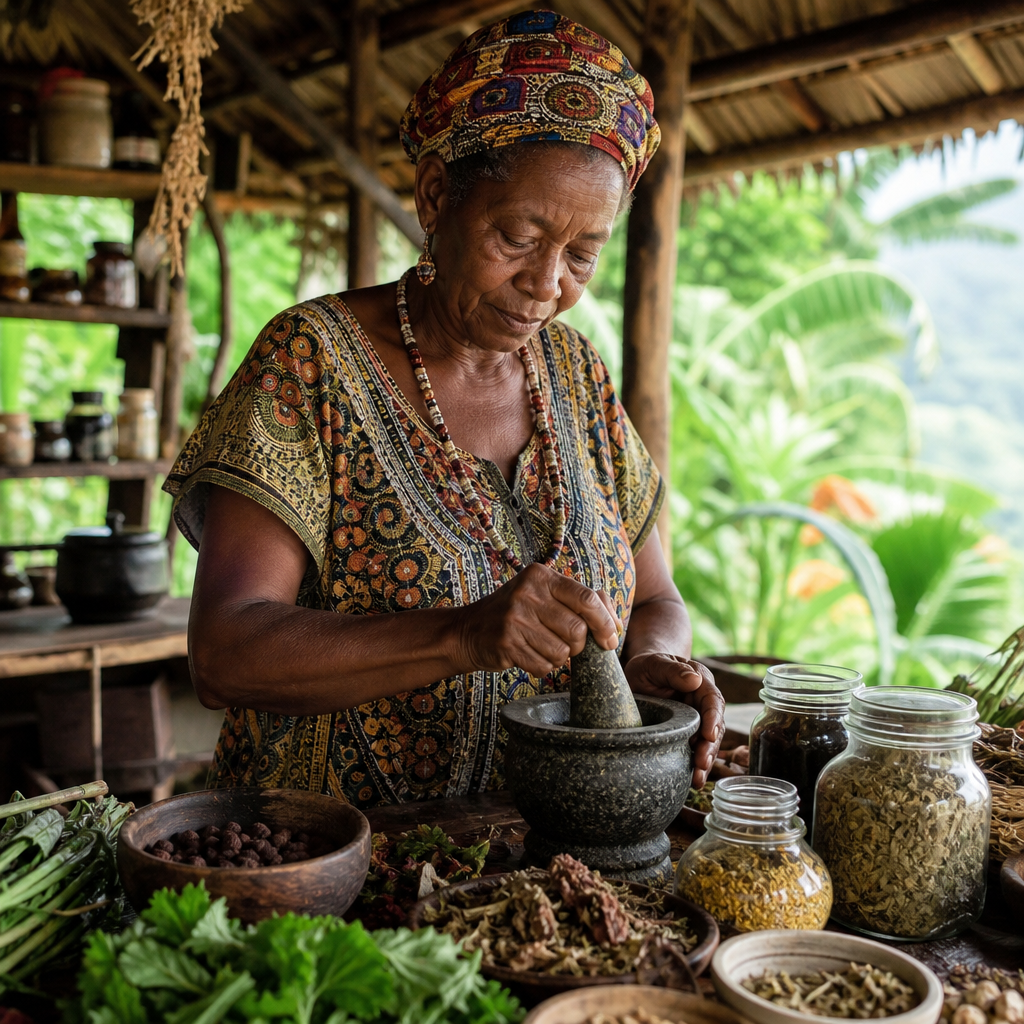
Fresh produce deserves equal attention. Nevis grows or imports a broad range of tropical fruits and vegetables, but local mango, soursop, tamarind, papaya, pumpkin, and breadfruit often define the flavor profile of a class. I have found that visitors remember ingredient stories as much as recipes: how breadfruit was introduced to the Caribbean in the eighteenth century, why tamarind works so well in savory glazes, or how pumpkin adds natural sweetness and color to soups without heavy cream. When an instructor can tie ingredients to farms, family gardens, and market traditions, the lesson becomes far more durable.
| Dish or Ingredient | What You Learn | Why It Matters in Nevis |
|---|---|---|
| Goat water | Browning meat, slow simmering, spice layering | Regional signature dish with strong cultural identity |
| Rice and peas | Coconut milk technique, rice texture control | Foundational side dish across home cooking |
| Saltfish | Desalting, flaking, sautéing with aromatics | Links cuisine to preservation and trade history |
| Breadfruit | Roasting, boiling, frying, pairing with sauces | Classic island starch with deep historical roots |
| Scotch bonnet | Heat management and aroma balancing | Essential to Caribbean flavor without dominating dishes |
Types of Cooking Experiences Available on the Island
Not every cooking class in Nevis is structured the same way, and choosing the right format affects how much you will learn. Resort-based classes are usually the easiest to book and often provide polished instruction, quality equipment, and reliable ingredient sourcing. They work well for first-time visitors or families because timing is predictable and transportation is straightforward. However, some can be simplified for broad appeal, so it is worth checking whether the menu reflects actual Nevis cuisine or a generalized “Caribbean-inspired” approach.
Private chef classes tend to be more flexible and often more rewarding. These sessions may take place in a villa, guesthouse, or home kitchen and can usually be tailored to dietary needs, skill level, or specific interests such as seafood, vegetarian island dishes, or festive meals. In my experience, private classes are where travelers get the strongest cultural exchange. Conversation flows more naturally, recipes are less scripted, and instructors are more likely to discuss family methods, substitutions, and why one household does something differently from another.
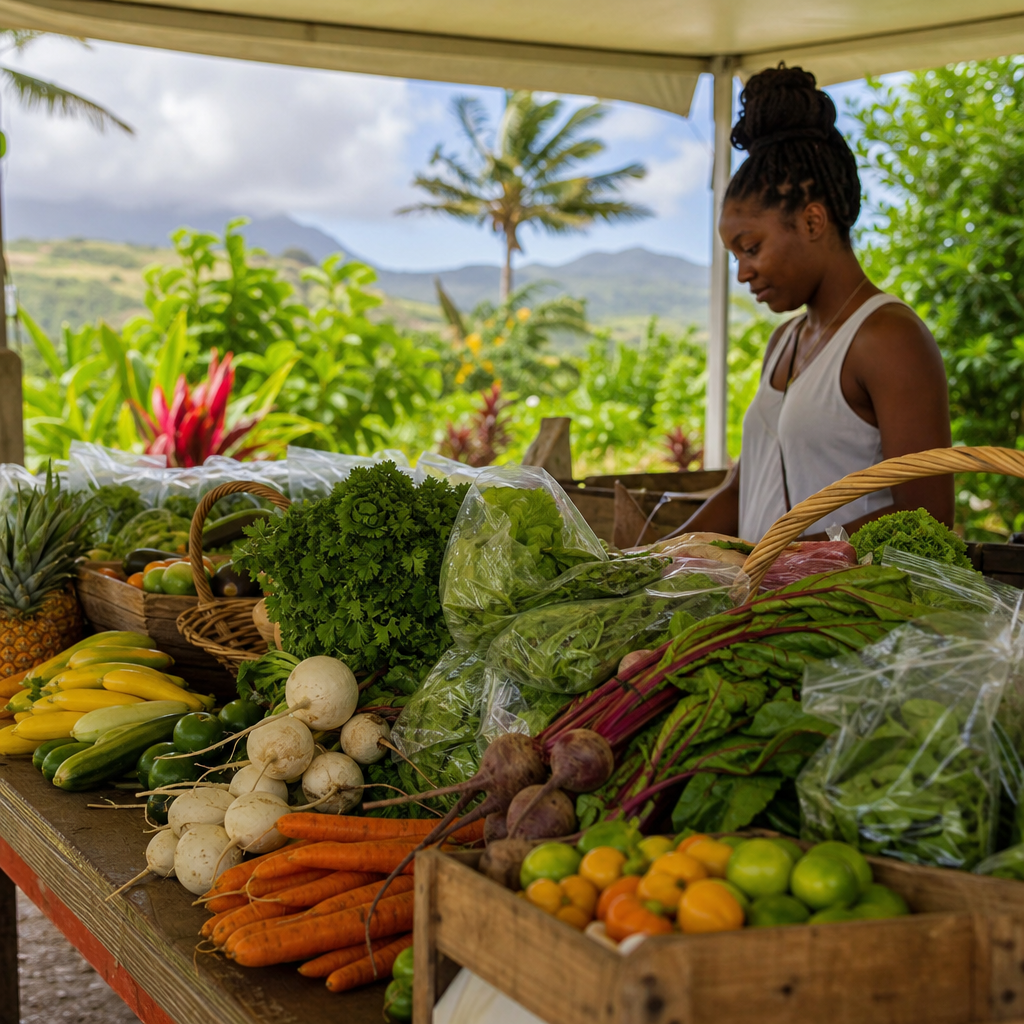
Community-centered workshops and market-to-table experiences can be especially valuable for travelers who want a broader hub view of miscellaneous activities in Nevis. These classes may include a garden walk, a visit to a produce stall, a spice discussion, and a meal prepared together. They reveal the full chain from ingredient selection to finished plate. For food-focused travelers, that progression often matters more than mastering one restaurant dish because it teaches how island cuisine is assembled in everyday life.
Some operators also combine cooking with other activities under the wider adventure and activities umbrella. A class might be paired with a historical plantation visit, a rum tasting, a catamaran lunch excursion, or a wellness retreat centered on local ingredients. These hybrid experiences work well when time is limited. They are not always ideal for people seeking deep technical instruction, but they can be excellent introductions that point you toward more specialized culinary sessions later in your trip.
How to Choose the Best Cooking Class in Nevis
The best cooking class in Nevis depends on your objective. If you want practical skills, prioritize hands-on sessions where each participant preps, seasons, and cooks rather than simply watching a chef perform. Demonstration classes can still be enjoyable, but they rarely produce the same confidence. Ask in advance how much active participation is included, how many dishes are covered, and whether recipes are provided in written form. A strong class gives you methods, not just a meal.
Class size is another critical factor. Small groups generally allow better knife-skill correction, more detailed explanation, and room for questions about substitutions once you return home. A class with six to ten people can still feel personal; once numbers climb much higher, many participants spend more time observing than cooking. Duration matters too. Ninety-minute sessions are usually introductory, while two-and-a-half to four-hour classes can cover ingredient background, multiple courses, and tasting notes with proper depth.
Check whether the menu is seasonal and whether the provider names actual dishes. Vague listings that promise “island flavors” without specifics are harder to evaluate. By contrast, a class advertising grilled snapper with green seasoning, coconut dumplings, callaloo, and tamarind glaze signals clarity and local grounding. It is also worth confirming whether transportation, drinks, market visits, and gratuity are included, because total value can differ significantly from the headline price.
Finally, consider the instructor’s background. The strongest teachers are not always celebrity chefs. Often they are experienced local cooks, restaurant professionals, or culinary hosts who understand both the cuisine and how to teach travelers with mixed skill levels. Read reviews for signs of substance: did guests mention learning techniques, ingredient stories, and repeatable recipes, or only a pleasant atmosphere? In a destination like Nevis, warmth matters, but substance is what turns a fun afternoon into a lasting skill.
What to Expect: Cost, Skill Level, and Practical Tips
Most cooking classes in Nevis are accessible to beginners, and that is a major advantage for travelers who want to participate without prior kitchen confidence. Instructors typically structure sessions around approachable techniques such as chopping aromatics, mixing marinades, simmering sauces, frying plantains, or assembling side dishes. More advanced classes may include butchery, fish cleaning, pastry work, or multi-course timing, but these are less common and usually arranged privately.
Pricing varies by venue and exclusivity. Group classes at hotels or culinary venues often start around the level expected for premium island activities, while private chef experiences can cost significantly more, especially when transportation, alcohol pairings, or customized menus are included. The higher price is usually justified when the class includes a market visit, a substantial meal, recipe packets, and direct access to the instructor. If budget matters, ask whether there are shared sessions on specific days rather than defaulting to private booking.
Wear light clothing, closed-toe shoes if requested, and expect warm kitchens. Bring a phone or notebook, but do not rely on photos alone. The details that matter most are often verbal: when to add coconut milk, how long to let seasoning rest, why acidity should be adjusted at the end, or how to tell when oil is hot enough for fritters without a thermometer. If you have allergies or dietary restrictions, communicate them early. Caribbean cooking can be adapted, but substitutions sometimes require advance planning because specialty ingredients may not be available on short notice.
For travelers building a broader Nevis itinerary, cooking classes work particularly well on arrival days, rainy afternoons, or recovery days between hikes, watersports, and island tours. They offer a slower but still immersive activity that complements the active side of travel. More importantly, they leave you with something transportable: the ability to cook a piece of Nevis long after the trip ends.
Why Cooking Classes Belong in a Nevis Adventure and Activities Hub
Adventure in Nevis is not limited to climbing Nevis Peak, snorkeling offshore reefs, horseback riding, or touring historic estates. Culinary experiences deserve hub-level attention because they are participatory, skill-based, and deeply tied to place. A good cooking class asks you to taste critically, work with unfamiliar produce, adapt to the rhythm of local kitchens, and engage with the island through the senses. That is a genuine activity, not passive entertainment.
As a miscellaneous hub topic, cooking classes also connect naturally to related Nevis content. Travelers interested in food lessons often want market visits, rum tastings, farm experiences, heritage tours, beach dining guides, and restaurant recommendations. This makes the page useful as a central reference point within a broader adventure and activities structure. Someone may arrive looking for a single class and end up planning an entire culture-focused itinerary around it.
The main benefit is lasting value. Many excursions create a pleasant memory; cooking classes create memory plus competence. You leave understanding ingredients, recipes, and local customs with enough clarity to recreate them. If you are planning a trip to Nevis, add a cooking class to your shortlist early, compare formats carefully, and choose one grounded in real island cuisine. It is one of the smartest ways to master Caribbean flavors while experiencing Nevis in an authentic, practical, and memorable way.
Frequently Asked Questions
What can I expect to learn in cooking classes in Nevis?
Cooking classes in Nevis typically go far beyond simply following a recipe. Most sessions are designed to introduce visitors to the foundations of Caribbean cooking as it is practiced on the island, including how local ingredients, family traditions, and multicultural influences shape everyday meals. You can usually expect to work with staples such as fresh fish, lobster when in season, plantains, breadfruit, coconut, rice, peas, pumpkin, okra, callaloo, herbs, peppers, and tropical fruits. Instructors often explain not just how to prepare a dish, but why certain ingredients matter in Nevisian cuisine and how the island’s African, British, French, Indian, and wider Caribbean influences appear in flavor combinations and cooking methods.
Many classes include hands-on preparation of classic dishes and accompaniments, such as curried seafood, stewed chicken, saltfish, coconut dumplings, rice and peas, pepper sauces, ground provisions, and traditional desserts. You may also learn practical techniques like seasoning proteins properly, balancing heat with acidity and sweetness, cooking with coconut milk, using fresh herbs, and understanding the difference between everyday home-style cooking and dishes served in restaurants. For travelers who want more than a sightseeing experience, these classes offer real cultural context and a memorable way to connect with Nevis through its food.
Are cooking classes in Nevis suitable for beginners, or are they better for experienced cooks?
Most cooking classes in Nevis are very welcoming to beginners. In fact, many are designed specifically for travelers who may have strong interest in food but limited kitchen experience. Instructors generally guide participants step by step, from ingredient introductions and knife work to seasoning, cooking times, and plating. Because the goal is often cultural immersion as much as culinary instruction, classes tend to focus on helping guests understand local flavors and traditions in an approachable way rather than expecting professional-level skills. If you are new to cooking, a class in Nevis can be an excellent place to build confidence while learning dishes that feel distinctive and rewarding.
That said, experienced cooks also tend to find these classes valuable because the real appeal lies in access to local knowledge. Even confident home cooks may be unfamiliar with Caribbean ingredient pairings, island spice blends, or traditional preparation methods passed down through generations. A seasoned cook can benefit from learning how Nevisian kitchens use fresh catch, tropical produce, slow simmering, and layered seasoning to create depth of flavor. The best approach is to check the class description beforehand, but in general, cooking classes in Nevis are enjoyable for a wide range of skill levels and can be tailored to couples, families, solo travelers, and small groups.
Which traditional Caribbean and Nevisian dishes are commonly taught in these classes?
The exact menu depends on the host, season, and market availability, but many cooking classes in Nevis focus on dishes that reflect both local identity and the broader Caribbean table. You may find classes centered around seafood because of the island’s coastal setting, with recipes featuring fish, shrimp, conch where available, or lobster in season. Popular lessons often include fish cooked in spicy or coconut-based sauces, curry dishes influenced by Indian culinary traditions, and hearty one-pot meals that highlight the practical, flavorful style of Caribbean home cooking. Side dishes are just as important, and participants frequently learn to prepare rice and peas, fried plantains, breadfruit, steamed vegetables, festival-style breads or dumplings, and fresh chutneys or pepper sauces.
Some classes also explore breakfast items, street-food favorites, and desserts. Depending on the instructor, you might learn saltfish preparations, callaloo-based dishes, roti-inspired meals, ginger- and coconut-forward sweets, or fruit-based desserts using mango, guava, tamarind, or banana. What makes these classes especially worthwhile is that the recipes are usually presented with local context, so you understand when dishes are served, how they vary from household to household, and what substitutions can be made once you return home. Instead of leaving with generic “Caribbean recipes,” you leave with a clearer understanding of what makes Nevisian cooking distinctive.
Why should cooking classes be part of a Nevis itinerary?
Cooking classes deserve a place on a Nevis itinerary because they offer a kind of insight that beaches, scenic drives, and historic landmarks cannot provide on their own. Food is one of the most direct ways to understand how an island lives, and in Nevis, cuisine reflects the combined story of migration, colonial history, agriculture, fishing traditions, celebration, and daily family life. A class allows visitors to experience that story actively rather than passively. Instead of simply ordering a dish at a restaurant, you participate in selecting ingredients, preparing components, learning the significance of spices and techniques, and hearing the personal memories that often accompany traditional recipes.
For travelers focused on meaningful activities, cooking classes are especially appealing because they combine education, entertainment, and a strong sense of place. They work well for honeymooners looking for a memorable shared experience, families wanting something interactive, and solo travelers who prefer cultural activities over purely resort-based downtime. They also complement other island experiences beautifully. After visiting markets, exploring historic estates, hiking, or spending time along the coast, a cooking class ties those impressions together through flavor. It is one of the most practical and enjoyable ways to bring part of Nevis home with you, because the memory lasts not just in photos but in dishes you can recreate.
How do I choose the best cooking class in Nevis for an authentic Caribbean cuisine experience?
To choose the best cooking class in Nevis, start by looking at the class format and the background of the instructor. The most rewarding experiences are often led by local chefs, home cooks, or hospitality professionals with a strong connection to Nevisian food traditions. Read descriptions carefully to see whether the class emphasizes hands-on participation, local ingredients, and traditional recipes rather than a generalized tropical menu. A strong class should explain the cultural roots of the dishes, use fresh seasonal produce and seafood where possible, and offer enough time for guests to ask questions about ingredients, substitutions, and cooking methods. Smaller group sizes are often preferable because they allow more direct interaction and a more personalized experience.
It is also smart to consider your own travel style and goals. Some classes are ideal for serious food lovers who want technique and depth, while others are more relaxed and social, combining cooking with rum tastings, garden tours, market visits, or a hosted meal. Check whether dietary needs can be accommodated and whether transportation, recipes, or take-home notes are included. Reviews can be especially helpful when they mention authenticity, instructor warmth, ingredient quality, and whether guests felt they learned something substantial. If your goal is to understand Caribbean cuisine through the lens of Nevis, the best class will be one that treats food not as a tourist performance, but as a living tradition shared with knowledge, pride, and generosity.