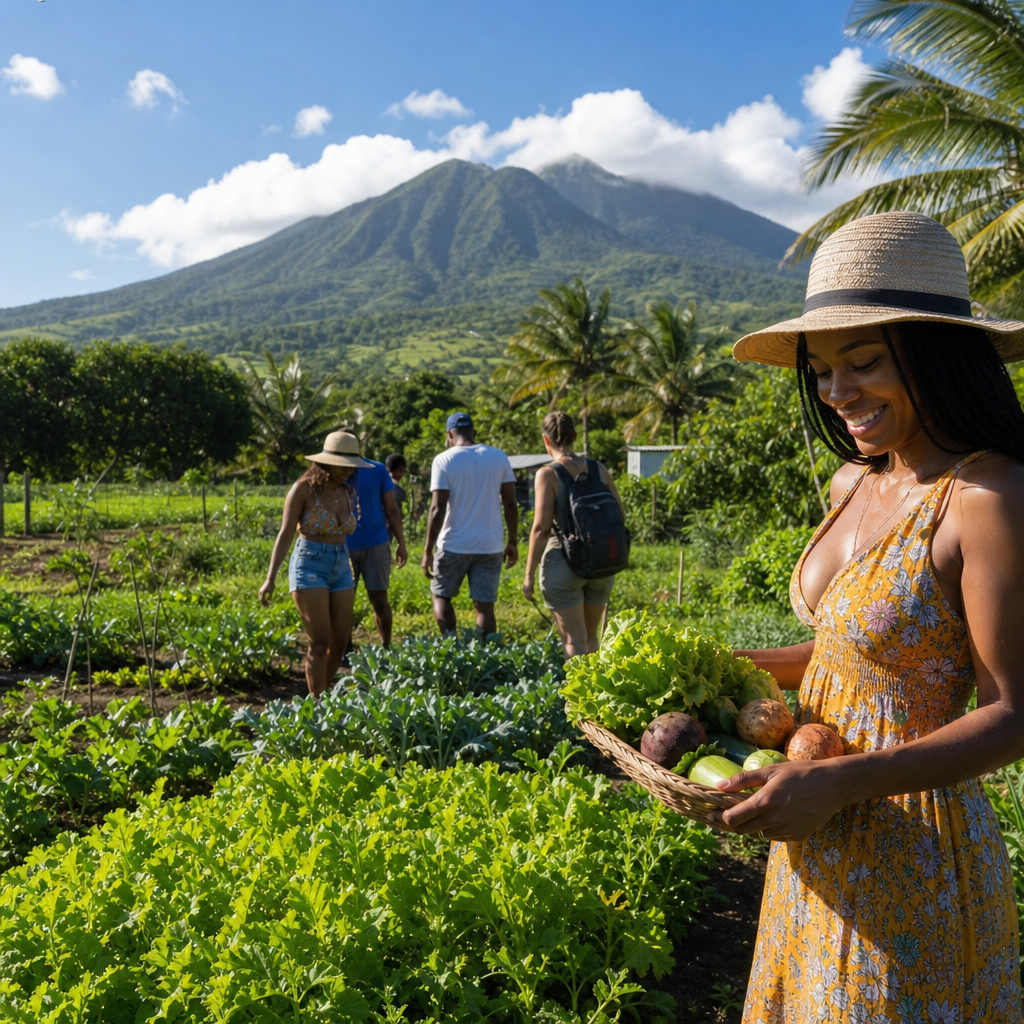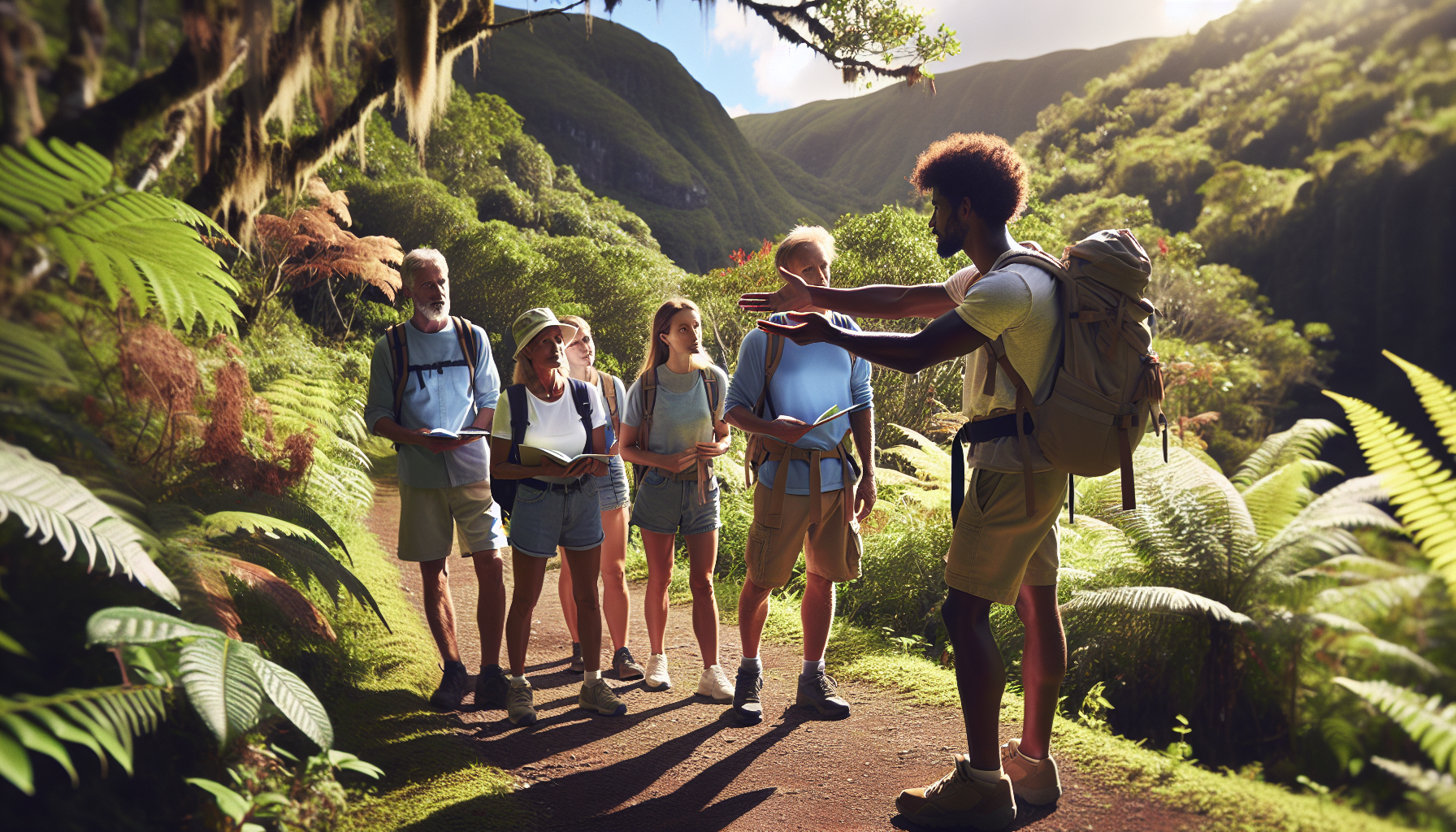
Guided nature walks in Nevis offer one of the clearest ways to understand the island beyond its beaches, because every trail reveals how volcanic geology, tropical forests, dry coastal habitats, and traditional land use fit together in a remarkably small space. Nevis, the smaller sister island in the Federation of Saint Kitts and Nevis, rises steeply from the Caribbean Sea to the cloud-wrapped summit of Nevis Peak, and that elevation change creates several distinct ecosystems within a short distance. A guided walk is exactly what it sounds like: a route led by a knowledgeable local naturalist, hiking guide, or heritage interpreter who explains what visitors are seeing, how to move safely through the terrain, and why the landscape matters. On Nevis, that guidance is not a luxury add-on. It is the difference between simply passing through scenery and actually recognizing medicinal plants, seasonal bird activity, old sugar estate traces, watershed functions, and the signs of fragile habitat under pressure. For travelers planning adventure and activities on the island, guided walks are also the practical hub experience because they connect to birdwatching, heritage touring, photography, wellness travel, family outings, and more demanding mountain treks.
I have planned Caribbean outdoor itineraries where visitors assumed a small island meant a simple landscape, and Nevis consistently proved the opposite. Within a morning, I have watched people move from hot, salt-brushed shoreline vegetation into cooler ghut corridors and then up into wetter forest where tree ferns, mosses, and constant mist shift the feel of the island entirely. That compressed variety is why guided nature walks in Nevis matter for more than recreation. They help support local guiding livelihoods, encourage low-impact tourism, and deepen appreciation for conservation at a time when small-island ecosystems face development pressure, invasive species, erosion, and climate volatility. They also answer practical traveler questions: Which trails are best for beginners? What wildlife might you actually see? Is Nevis Peak suitable for children? When is the best time to go? This hub article covers the full picture, from the island’s core habitats to route types, safety, seasonal conditions, and how to choose the right experience, so readers can use it as a starting point for every nature-focused article in this subtopic.
Understanding Nevis’s Ecosystems in One Compact Island
The defining feature of Nevis is its volcanic origin. Nevis Peak, the island’s central stratovolcano, rises to roughly 985 meters, and that single landform shapes rainfall, drainage, soils, and vegetation patterns across the island. Lower coastal zones tend to be warmer, sunnier, and in places drier, supporting sea grape, manchineel in some areas, acacia, and scrub adapted to salt spray and wind exposure. As you move inland, old estate lands, secondary woodland, fruit trees, and pasture reflect centuries of cultivation, especially from the sugar era. Higher still, conditions become cooler and wetter. Moist forest, dense understory growth, vines, mosses, and cloud-fed vegetation dominate the slopes, especially on more sheltered mountain trails. This stacked arrangement of habitats is one reason guided nature walks in Nevis are so rewarding: guides can explain ecological transitions as they happen under your feet rather than in a museum display.
Freshwater movement is another key part of the island’s ecology. Nevis has ghuts, steep-sided seasonal watercourses that carry runoff during heavy rains and help channel water from upper slopes toward lower land and coastal areas. Even when they are not flowing strongly, these corridors can hold unique plant communities and act as movement routes for wildlife. In practical terms, they also affect trail conditions. A path that feels straightforward in the dry season may become muddy, slippery, or partially washed after intense rain. Good guides know which routes drain well, where root systems create natural steps, and when it is better to switch from a forest ascent to a lower interpretive walk around estates, wetlands, or coastal habitat. That kind of decision-making is not theoretical. It directly improves safety while protecting sensitive ground from unnecessary wear.
Wildlife on Nevis is less about dramatic large mammals and more about birds, reptiles, invertebrates, and the interplay of native and introduced species. Birders often look for species such as the green-throated carib, Caribbean elaenia, bananaquit, and pearly-eyed thrasher, while migratory shorebirds may appear in coastal areas seasonally. Monkeys, specifically vervets introduced centuries ago, are now a familiar sight and can delight first-time visitors, though they also complicate agriculture and ecology. Guided walks put these encounters in context. A good guide will point out that seeing a monkey in fruiting woodland is memorable, but the bigger story may be the flowering tree attracting hummingbirds or the old stone retaining wall now serving as microhabitat for lizards and insects. On Nevis, ecosystems are best understood as connected systems of geology, water, species movement, and human history.
Types of Guided Nature Walks Available on Nevis
Not every guided walk on Nevis is a summit attempt, and that is important for travelers who want a nature experience matched to energy level, mobility, and time. The most demanding option is usually the Nevis Peak hike, a strenuous half-day or longer outing that involves steep gradients, muddy sections, rope-assisted climbs on some stretches, and fast weather changes. This is a serious mountain trek, not a casual walk, and reputable operators screen participants honestly. For fit hikers, however, it is the island’s flagship eco-adventure. The reward is immersion in increasingly lush vegetation and, on clear days, sweeping views across the federation and neighboring islands.
Mid-level options include rainforest edge walks, estate-to-forest routes, and village-to-trail experiences that combine natural interpretation with local history. These are often ideal for couples, active families with older children, and travelers arriving by cruise ferry or staying for a short break. Easier walks may focus on botanical identification, birdwatching at gentler pace, medicinal plants, or landscape photography around former plantation grounds and less technical trails. In my experience, these moderate interpretive walks often deliver the richest learning because people are not exhausted and can actually absorb what they are seeing.
| Walk Type | Typical Duration | Difficulty | Best For | Main Ecosystems Seen |
|---|---|---|---|---|
| Coastal or estate nature walk | 1.5 to 3 hours | Easy | Families, seniors, first-time visitors | Coastal scrub, gardens, former plantation landscapes |
| Rainforest edge interpretive walk | 2 to 4 hours | Moderate | Active travelers, birders, photographers | Secondary forest, ghuts, moist woodland |
| Nevis Peak guided hike | 4 to 7 hours | Strenuous | Experienced hikers | Montane forest, cloud forest conditions |
Specialty walks are growing in appeal as more visitors seek focused experiences. Birding walks usually start early, when heat is lower and bird activity is stronger. Herbal and ethnobotanical walks explore how local communities have used leaves, roots, bark, and fruits for tea, cooking, or household remedies. Heritage nature walks trace how abandoned sugar infrastructure, stone walls, and old roads intersect with regrowing vegetation. These are especially useful hub experiences within the broader adventure and activities category because they overlap with culture, wellness, food, and sustainable travel.
What You Learn on a Guided Walk That You Miss Alone
The biggest advantage of a guided nature walk in Nevis is interpretation. Visitors walking alone may notice a dramatic tree or a good viewpoint, but guides identify species, read weather signs, explain land management, and translate local knowledge into practical understanding. A guide might show you the difference between a native tree and an introduced ornamental, explain why certain ferns signal wetter ground, or point out how old sugar cultivation altered drainage patterns that still affect present vegetation. That level of interpretation turns a hike into an ecosystem lesson.
Guides also know how to sequence a route. This sounds simple, but it shapes the entire experience. An experienced local guide times departures around heat, rain risk, and cloud cover; chooses the order of stops so wildlife viewing is more likely; and adjusts pace based on trail conditions. On Nevis Peak, for example, starting too late can mean climbing in stronger heat on the lower slopes and reaching upper sections when visibility is already closing in. On a birdwatching walk, the difference between a 6:30 a.m. start and an 8:00 a.m. start can be significant. These practical decisions are part of what you pay for.
There is also a safety and etiquette dimension that independent walkers often underestimate. Some plants are irritating, some slopes become treacherous after rain, and some routes cross private or semi-managed land where access norms matter. Guides help visitors move respectfully through working landscapes, village edges, and conservation-sensitive areas. They also reduce the chance of trail braiding, littering, or off-route shortcuts that damage roots and contribute to erosion. On small islands, repeated minor impacts add up quickly. Responsible guiding protects both the guest and the place.
Signature Habitats and Species to Look For
The coastal fringe of Nevis is where many visitors first start noticing ecological adaptation. Plants there often tolerate wind, salt, and intermittent drought. Sea grape is common and easy to recognize by its broad rounded leaves, while other coastal vegetation may appear tough, low, and widely spaced compared with the dense interior. In these areas, guides often connect habitat to shoreline stability, explaining how root systems help hold soil and how careless trampling near beaches or cliffs can accelerate erosion. Depending on location and season, shorebirds, frigatebirds overhead, and lizards basking on stone surfaces are common points of interest.
Moving inland, secondary woodland and former estate lands reveal the island’s human imprint. Mango, tamarind, breadfruit, and other useful trees can appear alongside naturally regenerating vegetation. This mosaic habitat is especially good for explaining succession: what grows first after land is cleared, how shade changes species composition, and why abandoned agricultural land does not simply “return to nature” in a single uniform step. I often find this the easiest context for helping travelers understand that Caribbean landscapes are cultural as well as natural. A ruined wall covered in vines is not just picturesque; it is evidence of layered land use, changing labor systems, and ecological recovery over time.
Higher on the mountain, the character of the island changes quickly. Moist forest supports epiphytes, ferns, lianas, and thick leaf litter, while mist and reduced sunlight alter what thrives. Bird calls become more noticeable than distant coastal sounds, and footing becomes a real consideration. This upper zone is what many travelers imagine when they hear “tropical rainforest,” but it is more specific than that. Elevation, exposure, and moisture combine to create microclimates over short distances. A guide who knows the mountain can show why one bend in the trail is slicker, cooler, and botanically different from another only minutes away. That precision is what makes the walk memorable.
Planning, Gear, Weather, and Responsible Travel
The best time for guided nature walks in Nevis depends on your goal. For easier walks and photography, the drier months from roughly December through April often offer more reliable conditions and clearer views, although warm temperatures persist year-round. The wetter season can bring lush scenery and fewer crowds, but also mud, cloud cover, and rapid weather changes. Hurricane season is a real consideration across the wider Caribbean, so travelers should monitor forecasts closely and stay flexible. Morning departures are generally best for comfort, visibility, and wildlife activity.
Basic gear should match the route, not just the destination photo you want. For estate and gentle forest walks, lightweight breathable clothing, sun protection, insect repellent, and sturdy closed-toe shoes are usually sufficient. For Nevis Peak or wet forest routes, add grippy hiking shoes or boots, extra water, a small daypack, a light rain layer, and trekking gloves if the operator recommends them for rope sections. Cotton is less useful than quick-drying fabrics in humid conditions. Bringing too little water is the most common mistake I see, followed by wearing smooth-soled sneakers on muddy trails.
Choosing a guide should be treated like choosing any other professional service. Ask about route difficulty, group size, pickup arrangements, weather policy, and what is included. Good operators describe terrain honestly, carry communication plans, and explain if a walk is interpretive, fitness-oriented, or customized. Travelers should also ask whether children are suitable for a specific trail and whether private guiding is available for birding or photography. Finally, practice low-impact habits: stay on established paths, do not feed monkeys or birds, carry out every item you bring, and avoid loud playback of bird calls. If you are building a broader Nevis itinerary, pair guided nature walks with related activities such as heritage estate visits, botanical garden stops, snorkeling days, or wellness-focused spa stays, so the island’s landscapes become the thread connecting your entire trip.
Why Guided Walks Belong at the Center of a Nevis Adventure Itinerary
Guided nature walks in Nevis deserve a central place in any adventure and activities plan because they reveal how the island actually works. Beaches may bring visitors in, but trails explain the rainfall that feeds gardens, the mountain that shapes climate, the old estates that still influence land cover, and the habitats that support everyday wildlife. Whether you choose an easy coastal walk, a moderate rainforest route, or the demanding ascent of Nevis Peak, the right guide turns movement through the landscape into clear understanding. You leave with more than photos. You leave knowing why one side of a trail feels drier, why a certain bird appears near flowering trees, and why conservation matters on a small island where every ecosystem is close to the next.
For travelers, the benefit is practical as well as memorable. Guided walks help you choose activities that fit your ability, avoid common safety mistakes, and spend time in places you might never find or fully appreciate on your own. They also connect naturally to the rest of this subtopic, serving as the hub from which birding, hiking, heritage exploration, family outings, and eco-conscious travel all branch out. If you are building a Nevis itinerary, start here: pick the ecosystem you most want to experience, book a guide who matches your pace and interests, and let the island introduce itself one trail at a time.
Frequently Asked Questions
What kinds of ecosystems can you experience on guided nature walks in Nevis?
One of the most compelling things about guided nature walks in Nevis is how many ecosystems you can encounter within a relatively small area. The island rises quickly from sea level to the slopes of Nevis Peak, and that dramatic elevation change creates distinct environmental zones that feel surprisingly different from one another. On lower coastal routes, you may move through dry forest, scrub vegetation, rocky shoreline habitat, and areas shaped by salt, wind, and seasonal drought. These landscapes support hardy plants adapted to sun exposure and thinner soils, and they offer a clear contrast to the greener interior of the island.
As you head inland, the scenery shifts into more humid tropical forest, where richer soils, increased rainfall, and cooler temperatures support denser vegetation. In these areas, guides often point out towering trees, vines, ferns, flowering plants, and signs of birdlife that many visitors would otherwise miss. On higher slopes, especially near cloud forest conditions, moisture in the air increases and the ecosystem becomes even more specialized. Mosses, epiphytes, and lush undergrowth become more common, and the overall environment reflects the volcanic mountain’s influence on rainfall and temperature.
What makes Nevis especially interesting is that these ecosystems are not isolated from human history. Guided walks often pass through former estate lands, old footpaths, cultivated areas, or landscapes influenced by generations of farming and settlement. That means a nature walk here is not only about plants and wildlife, but also about understanding how geology, climate, and traditional land use have shaped the island together. In practical terms, visitors get a much deeper appreciation for Nevis as a living system rather than simply a beach destination.
Why is it helpful to explore Nevis with a guide instead of walking the trails alone?
Exploring with a knowledgeable guide adds enormous value because Nevis’s landscapes can appear simple at first glance but are actually layered with ecological and historical meaning. A guide helps interpret what you are seeing, whether that means explaining how volcanic soils influence plant communities, identifying medicinal or culturally important plants, or pointing out subtle signs of wildlife activity. Without that interpretation, many walkers see beautiful scenery; with a guide, they begin to understand how the island works.
Guides are also important from a practical and safety standpoint. Some trails in Nevis can be uneven, muddy, steep, or less clearly marked than visitors expect, particularly after rain or in more forested areas. A local guide understands trail conditions, weather patterns, and the pace needed for different groups. That local knowledge can make the experience safer, more comfortable, and more enjoyable, especially for travelers who are unfamiliar with tropical terrain. Guides also know when to adjust routes based on recent rainfall, heat, or changing conditions in the hills.
Just as importantly, guided walks often reveal the connection between the island’s natural environments and its communities. A guide may explain how certain trees were used in construction, how old estate paths connected agricultural lands, or how local people have long interacted with forests, springs, and coastal resources. That perspective transforms a walk into a richer cultural and ecological experience. For travelers who want more than a scenic outing, a guided nature walk is often the best way to understand Nevis in a meaningful, memorable way.
What wildlife and plant life might you see during a guided nature walk in Nevis?
The exact species you encounter depend on the route, time of day, season, and elevation, but guided nature walks in Nevis regularly showcase a wide range of tropical plant life and island wildlife. In forested areas, visitors may see tall native and naturalized trees, broad-leafed understory plants, climbing vines, ferns, and moisture-loving species that thrive in shaded conditions. In drier coastal or lowland habitats, the vegetation changes noticeably, with more drought-tolerant plants, grasses, shrubs, and species adapted to sun, salt, and rocky soils. A good guide can help explain why different plants dominate in different parts of the island and how each habitat reflects local rainfall, exposure, and geology.
Birdlife is often one of the highlights. Even casual walkers may notice calls, movement in the canopy, or birds crossing open areas, while experienced guides can often identify species by sound or behavior before they are seen clearly. Depending on the habitat, you may spot doves, hummingbirds, shore-associated birds, or species that favor wooded slopes and fruiting trees. Reptiles, insects, and smaller creatures are also part of the experience, though they are easy to overlook without trained eyes. Guides frequently point out lizards basking on stones, butterflies moving through sunny clearings, or pollinators around flowering plants.
Many walks also include discussion of useful and culturally significant plants. Visitors are often interested to learn which species have been used locally for food, bush remedies, fencing, shade, or traditional agriculture. In some cases, a guide can show how introduced species and native species coexist across the island’s landscapes. Rather than presenting the environment as a static wilderness, guided walks reveal Nevis as an ecosystem shaped by climate, topography, and centuries of human interaction. That combination of natural observation and local knowledge is what makes the flora and fauna especially engaging.
Are guided nature walks in Nevis suitable for beginners, families, or older travelers?
Yes, many guided nature walks in Nevis can be tailored to different fitness levels and interests, which is one reason they appeal to a wide range of visitors. Not every walk is a strenuous mountain hike. Some routes focus on gentler terrain, shorter distances, and slower-paced exploration, making them well suited for beginners, families with children, older travelers, or anyone who wants to learn about the environment without taking on a demanding trek. Other walks are more challenging and may involve steeper climbs, rougher footing, and longer durations, especially on routes connected to higher elevations or the slopes of Nevis Peak.
The key is choosing the right walk in advance. Reputable guides usually describe the physical demands of each route, including elevation gain, trail surface, length, heat exposure, and how much time the outing will take. That helps visitors select an experience that matches their comfort level. Families may prefer routes with more frequent stops, open views, and opportunities to observe plants, birds, and historical features without rushing. More active walkers may choose forest trails or uphill routes that provide a stronger workout along with ecological interpretation.
It is always wise to ask about footwear, weather readiness, and any mobility considerations before booking. Even easier walks can involve roots, stones, uneven ground, or brief muddy sections, especially in tropical conditions. Bringing water, sun protection, insect repellent, and appropriate shoes makes a big difference. When matched carefully to the group, guided nature walks in Nevis are accessible, rewarding, and educational, and they offer a way for many different kinds of travelers to experience the island beyond its resorts and beaches.
What should you bring and expect on a guided nature walk in Nevis?
Visitors should expect a guided nature walk in Nevis to be both educational and physically active, even when the route is considered easy to moderate. Conditions can change quickly depending on elevation and weather, so preparation matters. Lightweight clothing, sturdy walking shoes or trail shoes, water, sunscreen, a hat, and insect repellent are among the most useful basics. If the walk includes higher elevations or shaded forest, a light rain layer can also be helpful because moisture, mist, or brief showers are common in tropical mountain environments. Many travelers also appreciate bringing a camera, binoculars, and a small backpack to keep essentials comfortable and accessible.
In terms of experience, guided walks usually involve more than simply following a trail from one point to another. Expect frequent stops for interpretation, whether your guide is explaining volcanic landforms, identifying trees and birds, discussing old plantation landscapes, or describing how rainfall and elevation shape the island’s ecosystems. That means the pace may be slower than a self-directed hike, but the experience is often much richer. You are not just covering distance; you are learning how coastal zones, dry habitats, agricultural lands, and tropical forests connect across the island.
It is also useful to expect some variation in trail conditions. Depending on the route and recent weather, paths may be dry and open, shaded and humid, or slippery in places. A good guide will usually adapt the outing to suit the group and current conditions, but visitors should still come prepared for uneven terrain and tropical heat. The reward is that even a relatively short walk can provide a layered understanding of Nevis’s ecosystems, from shoreline environments to the lush uplands below Nevis Peak. For many travelers, that combination of scenery, science, and local insight becomes one of the most memorable parts of the island visit.