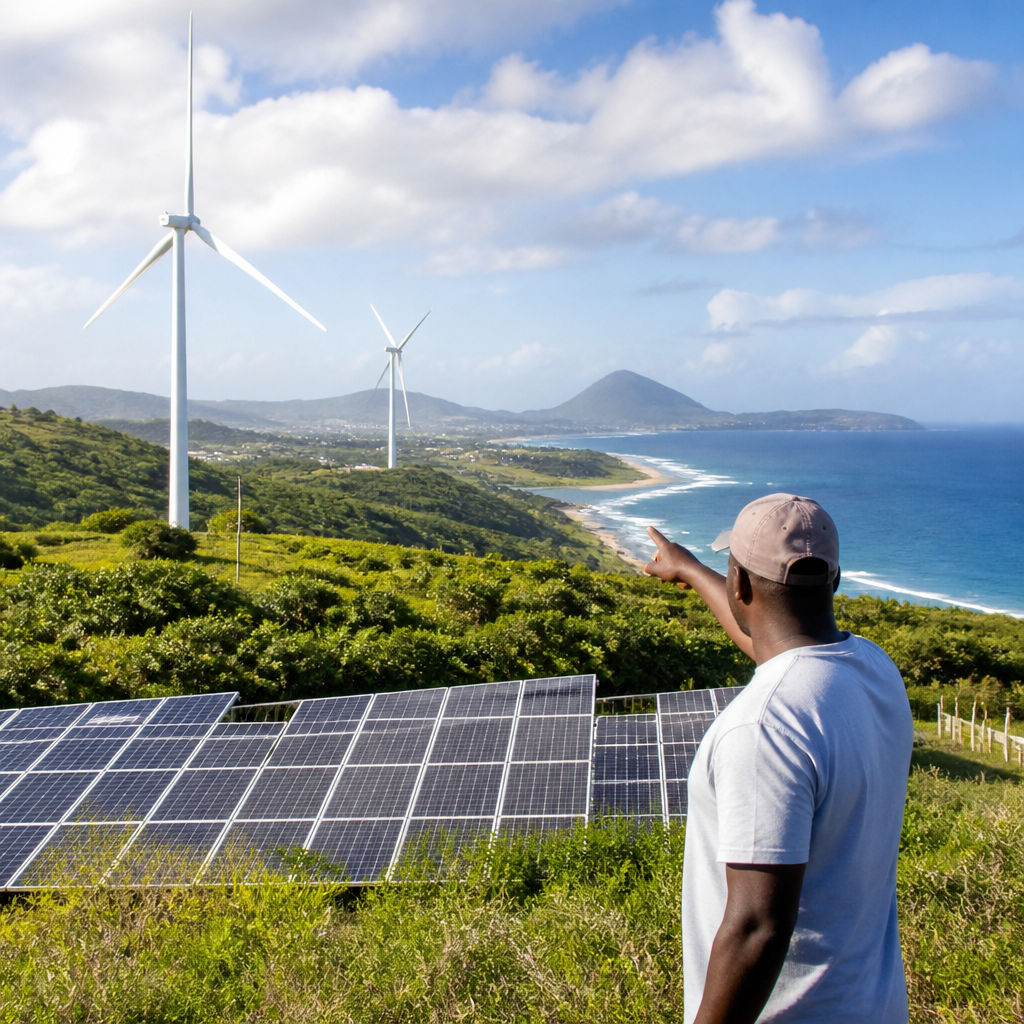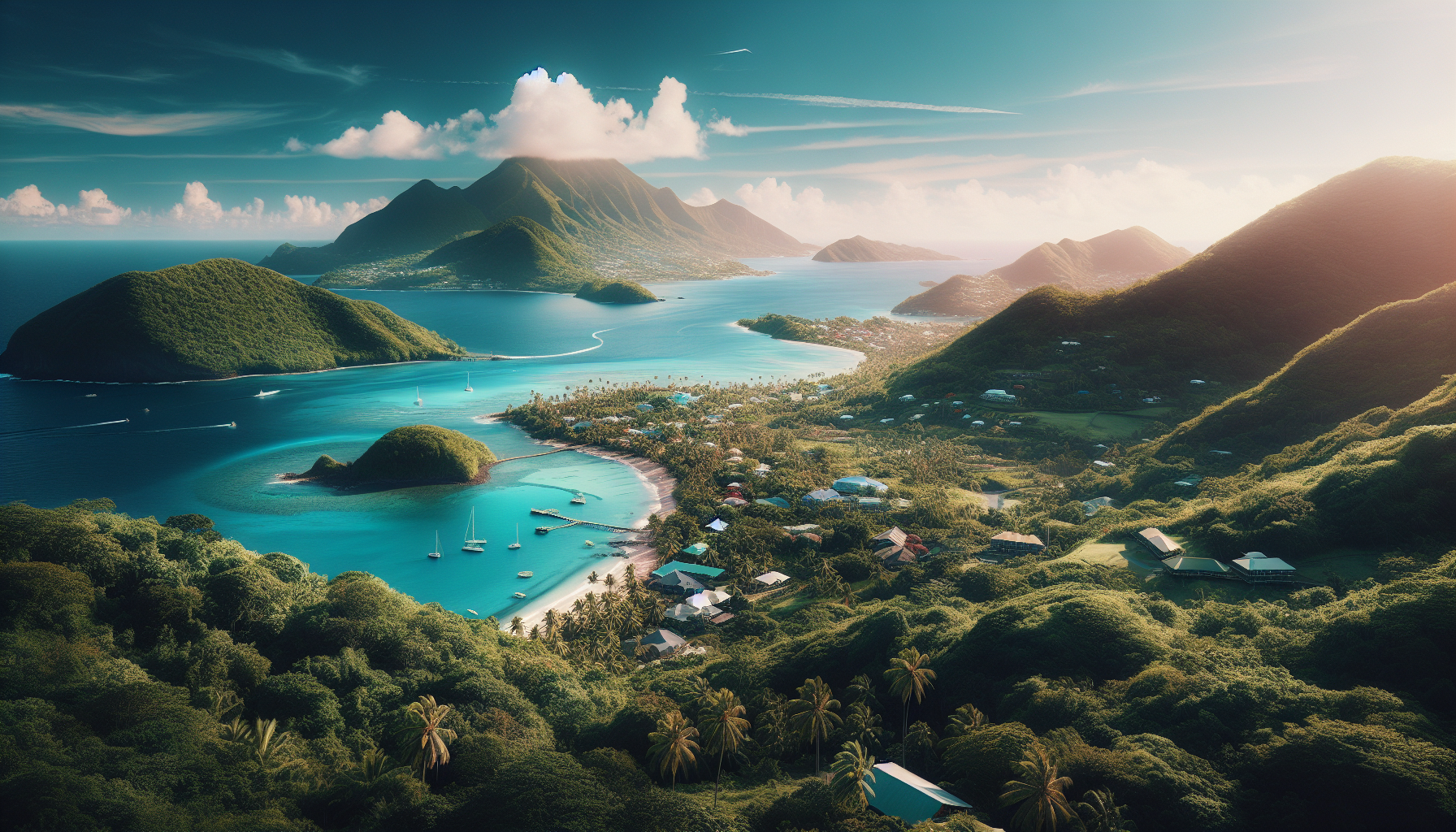
Saint Kitts rewards nature photographers with unusual range in a compact landscape: rainforest-covered mountains, black-sand coves, volcanic ridgelines, salt ponds, reef-fringed bays, and working cane fields that still shape the island’s visual identity. For anyone planning Saint Kitts nature photography, that diversity matters because it allows sunrise seascapes, midday wildlife shots, and misty forest images within the same day, often without long transfers. I have photographed Caribbean islands where subjects are scattered across hours of driving; Saint Kitts is different. Its geography makes a practical base for both casual shooters and serious image-makers who want variety, efficient logistics, and repeat access to changing light.
Nature photography on Saint Kitts includes landscape, wildlife, bird, marine, macro, and conservation-oriented travel photography. In plain terms, it means capturing the island’s natural features honestly and beautifully while adapting to fast weather shifts, high humidity, strong tropical contrast, and sensitive habitats. The island’s central massif, anchored by Mount Liamuiga, creates microclimates that can turn a clear coast into a cloud-wrapped forest by late morning. Coastal ecosystems host brown pelicans, frigatebirds, green vervet monkeys appear around forest edges, and offshore waters can produce sea turtle or reef opportunities under the right guidance. Because these subjects sit close together, Saint Kitts works especially well as a hub page topic within Adventure and Activities: it connects hiking, snorkeling, sailing, scenic rail excursions, and eco-tours through the single goal of seeing and photographing the island well.
This matters beyond vacation snapshots. Good nature photography preserves memory, supports local guides and parks, and encourages lower-impact tourism by directing attention toward habitats rather than only resort spaces. It also demands skill. Tropical scenes fool meters, trade winds shake foliage, haze softens distant peaks, and midday sun can flatten color. Knowing where to go, when to shoot, what gear to carry, and how to work responsibly produces stronger images and better travel decisions. This guide covers the essential locations, light, species, methods, and ethics that make Saint Kitts’ nature photography rewarding for beginners and professionals alike.
Best landscapes and habitats to photograph across Saint Kitts
The strongest Saint Kitts landscape photography starts with understanding the island’s ecological zones. The southeast peninsula is usually the first recommendation because it delivers broad, readable compositions: turquoise shallows on one side, Atlantic surf on the other, low hills, salt ponds, and long views toward Nevis. At sunrise, the peninsula often offers cleaner horizons and side light that reveals texture in grasses, volcanic rock, and shallow water. Cockleshell Bay and the Timothy Hill viewpoint are especially useful for travelers who want high visual return without technical hiking. Timothy Hill’s elevated angle lets photographers frame both the Caribbean Sea and the Atlantic Ocean in a single composition, one of the island’s signature geographic contrasts.
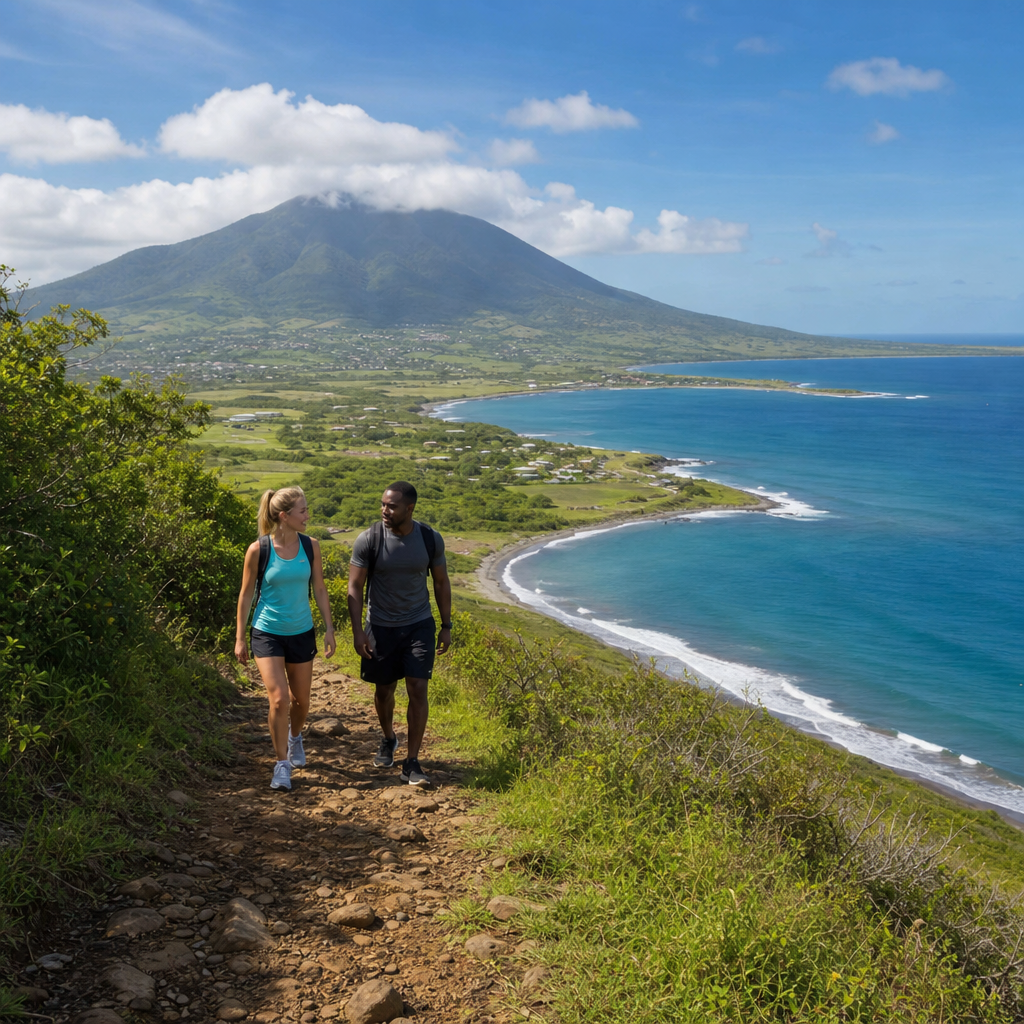
For dramatic interior scenery, Mount Liamuiga and the surrounding rainforest provide a completely different visual language. Here, the subjects are not broad beaches but layered greens, giant tree roots, moss, ferns, mist, and steep volcanic forms. Photographers who hike early with a local guide can capture shafts of light entering canopy gaps, cloud bands hugging ridges, and moisture beading on leaves for close-up texture studies. The former crater approach also supports storytelling images of geology and scale, especially when hikers are included for proportion. In my experience, Saint Kitts forest images improve when you stop chasing postcard vistas and focus on transitions: trail into mist, root system over stone, or bright heliconia against dark understory.
Coastal villages and historic estates add context without leaving the nature theme. Around Old Road Town and the western coast, the land-sea relationship becomes the subject: fishing boats against volcanic shoreline, grazing animals near old stone walls, and sunset light dropping behind clouds over the Caribbean. Brimstone Hill Fortress National Park is primarily a heritage site, yet from a photographic standpoint it is also a landscape platform with commanding views across forest, coastline, and neighboring islands. Used carefully, it can anchor a wider portfolio that connects ecology, history, and human settlement rather than isolating nature as scenery alone.
Wildlife and bird photography opportunities on the island
Saint Kitts wildlife photography is less about megafauna and more about patient observation of smaller, behavior-rich subjects. The most commonly noticed mammals are the island’s green vervet monkeys, descendants of African monkeys introduced centuries ago. They are photogenic but require restraint. Feeding them for photos creates conflict and unsafe habituation, so the best images come from distance, long focal lengths, and waiting near forest edges where they naturally move. Early morning often works best because activity rises before heat builds and human traffic increases. Backlit fur in low sun can be striking, but photographers should still expose carefully to preserve face detail.
Bird photography is stronger on Saint Kitts than many first-time visitors expect. Brown pelicans are the most accessible subjects, often gliding along shorelines or diving near bays with enough repetition to practice tracking techniques. Magnificent frigatebirds may appear soaring overhead, and shorebirds use ponds and coastal flats seasonally. In wetter or more sheltered areas, photographers can look for hummingbirds, doves, and smaller passerines around flowering vegetation. The key is not to treat every birding location as a guaranteed checklist site. Trade winds, tide conditions, flowering cycles, and recent rain all influence success. Local naturalist guides can shorten the learning curve dramatically because they know where birds are feeding rather than where they were seen last week.
Marine life photography usually requires a separate plan. Snorkeling and diving sites around Saint Kitts can yield reef fish, sea fans, coral textures, and occasionally turtles, but clear results depend on sea state, particulate matter, and realistic equipment choices. A compact waterproof camera or action camera can work for casual reef scenes in bright conditions, while serious underwater photographers need proper housings, strobes, and buoyancy control. If you are staying topside, telephoto shots of coastal birds, tide pools, and wave action are often more productive than trying to force underwater coverage into a general island day trip.
| Subject | Best Time | Recommended Gear | Best Locations |
|---|---|---|---|
| Sunrise seascapes | Dawn to 7:00 a.m. | Wide-angle lens, tripod, polarizer | Southeast Peninsula, Cockleshell Bay, Timothy Hill |
| Rainforest details | Early morning after rain | Standard zoom, macro lens, lens cloths | Mount Liamuiga trails, interior forest routes |
| Bird photography | Early morning or late afternoon | 100-400mm or 150-600mm telephoto | Salt ponds, bays, coastal cliffs, garden edges |
| Golden-hour landscapes | 4:30 p.m. to sunset | Wide-angle or mid-range zoom, tripod | West coast, Brimstone Hill viewpoints, peninsula ridges |
Light, weather, and seasonal timing for stronger images
The biggest technical mistake visitors make is assuming tropical destinations are easiest at midday because everything looks bright and colorful to the eye. In practice, Saint Kitts midday light is often harsh, overhead, and contrast-heavy, especially on beaches and open roads. The better strategy is to reserve early morning and late afternoon for major scenes, then use noon for scouting, indoor breaks, museum stops, editing, or forest work where canopy softens the light. If clouds build over the central mountains, do not write off the day. Broken weather often improves photos by adding depth, movement, and atmosphere that clear skies cannot provide.
Seasonal timing also matters. The drier months generally provide more reliable access, clearer coastal color, and easier hiking conditions, but they can also produce hazier horizons and more brittle vegetation in exposed areas. Wetter periods bring richer greens, more dramatic cloud structure, and stronger waterfall or stream conditions, though they raise the odds of muddy trails, gear fogging, and interrupted schedules. Hurricane season requires close monitoring, yet shoulder periods can be excellent for photographers who want fewer crowds and more dynamic skies. The most useful approach is flexibility: build a shot list by habitat, not only by exact viewpoint, so weather can redirect you productively.
On Saint Kitts, humidity influences image quality as much as light. Moving from air-conditioned rooms to warm outdoor air can fog lenses immediately. I leave gear sealed in the bag for a few minutes on arrival outside, then wipe carefully with microfiber cloths once temperatures equalize. Batteries drain faster in heavy live-view use, and salt spray near roads and beaches settles on front elements quickly. Clean often, check histograms rather than relying on the LCD in bright sun, and bracket exposures for scenes that combine white surf, dark volcanic rock, and reflective water.
Essential gear and field techniques for Saint Kitts nature photography
The best camera for Saint Kitts is the one you will carry consistently in heat, on uneven paths, and during short weather windows. A mirrorless or DSLR body with weather resistance is useful, but lens choice matters more. I recommend a three-part setup for most travelers: a wide-angle lens for coastal vistas and dramatic foregrounds, a mid-range zoom for flexible travel shooting, and a telephoto for birds, monkeys, compressed landscapes, and details on distant slopes. A macro lens is excellent if close-up rainforest work is a priority, though extension tubes can substitute for lighter packing.
Tripods remain valuable for sunrise, blue-hour, and forest compositions, but they should be compact and sturdy enough for wind. A circular polarizer helps manage glare on foliage and shallow water, though it can unevenly darken wide tropical skies if used carelessly. Neutral density filters are useful for smoothing surf or rendering cloud movement, especially on the peninsula where winds and open horizons create dynamic long-exposure conditions. Practical accessories matter just as much: dry bags, silica gel packs, extra cloths, reef-safe sun protection that will not smear your viewfinder, and comfortable straps for longer hikes.
Technique should match subject. For landscapes, build depth with foreground anchors such as lava rock, grasses, drift lines, or twisting roots. For wildlife, prioritize shutter speed over low ISO perfection; a slightly noisy sharp bird image is better than a blurred clean one. For rainforest scenes, simplify. The forest is visually chaotic, so isolate a single leaf pattern, trunk line, or color contrast instead of trying to include everything. If you are shooting from boats on snorkeling or sailing tours, increase shutter speed, stabilize your stance, and anticipate spray. Saint Kitts rewards preparedness more than elaborate equipment lists.
Responsible photography, local guides, and building a complete island portfolio
Responsible nature photography on Saint Kitts begins with respecting habitats and people equally. Stay on established trails in sensitive areas, avoid trampling coastal vegetation for a cleaner angle, and never bait wildlife. Drones may seem attractive for peninsula panoramas, but operators must follow local rules, protect privacy, and avoid disturbing birds, especially near nesting or feeding zones. On beaches and in village-adjacent landscapes, ask before making identifiable portraits part of a “nature” scene. Travel photography becomes stronger when it reflects consent and context, not just access.
Hiring local guides is one of the most effective ways to improve both results and impact. Experienced hiking guides know when cloud cover usually reaches certain elevations, where monkeys cross naturally, and which trails remain safe after rain. Boat captains and eco-tour operators understand lee sides, current conditions, and seasonal visibility better than any static online itinerary. Their knowledge saves time, reduces risk, and often reveals lesser-known viewpoints that visitors miss. From a practical perspective, guided outings also create continuity for this Miscellaneous hub under Adventure and Activities, because photography intersects directly with hiking, birding, rail sightseeing, catamaran trips, botanical exploration, and heritage stops.
A complete Saint Kitts portfolio should aim for more than one hero sunset. Include a wide establishing landscape, a close natural detail, a wildlife behavior frame, a weather image, and a scene showing the island’s cultural relationship with nature, such as old estate lands against green hills or boats tied near a volcanic shore. That variety tells the truth of the destination. Saint Kitts offers compact access to striking ecosystems, but strong images still depend on timing, fieldcraft, and respect. Plan around light, carry practical gear, work with local expertise, and photograph patiently. If you are building your Saint Kitts itinerary, start with one sunrise, one rainforest morning, and one guided coastal wildlife session, then let the island’s changing conditions shape the rest.
Frequently Asked Questions
What makes Saint Kitts such a strong destination for nature photography?
Saint Kitts stands out because it packs an unusually wide range of landscapes into a relatively small island, which gives photographers more variety with less travel time. In a single day, you can move from reef-fringed bays and black-sand coves to rainforest-covered slopes, volcanic ridgelines, salt ponds, and open cane fields that still define much of the island’s character. That compact geography is a real advantage in the field. Instead of spending hours transferring between distant locations, you can adapt to changing weather, light, and tides and keep shooting in conditions that suit different subjects.
For photographers, that variety translates into flexibility. Early morning may be ideal for calm water, pastel skies, and seascapes along the coast. By midmorning or midday, brighter light can work well for birds, coastal details, tide patterns, and documentary-style images of agricultural landscapes. Later in the day, shifting cloud cover and lower sun angles can bring out texture in the hills, while mist and humidity in the forest can create more atmospheric images. Saint Kitts also offers a strong sense of visual identity. The island’s volcanic terrain, lush green interior, dark beaches, and remnants of its sugar-growing past create photographs that feel distinct rather than generic. That combination of accessibility, diversity, and a recognizable natural character is what makes Saint Kitts especially rewarding for nature photography.
What are the best types of landscapes and natural subjects to photograph on Saint Kitts?
The island offers a broad menu of subjects, which is one of its greatest strengths. Coastal scenes are an obvious starting point, but they are far from uniform. Some bays are calm and bright, ideal for layered seascapes and shoreline compositions, while black-sand beaches and rockier coves provide stronger contrast, mood, and texture. Reef-fringed water can add patterns, color shifts, and gentle leading lines, especially when photographed in low-angle light. Salt ponds are another excellent subject, particularly for minimalist compositions, reflections, bird activity, and wider views that combine wetland, sky, and surrounding hills.
Inland, the rainforest and mountain terrain offer a completely different visual language. Instead of open horizons, you get dense foliage, filtered light, tangled roots, moisture on leaves, mossy surfaces, and fast-changing atmospheric conditions. These areas are especially good for detail work and intimate landscapes, but they can also produce dramatic wide views if you reach elevated ridgelines or overlooks. Volcanic topography is another key part of Saint Kitts’ appeal. Ridge lines, steep green slopes, and the island’s rugged contours photograph well in side light and after passing showers, when cloud shadows move across the land.
Do not overlook the cane fields and rural landscapes. They are important not just visually but culturally, helping tell a fuller story of the island. Repeating rows, weathered structures, road edges, and the contrast between cultivated land and steep mountains can produce strong compositions with a sense of place. Wildlife can also be part of the mix, especially around ponds, coastal edges, and forest margins. In practical terms, the best subjects on Saint Kitts are not limited to one signature scene; the island is most rewarding when you photograph its transitions, where coast meets hill, agriculture meets wild terrain, and changing weather transforms familiar views.
When is the best time of day to photograph nature on Saint Kitts?
The best time depends on what you are trying to capture, but Saint Kitts rewards photographers throughout the day if they match subject to light. Sunrise is excellent for coastal work. Early light is often softer, cleaner, and more directional, making it ideal for seascapes, beach textures, tide lines, and wider shoreline compositions. Morning also tends to be calmer, which can help with reflections and cleaner water surfaces in bays and sheltered coves. If you are shooting from the coast toward open water or trying to capture subtle color in the sky, dawn is often your most dependable window.
Midmorning to midday, while often considered difficult for landscapes, can be very productive on the island when used strategically. Bright overhead light can work well for wildlife, especially birds near salt ponds or shorelines, because it gives you faster shutter speeds and clearer visibility. It can also suit scenes where color, pattern, and graphic contrast matter more than mood, such as turquoise shallows, dark volcanic sand, agricultural geometry, or foliage studies in open areas. In the forest, midday can actually be useful because cloud cover and canopy shade naturally soften the light, allowing you to focus on close-up details, leaves, bark, and misty depth rather than broad vistas.
Late afternoon and the hour before sunset are ideal for adding shape, warmth, and dimension to broader landscapes. Slanting light can reveal terrain in the hills and volcanic slopes, while passing clouds often create selective illumination that gives scenes much more drama. After rain or during humid conditions, forests and elevated viewpoints can become especially atmospheric, with haze and mist adding depth. The key point is that Saint Kitts is not only a golden-hour destination. Because the island includes coast, wetlands, agriculture, and rainforest in close proximity, you can keep photographing productively all day by choosing locations that suit the available light.
What camera gear should I bring for nature photography on Saint Kitts?
A flexible kit is usually the smartest choice because the island’s environments change quickly and often reward different focal lengths within the same outing. A wide-angle lens is useful for seascapes, expansive coastal scenes, volcanic ridgelines, and forest interiors where you want to emphasize scale or foreground texture. A mid-range zoom is often the most practical everyday lens because it handles a little of everything, from documentary-style rural scenes in cane fields to layered hillsides and tighter landscape compositions. A telephoto lens is highly valuable as well, especially for wildlife, distant ridges, compressed coastal views, and isolating details in changing light.
If you enjoy close-up work, consider bringing a macro lens or at least a lens with good near-focusing capability. The rainforest environment can be rewarding for leaf patterns, water droplets, bark texture, fungi, and other small natural details. A sturdy but travel-manageable tripod is helpful for dawn seascapes, low-light forest scenes, and more deliberate compositions, though it is wise to balance stability with portability if you expect to move frequently. Circular polarizers can be very useful for reducing glare on foliage and water, enriching sky tones, and increasing contrast in coastal scenes, but use them carefully with wide lenses. Neutral density filters may also help if you want longer exposures around surf or moving water.
Because Saint Kitts is tropical, weather protection matters. Bring lens cloths, a rain cover or dry bag, and a way to protect gear from humidity, sea spray, and sudden showers. Extra batteries and memory cards are essential, especially if you plan full-day shooting with changing conditions. Comfortable carrying gear is just as important as the gear itself; many of the best results come from being mobile enough to respond when clouds break, birds appear, or light shifts across a ridge. In short, the ideal kit for Saint Kitts is not the largest one, but the one that lets you move easily between coast, forest, and upland viewpoints without feeling overloaded.
How can photographers capture Saint Kitts in a way that feels authentic rather than like a generic tropical destination?
The most effective approach is to photograph what is distinctive about the island rather than relying only on postcard-style beach imagery. Saint Kitts certainly has beautiful coastlines, but its identity is broader and more layered than a simple tropical cliché. The volcanic backbone of the island, the black-sand stretches, the salt ponds, the working cane fields, and the interplay between cultivated land and steep green mountains all help create images that feel rooted in a specific place. When you include those elements, your photographs begin to say something more precise about Saint Kitts rather than the Caribbean in general.
Pay attention to transitions and context. A wide scene that includes shoreline, inland slopes, and agricultural land may tell a richer story than an isolated patch of blue water. Look for evidence of weather, terrain, and land use: mist moving through the hills, rougher volcanic textures along the coast, wind patterns in grasses, the geometry of cane fields, or birds feeding near ponds against a mountain backdrop. These combinations create visual specificity. Compositionally, it often helps to layer your images so that foreground texture, middle-ground structure, and distant relief all contribute to the frame. That sense of depth reinforces the island’s compact but varied geography.
Authenticity also comes from patience and observation. Return to locations in different light, and do not be afraid of cloud, haze, or rain. On Saint Kitts, these conditions often add character rather than subtract from it. Atmospheric images from the forest, moody coastal scenes under shifting skies, and late light on rugged slopes can feel far more truthful and memorable than only shooting bright, predictable conditions. Ultimately, the goal is to show the island’s complexity: not just beauty, but texture, contrast, history, and ecological variety. That is what gives Saint Kitts nature photography its strongest voice.