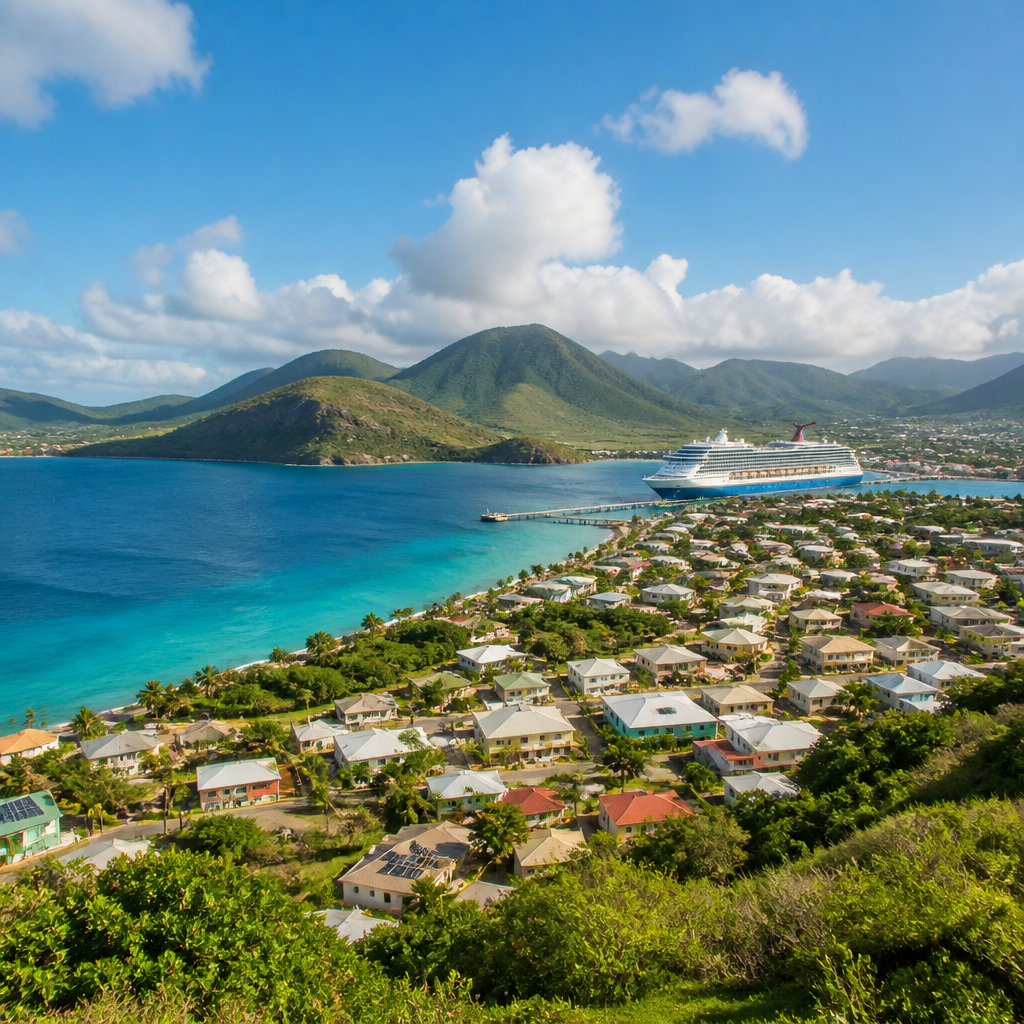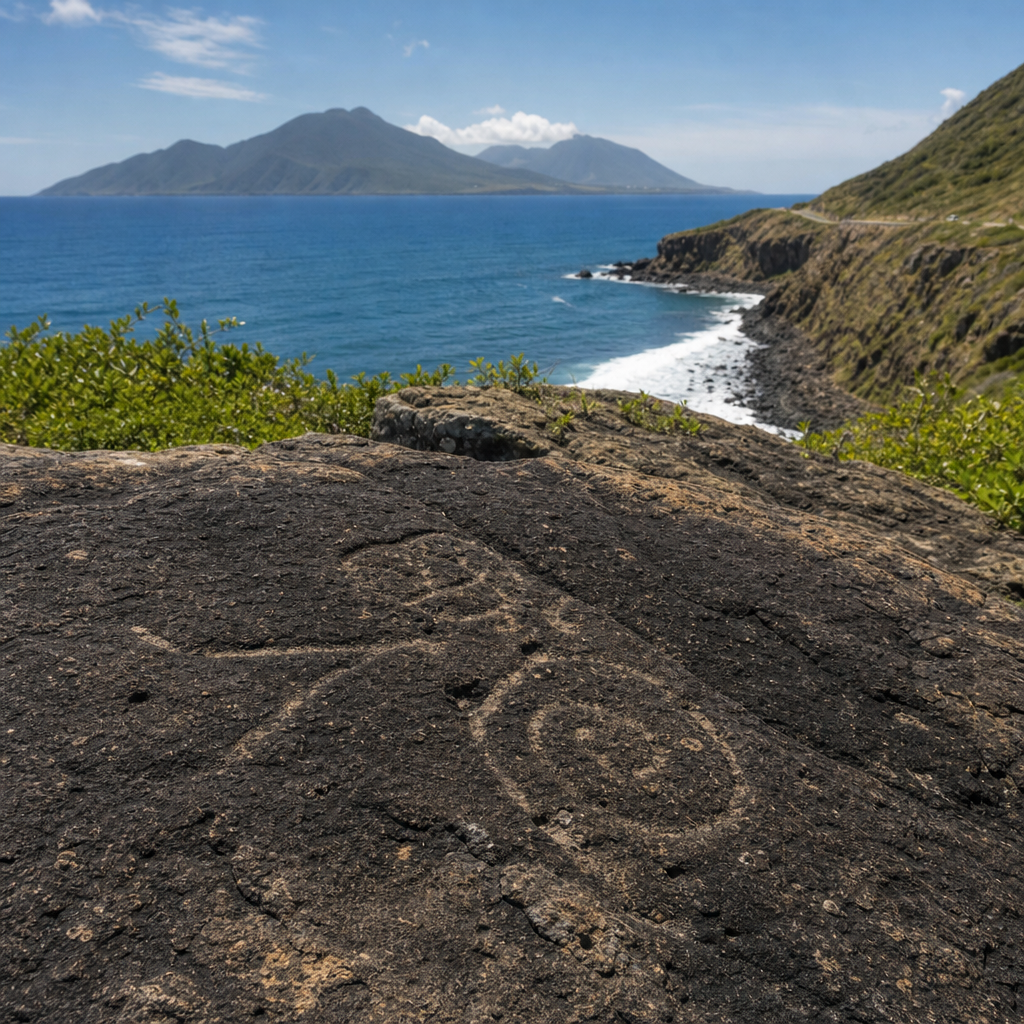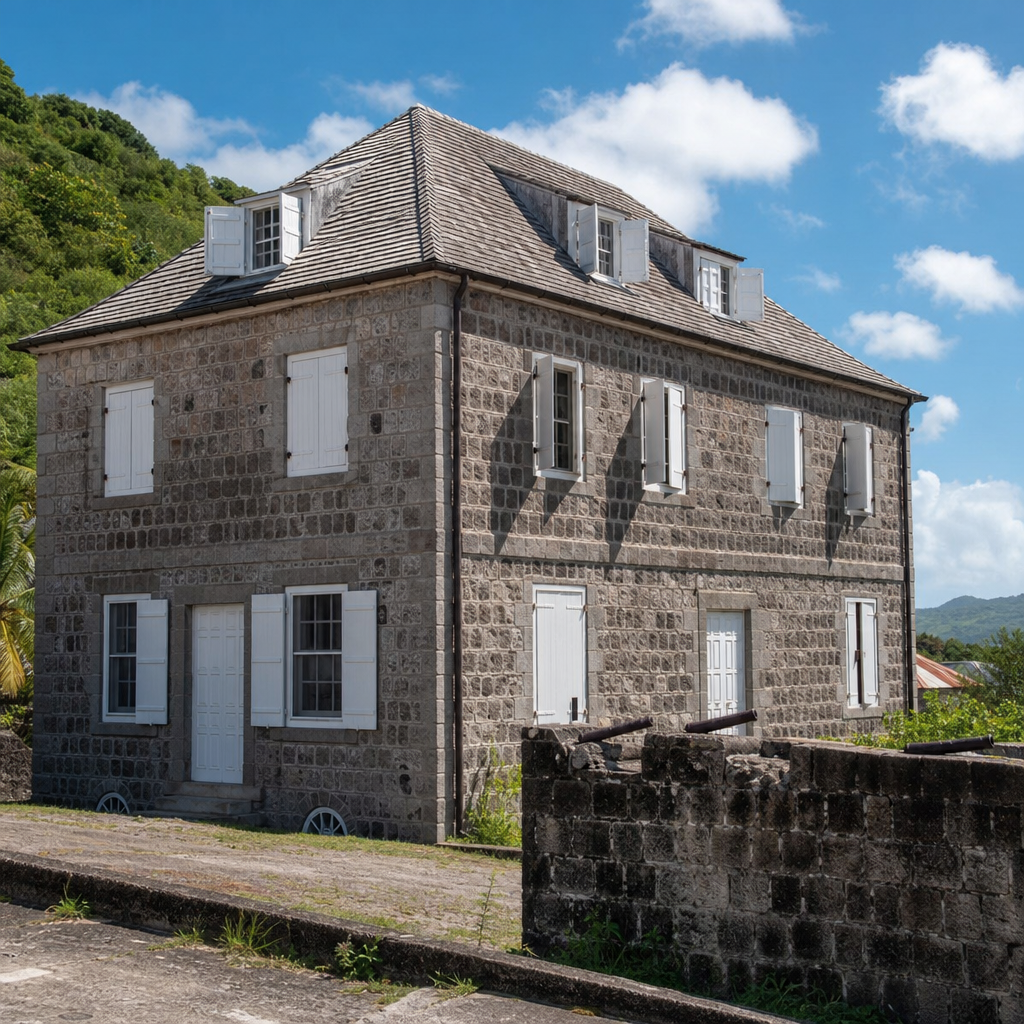
Historic homes of Saint Kitts preserve the island’s layered story in timber galleries, thick stone walls, jalousie shutters, and hillside estates that look across cane fields and harbors shaped by empire, trade, migration, and resilience. In this context, historic homes include plantation great houses, merchant residences in Basseterre, village dwellings built with local adaptation in mind, and institutional residences linked to churches, schools, and government. They matter because buildings record daily life as clearly as archives do: room layouts show social hierarchy, imported materials reveal trade connections, and construction methods explain how residents handled heat, hurricanes, earthquakes, and changing wealth. I have walked many of these sites with guides, conservation staff, and owners, and the recurring lesson is simple: Saint Kitts architecture is never only about style. It is about labor, land use, emancipation, religion, family networks, and survival after fire, storm, and economic transition. For readers exploring Culture and History, this hub article connects the island’s domestic architecture to wider themes you will also encounter in related pieces on sugar estates, colonial towns, churches, military heritage, genealogy, crafts, and oral tradition. Understanding historic homes gives you a practical framework for reading the island itself, from Basseterre’s gridded streets to rural estate roads. It also helps travelers, students, and property stewards ask better questions: what is original, what was rebuilt, what materials are local, what changed after emancipation, and why do certain homes still command cultural attention today.
Architectural roots and defining features
The architectural history of Saint Kitts begins with adaptation rather than pure imitation. European settlers, free and enslaved Africans, skilled craftsmen, and later merchants and professionals all contributed to a building culture shaped by climate and available materials. Early elite residences often combined masonry ground floors with timber upper levels or verandas, a practical response to ventilation and heat. Thick stone walls, particularly where volcanic stone and lime mortar were available, moderated indoor temperature and added durability. Timber framing allowed quicker construction and easier repair after storms. In better-preserved examples, broad galleries served as circulation space and social space at once, reducing interior heat gain while extending domestic life outdoors.
Several features consistently define historic homes on the island. High ceilings improved airflow. Sash windows and louvered shutters balanced light, privacy, and rain protection. Roof pitches varied, but wide eaves were crucial for shading walls and keeping water away from foundations. Decorative trim, fanlights, and symmetrical facades signaled wealth and adherence to British colonial taste, yet local adjustments were everywhere. Kitchens were sometimes detached because of heat and fire risk. Service yards and outbuildings reflected plantation economies and social ranking. Even modest homes often prioritized porches, window placement, and raised floors to handle moisture and cross-ventilation effectively. These choices were not aesthetic accidents; they were climate engineering before modern mechanical cooling.
Saint Kitts homes also reflect shifts in prosperity. During the sugar era, estate houses displayed imported hardware, cut stone detailing, and formal approaches intended to project authority. In urban settings such as Basseterre, merchants and officials favored residences with neoclassical proportions, Caribbean galleries, and details tied to British imperial fashion. After economic decline or ownership change, many houses were simplified, subdivided, or repaired with newer materials such as corrugated metal roofing, concrete block additions, and replacement joinery. For historians, these alterations are valuable evidence. A patched wall or changed staircase may show how a household adjusted to emancipation, shrinking estate income, or twentieth-century modernization.
Plantation great houses and estate landscapes
No discussion of historic homes of Saint Kitts is complete without plantation great houses. These residences sat at the center of estate landscapes organized around sugar production, labor control, and export logistics. The house itself was only one component in a larger complex that included mills, boiling houses, curing facilities, animal pens, water systems, and worker settlements. Reading the great house in isolation can romanticize it; reading it within the estate reveals the full social and economic structure that sustained it.
Fairview Great House is among the most recognized examples, in part because it offers visitors a tangible sense of scale and setting. Located inland with views toward the coast, it reflects the relationship between residence, agriculture, and surveillance that characterized plantation life. The house seen today includes restoration and interpretation, which is common on Caribbean heritage sites. That does not reduce its value. Restoration can clarify circulation patterns, construction methods, and decorative priorities that would otherwise remain invisible. When I review estate houses with visitors, I encourage them to compare the grand proportions of reception rooms with the practical placement of verandas, cisterns, kitchens, and service spaces. The contrast explains how display and utility coexisted.
Other estate houses, including residences associated with major former plantations, survive in fragments, altered form, or landscape traces rather than pristine museum condition. That is typical of sugar islands. The most informative sites are often those where masonry platforms, stair remains, retaining walls, and access roads still define the logic of the estate. In Saint Kitts, the best interpretation links these material remains to the lived experiences of enslaved workers, estate managers, and later tenant communities. A historic home gains meaning when the story includes who built it, who maintained it, who was excluded from it, and who reshaped it after slavery ended.
Basseterre residences and urban domestic heritage
Basseterre adds another layer to the island’s domestic architecture. As the capital and principal port, it developed residences tied to trade, administration, and church life rather than strictly to plantation hierarchy. Urban historic homes tended to occupy tighter plots, respond to fire regulations, and blend living space with commercial activity. Ground floors could serve warehousing, retail, or office functions, while upper floors housed families. This mixed-use arrangement remains a useful lens for understanding Caribbean colonial towns, where architecture followed business rhythms as much as domestic ideals.
Urban houses in Basseterre historically faced recurring threats from fire, hurricanes, and seismic activity, so rebuilding and adaptation became normal. Surviving examples often show masonry party walls, balcony or gallery elements, and facades adjusted over time as styles changed. The city’s French and British colonial episodes also influenced its urban plan and building traditions. While many original homes have been lost or heavily altered, domestic heritage still survives in street alignments, lot dimensions, civic relationships, and selected structures whose proportions and construction methods speak to older phases of the city.
For researchers, Basseterre’s value lies in comparison. A merchant’s residence in town reveals different priorities from a rural great house: more attention to frontage, access, and multifunctional rooms; less emphasis on commanding agricultural acreage. These homes also highlight the social mobility of free colored families, professionals, and commercial households who occupied spaces outside the classic plantation narrative. That broader view is essential for a miscellaneous hub article, because the story of Saint Kitts homes includes not only elite country estates but also the built environments of trade, religion, education, and civic life.
Materials, craftsmanship, and climate intelligence
Historic homes of Saint Kitts are best understood through materials and workmanship. Stone, lime, hardwood, clay brick, and imported finishes were selected according to status, access, and local conditions. Lime mortar deserves special attention. In older buildings, it allows walls to breathe and handle slight movement better than many hard modern cement repairs. I have seen well-meaning restoration projects damage historic masonry by trapping moisture with incompatible cement render. Conservation professionals across the Caribbean now emphasize compatibility, reversibility, and careful diagnosis before intervention.
Timber craftsmanship is equally important. Joiners and carpenters shaped shutters, balustrades, staircases, and roof structures with a practical understanding of humidity, insect pressure, and wind loads. Caribbean hardwoods, when properly maintained, can outlast many modern substitutes. Jalousie systems and aligned openings promoted cross-ventilation long before air-conditioning. Raised foundations reduced dampness. Cisterns captured water because reliable supply could not be assumed. These are not quaint old features; they are tested environmental solutions with current relevance as islands face rising temperatures and energy costs.
| Feature | Purpose in historic homes | Why it still matters |
|---|---|---|
| Deep verandas | Shade walls, create outdoor living space, reduce heat gain | Lower cooling demand and improve comfort |
| Louvered shutters | Control airflow, light, and rain without sealing rooms | Useful for passive ventilation during power outages |
| Lime mortar | Allows masonry to release moisture and flex slightly | Protects old walls better than rigid cement in many cases |
| High ceilings | Let hot air rise above occupied zone | Improve comfort in tropical climates |
| Detached kitchens | Reduce fire risk and keep cooking heat away from main house | Illustrate historic household planning and safety logic |
These material choices also reveal trade patterns. Imported slate, hardware, glass, and decorative fittings signal access to Atlantic markets. Local stone and timber signal adaptation to place. The mixture is the point: Saint Kitts homes are products of both global exchange and local ingenuity. Anyone documenting a house should start with fabric analysis, looking closely at wall thickness, tool marks, fasteners, roofing changes, and evidence of phased construction.
Preservation, interpretation, and responsible visitation
Preserving historic homes on Saint Kitts involves technical, financial, and ethical challenges. Tropical weather accelerates deterioration. Salt air corrodes metal. Termites and rot threaten timber. Ownership may be fragmented, and historic buildings often require specialized skills that are expensive to source consistently. Tourism can help fund restoration, but it can also encourage superficial presentation if aesthetics are prioritized over historical accuracy. The most successful heritage properties balance access with conservation planning, maintenance schedules, archival research, and honest interpretation.
Interpretation matters because these homes sit within histories of slavery, colonial extraction, and uneven wealth. A polished great house tour that ignores labor systems is incomplete. The stronger sites explain both architectural merit and human cost. They identify construction phases, note what is original versus reconstructed, and connect rooms to actual activities rather than vague nostalgia. Good interpretation also widens the lens beyond elite owners to include artisans, domestic workers, field laborers, and post-emancipation communities who kept these places functioning and, in some cases, later occupied or transformed them.
Visitors can support preservation in practical ways. Choose sites that invest in trained guides and maintenance. Follow access rules, especially around fragile floors, galleries, and masonry ruins. Ask informed questions about restoration methods, archival sources, and community partnerships. If you are photographing or writing about a site, avoid repeating myths that cannot be verified. For property stewards, the priorities are straightforward: fix water ingress first, document existing conditions, use compatible materials, and seek advice from conservation architects or engineers before major work. Historic homes survive through continuous care, not one-time rescue projects.
Using this hub to explore Saint Kitts culture and history
As a hub within Culture and History, this article should help readers branch into the island’s wider historical landscape. Historic homes connect directly to sugar plantations because residence, production, and power were physically intertwined. They connect to churches because baptisms, marriages, funerals, and social rank often tied households to parish life. They connect to military history because fortification, defense, and imperial rivalry shaped settlement priorities. They connect to crafts and foodways because domestic spaces determined cooking methods, furniture forms, storage, and garden use. They also connect to genealogy. Family lines in Saint Kitts are often traceable through estates, villages, and urban neighborhoods where houses stood as anchors of memory.
For trip planning, pair house visits with nearby heritage sites. A day that includes an estate house, a former sugar works, and Basseterre’s civic core gives a more complete understanding than any single stop. For students, compare plan types, materials, and social function across rural and urban examples. For local researchers, oral history remains indispensable. Older residents often know which house changed hands after emancipation, which gallery was rebuilt after a hurricane, or which outbuilding once served as a kitchen, shop, or schoolroom. Those details rarely survive in formal records but are crucial to accurate interpretation.
The central lesson is that Saint Kitts historic homes are architectural treasures because they are evidence-rich, not because they are frozen in time. Their value lies in visible adaptation, layered occupation, and the way they tie personal stories to island history. Use this hub as a starting point: explore plantation architecture, urban heritage, conservation practice, family history, and community memory together, and the homes of Saint Kitts will read not as isolated monuments but as living documents. If you want to understand the island more deeply, start with its houses, then follow the roads, archives, and voices that surround them.
Frequently Asked Questions
What makes the historic homes of Saint Kitts architecturally distinctive?
The historic homes of Saint Kitts stand out because they reflect a layered architectural response to climate, economy, social hierarchy, and the island’s long colonial and post-emancipation history. Across Saint Kitts, you can see a recurring vocabulary of features that are both practical and elegant: raised foundations, thick stone walls, timber framing, deep verandas or galleries, jalousie shutters, steep roofs, and broad openings designed to catch breezes in a tropical environment. These details were not simply decorative. They helped manage heat, humidity, rain, and ventilation long before mechanical cooling existed, and they reveal how builders adapted imported European forms to Caribbean conditions.
Plantation great houses often show this blend most dramatically. Many were positioned on elevated ground to overlook cane fields, roadways, and harbors, with commanding views that were as symbolic as they were functional. Their layouts frequently emphasized airflow, with broad porches, high ceilings, and multiple doors and windows aligned to encourage cross-ventilation. In Basseterre and other settled areas, merchant residences sometimes combined masonry ground floors with upper timber levels, balancing durability with flexibility. Village dwellings, meanwhile, often demonstrate local ingenuity on a more modest scale, using available materials and compact plans while still incorporating shutters, galleries, and shaded outdoor space.
What makes these homes especially significant is that they do not represent one single style. Instead, they embody centuries of exchange shaped by empire, trade, migration, religion, and resilience after storms, earthquakes, fires, and economic shifts. A single house might carry Georgian proportions, Caribbean ventilation strategies, later Victorian-era decorative details, and local building traditions refined through experience. Taken together, Saint Kitts’s historic homes are architectural treasures because they preserve the island’s lived story in their materials, siting, craftsmanship, and adaptation.
Why are plantation great houses and merchant homes so important to understanding Saint Kitts’s history?
Plantation great houses and merchant residences are central to understanding Saint Kitts because they are physical records of how power, commerce, and daily life were organized on the island over time. Plantation houses were closely tied to the sugar economy that shaped Saint Kitts for generations. Their scale, placement, and construction often reflected the wealth and authority of estate owners, but they also point to the labor systems, land use patterns, and social divisions that sustained plantation society. Looking at these homes today allows visitors and researchers to understand not only architectural refinement, but also the difficult and often painful histories of enslavement, colonial extraction, and inequality that formed the wider landscape around them.
Merchant homes, particularly in and around Basseterre, tell another side of the story. These residences were linked to port activity, warehousing, trade networks, and the movement of goods, people, and ideas through the Caribbean and beyond. Their location near commercial districts and harbors helps explain how urban Saint Kitts developed. In many cases, these homes reveal the aspirations of a rising mercantile class and show how architecture could communicate stability, sophistication, and status in a busy colonial town. Their plans and materials also demonstrate how urban residents adapted to tropical conditions while living in denser settings than rural estates.
Importantly, these buildings should not be interpreted only as relics of elite life. They also help frame broader social histories involving domestic workers, craftspeople, traders, teachers, clergy, and families whose lives intersected with these spaces. When preserved and interpreted carefully, plantation and merchant homes become tools for telling a fuller story of Saint Kitts: one that includes wealth and enterprise, but also displacement, labor, adaptation, and community formation across centuries.
How did Saint Kitts’s climate and landscape influence the design of its historic homes?
Climate and landscape were fundamental to the design of historic homes in Saint Kitts. Builders had to respond to intense sun, heavy rainfall, humidity, salt air, and the constant need for airflow. As a result, many older homes were designed with features that made them more comfortable and durable in tropical conditions. Jalousie shutters, for example, allowed ventilation even during rain, while deep eaves and verandas protected walls and openings from direct sun and water. High ceilings helped heat rise above occupied spaces, and wide galleries created shaded transitional zones between indoors and outdoors.
The island’s varied terrain also shaped where and how houses were built. Hillside estates were often positioned to capture cooling breezes and to command views over fields, roads, or harbors. In low-lying urban or coastal areas, masonry could provide greater resistance to weather and fire, while timber elements added flexibility and ease of repair. Stone walls, whether fully structural or combined with wood, offered thermal mass and a sense of permanence. At the same time, local building knowledge played a major role, especially in vernacular and village housing, where practical solutions evolved from observation and experience rather than formal architectural theory.
This climate-responsive approach is one of the most compelling aspects of Saint Kitts’s architectural heritage. Historic homes show that beauty and practicality were closely connected. Their proportions, openings, rooflines, and materials often served environmental purposes first, and aesthetic coherence followed from that logic. Today, these structures offer valuable lessons in sustainable design, demonstrating how architecture can work with local conditions rather than against them. In that sense, Saint Kitts’s historic homes are not only reminders of the past; they also provide enduring models of place-based building.
What kinds of historic homes can be found in Saint Kitts beyond plantation estates?
Although plantation great houses are often the most visually dramatic and frequently discussed, Saint Kitts’s historic domestic architecture is much broader and more varied. Merchant residences in Basseterre form one important category, reflecting the island’s commercial and maritime history. These homes often occupied strategic urban locations and were shaped by trade, administration, and proximity to warehouses, churches, public buildings, and the harbor. Their architecture may appear more compact or formal than rural estates, yet they still reveal thoughtful adaptation to climate through shutters, internal airflow, and sheltered outdoor areas.
Village dwellings are equally important, especially for understanding how ordinary people shaped the built environment using local materials, practical planning, and inherited craft traditions. These homes may be smaller and less monumental, but they often preserve some of the clearest evidence of everyday adaptation in Saint Kitts. Their scale, roof forms, porches, window placement, and use of timber all speak to family life, affordability, repairability, and environmental common sense. In many cases, these buildings carry histories tied to emancipation, labor mobility, kinship networks, and the development of local communities after major changes in the island’s social and economic order.
Institutional residences also deserve attention. Homes associated with churches, schools, and government provide insight into how authority and community leadership were physically embedded in the landscape. A parsonage, headmaster’s residence, or official house can reveal much about education, religion, governance, and the circulation of architectural ideas. Together, these varied building types show that the historic homes of Saint Kitts are not a narrow category. They form a rich architectural record of social diversity, from elite estates to modest dwellings, all contributing to the island’s cultural memory.
Why is preserving Saint Kitts’s historic homes important today?
Preserving the historic homes of Saint Kitts matters because these buildings are irreplaceable records of the island’s cultural identity, craftsmanship, and historical experience. They help connect present-day communities with the physical environments shaped by earlier generations, allowing people to see how architecture expresses adaptation, hierarchy, aspiration, hardship, and continuity. A historic home can reveal as much through its construction methods and room arrangement as through written records, especially in places where everyday lives were not always fully documented in official archives. In that sense, preservation protects both material heritage and the stories embedded within it.
There is also a strong educational value in conservation. Restored or carefully maintained homes can help explain Saint Kitts’s links to plantation agriculture, urban trade, migration, religion, and public institutions in a way that feels immediate and tangible. Students, residents, researchers, and visitors gain a deeper understanding of the island when they can encounter original buildings rather than only reading about them. Preservation encourages more honest historical interpretation as well, making room for conversations about colonialism, enslavement, labor, resilience, and cultural transformation rather than reducing the past to picturesque scenery.
From a practical perspective, preserving historic homes can support heritage tourism, local pride, and traditional building knowledge. Conservation work often depends on skilled carpentry, masonry, and restoration techniques that deserve to be sustained. At the same time, preservation must be thoughtful and community-centered, balancing use, safety, maintenance costs, and environmental vulnerability. When done well, it keeps these architectural treasures relevant rather than frozen in time. The goal is not simply to save old buildings because they are old, but to recognize them as living links to Saint Kitts’s layered story and as meaningful assets for the island’s future.