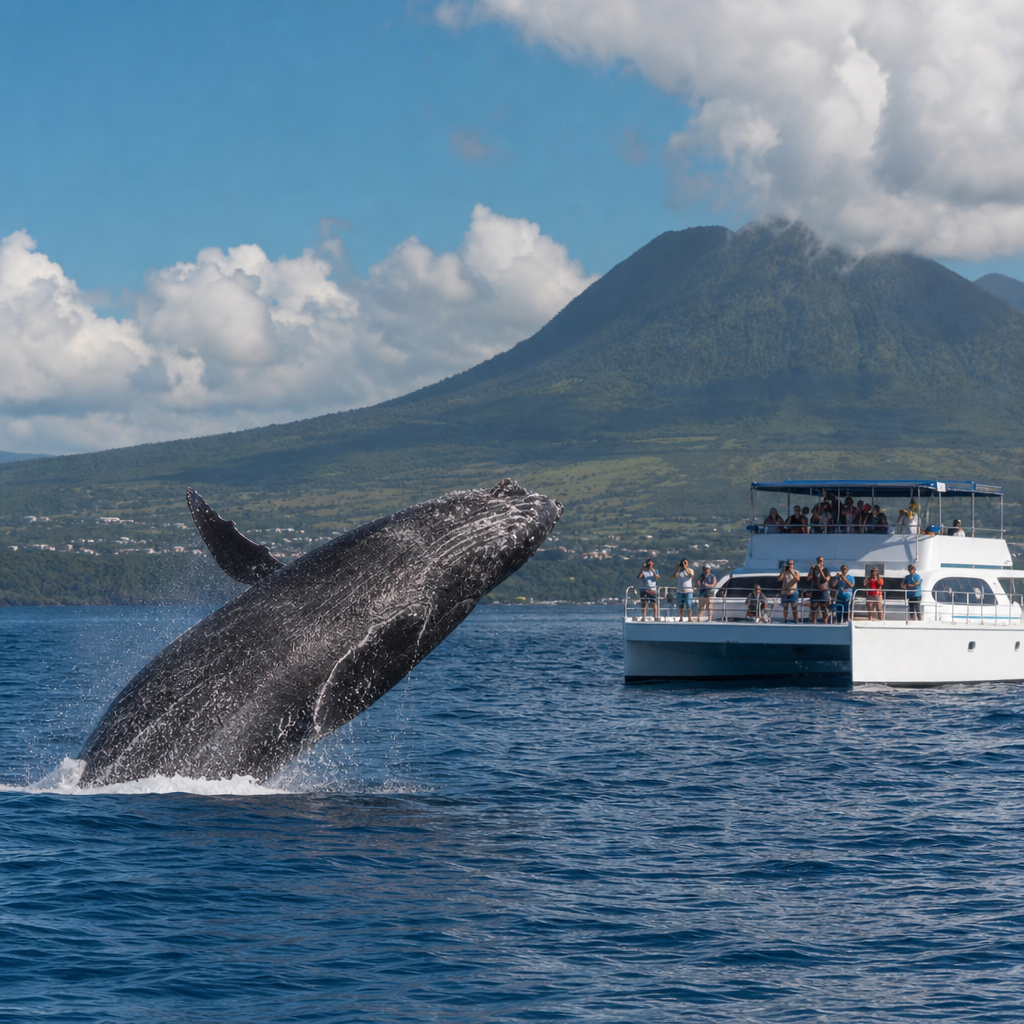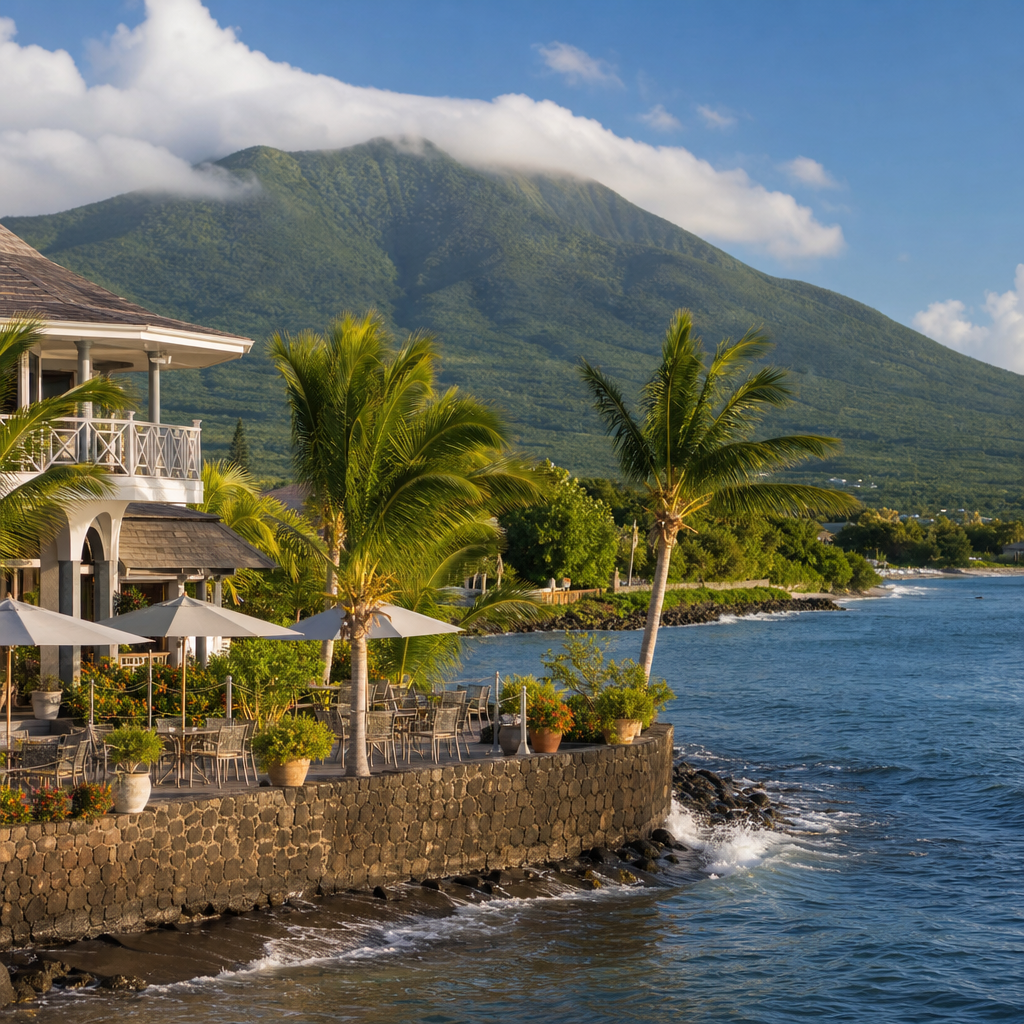
Nevis is moving into a new phase of hospitality development, and investors who understand its market signals can find opportunities that are still relatively early compared with more saturated Caribbean destinations. In this context, hospitality industry trends in Nevis include hotel and villa development, boutique lodging, marina-linked tourism, wellness travel, food and beverage concepts, heritage attractions, and the service infrastructure that supports visitor spending. The island’s appeal rests on a mix of political stability within the Federation of Saint Christopher and Nevis, a respected international financial services sector, established citizenship and residency interest, and a tourism profile built around privacy, natural beauty, and low-density luxury. That combination matters because hospitality returns in small-island markets depend less on mass arrivals and more on yield per guest, seasonality management, and the ability to create experiences that justify premium pricing.
From working with Caribbean market assessments, I have seen that Nevis is often misread by investors who compare it directly with cruise-driven islands or all-inclusive resort hubs. That is the wrong frame. Nevis performs best as a differentiated destination for travelers seeking upscale leisure, second-home stays, destination weddings, wellness retreats, and extended remote-work escapes. Key terms therefore matter. Average daily rate refers to the average room revenue earned per sold room. Occupancy measures the share of available rooms sold over a period. RevPAR, or revenue per available room, combines pricing and occupancy into a single performance indicator. For mixed-use hospitality, investors also need to track residential absorption, food and beverage capture, guest length of stay, and ancillary revenue from spa, golf, transport, excursions, and event bookings. Understanding these basics makes it easier to judge where the strongest business and investment opportunities are emerging across Nevis.
The investment case is strengthened by global travel behavior. Affluent travelers increasingly prefer smaller destinations with outdoor access, authentic culture, and lower crowd density. Branded and independent boutique hotels have benefited from that shift, especially where they can offer privacy, flexible villa inventory, and curated local experiences. Nevis checks many of those boxes through assets such as Pinney’s Beach, Nevis Peak, heritage plantation settings, golf-linked resorts, yachting access, and a reputation for understated luxury. At the same time, the island faces practical constraints that shape returns: limited land in prime coastal corridors, imported construction inputs, labor availability, utility costs, airlift dependence, and climate resilience requirements. For investors, those constraints are not reasons to avoid the market. They are the factors that determine which concepts work, which cost models are realistic, and which partnerships reduce execution risk.
Market Positioning: Why Nevis Competes on Quality, Not Volume
Nevis competes best by offering a premium, low-density visitor experience rather than chasing high-volume tourism. That distinction affects everything from site selection to staffing and pricing strategy. Large inventory projects that rely on constant high occupancy can struggle in markets where airlift is limited and traveler demand is more selective. By contrast, smaller resorts, luxury villas, and experience-led properties can perform well if they maintain strong rates, create repeat visitation, and capture meaningful ancillary spending. Investors should think in terms of yield optimization, not only room count. In practice, that means designing products that can command premium pricing because they deliver privacy, service, and a sense of place that larger destinations often cannot match.
Several existing demand drivers support this positioning. Nevis attracts leisure couples, wedding groups, villa renters, yacht visitors, diaspora travelers, and high-net-worth individuals who value discretion. It also benefits from proximity to St. Kitts while maintaining a distinct brand identity. Some guests arrive through broader federation travel planning, then choose Nevis specifically for its quieter atmosphere. This creates opportunities for cross-island packaging, private transfers, curated excursions, and dual-island itineraries. Investors who understand this ecosystem can build products that capture spending before arrival and after check-in, rather than relying only on accommodation revenue.
High-Potential Asset Classes in the Nevis Hospitality Market
The most promising hospitality asset classes in Nevis are boutique resorts, branded or independent villas, wellness-oriented retreats, heritage hospitality conversions, and mixed-use developments that combine lodging with residential or marina-related components. Boutique resorts fit the island because they align with low-density zoning realities and traveler preferences. A 25- to 60-key property with strong design, beach or hillside access, and a high-touch service model can often defend rates better than a larger conventional hotel. Villas also remain attractive because families and groups increasingly want private space, kitchens, plunge pools, and staffed experiences. Investors can structure villa portfolios as rental pools, standalone branded residences, or hybrid resort-villa models.
Wellness is another durable trend. Travelers are spending more on preventive health, fitness, mindfulness, and nature-based recovery. In Nevis, that can translate into spa retreats, thermal or botanical programming, yoga and hiking packages, healthy dining, sleep-focused accommodations, and partnerships with visiting practitioners. Heritage assets also deserve attention. Former plantation properties, historic buildings, and landscape-rich estates can be repositioned into inns, event venues, museums with hospitality components, or destination restaurants. These concepts require careful restoration and planning discipline, but they can create strong brand distinction. Mixed-use projects may offer the strongest risk diversification because they combine recurring hotel income with residential sales, memberships, marina services, food and beverage revenue, and event activity.
| Asset type | Main demand driver | Typical advantage in Nevis | Key investment caution |
|---|---|---|---|
| Boutique resort | Couples, luxury leisure, weddings | Supports premium rates with low-density design | Needs strong service culture and airlift resilience |
| Villa portfolio | Families, groups, extended stays | High privacy and flexible rental pricing | Operational consistency across units is critical |
| Wellness retreat | Health-focused travelers | Pairs naturally with scenery and slower pace | Programming must be credible, not cosmetic |
| Heritage conversion | Cultural travelers, events, dining | Creates distinctive identity and storytelling | Restoration costs and approvals can be significant |
| Mixed-use hospitality | Investors, second-home buyers, guests | Diversifies revenue beyond room nights | Complex phasing and governance must be managed |
Demand Trends Shaping Returns
Three demand trends are particularly important in Nevis: longer stays, experience-led spending, and blended travel. Longer stays increase total guest value even when occupancy is moderate, because guests spend on dining, transport, retail, spa, and local activities over more days. This favors properties with in-room amenities, reliable connectivity, and programming beyond the beach. Experience-led spending is also growing. Guests increasingly want guided hikes, culinary classes, heritage tours, sailing, wellness sessions, and wildlife or nature encounters. The hotel room is only part of the purchase decision. The broader experience stack often determines whether a property can outperform its competitive set.
Blended travel, sometimes called work-leisure travel, remains relevant for islands that can offer quiet surroundings and adequate digital infrastructure. While Nevis is not trying to become a mass remote-work destination, selected properties can capture this segment by offering longer-stay pricing, ergonomic workspaces, strong Wi-Fi redundancy, and concierge support. In my experience, these guests are valuable because they travel outside peak periods and often return with family. Destination weddings and intimate events also continue to support demand. A property that can host ceremonies, private dinners, and multi-day celebrations without feeling crowded gains a clear advantage in a market built on exclusivity.
Infrastructure, Access, and the Real Cost of Execution
Hospitality investment success in Nevis depends as much on execution discipline as on concept quality. Small-island projects regularly face higher logistics costs than first-time investors expect. Imported finishes, kitchen equipment, mechanical systems, and even basic construction materials can add time and expense because of shipping schedules, customs processing, and storage limitations. Utility reliability, water management, backup generation, wastewater treatment, and road access all need to be evaluated before land is acquired, not after. These are not side issues. They shape capital expenditure, opening timelines, and guest satisfaction.
Airlift and transfer logistics also influence performance. Guests may arrive through regional gateways and complete the final leg by ferry or short transfer. That can be part of the destination charm, but it must be managed smoothly. Investors should budget for arrival coordination, guest communication, and partnerships with transport providers. The best operators remove friction from the journey by treating transfers as part of the hospitality product. Labor is another core consideration. Nevis has service talent, but specialized hospitality roles may require training pipelines, management development, and retention strategies. Properties that invest in local staff capability usually build stronger guest loyalty and a more resilient operating culture.
Sustainability and Resilience Are Now Core Investment Criteria
In Caribbean hospitality, sustainability is no longer a branding add-on. It is a financial and operational necessity. Energy costs, water scarcity risk, waste disposal constraints, and storm exposure directly affect margins. In Nevis, investors should prioritize solar integration where feasible, efficient HVAC systems, water reuse, rainwater harvesting, native landscaping, flood-aware site planning, and durable building materials suited to salt air and high winds. Insurance markets have become more demanding across coastal regions, so resilient design can influence both underwriting outcomes and long-term operating risk.
Travelers also increasingly notice whether sustainability claims are real. Basic steps such as reducing single-use plastics matter, but sophisticated guests and institutional partners look deeper. They want to see measurable energy management, local sourcing, community employment, and biodiversity protection. Certification frameworks can help, but the underlying operations matter more than labels. A resort that lowers energy intensity, supports local farmers and fishers where supply is dependable, and protects coastal ecosystems has a stronger story and often a stronger cost structure. For investors evaluating miscellaneous opportunities within the wider business and investment landscape, service providers in waste management, renewable systems, water technology, and eco-excursion design can be just as relevant as the hotel itself.
Where Adjacent Opportunities Sit in the Wider Hospitality Ecosystem
Because this is a hub article for miscellaneous hospitality-linked opportunities in Nevis, it is important to look beyond rooms and resorts. The strongest hospitality ecosystems are built on supporting businesses that raise guest spend and improve destination quality. These include destination management companies, premium transport services, marina support, event production, specialty food supply, linen and laundry services, wellness programming, tour operations, digital booking support, and property management platforms for villas and short-term rentals. A well-run concierge company, for example, can become a high-margin business if it controls guest relationships across airport transfer, provisioning, excursions, dining reservations, and in-villa services.
Food and beverage also offers room for selective investment. Nevis is well positioned for chef-led dining, beach clubs with disciplined pricing, farm-to-table concepts, rum or cocktail experiences, and event catering tied to weddings and villa stays. The winning formula is usually quality plus operational realism. Menus must fit local supply chains, labor skills, and guest volume patterns. Retail and cultural concepts matter too. Heritage retail, local craft partnerships, gallery spaces, and small-scale experiential venues can extend guest spending while strengthening destination identity. Investors who map these ecosystem links often find lower-capital, faster-payback opportunities than greenfield hotel development alone.
Practical Due Diligence for Investors Entering Nevis
Investors assessing hospitality industry trends in Nevis should run due diligence across five layers: market demand, site constraints, legal structure, operating model, and exit path. Start with demand. Review seasonality, source markets, competitive rate positioning, and the actual quality of nearby supply rather than brochure claims. Then test the site rigorously for access, utilities, coastal setback requirements, drainage, slope, and expansion potential. On legal structure, confirm title, planning status, ownership vehicle design, tax implications, employment obligations, and any permissions tied to foreign investment or development approvals. Local counsel and experienced technical consultants are essential.
Next, define the operating model in detail. Will the asset be owner-operated, leased, managed by a third party, or attached to a brand? Each choice affects fees, staffing, reservations power, and control over guest experience. Finally, think about exit from day one. A boutique resort may appeal to strategic buyers if it has strong financial reporting and a defendable brand. A mixed-use project may realize value through phased residential sales and stabilized hospitality operations. The central lesson is simple: Nevis rewards investors who respect its scale, build for resilience, and create products that fit the island rather than importing a model designed for a different market.
Nevis offers a compelling hospitality investment story because it sits at the intersection of luxury travel, lifestyle real estate, heritage appeal, and selective infrastructure growth. The island is not a volume play, and that is precisely its strength. Investors who focus on boutique scale, operational excellence, sustainability, and adjacent service businesses can position themselves for resilient returns in a market where exclusivity supports pricing power. The most attractive opportunities are often those that combine accommodation with experiences, wellness, dining, events, or villa services, creating multiple revenue streams from each guest relationship.
The key takeaway is that hospitality industry trends in Nevis favor disciplined, experience-led investment over generic development. Success depends on realistic underwriting, local partnerships, careful site analysis, and a service proposition that feels authentically Nevisian. For anyone exploring business and investment opportunities on the island, this miscellaneous hub should serve as the starting point: evaluate the ecosystem, not just the hotel. From there, move into focused research on villas, wellness, food and beverage, heritage assets, and support services. If you are considering an entry into Nevis, start with a market and feasibility review grounded in local operating realities, then build a concept that earns its place in this distinctive destination.
Frequently Asked Questions
What hospitality industry trends are shaping investment opportunities in Nevis?
Nevis is entering a meaningful growth phase in hospitality, and that creates a different type of investment environment than investors may find in more mature Caribbean destinations. Rather than competing in an overcrowded market, investors in Nevis are often evaluating opportunities tied to selective expansion, product differentiation, and long-term positioning. Several trends stand out. Hotel and villa development remains important, particularly in formats that align with the island’s low-density appeal. Boutique lodging is also gaining attention because Nevis naturally suits smaller, experience-driven properties that emphasize privacy, personalized service, and connection to local culture. Marina-linked tourism is another area to watch, as yachting traffic and related visitor spending can support accommodations, dining, retail, excursion businesses, and service operations.
Wellness travel is especially relevant because Nevis already offers many of the attributes this segment values, including tranquility, scenic landscapes, and an upscale, less commercial atmosphere. That opens the door for spa concepts, wellness retreats, health-focused food and beverage offerings, and accommodation models designed around restorative experiences. Food and beverage investment is also part of the story, not just through standalone restaurants but through hospitality ecosystems that combine lodging, culinary programming, events, and local sourcing. Heritage attractions further strengthen the market by giving visitors reasons to explore beyond the beach, which can extend spending across tours, transportation, cultural experiences, and nearby businesses.
Just as important is the service infrastructure behind the visitor economy. Investors should not focus only on rooms or real estate. Opportunities may also exist in transportation, staffing solutions, property management, marine services, event support, and other operational layers that help hospitality businesses perform well. Taken together, these trends suggest that Nevis is not simply growing in one direction. It is developing across multiple complementary categories, which can create room for both direct hospitality investments and adjacent service plays.
Why is Nevis considered attractive compared with more saturated Caribbean hospitality markets?
One of Nevis’s biggest advantages is that it still offers relative early-entry potential. In many established Caribbean destinations, investors face intense land competition, higher acquisition costs, heavier product standardization, and less room to create something distinct. Nevis presents a different profile. The island has a strong identity, a recognizable upscale appeal, and a reputation for charm and exclusivity, but it is not yet built out to the same degree as larger resort-driven markets. That means investors may find opportunities where market positioning, product design, and operational excellence can still make a visible difference.
Another major advantage is the island’s character. Nevis appeals to travelers seeking authenticity, beauty, privacy, and a more refined pace. That aligns well with current travel demand, particularly among higher-value guests who are less motivated by mass-market resort formulas and more interested in personalized experiences. This can support stronger pricing power for well-executed boutique hotels, villas, culinary concepts, and wellness-oriented offerings. It also means investors are not necessarily relying on volume alone. In many cases, the opportunity is to capture quality of spend rather than pure scale.
There is also a strategic benefit in entering a market where infrastructure and hospitality development are still evolving. While that requires careful planning, it can allow investors to participate in the shaping of destination standards rather than simply adapting to them. In practice, this can mean identifying under-served segments, creating complementary offerings near existing demand nodes, or delivering services that improve the broader visitor experience. For investors with a long-term perspective, Nevis can be attractive because it combines scarcity, brandable destination appeal, and room for thoughtful growth.
Which hospitality segments in Nevis appear to have the strongest long-term potential?
Several segments appear well positioned, especially those that fit naturally with Nevis’s scale and identity. Boutique hotels are one of the clearest examples. The island lends itself to properties that emphasize intimacy, design, local character, and elevated service rather than large, standardized room counts. Similarly, villa and branded residence models may perform well because they align with demand for privacy, multigenerational travel, and longer stays. These formats can also create opportunities for recurring revenue through property management, concierge services, maintenance, staffing, and curated guest experiences.
Wellness is another segment with durable potential. Nevis has the environmental and emotional qualities that wellness travelers look for, including calm surroundings, natural beauty, and a sense of escape. Investors may see opportunities not only in traditional spas but in broader wellness ecosystems: retreat programming, movement and fitness spaces, nutrition-led dining, recovery services, and accommodations designed for holistic travel. This segment can also overlap effectively with luxury, residential, and corporate retreat demand.
Food and beverage concepts should not be underestimated either. Visitors increasingly expect distinctive culinary experiences, and in a market like Nevis, strong restaurant concepts can become destination drivers in their own right. The best opportunities may be those that connect cuisine with local ingredients, storytelling, heritage, and event programming. Marina-linked tourism also has long-term relevance, particularly where marine traffic can support hospitality, provisioning, maintenance, charter experiences, and premium guest services. Finally, heritage and culturally anchored attractions can create important diversification. They help transform Nevis from a place people visit briefly into a place they explore more deeply, which supports broader and more resilient spending across the hospitality sector.
What should investors evaluate before committing capital to a hospitality project in Nevis?
Investors should start with market-product fit. In Nevis, success often depends less on building the largest project and more on creating the right project for the island. That means evaluating whether a concept aligns with traveler expectations, local market character, access patterns, seasonality, and spending behavior. A boutique hotel, villa community, wellness retreat, marina-adjacent service concept, or destination restaurant may all have potential, but each depends on a different demand profile. Investors should examine who the likely guest is, what motivates that guest to choose Nevis, how long they stay, how much they spend, and what competing or complementary offerings already exist.
Operational feasibility is equally important. Hospitality investment is not just a real estate decision; it is an operating business decision. Labor availability, training needs, management capability, procurement systems, transportation logistics, utility reliability, maintenance requirements, and guest service standards all matter. On an island market, these factors can significantly affect timelines, margins, and customer satisfaction. Investors should also assess the quality of surrounding infrastructure, because a strong property can still be limited by gaps in access, service support, or destination coordination.
Regulatory, legal, and development considerations should be reviewed carefully as part of due diligence. That includes land matters, planning approvals, environmental considerations, ownership structures, tax implications, and any requirements linked to tourism development. It is also wise to evaluate resilience and long-term adaptability. Caribbean hospitality assets must be planned with climate, insurance, construction quality, and continuity of operations in mind. Finally, investors should think beyond the launch phase. The strongest projects are usually those with a clear brand story, realistic financial planning, dependable operational structure, and a strategy for integrating into the wider visitor economy of Nevis.
How can investors align with Nevis’s tourism growth without overbuilding or misreading the market?
The most effective approach is to invest in ways that complement the island rather than overwhelm it. Nevis’s appeal is closely tied to its scale, atmosphere, and sense of place. Investors who recognize that are generally better positioned than those who apply a generic mass-tourism model. This means paying close attention to product sizing, design sensitivity, guest experience, and local integration. In many cases, a smaller, well-executed project with strong service and a clear identity may outperform a larger development that does not fit the destination. Investors should think in terms of curated growth, not just expanded inventory.
Another smart strategy is to look at the full hospitality value chain. Not every opportunity requires developing a resort or buying a large parcel of land. There may be attractive entry points in boutique accommodations, villa services, marina support businesses, food and beverage ventures, transport solutions, event operations, wellness programming, or heritage-based experiences. These businesses can benefit from tourism growth while remaining more flexible and, in some cases, less capital-intensive. They can also strengthen the destination overall, which indirectly supports the performance of other hospitality assets.
Investors should also stay grounded in real market signals rather than assumptions. That means tracking visitor profiles, spending patterns, occupancy and rate trends where available, infrastructure improvements, air and marine access developments, and the evolution of traveler preferences. Just as important, they should engage local knowledge. On-island relationships, practical operating insight, and an understanding of community dynamics can help investors avoid common mistakes and identify gaps that are not obvious from a distance. In Nevis, disciplined, locally informed, experience-led investment is likely to be more sustainable than rapid overexpansion, and that is precisely why the market remains compelling.