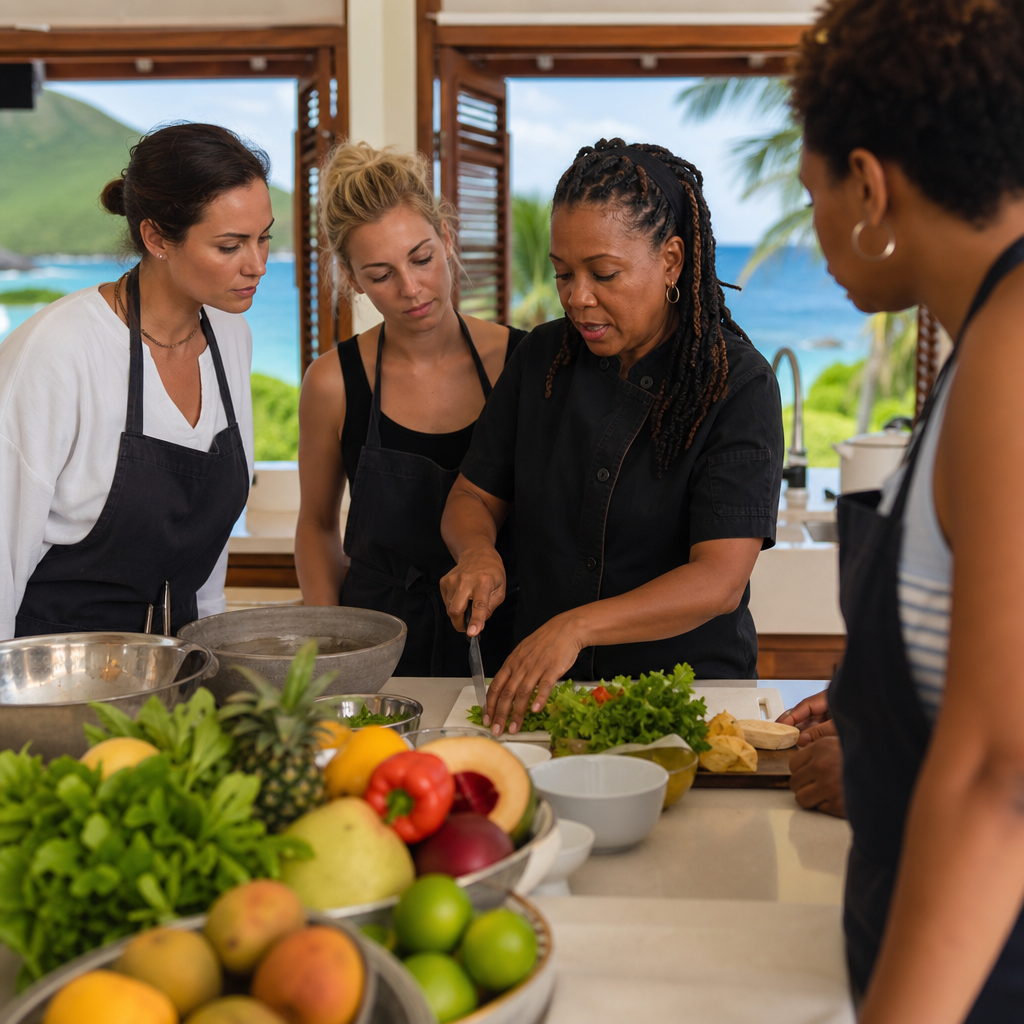
Nutritional cooking classes in Saint Kitts are becoming a practical bridge between healthy eating advice and the daily reality of shopping, cooking, and sharing meals on the island. The term “nutritional cooking classes” refers to hands-on lessons that teach people how to prepare food in ways that support health goals while still respecting flavor, culture, budget, and convenience. In Saint Kitts, that matters because food choices are shaped by local agriculture, imported goods, tourism, family traditions, and rising awareness of chronic disease prevention. I have worked with wellness-focused food education programs and community health content, and the same pattern appears repeatedly: people rarely need more nutrition slogans; they need clear guidance on what to buy, how to cook it, and why one method works better than another.
For residents, visitors, wellness travelers, parents, older adults, and hospitality professionals, cooking classes with a nutrition focus can answer important questions quickly. What are the healthiest local ingredients in Saint Kitts? How can Caribbean food be made lighter without losing identity? Which classes are best for beginners, families, or special diets? A strong hub page on this topic should cover all of that. It should also show how classes connect to broader health and wellness goals, including weight management, blood sugar control, heart health, digestive comfort, sports nutrition, and sustainable eating. In a small island setting, nutritional cooking classes do more than teach recipes. They can strengthen local food systems, support farmers and chefs, reduce dependence on highly processed imports, and help people build repeatable kitchen habits that last long after the lesson ends.
What Nutritional Cooking Classes in Saint Kitts Usually Include
The best nutritional cooking classes in Saint Kitts combine culinary technique with evidence-based food guidance. A typical session starts with ingredient selection, often highlighting local produce such as breadfruit, sweet potato, pumpkin, papaya, mango, callaloo, plantain, herbs, and fresh fish. From there, the instructor explains macronutrients, portion balance, cooking methods, seasoning choices, and substitutions for common dietary needs. In practical terms, that may mean demonstrating how to grill or steam fish instead of deep-frying it, how to build a high-fiber meal around beans and vegetables, or how to reduce sodium while keeping food flavorful through lime, garlic, thyme, scallion, ginger, and Scotch bonnet used with restraint.
Strong classes also teach transferable skills rather than one-off dishes. Knife safety, meal planning, label reading, batch cooking, and food storage are especially useful in island households where shopping patterns may depend on market days, ferry schedules, or fluctuating import availability. In my experience, participants remember techniques more than nutrition lectures. When an instructor shows how to turn local ingredients into balanced breakfasts, quick work lunches, and lighter versions of traditional dinners, people gain confidence. That confidence matters because sustainable dietary change almost always starts with competence in the kitchen. A class that leaves someone able to prepare a healthy chicken stew, bean salad, roasted vegetables, and fruit-based dessert has delivered more value than a class centered only on abstract health advice.
Why Saint Kitts Is Well Suited for This Type of Wellness Education
Saint Kitts offers conditions that make nutritional cooking education especially relevant. The island has a rich culinary identity shaped by African, British, French, and wider Caribbean influences, yet it also faces the modern nutrition challenge seen across many destinations: increased intake of refined carbohydrates, sugary drinks, highly processed snacks, and restaurant foods high in sodium and saturated fat. Cooking classes can help correct that imbalance by reconnecting participants with whole foods already familiar to the culture. Saltfish can be prepared with more vegetables and less added fat. Ground provisions can replace heavily refined sides. Fresh fruit can stand in for desserts based on excess sugar.
Another advantage is accessibility to fresh ingredients. Depending on season and supply, classes can feature produce from local farms and markets, seafood from nearby waters, and herbs grown in home gardens. This creates a direct link between nutrition education and local economic resilience. Tourism adds another layer. Visitors increasingly seek wellness experiences that feel authentic, and a class in Saint Kitts can deliver exactly that: local cooking grounded in health, not just entertainment. Resorts, villas, community centers, and private chefs can all play a role. When done well, nutritional cooking classes become a meeting point between public health, culinary tourism, and cultural preservation.
Who Benefits Most and What Goals These Classes Can Support
Nutritional cooking classes in Saint Kitts are not limited to one audience. Families benefit because they need realistic weeknight meals that children will actually eat. Older adults often want help reducing sodium, managing blood pressure, or preparing softer high-protein meals. People with prediabetes or diabetes look for better carbohydrate management, especially around staples like rice, dumplings, bread, sweetened beverages, and desserts. Fitness-minded participants may prioritize protein distribution, hydration, and recovery meals. Visitors sometimes want healthy Caribbean cooking techniques they can take home. Hospitality teams can also use classes to improve menu design for health-conscious guests.
The strongest programs tie every recipe to a goal. A heart-health class may emphasize legumes, fish, unsaturated fats, and reduced salt. A digestive wellness session may focus on fiber, hydration, fermented foods where available, and gentler preparation methods. A weight-management class usually works best when it centers on satiety, not restriction: lean protein, vegetables, slow-digesting carbohydrates, and smart snacking. Pregnancy and postpartum audiences may need iron-rich meals, folate sources, and safe food handling reminders. Sports groups may benefit from practical lessons on pre-workout fuel, post-workout recovery, and portable snacks. This goal-based structure makes the education concrete and measurable.
Common Class Formats, Settings, and What to Expect
Class format affects value more than many people realize. Demonstration-only sessions are useful for large groups and introductory workshops, but hands-on classes create stronger skill retention. Private classes work well for couples, families, or travelers with special dietary needs. Small-group sessions usually strike the best balance between personal attention and social energy. Corporate wellness workshops, school-based programs, and hotel experiences can broaden reach. In Saint Kitts, classes may be held in restaurant teaching kitchens, private villas, community spaces, culinary studios, or outdoor venues set up for farm-to-table experiences.
Participants should expect more than recipe instruction. A professional class generally includes a menu plan, ingredient overview, sanitation guidance aligned with basic food safety standards, step-by-step cooking, tasting, and discussion of how to repeat the meal at home. Better providers also share take-home materials such as recipe cards, substitution lists, and shopping tips. If a class claims to be nutrition-focused, ask whether the instructor can explain portioning, nutrient density, sodium reduction, protein choices, and ingredient alternatives for allergies or common preferences. Good teaching is clear, practical, and adaptable. It does not shame traditional dishes; it shows how to improve them intelligently.
Choosing the Right Class: Practical Criteria That Matter
People often choose a cooking class based on photos alone, but the better method is to evaluate fit. Look at the instructor’s background first. A chef with wellness training, a dietitian who cooks competently, or a collaborative chef-and-nutrition model usually produces the strongest results. Next, review the menu. A credible class should specify dishes, cooking techniques, and the health focus. Then consider logistics: class length, group size, ingredient sourcing, accommodation of dietary restrictions, and whether the lesson is truly hands-on. Price should be weighed against depth, ingredients, and take-home value, not entertainment alone.
| Criterion | What to Look For | Why It Matters |
|---|---|---|
| Instructor credentials | Chef, nutrition professional, or both | Improves accuracy and technique quality |
| Menu transparency | Named dishes and nutrition focus | Shows the class is planned, not generic |
| Hands-on level | Participants chop, season, cook, and plate | Builds lasting kitchen confidence |
| Diet flexibility | Vegetarian, diabetic-friendly, allergy-aware options | Makes the class useful for real needs |
| Local sourcing | Market produce, local fish, island herbs | Supports freshness and cultural relevance |
| Take-home resources | Recipes, substitutions, shopping notes | Helps participants repeat the lessons |
Reviews also deserve close reading. Look for comments that mention learning outcomes, not just atmosphere. Phrases such as “I now know how to season fish without excess salt” or “the instructor explained how to balance a plate” are more meaningful than “fun class.” Finally, ask about ingredient substitutions. On islands, availability can change, so a good instructor teaches equivalents. If callaloo is unavailable, what leafy greens work? If someone cannot eat fish, what protein gives similar meal balance? Those answers separate polished wellness education from a standard tourist activity.
Local Ingredients, Traditional Dishes, and Healthier Adaptations
The most effective nutritional cooking classes in Saint Kitts do not reject local food culture. They refine it. Traditional Caribbean dishes can be nutritionally improved through method, proportion, and ingredient balance. Stewed chicken can be trimmed and prepared with less oil while increasing vegetables. Rice dishes can be portioned more carefully and paired with peas, salad, and grilled fish for better fiber and protein balance. Saltfish can be soaked thoroughly to reduce sodium, then cooked with tomato, onion, peppers, and leafy greens. Provision-based meals can feature boiled or roasted root vegetables instead of frequent frying.
Fruit is another underused advantage. Mango, guava, soursop, papaya, tamarind, and banana can be used in breakfasts, snacks, chutneys, and lightly sweetened desserts. Coconut is valuable too, but classes should teach moderation because coconut milk and cream are calorie-dense. Participants benefit from understanding the difference between using coconut for flavor and letting it dominate every dish. Beverage education is equally important. Replacing heavily sweetened drinks with infused water, unsweetened bush tea, or fruit-forward drinks with controlled added sugar can significantly reduce daily intake. These changes sound simple, but when people practice them in class, they become realistic.
How Nutritional Cooking Classes Connect to the Wider Health and Wellness Scene
As a hub topic within health and wellness, nutritional cooking classes connect naturally to several related areas. They complement fitness programs because exercise results improve when meals support recovery and energy balance. They align with preventive health efforts centered on hypertension, obesity, and type 2 diabetes. They pair well with wellness retreats, spa programs, yoga travel, and corporate health initiatives because food is the part guests must continue on their own. Cooking instruction turns passive wellness consumption into an active skill.
This subject also links to broader miscellaneous wellness content such as healthy dining guides, local farmers’ market profiles, meal prep services, dietitian consultations, herbal traditions, family wellness workshops, and workplace wellbeing programs. For publishers building a sub-pillar structure, this page can serve as the central reference point that routes readers to deeper articles on plant-based eating in the Caribbean, diabetic-friendly island meals, healthy resort dining, children’s nutrition education, and sustainable local sourcing. That hub role matters because searchers often begin broadly. They do not always know whether they want a class, a private chef, a wellness retreat meal plan, or simply healthier ways to cook familiar foods. A comprehensive page should meet them at that starting point and guide them clearly.
Conclusion
Nutritional cooking classes in Saint Kitts matter because they turn health advice into everyday action using food people already know, enjoy, and can often source locally. The best classes teach more than recipes. They explain ingredient quality, portion balance, cooking methods, substitutions, and the practical decisions that shape long-term wellness. They can support families, travelers, older adults, athletes, hospitality teams, and anyone trying to eat better without abandoning Caribbean flavor. In a setting where culture, tourism, and public health intersect, this kind of education has lasting value.
If you are exploring health and wellness options in Saint Kitts, use this topic as your starting hub. Compare class formats, check instructor credibility, look for local ingredient use, and choose sessions tied to real health goals. Then move from reading to cooking. One well-designed class can change how you shop, season, and eat for years.
Frequently Asked Questions
What are nutritional cooking classes, and how are they different from regular cooking classes in Saint Kitts?
Nutritional cooking classes are hands-on lessons that go beyond teaching recipes alone. In Saint Kitts, they focus on helping people understand how ingredients, preparation methods, portion sizes, and meal balance all affect health. A regular cooking class may center mostly on taste, technique, or presentation, while a nutritional cooking class connects those skills to practical wellness goals such as managing weight, improving energy, supporting heart health, reducing excess sugar or sodium, and building more balanced meals for everyday life.
What makes these classes especially useful in Saint Kitts is the way they translate broad healthy eating advice into the real conditions people face on the island. That includes shopping from local markets, choosing between fresh and imported foods, preparing family meals on a budget, and adapting recipes to suit both traditional preferences and modern health concerns. Rather than asking people to abandon familiar foods, nutritional cooking classes usually show how to make smart adjustments to beloved meals by improving ingredient choices, cooking methods, and overall balance.
Many classes also teach participants how to read labels, plan meals, reduce waste, and make the most of local produce when it is in season. This makes the learning practical, not abstract. For residents, families, and even visitors interested in Caribbean food and wellness, nutritional cooking classes in Saint Kitts can serve as a realistic bridge between nutrition knowledge and what actually gets cooked and eaten each day.
Who can benefit from taking nutritional cooking classes in Saint Kitts?
Nutritional cooking classes in Saint Kitts can benefit a wide range of people because healthy cooking is relevant at every stage of life. Families often find these classes valuable because they provide ideas for preparing meals that appeal to children and adults while still supporting better nutrition. Busy professionals may benefit from learning quicker, healthier meal options that fit demanding schedules without relying too heavily on highly processed convenience foods. Older adults may appreciate guidance on preparing meals that support heart health, blood sugar control, digestion, and overall wellbeing.
These classes can also be especially helpful for people managing specific health concerns. Individuals who want to reduce salt, sugar, or unhealthy fats often need more than verbal advice; they need practical examples of what to cook, how to season food well without excess sodium, and how to build satisfying meals from nutrient-rich ingredients. People who are trying to lose weight, improve fitness, or simply feel better day to day may find that hands-on cooking instruction gives them confidence they cannot get from reading general nutrition tips alone.
There is also value for tourists, hospitality workers, and food entrepreneurs. Visitors interested in local food culture may enjoy learning how island ingredients can be used in healthier ways, while chefs, caterers, and hospitality professionals may use nutritional cooking classes to meet growing demand for wellness-oriented dining. In short, anyone who shops for food, cooks at home, feeds a family, or wants to make more informed choices can gain something meaningful from these classes in Saint Kitts.
What kinds of foods and cooking techniques are usually taught in nutritional cooking classes in Saint Kitts?
The foods taught in nutritional cooking classes in Saint Kitts often reflect a balance between local culinary traditions and evidence-based nutrition principles. Classes may include fresh vegetables, legumes, ground provisions, fruits, fish, lean meats, herbs, and other ingredients commonly found in Caribbean cooking. Depending on the season and the instructor’s approach, there may be an emphasis on locally grown produce and practical substitutions that help participants create healthier meals without losing the flavors they know and enjoy.
Instructors often focus on techniques that improve nutritional value while preserving taste. That may include baking, grilling, steaming, roasting, light sautéing, and simmering instead of deep-frying. Participants may learn how to build flavor with herbs, spices, citrus, onions, garlic, and peppers rather than relying heavily on salt, sugary sauces, or high-fat ingredients. Classes may also cover portion awareness, balancing carbohydrates with protein and fiber, and structuring meals so they are satisfying and more supportive of stable energy levels.
Another common part of instruction is recipe adaptation. For example, a class may show how to prepare familiar island-style dishes with less oil, more vegetables, leaner proteins, or reduced sodium seasonings. This approach is important because it respects culture instead of replacing it. The most effective nutritional cooking classes in Saint Kitts do not treat healthy eating as separate from local food identity; they show that traditional flavors and smarter cooking methods can work together in a way that is practical, flavorful, and sustainable.
How do nutritional cooking classes help people eat healthier on a realistic budget in Saint Kitts?
One of the biggest strengths of nutritional cooking classes in Saint Kitts is that they can make healthy eating feel achievable instead of expensive or complicated. Many people assume nutritious meals require specialty ingredients, imported products, or strict meal plans, but well-designed classes usually teach the opposite. They often show participants how to use accessible ingredients, buy strategically, cook with seasonal produce, and create meals that are filling, balanced, and cost-conscious. This matters on an island where food costs can fluctuate and imported items may be expensive.
Classes often help people compare value, not just price. For example, an instructor may explain how purchasing whole ingredients and preparing them well can sometimes stretch further than relying on prepackaged foods, restaurant meals, or highly processed snacks. Participants may learn batch cooking, leftover planning, and ways to use one ingredient across several meals to reduce waste. These are practical skills that support both health and household budgeting.
Budget-friendly nutrition education also includes teaching people how to prioritize. A class may explain which staple ingredients are worth keeping on hand, how to build a meal around affordable nutrient-dense foods, and how to make small changes that add up over time. Instead of pushing perfection, good nutritional cooking classes in Saint Kitts typically focus on consistency and better decision-making. That realistic approach helps people improve the quality of their meals without feeling like healthy eating is out of reach financially.
What should I look for when choosing a nutritional cooking class in Saint Kitts?
When choosing a nutritional cooking class in Saint Kitts, start by looking for a program that combines strong food knowledge with practical teaching. The best classes do not just lecture about nutrients; they demonstrate how to turn that information into real meals people will actually make at home. Look for instructors who understand both nutrition and local eating habits, and who can explain how to work with island ingredients, traditional dishes, family preferences, and common budget constraints.
It is also important to consider the class format and goals. Some programs focus on general healthy eating, while others may be tailored to topics such as weight management, diabetes-friendly cooking, heart-conscious meals, plant-forward eating, or family meal planning. A good class should clearly explain what participants will learn, whether the session is beginner-friendly, and whether there will be active cooking, demonstrations, shopping guidance, or take-home recipes. If possible, choose a class that emphasizes hands-on participation, because cooking confidence grows fastest through practice.
Finally, look for a class that feels relevant to your daily life. The most effective nutritional cooking classes are not built around unrealistic ideals; they teach sustainable habits. That means recipes with accessible ingredients, techniques that fit real schedules, and advice that respects local culture and taste. In Saint Kitts, the right class should help you leave with more than inspiration. It should give you usable skills, better judgment in the kitchen and at the market, and a clearer sense of how to prepare meals that support health without sacrificing enjoyment.