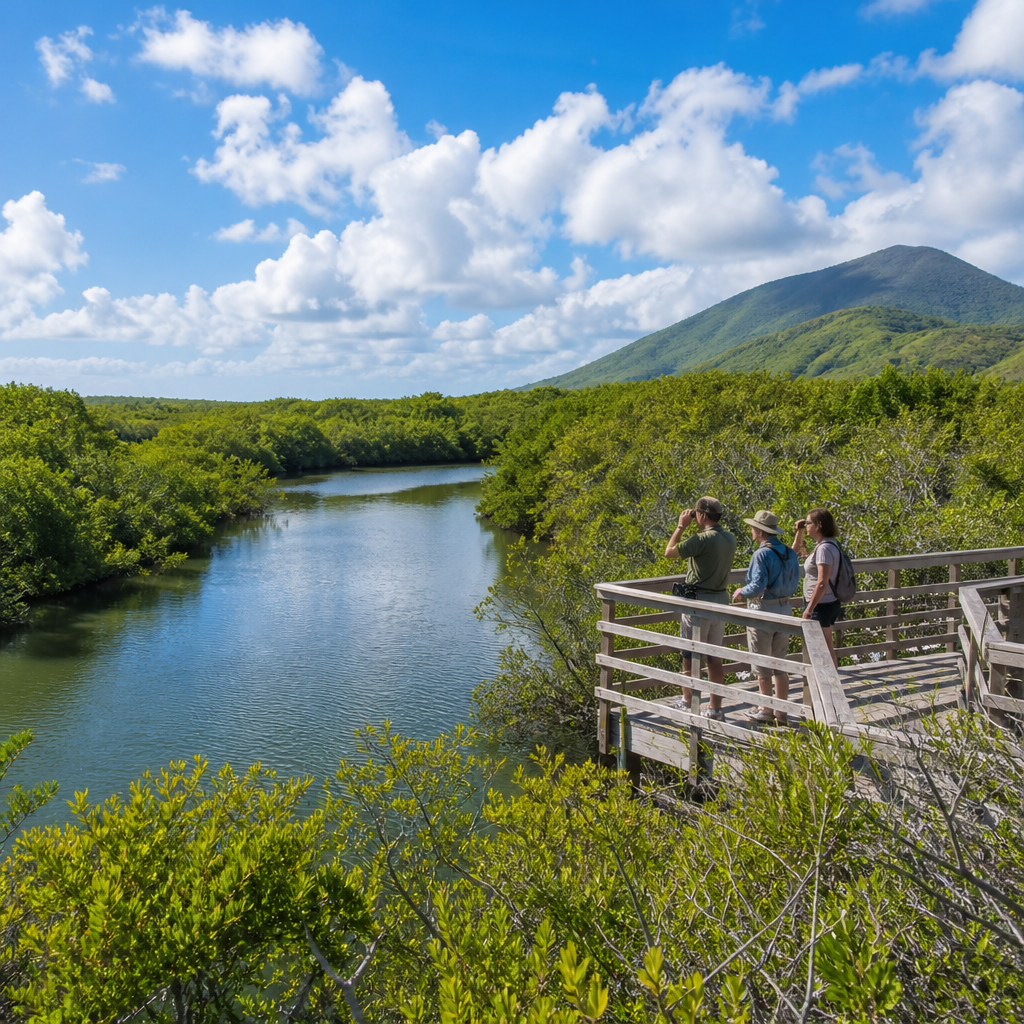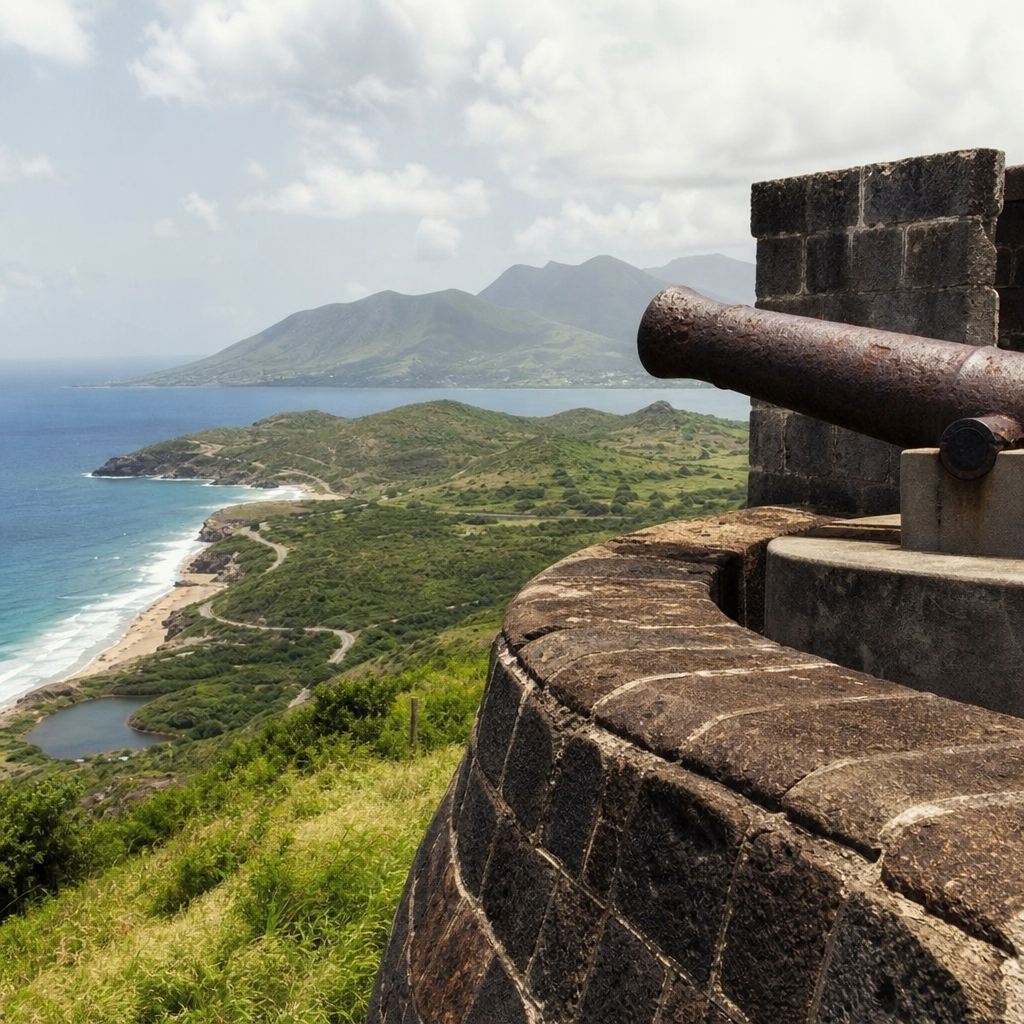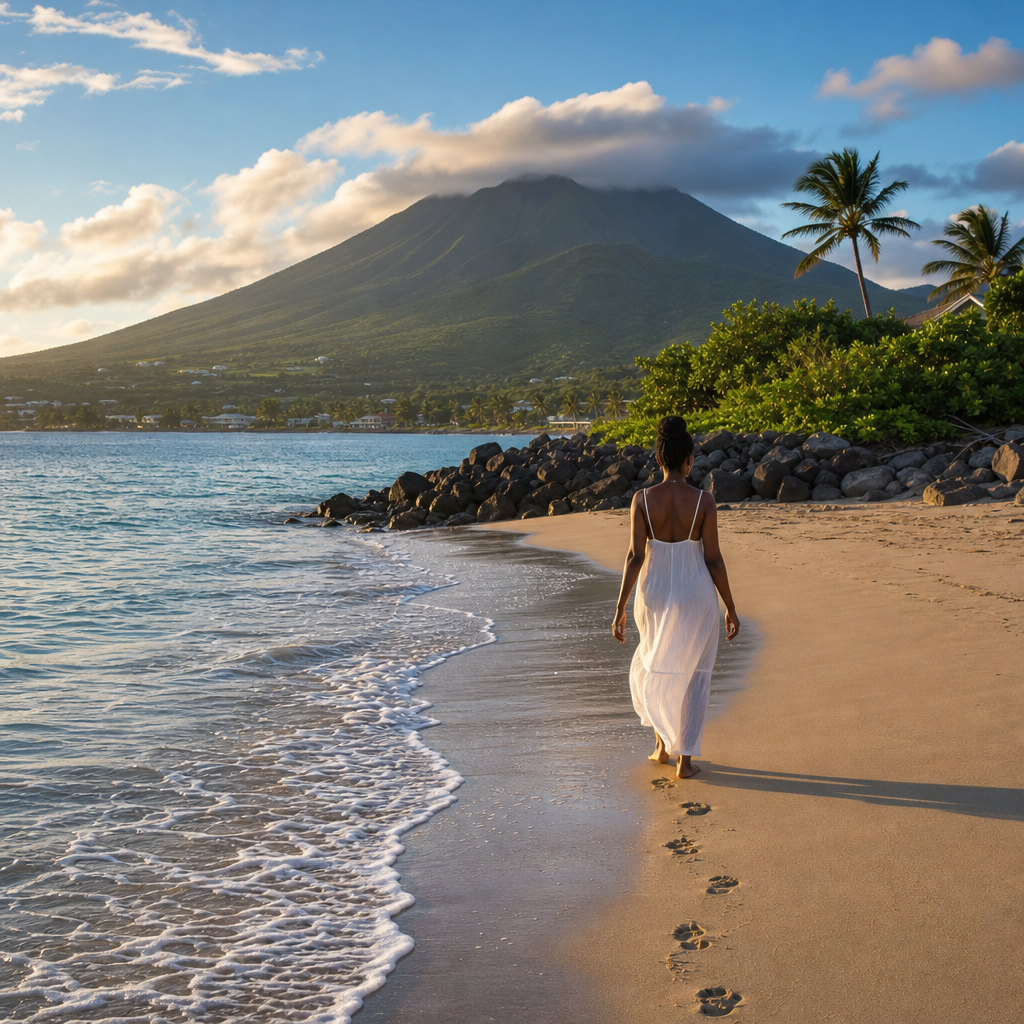
The healing powers of the ocean have shaped wellness traditions for centuries, and thalassotherapy in Nevis brings that tradition into sharp focus through warm Caribbean waters, mineral-rich sea air, sun, sand, and a slower rhythm of life. Thalassotherapy refers to the therapeutic use of seawater, marine climate, sea mud, algae, and related coastal elements to support physical and mental wellbeing. In practice, it can include floating in calm salt water, swimming for low-impact exercise, inhaling ocean aerosols, receiving seaweed wraps, walking barefoot on sand, or simply using time by the shore to regulate stress. Nevis, the smaller sister island of St. Kitts, offers an ideal setting because its coastlines remain quiet, uncrowded, and closely tied to nature rather than mass tourism.
This matters because many travelers now want wellness that feels restorative rather than performative. They are not only looking for a spa menu; they want environments that genuinely help them sleep better, move more comfortably, and mentally reset. I have worked with coastal wellness itineraries in the Caribbean, and Nevis consistently stands out for the combination of clean beaches, swimmable water, stable year-round temperatures, and easy access to complementary practices such as yoga, massage, thermal bathing, hiking, and mindful nutrition. For a health and wellness hub page, thalassotherapy in Nevis also connects multiple related interests: stress relief, active recovery, holistic travel, natural remedies, spa treatments, and healthy aging. Understanding how ocean-based wellness works helps visitors make better choices about where to stay, what treatments to book, and how to use the island itself as part of the healing experience.
What Thalassotherapy Means in Nevis
At its core, thalassotherapy uses the sea as a therapeutic medium. The principle is straightforward: seawater contains minerals such as magnesium, potassium, calcium, sodium, and trace elements that can support relaxation, circulation, and skin health, especially when paired with immersion, heat, movement, and marine-derived treatments. Nevis does not market itself as a clinical thalassotherapy destination in the same way some French or Mediterranean resorts do, yet the island naturally delivers the essential ingredients. The Caribbean Sea around Nevis is warm enough for extended bathing, gentle enough in many bays for low-intensity movement, and clean enough to encourage regular contact with the water. Those conditions matter because the benefits of ocean-based wellness depend on repeated, comfortable exposure rather than a single dramatic experience.
Nevis adds another advantage: scale. The island is small, which reduces transit stress and makes it easy to combine beach time with spa appointments, mountain excursions, healthy dining, and rest. Pinney’s Beach, Oualie Beach, and several smaller coves allow different types of therapy, from sunrise walks to restorative swims. Hotels and wellness providers often blend marine elements with massage, aromatherapy, hydrotherapy, and local botanicals. That integrated approach is important. Ocean healing works best when it is not isolated from the rest of a person’s routine. In Nevis, a traveler can wake to sea air, move in the water before breakfast, schedule a sea-salt scrub or seaweed-based body treatment later in the day, and end with a calm evening by the shore. The island itself functions as a continuous wellness environment.
Physical Benefits of Ocean-Based Wellness
The most immediate physical benefit of thalassotherapy in Nevis is muscular and joint relief. Warm seawater reduces perceived exertion and supports buoyancy, making movement easier for people with stiffness, overtraining fatigue, or mild mobility limitations. Swimming, aqua stretching, and walking in waist-deep water create resistance without the impact of pavement or gym floors. This is particularly useful for travelers recovering from sedentary work patterns or long-haul flights. I often recommend a simple pattern: ten to fifteen minutes of slow immersion, followed by easy mobility drills in the water, then a calm beach walk. That sequence encourages circulation while lowering the sense of heaviness many people feel after travel.
Skin can benefit as well, though results vary by individual. Saltwater may help cleanse the skin surface and, for some people, ease minor irritation by reducing oil buildup and supporting exfoliation. Sea air also tends to feel less oppressive than polluted urban air, which can contribute to an overall sense of respiratory ease, especially during gentle outdoor activity. The key is moderation. Too much sun, wind, or salt exposure can dry the skin and overwhelm the body. In Nevis, the best outcomes come from alternating ocean time with hydration, shade, and emollient-based aftercare. Travelers who treat the sea as part of a balanced recovery plan, rather than an all-day endurance challenge, usually report better sleep, looser muscles, and steadier energy within a few days.
Mental and Emotional Restoration by the Sea
One reason ocean wellness remains powerful is that it works on the nervous system as much as the body. Repetitive wave sound, broad horizons, negative ion-rich air often associated with moving water, and a reduction in digital overload can all shift a person from hypervigilance toward calm. On Nevis, that shift happens quickly because the island is quieter than more heavily developed Caribbean destinations. Beaches rarely feel chaotic. Road traffic is limited. Even popular resorts maintain a lower sensory load than large urban hotels. For people carrying burnout, decision fatigue, or grief, that quieter setting is not a luxury detail; it is part of the treatment effect.
In practice, I have seen travelers respond best when they use the coast intentionally rather than casually. A sunrise float can become a breathwork session. A shaded lounge by the water can support meditation or journaling. An evening shoreline walk can help regulate sleep by pairing low light with gentle movement and cooler air. Mental restoration is often strongest when the ocean is used as a cue for routine. Nevis makes this easier because distances are short and the environment invites repetition. The mind tends to settle when activities are simple, predictable, and sensory in a positive way. That is why thalassotherapy in Nevis often appeals not only to spa visitors, but also to professionals, caregivers, and older travelers who need recovery that feels natural rather than clinical.
Where to Experience Thalassotherapy in Nevis
Nevis offers several practical settings for ocean-centered wellness, each suited to a different type of traveler. Pinney’s Beach is the island’s best-known stretch of sand and a logical starting point. It provides easy access, broad shoreline for walking, calm conditions on many days, and proximity to established resorts with spa facilities. Travelers who want structured treatments alongside open-water bathing often choose this area because they can move from sea immersion to massage or hydrotherapy without complicated transfers. Oualie Beach, on the island’s northwestern side, tends to appeal to visitors seeking a quieter rhythm, softer activity, and views that reinforce the feeling of retreat. Smaller beaches and private waterfront areas can be excellent for guided meditation, sea-air breathing sessions, or restorative floating when conditions are safe.
Resort spas on Nevis frequently incorporate marine-inspired treatments even when they do not label the entire program as thalassotherapy. Common options include sea salt exfoliation, mineral baths, oceanfront massage, detox wraps, and hydration-focused facials designed to offset sun and salt exposure. Some properties also pair water-based recovery with yoga, Pilates, or fitness coaching, which helps guests turn passive relaxation into measurable physical improvement. The most effective itinerary usually blends formal treatment with self-guided ocean use. An hour-long scrub or wrap can be helpful, but the deeper value comes from repeated contact with the coastal environment across several days. That is the hub principle for this wellness topic: individual spa services matter, yet the broader healing system includes beach choice, daily timing, movement habits, sleep quality, nutrition, and how consistently the visitor engages with the sea.
Best Practices, Safety, and Planning Your Stay
To get meaningful results from thalassotherapy in Nevis, travelers should plan with the same care they would bring to any wellness program. The goal is not to maximize exposure; it is to create steady, restorative contact with the ocean. Mornings are usually best for sea bathing, beach walking, and breathing exercises because temperatures are lower and light is gentler. Midday is better reserved for shaded rest, indoor treatments, or short water sessions followed by rehydration. People with cardiovascular conditions, asthma, recent surgery, severe sun sensitivity, or active skin disorders should ask a clinician which activities are appropriate. Ocean wellness is beneficial, but it is not risk free. Current, heat, dehydration, and overexertion can quickly erase the intended benefit.
| Wellness goal | Recommended ocean-based activity | Why it works in Nevis |
|---|---|---|
| Stress reduction | Sunrise float plus guided breathing | Calm water, low noise, and warm air support nervous system downshifting |
| Joint mobility | Waist-deep walking and gentle leg swings | Buoyancy lowers impact while water resistance supports circulation |
| Skin renewal | Short saltwater swim followed by freshwater rinse and moisturizer | Salt aids surface cleansing, while aftercare prevents dryness |
| Sleep improvement | Evening beach walk after dinner | Cooling temperatures and rhythmic movement can improve relaxation before bed |
| Active recovery | Alternating easy swim, stretching, and oceanfront massage | Combines circulation, decompression, and muscle release in one setting |
Practical packing also matters. Bring reef-safe sunscreen, a broad-brim hat, polarized sunglasses, supportive sandals, a refillable water bottle, and a fragrance-free moisturizer for post-swim care. If you are booking spa services, ask whether treatments use marine ingredients such as algae, sea minerals, or sea salt, and whether they are paired with hydrotherapy or simply cosmetic. That distinction affects value. A true ocean-centered wellness stay should also account for food and sleep. Nevis has strong access to fresh fish, tropical fruit, greens, and lighter Caribbean preparations that fit well with recovery goals. When travelers eat moderately, hydrate consistently, and let evenings stay quiet, the benefits of ocean exposure become more noticeable. Plan three to five days at minimum if you want more than a pleasant beach vacation. The body usually needs time to settle before the deeper effects appear.
Why Nevis Works as a Wellness Hub for Miscellaneous Travel Interests
As a hub within a broader health and wellness content structure, thalassotherapy in Nevis connects naturally to many miscellaneous interests that travelers often research separately. Couples may start with a spa getaway but end up wanting guidance on sleep-focused travel, romantic wellness rituals, and unplugged beach routines. Solo visitors may arrive for rest and then look for safe swimming spots, beginner yoga, healthy restaurants, and low-pressure activities that do not require a group. Older adults may prioritize circulation, joint comfort, and climate, while remote workers may care most about stress management and mental clarity. Nevis serves all of these needs because ocean-based wellness is flexible. It can be luxurious, simple, social, or deeply personal without losing its therapeutic value.
The biggest takeaway is that the healing powers of the ocean are most effective when they are used deliberately. Nevis provides the right conditions: warm sea, manageable scale, quiet beaches, strong spa culture, and a pace that supports recovery instead of fighting it. Thalassotherapy here is not a single treatment to check off a list. It is a practical system of seawater immersion, marine air, movement, rest, and supportive care that can improve how people feel in both body and mind. If you are planning a Caribbean wellness trip, use Nevis as your starting point and build an itinerary that lets the ocean do real work each day.
Frequently Asked Questions
What is thalassotherapy, and why is Nevis such a good place to experience it?
Thalassotherapy is the therapeutic use of the sea and coastal environment to support overall wellbeing. The term typically includes seawater, marine air, sea mud, algae, sunshine, and the calming effects of time spent near the shore. The basic idea is that the ocean offers a naturally restorative setting that can help the body relax, move more freely, and recover from daily stress. It is not simply about swimming in the sea. It is a broader wellness approach built around immersion in a marine climate and the physical and mental benefits that come with it.
Nevis is especially well suited to thalassotherapy because it combines warm Caribbean waters, gentle ocean conditions in many areas, clean sea air, and an unhurried island atmosphere. Those elements matter. Warm water can make movement easier and more comfortable, especially for people seeking low-impact activity. Mineral-rich sea air and coastal breezes can feel refreshing and restorative, while the island’s slower pace encourages stress reduction, which is a major part of many wellness routines. Nevis also offers a setting where ocean-based therapies feel integrated into everyday life rather than packaged as a trend. The natural environment itself becomes part of the experience, from quiet beaches and soft sand to peaceful views that help the mind settle.
What are the main health benefits of thalassotherapy in Nevis?
Thalassotherapy is often valued for its ability to support both physical and mental wellbeing at the same time. Physically, spending time in seawater can encourage gentle movement with less strain on joints and muscles. Floating, light swimming, and walking in shallow water can provide low-impact exercise that helps circulation, mobility, and muscle relaxation. The buoyancy of the water reduces pressure on the body, which can make movement more comfortable for people dealing with stiffness, post-travel fatigue, or general tension. Warm coastal conditions may also help the body relax more fully, allowing muscles to release after long periods of stress or inactivity.
Mental and emotional benefits are just as important. One of the strongest effects of thalassotherapy is the way it encourages the nervous system to slow down. The repetitive sound of waves, the open horizon, the salt air, and the natural rhythm of time spent near the ocean can all help reduce stress and create a sense of calm. Many people report sleeping better, feeling more grounded, and experiencing improved mood after consistent time by the sea. In a place like Nevis, where the environment naturally supports quiet reflection and ease, these benefits can feel even more noticeable. While thalassotherapy should not be viewed as a replacement for medical care, it can be an excellent complementary wellness practice for relaxation, recovery, and overall balance.
What does a typical thalassotherapy experience in Nevis look like?
A typical thalassotherapy experience in Nevis can be as simple or structured as you want it to be. At its most natural and accessible, it may involve a quiet morning swim in calm seawater, followed by time spent breathing deeply in the sea air, walking barefoot on the sand, and resting in the sun or shade. Some people add floating sessions to encourage deep relaxation, while others prefer light aquatic movement or shoreline walks that combine gentle exercise with the sensory benefits of the coast. The idea is not intensity. It is steady, restorative contact with the marine environment.
In a more wellness-focused setting, the experience may also include spa treatments inspired by marine elements, such as mineral baths, exfoliation using sea salts, mud applications, or body treatments designed to ease tension and refresh the skin. Even without formal treatments, the essential ingredients of thalassotherapy are widely available in Nevis: warm water, marine breezes, sun, sand, and a setting that invites you to slow down. Many visitors build a personal routine around these elements, combining swimming, relaxation, hydration, mindful breathing, and time outdoors. This creates a deeply restorative practice that feels both natural and sustainable during a stay on the island.
Is thalassotherapy safe for everyone, and are there any precautions to keep in mind?
For most healthy adults, thalassotherapy is a gentle and enjoyable wellness practice, but it is still important to approach it thoughtfully. Ocean-based activities should always be matched to your comfort level, swimming ability, and overall health. Calm water floating, beach walking, and short swims are usually suitable for many people, but anyone with heart conditions, respiratory concerns, mobility limitations, skin sensitivities, or a history of heat-related illness should use extra caution and speak with a healthcare professional before beginning a more intensive routine. This is especially true if marine therapies are being used as part of recovery or in combination with other treatments.
Practical safety steps also matter. Choose safe swimming areas, pay attention to local conditions, avoid overexposure to the sun, and stay well hydrated in the tropical climate. It is wise to begin slowly, especially if you are not used to saltwater swimming or spending long periods in the heat. If you are using mud, salt, or other marine-based skin treatments, test them gently at first to make sure your skin tolerates them well. The goal of thalassotherapy is restoration, not strain, so comfort and moderation are essential. In Nevis, the experience is often most beneficial when it is approached mindfully, with attention to your body’s signals and respect for the natural environment.
How can travelers make the most of thalassotherapy during a visit to Nevis?
The best way to make the most of thalassotherapy in Nevis is to treat it as a daily ritual rather than a single activity. Consistency tends to bring the greatest benefit. A simple routine might include an early swim in calm water, quiet time on the beach to breathe in the ocean air, a gentle walk along the shore, and periods of rest that let the body absorb the effects of the environment. You do not need an elaborate program to benefit. What matters most is repeated, intentional contact with the sea and the slower pace of coastal life.
Travelers can also enhance the experience by minimizing distractions and leaning into the island’s natural rhythm. Staying hydrated, eating lightly and well, resting adequately, and balancing activity with relaxation can all improve how the body responds. If available, pairing beach time with spa treatments, massage, yoga, or mindfulness practices can create an even more complete wellness experience. It also helps to be flexible and observant. Some days may feel best for floating and stillness, while others may invite a longer swim or a meditative walk by the water. In Nevis, thalassotherapy works best when it is not rushed. The island itself encourages a slower, more restorative way of being, and that is a major part of its healing appeal.