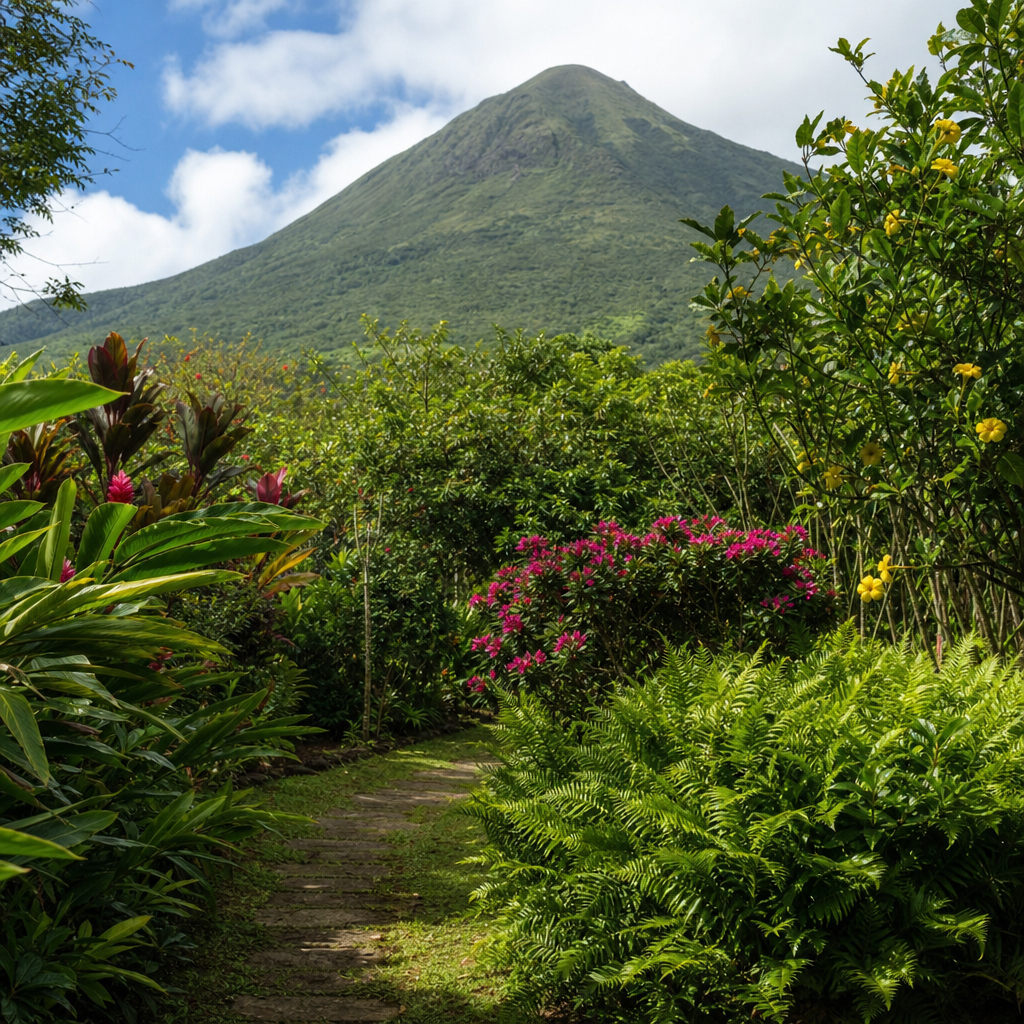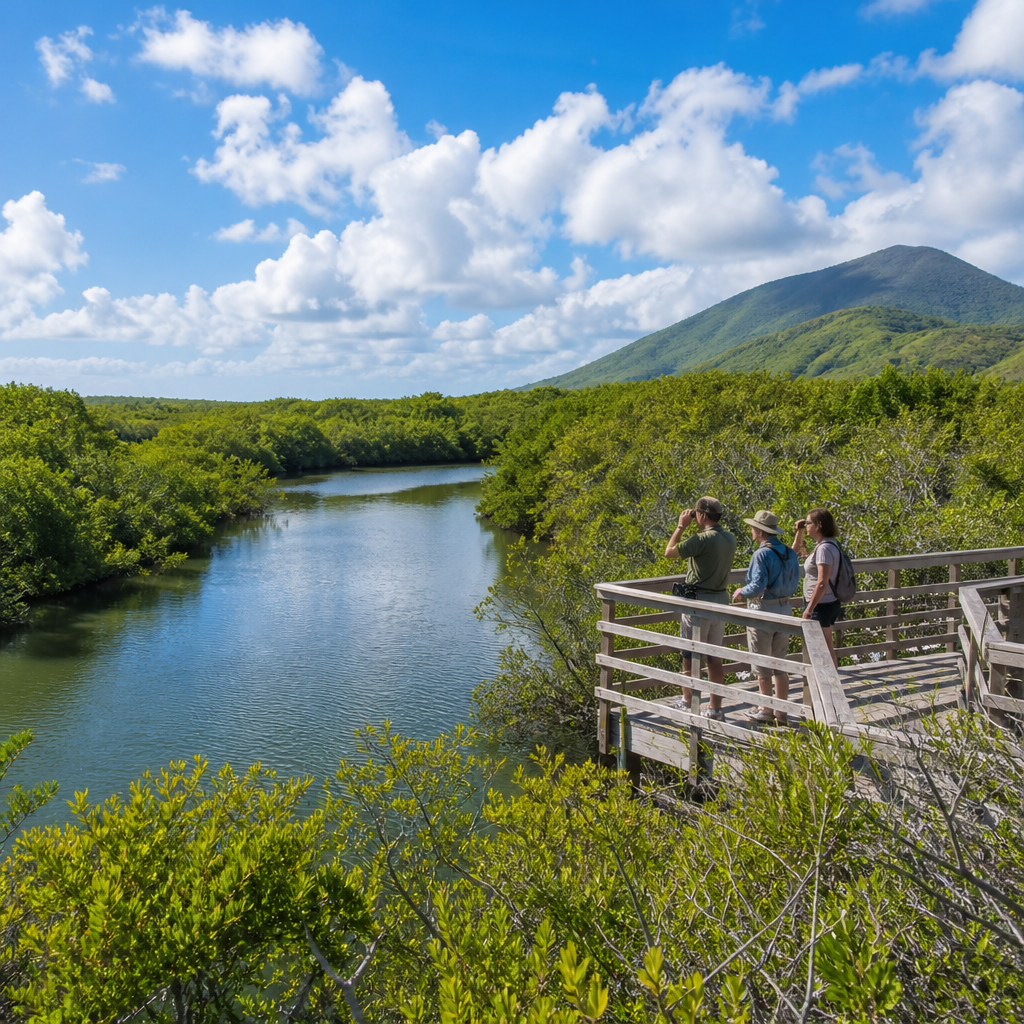
Nevis’ bird sanctuary tours show how sustainable tourism can protect habitat, create local income, and give visitors a richer experience than conventional sightseeing. On a small Caribbean island where natural and cultural identity are tightly linked, these tours turn wetlands, coastal ponds, and forest edges into living classrooms. In practical terms, a bird sanctuary tour is a guided visit to areas managed for avian conservation, ecological education, and low-impact recreation. Eco-tourism, when done properly, means tourism that minimizes environmental harm, supports conservation, benefits local communities, and deepens understanding of place. Nevis offers a useful case because its scale makes outcomes visible: if guides follow good practice, birds stay less disturbed, local operators earn more from quality rather than volume, and travelers leave with a stronger reason to value protection.
I have worked on destination content and visitor-experience audits for nature-based attractions, and Nevis stands out because the product is not manufactured. The value comes from habitat health, local knowledge, and disciplined visitor management. That matters in a travel market where many “green” experiences are little more than branding. Bird sanctuary tours on Nevis can be evaluated with concrete questions: Are guides trained in species identification and field etiquette? Are group sizes controlled? Do routes avoid sensitive breeding zones? Is revenue reaching residents, conservation groups, and small businesses? Are visitors learning why mangroves, salt ponds, and dry forests matter beyond the photo opportunity? When those answers are positive, the island demonstrates a replicable model for sustainable tourism.
Nevis also matters as a hub topic because birding intersects with nearly every miscellaneous element of responsible travel: transportation choices, lodging standards, local food systems, heritage interpretation, citizen science, accessibility, seasonality, waste management, and climate resilience. A visitor who books a dawn bird tour may also choose a locally owned guesthouse, eat produce grown on the island, and support artisans rather than imported souvenir outlets. That web of decisions is how sustainable tourism actually works. It is rarely one grand gesture. It is a chain of smaller, well-managed choices. Studying Nevis’ bird sanctuary tours reveals how destinations can align conservation, education, hospitality, and community benefit without overbuilding or diluting the landscape that attracts visitors in the first place.
For travelers asking the most common questions, the direct answers are straightforward. Why are Nevis bird sanctuary tours important? Because they convert biodiversity into a reason to conserve rather than clear habitat. What can visitors expect? Small-group outings, early morning or late afternoon observation, species-focused guiding, and interpretation of wetlands and coastal ecosystems. Who benefits? Birds, guides, drivers, accommodation providers, restaurants, and the wider community when spending stays local. What makes the model credible? Limited infrastructure demands, high educational value, and measurable dependence on intact ecosystems. Those factors make Nevis especially relevant within sustainable tourism and a practical reference point for other island destinations seeking lower-impact growth.
Why Nevis Works as an Eco-Tourism Case Study
Nevis works because its tourism appeal is inseparable from environmental quality. Unlike destinations built around heavy entertainment infrastructure, the island’s draw includes calm landscapes, intimate scale, and the possibility of close observation of wildlife within a broader cultural setting. Bird sanctuary tours fit that profile naturally. They require habitat stewardship more than new construction, and they reward patience, interpretation, and repeat visitation. In destination planning, this is important: products with low fixed environmental cost and high knowledge value usually perform better over time than products that depend on constant physical expansion.
The island’s ecological mosaic strengthens the model. Coastal ponds, mangroves, scrubland, and upland areas support different bird communities, giving guides a flexible itinerary across seasons and weather conditions. Visitors may encounter herons, egrets, shorebirds, pelicans, and migratory species depending on timing and habitat conditions. Even when the exact sighting list changes, the tour remains valuable because the guide interprets ecological relationships rather than promising guaranteed spectacle. That reduces pressure to manipulate wildlife for tourist satisfaction, a common failure in poorly managed nature tourism.
Nevis also benefits from the economics of specialization. Birders and wildlife-oriented travelers typically spend more on guiding, stay longer, and seek authentic local expertise. I have seen this pattern repeatedly: a knowledgeable guide can transform a simple walk into a premium experience without adding built infrastructure. For small islands, that matters. Revenue per visitor can rise without chasing mass arrivals, which eases stress on roads, waste systems, freshwater supply, and shoreline development. In other words, bird sanctuary tours support a quality-over-quantity strategy that many fragile destinations say they want but struggle to operationalize.
How Bird Sanctuary Tours Support Conservation
The most important conservation benefit is economic justification for habitat protection. Wetlands and coastal margins are often undervalued because they appear undeveloped, yet they deliver flood mitigation, nursery habitat, water filtration, and essential feeding grounds for resident and migratory birds. When a sanctuary tour generates guide fees, transport bookings, and linked spending at local businesses, those habitats gain visible financial relevance. That does not replace legal protection, but it strengthens the political and social case for keeping ecosystems intact.
Good tours also shape visitor behavior. Effective guides explain approach distance, quiet observation, trail discipline, and the risk of flushing birds from feeding or nesting sites. This interpretation is not a minor add-on. Disturbance can reduce feeding efficiency, increase stress, and affect breeding success. On islands, where habitat patches may be limited, repeated disturbance has outsized effects. The best operators therefore use established viewing points, avoid playback calls in sensitive contexts, and adjust route timing around tide, heat, and nesting periods.
Another conservation gain is data. Many bird tours informally contribute to monitoring through field notes, seasonal checklists, and use of platforms such as eBird. While not every guest trip is a scientific survey, repeated observations by skilled local guides can identify changes in abundance, unusual sightings, or habitat degradation. This matters in places where formal monitoring budgets are limited. Tourism, in that sense, can subsidize attention. The caveat is that data quality depends on guide training and consistent recordkeeping, so destinations should treat monitoring as a managed practice rather than an accidental byproduct.
Community Benefits Beyond the Tour Itself
A strong eco-tourism model distributes value beyond the guide and the guest. Nevis’ bird sanctuary tours can do that because they connect naturally with other local services. A dawn excursion may require a taxi, a packed breakfast, coffee from a neighborhood café, and an overnight stay timed around early departures. Visitors interested in birds often ask broader questions about medicinal plants, fishing traditions, farming, and historic land use. That creates work for storytellers, drivers, cooks, and hosts who may never market themselves primarily as part of the birding sector.
Ownership structure is critical. When tours are run by local entrepreneurs or in partnership with community groups, a larger share of tourism income remains on the island. Economists call this reducing leakage, meaning less money leaves the destination through foreign-owned booking systems, imported supplies, or externally controlled operations. In practice, even small changes matter. Choosing island-based guides, local food providers, and locally managed accommodations keeps circulation within the community and builds broader support for conservation measures that may otherwise be seen as restrictions.
There is also a skills dividend. Bird sanctuary tourism rewards training in natural history interpretation, hospitality, first aid, and small-business management. Those capabilities are transferable to school programs, conservation outreach, and other low-impact tourism products such as heritage walks or botanical tours. I have watched destinations gain resilience when guiding is treated as a profession rather than seasonal casual labor. Knowledge becomes an asset rooted in place, not a generic service that can be copied anywhere. That is one reason Nevis’ approach deserves attention under the wider sustainable tourism umbrella.
Operational Practices That Make Tours Sustainable
Sustainability on the ground is operational, not rhetorical. The essentials include small groups, trained guides, route planning, clear codes of conduct, and logistics that minimize disturbance and waste. Group size should match the sensitivity of the site and the visibility conditions. In dense habitat or narrow wetland margins, fewer guests usually means better sightings and less noise. Early departures spread visitation away from midday heat, improve bird activity levels, and reduce pressure on both guests and wildlife. Reusable water containers, no-trace snack policies, and strict litter controls are basic, not optional.
Interpretation quality is another operational pillar. Guests should leave understanding the function of mangroves, the role of migratory flyways, and the connection between land management and bird populations. Named tools and methods help here: binocular use instruction, field-guide references, checklists, and standardized observation stops create a structured experience that feels professional. Safety matters too. Heat management, hydration, sun protection, stable footing, and contingency plans for sudden weather changes are part of responsible eco-tourism because environmental care and visitor care are inseparable in practice.
| Operational element | Best practice on Nevis-style bird tours | Why it matters |
|---|---|---|
| Group size | Limit numbers based on habitat sensitivity | Reduces noise, crowding, and wildlife disturbance |
| Guide training | Species ID, interpretation, first aid, field ethics | Improves safety, learning, and data quality |
| Timing | Schedule around bird activity and nesting needs | Better sightings with lower ecological stress |
| Transport | Use efficient shared transfers when possible | Cuts emissions and road congestion |
| Equipment | Binoculars, scopes, checklists, reusable bottles | Raises experience quality without added infrastructure |
| Revenue use | Support local businesses and habitat stewardship | Builds community backing for conservation |
Challenges, Tradeoffs, and What Visitors Should Ask
No eco-tourism product is automatically sustainable. The main risks include overpromotion, habitat disturbance, greenwashing, and uneven local benefit. If a destination markets bird sanctuary tours aggressively without capping use or investing in guide standards, success can damage the very sites being sold. Birds habituate differently, and some species are highly sensitive to repeated approach. Boardwalks, hides, or viewing areas can help in certain locations, but poorly placed infrastructure can fragment habitat or invite excessive foot traffic. Restraint is often the smarter design choice.
Climate variability is another constraint. Caribbean islands face stronger storms, changing rainfall patterns, heat stress, and coastal change, all of which affect wetlands and bird populations. A credible operator does not promise identical conditions year-round. Instead, the operator explains seasonality and adapts routes to current habitat conditions. Accessibility also requires honest treatment. Some birding sites are easier to reach than others, and travelers with mobility needs should ask about terrain, walking distance, seating, shade, and vehicle access before booking.
Visitors can improve outcomes by asking practical questions. Who owns the tour business? How are guides trained? Are group sizes limited? Are any fees directed to habitat management or community projects? Does the tour avoid sensitive nesting areas? Are sightings recorded responsibly without harassing wildlife for photographs? Those questions do two things at once: they help travelers choose well, and they signal market demand for higher standards. In my experience, operators respond quickly when informed guests consistently reward substance over superficial eco-labels.
Why This Hub Matters for Sustainable Tourism
As a miscellaneous hub within sustainable tourism, Nevis’ bird sanctuary tours bring scattered themes into one coherent model. They connect biodiversity conservation with local enterprise, low-impact mobility, environmental education, and destination identity. They also show that sustainability is not limited to hotels or carbon accounting. It includes guiding ethics, habitat literacy, resident participation, and the discipline to protect what generates value. For planners, the lesson is strategic: build tourism around assets that improve when cared for, rather than assets that decline under pressure.
For travelers, the takeaway is simpler. A well-run bird sanctuary tour on Nevis is not only a chance to see birds. It is a way to spend money in alignment with conservation, community welfare, and a more meaningful style of travel. That is the core benefit of eco-tourism when it is done correctly. If you are exploring sustainable tourism options in the Caribbean, use Nevis as a benchmark: choose small-group operators, ask informed questions, and support experiences that keep nature alive and local value in local hands.
Frequently Asked Questions
What makes Nevis’ bird sanctuary tours a model of eco-tourism?
Nevis’ bird sanctuary tours stand out because they connect conservation, community benefit, and visitor education in one experience. Rather than treating nature as a backdrop for quick sightseeing, these tours are designed around the protection of habitats such as wetlands, coastal ponds, mangrove-fringed areas, and forest edges that birds depend on for feeding, nesting, and migration. Guides help visitors understand how these ecosystems function, why they are sensitive, and what practical measures are used to reduce human impact. That includes small group sizes, defined observation areas, minimal disturbance to wildlife, and an emphasis on watching rather than interfering.
They are also a strong eco-tourism model because tourism revenue can support local livelihoods while reinforcing the value of preserving natural spaces. When residents work as guides, drivers, hospitality providers, conservation staff, or small business owners serving tour guests, the economic incentive shifts toward keeping habitats healthy instead of overdeveloping them. On an island like Nevis, where natural beauty and cultural identity are deeply connected, this matters. Visitors leave with more than photographs; they gain a deeper understanding of local ecology, environmental stewardship, and the role communities play in protecting the island’s living heritage.
How do bird sanctuary tours help protect habitats and wildlife on Nevis?
Bird sanctuary tours can directly support habitat protection by making conservation visible, valuable, and financially sustainable. When a wetland or coastal pond becomes part of a respected eco-tourism experience, it is no longer seen as unused land but as an important ecological asset. That recognition can encourage better management, stronger local support for conservation, and more consistent monitoring of environmental threats such as litter, erosion, invasive species, habitat encroachment, or poorly planned development. In many cases, guided tours also help set standards for responsible access, which reduces the damage that can happen when people enter fragile areas without supervision.
These tours also protect wildlife by building public awareness about bird behavior and habitat needs. Guests learn why certain species are sensitive to noise, why nesting areas should not be approached, and why feeding wild birds or leaving trails can cause long-term harm. Responsible guides time visits carefully, choose low-impact routes, and maintain respectful viewing distances so visitors can enjoy the experience without stressing the animals. Over time, this educational approach creates a ripple effect: visitors become more mindful travelers, residents see the practical value of healthy ecosystems, and conservation goals gain stronger support from both the local community and the tourism sector.
What can visitors expect to see and learn on a Nevis bird sanctuary tour?
Visitors can expect a much richer experience than simply spotting birds through binoculars. A well-run sanctuary tour on Nevis introduces guests to the island’s layered ecosystems, including ponds, marshy edges, coastal flats, and nearby woodland zones where birdlife interacts with plants, insects, fish, and changing seasonal conditions. Depending on the time of year and the specific location, guests may observe shorebirds, wading birds, migratory species, and resident birds that reveal how important the island is within wider Caribbean ecological networks. The tour often becomes a lesson in patterns: tides, weather, migration timing, feeding behavior, and habitat use all help explain why birds gather where they do.
Beyond identification, visitors typically learn how local history, land use, and conservation practices shape the environment they are seeing. A knowledgeable guide might explain how wetlands buffer stormwater, how coastal habitats support biodiversity, or how traditional local knowledge complements scientific conservation methods. Many tours also highlight the connection between birds and the broader health of the island, showing why avian populations can serve as indicators of ecosystem condition. This makes the outing educational in a practical, memorable way. Guests do not just leave knowing the name of a species; they leave understanding why that species matters and what protecting its habitat means for Nevis as a whole.
How do these tours benefit local communities and the island’s economy?
One of the strongest arguments for Nevis’ bird sanctuary tours is that they create economic value without relying on heavy environmental disturbance. Eco-tourism experiences like these can generate income for trained local guides, transportation providers, conservation educators, accommodation businesses, restaurants, artisans, and other small enterprises connected to visitor activity. Because the tours are rooted in the quality of the natural environment, they encourage a form of development that depends on preservation rather than depletion. This creates a healthier long-term relationship between tourism and land use, especially on a small island where space and ecosystems are limited.
Community benefit goes beyond direct spending. When residents see that protected habitats can create jobs, strengthen local pride, and attract travelers interested in meaningful experiences, support for conservation often grows. Bird sanctuary tours can also help diversify the tourism economy by appealing to nature enthusiasts, families, photographers, educational groups, and travelers seeking quieter, more authentic activities. That diversification is important because it reduces reliance on a narrow set of tourism offerings. In the best cases, the result is a cycle in which conservation supports tourism, tourism supports local livelihoods, and local participation strengthens conservation outcomes even further.
How can travelers make sure their bird sanctuary tour supports responsible eco-tourism?
Travelers can make a real difference by choosing operators that clearly prioritize conservation, education, and low-impact practices. A responsible tour should explain its group size limits, wildlife viewing rules, and approach to protecting sensitive areas. Good signs include trained local guides, a strong educational component, respect for seasonal nesting or migration patterns, and an emphasis on staying on designated paths or observation points. Visitors should also look for tours that demonstrate community involvement, whether through local employment, partnerships with conservation groups, or support for habitat management. If a tour markets close wildlife interaction, excessive noise, feeding, or disturbance as a selling point, that is usually a warning sign rather than a benefit.
During the tour itself, responsible behavior matters just as much as choosing the right operator. Travelers should follow guide instructions, keep noise low, avoid flash photography when advised, never leave litter, and maintain respectful distances from birds and nesting sites. Wearing appropriate footwear, bringing reusable water bottles, and being prepared for a slower, observation-focused experience also help align expectations with eco-tourism values. The goal is not to consume nature as entertainment but to engage with it thoughtfully. When visitors approach the experience with patience and respect, they help ensure that Nevis’ bird sanctuary tours remain a successful example of tourism that protects both biodiversity and community identity.