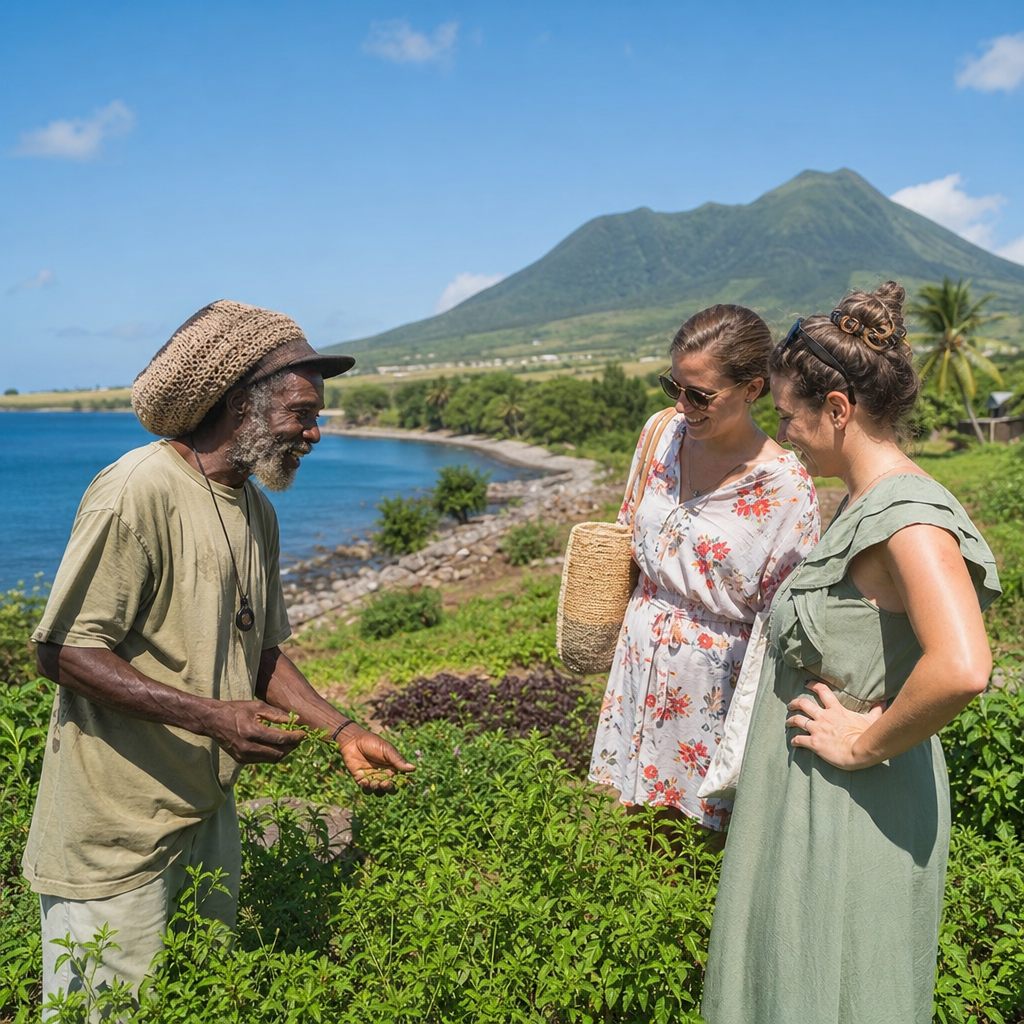
Sustainable cultural experiences in Nevis combine heritage preservation, community income, and low-impact travel in ways that reward visitors while protecting the island’s identity. Nevis, the smaller partner in the Federation of Saint Kitts and Nevis, is known for green slopes, Georgian-era architecture, Afro-Caribbean traditions, and a scale that still allows travelers to engage directly with residents, makers, farmers, and guides. In practical terms, sustainable cultural tourism means choosing experiences that keep money circulating locally, reduce pressure on fragile ecosystems, respect historic sites, and present living culture accurately rather than turning it into a staged commodity. That includes where you sleep, what you eat, which tours you book, how you move around, and whether your presence supports custodianship of landscapes, stories, and skills.
I have worked on destination content and responsible travel planning across Caribbean islands, and Nevis stands out because its cultural life is accessible without being overbuilt. You can speak with heritage interpreters in Charlestown in the morning, visit a small farm or craft producer in the afternoon, and end the day at a locally attended food event or music gathering rather than an isolated resort program. This matters because small islands face a narrow margin for error. Heavy cruise traffic, imported supplies, energy costs, water constraints, and coastal vulnerability can quickly erode the very character visitors come to experience. A well-designed sustainable cultural trip helps counter that pattern. It strengthens small businesses, validates local knowledge, and encourages conservation through use, not just regulation.
For travelers researching sustainable tourism in Nevis, the key question is simple: how do you experience the island deeply without contributing to cultural dilution or environmental strain? The answer starts with seeing culture as a living system. On Nevis, that system includes plantation history and emancipation narratives, church communities, culinary traditions built around breadfruit, goat water, and fresh seafood, music and festival practices, oral memory, and the continued use of trails, gardens, and fishing grounds. This hub article maps the most meaningful ways to engage with that system responsibly and can serve as a starting point for deeper planning across the wider sustainable tourism topic.
Why Nevis Is Well Suited to Sustainable Cultural Tourism
Nevis is compact, legible, and community-centered, which makes it unusually favorable for low-impact cultural travel. The island’s main town, Charlestown, remains human scale, and many important sites sit within a short driving distance rather than requiring major transport infrastructure. That reduces travel friction and makes it easier for visitors to combine heritage, food, and nature in one itinerary. Unlike destinations where culture is fragmented into ticketed attractions owned by external operators, many of Nevis’s most valuable experiences are still rooted in local institutions: family-run guesthouses, independent restaurants, village events, churches, farms, and guides whose knowledge comes from lived experience.
Its historical depth also supports substance over spectacle. Nevis played a significant role in the colonial Caribbean economy, and the remnants of that era are visible in estate landscapes, stone structures, and urban layouts. Yet the island’s story is not limited to colonial architecture. The more important cultural lens is how Nevisians transformed inherited systems into distinct local identity through foodways, kinship, music, entrepreneurship, and memory. Sustainable visitors look for this fuller narrative. They ask who tells the story, who benefits economically, and whether the experience preserves community dignity. In Nevis, the best operators are the ones who connect the scenic surface to these deeper realities.
Heritage Sites and Museums That Deserve Time
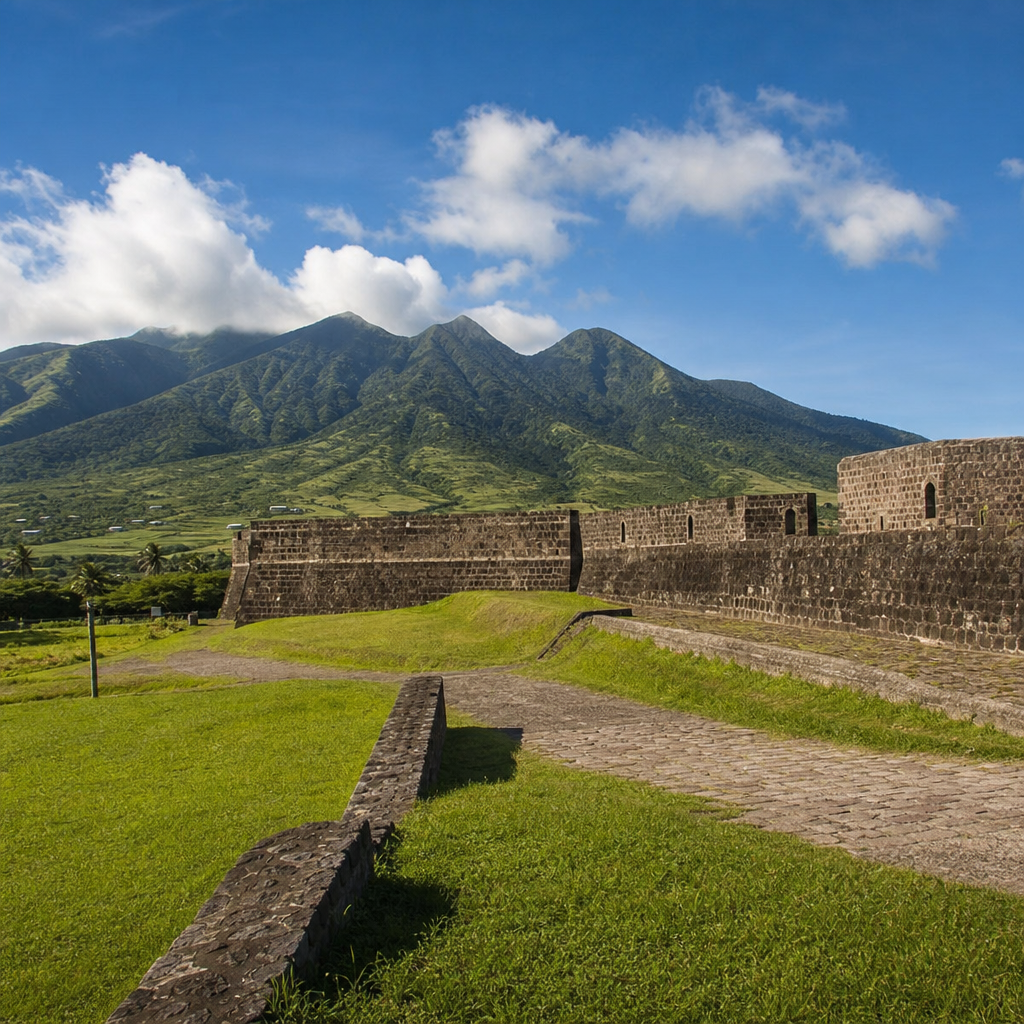
A serious cultural visit to Nevis usually begins in Charlestown, where the Museum of Nevis History provides essential context. Housed in a historic building associated with the birthplace of Alexander Hamilton, the museum is often approached by travelers as a single-topic stop, but it is more useful as an entry point into broader island history. A good visit should place Hamilton within Nevisian society rather than treating the site as detached celebrity heritage. Spend time on exhibits that explain colonial administration, trade, slavery, and the social layers that shaped the island. Pair the museum with a walking route through Charlestown’s streets, churches, public buildings, and stone architecture to understand how power, commerce, and community developed spatially.
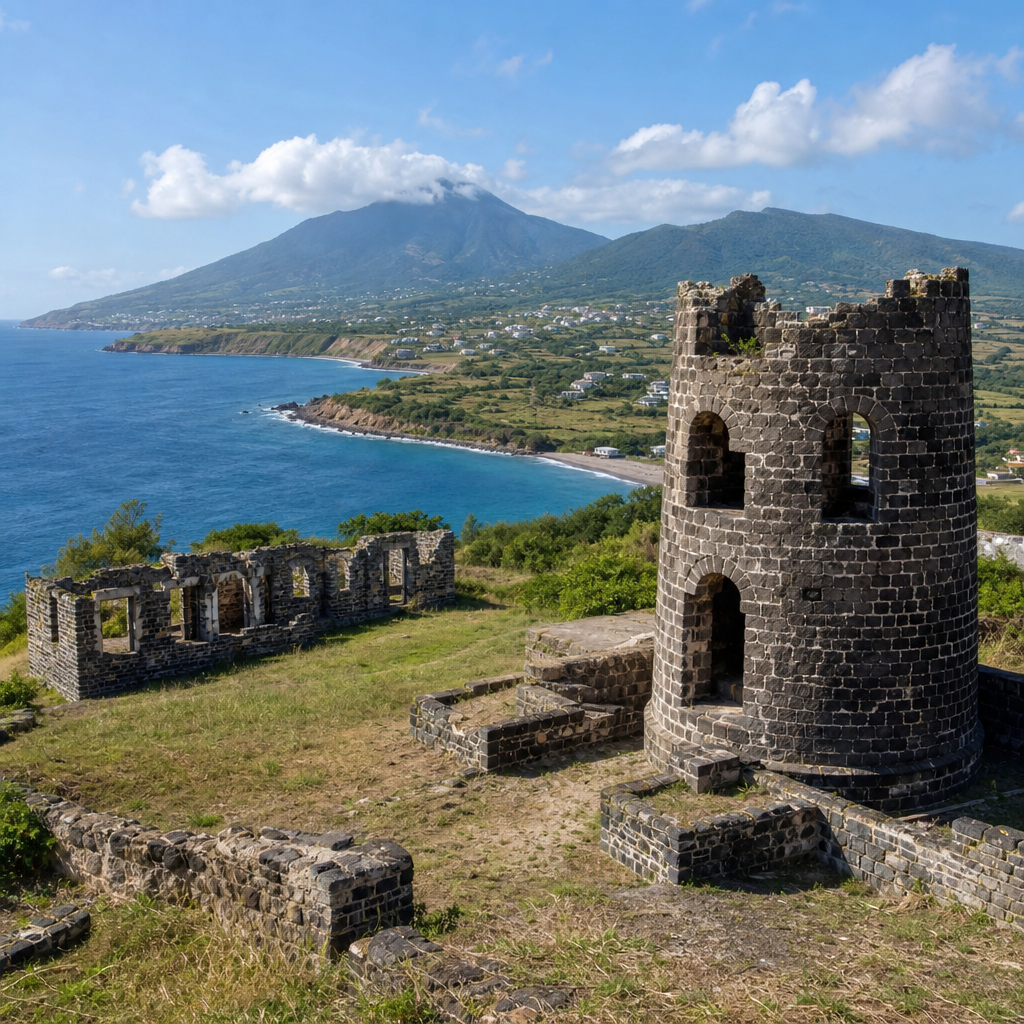
The Nevis Heritage Village in Fothergills adds a more community-grounded dimension. It reconstructs and interprets aspects of traditional village life, including domestic spaces and craft practices. When visited thoughtfully, it can illuminate ordinary life rather than elite history, which is a necessary corrective in Caribbean heritage tourism. Also worth attention are plantation-era ruins such as New River Estate, where windmill remains and industrial traces reveal how sugar production transformed land and labor. These sites should never be consumed as picturesque backdrops alone. The educational value lies in reading the landscape: where cane was grown, how processing worked, what labor systems sustained it, and how post-emancipation communities adapted after the collapse of plantation dominance.
Local Food as a Cultural and Environmental Choice
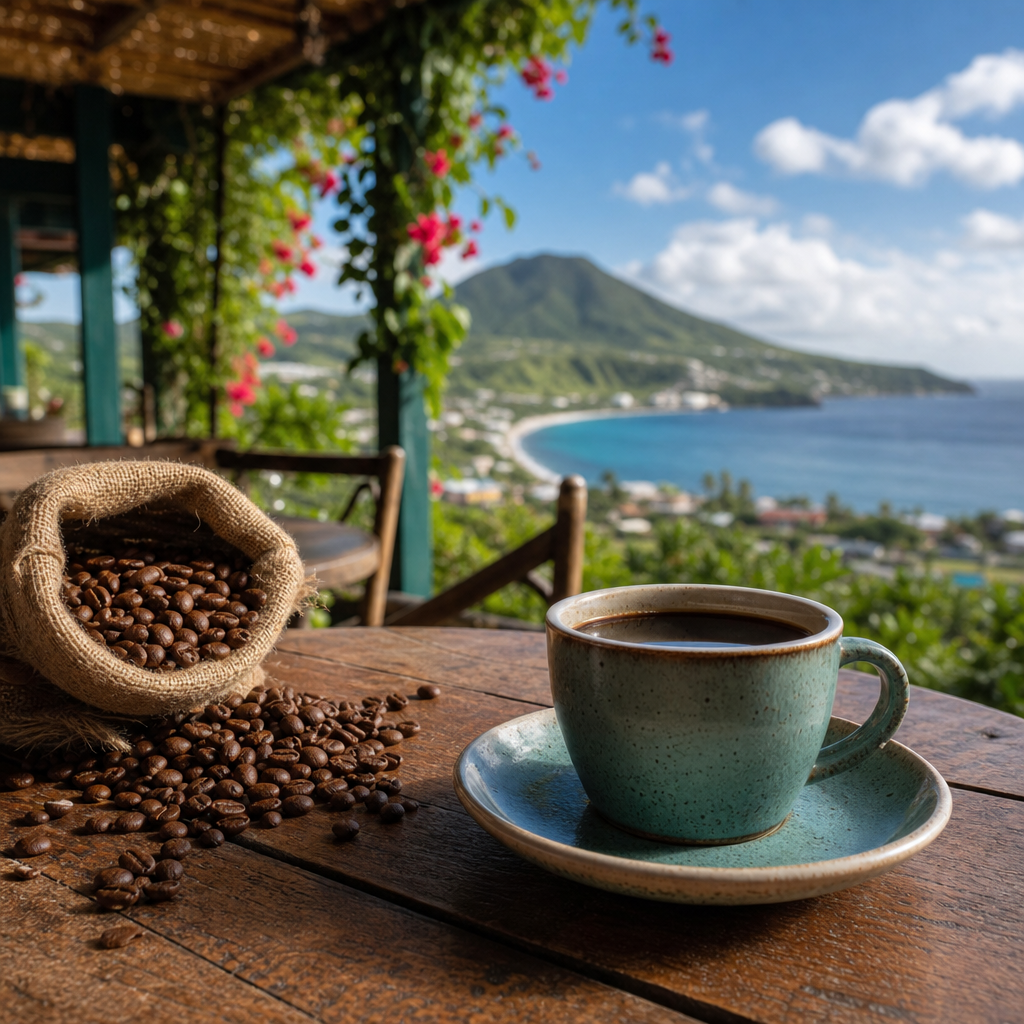
One of the most effective ways to support sustainable cultural experiences in Nevis is to eat with intention. Restaurants and roadside stops that buy from island fishers, livestock producers, and small farmers keep more tourism revenue on Nevis and reduce dependence on imported food. In my experience, this is where travelers most quickly feel the difference between generic Caribbean tourism and place-specific engagement. A menu featuring goat water, grilled lobster in season, breadfruit, cassava, tamarind, mango, pumpkin, and local greens tells you something real about climate, history, and household cooking. It also supports agricultural continuity on an island where imported goods can easily displace local production.
Ask direct questions: Is the fish local and seasonal? Which farm supplies the greens? Is the rum punch made with regional ingredients? Good operators answer clearly and with pride. Farmers markets, pop-up food events, and village cookouts often provide stronger cultural value than formal dining rooms because they reveal how Nevisians actually gather and eat. The sustainability point is not perfection. Few island businesses can source everything locally due to scale, weather, and shipping realities. What matters is visible effort and honest communication. Travelers who choose locally owned dining, avoid food waste, carry reusable bottles and containers where practical, and tip fairly create measurable benefits for culinary entrepreneurs and producers.
Festivals, Music, and Living Traditions
Culture on Nevis is not confined to museums, and the most memorable experiences often happen at public events where visitors are participants rather than spectators. Culturama, the island’s signature festival, is central to this. Rooted in emancipation-era celebration and community expression, it includes music, pageantry, folklore, and performance traditions that reflect Nevisian identity more directly than polished resort entertainment ever could. If you attend, do so respectfully: learn the significance of events, support official vendors, avoid obstructive filming, and understand that the celebration is first for the community. The value of festivals in sustainable tourism lies in helping traditions remain socially relevant and economically viable for younger generations.
Beyond major festivals, look for string band performances, church events, school showcases, poetry, and locally promoted live music nights. These are often where cultural transmission actually happens. A hotel stage set may be enjoyable, but a community event lets you see who the audience is, how songs are introduced, what foods are sold, and how social ties operate. That context matters. Sustainable cultural tourism is strongest when visitors fit into existing cultural rhythms instead of demanding custom versions stripped of meaning. Ask accommodation hosts and local guides what is happening that week, then attend with humility, curiosity, and willingness to contribute through admission fees, food purchases, and patronage of performers’ work.
Community-Based Experiences to Prioritize
The highest-value sustainable experiences in Nevis are usually small scale. They may not rank first on mass booking platforms, but they produce the strongest local benefit and the most accurate cultural learning. Prioritize operators who live on the island, employ Nevisian staff, collaborate with farmers or artisans, and can explain how revenue supports community livelihoods. Examples include heritage walking tours led by residents, cooking sessions focused on local staples, farm visits that discuss soil, rainfall, and crop choices, and craft encounters where makers explain materials and methods instead of simply selling souvenirs.
| Experience type | What makes it sustainable | What to look for in Nevis |
|---|---|---|
| Heritage walking tour | Low transport impact, local storytelling, direct guide income | Resident guide, small groups, clear historical context |
| Farm or garden visit | Supports local food systems and agricultural knowledge | Discussion of crops, water use, composting, seasonal limits |
| Cooking experience | Preserves recipes and channels spending to households | Traditional dishes, local ingredients, cultural explanation |
| Craft purchase or workshop | Rewards skilled labor and keeps heritage techniques active | Maker attribution, handmade process, fair pricing |
When evaluating tours, avoid operations that promise “authentic village life” without naming partners or explaining benefit sharing. Authenticity is not a sales label; it is demonstrated through transparency. The best guides are comfortable discussing difficult topics, including slavery, migration, hurricanes, and economic change. They do not reduce Nevis to postcard imagery. They help you see continuity between past and present, from estate labor histories to current debates about land use and youth opportunity.
Nature, Trails, and Cultural Landscape
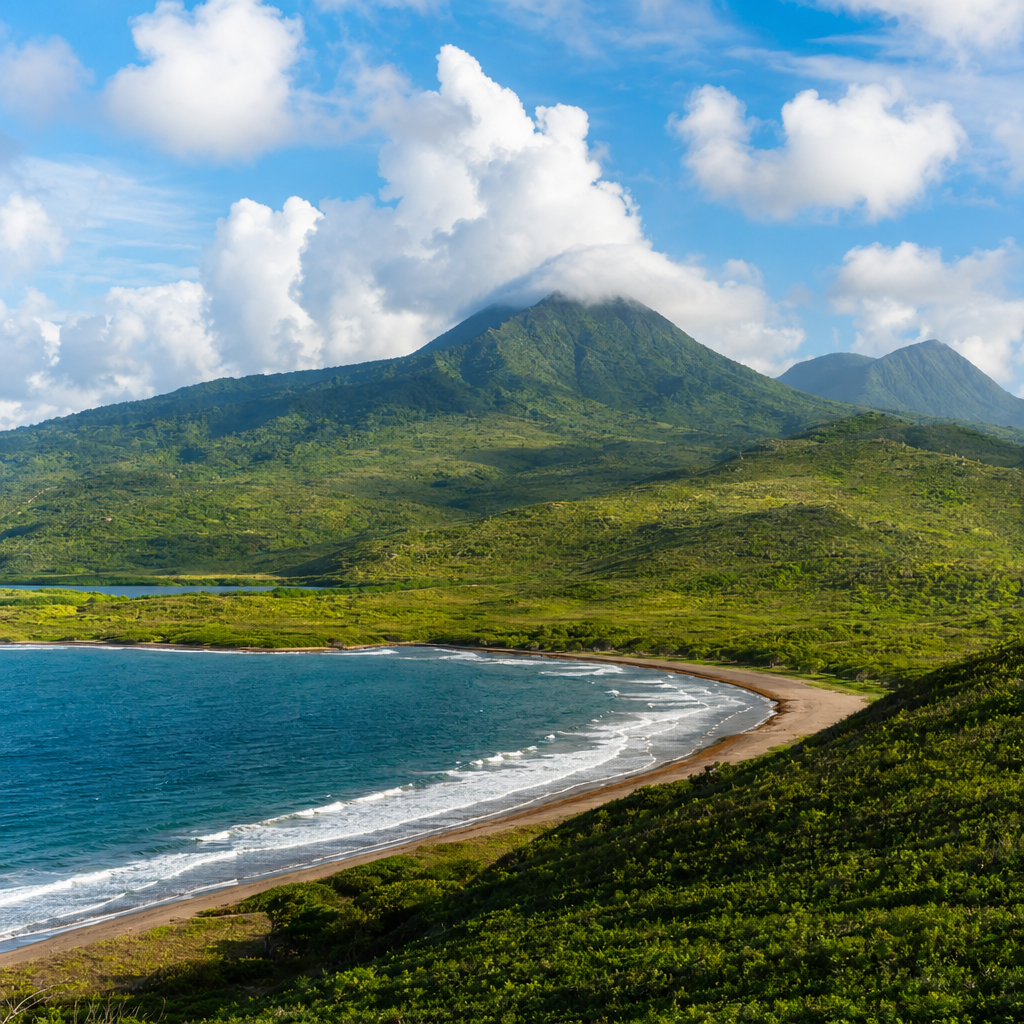
On Nevis, environmental and cultural sustainability are inseparable because the landscape itself carries history. Hiking trails on Nevis Peak, coastal roads, former estate lands, and village paths are not just scenic assets. They are cultural landscapes shaped by cultivation, storm recovery, settlement patterns, and customary use. When visitors hire trained local guides for hikes or countryside tours, they gain more than route finding. They learn plant names, watershed realities, folklore, former estate boundaries, and how weather affects farming and fishing. That interpretation turns a nature outing into a fuller cultural experience.
Responsible behavior on these outings is straightforward but important: stay on marked paths where relevant, avoid removing natural or historic material, carry out waste, and use reef-safe sun protection if your day includes marine areas. If visiting beaches, remember that coastal enjoyment also intersects with livelihoods and conservation. Sea turtle nesting, erosion control, and fisheries health all matter. A beach bar sourcing local seafood and managing waste properly contributes more to sustainable tourism than an isolated luxury experience with heavy imports and little community interaction. In Nevis, the most meaningful itineraries blend walking, heritage, and food so that scenery is understood as lived environment rather than empty backdrop.
How to Spend Responsibly on the Island
Travel spending patterns determine whether sustainable cultural tourism in Nevis is real or just aspirational. Start with lodging. Smaller inns, guesthouses, and locally rooted hotels usually retain more value on island than absentee-owned properties, especially when they purchase local services, hire residents into management roles, and connect guests with independent guides. Then look at transportation. Shared transfers, walking in Charlestown, and grouping activities by area reduce emissions and save time. Shopping matters too. Choose items with clear origin and maker information. Imported trinkets labeled as island crafts do little for Nevisian culture, while a fairly priced handmade object or locally produced food item directly supports skill and enterprise.
Finally, practice respectful exchange. Ask before photographing people, dress appropriately in community settings, and avoid bargaining in ways that devalue labor. Understand that sustainability includes social comfort. Residents should not have to perform friendliness under pressure from visitors who treat the island as a stage set. The practical test is simple: would this purchase or behavior still feel fair if you were the one hosting? If you plan your trip with that standard, Nevis becomes more than a destination. It becomes a partner in a travel model that protects culture, supports livelihoods, and leaves the island stronger after your visit.
Sustainable cultural experiences in Nevis are most rewarding when travelers connect history, community, food, and landscape instead of treating them as separate attractions. The island offers exactly the scale needed for that approach. You can learn in museums and heritage streets, eat food tied to local farms and fishing grounds, attend festivals that matter to residents, book tours led by people with lived knowledge, and spend in ways that strengthen small businesses. Each decision shapes outcomes. Local dining supports producers. Community events sustain performers and organizers. Respectful visits to historic sites encourage preservation with context, not just cosmetics. Guided walks and nature outings deepen understanding of how culture is embedded in land and daily life.
The core benefit is depth. Rather than collecting surface-level sights, you leave Nevis with a clearer sense of how an island community preserves identity under the pressures of globalization, climate risk, and tourism economics. That kind of travel is better for residents and more memorable for visitors because it replaces passive consumption with informed participation. Use this hub as your foundation for exploring the broader sustainable tourism landscape, then build an itinerary around locally owned businesses, heritage interpretation, seasonal food, and community-centered events. If you are planning a trip to Nevis, start by choosing one museum visit, one locally sourced meal, one resident-led tour, and one cultural event. Those four decisions will move your entire journey in the right direction.
Frequently Asked Questions
What does “sustainable cultural experiences” mean in Nevis?
In Nevis, sustainable cultural experiences are activities that let visitors enjoy the island’s history, traditions, food, arts, and daily life in ways that also protect local heritage, support residents, and reduce environmental strain. Rather than treating culture as a staged attraction, this approach emphasizes real connections with the people and places that shape Nevisian identity. That can include visiting historic villages with knowledgeable local guides, buying crafts directly from makers, eating food prepared with locally grown ingredients, attending community-rooted cultural events, and choosing small businesses that keep tourism income circulating on the island.
What makes this especially meaningful in Nevis is the island’s scale and character. Nevis is small enough that travelers can move beyond passive sightseeing and engage directly with farmers, artists, heritage interpreters, and family-run hospitality providers. Sustainable cultural tourism here is not only about lowering waste or choosing eco-friendly transport, although those matter. It is also about preserving Georgian-era architecture, respecting Afro-Caribbean traditions, helping maintain historic sites, and making sure tourism does not displace the communities that give the island its distinct personality. When done well, it creates a positive exchange: visitors gain a richer and more authentic experience, while local people gain income, visibility, and stronger incentives to safeguard their cultural and natural resources.
What are some of the best sustainable cultural activities to do in Nevis?
Some of the strongest sustainable cultural experiences in Nevis are the ones rooted in local knowledge and everyday island life. Heritage walking tours are a great example, especially those focused on Charlestown, village communities, churches, old estates, and important sites connected to emancipation, plantation history, and the island’s political and social development. A good local guide adds context that visitors cannot get from a signboard alone, and those tours often directly support residents who are actively involved in preserving Nevisian history.
Food-based experiences are also highly valuable. Dining at locally owned restaurants, trying traditional dishes, visiting farms, and choosing businesses that source ingredients from Nevisian growers all help strengthen the local economy while deepening a traveler’s understanding of the island. Cultural events, music performances, artisan workshops, and market visits can be equally rewarding, especially when they are organized by community groups or independent entrepreneurs rather than designed purely for mass tourism. Visitors can also look for opportunities to learn about traditional skills, storytelling, seasonal celebrations, herbal knowledge, or local agricultural practices. The best activities tend to be low-volume, respectful, and educational, allowing culture to be shared on local terms instead of being reduced to entertainment for outsiders.
How can visitors make sure their spending actually benefits local communities in Nevis?
The most effective way is to prioritize locally owned businesses at every stage of the trip. That means booking guesthouses, inns, tours, taxis, eateries, and experiences run by Nevisians or long-established island-based operators with clear ties to the community. Buying handmade goods directly from local artisans instead of imported souvenir outlets is another practical step, as is choosing restaurants that highlight island ingredients, local recipes, and regional culinary traditions. Even small decisions matter because they influence where tourism revenue ends up and whether it stays on Nevis or leaks outward to external companies.
It also helps to ask informed questions. Travelers can inquire whether a guide is local, whether products are made on the island, whether a business employs local staff, or whether part of the revenue supports heritage conservation or community initiatives. Respectful participation is just as important as spending. Attending neighborhood events responsibly, listening more than performing for social media, and valuing local expertise all contribute to a healthier visitor economy. In Nevis, where personal interaction is often central to the travel experience, community benefit is not only financial. Visitors who engage thoughtfully can reinforce pride, visibility, and long-term support for cultural preservation.
Why is heritage preservation such an important part of sustainable tourism in Nevis?
Heritage preservation matters in Nevis because the island’s appeal is inseparable from its history, architecture, landscapes, and living traditions. The Georgian-era buildings in Charlestown, former estate sites, village churches, oral histories, music, foodways, and Afro-Caribbean cultural practices are not interchangeable attractions. They are part of a specific island identity shaped by colonization, resistance, labor, migration, faith, and community continuity. If tourism ignores that complexity or puts too much pressure on historic places, the result can be erosion of the very character visitors came to experience.
Sustainable tourism helps counter that risk by giving heritage real economic value without requiring it to be overused or oversimplified. Entrance fees, guided tours, local interpretation, conservation partnerships, and community-led storytelling can all create income that supports maintenance and education. Just as importantly, preservation strengthens local control over how Nevis is represented. It allows residents to tell fuller stories about the island, including difficult histories, rather than relying on shallow or purely romantic versions of the past. For travelers, that means a more honest and memorable experience. For Nevis, it means cultural continuity is treated as an asset to protect, not a backdrop to consume.
What are the best practices for being a respectful, low-impact cultural traveler in Nevis?
Start by approaching the island with curiosity, patience, and humility. Nevis rewards travelers who slow down, observe, and build genuine interactions rather than trying to rush through a checklist. Respectful cultural travel means asking before photographing people, dressing appropriately in community or religious settings, listening carefully to local perspectives, and recognizing that traditions are meaningful parts of daily life rather than props for tourism. It also means being open to learning the island’s history in full, including subjects such as slavery, plantation economies, and post-emancipation community development.
Low-impact choices reinforce that respect. Visitors should minimize single-use plastics, conserve water and energy, avoid littering, stay on marked paths at natural or historic sites, and choose small-group or independently run tours when possible. Supporting locally grown food, walking through heritage areas instead of relying on unnecessary vehicle use, and selecting accommodations with visible sustainability practices all help reduce pressure on island resources. Perhaps most importantly, travelers should value quality of engagement over quantity of consumption. In Nevis, a meaningful conversation with a guide, artisan, farmer, or cook can be more culturally significant than a packed itinerary. That mindset supports a form of tourism that is lighter on the island and far richer for the visitor.