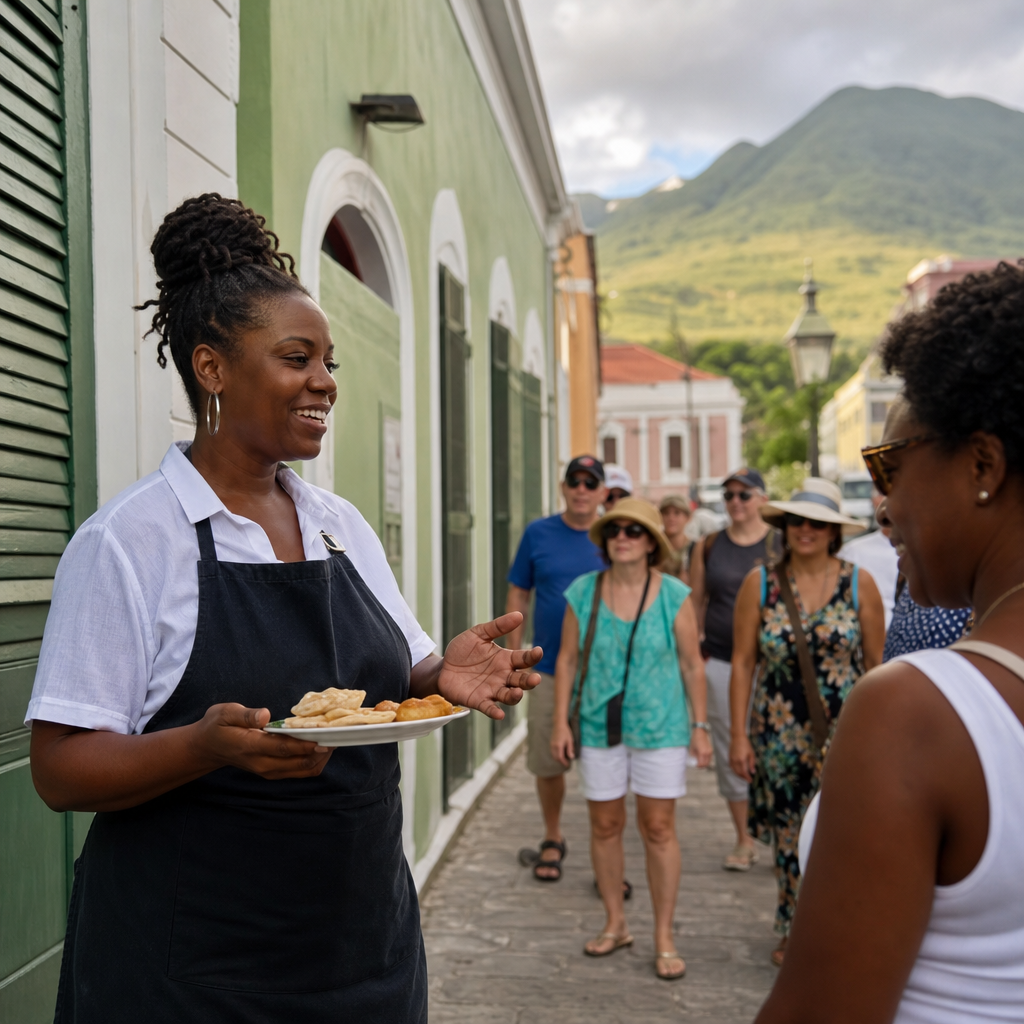
Saint Kitts’ sustainable souvenir ideas go far beyond refrigerator magnets and airport trinkets. On an island where tourism, agriculture, fishing, and small-scale craft industries intersect, the best gifts are the ones that reflect local identity while supporting the people and ecosystems that make the destination worth visiting. A sustainable souvenir is an item purchased, used, and remembered with minimal environmental harm and with a clear social or economic benefit to the community that produced it. In Saint Kitts, that usually means locally made goods, responsibly sourced materials, fair payment to artisans, low-waste packaging, and products tied to heritage rather than mass import channels.
This matters because souvenir spending is one of the simplest ways travelers can shift money directly into the local economy. I have seen visitors spend more on imported beachwear in five minutes than they spend all day at a craft market, even though the market purchase is the one most likely to support a family business, preserve traditional skills, and reduce shipping emissions. Saint Kitts is building a stronger sustainable tourism identity, and souvenirs are part of that story. Every jar of island-made preserve, hand-thrown ceramic bowl, natural body product, or ethically produced textile can become a small but practical form of conservation and cultural support.
For travelers researching sustainable tourism in Saint Kitts, this hub covers the full miscellaneous souvenir landscape: what to buy, what to avoid, how to verify local production, where value chains matter, and how gifts can give back. It also addresses the questions people usually ask before buying. Which souvenirs are truly local? Are food gifts more sustainable than decorative ones? Can marine materials ever be ethical? What should buyers know about packaging, customs rules, and artisan pricing? The answers are straightforward when you understand how the island’s economy works and which signals indicate authenticity. Buying well in Saint Kitts is not complicated, but it does require attention.
At its core, a good sustainable souvenir does three things at once: it preserves memory for the traveler, creates fair value for the maker, and avoids undermining the destination through waste, extraction, or cultural dilution. That is the standard used throughout this guide. If a product is beautiful but imported in bulk, it fails the local benefit test. If it is locally assembled from environmentally harmful materials, it fails the ecological test. If it imitates Kittitian culture without involving Kittitians, it fails the authenticity test. The strongest gift ideas meet all three standards and still make practical sense for packing, gifting, and long-term use.
What makes a souvenir sustainable in Saint Kitts
A sustainable souvenir in Saint Kitts starts with origin. The most important question is not whether an item looks tropical; it is whether the product was grown, designed, crafted, or meaningfully finished on the island. Local origin increases economic retention, which is a key tourism metric describing how much visitor spending stays in the destination instead of leaking out through imports. In island economies, leakage is often high because many consumer goods arrive by ship. Souvenirs that use local fruit, local clay, locally sewn fabric, local wood from approved sources, or locally developed recipes generally keep more value on the island.
The second factor is material choice. Sustainable materials include agricultural byproducts, reusable containers, natural fibers, recycled glass, and legally sourced inputs with a clear chain of custody. Unsustainable materials often include coral, endangered hardwoods, shells taken from sensitive beaches, and plastics used purely for presentation. In practical terms, a small-batch hot sauce in a reusable bottle is usually a better purchase than a generic resin figurine shipped from overseas and wrapped in layered plastic. The item may cost more, but its environmental footprint and community value are usually better.
The third factor is production practice. Buyers should look for signs of small-batch manufacturing, transparent labeling, artisan signatures, and direct selling environments such as studio shops, farm stands, museum stores, and vetted markets. These settings make it easier to ask who made the item, where materials came from, and whether workers were paid fairly. In my experience, genuine local sellers answer these questions easily because the story behind the product is part of the value. Vague answers, identical inventory across multiple shops, and labels that only say “Caribbean style” are warning signs that the item is imported.
Best sustainable souvenir categories that give back
Food and drink products are often the strongest sustainable souvenir options in Saint Kitts because they connect directly to agriculture and local processing. Think spice blends, pepper sauces, jams, herbal teas, baked goods with traditional flavor profiles, and products using island-grown fruits such as tamarind, mango, guava, or coconut. These gifts are practical, consumable, and less likely to become clutter. They also support farmers, cooks, bottlers, and small retailers. The best examples use clear ingredient labels, durable packaging, and recipes rooted in Kittitian food culture rather than generic tourist branding.
Handcrafted home goods are another high-value category. Locally made ceramics, woven pieces, woodcraft from approved or reclaimed timber, hand-poured candles, and small-batch soaps can all align well with sustainable tourism goals. A hand-thrown mug or serving dish often has a lower long-term waste impact than novelty souvenirs because it stays in daily use for years. I consistently advise travelers to favor functional objects over decorative impulse buys. Functional goods justify a slightly higher price, are easier to connect to a maker’s skill, and create repeat value long after the trip ends.
Wearable items can be excellent purchases when the production story is clear. Look for screen-printed or embroidered apparel designed by local artists, jewelry made from recycled materials, and accessories produced in limited runs. The problem category here is mass-produced T-shirts that feature Saint Kitts branding but were imported wholesale with no local creative input. A better alternative is artist-designed apparel sold at cultural events, galleries, or community markets. When buyers choose these items, they are not just purchasing cloth and ink; they are supporting local design economies and preserving a visual language unique to the island.
| Souvenir type | Why it is sustainable | What to check before buying |
|---|---|---|
| Local sauces, jams, teas | Supports farmers and small processors; low clutter; practical use | Ingredient origin, sealed packaging, customs suitability |
| Handmade ceramics | Long-lasting, functional, artisan-led production | Maker name, local studio origin, protective packaging |
| Natural soaps and body products | Can use local botanicals and low-waste ingredients | Label transparency, allergen details, plastic-free wrapping |
| Locally designed apparel | Supports creative industries and island identity | Designer credit, print quality, where garment was finished |
| Recycled-material jewelry | Diverts waste and creates distinctive pieces | Material source, durability, metal content for skin sensitivity |
How to identify authentic local makers and avoid greenwashed gifts
The simplest way to identify authentic local souvenirs in Saint Kitts is to ask direct questions and listen for specific answers. Who made this? Where was it produced? What is it made from? If the seller can name the workshop, parish, artist, farm, or ingredient source, that is a strong positive signal. If the product has a maker card, batch label, or origin story tied to a known community or enterprise, even better. Authentic producers usually want buyers to know the backstory because that story differentiates them from imported competition.
Greenwashing appears in souvenir retail when shops use words like eco, handmade, natural, or island-made without evidence. A basket of imported soaps wrapped in twine can look sustainable while delivering almost no local benefit. Likewise, shell jewelry may be marketed as beach-friendly even if the material was collected irresponsibly or purchased through opaque supply chains. Responsible buyers should examine labels, ask whether ingredients or materials are harvested legally, and note whether packaging is excessive. If an item travels halfway around the world before being sold as a local memory, it is not a sustainable Saint Kitts souvenir.
Price can also be informative, though not definitive. Handmade goods in small island economies are rarely cheap because raw materials, transport, utility costs, and labor are expensive. When a supposedly handcrafted item is priced lower than a mass-produced alternative, something usually does not add up. This does not mean every expensive item is ethical, but it does mean buyers should be cautious about unrealistically low prices. Fair compensation is part of sustainability. Bargaining aggressively with artisans for a few dollars may feel normal in some travel contexts, yet it directly undermines the community benefit the purchase is supposed to create.
Materials and products travelers should avoid
Some of the worst souvenir choices in Saint Kitts are products made from coral, turtle shell, black coral, protected species, or beach materials removed from sensitive ecosystems. These items may be illegal to export, harmful to biodiversity, or both. Coral in particular is never a responsible purchase. Coral reefs support fisheries, protect shorelines, and anchor marine tourism, yet they are already stressed globally by warming seas, pollution, and physical damage. Turning reef material into trinkets for short-term sale is the opposite of sustainable tourism. The same principle applies to any wildlife-derived item without clear legal documentation.
Travelers should also avoid souvenirs with heavy plastic packaging, single-use novelty construction, or obvious import-market uniformity. If ten stores carry the same faux-Caribbean figurine, straw-looking bag, or tropical keychain in the same barcode packaging, the item is almost certainly disconnected from Saint Kitts beyond the point of sale. These products create waste, weaken local craft demand, and offer little cultural meaning. They may be inexpensive, but they represent high leakage and low memory value. A small edible product from a local producer is almost always a smarter choice than a suitcase full of disposable trinkets.
Another caution area is untreated plant material, seeds, or fresh agricultural products that may trigger customs restrictions on arrival home. Even if the product is locally grown and sustainably harvested, travelers need to confirm import rules. Many countries restrict fresh produce, soil-bearing plants, and certain animal-origin products. Sustainable buying includes planning for legal transport. A confiscated item is wasted money and wasted resource use. The safest options are professionally packaged shelf-stable foods, labeled body products, and durable crafts made from permitted materials.
Where souvenir spending creates the most community impact
Not all retail channels distribute value equally. In Saint Kitts, the most community-supportive purchases usually happen through artisan markets, cultural festivals, independent studios, farm-based outlets, museum or heritage gift shops, and cooperatively organized vendors. These channels tend to shorten the supply chain, which means a larger share of the sale reaches the person who actually made or grew the product. They also create incentives for preserving traditional skills, from culinary methods to textile embellishment to storytelling embedded in design motifs.
Heritage-linked purchases can be especially powerful. When a gift shop at a historic site stocks books by local authors, prints by local artists, or foods tied to island agricultural history, the souvenir becomes an extension of interpretation rather than a detached retail event. That matters because sustainable tourism is not only about lower impact; it is also about deeper understanding. A visitor who buys a product connected to sugar heritage, Afro-Caribbean foodways, or contemporary Kittitian art leaves with a more accurate sense of place than someone who buys a generic palm-tree object made elsewhere.
Community impact also increases when travelers buy fewer, better items. I recommend setting a souvenir budget and concentrating it on two or three purchases with a traceable local story. That approach reduces waste, makes room in luggage, and creates more meaningful support. One thoughtfully chosen ceramic serving piece from a local maker can do more for Saint Kitts’ creative economy than a dozen low-cost imports. Sustainable tourism works best when spending patterns align with local strengths rather than volume retail habits.
Practical buying tips for travelers who want gifts that truly give back
Start early rather than waiting for the airport. Last-minute shopping narrows your options and increases the chance of buying imported stock. Explore local markets, ask hotel staff which vendors are genuinely island-based, and look for events where producers sell directly. Carry a reusable tote so fragile or unpackaged items do not need extra plastic bags. If you plan to buy food gifts, bring a small list of customs rules for your home country. A little preparation improves both sustainability and convenience.
Ask for the maker’s name and keep it with the gift. Recipients appreciate knowing who produced the item, and that small act extends the economic story of the purchase. If you find a producer you like, follow their business on social media, leave a review, and order again if they ship internationally. Repeat purchasing is one of the most overlooked ways tourism spending can continue benefiting local businesses after the trip ends. For small island entrepreneurs, a returning customer from abroad can be more valuable than a one-time resort shopper.
Choose gifts people will use. Edible items, candles, mugs, tea towels, notebooks, body products, and artist-made accessories tend to outperform novelty items because they integrate into daily life. Sustainable souvenirs succeed when memory and utility reinforce each other. Saint Kitts offers exactly that opportunity. Buy with curiosity, verify local value, and favor craftsmanship over convenience. When you treat souvenir shopping as part of responsible travel, your purchases become small investments in culture, livelihoods, and environmental care. Start with one authentic local item, and let that standard guide every gift you bring home.
Frequently Asked Questions
What makes a souvenir in Saint Kitts truly sustainable?
A truly sustainable souvenir in Saint Kitts does more than remind you of your trip—it supports the island’s people, traditions, and environment in a meaningful way. In practical terms, that usually means the item is made locally, uses responsibly sourced or recycled materials, and provides fair economic value to the person or small business that created it. Instead of mass-produced imports that could come from anywhere, sustainable gifts reflect Saint Kitts’ identity through local craft, agricultural products, natural ingredients, and cultural storytelling. The more closely an item is tied to the island’s heritage and current economy, the more likely your purchase is contributing positively.
It is also important to consider how the souvenir was made and what happens after purchase. Sustainable options generally involve low-waste production, minimal plastic packaging, and materials with a lower environmental footprint. Examples may include handmade soaps using local botanicals, small-batch food products, artisanal crafts, or practical goods made by local makers. A good sustainable souvenir is durable, useful, and easy to take home without encouraging waste. If the seller can tell you who made it, where the ingredients or materials came from, and how the purchase helps local livelihoods, that is usually a strong sign you are choosing a gift that gives back rather than one that simply adds to tourist consumption.
What are some of the best sustainable souvenir ideas to buy in Saint Kitts?
Some of the best sustainable souvenir ideas in Saint Kitts come from the island’s agricultural roots, creative small businesses, and artisan traditions. Locally made food and wellness products are often excellent choices because they are both memorable and directly connected to local production. Items such as island-made jams, sauces, spice blends, teas, soaps, body oils, and candles can support farmers, herbal growers, and small-scale producers while giving you something authentic to use at home. When these products are made in small batches and packaged in reusable or recyclable containers, they become even stronger sustainable options.
Handcrafted goods are another standout category. Look for jewelry, home décor, textiles, woodwork, and art made by Saint Kitts-based artisans rather than imported souvenir stock. These items often preserve local techniques, celebrate Caribbean aesthetics, and keep tourism spending within the community. Books by local authors, music by regional artists, and cultural artwork can also be meaningful low-impact souvenirs because they carry the island’s stories without relying on resource-heavy manufacturing. The best gifts are usually the ones with a clear local connection, practical use, and visible evidence that a resident, artist, maker, or family-run business directly benefits from your purchase.
How can I tell whether a souvenir shop or vendor in Saint Kitts is genuinely supporting the local community?
The simplest way to tell is to ask direct but respectful questions. A reputable shop or market vendor should be able to explain where the item was made, who made it, and whether the materials or ingredients were sourced locally. If a product is described as handmade, local, or eco-friendly, there should be a story behind it. You can ask whether the maker lives on Saint Kitts, whether the business is locally owned, and whether the product is produced in small batches or by a cooperative. Sellers who are truly connected to the community are usually proud to share those details. Vagueness, identical stock across multiple stores, or packaging that gives no indication of local origin can be signs that an item is mass-produced or imported.
It also helps to observe how the business operates. Shops that highlight artisan names, explain sourcing practices, reduce unnecessary packaging, or collaborate with community producers often demonstrate a more authentic commitment to sustainability. Farmers markets, craft fairs, cultural centers, and independent boutiques are often better places to find meaningful purchases than generic tourist outlets. While imported products are not automatically bad, they do not offer the same direct community impact as goods made and sold by local people. If your goal is to buy a souvenir that gives back, prioritize transparency, local ownership, and products with a visible connection to Saint Kitts’ economy, culture, and landscape.
Are there any souvenirs visitors should avoid if they want to shop responsibly in Saint Kitts?
Yes—responsible shopping in Saint Kitts includes knowing what not to buy. Visitors should generally avoid souvenirs made from endangered wildlife, coral, turtle shell, black coral, or shells collected in ways that may harm marine ecosystems. Even if such items appear natural or traditional, they can contribute to habitat damage, biodiversity loss, and illegal or poorly regulated trade. It is also wise to be cautious with products that seem overly cheap, generic, or disconnected from the island, since these are often imported in bulk and offer little benefit to local communities. A souvenir does not become sustainable just because it is sold in a tropical setting.
Another category to avoid is heavily packaged novelty items that are quickly discarded after the trip. Single-use plastic trinkets, low-quality printed merchandise, and disposable gifts often create unnecessary waste and have minimal cultural value. If you are unsure about a product made from wood, seeds, fibers, or animal-derived materials, ask about its source and whether it can be legally transported home. Responsible souvenir shopping is not about perfection; it is about making thoughtful choices that reduce harm and increase benefit. In most cases, choosing fewer but better items—especially those made by local artisans and producers—has a far more positive impact than buying a bag full of forgettable keepsakes.
Why do sustainable souvenirs matter so much for destinations like Saint Kitts?
Sustainable souvenirs matter in Saint Kitts because tourism has a direct influence on how local economies, natural resources, and cultural traditions are valued. Every purchase sends a signal. When visitors choose locally made, responsibly sourced gifts, they help strengthen small businesses, support artisans and farmers, and encourage entrepreneurship rooted in the island’s identity. That kind of spending can circulate more effectively within the community than money spent on imported goods, creating a stronger connection between tourism and resident wellbeing. In a small-island context, that connection is especially important because local industries often operate at a scale where visitor support can make a real difference.
There is also a long-term environmental and cultural reason these purchases matter. Saint Kitts’ appeal depends on healthy coastlines, vibrant communities, agricultural heritage, and creative local expression. Souvenirs that honor those assets help protect what visitors came to experience in the first place. When shoppers prioritize ethical materials, low-waste products, and authentic craftsmanship, they reward businesses that are working in more responsible ways. Over time, this can help shift tourism away from disposable consumption and toward more regenerative travel habits. In that sense, a sustainable souvenir is not just a gift or memento—it is a small but meaningful investment in the future of Saint Kitts.