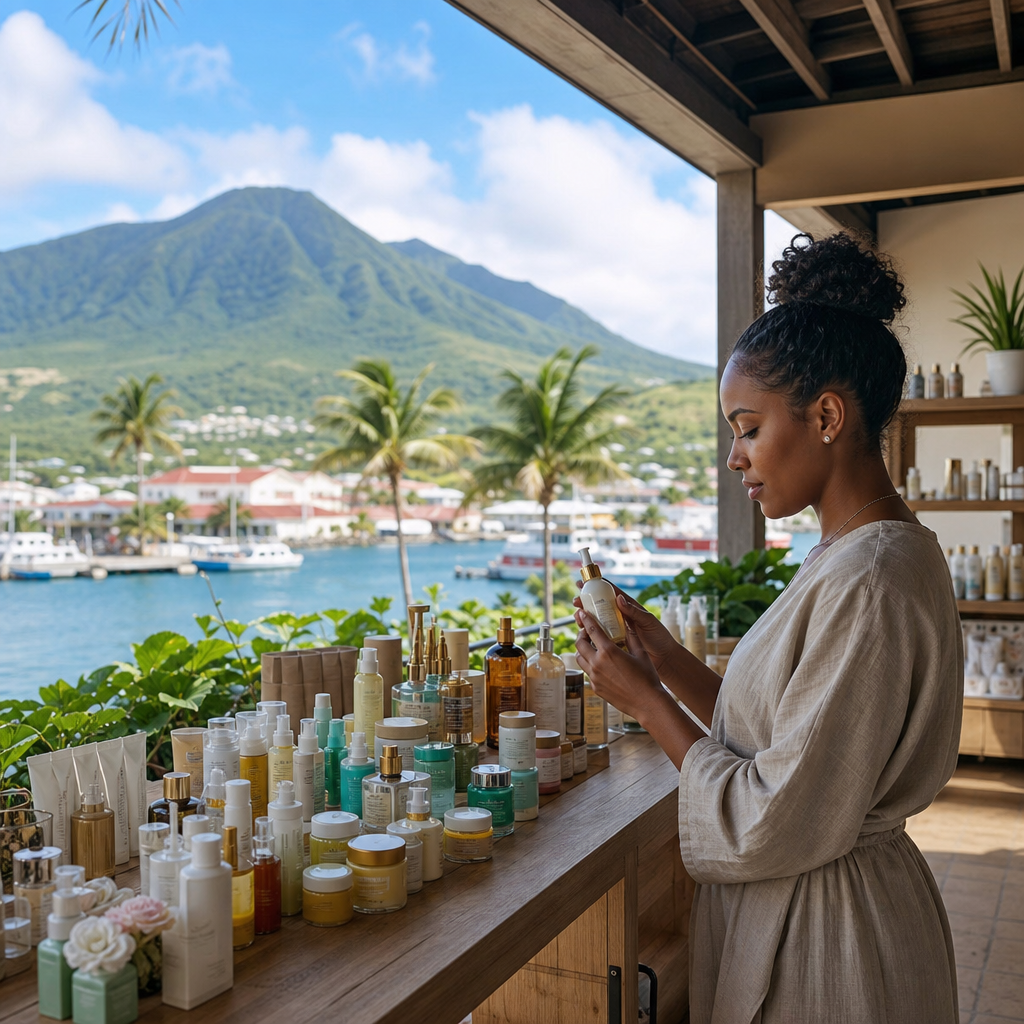
Nevis’ cosmetics and beauty market is a small but strategically promising segment within the island’s wider consumer economy, offering investors a blend of tourism-driven demand, import substitution potential, and premium brand positioning. In this market, cosmetics refers to makeup, skincare, fragrance, haircare, nail products, and personal grooming items sold through retail, hospitality, wellness, and direct-to-consumer channels. Beauty market includes not only products, but also salons, spas, medi-spas, aesthetic services, beauty education, and distribution networks that move goods from importers to consumers. I have worked on Caribbean market-entry assessments where niche categories outperformed larger sectors because demand was concentrated in visitors, affluent residents, and hospitality operators rather than the full population. That pattern matters in Nevis. Although the island is small, beauty spending is shaped by tourism, weddings, yachting, second-home ownership, and premium hospitality. Investors looking at Nevis should not ask whether it can support a mass-market beauty industry; they should ask which high-margin niches match local demand, logistics realities, and service expectations. The opportunity is strongest where products solve practical island needs such as sun exposure, humidity, textured-hair care, clean formulations, and resort retail convenience.
Nevis matters because it sits at the intersection of Caribbean tourism, wellness consumption, and selective luxury. The island’s economy benefits from visitor flows, upscale accommodation, and service businesses that can support beauty retail and treatment experiences. At the same time, nearly every beauty product sold on Nevis is imported, which creates persistent gaps in assortment, pricing, and replenishment speed. Those gaps are frustrating for consumers but useful for investors who can build reliable supply chains. Key terms for this market include average basket size, sell-through rate, gross margin, reorder cycle, private label, and channel mix. Average basket size measures how much a customer spends per transaction. Sell-through rate shows how quickly inventory moves. Channel mix describes the share of sales coming from boutiques, pharmacies, salons, hotels, online orders, and pop-up events. Understanding these metrics is essential because a profitable Nevis beauty business will likely win through curation, service quality, and inventory discipline rather than volume alone. For a business and investment opportunities hub, this subtopic is important because cosmetics and beauty connect to retail, wellness, tourism, training, small manufacturing, and digital commerce.
Market structure and demand drivers in Nevis
The cosmetics and beauty market in Nevis is best understood as a layered demand system. The first layer is local resident demand, including everyday skincare, haircare, hygiene-adjacent beauty products, and salon services. The second layer is visitor demand from tourists, wedding parties, yacht guests, and short-stay luxury travelers who need convenience, premium service, and climate-appropriate products. The third layer is institutional demand from hotels, villas, spas, and event planners purchasing treatment products, retail amenities, and beauty services for guests. In my experience evaluating island retail categories, investors who treat all three layers as one market usually misprice inventory and miss the strongest margins. A pharmacy-led beauty assortment serves a different purpose than a resort spa boutique or a bridal beauty service.
Demand is influenced by several practical conditions. First, tropical climate creates recurring needs for sunscreen, after-sun care, anti-humidity hair products, long-wear cosmetics, and lightweight skincare. Second, tourism seasonality affects foot traffic and staffing, requiring operators to build purchase plans around occupancy trends rather than annual averages. Third, imported inventory faces freight costs, customs handling, and occasional delays, making local availability itself a selling point. Fourth, Caribbean consumers often need broader shade ranges and textured-hair options than standard mass-market assortments provide. Businesses that ignore inclusivity lose sales quickly. Finally, wellness tourism is expanding the overlap between beauty and self-care. Facials, body treatments, clean beauty products, and scent-based relaxation products often sell together in resort settings, increasing cross-category revenue.
Most attractive investment segments
The strongest opportunities are not evenly spread across the category. Premium skincare is attractive because consumers and visitors are willing to pay for visible results, trusted ingredients, and climate-specific solutions. Products built around mineral sunscreen, antioxidant serums, hydration repair, and post-sun calming treatments fit island conditions. Haircare is another high-potential segment, particularly for curly, coily, and chemically treated hair exposed to salt, sun, and humidity. Brands that address frizz control, scalp health, protective styling, and moisture retention can command loyalty. Fragrance also works well in resort retail because it is giftable, high margin, and less shade-dependent than color cosmetics.
Service businesses can be even more resilient than retail. Well-run salons, spa suites, blow-dry bars, bridal beauty teams, and nail studios can generate recurring local income while capturing visitor spending peaks. A mobile beauty service for villas, weddings, and yachts can operate with lower fixed overhead than a full storefront and still price at a premium. Training and certification also deserve attention. There is room for beauty academies or short-form professional workshops tied to nail technology, esthetics, makeup artistry, and textured-hair services, especially if linked to recognized standards. Distribution is another overlooked niche. An importer-wholesaler supplying salons, boutique hotels, and independent retailers can create defensible value through product selection, dependable reordering, and compliance support.
| Segment | Why it fits Nevis | Main revenue model | Key risk |
|---|---|---|---|
| Premium skincare | High tourist spend, climate-specific need, gift potential | Retail margins, hotel spa retail, subscriptions | Slow-moving inventory if assortment is too broad |
| Textured-hair care | Underserved local demand, repeat purchase behavior | Retail sales, salon upselling, bundles | Brand education required |
| Mobile beauty services | Weddings, villas, yachts, convenience premium | Per-service fees, group bookings, gratuities | Scheduling and staffing variability |
| Spa and wellness retail | Aligned with hospitality and wellness tourism | Treatment services plus product retail | Dependence on hotel partnerships |
| Importer-distributor | Supply reliability is scarce and valuable | Wholesale margins, exclusivity deals | Working capital pressure |
Business models that work on a small island
Small-island beauty businesses succeed when they control complexity. A curated multi-brand boutique with 200 to 400 stock keeping units is usually stronger than a broad beauty store with thousands of items. Tight assortments improve cash flow, reduce expiry risk, and make staff training easier. I have seen operators in comparable Caribbean markets lift gross margins simply by cutting duplicate products and focusing on hero items with proven turnover. For Nevis, the best retail model often combines store sales, online ordering through messaging or a simple commerce site, local delivery, and hotel concierge referrals. This creates multiple purchase paths without the cost of a large footprint.
Another viable model is the hybrid salon-retail concept. In this setup, service revenue covers much of the fixed cost while retail improves ticket size and margins. A client who comes for a facial, silk press, manicure, or makeup application is far more likely to buy supporting products if staff demonstrate them during the service. The most effective operators use consultation-led selling rather than hard sales tactics. Subscription models can work for repeat-use categories such as skincare regimens, lash fills, and membership-based spa access, but only if inventory and appointment capacity are reliable. Franchise models are possible, yet independent operators often have more flexibility in sourcing and pricing, which matters in import-dependent markets.
Supply chain, regulation, and operating realities
Any serious investment analysis must address supply chain realities. Most cosmetics entering Nevis will move through regional shipping routes, customs processes, and local distribution networks that add cost and time. Investors should model landed cost carefully, including product cost, freight, insurance, duties where applicable, brokerage, inland transport, and shrinkage. A product that appears profitable at supplier price may become marginal after shipping and discounting. Inventory planning is therefore a strategic function, not an administrative one. Fast sellers need safety stock, while trend-driven items should be purchased conservatively.
Product safety, labeling, and ingredient compliance also matter. International brands generally follow established cosmetic labeling practices, but importers still need to verify documentation, shelf life, and storage requirements. Products with active ingredients, claims near therapeutic language, or equipment tied to advanced treatments may trigger additional scrutiny. For service businesses, sanitation protocols, staff certification, waste disposal, and insurance are non-negotiable. Operators should benchmark against recognized spa and salon hygiene standards and document procedures clearly. This is especially important when serving tourists, wedding groups, and high-net-worth clients, where service failure spreads quickly through reviews and concierge networks. Reliable refrigeration or climate-controlled storage may also be needed for sensitive formulations.
Brand positioning, pricing, and customer acquisition
Nevis rewards clear positioning. A beauty business should decide whether it is serving value-seeking residents, premium residents, destination brides, resort guests, wellness travelers, or professional salons. Trying to serve all of them usually produces confused branding and weak inventory choices. Pricing must reflect landed cost, target margin, and local willingness to pay. Premium pricing is viable when the customer is buying convenience, expertise, exclusivity, or a trusted result. It is less viable when the offer is a generic imported product available elsewhere online. The best defense against price comparison is a package that includes consultation, proper shade matching, treatment integration, or local availability when the customer needs it immediately.
Customer acquisition in Nevis is relationship-driven. Hotel partnerships, villa managers, wedding planners, photographers, fitness studios, and concierge teams can become high-value referral sources. Social media is essential, but content should be practical: climate-specific skincare tips, before-and-after service results, ingredient education, and real examples of bridal or resort-ready beauty routines. Search visibility matters most for intent-based services such as “bridal makeup Nevis,” “spa Nevis,” or “hair salon Nevis.” Email and messaging follow-up can improve repeat bookings more effectively than broad advertising. Reviews are critical; in small tourism markets, a strong Google Business Profile and consistent service photography often outperform expensive campaigns.
Risks, constraints, and how investors can reduce them
The market is promising, but it is not easy. Limited population means local volume is capped. Tourism can fluctuate with airlift, weather, and macroeconomic conditions. Imported inventory ties up capital and may expire. Skilled staff can be difficult to recruit and retain, especially for advanced esthetics or consistent textured-hair expertise. Utility costs, fit-out expenses, and logistics can compress margins if the business model is not disciplined. These are normal constraints for island commerce, and they can be managed, but they should never be ignored.
Risk reduction starts with phased entry. Instead of launching a full store and spa at once, many investors should test demand through pop-ups, hotel residencies, mobile services, or distribution pilots with a small hero assortment. Data from sell-through, repeat booking rates, and average order value can then guide expansion. Second, negotiate supply carefully. Exclusive distribution rights sound appealing, but minimum order commitments can damage cash flow. Third, build training systems so service quality is not dependent on one star employee. Fourth, diversify channels. A business with local clients, visitor bookings, hotel partnerships, and online reorders is far more resilient than one reliant on cruise traffic or one resort contract. Finally, maintain disciplined financial tracking using gross margin by category, stock aging, service utilization, and customer lifetime value.
Where this subtopic fits in a broader investment strategy
Within the wider business and investment opportunities landscape, cosmetics and beauty function as a practical entry point into Nevis’s service economy. The sector can connect with hospitality, wellness, retail property, events, e-commerce, and education. A successful beauty boutique may lead to import distribution. A salon may expand into academy training. A spa retail concept may evolve into a private-label island skincare line. These adjacencies make the category useful as a hub topic under miscellaneous investment opportunities, because it touches several small but scalable niches rather than one isolated trade.
For investors, the core lesson is simple: Nevis is not a scale market for generic beauty retail, but it is a strong niche market for curated, service-led, premium, and climate-relevant beauty businesses. The winning approach combines tight assortment, reliable supply, inclusive product selection, strong hospitality relationships, and disciplined operations. If you are evaluating opportunities in Nevis, start with the customer segments that already spend confidently—resort guests, brides, wellness travelers, affluent residents, and repeat local service users—then build outward with data, not assumptions. That is where the best returns are likely to be found. Explore the connected articles in this subtopic hub to assess related retail, wellness, and tourism-driven opportunities before making your next move.
Frequently Asked Questions
1. Why is Nevis’ cosmetics and beauty market considered an attractive investment opportunity?
Nevis’ cosmetics and beauty market stands out because it combines several favorable demand drivers in a relatively compact and accessible economy. One of the biggest advantages is the island’s tourism sector, which creates recurring demand for premium skincare, sun-care, fragrance, haircare, spa products, and personal grooming items. Visitors often spend more freely on beauty and wellness than local consumers alone would support, especially in resort, boutique retail, and spa environments. This allows investors to target both resident and non-resident spending, which can improve revenue diversification.
Another reason the market is attractive is its import dependence. Since many cosmetics and beauty products are brought in from overseas, there is room for investors to build stronger distribution businesses, private-label concepts, curated retail brands, and even limited local production around natural or island-inspired formulations. Import substitution does not necessarily mean replacing all foreign brands; it can also mean creating locally relevant product lines, improving inventory control, and reducing supply chain inefficiencies that currently affect availability and pricing.
Nevis also offers an appealing setting for premium brand positioning. The island’s image is closely linked to luxury tourism, wellness, relaxation, and exclusivity. That makes it particularly suitable for higher-margin beauty products and services, such as boutique skincare, clean beauty, spa-grade formulations, men’s grooming, bridal beauty services, salon experiences, and wellness-driven retail concepts. For investors, this can translate into stronger pricing power than in highly commoditized mass markets. In short, the opportunity lies not in scale alone, but in the ability to serve a niche market with high-value, well-positioned offerings.
2. Which segments of the cosmetics and beauty market in Nevis offer the strongest investment potential?
Several segments appear especially promising, depending on the investor’s strategy, capital base, and operating experience. Skincare is often one of the most compelling categories because it aligns with both tourism and local demand. Products linked to hydration, after-sun care, anti-aging, natural ingredients, and sensitive-skin support are particularly relevant in a tropical setting. Visitors frequently seek premium skincare during travel, while residents create repeat-purchase demand that can stabilize the business outside peak tourism periods.
Haircare and personal grooming also present meaningful opportunities. These categories are tied to regular consumer routines, which makes them less seasonal than some discretionary beauty products. Investors can participate through retail distribution, salon partnerships, barbering concepts, specialty product supply, or integrated service-and-product businesses. Nail services, makeup artistry, bridal beauty, and event styling can also perform well, especially where they connect to weddings, hospitality, social occasions, and high-end tourism experiences.
On the services side, salons, spas, and wellness-oriented beauty businesses may be particularly attractive because they combine labor-based revenue with retail upselling. A spa or salon that sells professional-grade skincare, haircare, or fragrance products can generate stronger margins than a service-only model. Direct-to-consumer channels also deserve attention, especially for curated e-commerce, subscription boxes, concierge beauty delivery, or social-commerce-led brands targeting both residents and repeat visitors. Investors should also consider hotel and villa partnerships, where beauty products and treatments can be positioned as part of a premium guest experience. The strongest opportunities usually sit at the intersection of beauty, hospitality, and wellness rather than in stand-alone commodity retail alone.
3. What are the main risks and challenges investors should evaluate before entering Nevis’ beauty market?
As with any island market, the most important challenges include scale limitations, logistics, and supply chain dependence. Nevis is not a large-volume market, so investors must be realistic about how quickly a beauty business can grow through local demand alone. Success often depends on thoughtful market positioning rather than high turnover. Businesses that rely on mass-market volume may find margins compressed by freight costs, import duties, warehousing constraints, and the complexity of maintaining broad inventory in a relatively small market.
Supply chain reliability is another major consideration. Cosmetics and personal care businesses depend heavily on consistent stock levels, especially for repeat-use items such as skincare, haircare, nail products, and salon consumables. Delays in shipping, customs clearance, or distributor coordination can create stockouts that damage customer trust. This is particularly important for service businesses like salons and spas, where interruptions in product availability can directly affect operations and client retention. Investors need robust procurement planning, strong supplier relationships, and enough working capital to manage inventory cycles effectively.
There are also regulatory, quality-control, and brand-reputation risks. Beauty products must meet relevant health, labeling, and import standards, and investors should ensure all items are compliant and appropriate for local sale. In a close-knit island environment, customer experience matters enormously. Poor service, inconsistent quality, or weak product performance can quickly affect brand perception. Finally, investors should evaluate seasonality and consumer segmentation carefully. Tourism can lift demand significantly, but businesses need strategies to remain profitable during quieter periods. The most resilient operators typically build a balanced customer base that includes residents, hospitality clients, and affluent visitors, while maintaining disciplined cost management and a focused product mix.
4. How can investors successfully position a cosmetics or beauty brand in Nevis?
Successful positioning in Nevis usually begins with understanding that the market is not simply about selling beauty products; it is about aligning with lifestyle, wellness, climate, and visitor expectations. Brands that perform well tend to reflect the island’s premium, tropical, and service-oriented environment. That can mean emphasizing natural ingredients, luxury presentation, clean formulations, sun and humidity suitability, and a connection to relaxation, self-care, and holistic wellness. Investors should think beyond generic retail and instead build a clear identity that resonates with both local consumers and tourists.
Partnerships are often a key part of effective positioning. Hotels, resorts, spas, villas, wedding planners, wellness retreats, and local influencers can help brands reach high-value audiences more efficiently than traditional broad-based advertising. A beauty business that is embedded in hospitality and tourism ecosystems can capture spending at moments when customers are already in a premium mindset. For example, curated in-room amenities, spa-exclusive product lines, bridal beauty packages, or resort retail placements can create strong visibility and trust.
Localization also matters. While international brands can certainly succeed, investors often gain an edge by tailoring assortments and messaging to the island context. This may involve products suited to tropical weather, textured hair, sun exposure, sensitive skin, or wellness tourism preferences. It can also include storytelling around Caribbean-inspired ingredients, sustainability, and island luxury. At the same time, execution must remain professional and consistent. Packaging, customer service, staff training, inventory reliability, and digital presence all shape brand value. In a market like Nevis, strong positioning comes from combining premium appeal with operational credibility and local relevance.
5. What business models are most viable for investors entering Nevis’ cosmetics and beauty sector?
The most viable business models are typically those that combine multiple revenue streams instead of relying on a single source of sales. A retail-only storefront can work, but an integrated model is often stronger. For example, a salon or spa that also retails skincare, haircare, fragrance, and wellness products can generate income from both services and product margins. This not only improves profitability, but also deepens customer engagement because clients are more likely to purchase products recommended during treatments or appointments.
Distribution and supply businesses can also be effective, particularly for investors with regional sourcing capabilities or relationships with established brands. In a market that depends heavily on imported goods, there is room for well-managed distributors who can ensure reliable access to quality products for retailers, salons, hotels, and spas. This model can be especially attractive if it includes exclusive brand representation, professional product training, and business-to-business account management for the hospitality and wellness sectors.
Another viable approach is a boutique premium brand or private-label concept. Investors can create differentiated offerings around natural skincare, resort beauty, eco-conscious personal care, or island-inspired wellness products. These can be sold through local retail, hospitality channels, online platforms, and even export-oriented gifting strategies. E-commerce and concierge delivery models may also work well in a small market where convenience and personalized service are valued. Ultimately, the best model depends on the investor’s expertise, but the strongest concepts in Nevis are usually flexible, brand-led, and closely connected to tourism, hospitality, and recurring personal care demand.