Spring in Saint Kitts brings a subtle but unmistakable shift to the table, where seasonal dishes reflect warmer breezes, brighter produce, and the island’s layered culinary heritage. In Caribbean food writing, “seasonal” can sound less dramatic than in temperate climates with sharp winters and springs, yet on Saint Kitts the concept is real: rainfall patterns, fishing conditions, fruiting cycles, Easter traditions, and community gatherings all influence what people cook and serve. Understanding seasonal dishes in Saint Kitts means looking beyond a single recipe and seeing how local ingredients, family customs, and restaurant menus move together through the year.
Saint Kitts, part of the federation of Saint Kitts and Nevis, has a cuisine shaped by African, British, French, and wider Caribbean influences. Spring flavors often center on fresh herbs, mangoes beginning to appear, breadfruit, green bananas, coconut, saltfish, snapper, spiny lobster when legally and responsibly sourced in season, and vegetables such as pumpkin, callaloo, cabbage, and okra. You also see dishes connected to Lent and Easter, when many households prepare more fish-based meals, hot cross buns, spiced drinks, and lighter plates for family gatherings after church. These foods matter because they tell visitors what the island values: freshness, practicality, hospitality, and respect for ingredients that have long anchored daily life.
Having eaten my way through roadside cookshops, hotel brunches, beach grills, and family-run restaurants across Basseterre, Frigate Bay, and villages beyond the usual visitor routes, I have learned that the best way to understand spring dining is to recognize balance. Saint Kitts cuisine is hearty, but spring plates often feel cleaner and more aromatic than the dense stews associated with cooler or rainier periods. Citrus marinades sharpen grilled fish, coconut milk softens spicy vegetables, and herbs such as thyme, chive, parsley, and seasoning pepper brighten soups and rice. For travelers planning meals and for readers exploring local cuisine and dining in depth, this hub explains the ingredients, dishes, traditions, and practical dining patterns that define spring on the island.
What Makes a Dish Seasonal in Saint Kitts
A seasonal dish in Saint Kitts is usually defined by ingredient availability, sea conditions, holiday customs, and cooking habits tied to social life rather than by a formal spring menu calendar. In practice, cooks build meals around what is freshest at markets, what fishers are landing consistently, and what families want to eat during Lent, Easter, and weekend gatherings. Unlike destinations where spring means asparagus and peas by the calendar, Saint Kitts follows micro-seasons. Mangoes start to show, soursop and sugar apple can appear depending on weather, herbs become especially fragrant after rain, and seafood availability changes with responsible fishing practices and local demand.
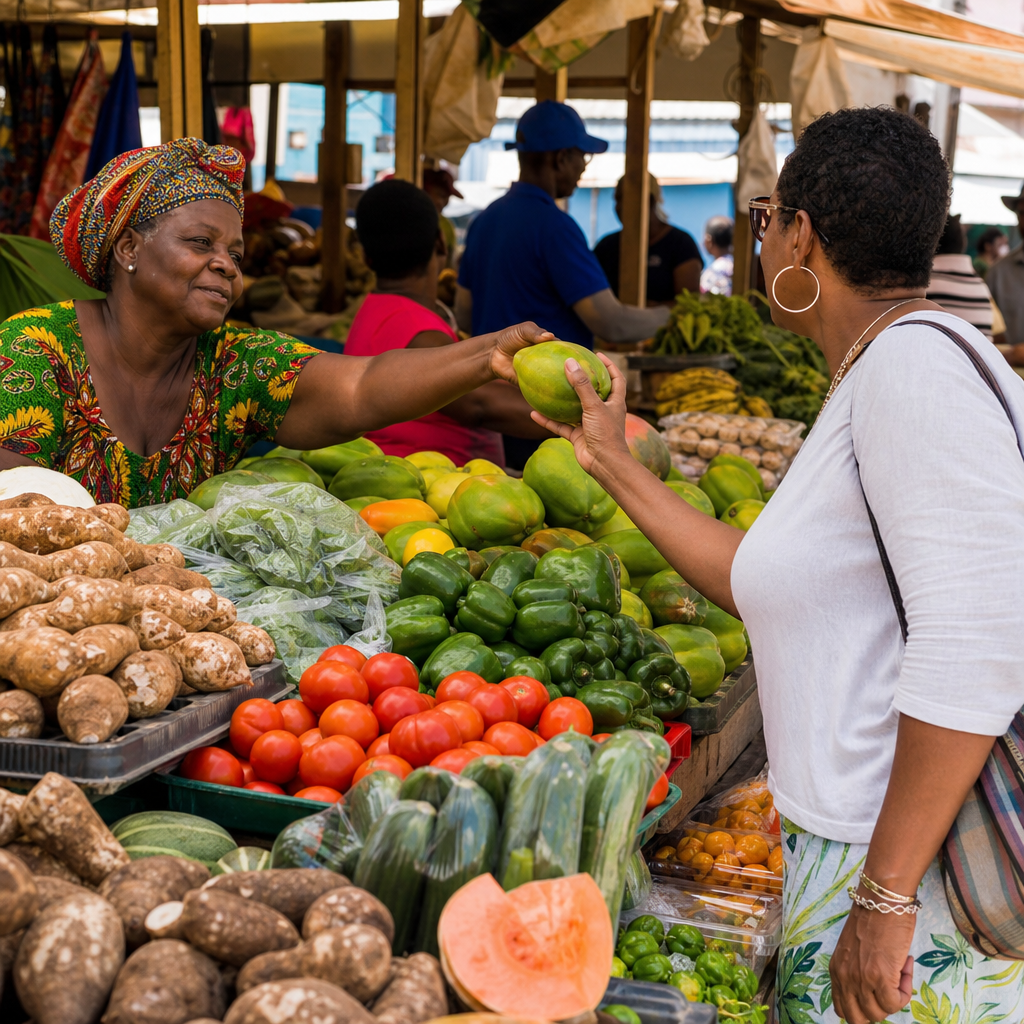
Market shopping makes this visible. At Basseterre Public Market, vendors adjust offerings week by week, and cooks respond quickly. One week pumpkin and dasheen may be prominent; another week ripe papaya, green bananas, and bunches of callaloo dominate stalls. Fresh coconut, tamarind, and limes regularly support the flavor base of spring meals. The most seasonally aware kitchens do not force fixed menus. They may list grilled mahi-mahi one day, then substitute snapper or tuna another day because that is what came in fresh. That flexibility is not a compromise. It is a mark of quality and one of the clearest signs you are eating in rhythm with the island.
Spring Ingredients That Define Local Flavor
The core flavors of spring in Saint Kitts come from ingredients that deliver brightness, salinity, gentle heat, and natural sweetness. Fresh fish is central, especially snapper, mahi-mahi, kingfish, and sometimes tuna. Saltfish remains important because it is embedded in Kittitian cooking, often paired with coconut, tomato, onion, sweet pepper, and ground provisions. Breadfruit, green fig, yam, sweet potato, and rice serve as starches, while callaloo, cabbage, pumpkin, and okra bring texture and earthiness. Fruit starts to play a bigger role as mangoes edge into season and tamarind, guava, and citrus appear in sauces, juices, and desserts.
Seasoning matters as much as the primary ingredient. Kittitian cooks typically rely on thyme, scallion, garlic, onion, black pepper, and Scotch bonnet or seasoning peppers for layered heat without overwhelming the food. Coconut milk is frequently used to round off soups, braises, and rice dishes. Nutmeg and cinnamon appear in buns, cakes, porridges, and drinks, reflecting long-standing Caribbean spice traditions. One reason spring dishes are memorable is that they rarely depend on heavy cream, butter, or processed sauces. Flavor comes from stock, herbs, citrus, browned onions, and careful cooking technique. When done well, even a simple fish plate tastes complete because every component is fresh and deliberately seasoned.
| Ingredient | Typical Spring Use | Flavor Contribution | Common Pairing |
|---|---|---|---|
| Snapper | Grilled or steamed main dish | Clean, mildly sweet | Lime, thyme, rice and peas |
| Saltfish | Breakfasts and sautés | Salty, savory | Coconut dumpling, green banana |
| Callaloo | Soup or side dish | Earthy, silky | Coconut milk, okra |
| Mango | Chow, juice, dessert | Sweet, tangy | Chili, lime, grilled fish |
| Breadfruit | Roasted or fried side | Nutty, starchy | Saltfish, stewed vegetables |
Signature Spring Dishes to Try
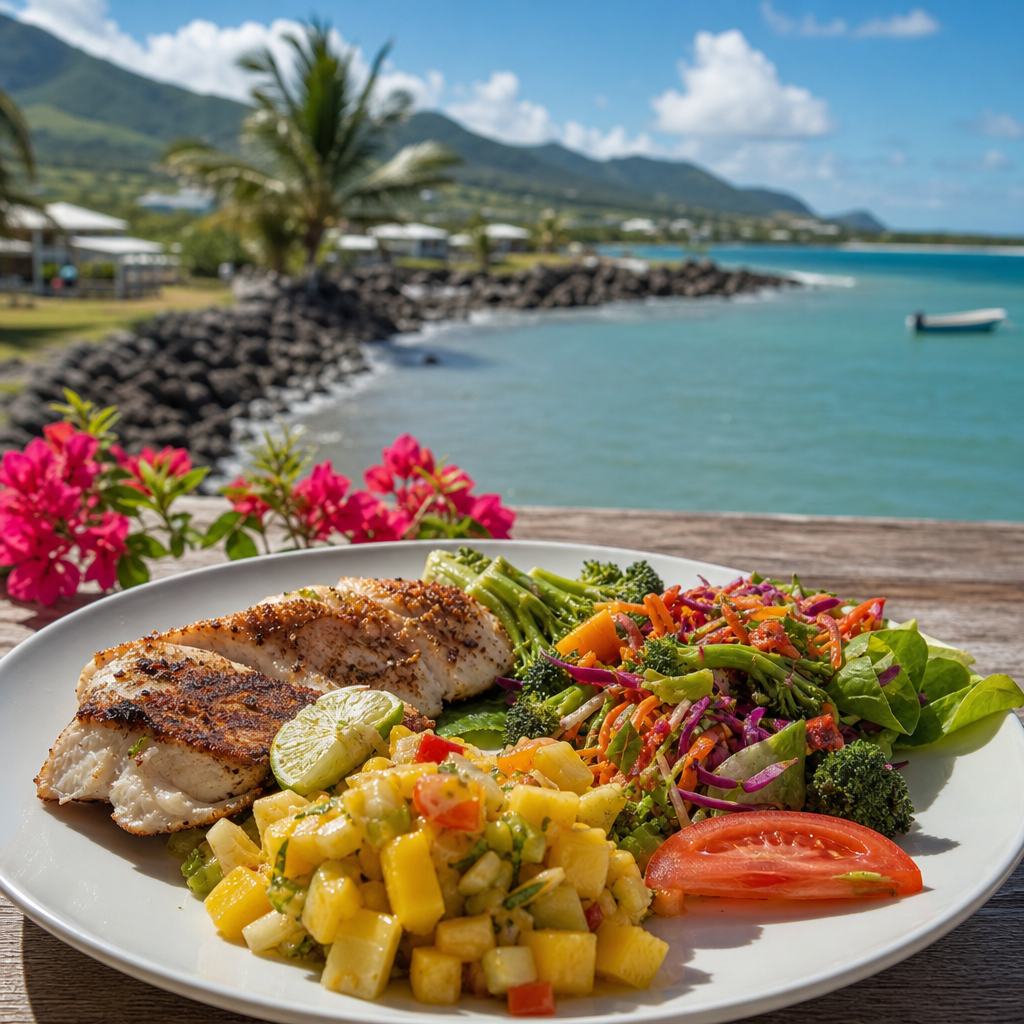
Several dishes consistently capture the taste of spring in Saint Kitts. Stewed or grilled fish with rice and peas is the most accessible starting point. Restaurants and beach bars often marinate fish in lime juice, green seasoning, garlic, and black pepper before grilling it over charcoal or a flat top. The result is lighter than a heavy brown stew yet still unmistakably Caribbean. Another common favorite is saltfish with dumplings, green banana, or breadfruit, especially at breakfast or lunch. In spring, this dish often feels fresher because tomato, sweet pepper, onion, and herbs are used generously, softening the intensity of the cured fish.
Callaloo soup is another essential dish, especially in homes and lunch spots that cook from scratch. On Saint Kitts, callaloo may be prepared as a soup, a side, or a component of a larger meal with coconut milk, okra, pumpkin, and sometimes crab or salted meat. During spring, when people want comfort without heaviness, callaloo offers exactly that balance. Pelau also appears year-round, but spring versions can be brighter, with more vegetables and fresher herbs. For dessert or afternoon snacking, tamarind balls, mango-based sweets, coconut drops, and bun with cheese remain important. Around Easter, hot cross buns and spiced baked goods become especially visible in bakeries and home kitchens.
Lent, Easter, and the Role of Tradition
Spring dining in Saint Kitts cannot be separated from the religious calendar. Lent influences many households to reduce meat consumption, eat fish more often, and prepare simpler meals on certain days. This does not mean flavor is reduced. In fact, some of the most carefully seasoned dishes appear during this period because cooks rely on fish, provisions, legumes, and vegetables rather than heavy meats. Saltfish fritters, fish cakes, steamed fish, and vegetable-forward soups become especially common. Families often choose recipes that can feed groups economically while still feeling celebratory after church services and community events.
Easter deepens these food traditions. Across the Caribbean, buns, cheeses, and spiced baked goods are strongly associated with the season, and Saint Kitts shares that pattern while adding local touches. A home cook might serve fried fish with ground provisions for Good Friday, then move to more expansive Sunday or Monday meals with rice, salads, macaroni pie, roasted meats, or seafood if family is gathering. I have found that Easter menus on the island often reveal the most authentic home cooking because they are less about restaurant presentation and more about memory, abundance, and hospitality. Visitors who understand this context appreciate why spring dishes are not only about ingredients but also about ritual and community continuity.
Where to Find the Best Seasonal Food Experiences
Travelers looking for spring flavors in Saint Kitts should mix formal dining with local everyday spots. Resort restaurants can present excellent seafood and refined Caribbean plates, but cookshops, roadside grills, market stalls, and beach shacks often show the clearest seasonal variation. In Basseterre, lunch counters near the market and central business area frequently offer rotating local specials based on what came in that morning. Frigate Bay and the South Peninsula provide more visitor-friendly settings where grilled fish, lobster when permitted, johnny cakes, and fresh juices are easy to find. On weekends, beach venues can be especially strong for barbecue fish and straightforward sides such as breadfruit, salad, and rice.
The best approach is to ask direct questions. Ask what fish is freshest today, whether the callaloo was made with coconut milk, whether the mango on the menu is local, or what dish families are ordering during Easter week. Good operators answer confidently because they know their sourcing. I have had some of the island’s best meals at places with handwritten menus and modest décor, where the fish was landed hours earlier and the sides were cooked in small batches. If you are building out a wider local cuisine and dining itinerary, use this spring food hub as a starting point, then connect it with dedicated guides to seafood spots, market visits, traditional breakfasts, and holiday dining across Saint Kitts.
How Seasonal Eating Supports Local Agriculture and Fisheries
Choosing seasonal dishes in Saint Kitts has practical value beyond taste. It supports fishers, produce vendors, bakers, and small restaurants that depend on local demand. On islands with limited land, high import costs, and weather vulnerability, buying what is in season helps stabilize food businesses and keeps more value in the local economy. Fresh local snapper or market pumpkin usually travels a shorter distance than imported alternatives, which can improve flavor and reduce spoilage. Seasonal eating also encourages menu diversity. Instead of relying on the same imported chicken and fries combination, kitchens can showcase breadfruit, local greens, fresh juices, and island fish.
There are important limits to acknowledge. Not every menu item labeled local is fully local, and some prized seafood requires careful attention to conservation rules and closed seasons. Responsible diners should ask whether lobster or conch is being served legally and sustainably, and they should accept substitutions when a species is unavailable. That is part of eating well on the island. The strongest kitchens respect availability rather than forcing it. In my experience, those same kitchens usually produce better meals because they cook with confidence inside real constraints. Seasonal dining, then, is not a trend in Saint Kitts. It is a practical, culturally rooted way to eat fresher food, preserve culinary identity, and experience the island more honestly.
Spring dishes in Saint Kitts reveal the island at its most inviting: fresh fish, bright herbs, tropical fruit, comforting soups, and holiday foods that connect daily meals to community tradition. The key takeaway is simple. Seasonal dining here is shaped by markets, fishing patterns, and Easter customs, so the best meals are usually the ones that respond to what is available now rather than what appears on a generic tourist menu. From grilled snapper and saltfish breakfasts to callaloo soup, hot cross buns, and mango accents, spring flavors show how local cuisine can be both practical and deeply expressive.
For travelers, this makes dining easier and more meaningful. Ask what is fresh, choose places that rotate specials, and welcome dishes built around island produce and seafood. For local food enthusiasts, spring is the perfect lens for understanding how Saint Kitts cooks through season, celebration, and supply. Use this hub as your foundation for exploring the broader miscellaneous side of local cuisine and dining, then continue into more specific guides on seafood, markets, breakfast traditions, and festive meals. The reward is not just a better plate of food. It is a clearer understanding of Saint Kitts itself, one seasonal dish at a time.
Frequently Asked Questions
What makes spring food in Saint Kitts feel seasonal if the island does not have a traditional four-season climate?
Spring in Saint Kitts is seasonal in a way that is shaped more by rainfall, trade winds, sea conditions, and agricultural cycles than by dramatic temperature swings. While visitors from colder countries may expect spring to mean a sudden burst of green after winter, on Saint Kitts the changes are subtler and deeply tied to what becomes more abundant, easier to catch, or culturally important at that time of year. Certain fruits begin appearing more regularly, kitchen gardens become especially productive, and fishermen respond to changing waters and weather patterns that influence the availability of seafood. These shifts affect the daily table in meaningful ways, even if the scenery remains lush year-round.
Spring also overlaps with major social and religious observances, especially Easter, which strongly shapes what people cook, bake, and share. Home cooks, roadside vendors, and restaurants often adjust menus to reflect both ingredient availability and tradition. You may see a greater emphasis on fresh produce, lighter preparations, seafood-centered meals, and holiday dishes that carry both spiritual and communal significance. In Saint Kitts, seasonality is not only about climate; it is about the rhythm of island life, including farming, fishing, family gatherings, and the local knowledge that tells people what tastes best right now.
Which ingredients are most associated with spring dishes in Saint Kitts?
Several ingredients come to the forefront in spring cooking on Saint Kitts, especially those linked to freshness, brightness, and local availability. Fresh fish is a major one, since seasonal fishing patterns and calmer periods can influence what is landed and sold. Depending on the catch, cooks may feature snapper, mahi-mahi, tuna, or other local fish in stews, grilled preparations, or lightly seasoned dishes that let the natural flavor stand out. Saltfish also remains important, particularly in traditional and holiday meals, because it is woven into Caribbean foodways and pairs beautifully with ground provisions and vegetables.
Produce plays an equally important role. Mangoes often begin entering the conversation in spring, along with papaya, bananas, coconut, and seasonal herbs. Vegetables and staples such as pumpkin, breadfruit, sweet potato, yams, plantains, dasheen, and callaloo continue to anchor the island diet, but spring menus may combine them in ways that feel more vibrant and celebratory. Citrus, scallions, thyme, hot peppers, and fresh seasoning blends contribute brightness and fragrance. You will also encounter peas and beans in rice dishes, coconut milk in both savory and sweet recipes, and local spices such as nutmeg, cinnamon, and cloves in baked goods associated with Easter and community gatherings. Together, these ingredients create dishes that feel rooted, colorful, and unmistakably Caribbean.
What are some spring dishes or Easter foods travelers should look for in Saint Kitts?
One of the most important categories to look for during spring is Easter cooking, which often highlights fish rather than meat, especially on Good Friday. Stewed or fried fish, saltfish preparations, fish cakes, and seafood-based meals become especially prominent. These dishes are often served with staples such as rice, ground provisions, plantains, or fresh salads, creating meals that are comforting but also well suited to the lighter, breezier feel of the season. Because Easter is such a significant cultural and religious period, food at this time often carries a sense of heritage and family continuity.
Travelers should also keep an eye out for hot cross buns, which are among the best-known seasonal baked goods associated with the Easter period across the Caribbean. In Saint Kitts, these spiced buns may be made with raisins or mixed fruit and are often enjoyed toasted or simply fresh, sometimes with cheese or butter. Beyond Easter-specific dishes, spring is a great time to explore fresh local fish, callaloo-based dishes, coconut-infused soups, rice and peas, and fruit-forward desserts or drinks that reflect what is in season. Depending on where you eat, you may also encounter home-style stews, roasted breadfruit, seasoned vegetables, and tamarind, mango, or guava beverages that add a distinctly local sense of time and place to the meal.
How do Saint Kitts’ culinary traditions influence spring menus and seasonal dishes?
The spring table in Saint Kitts reflects a layered culinary history shaped by African heritage, British colonial influence, Caribbean regional exchange, and the practical creativity of island cooking. Seasonal dishes often balance resourcefulness with celebration. Recipes passed down through generations make use of what is available locally, whether that means fresh fish from nearby waters, root crops from the land, coconut in multiple forms, or preserved ingredients such as saltfish. These traditions are not static; they evolve with family habits, community tastes, and modern restaurant interpretations, but the core values remain strong: flavor, nourishment, hospitality, and respect for seasonal rhythms.
Spring menus often show this heritage through the way ingredients are seasoned and combined. A simple fish dish may be transformed with green seasoning, thyme, onion, garlic, Scotch bonnet pepper, and citrus. Ground provisions may be boiled and served alongside richer stews, creating a balance that is characteristic of Caribbean meals. Baked goods around Easter reveal another side of the island’s food culture, where spice, sweetness, and ritual come together. Community events, church gatherings, and family meals also reinforce what appears on the table in spring. In that sense, seasonal food in Saint Kitts is not just about eating what is fresh; it is about participating in a living tradition that ties landscape, memory, and celebration together.
Where can visitors experience authentic spring flavors in Saint Kitts, and what should they ask for?
Visitors can experience authentic spring flavors in a variety of settings, from casual roadside food stalls and local bakeries to family-run eateries, markets, and hotel restaurants that emphasize local ingredients. For the most grounded experience, seek out places where residents eat regularly and where the menu changes according to what is fresh or culturally relevant. Markets can be especially revealing because they show what produce is abundant, what fish has come in, and which baked goods or seasonal specialties are being prepared around holidays and weekends. Talking to vendors and cooks is often the best way to discover what feels truly seasonal at that moment.
When ordering, ask what fish is fresh that day, whether there are any Easter specialties available, and which fruits or vegetables are currently in season. It is also worth asking for traditional sides such as breadfruit, plantain, sweet potato, rice and peas, or callaloo, since these complete the meal and give a fuller sense of the island’s spring table. If you are visiting during the Easter period, specifically ask about hot cross buns, fish dishes for Good Friday, and any homemade desserts or drinks featuring local fruit. A good question is simply, “What are people in Saint Kitts eating this time of year?” That invites the kind of local insight that turns a meal from a tourist experience into a genuine taste of seasonal island life.