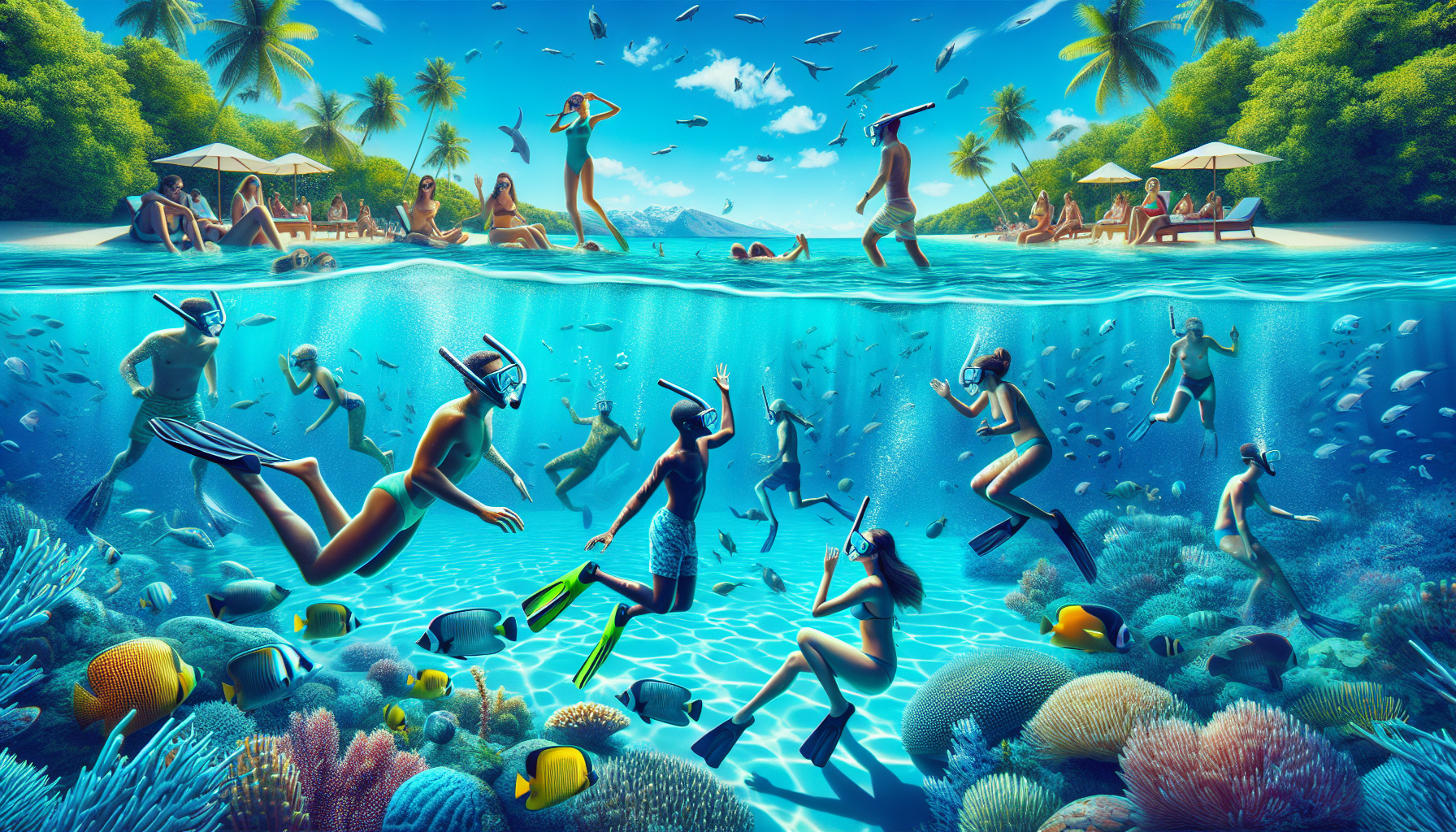
Snorkeling in Nevis’ clear waters in January is one of the most rewarding ways to experience the island’s quieter side, where calm Caribbean seas, strong underwater visibility, and gentle winter weather come together for an outing that suits both first-time snorkelers and seasoned reef watchers. In practical terms, snorkeling means swimming at the surface with a mask, snorkel tube, and fins to observe marine life below without the heavier training and equipment required for scuba diving. January matters because it sits within Nevis’ dry season, when rainfall is typically lower, humidity is more comfortable, and runoff is reduced, which helps preserve the bright, glassy conditions visitors hope for. I have planned winter water excursions around the Leeward Islands for years, and Nevis consistently stands out for how accessible its best snorkeling feels: you can be in a beachfront hotel after breakfast and over a reef edge before the sun reaches its harshest angle. As a hub for miscellaneous adventure planning, this guide explains where to go, what you are likely to see, what gear and safety standards matter, how boat trips differ from shore entry, and how to connect snorkeling with the wider Adventure and Activities experience on Nevis.
Why January Is Prime Time for Snorkeling in Nevis
January is widely considered one of the best months to snorkel in Nevis because sea conditions are often calmer than they are during the wetter, storm-prone part of the year, and visibility can be excellent when sediment is low. Daytime temperatures usually sit in the warm tropical range, with the sea comfortable enough for long sessions in standard swimwear or a light rash guard. The northeast trade winds are present, but many snorkeling spots around Nevis benefit from leeward protection, especially along western and southwestern stretches where sheltered bays can remain manageable even when more exposed areas are choppy.
Another advantage of January is timing. Families traveling over the holiday peak may start departing, yet the island still offers the full menu of water operators, hotel beach services, and catamaran excursions. That combination gives visitors good infrastructure without the same crowd density seen in larger Caribbean destinations. For travelers building a broader Adventure and Activities itinerary, January also pairs snorkeling well with hiking Nevis Peak foothills, heritage touring in Charlestown, beach days at Pinney’s, and short boat transfers to neighboring St. Kitts. In other words, snorkeling is not an isolated activity here; it is the marine anchor for a varied island schedule.
Best Snorkeling Areas Around Nevis
Nevis is not a single-site snorkeling destination. It works best as a collection of accessible reef patches, rocky points, and boat-only areas, each with different strengths. Pinney’s Beach is better known for its long sand and resort frontage than for dramatic coral structure, but sections off the main swimming areas can offer easy entry and a gentle introduction for beginners testing gear. Oualie Beach, on the northwestern side, is one of the more practical launch points for guided trips because local operators can quickly reach offshore reefs and calmer water. Cades Bay, on the west coast, is often mentioned by returning visitors for its relaxed conditions and good chance of spotting reef fish over mixed seabed.
More experienced snorkelers often get the best returns from boat excursions circling toward rocky outcrops and less trafficked reef edges. Offshore pinnacles and reef shelves around the island can hold more fish life than the immediately accessible hotel frontage because habitat is less disturbed and coral cover can be stronger. In my experience, the quality of a Nevis snorkeling day depends less on choosing a famous beach and more on matching wind direction, swell, and sun angle to the right coast. Good local captains make that judgment quickly, which is why guided trips regularly outperform independent guesses.
What You Can See Underwater in January
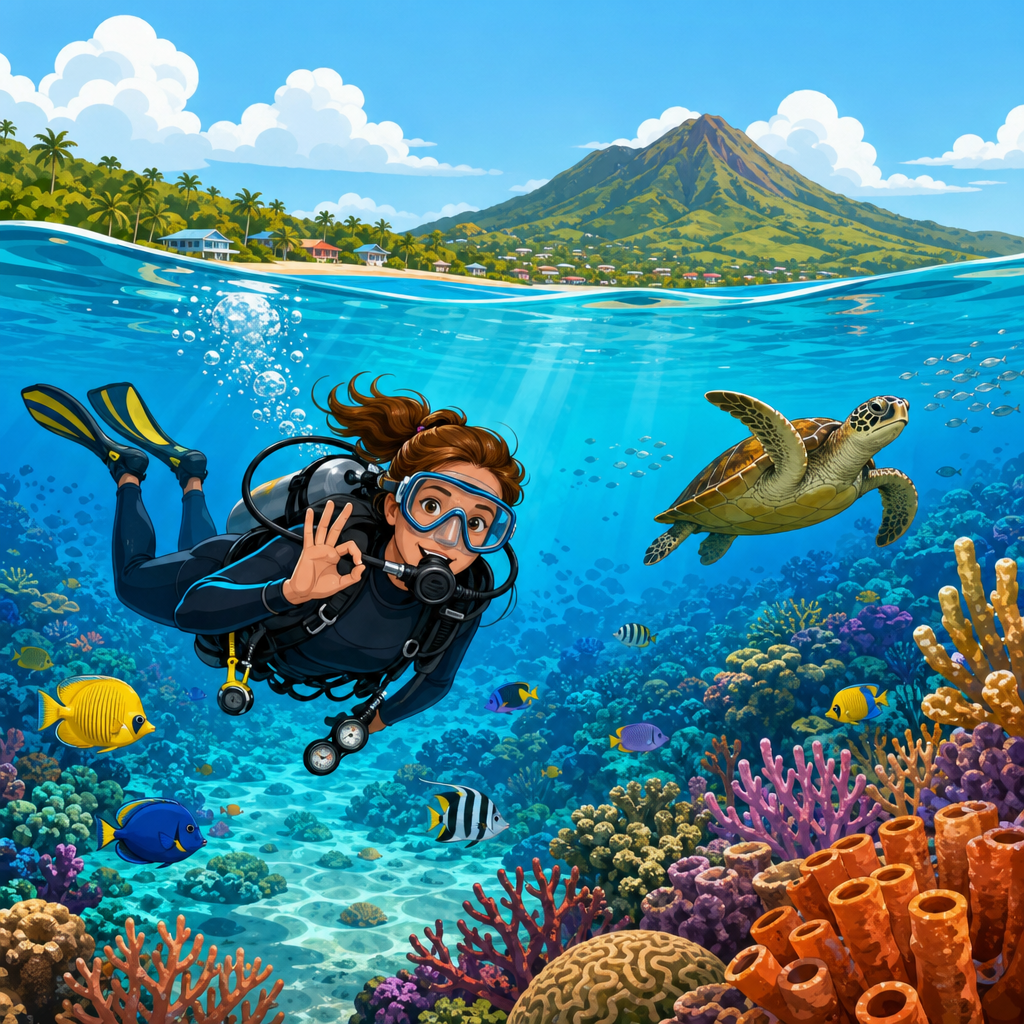
Nevis’ underwater life is varied rather than theatrical, and that is a strength if you appreciate steady, close-range observation. Expect blue tangs, sergeant majors, parrotfish, wrasses, grunts, trumpetfish, and the occasional angelfish around reef structure. Sea fans, brain coral, elkhorn remnants in some areas, sponges, and rocky crevices create the kind of habitat where patient snorkelers keep finding new details. Sandy patches between reef zones may reveal southern stingrays resting under a dusting of sand, while seagrass areas can attract juvenile fish and, on fortunate days, green turtles.
January conditions often improve the actual viewing experience because sunlight penetrates more cleanly when water clarity is high. Colors appear truer between midmorning and early afternoon, though the best comfort and least glare often come earlier in the day. Photographers using action cameras usually get better results when they stay close to the subject, avoid shooting directly into surface chop, and choose a route with the sun behind their shoulder. Nevis is not marketed primarily as a place for giant pelagic encounters, but that is not the benchmark for a successful snorkel. The island delivers calm, detailed reef observation, and for many travelers that is more satisfying than chasing rare headline species.
Shore Snorkeling Versus Boat Excursions
The choice between shore snorkeling and a boat trip depends on confidence level, budget, and how much time you want to invest. Shore snorkeling is convenient and inexpensive. You can move at your own pace, return easily if conditions change, and fit a short session around lunch or another excursion. The tradeoff is that beach-entry sites may have less coral cover, more sand disturbance, and variable visibility near the shoreline. Boat excursions cost more, but they solve the biggest practical problem on Nevis: access to the best habitat away from busy swimming zones.
| Option | Best For | Main Advantages | Key Limitations |
|---|---|---|---|
| Shore snorkeling | Beginners, families, short outings | Easy entry, low cost, flexible timing | Less reef density, more surface disturbance |
| Guided boat trip | Travelers seeking stronger reef quality | Access to better sites, local expertise, safety support | Higher cost, fixed departure schedule |
| Private charter | Photographers, groups, confident swimmers | Custom site selection, more time at prime spots | Most expensive option |
On a well-run guided trip, the crew usually provides masks, fins, flotation aids, a safety briefing, and site selection based on current conditions. Better operators also watch currents carefully and stagger entries so inexperienced swimmers are not dropped into crowded water. If you are traveling with children or mixed-ability adults, that support is worth paying for. Independent snorkeling works best when the sea is calm, entry is straightforward, and someone in the group is comfortable assessing rip patterns, boat traffic, and changing visibility.
Gear, Fit, and Safety Standards That Matter
Most snorkeling problems are not dramatic emergencies; they are preventable comfort failures. A leaking mask, poorly fitting fins, and a snorkel mouthpiece that strains the jaw can shorten a trip in minutes. The right mask should seal to the face without painful pressure, and the lens should sit close enough for a broad field of view. Fins should be snug but not tight enough to rub the heel raw. I always recommend a rash guard or swim shirt in Nevis, even in January, because the tropical sun reflects strongly off the water and burns happen quickly during long surface swims.
Safety standards are simple and nonnegotiable. Never snorkel alone. Use a high-visibility float or vest if you are outside a designated swimming area. Check entry and exit points before getting in. Assume currents can strengthen near points and channels. Keep a conservative distance from boat lanes, and use reef-safe sun protection that avoids ingredients known to harm marine environments. If you are rusty in the water, start with a guided session and test your breathing rhythm in shallow, calm conditions. Snorkeling should feel easy. Once effort rises, form deteriorates and judgment follows. Calm, controlled swimming is the standard that keeps the activity enjoyable.
Planning the Day: Timing, Logistics, and Local Operators
The best January snorkeling plan in Nevis starts early. Morning departures usually offer flatter seas, cleaner light, and less cumulative surface chop from wind. If you are booking through a hotel or beach club, ask a detailed question rather than a generic one: “Which coast is clearest today, and why?” Good concierges and boat captains can answer directly because they are tracking wind exposure, overnight swell, and recent visibility. Oualie Beach remains a common operational base, while resorts along Pinney’s Beach can arrange transport, rentals, or direct pickup for day trips.
Budget for more than the listed excursion rate. You may need marine park fees depending on itinerary, taxi transfers, gratuities, dry bags, motion-sickness medication for sensitive travelers, and waterproof storage for phones or cameras. Travelers staying several days should not lock themselves into a single fixed snorkeling date on arrival. Nevis rewards flexibility. If Monday is breezy on the Atlantic-facing side but Tuesday is calm along the leeward coast, shifting the trip can make the difference between a decent outing and a memorable one. That is how experienced island travelers get better value: not by finding the cheapest trip, but by matching the booking to the weather window.
Environmental Responsibility and Reef Etiquette
Healthy snorkeling depends on healthy reefs, and reef damage is often caused by small, careless actions repeated thousands of times. Do not stand on coral, even if it looks like rock. Do not chase turtles, corner rays, or touch sea fans for a photo. Maintain horizontal body position so your fins stay clear of the bottom. Secure cameras and accessories so they do not drag. Guides across the Caribbean repeat these rules because coral is living structure, and once broken it can take years to recover.
Nevis benefits from a more relaxed tourism footprint than some heavily trafficked islands, but that is exactly why visitors should be careful. Cleaner water and lower crowding are part of the appeal. Use operators who brief guests properly and avoid fish feeding, which changes animal behavior and creates false expectations for wildlife encounters. If you see litter on the beach or in shallow water and can remove it safely, do it. Small acts matter in compact island environments. Respectful snorkeling preserves the same calm, clear conditions that make January in Nevis so appealing.
How This Fits the Wider Adventure and Activities Hub
As a miscellaneous hub within Adventure and Activities, snorkeling in Nevis connects naturally to several related travel themes. It pairs well with kayaking and paddleboarding because all three depend on reading coastal conditions and choosing sheltered water. It complements sailing and catamaran charters, which often include reef stops as part of a half-day itinerary. It also supports family travel planning, wellness-focused trips, and soft-adventure itineraries for visitors who want nature without the physical demands of technical diving or deep hiking.
For content planning across a broader site, this page should lead readers toward more specific guides on Nevis beaches, boat tours, marine wildlife, family activities, packing lists, safety advice, and January weather. That hub structure mirrors how travelers actually plan. They rarely search once and book immediately. They move from broad inspiration to narrow logistics: when to go, where to enter, what to bring, whether children can join, and how snorkeling compares with other island activities. A strong hub answers the overview questions while pointing clearly toward those next decisions.
Snorkeling in Nevis’ clear waters in January succeeds because it combines favorable seasonality, approachable access, and genuine ecological interest in a setting that still feels unrushed. The island does not rely on exaggerated promises. Its appeal is steadier and more credible: warm water, good winter visibility, sheltered leeward sites, capable local boat operators, and marine life that rewards patient observation. For beginners, that means a low-stress introduction to Caribbean snorkeling. For experienced travelers, it means a flexible destination where local knowledge and weather timing can still unlock excellent sessions.
The key takeaways are straightforward. January is one of the smartest months to snorkel in Nevis because clearer water and lower rainfall often improve conditions. Boat trips generally reach better reef habitat than shore entry, though easy beach snorkeling still has value for families and short outings. Fit and safety matter more than expensive gear, and responsible reef behavior protects the experience for everyone who follows. Most important, snorkeling here works best as part of a larger island plan that includes beaches, boating, local dining, and other Adventure and Activities highlights.
If Nevis is on your travel list, build at least one January morning around the water, ask a local operator where conditions are best that day, and treat this page as your starting point for exploring the rest of the island’s adventure options.
Frequently Asked Questions
Why is January such a good time for snorkeling in Nevis?
January is widely considered one of the best months for snorkeling in Nevis because the island typically enjoys calm seas, pleasant temperatures, and excellent underwater visibility during this part of the Caribbean dry season. For snorkelers, that combination matters a great deal. Gentle water conditions make it easier to float comfortably at the surface, while clearer water allows you to see coral formations, reef fish, and sandy channels with much less effort. The weather is also more comfortable than in hotter, more humid periods of the year, so spending time preparing gear, traveling to the beach, and staying in the water feels especially enjoyable.
Another major advantage of January is the quieter atmosphere. Nevis is known for its laid-back character year-round, but early in the year the island often feels particularly peaceful, which suits travelers looking for a relaxed marine experience rather than a crowded excursion scene. This can make a big difference for beginners, who may appreciate a less rushed setting, and for experienced snorkelers, who often prefer to observe marine life in calmer, less disturbed conditions. In short, January offers a reliable mix of comfort, visibility, and tranquility that makes snorkeling in Nevis especially rewarding.
Is snorkeling in Nevis suitable for beginners, or is it better for experienced swimmers?
Snorkeling in Nevis can be a very good activity for beginners, provided they choose calm conditions, use properly fitted equipment, and enter the water with basic safety guidance. One of the reasons snorkeling is so accessible is that it does not require the extensive instruction or technical gear associated with scuba diving. In most cases, you remain at the surface while breathing through a snorkel tube and looking down into the water through a mask. That simplicity makes it appealing to travelers who want to explore marine life without committing to formal dive training.
That said, comfort in the water still matters. Beginners should ideally be able to float calmly, move at an easy pace, and avoid panicking if a little water enters the mask or snorkel. Starting in shallow, protected areas is the best approach, especially in January when conditions are often gentle enough to build confidence. Wearing fins can help with movement, but they should fit well and be used slowly rather than forcefully. A flotation vest can also be a smart choice for anyone who is new to snorkeling or not a particularly strong swimmer.
More experienced snorkelers will also find plenty to enjoy in Nevis, especially because clear winter waters can reveal subtle reef details that casual visitors might otherwise miss. The key is to match the outing to your comfort level. Beginners may benefit from a guided trip or advice from a local operator, while seasoned snorkelers may be happy exploring accessible reef zones independently where permitted and safe. Nevis works well for both groups because the experience can be as relaxed or as focused as you want it to be.
What kind of marine life can you expect to see while snorkeling in Nevis?
The exact marine life you will see depends on the snorkel site, water clarity, time of day, and recent weather, but Nevis commonly offers sightings of colorful reef fish, coral patches, sea fans, and a variety of small marine species that thrive in warm Caribbean waters. Many snorkelers can expect to encounter fish such as sergeant majors, parrotfish, wrasses, grunts, and other reef dwellers moving through rocky and coral-rich areas. In sandy sections between reefs, you may also notice subtle movement from bottom-dwelling species that are easy to overlook unless the visibility is especially good.
One of the pleasures of snorkeling in clear water is that you are not only looking for large, dramatic sightings. Often, the beauty lies in the detail: schools of small fish shifting in unison, sunlight filtering over coral heads, or the contrast between seagrass, sand, and reef structure. January’s typically strong visibility helps bring out these details, making the underwater landscape feel more vibrant and easier to appreciate. Patient snorkelers who move slowly and avoid splashing are often rewarded with more natural fish behavior and better opportunities for observation.
As with any marine environment, sightings are never guaranteed, and responsible expectations are important. The best approach is to think of snorkeling in Nevis as a chance to observe a living ecosystem rather than to chase specific animals. Local guides can often point out features and species that first-time visitors would miss, adding educational value to the experience while helping ensure that reefs and marine habitats are treated with care.
What should you bring for a January snorkeling trip in Nevis?
For a January snorkeling trip in Nevis, the essentials include a well-fitting mask, snorkel, and fins, along with sun protection, drinking water, and a way to carry your belongings safely. A mask that seals properly is especially important because even a small leak can become distracting and take away from the experience. Fins help you move efficiently with less effort, which is useful for conserving energy and maintaining a relaxed pace in the water. If you do not have your own gear, many local operators and rental providers can supply equipment, but it is still worth checking the fit carefully before heading out.
Sun protection is another priority, even in January when the weather feels milder. The Caribbean sun remains strong, and snorkeling exposes your back, shoulders, calves, and neck for extended periods. A rash guard or UV-protective swim shirt is often more practical than relying only on sunscreen. If you do use sunscreen, choose a reef-safe option whenever possible to reduce harm to coral and marine life. A hat, towel, dry clothes, and sandals or water shoes are also helpful before and after your swim, especially if the entry area is rocky.
You may also want to bring a waterproof bag, a dry pouch for valuables, and an underwater camera if you enjoy photography. If you are prone to motion sickness and plan to go by boat, medication or preventative remedies can be useful. Most importantly, bring a safety-minded attitude: check conditions, avoid overexertion, and never assume that clear water eliminates all risk. Good preparation makes the outing smoother, safer, and much more enjoyable.
Are there any safety or environmental tips to keep in mind while snorkeling in Nevis?
Yes, and they are important. The first rule is to respect sea conditions, even in January when waters are often calmer. Before entering, check for currents, wave action, boat traffic, and the ease of getting in and out of the water. Snorkel with a buddy whenever possible, and let someone know where you are going if you are not on a guided excursion. It is wise to stay within your comfort zone, avoid swimming too far from shore without support, and rest as soon as you feel tired. If you are using rented gear, test it in shallow water first to make sure the mask fits and the snorkel works properly.
Environmental awareness is just as essential. Coral reefs are living systems that can be damaged very easily by a misplaced kick, standing on coral, or careless contact with hands and equipment. Maintain horizontal body position in the water, move slowly, and keep your fins clear of the reef below. Never chase, touch, or corner marine life, and avoid feeding fish, which can disrupt natural behavior. Good snorkeling is based on observation, not interference.
Using reef-safe sun protection, avoiding litter, and following guidance from local operators all help preserve the quality of Nevis’s marine environment. If you join a guided trip, listen carefully to the briefing, because local knowledge can make a major difference in both safety and site etiquette. When visitors treat the water and reef with respect, snorkeling in Nevis remains not only enjoyable in the moment but sustainable for future travelers and for the island itself.