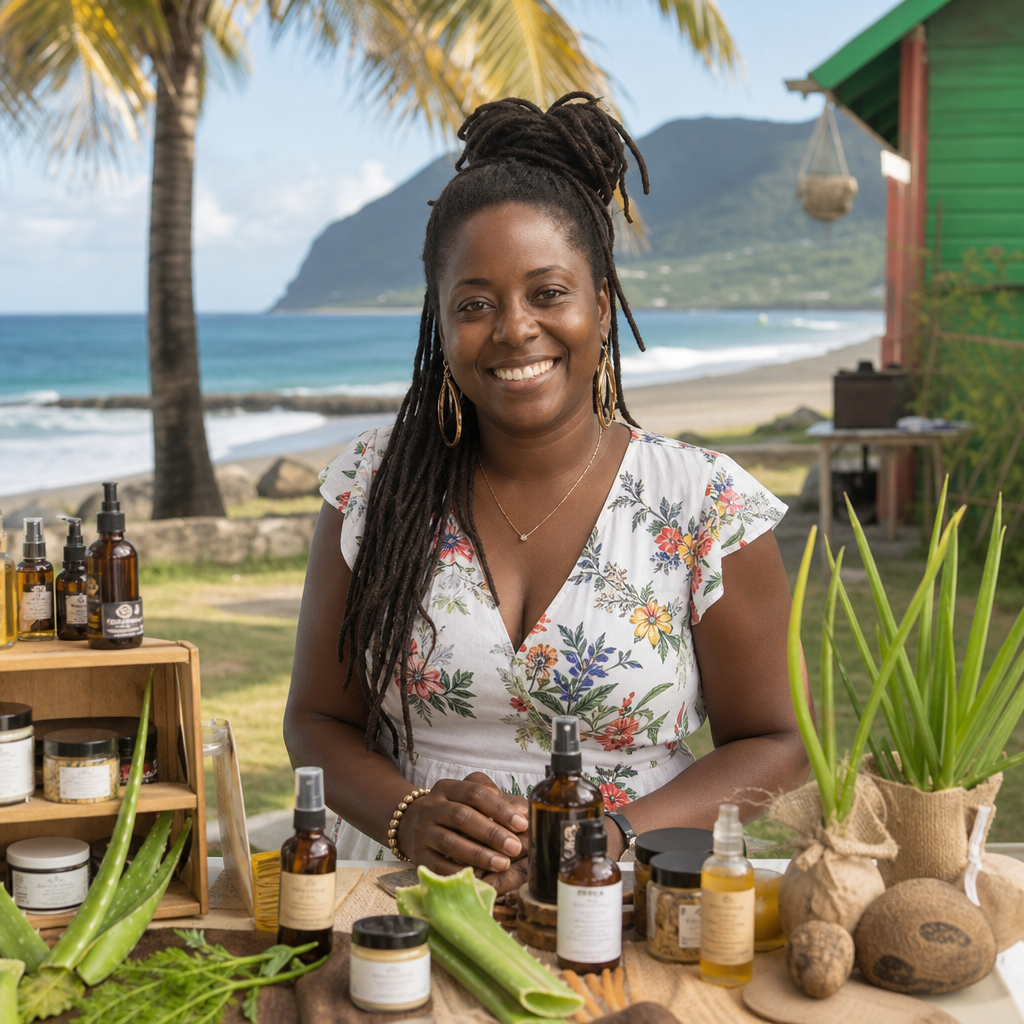
Nevis’ garden tours reveal the island through scent, shade, and color, offering one of the richest ways to understand its landscape beyond beaches and historic inns. A garden tour on Nevis is more than a casual walk among flowers. It is a guided or self-guided exploration of tropical flora, plantation-era horticulture, medicinal plants, fruit trees, pollinator habitats, and the ecological rhythms shaped by heat, rain, elevation, and volcanic soil. For travelers interested in Nevis garden tours, the appeal is practical as well as beautiful: gardens concentrate the island’s natural diversity into accessible spaces where visitors can learn quickly, photograph easily, and connect plant life to food, culture, and conservation. After years of planning Caribbean activity content and walking botanical sites with local guides, I have found that gardens often explain an island more clearly than any map. On Nevis, that is especially true because the island’s small size lets visitors compare dry coastal plantings, lush mountain-fed estates, and productive kitchen gardens in a single day. This article serves as a hub for the miscellaneous side of Adventure and Activities by showing how tropical flora fits into broader travel planning, family outings, wellness experiences, heritage visits, and rainy-day alternatives. It also answers common questions directly: what you will see, when to go, what to wear, which plants matter, and how to choose the right tour.
The key term tropical flora refers to plant life adapted to warm temperatures, seasonal rainfall, intense sun, and often high humidity. On Nevis, that includes ornamentals such as heliconia, ginger lily, hibiscus, and bougainvillea; canopy species like royal palms and traveler’s palms; food plants including mango, breadfruit, banana, papaya, and coconut; and useful species such as aloe, lemongrass, turmeric, and moringa. Because Nevis rises from the sea to the cloud-touched slopes of Nevis Peak, microclimates create surprising variation over short distances. A hotel garden near the coast may rely on drought-tolerant landscaping and salt-resistant species, while an inland estate can support ferns, orchids, and moisture-loving flowering plants. That contrast matters for visitors because it turns a simple stroll into a lesson in ecology. It also makes garden touring one of the most approachable Nevis activities for travelers who do not want strenuous hiking but still want a meaningful outdoor experience. As a hub topic, miscellaneous is the right home for garden tours because they intersect with birdwatching, photography, wellness travel, culinary experiences, heritage tourism, and family education without fitting neatly into just one category.
What to expect on Nevis garden tours
Most Nevis garden tours last from forty-five minutes to two hours and take place within hotel grounds, former plantation estates, private tropical gardens open by appointment, or mixed landscape properties that combine ornamental areas with fruit trees and historical ruins. A good guide will identify species by common and botanical names, explain flowering cycles, point out pollinators, and connect plants to everyday island life. On well-run tours, you are not simply hearing that a tree is beautiful; you learn why frangipani thrives in heat, how breadfruit became a staple across the Caribbean, and why certain gingers are valued both for appearance and fragrance. Some tours are highly interpretive and educational, while others are leisurely experiences centered on scenery and photography.
Visitors usually see layered planting design, which is a hallmark of tropical gardens. Groundcovers reduce erosion and suppress weeds. Mid-level shrubs such as crotons provide bold foliage color. Vines and flowering bracts add visual intensity, while taller palms and shade trees create cooling canopy. In the Caribbean sun, this vertical structure is not just aesthetic. It moderates temperature, slows evaporation, and supports insects and birds. I often recommend that first-time visitors choose a guided morning tour because flowers are fresher, bird activity is higher, and the light is better for photos. Morning conditions also reduce heat stress, especially for older travelers and families with children.
Signature plants and why they matter
Several plant groups define the experience of exploring tropical flora on Nevis. Heliconias are among the most recognizable, with dramatic upright or pendant bracts in red, orange, yellow, and green. They are popular because they provide visual impact and attract hummingbirds. Hibiscus delivers the classic tropical bloom, but its significance goes beyond ornament. Different varieties are used for hedging, shade, and occasional culinary or herbal purposes across the region. Bougainvillea appears almost everywhere visitors look, thriving in bright sun and often performing best when slightly stressed by dry conditions. Its paper-like bracts can create walls of color around stone pathways and gates.
Fruit trees are equally important because they connect gardens to local food culture. Mango season is a sensory event on Nevis, and a guide walking you under a mature tree can explain varietal differences, harvest timing, and how excess fruit shapes seasonal cooking. Breadfruit deserves special attention. Introduced across the Caribbean in the late eighteenth century, it became a reliable starchy food source and remains central to many island kitchens. Soursop, guava, tamarind, banana, and papaya often appear in mixed plantings, showing how ornamental and productive gardening overlap. In many of the best properties, medicinal herbs sit beside flowering borders, reinforcing the Caribbean tradition of gardens as useful spaces rather than decorative displays alone.
Best places and tour styles for different travelers
Nevis does not rely on one giant botanical garden. Its strength is the variety of smaller, character-rich spaces. Heritage inns and resort estates often maintain mature gardens with labeled plants, broad lawns, and old stone features. Former plantation properties may combine formal design elements with wilder tropical growth, offering context on colonial agriculture, sugar history, and modern restoration. Private garden visits, when available, are often the most memorable because owners and horticultural staff can speak in detail about irrigation, pests, propagation, and storm recovery. For travelers who prefer flexibility, self-guided walks on resort grounds can work well, especially when paired with a local flora checklist or concierge notes.
| Traveler type | Best tour style | Why it works on Nevis |
|---|---|---|
| First-time visitors | Guided estate garden tour | Combines plant identification, island history, and easy logistics |
| Photographers | Early morning private garden visit | Better light, fewer people, and more time at standout specimens |
| Families | Short resort or inn garden walk | Easy paths, shade, bathrooms, and flexible pacing |
| Wellness travelers | Garden tour paired with spa or herbal tea experience | Links scent, calm settings, and medicinal plants to relaxation |
| Plant enthusiasts | Specialist tour with gardener or landscaper | Offers propagation details, Latin names, and maintenance insight |
If you are building an itinerary for the broader Adventure and Activities category, garden tours pair especially well with heritage sightseeing, farm-to-table dining, birdwatching, and low-impact walking excursions. They also work as a fallback on days when sea conditions cancel boat trips or when travelers want a quieter pace between more active outings.
Seasonality, weather, and practical planning
The best time for a Nevis garden tour depends on your priorities. If you want the most comfortable temperatures and lower humidity, the drier months from roughly December through April are generally easiest for walking. If your goal is the lushest foliage and vigorous flowering, the wetter periods can be excellent, though showers are more likely and paths may be softer. Tropical gardens never present exactly the same way twice. Wind, rainfall, pruning cycles, and bloom timing all change what visitors see, which is why repeated visits can be rewarding rather than repetitive.
Wear breathable clothing, comfortable shoes with grip, sunscreen, and insect repellent. A wide-brim hat is better than a cap because much tropical sun arrives from high angles and reflects off pale paths and walls. Bring water even on short tours. If you care about photography, use a lens cloth because humidity and sudden showers fog equipment quickly. Ask before touching plants. Many tropical species are harmless, but some have irritating sap, thorns, or delicate flowers that bruise easily. This matters for children in particular. I also advise visitors to ask whether the tour route includes steps, gravel, or uneven ground, since older estate properties often retain historic surfaces that are charming but not fully accessible.
How garden tours connect to Nevisian culture and conservation
One reason Nevis’ garden tours stand out is that the plants are tied to living culture, not displayed as isolated specimens. Herbs used in bush tea, fruit trees planted near homes, and flowering borders around inns all reflect practical habits shaped by climate and tradition. Garden guides frequently explain household remedies, seasonal cooking, and older planting customs that aimed to provide shade, food, and privacy at once. That cultural layer adds meaning for visitors who want more than names on labels. A lemongrass clump is not just Cymbopogon; it is a tea, an aroma, a mosquito-management tactic, and a memory trigger for many Caribbean households.
Conservation is another major reason to include a flora-focused experience in your trip. Nevis faces the same pressures seen across many small islands: invasive species, storm damage, development pressure, water management challenges, and shifts in traditional land use. Well-managed gardens can support biodiversity by providing nectar sources, host plants, tree cover, and refuge for birds and beneficial insects. Responsible properties increasingly use mulch, composting, rainwater capture, and integrated pest management instead of routine chemical-heavy maintenance. When travelers support tours that value these practices, they help sustain horticultural knowledge and greener tourism operations. In practical terms, your ticket or guided fee often supports gardeners, grounds teams, and local expertise that can otherwise remain invisible.
Common questions travelers ask before booking
Are garden tours on Nevis worth it if you are not a serious gardener? Yes. The best tours are designed for general travelers and explain plants in plain language through scent, food, color, and history rather than technical jargon alone. Can you do a garden tour in the rain? Usually yes, especially with a light shower, but heavy rain can reduce visibility, limit photography, and make paths slippery. Are these tours suitable for cruise or short-stay visitors? Often yes, because many can fit into a half-day schedule and pair well with lunch or a heritage stop.
Do you need a guide, or is self-guided enough? If you only want scenery, self-guided can be satisfying. If you want to remember what you saw and understand why it matters, a guide adds enormous value. Can children enjoy it? Absolutely, especially when guides highlight hummingbirds, giant leaves, unusual seeds, and edible plants. Is there one must-see plant? Not exactly. The better goal is to notice relationships: flowers and pollinators, fruit trees and kitchens, shade trees and architecture, rainfall and plant selection. That way, the experience stays meaningful even if one species is not in peak bloom on the day you visit.
Nevis’ garden tours turn tropical flora into an accessible island story, blending beauty, botany, heritage, and slow travel in a format almost any visitor can enjoy. They matter because they show how Nevis works at ground level: how volcanic soil supports abundance, how climate shapes planting, how gardens feed homes and hotels, and how landscapes preserve cultural memory. For travelers exploring the miscellaneous branch of Adventure and Activities, this hub belongs at the center because it connects naturally to food, wellness, photography, family outings, birdlife, and history. The practical takeaway is simple. Choose a tour style that matches your pace, go early if possible, ask questions, and look beyond the flowers to the systems around them. You will come away with more than photos. You will understand why breadfruit matters, why heliconia attracts birds, why old estate trees still anchor modern properties, and why a small island can contain extraordinary botanical variety. If you are planning a Nevis itinerary, add at least one garden experience to your schedule, then use it as a springboard to explore related activities across the island’s wider adventure offerings.
Frequently Asked Questions
What can visitors expect on a garden tour in Nevis?
Visitors can expect far more than a simple stroll through ornamental gardens. Nevis’ garden tours typically introduce the island through layers of plant life, local history, and environmental insight. Depending on the property or route, a tour may include tropical flowering plants, shade trees, fruit-bearing species, herbs, medicinal plants, and pollinator-friendly habitats that support butterflies, bees, and birds. Many tours also explain how Nevis’ volcanic soil, warm climate, seasonal rainfall, and changes in elevation influence what grows well in different parts of the island.
Another important part of the experience is the cultural and historical context. Some gardens are connected to former plantation landscapes or heritage estates, where horticulture reflects both colonial-era planting traditions and modern Caribbean stewardship. Guides often point out how practical planting once supported daily life, from food and remedies to shade and erosion control. Even on self-guided visits, travelers will often notice how carefully arranged pathways, scent-rich foliage, and changing canopy cover create a sensory experience that reveals Nevis beyond its beaches and inns. In that sense, a garden tour is one of the most immersive ways to understand the island’s ecology and character.
Are Nevis garden tours guided, self-guided, or both?
Nevis offers both guided and self-guided garden experiences, and the right choice depends on what kind of visit you want. Guided tours are ideal for travelers who want interpretation and context. A knowledgeable guide can identify tropical species, explain flowering cycles, discuss traditional uses of medicinal plants, and connect what you are seeing to the island’s history, geography, and climate. This kind of tour often helps visitors notice details they would otherwise miss, such as the role of specific plants in attracting pollinators, the effect of rainfall patterns on growth, or the way older estates integrated useful and ornamental species.
Self-guided visits, on the other hand, are well suited to travelers who prefer a slower, more personal pace. They allow time to linger over textures, scents, and views, and they can be especially rewarding for photographers, plant enthusiasts, or anyone who enjoys quiet observation. In many cases, self-guided exploration works best when paired with some background reading or interpretive signage, since tropical gardens can contain a wide range of unfamiliar species. If possible, many visitors benefit from combining both formats: starting with a guided introduction and then revisiting a garden independently to absorb the atmosphere more fully.
What kinds of tropical flora and plants are commonly seen on Nevis?
The plant life featured on Nevis garden tours is typically diverse and strongly shaped by the island’s Caribbean setting. Visitors may see bold tropical ornamentals with vivid blooms, broad-leaved shade plants, palms, flowering shrubs, climbing vines, and a variety of fruit trees adapted to warm conditions. Depending on the garden, there may also be culinary herbs, native or naturalized species, and plants traditionally used in bush medicine. Because Nevis’ terrain ranges from coastal areas to greener upland zones, the composition of a garden can reflect subtle differences in moisture, airflow, and temperature.
What makes the flora especially interesting is not only its beauty, but also its function. Fruit trees may represent household food traditions, flowering species may be selected to support pollinators, and dense plantings may help retain moisture or create shade in intense heat. In historically rooted gardens, visitors may also notice remnants of plantation-era horticulture, where practical cultivation and decorative planting once overlapped. A good tour helps connect these species to wider ecological patterns, showing how volcanic soil and tropical weather support lush growth while also demanding thoughtful maintenance, timing, and resilience from gardeners.
Why are Nevis’ climate and volcanic soil so important to its gardens?
Nevis’ gardens are deeply influenced by the island’s natural conditions, and two of the biggest factors are climate and soil. The island’s warmth encourages year-round growth, while seasonal rain patterns shape flowering, fruiting, and overall vigor. At the same time, local variations in elevation can create noticeable changes in temperature, humidity, and exposure. A garden in a breezier coastal area may look and behave differently from one in a more sheltered or elevated setting. This is one reason garden tours in Nevis often feel dynamic: the landscape is not uniform, and planting strategies are closely tied to place.
Volcanic soil adds another important layer. In many tropical environments, fertile volcanic soils can support vigorous plant growth, rich foliage, and a wide range of species, particularly when managed well. On Nevis, this contributes to the island’s lush visual character and helps explain why gardens can be so productive as well as beautiful. However, fertile soil alone is not enough. Gardeners still work with drainage, sun intensity, wind, and shifting moisture levels, and tours often highlight that successful planting in the Caribbean depends on understanding these rhythms. That ecological awareness is part of what makes a Nevis garden tour so valuable: it shows visitors how landscape, weather, and horticulture are constantly interacting.
When is the best time to take a garden tour in Nevis, and what should visitors bring?
Garden tours can be rewarding throughout much of the year in Nevis, but the best time often depends on your priorities. Some travelers prefer periods when gardens are especially lush after rain, while others value drier, more comfortable walking conditions. Morning tours are usually a smart choice because temperatures are milder, light is softer, and both plants and pollinators may be more active. Earlier visits can also make it easier to appreciate fragrance, shade patterns, and fine botanical details without the fatigue that stronger midday heat can bring.
As for preparation, visitors should dress for warmth and sun while also being ready for occasional damp ground or brief showers. Lightweight clothing, comfortable walking shoes, water, sun protection, and insect repellent are all wise choices. A hat and camera are especially useful, and plant lovers may want to bring a notebook for names, observations, or gardening ideas inspired by what they see. If the tour is guided, it helps to ask questions about medicinal plants, fruit trees, and local growing conditions, since these often become the most memorable parts of the visit. With the right timing and a little preparation, a garden tour in Nevis becomes an enjoyable and informative way to experience the island through scent, shade, color, and ecological detail.