Saint Kitts’ local cooking tours turn a beach holiday into a grounded cultural experience, connecting visitors with farmers, fishers, market vendors, and home cooks whose work defines what farm to table means on this Eastern Caribbean island. In Saint Kitts, a cooking tour is not simply a class where travelers follow a recipe. It usually begins in the field, the fishing village, or the public market, then moves into a kitchen, garden, rum shop, or heritage estate where ingredients are cleaned, seasoned, and cooked using local methods. That full journey matters because food on the island reflects geography, colonial history, African and Caribbean foodways, seasonal agriculture, and modern tourism all at once.
For travelers researching Saint Kitts cooking tours, the appeal is practical as well as cultural. You learn what grows locally, which dishes are truly Kittitian, how breadfruit, cassava, pumpkin, green fig, coconut, tamarind, and saltfish are used, and why a meal tastes different when the ingredients were picked that morning. I have seen travelers remember a hand-ground green seasoning or a freshly opened coconut more vividly than a resort buffet because the process creates context. This guide serves as a hub for the miscellaneous side of adventure and activities in Saint Kitts, bringing together culinary experiences that often sit outside standard sightseeing lists but consistently deliver the richest sense of place.
Farm to table in Saint Kitts generally means a short path between production and plate, but it is not a rigid restaurant trend imported from abroad. On the island, it often looks like produce from small farms in the interior, herbs from a backyard garden, seafood landed the same day, and recipes that rely on practical local staples rather than luxury ingredients. A strong local cooking tour explains this clearly. It shows how climate, trade winds, volcanic soil, and rainfall patterns support crops such as mango, plantain, sweet potato, and dasheen, and how these crops appear in everyday meals, festival food, and family cooking. That makes these tours valuable for food-focused travelers, cruise visitors with limited time, and repeat Caribbean visitors seeking something more substantial than another catamaran excursion.
What a Saint Kitts farm-to-table cooking tour usually includes
A well-designed Saint Kitts local cooking tour usually combines four elements: sourcing, interpretation, cooking, and shared eating. Sourcing may involve a stop at the Basseterre Public Market, a village produce stand, an herb garden, or a working farm where guides explain seasonality and buying practices. Interpretation is where the experience becomes meaningful. Good hosts identify ingredients by local and common names, explain substitutions, and place dishes within Kittitian life, including Sunday lunch traditions, street food culture, and festive meals. Cooking then moves from demonstration to participation, often covering knife work, spice blending, marinating, boiling provisions, frying fish, steaming callaloo, or baking coconut-based desserts. The meal itself is rarely rushed, because conversation is part of the product.
Travelers often ask what dishes they are likely to make. The answer varies by host and season, but common possibilities include stewed saltfish, fish water, goat water-inspired broths, pelau, seasoned rice, conch or fish fritters, callaloo, Johnny cakes, coconut dumplings, roasted breadfruit, black cake, and tamarind or sorrel drinks. In my experience, the best operators avoid overcomplicating the menu. They focus on two or three dishes and teach technique properly, so guests leave understanding how to build flavor with thyme, scallion, garlic, onion, hot pepper, curry powder, and fresh citrus. Some tours also include rum pairing, fruit tasting, or a short lesson on the island’s sugar history, which helps explain both land use and flavor traditions.
Why local ingredients matter on Saint Kitts
Local ingredients are central to the quality of Saint Kitts cooking tours because they shape both taste and authenticity. Produce harvested nearby generally spends less time in transit, so it retains texture and aroma that are often lost in imported supply chains. A just-dug sweet potato cooks differently from one stored for weeks, and a mango selected at peak ripeness for chutney or dessert has more concentrated flavor than fruit picked early for shipping. On Saint Kitts, this freshness is not an abstract selling point. It affects the meal directly, especially in simple preparations where there is nowhere for bland ingredients to hide.
There is also an economic reason to prioritize local sourcing. Tourism dollars spread further when tours buy from island farmers, fishers, spice growers, and market sellers rather than relying heavily on imported products. Small islands face high freight costs, supply disruptions, and price volatility, so experiences that intentionally build menus around local crops are more resilient and more beneficial to local communities. Strong operators will tell you where ingredients came from, and some maintain direct relationships with specific farms or family gardens. That transparency is a sign of quality. It shows the tour is built around real local networks, not generic Caribbean branding.
From a traveler’s perspective, ingredients also act as a shortcut to understanding the island. Breadfruit signals deep Caribbean food heritage. Cassava points to Indigenous roots and long-standing adaptation. Saltfish reflects trade history. Cane products, molasses, and rum point back to plantation economies and the sugar industry that shaped Saint Kitts for centuries. Even the heavy use of thyme, allspice, clove, and Scotch bonnet-style peppers tells part of the story. A cooking tour that discusses these links gives visitors more than recipes; it gives them a framework for reading the island through food.
Best settings for cooking tours, from market stalls to plantation estates
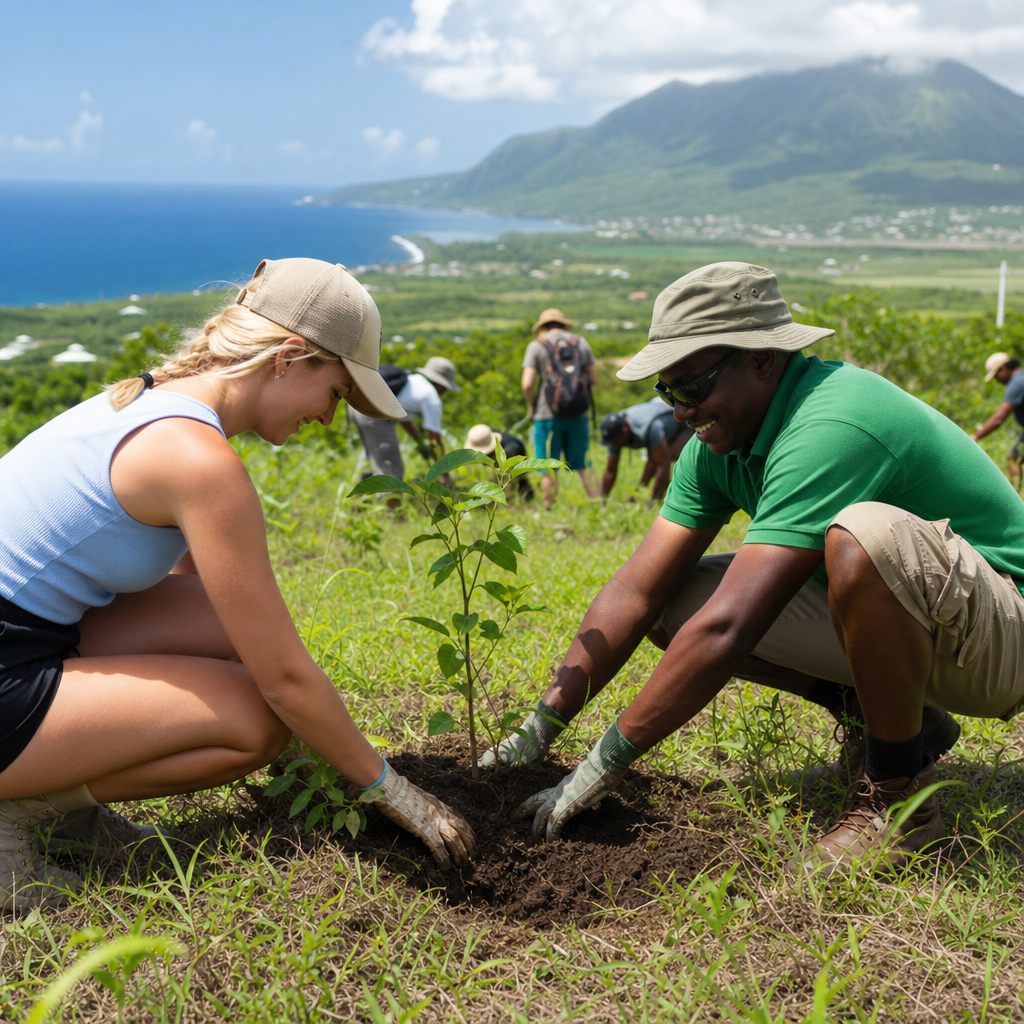
Saint Kitts offers several settings for local cooking tours, and each creates a different kind of experience. Market-based tours are usually best for travelers who want immediacy. In Basseterre, vendors can explain what is in season, how locals choose yams or plantains, and which herbs matter most in everyday cooking. These tours tend to feel social and unscripted. Farm-based tours work better for travelers interested in agriculture, sustainability, and the growing side of the food chain. On a small farm or garden, guests can see how herbs are grown, how rain and heat affect harvest timing, and why mixed planting matters for household food supply.
Home-kitchen experiences are often the most memorable because they feel personal without being overly polished. Guests may cook at a family property, use recipes passed through generations, and eat at a communal table rather than in a formal dining room. Plantation estate settings offer a different strength: historical context. When cooking tours are hosted on or near old estates, guides can connect present-day ingredients and dishes to the island’s sugar past, labor history, and land patterns. That context is important if the experience is handled respectfully and accurately. Coastal village settings, meanwhile, are ideal for seafood-focused tours that begin with fish cleaning, seasoning, and quick cooking methods suited to the catch of the day.
| Tour setting | What you experience | Best for |
|---|---|---|
| Basseterre market | Ingredient buying, vendor interaction, seasonal produce insight | First-time visitors and short stays |
| Farm or garden | Harvesting, herb identification, crop education | Sustainability-minded travelers |
| Home kitchen | Family recipes, hands-on cooking, shared meal | Cultural immersion seekers |
| Plantation estate | Food plus historical interpretation and scenic grounds | Travelers wanting broader context |
| Fishing village or coast | Fresh seafood prep, simple traditional techniques | Seafood lovers |
How to choose the right cooking tour on Saint Kitts
The best Saint Kitts cooking tour for you depends on time, mobility, dietary needs, and how deeply you want to engage. Start by checking whether the experience is demonstration-only or genuinely hands-on. Many travelers expect to cook but end up mostly watching, which can still be enjoyable but should be clearly described in advance. Ask how many guests are in each session. Smaller groups usually mean more participation, easier conversation, and better opportunities to ask detailed questions about ingredients and methods. If transport is included, confirm pickup areas, especially if you are staying in Frigate Bay, arriving by cruise ship, or based on the Southeast Peninsula.
It is also worth confirming how local the menu really is. Some Caribbean cooking classes serve broad regional dishes that could be taught almost anywhere in the West Indies. If your goal is specifically Kittitian food, ask for sample menus and ingredient lists. Good operators should be able to explain why those dishes represent Saint Kitts and how they adapt by season. Dietary restrictions require direct conversation rather than assumptions. Vegetarian and pescatarian guests can often be accommodated more easily than vegan or gluten-free travelers, but cross-contact and substitution options vary. Serious food allergies should be discussed in detail, especially where shellfish, peanuts, or hot peppers are common in the kitchen.
Reviews help, but they should be read carefully. Look for comments that mention actual learning, host knowledge, food sourcing, pacing, and cleanliness rather than generic praise. The strongest tours consistently earn compliments for storytelling, organization, and generosity. Price should be weighed against inclusions. A higher rate may reflect transport, market tastings, drinks, recipe cards, or access to a farm that would be difficult to visit independently. A cheaper class can still be excellent, but the value lies in substance, not just duration. If a tour promises too many dishes in too little time, quality usually suffers.
Signature foods and flavors every visitor should understand
Several flavors define local cooking in Saint Kitts, and understanding them makes any tour more rewarding. Green seasoning is foundational: a blended or finely chopped mix that often includes scallion, thyme, garlic, onion, celery, parsley, sweet pepper, and hot pepper. It is used as a marinade base and all-purpose flavor builder. Provision is another key term, referring to starchy staples such as yam, sweet potato, dasheen, breadfruit, and green banana. These are not side notes in a local meal; they are structure, energy, and tradition on the plate. Callaloo, whether made from leafy greens or in a richer soup style, shows how island cooking builds depth from modest ingredients.
Visitors should also understand the role of saltfish, coconut, and pepper sauces. Saltfish is significant because it links local cooking to older trade routes and preservation methods, yet it remains part of modern breakfasts and stews. Coconut appears as milk, grated flesh, oil, sweets, and baking flavor. Pepper sauces range from bright and vinegary to fruit-based and deeply fermented. In a proper cooking tour, hosts explain not only what these ingredients are but when to use them and how much is enough. That practical guidance separates a tourist tasting from a real cooking lesson. Once travelers grasp these patterns, restaurant menus across Saint Kitts become easier to read and appreciate.
Making the most of the experience and where to go next
To get the most from a Saint Kitts local cooking tour, arrive curious and ready to participate. Wear light clothing, closed shoes if farms are involved, and ask permission before photographing people at markets or private homes. Bring cash for small purchases, because you may want to buy spices, pepper sauce, jams, or fruit after the tour. If you enjoy the experience, use it as a gateway to the wider miscellaneous side of adventure and activities on the island: market walks, rum tastings, village events, heritage visits, scenic railway outings, beach bar food crawls, and farm visits all connect naturally with culinary exploration. This hub page is the starting point for those related articles and experiences.
The main benefit of farm-to-table cooking tours in Saint Kitts is simple: they turn food into understanding. You taste the island, but you also meet the people behind the meal and learn why local ingredients, methods, and stories still matter. That creates a richer trip than passive dining ever can. Whether you choose a market stop, a home kitchen, a coastal seafood lesson, or an estate-based class, look for experiences rooted in real sourcing, clear teaching, and honest local perspective. Start with one strong cooking tour, then build the rest of your Saint Kitts itinerary around the flavors, places, and conversations it opens up. Book early, ask specific questions, and let the island introduce itself one dish at a time.
Frequently Asked Questions
What makes a local cooking tour in Saint Kitts different from a standard cooking class?
A local cooking tour in Saint Kitts is usually much more immersive than a standard cooking class because it is built around the full story of the food, not just the final recipe. Instead of arriving directly at a kitchen station with pre-measured ingredients, guests often begin by visiting a farm, a fishing community, or a public market to see where the island’s ingredients actually come from. That might mean learning how callaloo, breadfruit, cassava, herbs, and tropical fruits are grown, watching fishers bring in their catch, or speaking with market vendors about what is in season and why certain staples matter in Kittitian cooking.
From there, the experience usually moves into a more personal setting such as a home kitchen, garden, heritage estate, or small local restaurant, where participants help wash, chop, season, and cook the ingredients they have just encountered. Along the way, guides and cooks often explain the island’s African, Caribbean, and colonial food influences, as well as the social importance of dishes served at family gatherings, village events, and holiday celebrations. This turns the tour into a cultural introduction to Saint Kitts rather than a simple lesson in technique. For many travelers, that connection with farmers, fishers, home cooks, and local food traditions is exactly what makes these tours memorable.
What kinds of foods and ingredients can you expect to experience on a Saint Kitts farm-to-table cooking tour?
Most farm-to-table cooking tours in Saint Kitts highlight ingredients that are central to everyday island life, so visitors can expect a menu shaped by seasonality, local agriculture, and coastal access. Common ingredients include breadfruit, plantain, sweet potato, yam, cassava, pumpkin, coconut, callaloo, okra, thyme, scallion, ginger, hot peppers, and a wide range of tropical fruits such as mango, papaya, soursop, guava, and tamarind. Depending on where the tour starts, participants may also encounter freshly caught fish, lobster when available, conch in some settings, or chicken and goat used in traditional dishes.
The dishes themselves often reflect both comfort food and heritage cooking. Guests may learn how to prepare stewed fish, seasoned rice, ground provisions, coconut dumplings, pepper pot-style preparations, curries, chutneys, fresh juices, or desserts made with local sugar, coconut, and fruit. Some tours also include tastings of island-made products such as sauces, jams, bush teas, and rum. Because many operators adapt to what is freshest that day, no two tours feel exactly the same. That flexibility is part of the appeal: the meal is not designed around a generic tourist menu, but around what Saint Kitts is growing, harvesting, and cooking in real time.
Are Saint Kitts cooking tours suitable for beginners, families, and travelers with dietary restrictions?
Yes, most local cooking tours in Saint Kitts are designed to be welcoming for a wide range of travelers, including complete beginners, couples, families, and guests who simply want a cultural experience rather than a formal culinary lesson. In many cases, no prior cooking knowledge is needed because the host guides each step, explains the ingredients, and assigns tasks based on comfort level. Some guests may prefer to do more hands-on work such as chopping, seasoning, or shaping dough, while others enjoy observing, tasting, and asking questions. Families often find these tours especially rewarding because children can learn about tropical produce, local customs, and food preparation in a practical, engaging way.
Dietary needs can often be accommodated, but it is important to communicate them well in advance. Vegetarian, pescatarian, gluten-free, low-spice, and allergy-related requests may be manageable depending on the operator, the menu, and what is available seasonally. Because many Kittitian dishes rely on fresh produce, legumes, and root vegetables, there is often room for adaptation. However, cross-contact can be an issue in small kitchens, and some traditional recipes depend on seafood, meat stock, or pepper-based seasonings. The best approach is to contact the tour provider before booking, explain any medical or dietary concerns clearly, and confirm what substitutions are realistic without compromising safety.
What should you wear and bring for a farm-to-table cooking tour in Saint Kitts?
It is best to dress for a tour that may include both outdoor exploring and kitchen activity. Lightweight, breathable clothing is ideal because Saint Kitts is warm and humid for much of the year, and tours may involve walking through markets, gardens, farms, or fishing areas before any cooking begins. Comfortable closed-toe shoes or sturdy sandals with good grip are usually a smart choice, especially if the itinerary includes uneven ground, damp surfaces, or rural stops. Many travelers also appreciate bringing a hat, sunscreen, and insect repellent for the outdoor portions of the experience.
In addition, it helps to carry a reusable water bottle, a small towel or wipes, and a phone or camera for photos, though guests should always ask before photographing people in markets or private homes. If you have food allergies, bring any necessary medication and make sure your host is aware of your needs from the start. Some visitors also like to bring a notebook to record recipes, ingredient names, or cooking tips shared by local hosts. Above all, bring curiosity and flexibility. The most rewarding tours are often informal and shaped by the day’s harvest, market availability, and the personality of the cook leading the experience.
Why are farm-to-table cooking tours a meaningful way to experience Saint Kitts beyond the beach?
Farm-to-table cooking tours offer a more grounded and human view of Saint Kitts because they connect visitors with the people and places that sustain everyday life on the island. While beaches, resorts, and scenic drives are undeniably part of the appeal, food-focused experiences reveal the rhythms beneath the postcard image. They show how local agriculture, fishing traditions, market exchange, and home cooking continue to shape community identity. By meeting growers, vendors, and cooks directly, travelers gain insight into how food reflects land use, seasonality, family tradition, and the island’s layered cultural history.
These tours also create a stronger sense of reciprocity. Rather than consuming Saint Kitts only as a leisure destination, visitors participate in an experience that values local knowledge and supports small-scale producers and culinary hosts. That can deepen appreciation for ingredients that might otherwise be overlooked, from humble root vegetables to fresh herbs and handmade condiments. In practical terms, guests leave with more than photos and a meal; they leave with stories, techniques, and a clearer understanding of what “farm to table” actually means in a Caribbean context. For travelers who want their trip to feel more personal, educational, and connected to place, a cooking tour is one of the most rewarding ways to experience the island.