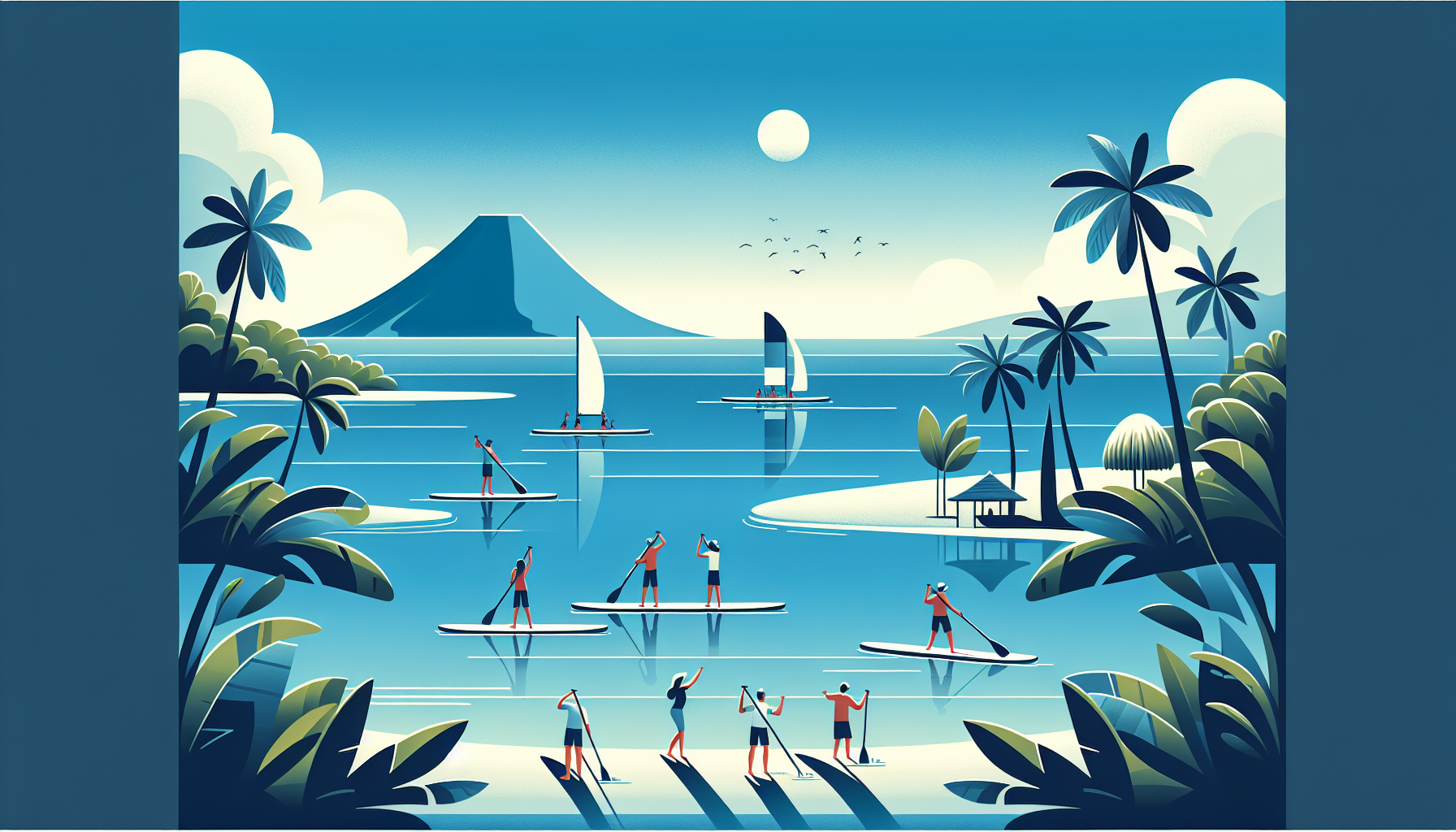
Paddle boarding in Nevis offers one of the clearest expressions of what Caribbean adventure can be: active without being frantic, scenic without feeling staged, and accessible to beginners while still rewarding seasoned water lovers. Stand-up paddle boarding, often shortened to SUP, involves standing or kneeling on a large, stable board and using a single-bladed paddle to move across the water. In Nevis, that simple setup opens a remarkable range of experiences, from glassy sunrise sessions along Pinney’s Beach to quiet mangrove explorations and gentle coastal fitness paddles with a view of Nevis Peak. I have planned and reviewed island activity programs for travelers who wanted more than a beach chair but less intensity than a full dive or kiteboarding lesson, and paddle boarding consistently lands in the sweet spot.
What makes paddle boarding in Nevis especially compelling is the island itself. Nevis is smaller, calmer, and less built up than many Caribbean destinations, which changes the feel of being on the water. Instead of noisy marinas and crowded launch points, you often get open shoreline, light boat traffic, and long stretches of water where the loudest sounds are your paddle dripping back into the sea and the breeze moving through palms. That setting matters because paddle boarding is partly a sport and partly a way of noticing a place. The board slows you down enough to observe reef patches, pelicans diving, sea turtles surfacing, and the subtle shifts in color between shallow sand flats and deeper channels.
As a hub for adventure and activities in the miscellaneous category, this guide covers the full landscape of the experience rather than just the basics of how to stand up. It addresses where to go, when conditions are best, what skill level is required, how to choose between a guided tour and a rental, what equipment and safety practices matter, and how paddle boarding connects with other Nevis activities such as snorkeling, beach hopping, wellness travel, and family outings. Many visitors ask the same practical questions before booking: Is paddle boarding in Nevis beginner friendly? Are the waters calm enough? What should you wear? Is it worth it if you have only one free morning? The answer, in most cases, is yes, provided you match the session to the weather, the coastline, and your comfort level.
That balance between fun and serenity is the central reason to choose this activity. A paddle board can turn a vacation morning into a workout, a meditative glide, a wildlife encounter, or a family memory without requiring complex logistics. In a destination known for understated luxury and natural beauty, it fits perfectly.
Why Nevis Is Ideal for Paddle Boarding
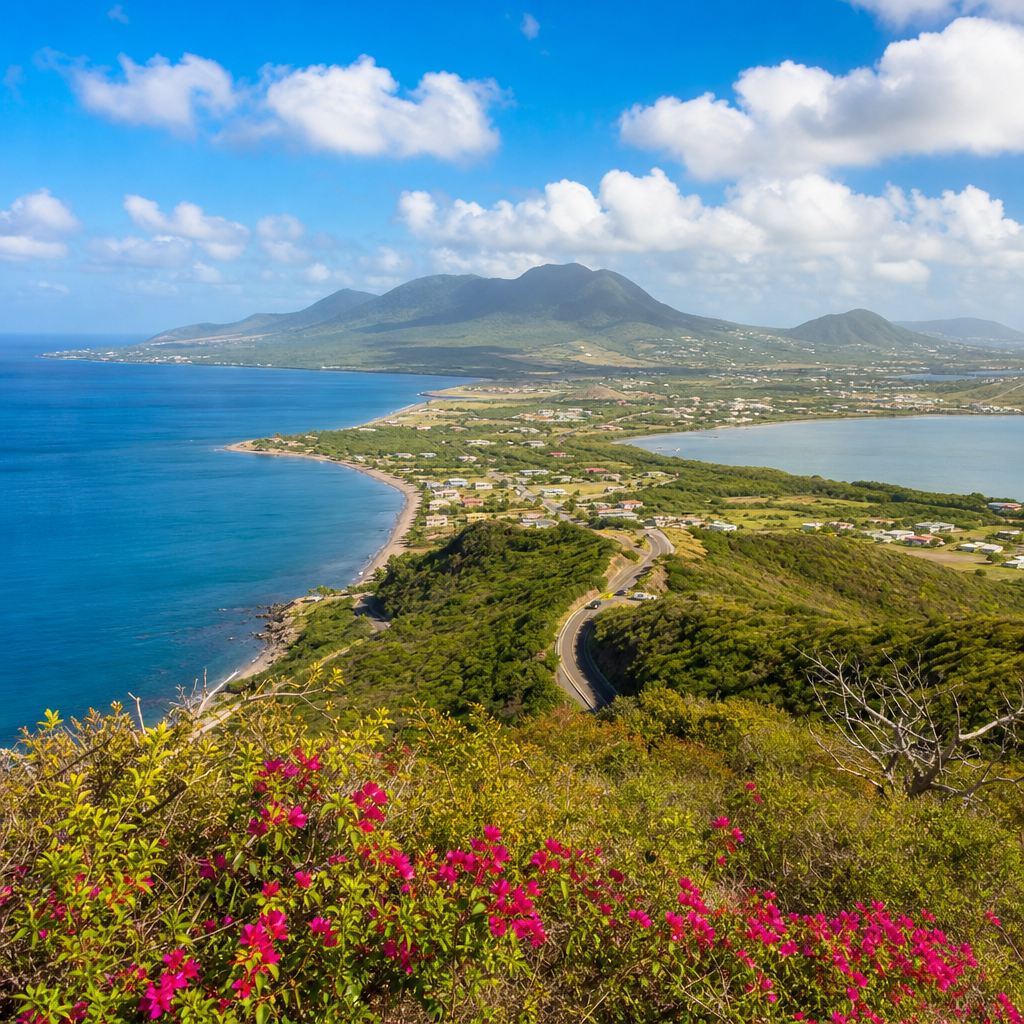
Nevis has several natural advantages that make stand-up paddle boarding unusually appealing. First is scale. The island’s compact size means launch points are never far from hotels, villas, or beach roads, so you can fit a session into a half day without losing time in transit. Second is topography. The dramatic rise of Nevis Peak creates striking visual orientation from the water, giving even a short coastal paddle a memorable sense of place. Third is exposure. While conditions vary by season and wind direction, many western and southwestern shoreline areas are relatively protected compared with fully open Atlantic-facing coasts elsewhere in the Caribbean.
From experience, first-time paddlers do best in locations where the water surface stays orderly and where there are easy beach entries with minimal shore break. Parts of Pinney’s Beach and nearby sheltered stretches often meet those criteria on calm mornings. The water can be clear enough to see sandy bottom contours, small fish, and seagrass beds, which reduces anxiety for beginners and adds a rewarding visual element. More experienced paddlers may prefer longer coastal routes where they can cover distance, work on stroke efficiency, or combine the outing with swimming and snorkeling stops.
The island’s atmosphere helps too. Nevis does not push visitors into adrenaline at every turn. Its tourism profile leans toward boutique hotels, quieter beaches, historical sites, hiking, and thoughtful outdoor experiences. Paddle boarding fits that identity. It can be social, but it does not need to be loud. It can be athletic, but it does not have to be extreme. That flexibility is exactly why it serves such a broad audience, from couples and solo travelers to multigenerational families.
Best Places and Conditions for a Smooth Session
The best place to paddle board in Nevis depends on wind, swell, and your confidence level. For most travelers, the west coast is the starting point because it generally offers calmer Caribbean Sea conditions than the rougher Atlantic side. Pinney’s Beach is the best-known option and the most practical for many visitors because of broad access, tourism infrastructure, and usually manageable water in the early morning. Oualie Bay can also be a useful area to watch, especially for guided outings that account for tide and wind patterns. More exposed coasts may look beautiful from shore but can become tiring or unsafe on a board if wind fetch increases and chop builds.
The single best timing rule is simple: go early. In tropical island environments, winds often strengthen as the day warms. A 7:00 or 8:00 a.m. launch can feel completely different from an 11:00 a.m. start, even on the same beach. Morning water is typically flatter, visibility can be excellent, and boat traffic is lighter. If your schedule allows only one paddle boarding session in Nevis, make it a sunrise or early-morning booking.
| Factor | Best Choice for Beginners | Better for Experienced Paddlers |
|---|---|---|
| Time of day | Early morning with light wind | Early morning or late afternoon, depending on conditions |
| Water surface | Flat to lightly rippled | Light chop acceptable for training |
| Launch area | Sandy beach with easy entry | Beach or dock launch with route planning |
| Session length | 45 to 60 minutes | 90 minutes or more |
| Route style | Out-and-back close to shore | Longer coastal exploration |
Weather judgment matters more than many travelers realize. Wind speed, gusts, current, and incoming weather can change a relaxing outing into an exhausting one. Reputable operators check marine forecasts before launching and should be willing to cancel or reroute if conditions deteriorate. That is a sign of professionalism, not inconvenience.
What Beginners Should Know Before Getting on the Board
Most people can learn the basics of paddle boarding in one session. The boards used for recreational touring are wide, buoyant, and far more stable than they appear from shore. In lessons I have observed and helped evaluate, the biggest barrier is rarely balance; it is tension. People look down, grip the paddle too tightly, and stand too soon. A better progression is to start kneeling, take a few strokes to feel how the board tracks, then rise one foot at a time with knees soft and eyes on the horizon.
Good technique is simple and highly teachable. Hold the paddle with one hand on the top grip and the other partway down the shaft. Keep the blade angled forward, place it fully in the water near the nose of the board, and pull it back to your feet rather than sweeping in a giant arc. Small, controlled strokes work better than frantic ones. If you need to turn, back paddle on one side or perform a wider sweep stroke. Your stance should be roughly shoulder width apart over the board’s carry handle, which marks the balance point.
Falling in is normal and usually harmless in warm, shallow coastal water, but safety still matters. Use the leash. I cannot overstate this. In any breeze, a board moves away from a swimmer faster than expected. Wear a personal flotation device if provided or required, especially for children, weaker swimmers, or paddlers heading farther offshore. Waterproof sun protection is essential because reflection from the water increases exposure. A rash guard, hat, sunglasses with a retainer, and reef-safe sunscreen make a noticeable difference on a one-hour outing.
Guided Tours, Rentals, and Combined Experiences
Choosing between a guided paddle boarding tour in Nevis and a simple board rental depends on your goals. Beginners should usually start with a lesson or guided outing. An instructor can adjust board size, explain entry and exit, teach efficient strokes, and choose a safer route based on conditions that day. That instruction shortens the learning curve dramatically. It also improves enjoyment because you spend less time struggling and more time actually seeing the coastline.
Independent rentals make sense for travelers who already paddle regularly and can assess marine conditions. Even then, local briefing is valuable. Ask about wind patterns, boat lanes, reef areas, and recommended turnaround points. Conditions that look calm from the sand may feel different once you are several hundred meters out. Good operators discuss duration, emergency contact procedures, and leash use before handing over equipment.
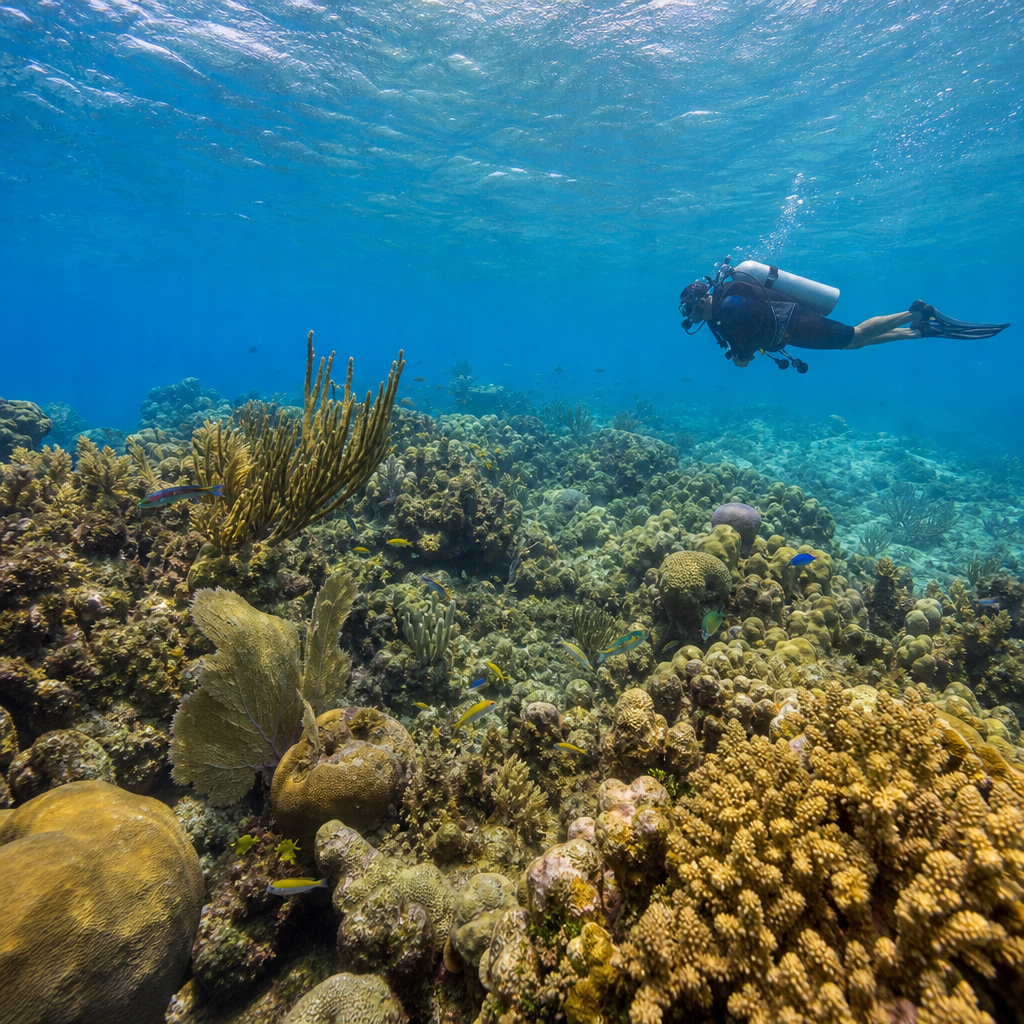
One of the strongest selling points of paddle boarding as a miscellaneous hub activity is how easily it connects with other experiences. Some outings blend SUP with snorkeling over shallow reef or seagrass zones, where the board functions as both transport and rest platform. Wellness-focused travelers often pair an early paddle with yoga, spa treatments, or a healthy breakfast at a beachside hotel. Families may combine a short lesson with time at the beach, making the activity feel manageable rather than all-consuming. Photographers appreciate that the lower angle from the board creates a different perspective on shorelines, historic estates, and mountain views than you get from land.
Wildlife, Etiquette, and Environmental Awareness
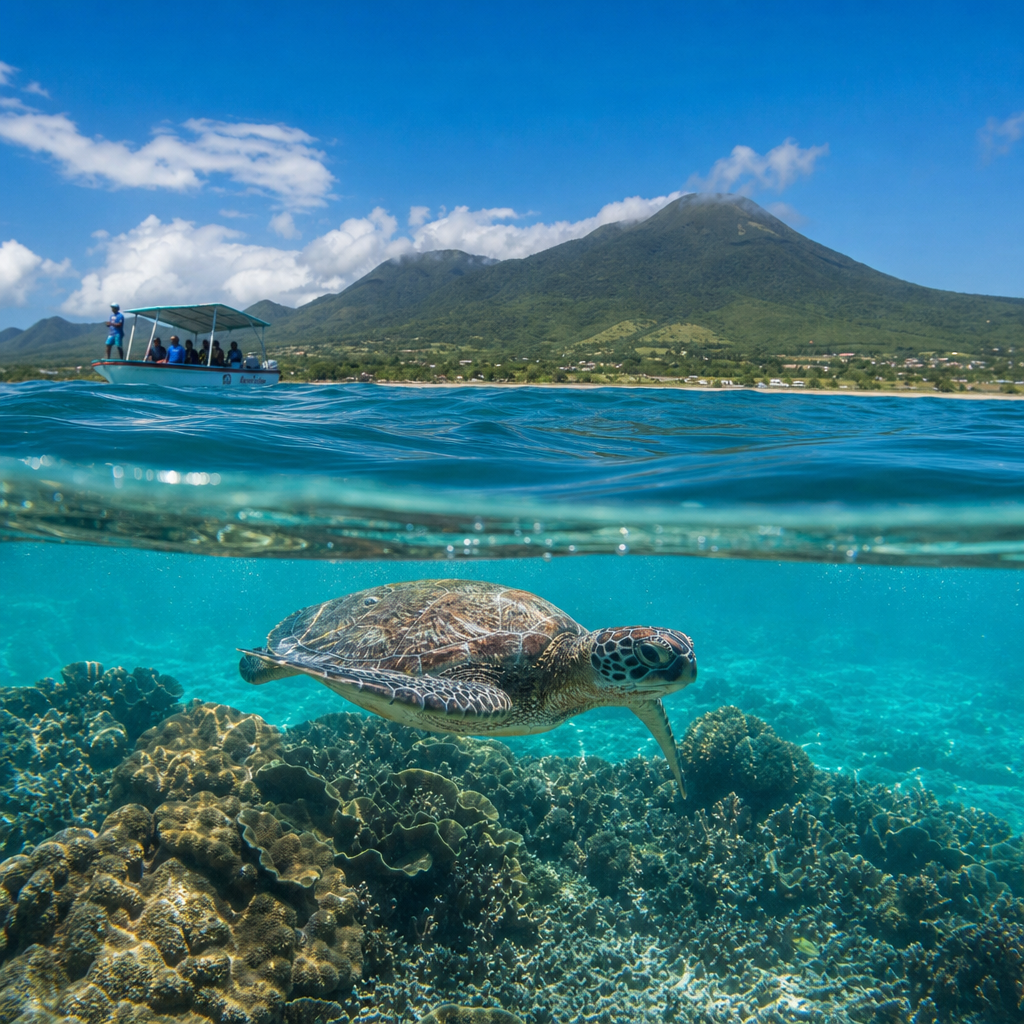
Paddle boarding in Nevis is not only recreation; it is also one of the least intrusive ways to experience nearshore marine environments. Because boards move quietly, paddlers often spot wildlife before it notices them. Sea turtles are a highlight, especially around seagrass habitats, and birdlife can be excellent along quieter stretches of coast. On especially clear mornings, you may also see starfish, schools of baitfish, or juvenile reef species over sandy patches and grass beds.
Respect distance. Chasing turtles for a closer photo or paddling directly over sensitive reef structure is poor practice and increasingly discouraged throughout the Caribbean. The rule I use is straightforward: observe, do not pursue. If an animal changes direction because of your presence, you are too close. Likewise, never stand on coral, drag boards across living reef, or drop anchors in reef zones during combined boat-and-SUP excursions.
Local etiquette matters on shared water. Stay alert for moored boats, swim zones, and areas used by fishers or tour operators. Launch and land efficiently rather than blocking active beachfront areas. If you are part of a group, avoid spreading out so widely that guides cannot supervise everyone. These details sound minor, but they shape safety and the quality of the experience for everyone else on the water.
Planning the Right Paddle for Your Travel Style
The most satisfying paddle boarding sessions in Nevis are the ones matched carefully to the traveler. If your priority is calm and restoration, book a sunrise glide close to shore and keep the route short. If you want exercise, ask for a longer touring board and a distance-oriented coastal run in stable conditions. Couples often enjoy private sessions because pacing can be tailored, while families benefit from shorter lessons, larger boards, and instructors used to teaching children. Inflatable boards may be fine for casual use, but many travelers notice that rigid epoxy boards track better and feel more stable in chop, so ask what fleet an operator uses.
Budget, weather flexibility, and transport also influence your plan. A lower-cost rental is not a bargain if conditions are too windy for fun. A premium guided tour may be worth more if it includes transfers, quality equipment, dry bags, instruction, and photos. During peak travel periods, reserve early-morning slots in advance because the calmest windows are limited and often preferred by both novices and experienced paddlers.
Nevis rewards travelers who choose activities that align with the island’s rhythm. Paddle boarding does exactly that. It delivers movement without noise, sightseeing without rushing, and a strong sense of connection to the coastline. If you want an activity that sits comfortably beside hiking, beach time, wellness, snorkeling, and casual exploration, this is one of the smartest choices on the island. Start with a calm morning, book with a reputable local operator, and give yourself enough time to settle into the water. Once the first few strokes click, Nevis reveals itself in a way that is both energizing and deeply calm.
Frequently Asked Questions
Is paddle boarding in Nevis suitable for beginners?
Yes, paddle boarding in Nevis is very well suited to beginners, and that is one of the reasons it appeals to such a wide range of travelers. Stand-up paddle boards are designed to be broad and stable, so most first-timers can get comfortable fairly quickly, especially in calm conditions. In Nevis, the experience is often made easier by sheltered bays, gentle morning water, and warm sea temperatures that make the learning process feel relaxed rather than intimidating. Many newcomers start by kneeling on the board to get a feel for balance and steering before standing up, which helps build confidence in a natural, low-pressure way.
Another advantage for beginners is that paddle boarding can be adjusted to your comfort level. You do not need to be an athlete or have previous board-sport experience to enjoy it. A short introductory session with proper instruction on stance, paddle technique, turning, and how to re-board after a fall can make a major difference. In Nevis, that learning curve is often softened by the island’s scenic and peaceful surroundings, which encourage a slower, more enjoyable pace. Rather than feeling like a demanding extreme sport, paddle boarding here often feels like a calm exploration of the coastline, which is ideal for anyone trying it for the first time.
What is the best time of day to go paddle boarding in Nevis?
For many people, the best time of day to paddle board in Nevis is early morning. Sunrise and the first hours after it often bring the calmest water, lighter winds, and a quieter atmosphere on the coast. These conditions create the smooth, glassy surface that paddle boarders especially appreciate because it makes balancing easier and paddling more efficient. Morning outings also offer a sense of stillness that is hard to replicate later in the day, with soft light, cooler temperatures, and a peaceful view of the shoreline that fits perfectly with the more serene side of the sport.
That said, the ideal time can depend on what kind of experience you want. If you are looking for a gentle, meditative session focused on scenery and wildlife, the early hours are usually the strongest choice. If you prefer a more active outing and do not mind a little more texture on the water, late morning or certain afternoons may still be enjoyable, depending on local weather and sea conditions. It is always wise to check wind levels, tides, and any advice from local operators before heading out. In general, calmer conditions mean a better outing for beginners, while more experienced paddlers may enjoy a broader range of times. In Nevis, the key is less about chasing a specific hour and more about matching the day’s conditions to your skill level and goals.
What should I bring for a paddle boarding trip in Nevis?
A well-prepared paddle boarding trip in Nevis starts with a few essentials that improve both comfort and safety. You should wear swim-friendly clothing or lightweight activewear that dries quickly, since splashes and occasional falls are part of the experience. Sun protection is especially important in the Caribbean, so reef-safe sunscreen, sunglasses with a retainer strap, and a hat or visor can make a big difference during longer sessions. Many paddlers also benefit from bringing water shoes or secure sandals, particularly if entering from a rocky or uneven shoreline, although some prefer to paddle barefoot once on the board for better grip and balance.
Hydration matters more than many visitors expect, so bringing water is strongly recommended, especially if you plan to stay out for an extended tour. If you have a dry bag, it can be useful for carrying small items such as a phone, towel, snacks, or an extra layer. Waterproof phone protection is also helpful if you want photos without risking damage. Of course, the most important equipment includes a well-fitted leash and, when recommended, a personal flotation device. If you are joining a guided session in Nevis, much of the core gear will usually be provided, but it is still smart to confirm in advance what is included. A simple packing approach works best: protect yourself from the sun, stay hydrated, and make sure you have the right safety gear for the conditions.
Can experienced paddlers still find paddle boarding rewarding in Nevis?
Absolutely. While Nevis is often praised for being beginner-friendly, that does not mean it is limited to introductory experiences. More experienced paddlers can find plenty to appreciate in the island’s combination of scenery, changing water conditions, and opportunities for longer coastal exploration. A seasoned paddle boarder may enjoy setting out for extended routes, refining technique on open stretches, or using quieter waters for fitness-focused sessions, endurance paddles, or yoga-based practice. The appeal of Nevis is that it does not rely on spectacle alone; it offers a setting where the quality of the water, the atmosphere, and the natural beauty can elevate even a simple outing.
For skilled water lovers, there is also a unique satisfaction in paddling somewhere that feels unhurried and authentic. Instead of competing with crowds or navigating a heavily commercialized scene, experienced paddlers in Nevis can focus on rhythm, efficiency, and immersion in the environment. Depending on the weather, there may be opportunities to work against light wind, explore varied shoreline perspectives, or seek out especially clear and calm conditions for a more technical or meditative session. In that sense, Nevis rewards experience not with constant intensity, but with depth: the better your paddling skills, the more you may appreciate the subtle details of the water, the landscape, and the overall sense of balance that makes the island so memorable.
Why does paddle boarding in Nevis feel like both an adventure and a peaceful escape?
Paddle boarding in Nevis stands out because it blends movement and calm in a way few activities do. On one hand, it is undeniably active: you are balancing, paddling, steering, and engaging your core while moving across open water under your own power. That creates a genuine sense of adventure, especially when you are exploring the coastline, watching the water change color beneath you, or setting out early as the island wakes up. There is a satisfying independence to it, and even a short session can feel like a meaningful outdoor experience rather than a passive excursion.
At the same time, paddle boarding naturally slows you down. The standing position gives you a wide, immersive view of the sea and shoreline, and the pace encourages observation rather than rush. In Nevis, that effect is magnified by the island’s atmosphere, where the landscape feels scenic but not overly staged, and the water often invites a more reflective kind of enjoyment. You can paddle for exercise, but you can also drift, pause, and simply take in the quiet. That balance is exactly what makes the activity so distinctive here. It offers the pleasure of doing something adventurous without sacrificing the restorative feeling people often come to the Caribbean to find. In Nevis, paddle boarding is not just about covering distance on the water; it is about experiencing the island in a way that feels both energizing and deeply serene.