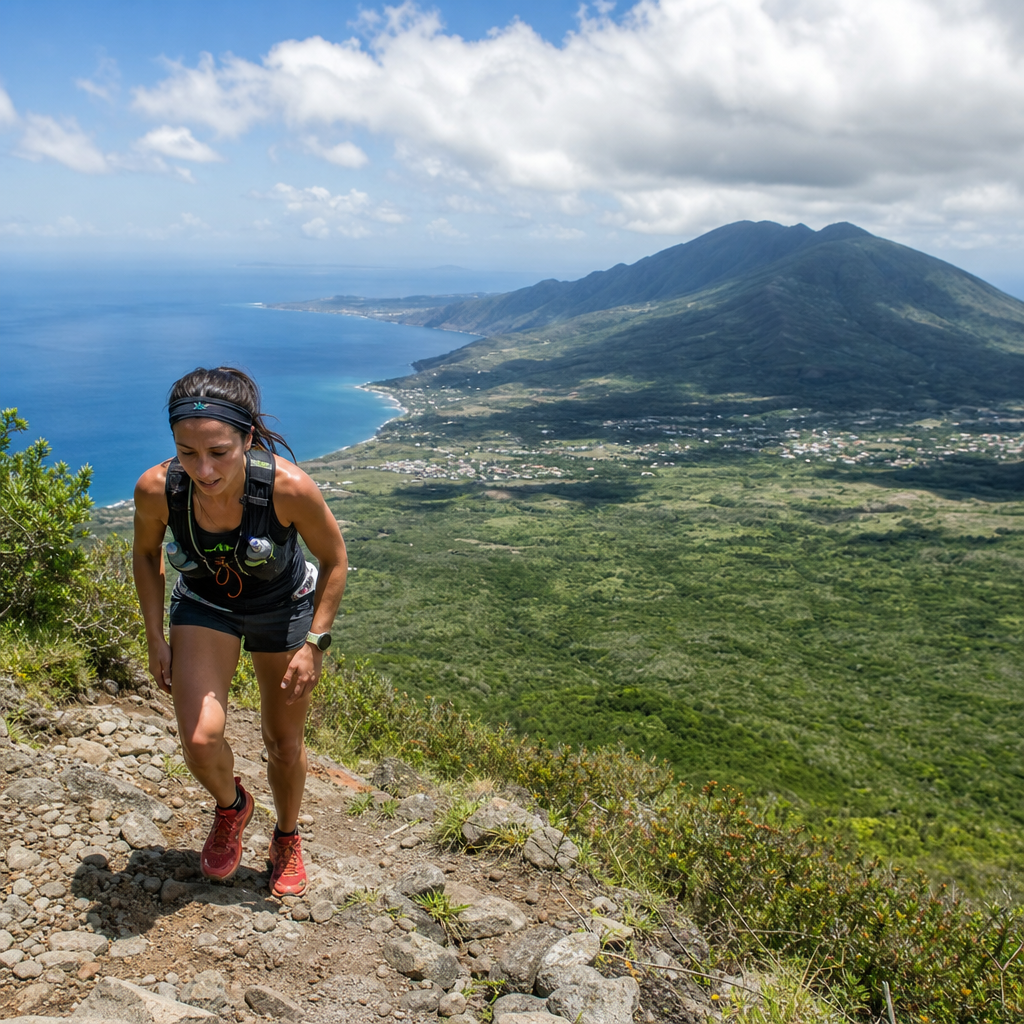
Nevis’ mountain running races combine steep volcanic terrain, humid Caribbean weather, and panoramic island scenery into one of the most demanding endurance experiences in the region. Mountain running races are off-road competitions held on trails, ridgelines, and natural slopes where athletes climb and descend significant elevation over uneven ground. On Nevis, that definition becomes more dramatic because the island is dominated by Nevis Peak, a dormant stratovolcano rising to roughly 3,232 feet, with trails that cut through rainforest, old estate land, rocky gullies, and cloud forest. I have worked with trail race planning, route assessment, and runner preparation in similar island environments, and Nevis stands out for one reason: every kilometer asks competitors to manage both physical effort and terrain judgment. That combination is exactly why these events matter to runners, spectators, and tourism operators. They showcase the island beyond beaches, create repeat visitation from endurance travelers, and connect local communities to a growing global interest in trail and mountain sports.
For readers exploring adventure and activities on Nevis, this miscellaneous hub page is the practical starting point. It explains what makes Nevis’ mountain running races distinctive, who they suit, how courses are designed, what gear and safety standards matter, and why the experience attracts everyone from elite mountain athletes to fit visitors looking for a serious challenge. It also answers the questions searchers usually ask first: How hard are the races? When is the best time to run? What training is required? Are the views worth the effort? The short answer is yes, but success depends on respecting the island’s topography and climate. Unlike flat road races, mountain events on Nevis require deliberate pacing, efficient climbing technique, traction management, hydration planning, and comfort with heat, mud, and sustained vertical gain. When those pieces come together, the reward is exceptional: racing through lush upland forest with glimpses of the Caribbean Sea, neighboring St. Kitts, and the island’s layered green slopes spread below.
What Makes Nevis Mountain Running Races Different
Nevis mountain running races are defined by terrain variety packed into a compact island. A runner can move from village roads to farm tracks, enter dense tropical vegetation, and then hit steep, root-laced trail sections within a short period. That compressed transition is unusual compared with many mainland races where climbs build more gradually. On Nevis, grades can change fast, footing can shift from dry dirt to slick mud after a brief shower, and visibility can vary with cloud cover near the upper elevations. Race directors therefore build courses that reward agility, restraint, and local knowledge as much as raw aerobic fitness.
The island’s volcanic geology is central to the challenge. Volcanic soils can be soft and grippy in some places, but they also become slippery when saturated. Exposed rock, leaf litter, and drainage channels create constant micro-decisions for foot placement. In my experience reviewing mountain race routes, runners lose the most time not on the steepest climb but on technical descents where fear and fatigue reduce efficiency. That pattern is especially relevant on Nevis. A strong uphill runner who attacks too hard can reach the descent with tired quadriceps and poor concentration, then give back minutes. Experienced competitors know that staying smooth beats surging.
Weather raises the difficulty further. Nevis has warm temperatures year-round, and humidity can remain high even early in the day. Shade from forest cover helps, but it also limits airflow. Sweat rates often rise quickly, which means hydration needs are greater than many visiting runners expect. Add salt loss, and cramping becomes a real risk. This is why serious participants treat Nevis less like a cool-climate fell race and more like a tropical mountain event where pacing and fluid strategy are decisive. The scenery is spectacular, but it never removes the need for disciplined race execution.
Course Profiles, Distance Options, and Typical Race Formats
Most Nevis mountain running races and related trail events fall into a few practical formats: short uphill challenges, medium-distance mountain races, and longer adventure-style courses that combine sustained climbing with technical descents. A pure uphill race usually appeals to strong climbers and first-time mountain racers because the task is simple: get to the top or a designated high checkpoint as efficiently as possible. A loop or out-and-back format introduces a more complete skill test because downhill running becomes unavoidable. That is where race times spread out and experience shows.
Organizers generally choose distances that fit the island’s trail network and safety logistics rather than chasing arbitrary mileage targets. A 10K mountain race on Nevis can feel harder than a much longer road race because elevation gain changes the effort profile. For context, runners often estimate that every 100 meters of climbing adds meaningful physiological cost similar to extra flat distance, though the exact equivalent depends on grade and terrain. If a course includes 700 to 1,000 meters of ascent over a relatively short route, participants should treat it as a serious endurance test, not a casual fun run.
| Race Format | Typical Distance | Main Challenge | Best Suited For |
|---|---|---|---|
| Uphill-only climb | 5K–8K | Sustained steep ascent in heat | Strong climbers, first-time mountain racers |
| Mountain loop | 8K–15K | Mixed climbing, technical descent, pacing | Intermediate trail runners |
| Adventure trail race | 15K+ | Long exposure, fueling, footing changes | Experienced endurance runners |
Cutoff times, aid station placement, and marshal access usually reflect the realities of mountain safety. On small islands, evacuation routes may be limited, so course planning must account for communication gaps, weather shifts, and access points for support teams. The best race formats on Nevis balance adventure with control: enough technical challenge to feel authentic, but not so much remoteness that a minor incident becomes a major rescue problem. That balance is one reason well-run local events earn loyalty from returning athletes.
Training for Nevis’ Steep Climbs and Technical Descents
The best way to prepare for Nevis’ mountain running races is to train specifically for vertical gain, downhill impact, and hot conditions. General fitness helps, but mountain performance comes from targeted adaptation. I advise runners to build around three weekly priorities: one sustained climbing session, one downhill conditioning or technical trail session, and one longer endurance run with race-like fueling. Stair repeats, treadmill incline hiking, hill intervals, and weighted uphill walking all work when mountains are not available. What matters is developing climbing economy without turning every session into a maximal effort workout.
Descending deserves equal attention. Many runners from road backgrounds underestimate how much eccentric loading the quadriceps absorb on steep downhill sections. The result is heavy legs, poor coordination, and late-race falls. A better approach is controlled practice on uneven descents, focusing on quick cadence, short stride length, and relaxed upper body posture. Strength training helps too. Split squats, step-downs, calf raises, single-leg deadlifts, and trunk stability work improve durability on trail. Two short strength sessions each week can reduce injury risk and improve confidence on rough ground.
Heat acclimation is another non-negotiable factor for visitors. Research from organizations such as the American College of Sports Medicine has consistently shown that repeated exposure to hot conditions improves sweating efficiency, plasma volume, and perceived exertion. Even seven to fourteen days of acclimation can help. That does not mean reckless training at midday. It means gradually adding controlled heat exposure, practicing hydration, and learning how your body responds. For Nevis, this preparation often matters more than chasing extra speed. A runner who is slightly less fit but well acclimated can outperform a fitter athlete who overheats early.
Gear, Footwear, and Safety Essentials
For Nevis mountain running races, the most important gear choice is trail footwear with reliable grip on both wet soil and rock. Road shoes are a poor compromise because they lack lug depth, lateral stability, and outsole traction for steep off-road terrain. A moderate-lug trail shoe is usually the best all-around option for tropical mountain courses. Deep fell-style lugs can be useful in mud, but they may feel harsh on hard sections. Fit matters as much as tread. On technical descents, toe bang and foot slippage can ruin performance, so runners should lock down the midfoot while leaving enough room in the toe box for swelling.
Hydration systems depend on race length and aid support. For shorter races, a handheld flask may be enough. For longer formats, a vest with front soft flasks is typically more stable and accessible. Electrolytes are not optional in humid conditions. Neither is anti-chafing protection. Light, quick-drying clothing works better than heavy cotton, and a cap helps with sun exposure on open stretches. Some races may recommend or require a phone, whistle, or basic emergency contact information, especially if parts of the course are remote. Athletes should follow event rules closely because mandatory kit standards exist for safety, not bureaucracy.
Good mountain safety also includes judgment. If storms move in, if the trail is significantly worse than expected, or if a runner shows signs of heat illness such as chills, confusion, nausea, or loss of coordination, slowing or stopping is the correct decision. The most respected mountain runners are not reckless; they are observant. On Nevis, where conditions can change quickly with elevation and rainfall, disciplined decision-making is part of the sport.
The Scenic Reward: Why the Views Are Integral to the Experience
The phrase stunning views is not marketing exaggeration on Nevis. It is one of the island’s genuine competitive advantages as an adventure destination. From elevated sections, runners may see Charlestown and coastal settlements below, bright water beyond the green hills, and the profile of St. Kitts across The Narrows. In clear conditions, the contrast between rainforest canopy, volcanic slopes, and Caribbean blue is striking. Even within the forest, the scenery has texture: giant trees, ferns, mossy stone features from former estates, and sudden openings that reveal the island’s steep contours.
These views matter for more than photography. They shape the rhythm of the race. On hard climbs, visual breakpoints help runners manage effort. On descents, open sections can either calm a competitor or tempt them to overrun their technical ability. Spectators and travel companions also benefit because mountain race weekends on Nevis are easy to build into a wider island itinerary. Someone can watch a start, explore heritage sites, spend time at Pinney’s Beach, and still follow race updates through the day. That blend of sport and destination appeal is why mountain running events often punch above their size in tourism value.
For content planning across the wider adventure and activities topic, this hub naturally connects with related subjects such as hiking Nevis Peak, rainforest excursions, cycling routes, eco tours, and seasonal outdoor events. Runners rarely travel only to race. They want recovery-friendly beaches, good local food, walkable historic areas, and optional low-impact activities before or after competition. Nevis delivers that combination unusually well, which strengthens the appeal of its mountain races.
Community Impact, Event Culture, and How to Choose the Right Race
A successful mountain running calendar does more than test athletes. It supports guides, transport providers, guesthouses, restaurants, and local vendors while giving residents a visible, participatory sporting event. On Nevis, smaller scale is an advantage. Registration, briefing, and prizegiving often feel personal rather than transactional, and visitors are more likely to interact directly with organizers and volunteers. That atmosphere can be the deciding factor for runners choosing between a crowded international race and a more intimate island event with strong local character.
Choosing the right race starts with honest self-assessment. If you have solid road fitness but limited trail experience, begin with a shorter hill race or moderate mountain loop. If you already run technical trails and handle heat well, a longer adventure format may suit you. Review elevation gain, surface descriptions, weather history, cutoff times, and aid station spacing before entering. Look for clear organizer communication, marked course policies, and contingency plans. Those details usually indicate a competent event.
The main takeaway is simple: Nevis’ mountain running races are challenging because the island compresses steep elevation, technical footing, and tropical climate into compact, memorable courses, and they are rewarding because the scenery, community, and sense of achievement are exceptional. Train for climbing and heat, choose gear built for grip and hydration, and match the event to your real ability rather than your ambition alone. If you are building your Nevis adventure plans, use this miscellaneous hub as your starting point, then explore related trail, hiking, and outdoor activity guides to find the race and itinerary that fit you best.
Frequently Asked Questions
What makes Nevis’ mountain running races especially challenging compared with other trail or road events?
Nevis’ mountain running races stand out because they combine several demanding factors at once: steep volcanic terrain, rapid elevation gain, technical footing, tropical humidity, and sustained exposure to the elements. Unlike road races, where surfaces are predictable and pacing can remain relatively even, mountain running on Nevis requires constant adjustments in stride, balance, and energy output. Runners may move from hard-packed trail to loose rock, roots, muddy sections, narrow ridgelines, and sharply angled climbs in a relatively short distance. That variety forces athletes to use more stabilizing muscles and stay mentally alert from start to finish.
The island’s defining feature, Nevis Peak, intensifies the experience. As a dormant stratovolcano rising to roughly 3,232 feet, it creates dramatic vertical relief that makes even shorter race distances feel tougher than expected. Climbs can be relentless, descents can punish the quadriceps, and the weather often adds another layer of difficulty. Warm temperatures and high humidity increase fluid loss and can make heart rate management more difficult, particularly for visitors who are not acclimated to Caribbean conditions. In practical terms, that means runners need a stronger strategy for pacing, hydration, and heat management than they might need in cooler mountain regions.
What also makes these races memorable is that the challenge is matched by exceptional scenery. Panoramic views of the island, forested slopes, coastal lines, and surrounding Caribbean waters create a striking backdrop, but runners should not mistake the beauty for ease. On Nevis, the terrain is both visually spectacular and physically unforgiving, which is exactly why these races are so respected among endurance athletes.
Do you need mountain running experience to participate in a race on Nevis?
You do not always need advanced mountain running experience to take part, but you do need to be realistic about the demands of the course and choose an event that matches your current fitness and trail ability. Some runners arrive with strong road-racing backgrounds and assume that cardiovascular fitness alone will carry them through. On Nevis, that can be a mistake. Mountain races reward not just endurance, but also climbing strength, descending control, agility on uneven ground, and the ability to manage effort in hot, humid conditions. Even experienced runners can struggle if they are unfamiliar with steep off-road terrain.
For beginners, the best approach is to build a foundation before race day. That means training on trails whenever possible, practicing sustained uphill efforts, and preparing for uneven surfaces rather than relying solely on flat-road mileage. Hiking steep grades, doing hill repeats, and strengthening the calves, glutes, core, and quadriceps can all make a major difference. If you do not have access to mountains, stair climbs, treadmill inclines, and technical trail practice can help simulate some of the demands. It is also wise to get comfortable slowing down when necessary. In mountain running, power hiking steep sections is often a smart strategy rather than a sign of weakness.
More experienced trail and mountain runners will still want to respect local conditions. Nevis adds a tropical layer that can catch visitors off guard, especially if they come from cooler climates. The safest and most successful participants are the ones who understand that these races are not only about speed, but about adapting to terrain, weather, and elevation changes. In short, newcomers can absolutely participate if they prepare properly, but these are not events to approach casually.
How should runners train for Nevis’ steep volcanic terrain and tropical climate?
Training for Nevis should focus on three core areas: climbing ability, technical trail movement, and environmental adaptation. First, runners need to prepare for sustained elevation gain. That means incorporating hill repeats, long uphill tempo efforts, stair workouts, or treadmill incline sessions into weekly training. Strength matters as much as endurance on steep courses, so lower-body work such as lunges, step-ups, squats, and single-leg stability exercises can improve climbing efficiency and reduce fatigue on descents. Because downhill running can be just as punishing as uphill work, runners should also practice descending with control to strengthen the quadriceps and improve foot placement.
Second, technical terrain should be part of preparation. Volcanic landscapes and mountain trails often involve uneven footing, loose surfaces, roots, and muddy stretches. Training on varied trails helps runners develop balance, ankle stability, and the confidence to move efficiently without wasting energy. It is especially useful to practice changing pace on rolling terrain, since mountain races rarely allow a steady, road-style rhythm. Learning when to run, when to shorten your stride, and when to hike can preserve energy over the full course.
Third, the tropical climate must be taken seriously. Heat and humidity can dramatically increase perceived effort, so if possible, runners should do some training in warm conditions to improve heat tolerance. Hydration planning becomes essential. During training, test how much fluid you need, whether electrolytes help, and what fueling strategy sits well in hot weather. Lightweight, breathable gear and trail shoes with dependable grip are usually the best choice. The more specific your preparation is to Nevis’ actual race conditions, the better your chances of running strongly and safely on race day.
What should runners expect on race day in terms of weather, course conditions, and support?
Race day on Nevis can feel unpredictable in the best and most challenging sense of the word. Conditions may include strong sun, humid air, shaded forest sections, exposed climbs, and ground that ranges from dry and firm to slippery and soft, depending on recent weather. Because mountain routes respond quickly to rainfall and tropical moisture, runners should be prepared for mud, slick roots, and variable traction even if the day begins clear. That means race expectations should remain flexible. Finish times often reflect terrain and conditions more than raw fitness alone.
Participants should also expect the course to demand constant attention. In mountain racing, footing matters, line choice matters, and pacing errors tend to become costly. Going out too hard early on a steep climb can lead to overheating or heavy fatigue later in the race. Smart runners manage effort conservatively at the start, stay on top of hydration, and remain patient on tougher sections. Because aid station spacing and support can vary by event, athletes should review the official race information carefully in advance. Knowing where water, electrolytes, nutrition, medical support, and route markings are located is part of proper preparation.
Atmosphere is another important part of the experience. Nevis races often combine serious athletic challenge with a distinctive island setting and a welcoming local spirit. Even so, runners should arrive self-sufficient: bring tested shoes, suitable clothing, sun protection, fuel, and any mandatory gear required by organizers. The best race-day mindset is to treat the event as a true mountain effort rather than a standard running race. If you do that, you will be better prepared to handle both the difficulty and the beauty of the course.
Why are Nevis’ mountain running races worth doing despite the difficulty?
For many runners, the appeal of Nevis lies precisely in the combination of hardship and reward. These races offer more than a finish line; they provide an immersive experience of the island’s geography, climate, and character. Running on the slopes and trails shaped by a volcanic landscape creates a sense of scale and adventure that is difficult to match on flatter courses. Every steep ascent feels earned, and every open view across the island and sea reinforces why mountain running is such a compelling discipline. The challenge is not artificial. It comes directly from the land itself.
There is also a strong sense of accomplishment attached to these events. Completing a mountain race on Nevis means you have dealt with real elevation, technical terrain, and tropical weather all at once. That makes the achievement meaningful for first-time mountain runners and seasoned endurance athletes alike. Success is not measured only by finishing time, but by how well you adapt, endure, and respond to the conditions. Many runners leave with a deeper respect for mountain racing because Nevis showcases the sport in such a raw and scenic form.
Finally, these races are worth doing because they connect athletic ambition with place. Nevis is not just a backdrop; it is central to the identity of the event. The volcanic slopes, lush vegetation, humid air, and sweeping Caribbean vistas define every step. For runners who want an experience that blends endurance challenge with unforgettable natural beauty, Nevis offers exactly that. It is demanding, yes, but for the right athlete, that is what makes it exceptional.