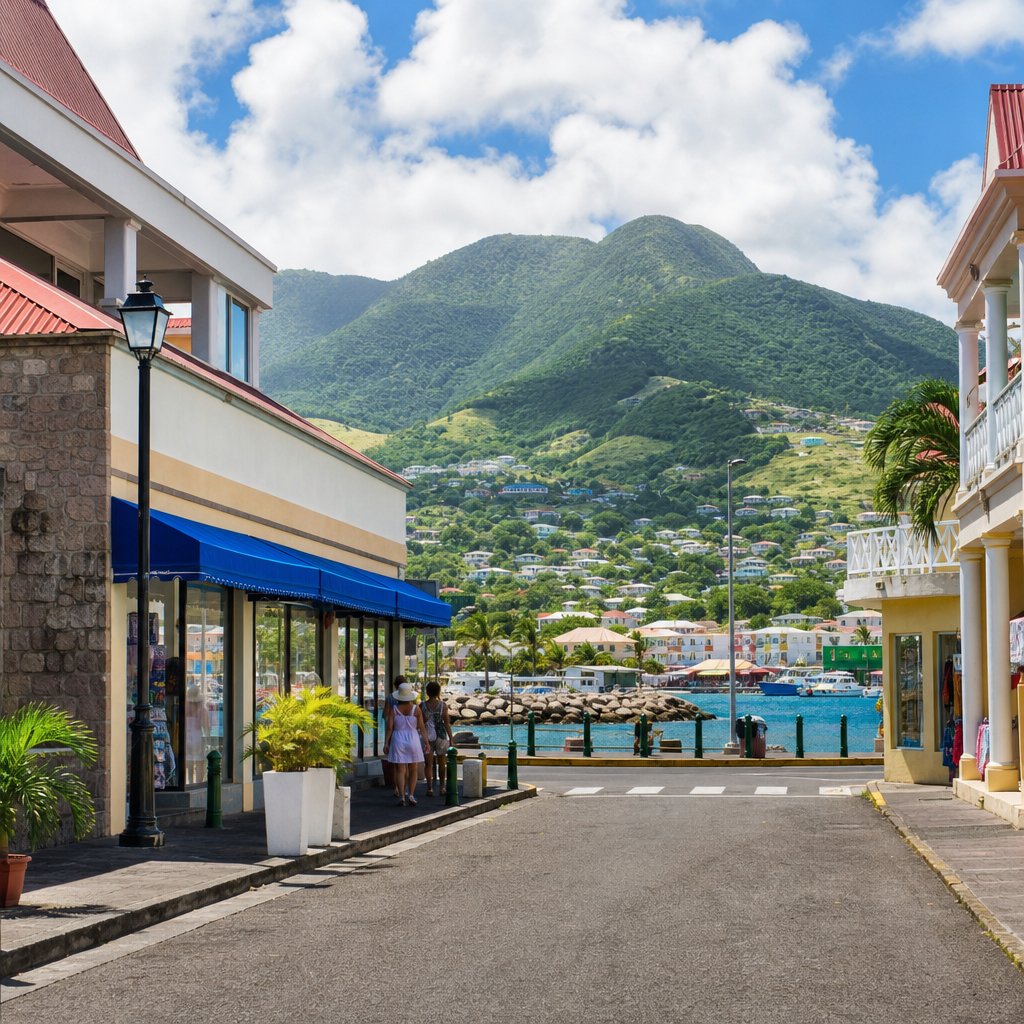
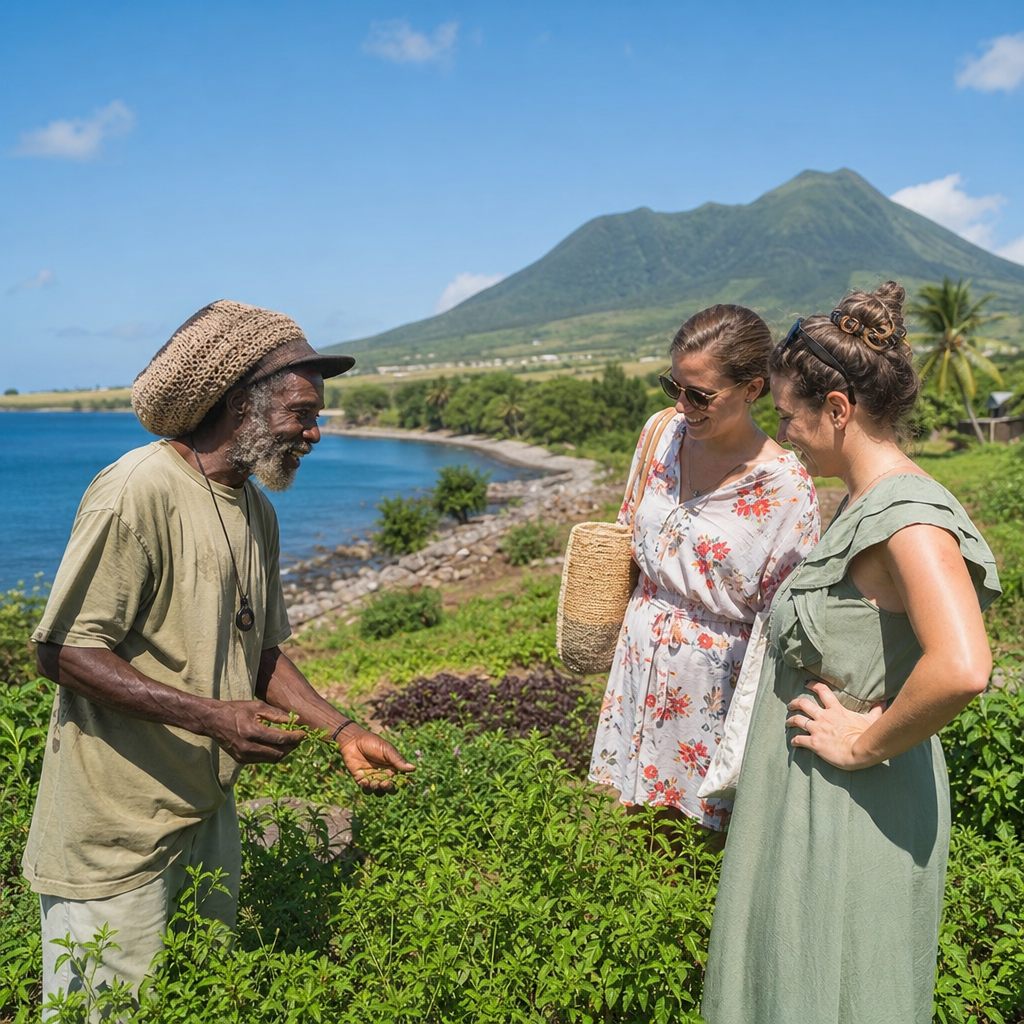
Saint Kitts’ haunted tours reveal a side of the island that most beach brochures ignore: a landscape shaped by colonial ambition, plantation wealth, rebellion, religion, and generations of storytelling. In travel terms, haunted tours are guided experiences built around places associated with ghost sightings, unexplained sounds, tragic events, graveyards, abandoned buildings, and local folklore. On Saint Kitts, those elements are not manufactured for tourists. They are woven into the island’s real history, from former sugar estates and old great houses to churches, fortifications, cemeteries, and coastal roads where residents still swap stories after dark. For travelers interested in adventure and activities beyond catamaran cruises and rainforest hikes, this niche offers something memorable: a way to understand the island through mood, memory, and place.
I have found that spooky tourism works best when it is anchored in facts. Visitors do not need exaggerated jump scares to feel the atmosphere of Saint Kitts. The island, formally Saint Christopher, was one of Britain’s earliest and most important Caribbean colonies. Sugar production reshaped its economy and its land use for centuries, leaving behind estate ruins, mills, worker settlements, and family burial grounds. Layers of conflict between European powers, the enslavement of Africans, epidemics, storms, and social upheaval created exactly the kind of settings from which hauntings enter popular imagination. Whether a story is understood as supernatural truth, cultural memory, or dramatic folklore, it often points to a documented event, a local cautionary tale, or a community’s way of preserving the past.
This matters because haunted tours in Saint Kitts are not merely entertainment. They connect visitors to heritage interpretation, oral history, and nighttime exploration in a manageable format. They also answer a practical travel question many people ask: what can you do on Saint Kitts after sunset that is different from bars, casinos, or hotel dining? A well-run ghost walk, plantation night tour, or folklore-themed excursion gives families, couples, cruise passengers, and independent travelers an alternative evening activity. As a hub for the miscellaneous side of adventure and activities, this guide maps the core themes, likely locations, tour formats, safety considerations, and adjacent experiences that make the island’s spooky side worth exploring.
Why Saint Kitts Has a Haunted Reputation
The strongest haunted destinations usually share three traits: old buildings, difficult history, and persistent storytelling. Saint Kitts has all three. Settled by Europeans in the early seventeenth century, the island became a strategic colonial outpost contested by Britain and France. Over time, sugar estates spread across the landscape, and many plantation houses were built on elevated sites with commanding views, thick stone walls, outbuildings, and nearby cemeteries. Some survive as restored inns or heritage properties; others remain atmospheric ruins. At night, with trade winds moving through shuttered galleries and cane fields long replaced by brush, these sites feel naturally cinematic.
Many ghost stories on the island are tied to the plantation era. Guides commonly reference apparitions in period clothing, footsteps in abandoned rooms, unexplained lights near former estate roads, and voices heard around family burial plots. Even when these tales cannot be verified, they reflect the emotional weight of places shaped by forced labor and social hierarchy. In my experience, the most credible guides do not treat this lightly. They explain who lived there, who worked there, what happened on the estate, and why local residents might describe the site as restless. That context turns a ghost story into a more meaningful encounter with history.
Forts, churches, and old cemeteries also contribute to Saint Kitts’ haunted reputation. Brimstone Hill Fortress National Park, though primarily visited by day, is exactly the kind of monumental military site that inspires after-hours legends: sentry sightings, phantom footsteps along stone corridors, and the feeling of being watched from battlements. Historic churches in Basseterre and nearby settlements carry their own lore, often linked to burials, storms, and colonial families. The island’s reputation, then, is not built on one famous haunting but on a network of stories connected by age, architecture, and memory.
What a Haunted Tour on Saint Kitts Usually Includes
A haunted tour on Saint Kitts typically combines storytelling, local history, short transfers between sites, and guided walks through low-lit outdoor spaces. Some are fully themed ghost tours with lanterns, dramatic narration, and a clear route through historic areas. Others are broader heritage excursions that become spooky after sunset because they visit old plantation inns, ruins, cemeteries, or coastal viewpoints associated with folklore. Most experiences last between ninety minutes and three hours, depending on whether transport, dinner, or drinks are included.
Visitors should expect interpretation rather than paranormal proof. Professional operators usually frame the experience around reported sightings, historical records, and oral traditions. For example, a guide might stop at an old estate and explain that guests and staff have reported cold spots on a staircase, then connect that detail to the documented death of a former owner or to a room used during a yellow fever outbreak. This style is more satisfying than sensationalism because it gives travelers a complete answer to the obvious question: why is this place considered haunted?
Some tours are walkable and center on Basseterre, where Georgian and Victorian influences, churches, old streets, and public squares create a natural stage set. Others are vehicle-based and reach former sugar estates in rural parishes. A few upscale properties may host storytelling evenings, candlelit dinners, or history talks that lean into their ghostly reputation without branding themselves strictly as haunted attractions. If you are searching for a true spooky activity, look for operators that mention folklore, estate history, night walks, cemetery stops, or colonial architecture in their descriptions.
Notable Settings and Stories Across the Island
The most compelling haunted settings in Saint Kitts are former plantation estates. Places such as Rawlins Plantation, Ottley’s Plantation Inn, and other historic properties are often discussed by travelers because they preserve the architecture and atmosphere of the sugar era. Stories differ by property, but recurring themes include figures in white near verandas, movement in rooms believed to be empty, and sensations of presence around old staircases or former service quarters. In practical terms, these locations work well for haunted storytelling because they are authentic heritage sites with visible age, layered ownership histories, and quiet grounds after dark.
Basseterre contributes an urban version of the island’s spooky side. Independence Square, once linked to colonial administration and public life, carries historical gravity that guides can use to discuss punishment, commerce, and changing power structures. Nearby churches and cemeteries add another dimension, especially where weathered tombstones, enclosed churchyards, and old stone walls survive in the center of town. Even without a single universally agreed ghost legend, the district supports a strong night tour because its buildings and monuments concentrate centuries of island history within a compact area.
Rural roads and coastal viewpoints are also part of the folklore map. On many Caribbean islands, stories attach themselves to crossroads, isolated bends, and shoreline paths where travelers report strange lights or sounds. Saint Kitts is no exception. These stories often mix spiritual belief with practical warnings about travel after dark, rough roads, or dangerous weather. That blend is important. Folklore is not always about proving an apparition exists; it can also encode community knowledge and shape how people move through the landscape at night.
| Setting | Why It Feels Haunted | What Visitors Learn |
|---|---|---|
| Plantation estates | Historic houses, burial grounds, tragic labor history, reported apparitions | Sugar economy, estate life, preservation challenges |
| Basseterre heritage zone | Old streets, churches, public squares, colonial-era stories | Urban history, governance, religion, folklore |
| Fortifications | Military architecture, isolation, sentry legends, battle associations | Defense strategy, colonial rivalry, strategic geography |
| Rural roads and coastlines | Dark landscapes, oral traditions, cautionary tales, unexplained lights | Local belief systems, nighttime travel customs, environmental awareness |
How Haunted Tours Fit Into Adventure and Activities
Haunted tours belong in the adventure and activities category because they deliver exploration, not passive sightseeing. The experience asks travelers to move through unfamiliar spaces after dark, pay attention to sensory details, and engage with risk in a controlled way. It is not extreme adventure like diving a wreck or hiking Mount Liamuiga, but it still offers adrenaline through anticipation and atmosphere. For many visitors, especially those traveling as couples or with older children, that is the ideal middle ground: exciting enough to feel different, accessible enough to fit into a standard itinerary.
These tours also pair well with broader Saint Kitts activity planning. A traveler might spend the day on the scenic railway, at South Friars Bay, or exploring Romney Manor and Caribelle Batik, then reserve the evening for a ghost walk or estate tour. Cruise passengers with limited time can use a haunted experience as a themed introduction to island history. Longer-stay visitors can treat it as part of a miscellaneous activity mix that includes food tours, rum tastings, live music nights, and historical excursions. As a sub-pillar hub topic, haunted tours connect naturally to articles on heritage sites, evening entertainment, plantation inns, Basseterre walking routes, and local folklore.
There is another reason they fit well: they encourage conversation. Good adventure activities create stories people retell after the trip. Haunted tours do this especially well because each stop invites debate. Did the group really hear footsteps? Was the guide’s account based on archives or hearsay? Why do ghost legends cluster around certain buildings? Those questions make the activity stick in memory far longer than a generic night out.
Choosing the Right Tour and Preparing Properly
The best Saint Kitts haunted tour for you depends on your interest level and comfort threshold. If you mainly want history, choose a heritage-focused evening tour with ghost elements. If you want atmosphere, look for plantation properties, candlelit walks, or guides known for storytelling. Families should ask about minimum ages, walking distances, and whether the material includes graphic references to violence, enslavement, or death. Serious paranormal enthusiasts should look for small-group experiences where there is time for questions and close observation, rather than large entertainment-driven outings.
Preparation is simple but important. Wear closed shoes with grip because historic properties often have uneven stone, gravel paths, roots, and low lighting. Bring insect repellent, especially in greener inland areas. Carry water, but travel light; you do not want bulky beach gear on a night walk. A phone flashlight is useful, though on some tours guides prefer minimal extra light to preserve atmosphere and safety coordination. If you are staying at a resort, confirm transport arrangements in advance because some rural sites are not practical to reach independently at night.
Finally, approach the experience with respect. Saint Kitts’ spooky sites are often bound up with slavery, family loss, colonial violence, and sacred spaces. The best visitors listen more than they perform. Avoid trespassing at rumored haunted locations outside organized tours, and never treat cemeteries as novelty photo sets. Responsible operators understand this balance well: they make the evening engaging while keeping the island’s history central. If you are planning your miscellaneous Saint Kitts activities, add one haunted tour to the list, then use it as a gateway to deeper reading on the island’s estates, forts, folklore, and cultural heritage.
What You Take Away From Saint Kitts’ Spooky Side
Saint Kitts’ haunted tours are worth doing because they transform the island from a postcard into a layered historical landscape. They answer a practical travel need for unusual evening activities, but their real value is interpretive. Through ghost stories, visitors learn how plantation economies worked, why certain buildings still dominate the countryside, how oral tradition preserves difficult memory, and why atmosphere matters in heritage tourism. Few activities combine history, suspense, architecture, and storytelling as effectively.
The key takeaway is simple: the island’s spooky side is most compelling when understood as both folklore and historical evidence of a complex past. You do not need to believe in ghosts to appreciate the experience. You only need curiosity, respect, and a willingness to see Saint Kitts after dark, when old roads quiet down and estate houses feel close to their earlier centuries. That perspective deepens every other part of the trip, from daytime fort visits to plantation dining and Basseterre walking tours.
If you are building an itinerary under adventure and activities, make room for this miscellaneous hub topic and explore the connected experiences around it. Start with one reputable haunted tour, then follow the stories outward to the estates, churches, forts, and neighborhoods that define Saint Kitts’ haunted reputation. The island will feel richer, stranger, and far more memorable.
Frequently Asked Questions
What makes Saint Kitts’ haunted tours different from typical ghost tours in other destinations?
Saint Kitts’ haunted tours stand out because they are deeply tied to the island’s real history rather than relying on theatrical scares or invented legends. Many of the locations featured on these tours are places where major chapters of Caribbean history unfolded, including plantation-era expansion, colonial conflict, slavery, resistance, religious practice, and family life shaped by hardship and power. As a result, the stories shared on these tours often carry emotional and historical weight. Visitors are not simply hearing about a mysterious shadow in an old building; they are being introduced to landscapes where generations lived, suffered, worked, worshipped, and died.
Another difference is the setting itself. Saint Kitts has an atmosphere that naturally supports storytelling, with old estates, weathered stone ruins, graveyards, former sugar plantations, churches, and remote roads framed by dense vegetation and sea air. These places feel layered, and that sense of age is a major part of the experience. Even for travelers who are skeptical about the supernatural, the tours can be compelling because they reveal a side of the island that is often overshadowed by beaches and resort imagery. In that sense, a haunted tour on Saint Kitts is just as much a cultural and historical experience as it is a paranormal one.
Are Saint Kitts’ haunted tours based on real local legends and history?
Yes, the strongest haunted tours on Saint Kitts are rooted in real local memory, oral tradition, and documented history. The island’s ghost stories do not appear in a vacuum. They are connected to plantation houses, burial grounds, old roads, ruined structures, churches, and former estates that have long been associated with tragedy, unexplained events, or lingering presence. In many cases, guides draw from a blend of recorded historical facts and stories passed down through families and communities. That combination is important because Caribbean storytelling traditions have preserved cultural knowledge in ways that formal archives often have not.
It is also worth understanding that on Saint Kitts, folklore, religion, and history frequently overlap. A story about an apparition, a voice in the night, or a figure seen near an estate may reflect beliefs about the spiritual world, but it may also preserve memory of injustice, death, or social upheaval. Colonialism, enslavement, and rebellion left marks on the island that are still felt today, and haunted narratives sometimes act as a way of acknowledging that past. So while not every tale can be proven in a scientific sense, the best tours treat these accounts respectfully and place them within the island’s broader historical reality rather than presenting them as cheap entertainment.
What kinds of places are usually included on a haunted tour in Saint Kitts?
Haunted tours in Saint Kitts often include sites that naturally carry both historical importance and a strong sense of atmosphere. Plantation estates are among the most common stops, especially those with surviving great houses, sugar mill remains, or abandoned outbuildings. These locations are central because they were once hubs of wealth, labor, punishment, and social hierarchy, which makes them fertile ground for stories of apparitions, strange sounds, and lingering energy. Graveyards and churchyards are also frequently included, particularly older burial sites where weathered headstones and centuries of history create a haunting setting.
Depending on the tour, visitors may also encounter deserted roads, hillside ruins, former colonial buildings, coastal sites linked to conflict, and villages where stories of spirits have circulated for decades. Some guides focus on a few major landmarks, while others emphasize storytelling during drives or walks through broader historic districts. The exact route varies, but the common thread is that these are not random spooky backdrops. They are places embedded in the island’s historical landscape. Their power comes from the fact that they were once active centers of life, and their present silence often makes the stories attached to them feel even more vivid.
Do you need to believe in ghosts to enjoy a haunted tour in Saint Kitts?
Not at all. Many people enjoy haunted tours in Saint Kitts without having any firm belief in ghosts or paranormal activity. These experiences appeal to several types of travelers. Some are drawn to supernatural stories, while others are primarily interested in local history, architecture, folklore, or the mood of exploring old sites after dark. A well-run haunted tour works on all of those levels. It can be entertaining and suspenseful, but it can also be educational, especially when the guide explains how specific places fit into the island’s colonial past and cultural traditions.
In fact, skeptics often find these tours especially rewarding because they offer a different way to engage with Saint Kitts. Rather than presenting the island only as a tropical escape, they reveal how memory lives in place. The “haunted” aspect becomes a lens through which to explore difficult history, community beliefs, and enduring stories that have shaped local identity. Whether you leave convinced that a site is truly haunted or simply impressed by the island’s layered past, the experience can still be memorable. Belief is optional; curiosity is what matters most.
Are haunted tours in Saint Kitts suitable for most visitors, and what should you expect on the experience?
Most haunted tours in Saint Kitts are suitable for a wide range of adult travelers and older children, but the experience depends on the tour operator, the route, and the tone of the storytelling. In general, visitors should expect a guided outing that blends historical interpretation with local legends, eerie anecdotes, and stops at significant sites. Some tours are walking-based and may involve uneven ground, dimly lit paths, old stairways, or cemetery terrain, while others are partly vehicle-based with shorter walks at each location. Comfortable footwear, weather-appropriate clothing, and an openness to being out after dark are usually essential.
Travelers should also expect the emotional tone to be more serious than a novelty ghost attraction. Because Saint Kitts’ haunted narratives are often connected to enslavement, death, colonial violence, and generational trauma, the most meaningful tours do not trivialize the past. Instead, they balance suspense with respect. That makes them appealing to visitors who want something richer than jump scares. If you are traveling with children or anyone sensitive to dark historical themes, it is wise to ask in advance how intense the content is likely to be. For most adults, however, a haunted tour can be a fascinating, atmospheric, and unexpectedly insightful way to experience the island after sunset.