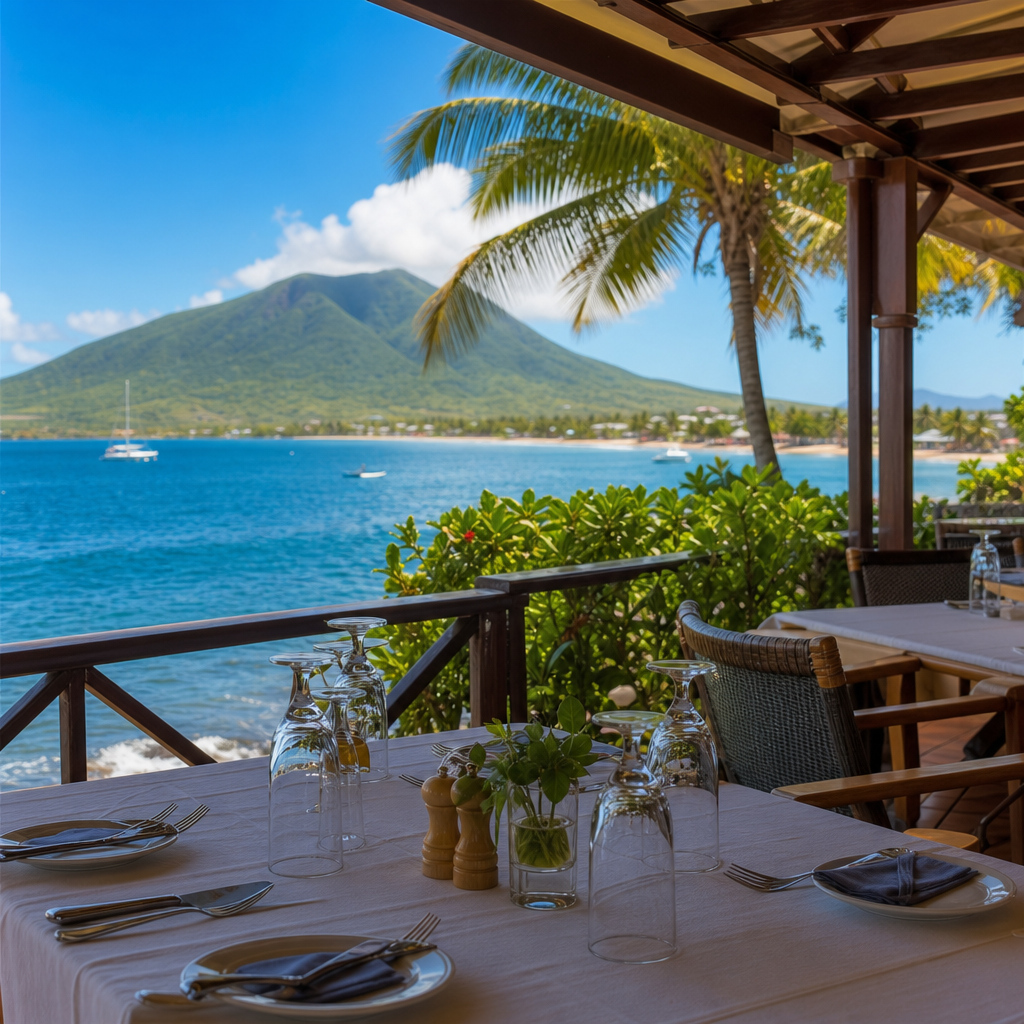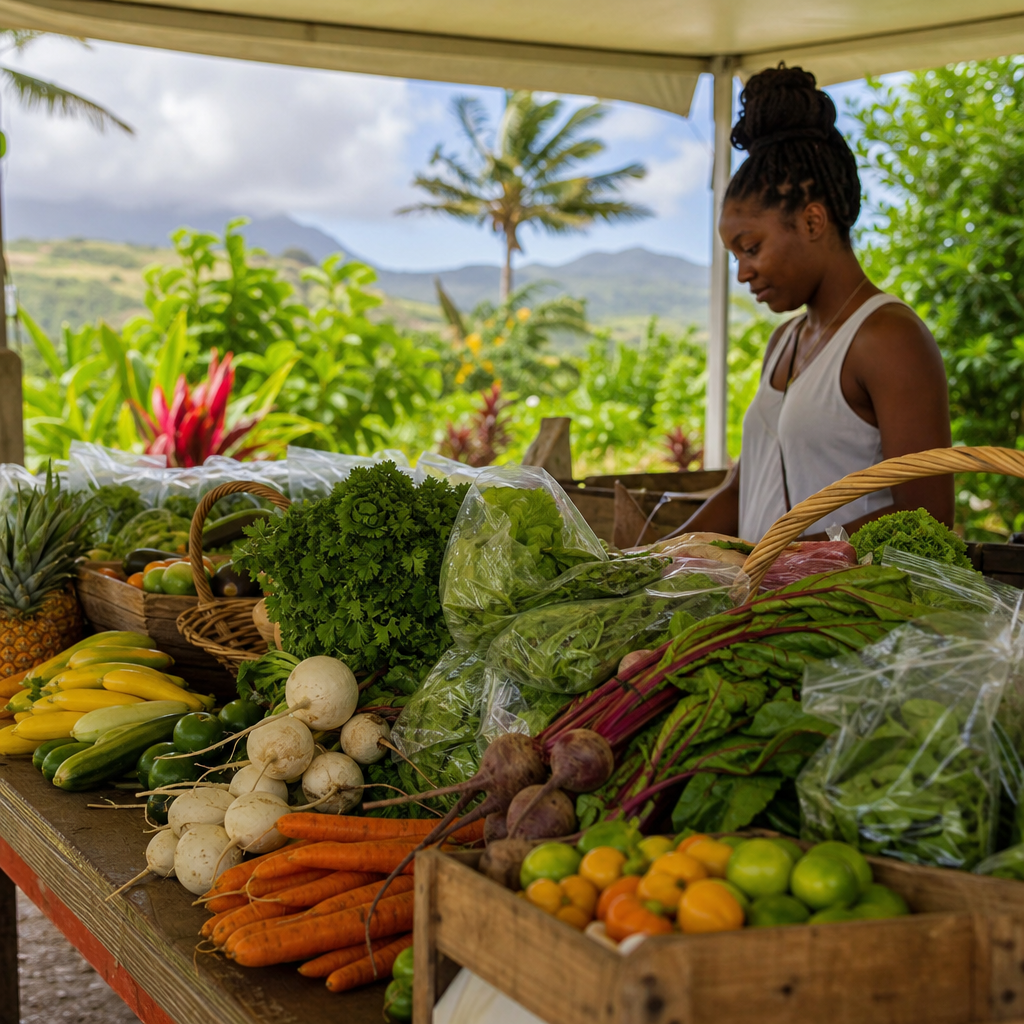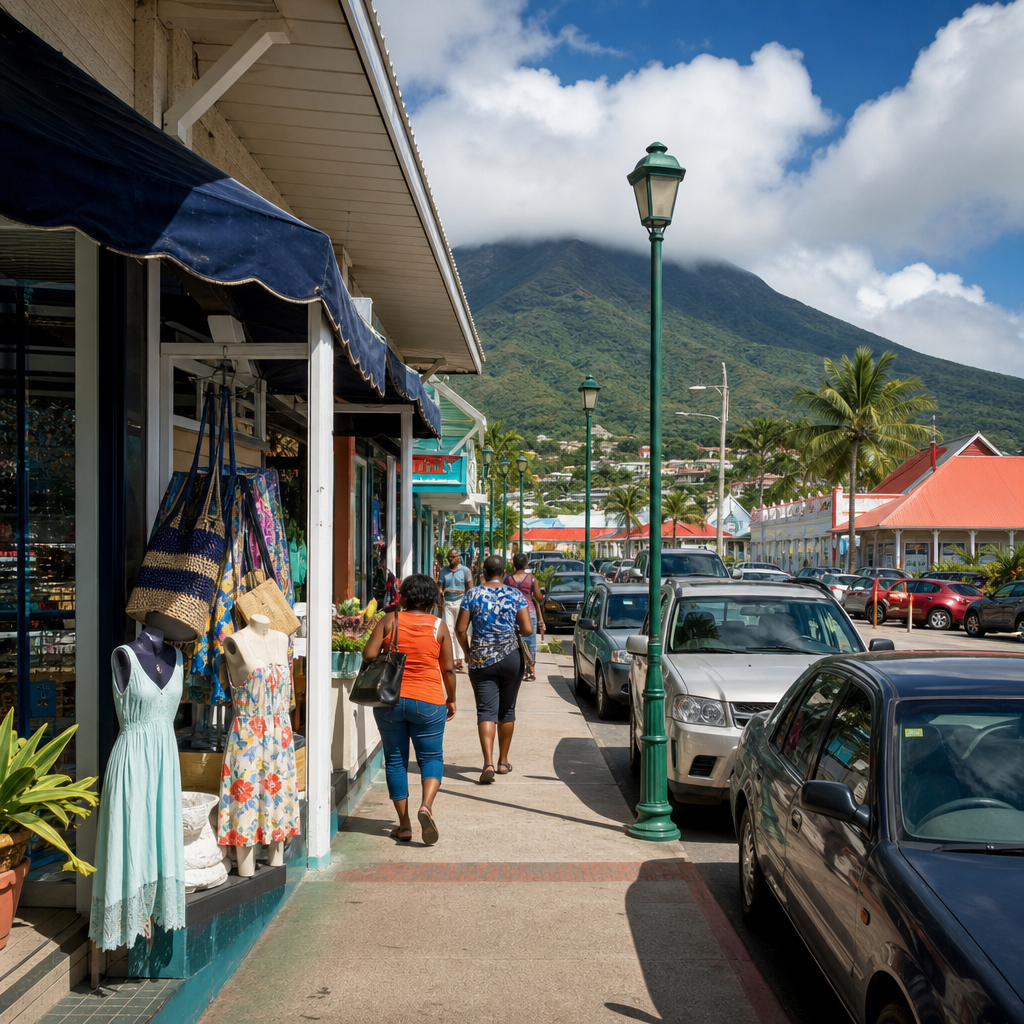
Nevis’ retail market is entering a practical growth phase, giving entrepreneurs, investors, and local operators new ways to expand business frontiers across convenience retail, specialty shopping, tourism-led merchandising, food sales, and service-based storefronts. In this context, retail market means the network of businesses that sell goods directly to consumers, whether through physical shops, market stalls, hotel-adjacent boutiques, pop-ups, delivery models, or blended online and offline channels. On Nevis, that market is shaped by a small resident population, a steady flow of visitors, close community ties, imported inventory, and a business environment linked to the wider Federation of St. Kitts and Nevis. I have worked with island businesses evaluating market entry and assortment strategy, and the same pattern appears repeatedly: success comes from matching scale to demand, respecting logistics constraints, and serving both residents and visitors without confusing the needs of either group. That matters because Nevis is not a mass-market retail destination; it is a focused market where disciplined positioning can outperform sheer size. For anyone exploring business and investment opportunities, this miscellaneous retail hub matters because it connects multiple subtopics at once, from consumer behavior and tourism spending to import planning, local partnerships, payments, staffing, and location strategy.
Market Drivers Shaping Retail Demand in Nevis
Retail demand in Nevis is driven by three forces: local household spending, visitor expenditure, and institutional purchasing linked to hospitality, construction, and community events. Local demand tends to reward reliability, fair pricing, and product consistency. Visitors, especially those staying in villas, hotels, and short-term rentals, spend differently. They often prioritize convenience, premium presentation, giftability, and immediate availability over lowest price. That split creates room for distinct retail formats. A neighborhood minimart may win on staples, while a boutique near tourism zones can succeed with resort wear, artisanal goods, beauty products, and curated food items.
Seasonality also matters. High travel periods can sharply increase sales of beachwear, sunscreen, beverages, locally branded souvenirs, and prepared foods. Slower periods favor businesses with stronger resident relevance, such as pharmacies, hardware-related retail, household goods, school supplies, and affordable apparel basics. Weather events and shipping schedules can temporarily distort availability, so retailers that plan inventory around lead times and reorder points are better protected. In my experience, the businesses that perform best on islands rarely chase every customer segment. They choose a core demand base, then layer complementary categories around it.
Consumer trust is another major driver. On a small island, reputation moves faster than advertising. Customers remember stockouts, poor service, inconsistent hours, and weak after-sales support. They also reward stores that communicate clearly, honor prices, and maintain dependable stock. This is why even modest retailers can build strong market share if they solve everyday problems consistently.
Most Promising Retail Segments for Expansion
Several retail segments stand out in Nevis because they align with actual demand patterns rather than abstract trends. Food and beverage retail remains foundational. This includes specialty groceries, fresh produce distribution, bakery concepts, gourmet takeaway, frozen foods, and convenience-led formats for both residents and tourists. Health and personal care is another durable category, especially where operators combine over-the-counter essentials, beauty items, wellness products, and professional advice. Apparel can work, but only with sharp curation. Generic fashion often struggles in small markets; focused niches such as resort wear, uniforms, children’s basics, or locally inspired premium pieces perform better.
Home and lifestyle retail has room as housing, villa rentals, and property upgrades continue to influence purchasing. This category can include linens, décor, kitchenware, cleaning products, storage solutions, and light furnishings. Gift and souvenir retail remains important, but it should move beyond commodity keychains. Stores that tell a story through Nevisian craft, food products, books, skincare, or design-led souvenirs usually achieve better margins. Electronics and accessories can also perform if the assortment reflects actual island needs such as chargers, adapters, phone protection, portable power, and practical small appliances.
Service-linked retail deserves special attention. Salons that retail haircare, fitness studios that sell wellness products, pharmacies with curated health goods, and tour operators with branded merchandise often generate higher revenue per customer than standalone sales alone. In a market like Nevis, hybrid models are not a compromise; they are often the smartest route to profitability.
Location Strategy, Store Formats, and Customer Reach
Where a retail business operates in Nevis often matters as much as what it sells. High-visibility areas benefit visitor-oriented concepts, but rent and customer expectations may rise with the location. Community-centered sites can be better for recurring local traffic, particularly for groceries, household goods, and essential services. A retailer should evaluate foot traffic, vehicle access, parking convenience, nearby complementary businesses, and whether the area serves residents, tourists, or both. A beautiful shop in the wrong micro-location can underperform for years.
Store format should follow demand density. Small-format convenience retail works where speed, proximity, and daily needs dominate. Boutiques suit destination shopping and higher-margin categories. Kiosk, pop-up, and event-based formats can test products before a full lease commitment. Delivery-supported retail can extend reach for food, household goods, pharmacy-adjacent items, and gift baskets. Many operators now need a lightweight digital layer, even if e-commerce volume stays modest. A searchable catalog, WhatsApp ordering, clear business hours, and card payment options can lift conversions materially.
| Retail format | Best use in Nevis | Main advantage | Key risk |
|---|---|---|---|
| Neighborhood store | Staples, convenience goods, repeat local purchases | Frequent customer visits | Margin pressure on everyday items |
| Boutique shop | Resort wear, gifts, premium specialty products | Higher average transaction value | Seasonal dependence on visitor traffic |
| Pop-up or market stall | Testing products, events, artisanal sales | Low entry cost | Inconsistent sales volume |
| Hybrid retail plus delivery | Food, pharmacy-adjacent goods, household items | Convenience and wider geographic reach | Operational complexity |
For expanding business frontiers, the most effective reach strategy is usually omnichannel in a simple, local sense: physical presence supported by messaging, reservations, repeat-order systems, and customer reminders. It does not require a complex marketplace build. It requires reducing friction in how people discover, ask, order, pay, and return.
Supply Chain, Imports, and Inventory Discipline
Retail in Nevis is inseparable from logistics. Most businesses depend significantly on imported goods, which means shipping lead times, customs procedures, freight costs, foreign exchange exposure, and minimum order quantities directly shape margins. This is where many first-time operators underestimate the market. A product that looks profitable on paper can become marginal once freight, duties, breakage, shrinkage, and slow-moving stock are included.
Good retailers on islands treat inventory as working capital, not decoration. They track stock turn, gross margin return on inventory investment, dead stock percentage, and reorder timing. Fast sellers should be protected from outages, while slower premium items need disciplined buy quantities. Perishable categories demand especially strong handling. Cold chain integrity, storage conditions, expiration controls, and supplier reliability are non-negotiable. When those systems fail, losses accumulate quietly.
Local sourcing can improve resilience and differentiation. Nevisian crafts, locally made food products, baked goods, natural skincare, and agricultural outputs can reduce some import dependence while strengthening authenticity. However, local sourcing still requires quality standards, packaging consistency, and dependable replenishment. Customers will support local products, but not indefinitely if presentation and availability are weak.
Retailers should also diversify suppliers where practical. Overdependence on one overseas source raises risk during port delays, hurricanes, or global disruptions. A resilient assortment usually balances imported anchor brands with regional or local alternatives.
Pricing, Regulation, and Operating Realities
Pricing strategy in Nevis must reflect both affordability and island cost structures. Customers are price aware, but they also understand that freight and import costs affect shelf prices. The winning approach is not simply to be cheapest. It is to be transparent, consistent, and clearly better on value. Value may come from product quality, convenience, packaging, trusted brands, or customer service. For tourists, value often means time saved and confidence in the purchase. For residents, it often means reliability over repeated visits.
Business owners should also understand licensing, tax compliance, customs processes, employment obligations, commercial leasing terms, and sector-specific rules that may apply to food handling, health products, cosmetics, or alcohol sales. The legal and administrative environment should be reviewed early, not after a lease is signed or inventory is ordered. Payment infrastructure deserves equal attention. Card acceptance, bank relationships, cash handling protocols, and digital payment options influence customer conversion more than many owners expect.
Staffing is another operational reality. In small markets, sales associates often perform multiple roles: customer service, merchandising, receiving, stock counts, and basic marketing support. Training matters because poor product knowledge can suppress sales, while strong service can create repeat business quickly. A retailer that trains staff to explain differences between products, recommend alternatives during stockouts, and handle complaints professionally gains a durable advantage.
How Investors and Entrepreneurs Can Enter Successfully
The best entry path depends on budget, category, and risk tolerance, but certain principles apply across the board. Start with demand mapping. Identify who will buy, how often, at what price, and from which competing outlets. Then test the assortment before overcommitting to floor space or inventory. Pop-ups, seasonal pilots, hotel partnerships, market days, and limited category launches are valuable because they reveal purchasing behavior in real conditions. In my work, these tests often expose crucial details, such as whether buyers want premium imported brands, more affordable substitutes, smaller pack sizes, or bundled offers.
Partnerships can lower risk materially. Local distributors, property owners, tourism operators, event organizers, and established merchants provide market intelligence that spreadsheets cannot. A new entrant may benefit from shop-in-shop arrangements, consignment structures for selected local products, or supply agreements with hospitality businesses. These models help smooth demand and build brand visibility before a full retail rollout.
Financial planning should be conservative. Allow for delays in fit-out, customs clearance, and demand ramp-up. Build margins with real landed costs, not estimated supplier prices. Measure weekly sales by category, average basket size, conversion rate where trackable, and inventory aging. If a concept is working, expansion should be deliberate: second location, broader category depth, private-label products, or stronger digital ordering. Expanding business frontiers in Nevis is not about growing fastest. It is about growing in a way the market can sustain.
Nevis’ retail market offers meaningful opportunity because it rewards businesses that are disciplined, locally aware, and operationally strong. The core lesson is straightforward: this is a market where right-sized concepts beat oversized ambitions. Retailers that understand resident demand, visitor behavior, import logistics, pricing realities, and service expectations can build resilient businesses across food, health, apparel, home goods, gifts, and hybrid service models. As a miscellaneous hub within business and investment opportunities, this topic connects to broader decisions about tourism, real estate, entrepreneurship, trade, and community development. It also points naturally to deeper articles on grocery retail, boutique strategy, import planning, payments, local sourcing, and customer experience. If you are evaluating Nevis as a place to launch, invest, or expand, begin with a grounded market assessment, test demand in a focused category, and build from verified traction rather than assumptions. That approach gives you the clearest path to expanding business frontiers in Nevis’ retail market.
Frequently Asked Questions
1. What is driving growth in Nevis’ retail market right now?
Nevis’ retail market is expanding because several practical demand sources are strengthening at the same time. Tourism remains a major influence, but the current growth phase is not limited to visitor spending alone. Local consumer demand, residential activity, hospitality-linked retail, convenience purchasing, and service-oriented storefronts are all contributing to a broader and more resilient retail environment. That matters because a market supported by multiple customer groups is generally more stable than one dependent on a single seasonal segment.
Another important driver is the diversification of retail formats. In Nevis, retail is not only about traditional brick-and-mortar shops. It also includes market stalls, hotel-adjacent boutiques, specialty stores, food counters, delivery-based retail, temporary pop-ups, and blended online-offline selling models. This flexibility lowers barriers to entry for smaller operators and allows businesses to test demand without immediately committing to a large footprint. For entrepreneurs and investors, that creates more ways to enter the market, refine an offer, and scale according to real buying patterns.
Consumer preferences are also shifting in ways that support retail innovation. Shoppers increasingly value convenience, curated products, local identity, and personalized service. In a place like Nevis, that opens room for neighborhood convenience stores, high-quality specialty retail, locally branded goods, prepared foods, wellness products, and service-led retail concepts that combine merchandise with expertise or hospitality. Growth is therefore being shaped not just by more spending, but by smarter retail positioning.
Finally, retail growth in Nevis is being supported by the island’s natural fit for relationship-based commerce. Businesses that understand local routines, visitor expectations, and community trust can build repeat demand more effectively than in markets where transactions are purely volume-driven. That gives well-run retailers a meaningful advantage and helps explain why Nevis is being seen as a place where business frontiers can expand in practical, sustainable ways.
2. Which retail segments offer the strongest opportunities for entrepreneurs and investors in Nevis?
Some of the strongest opportunities in Nevis are found in retail segments that combine everyday demand with clear customer convenience. Convenience retail is one of the most attractive categories because it serves both residents and visitors. Stores that offer essential groceries, beverages, snacks, household basics, personal care items, and quick-purchase needs can perform well when they are located near residential areas, transport routes, tourism zones, or mixed-use commercial clusters. Convenience-led formats often benefit from frequent repeat visits, making them valuable for operators focused on steady cash flow.
Specialty shopping is another promising area, particularly when the concept is well differentiated. This can include locally made products, resort-oriented fashion and accessories, beauty and wellness goods, premium foods, artisanal items, home décor, gift retail, and culturally distinctive merchandise. In Nevis, specialty retail performs best when it avoids generic inventory and instead offers strong product identity, quality, and relevance to either the local lifestyle or the visitor experience. Investors often find this segment appealing because margins can be stronger when products are curated and branded effectively.
Tourism-led merchandising also presents substantial opportunity. Hotel-adjacent boutiques, curated gift shops, excursion-related sales points, beach and leisure retail, and pop-up concepts tied to events or visitor traffic can all benefit from destination spending. The key is to avoid treating tourist retail as an afterthought. The most successful operators design merchandise around traveler behavior, portability, quality expectations, and the desire for meaningful purchases rather than disposable souvenirs.
Food sales and service-based storefronts are equally important. Prepared food outlets, specialty grocery formats, bakeries, takeaway concepts, beverage bars, and hybrid retail-service businesses can capture demand from multiple customer groups throughout the day. Service-oriented retail, such as beauty, wellness, mobile accessories, repair services, shipping support, and lifestyle services with product sales attached, can be especially effective because it creates more frequent customer touchpoints. Overall, the strongest opportunities in Nevis tend to be the ones that solve daily needs, reflect local context, and maintain enough flexibility to serve both resident and visitor demand.
3. How can a new retail business succeed in Nevis’ evolving market?
Success in Nevis starts with understanding that the market rewards relevance more than scale. A new business does not necessarily need a large storefront or a broad inventory to perform well. It needs a clear target customer, the right product mix, strong service standards, and a practical operating model. Entrepreneurs who succeed usually begin by identifying a specific demand gap, such as faster convenience access, better curated specialty products, improved food options, or a more reliable service-based retail experience. That clarity helps control startup costs and improves marketing effectiveness from day one.
Location strategy is also critical, but it should be defined carefully. In Nevis, a strong location is not simply the busiest one. It is the location where the intended customer can buy with the least friction. For some retailers, that means being close to residential communities. For others, it means visibility near hotels, transport points, mixed commercial districts, or areas with recurring foot traffic. In certain cases, a smaller physical site supported by delivery, pre-orders, or social media selling may outperform a larger traditional setup. The best operators choose location based on buying behavior, not assumptions.
Product selection should be disciplined and data-informed. New retailers often make the mistake of carrying too many items too early. In a growing but still relationship-driven market, it is usually better to begin with a focused assortment, track what moves consistently, and expand based on actual customer feedback. Businesses should pay close attention to price sensitivity, purchase frequency, sourcing reliability, and inventory turnover. In Nevis, efficient stock management can be just as important as marketing because profitability depends on keeping popular items available while limiting slow-moving inventory.
Customer experience is another major differentiator. Nevis offers a business environment where service quality, trust, and reputation matter greatly. Friendly interactions, reliable opening hours, product consistency, and responsive communication can build loyalty faster than paid promotion alone. Retailers that combine personal service with convenience, such as reservations, delivery, click-and-collect, or tailored recommendations, often create a durable advantage. In practical terms, success comes from operating with local awareness, financial discipline, and the flexibility to adjust quickly as demand patterns become clearer.
4. What role do tourism and local demand play in shaping retail strategy in Nevis?
Tourism and local demand both play important roles, but the most effective retail strategies in Nevis do not rely too heavily on one at the expense of the other. Tourism can generate high-value sales, especially in categories like gifts, fashion, food, leisure products, wellness items, and hotel-adjacent retail. Visitors are often willing to spend for convenience, quality, and memorable products, which can improve margins. However, tourism demand may fluctuate by season, travel patterns, events, and occupancy levels. That means businesses built only around visitor traffic can be vulnerable if they do not diversify their customer base.
Local demand provides the consistency that helps smooth those fluctuations. Residents support everyday retail categories such as groceries, prepared foods, household essentials, beauty and personal care, mobile and tech accessories, routine services, and convenience-led purchasing. Local customers also create recurring revenue, and that repeat business is essential for operational stability. In many cases, a retailer that earns community trust can build a stronger long-term foundation than one focused only on peak tourist periods.
The most effective strategy is usually a hybrid approach. For example, a food retailer may serve residents during weekday routines while also capturing visitor demand through premium items, takeaway offerings, or destination-oriented packaging. A boutique may stock distinctive local goods that appeal to tourists while also carrying practical lifestyle products for residents. A convenience retailer can balance staple items with higher-margin impulse products suited to hotel guests or short-stay buyers. This dual-market thinking increases resilience and allows a business to adapt its merchandising calendar throughout the year.
Retailers should therefore study not just who buys, but when, why, and in what context they buy. Tourism shapes product presentation, branding, and peak sales opportunities. Local demand shapes repeat visits, inventory planning, and service expectations. In Nevis, strong retail strategy comes from aligning both demand streams into one coherent operating model, rather than treating them as separate businesses.
5. How important are flexible retail models such as pop-ups, delivery, and blended online-offline selling in Nevis?
Flexible retail models are increasingly important in Nevis because they allow businesses to match market realities more efficiently. Not every successful retail concept needs to begin with a fully built-out storefront. Pop-ups, event-based selling, delivery-led retail, social commerce, and blended online-offline models give entrepreneurs a practical way to test products, build visibility, and reach customers where they are. In an evolving retail environment, that flexibility reduces risk and can accelerate learning about customer preferences, pricing, and demand timing.
Pop-ups are particularly useful for seasonal opportunities, tourism-led merchandising, product launches, and concept validation. They allow a retailer to participate in high-traffic moments without committing immediately to long-term overhead. This is especially valuable in Nevis, where certain locations or customer clusters may perform very differently depending on visitor flow, local events, and neighborhood activity. A well-run pop-up can serve as both a sales channel and a live market research tool.
Delivery and pre-order models are also highly relevant. Convenience, food