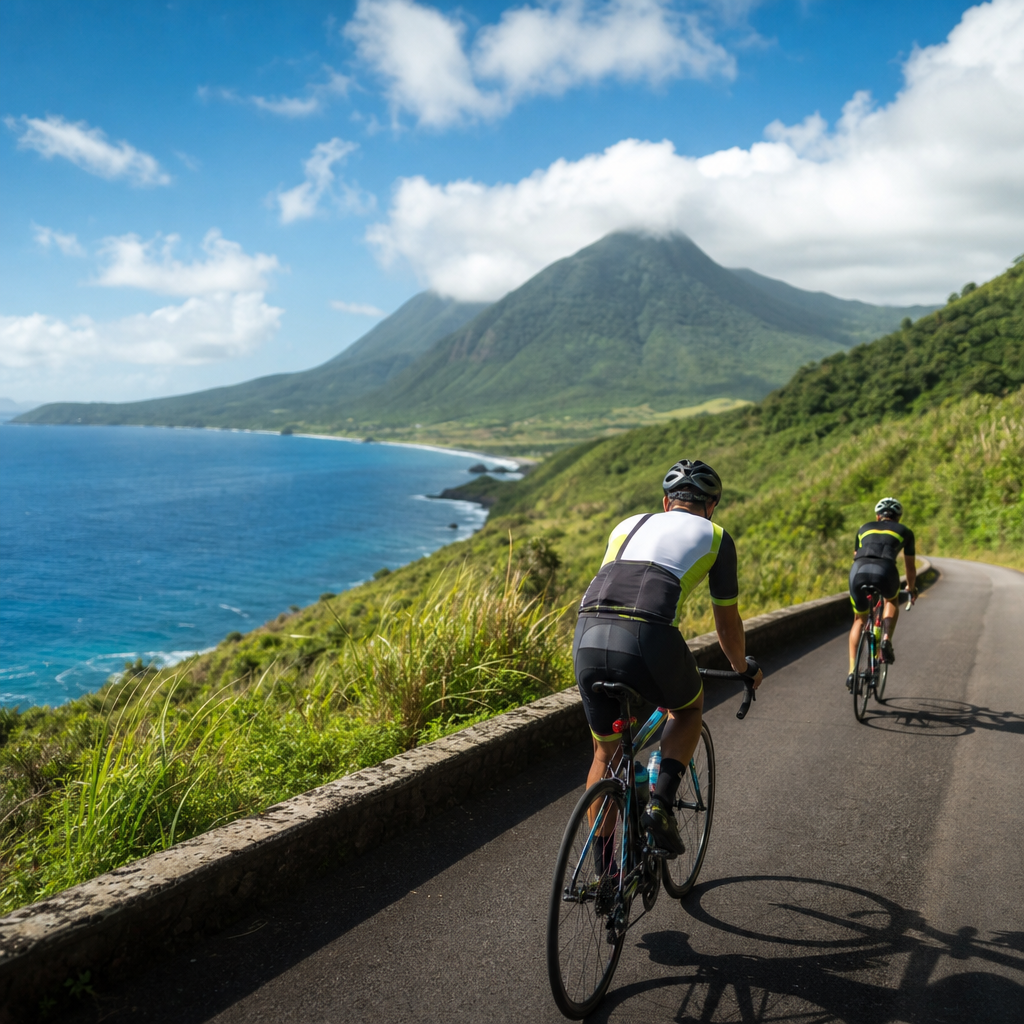
Saint Kitts’ cycling routes for fitness enthusiasts combine tropical scenery, serious climbing, and year-round riding conditions that make the island far more than a casual vacation destination. For riders focused on endurance, interval training, recovery miles, or cross-training during a wellness-focused trip, Saint Kitts offers a compact but varied road network with coastal flats, rolling interior roads, and steep volcanic ascents. In practical terms, that means you can build a structured cycling plan without spending hours in transit between routes. I have found that this is the island’s biggest advantage for active travelers: a sunrise spin, a hard hill session, and a relaxed beach recovery can all fit into one day. As a hub within a broader health and wellness journey, cycling in Saint Kitts also connects naturally with nutrition, sleep, hiking, swimming, and stress reduction. Understanding the terrain, climate, road conditions, and route options helps riders train safely and get more from every session.
For fitness enthusiasts, “cycling routes” in Saint Kitts usually refers to paved public roads rather than extensive dedicated bike lanes or purpose-built cycling parks. “Fitness enthusiasts” covers a wide range of riders, from travelers renting hybrid bikes for cardio workouts to experienced road cyclists using power meters and heart rate zones. The island itself is relatively small, but its topography is not simple. The central mountain mass creates sustained gradients, while the coastline delivers exposed sections where heat, humidity, and crosswinds affect pace and hydration needs. That matters because training load on Saint Kitts can feel harder than the same distance in a cooler climate. A 30-kilometer ride may produce the cardiovascular demand of a longer session elsewhere, especially when climbing is involved.
This topic matters because many travelers underestimate Caribbean riding. They picture leisurely beach roads and flat resort loops, then arrive to find broken shoulders, short punchy climbs, and strong midday sun. Saint Kitts rewards preparation. Riders who understand the island can use it for base miles, threshold work, hill repeats, and active recovery; riders who do not plan can end up dehydrated, stranded, or sharing narrow roads at the wrong time of day. A strong cycling hub article therefore needs to answer the practical questions people actually have: where should you ride, how difficult are the routes, what equipment works best, when should you go, and how can cycling support broader health goals? Those answers are what turn a scenic island into a usable training environment.
What Makes Saint Kitts Good for Fitness Cycling
Saint Kitts is well suited to fitness cycling because it condenses meaningful terrain into manageable distances. The full island road circuit is roughly 48 to 50 kilometers depending on start point and minor detours, which gives riders an accessible benchmark loop. On one ride, you can move from Basseterre’s busier urban roads to quieter Atlantic-facing stretches, pass agricultural areas, and encounter rolling elevations that challenge cadence and pacing. For riders following structured training, that variety allows efficient session design. A coach might prescribe a 90-minute aerobic ride with three tempo blocks; on Saint Kitts, that can be done without repeating the same urban loop endlessly.
The island also supports wellness-minded travel because cycling pairs well with complementary activities. A harder road session can be balanced with low-impact swimming at South Friars Bay, mobility work at a hotel gym, or a lighter walk through the rainforest foothills the next day. In my experience, travelers often perform better when they stop treating cycling as a standalone activity and start seeing it as part of a complete recovery system. Saint Kitts encourages that approach. Fresh fruit is widely available, seafood is common, and many accommodations are close enough to the main roads to make early starts realistic. You do not need elaborate logistics to stay active consistently.
Another advantage is motivation. Scenic riding is not just aesthetically pleasing; it helps adherence. Fitness plans fail when workouts become inconvenient or monotonous. On Saint Kitts, route views include volcanic slopes, sugar estate landscapes, fishing villages, and open sea. That novelty makes it easier for casual and intermediate riders to stay engaged. The tradeoff is infrastructure. This is not a destination with extensive painted bike lanes, smooth shoulders everywhere, or abundant on-road repair stations. Riders must be self-sufficient and comfortable sharing space with cars, minibuses, and occasional road imperfections. For many dedicated cyclists, that is manageable, but it is an important distinction.
Best Cycling Routes on the Island
The most useful route for visiting cyclists is the island loop. Starting in or near Basseterre, riders commonly head west toward Old Road Town and continue around the coast before reconnecting through the northeast and returning south. This route gives a broad overview of Saint Kitts’ terrain and culture. The western and northern sections typically feel more scenic and less congested than roads closer to town, though conditions vary. Because the loop is moderate in length but not uniformly flat, it suits intermediate cyclists seeking a solid cardio session. Stronger riders can turn it into a tempo workout, while beginners can shorten it by riding out-and-back segments rather than committing to the full circuit.
For hill-focused training, the climb toward areas near the rainforest and the roads rising inland from the coast provide the biggest stimulus. While Saint Kitts does not have endless alpine passes, it does have steep gradients that quickly elevate heart rate. A short climb repeated five or six times can deliver an excellent VO2 max or muscular endurance workout. Riders preparing for triathlons, gran fondos, or hilly charity rides benefit from these inland efforts because they demand gear management, seated power, and heat tolerance all at once. If you normally train on flat roads, these segments expose weaknesses fast, which is exactly why they are valuable.
Another practical option is the coastal ride between Basseterre and the southeast peninsula. This area often appeals to visitors staying near Frigate Bay or resort properties. The road can provide a smoother, more controlled workout window, especially early in the morning before traffic builds. Riders looking for steady-state endurance often prefer this corridor because it offers stretches where effort can remain consistent. Wind can be a factor, however. On some mornings, a rider may enjoy a relatively easy outbound leg and face a demanding headwind on the return. That is not a flaw in the route; it is a useful training variable if anticipated correctly.
| Route | Best For | Typical Challenge | Why It Works for Fitness |
|---|---|---|---|
| Island Loop | Endurance, tempo, sightseeing | Rolling terrain, changing road surfaces | Delivers a complete aerobic ride with varied effort zones |
| Inland Climbs | Hill repeats, threshold work | Steep grades, heat buildup | Builds climbing strength and cardiovascular capacity quickly |
| Southeast Peninsula Road | Steady-state cardio, recovery pace | Wind exposure, occasional traffic | Supports controlled pacing and repeatable training blocks |
| Basseterre Out-and-Back Segments | Short workouts, beginner rides | Urban traffic, intersections | Easy to customize when time or experience is limited |
Shorter out-and-back rides around Basseterre are often overlooked, but they are useful for travelers with limited time or uncertain weather. If you have 45 to 60 minutes before breakfast, a simple controlled route can be better than a more ambitious plan requiring navigation and support. These sessions are ideal for recovery spins, cadence drills, or testing rental equipment. They are also sensible if you are acclimatizing after a flight and want to gauge how your body responds to heat and humidity before attempting a longer route.
Route Difficulty, Climate, and Safety Considerations
Difficulty in Saint Kitts is driven less by raw distance and more by compound stress. Heat, humidity, road texture, and elevation changes stack together. A rider who comfortably averages 28 kilometers per hour at home may find that pace unrealistic here, particularly after 9 a.m. The safest and most productive strategy is to ride early. Sunrise starts reduce heat load, lower traffic exposure, and improve the overall quality of training. By late morning, the combination of direct sun and warm pavement can make even moderate efforts physiologically expensive. Hydration should be planned before the ride, not improvised during it.
Road safety deserves direct discussion. Saint Kitts has roads that are rideable and scenic, but cyclists should not expect the protected infrastructure found in major cycling cities. Helmets are essential. Front and rear lights are smart even in daylight, especially during dawn rides. Bright clothing helps because sections of road are narrow and drivers may not expect cyclists around bends. Riders should also carry a flat kit, pump or CO2 inflator, ID, and enough water to bridge gaps between stops. Convenience stores and roadside shops exist, but they are not evenly spaced in a way that supports poor planning.
Traffic patterns matter. Basseterre and areas near cruise activity or school commuting hours can feel busier, while some coastal sections are calmer. The best approach is to ask local bike rental operators, hotel staff familiar with active guests, or cycling guides about current road conditions. Construction, weather damage, and event traffic can change the feel of a route. I always recommend treating the first ride as reconnaissance: stay conservative, note rough patches, observe driver behavior, and identify water refill points. After that, more focused training becomes easier and safer.
Weather seasonality is another factor. Saint Kitts is warm year-round, but rainfall patterns and hurricane season can influence road debris, shoulder conditions, and ride timing. Wet roads combined with tropical oils and dust can reduce traction. Descents that look straightforward in dry conditions may become slippery after rain, especially on painted lines or patched sections. None of this makes riding impractical; it simply means judgment matters more than aggressive speed targets. Fitness improves through consistent quality work, not by forcing race intensity on unfamiliar roads.
Choosing the Right Bike, Gear, and Support
The best bike for Saint Kitts depends on your goals, but for most fitness-oriented visitors, a road bike with compact gearing or a versatile hybrid is the practical choice. A standard 50/34 crankset paired with an 11-30 or 11-32 cassette gives most riders enough range for the island’s steeper inland sections. Strong cyclists can use tighter gearing, but there is little benefit in overgearing a route where heat already elevates strain. Tire choice also matters. Slightly wider tires, such as 28 mm or even 30 mm where frame clearance allows, improve comfort and control on imperfect surfaces without causing a meaningful speed penalty for typical training rides.
If you are renting, inspect the bike carefully. Check brake response, tire wear, shifting precision, saddle height adjustment, and whether the repair kit is complete. Many visiting riders focus only on frame size and overlook mechanical details that affect both safety and workout quality. A poorly indexed drivetrain can ruin hill intervals; soft brakes can make unfamiliar descents stressful. Riders traveling with their own pedals, saddle, or GPS computer should bring them. Familiar contact points and data tracking improve comfort and make it easier to compare sessions accurately.
Support planning is equally important. Bring electrolyte tablets or drink mix, not just water. In tropical riding, sodium losses can be high, and replacing only fluid may leave you fatigued or cramp-prone. A basic ride setup should include two bottles for any session over an hour, sunscreen, sunglasses, and a small amount of carbohydrate such as bananas, bars, or chews. Even on shorter routes, it is wise to carry cash or a card. Mobile phone coverage is generally useful near populated areas, but battery drain from heat and navigation apps can be faster than expected, so start charged.
How Cycling in Saint Kitts Fits Into a Health and Wellness Plan
As a health and wellness hub topic, cycling in Saint Kitts should be viewed as one part of a broader routine rather than an isolated workout. The island is especially effective for active travelers who want cardiovascular training without disconnecting from recovery, nutrition, and mental reset. A well-designed week might include two harder rides, one long aerobic island loop, one swim-based recovery session, and one flexibility or strength workout. This kind of structure works because the environment encourages movement while still offering restorative elements such as beaches, spa facilities, and quiet outdoor spaces.
Cycling also supports metabolic health, weight management, and stress control when approached consistently. Moderate to vigorous riding improves cardiorespiratory fitness, insulin sensitivity, and mood regulation. For travelers who spend much of the year in offices or under high stress, morning rides can reset sleep timing and reduce the mental drag that often follows long flights. There is also a practical adherence benefit: cycling lets you cover meaningful ground and experience the island while training, so exercise does not feel like time taken away from travel. That integration is one reason active vacations tend to be more sustainable than purely sedentary trips.
Recovery still matters. Saint Kitts’ climate can tempt visitors to do too much, especially if they are combining cycling with hiking, snorkeling, or nightlife. Fitness gains happen when workload and recovery are balanced. Aim for protein intake after harder rides, consistent hydration through the day, and enough sleep to adapt to training stress. If your resting heart rate is elevated, your legs feel unusually heavy, or your pace collapses at normal effort, treat that as useful feedback. Back off, shorten the route, and prioritize recovery. The island will still be there tomorrow.
Saint Kitts gives fitness enthusiasts a rare combination of compact geography, scenic roads, and training variety that makes cycling both practical and rewarding. The island loop builds endurance, inland climbs develop strength and threshold capacity, and coastal roads offer accessible sessions for travelers staying near resort areas. Success, however, depends on respecting the local realities: tropical heat, variable road surfaces, limited cycling infrastructure, and the need for self-sufficiency. Riders who prepare well can turn these conditions into advantages, using them to sharpen pacing, hydration habits, and overall resilience.
The biggest benefit of cycling in Saint Kitts is not just calorie burn or sightseeing. It is the way riding can anchor a complete health and wellness experience. A smart plan links training with recovery, nutrition, sleep, and other low-impact activities, producing a trip that feels energizing rather than exhausting. Whether you are an experienced cyclist seeking structured workouts or a motivated traveler trying to stay active, the island offers routes that can be adapted to your fitness level and goals. Start early, choose the right bike, ride within the conditions, and build your Saint Kitts itinerary around movement that supports long-term well-being. If you are planning a wellness-focused getaway, make cycling one of the first activities on your list.
Frequently Asked Questions
1. What makes Saint Kitts a strong destination for fitness-focused cycling rather than just casual sightseeing rides?
Saint Kitts stands out because it gives cyclists a surprisingly complete training environment on a compact Caribbean island. Instead of offering only short scenic rides for leisure, it combines multiple road profiles that support real fitness goals: flatter coastal sections for endurance work, rolling inland terrain for tempo riding, and steep volcanic climbs for strength and threshold efforts. That variety matters to riders who want to do more than pedal casually between beaches. You can structure long aerobic sessions, climbing repeats, recovery spins, or high-intensity interval blocks without needing to travel far between route types.
Another major advantage is consistency. The island’s warm climate allows for year-round riding, which is especially appealing to athletes trying to maintain training momentum when colder regions are not practical for outdoor cycling. For travelers focused on wellness, triathlon preparation, general conditioning, or active vacation planning, Saint Kitts makes it possible to combine fitness with scenery in a meaningful way. You are not forced to choose between a memorable destination and productive riding. The island’s tropical views, coastal roads, and lush interior climbs enhance the experience, but the underlying value for serious cyclists is that the road network supports structured training in a compact, manageable setting.
2. What types of cycling routes can fitness enthusiasts expect to find on Saint Kitts?
Fitness-oriented riders can expect three broad route categories, each useful for different training outcomes. First are the coastal roads, which generally provide the best opportunities for steadier pacing and more controlled aerobic efforts. These roads are often preferred for endurance rides, recovery spins, or cadence-focused training because they can be less interrupted by steep gradients than the island’s interior. They also make it easier to settle into a rhythm while still enjoying open views and sea breezes.
Second are the rolling interior roads, which are ideal for riders who want variable resistance and more dynamic efforts. These sections naturally support tempo work, sweet spot riding, and moderate interval sessions because the terrain changes frequently enough to challenge pacing and power control. Rather than staying locked into one effort level, riders can use the rollers to simulate race-like variability or to add muscular endurance stress without committing to a full climbing day.
Third are the steep volcanic ascents, which are where Saint Kitts becomes especially attractive to athletes looking for harder training. These climbs can be used for hill repeats, low-cadence strength work, VO2-focused intervals, or sustained threshold efforts depending on length and grade. For cyclists preparing for mountainous events or simply trying to improve climbing performance, these roads create opportunities that are uncommon in many beach-oriented destinations. Together, these route types allow riders to build a balanced week of training rather than repeating the same kind of ride every day.
3. How can cyclists build a structured training week while visiting Saint Kitts?
One of the island’s biggest advantages is that its terrain supports a practical, well-rounded training schedule even during a short stay. A rider could use a flatter coastal route for a longer Zone 2 endurance ride early in the week, then follow that with a shorter inland route featuring rolling terrain for tempo intervals or over-under efforts. A dedicated climbing session on one of the steeper ascents can serve as the primary high-intensity workout, while an easier spin along gentler roads can function as active recovery. Because the route variety is close together geographically, it is easier to match a ride to a training objective instead of simply riding whatever road is available.
For example, endurance-focused cyclists might plan one long aerobic day, one climbing-strength day, one moderate rolling route for sustained pressure, and one recovery ride. Riders on a wellness or cross-training trip can pair two or three key bike sessions with mobility work, beach walks, gym training, or low-impact recovery activities. Triathletes may also find Saint Kitts useful for combining cycling with running or general conditioning, especially when the goal is maintaining fitness during travel rather than maximizing pure cycling volume. The key is to arrive with a purpose: know whether you want base miles, climbing adaptation, interval quality, or active recovery, and then choose routes accordingly. Saint Kitts rewards intentional planning because the island’s terrain can be used very efficiently.
4. Is Saint Kitts better suited to experienced cyclists, or can moderately fit riders also enjoy the routes?
Saint Kitts can work for both groups, but expectations should be realistic. Experienced cyclists will appreciate the island’s ability to deliver meaningful climbing, repeated changes in terrain, and enough road variety to support serious fitness sessions. They are the riders most likely to take full advantage of steep ascents, longer endurance loops, and route combinations that turn a scenic ride into a focused workout. For stronger athletes, the island can feel like a compact training ground where every ride can be tailored to a performance goal.
Moderately fit riders can absolutely enjoy cycling on Saint Kitts as well, especially if they choose routes strategically and stay honest about effort levels. Coastal roads and shorter rolling routes may be more approachable than aggressive climbing days, and there is no requirement to tackle every ascent at race intensity. In fact, riders who are building fitness may find the island especially motivating because the terrain offers natural progression: easier spins on flatter roads, moderate challenge on inland rollers, and selective climbing when ready. The most important factor is route selection. A rider with decent aerobic conditioning can have an excellent experience by prioritizing manageable distances, starting early to avoid peak heat, and treating the steeper roads as optional challenges rather than mandatory highlights.
5. What practical riding considerations should fitness enthusiasts keep in mind when cycling on Saint Kitts?
Preparation matters because tropical riding conditions affect performance, hydration, and pacing. The warm climate that makes Saint Kitts appealing year-round also means cyclists need to be disciplined about fluid intake, electrolytes, and sun exposure. Early morning starts are often the smartest choice for harder efforts such as climbs or intervals, since temperatures are typically more forgiving and energy management is easier. Riders should also be prepared for the way humidity can increase perceived exertion, particularly on steeper gradients where pacing mistakes show up quickly.
Bike setup should match the rider’s training goals and comfort with climbing. If volcanic ascents are part of the plan, easier gearing can make a major difference in maintaining proper effort and cadence instead of grinding excessively. Fitness enthusiasts should also treat route planning seriously: know the elevation profile, estimate ride duration conservatively, and decide in advance whether the session is intended to be endurance, threshold, or recovery. On a small island, it is tempting to improvise, but a more deliberate approach usually produces a better training outcome.
Finally, cyclists should remember that Saint Kitts is best approached as both a destination and a training environment. That means balancing ambition with smart recovery. Take advantage of scenic easier rides, use the terrain purposefully, and respect how quickly tropical conditions can magnify fatigue. When riders combine route awareness, sensible scheduling, and disciplined pacing, Saint Kitts becomes an excellent setting for maintaining or improving fitness while enjoying one of the Caribbean’s most visually rewarding road cycling experiences.