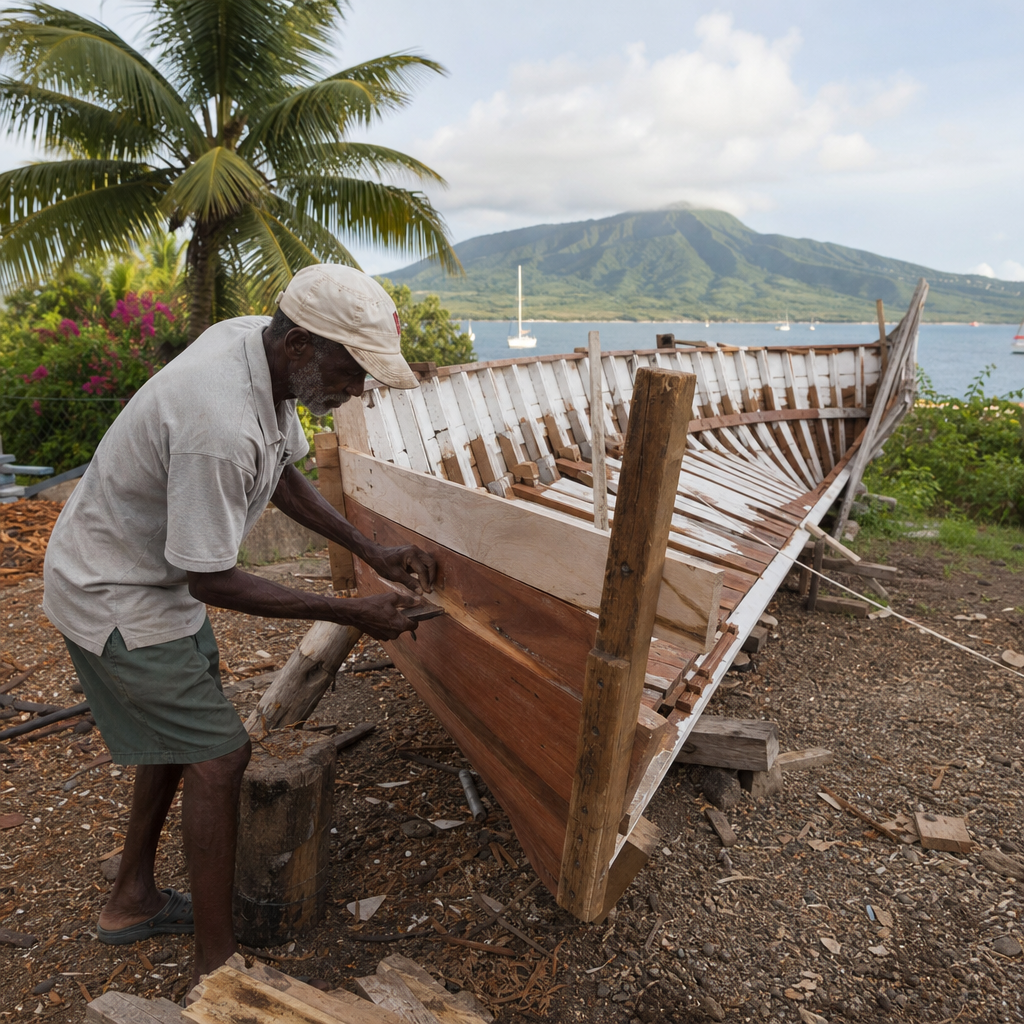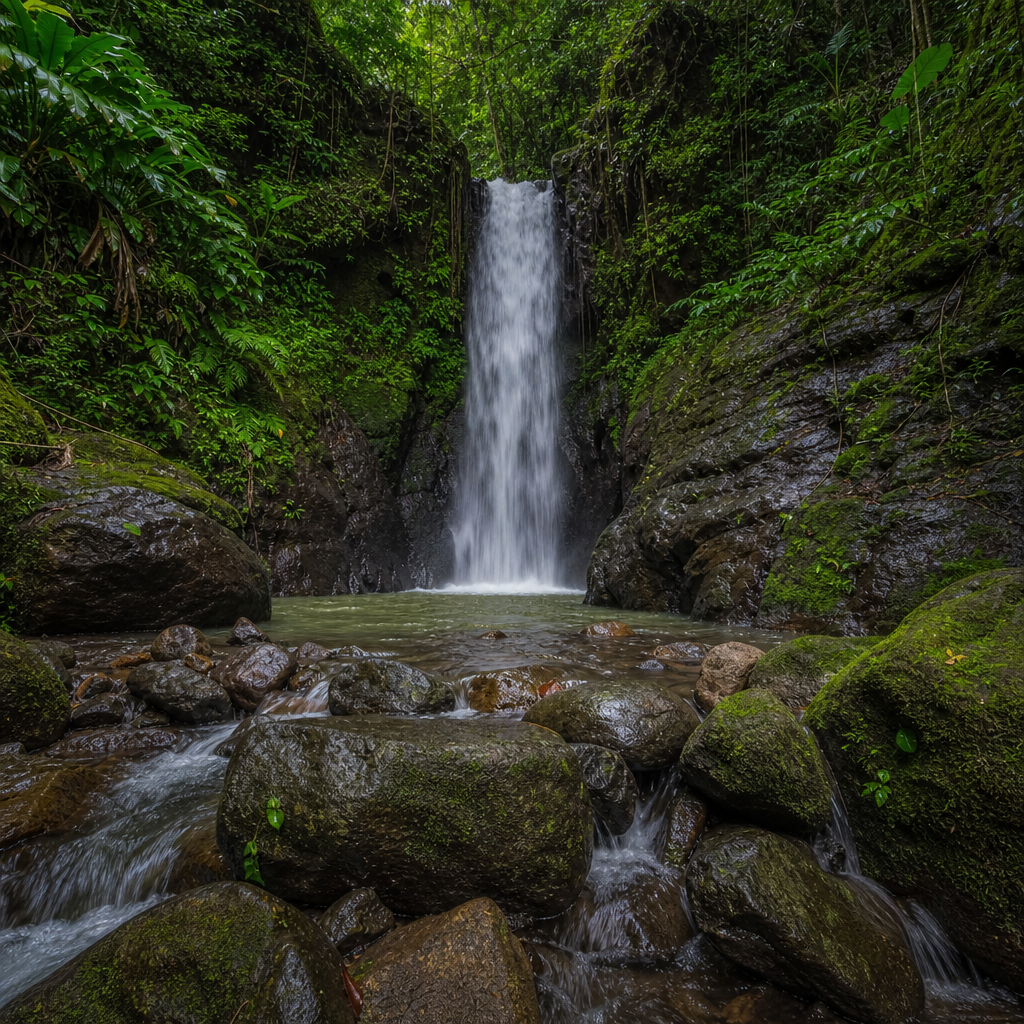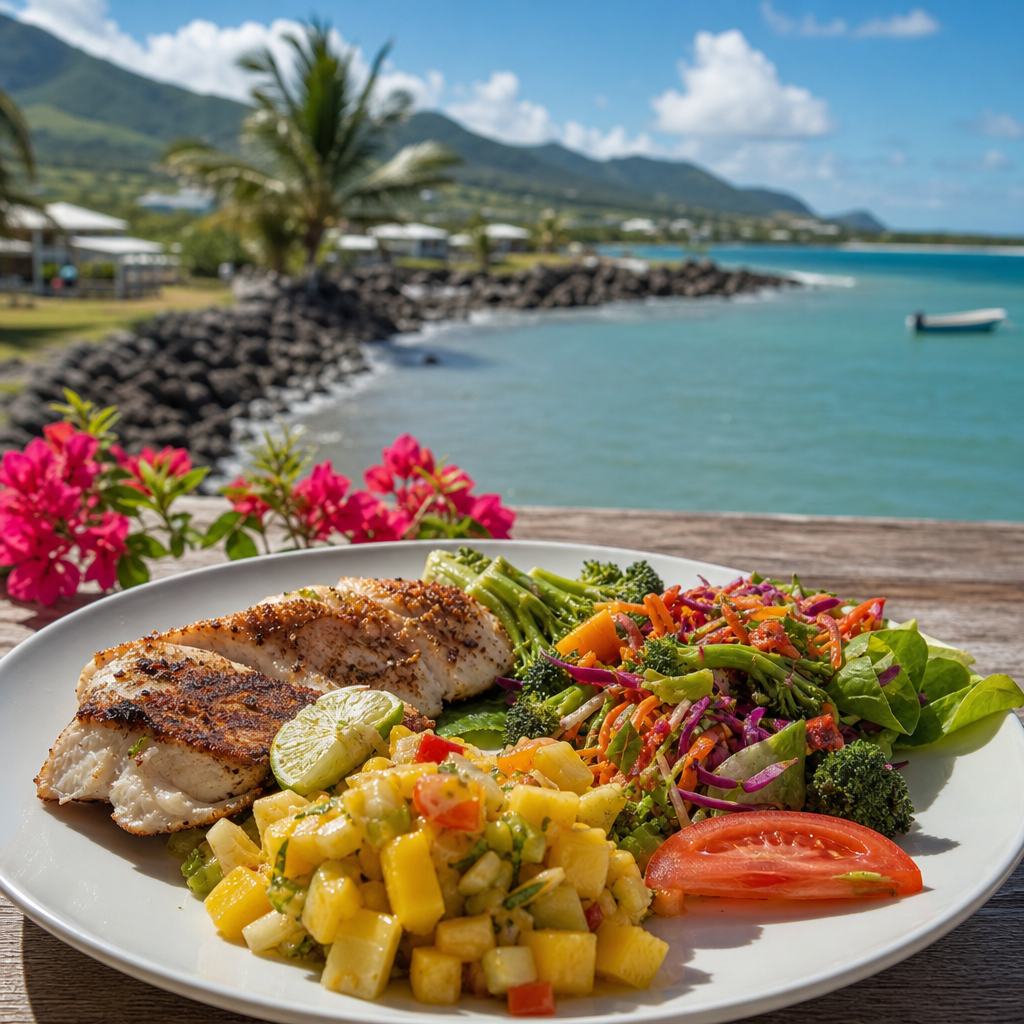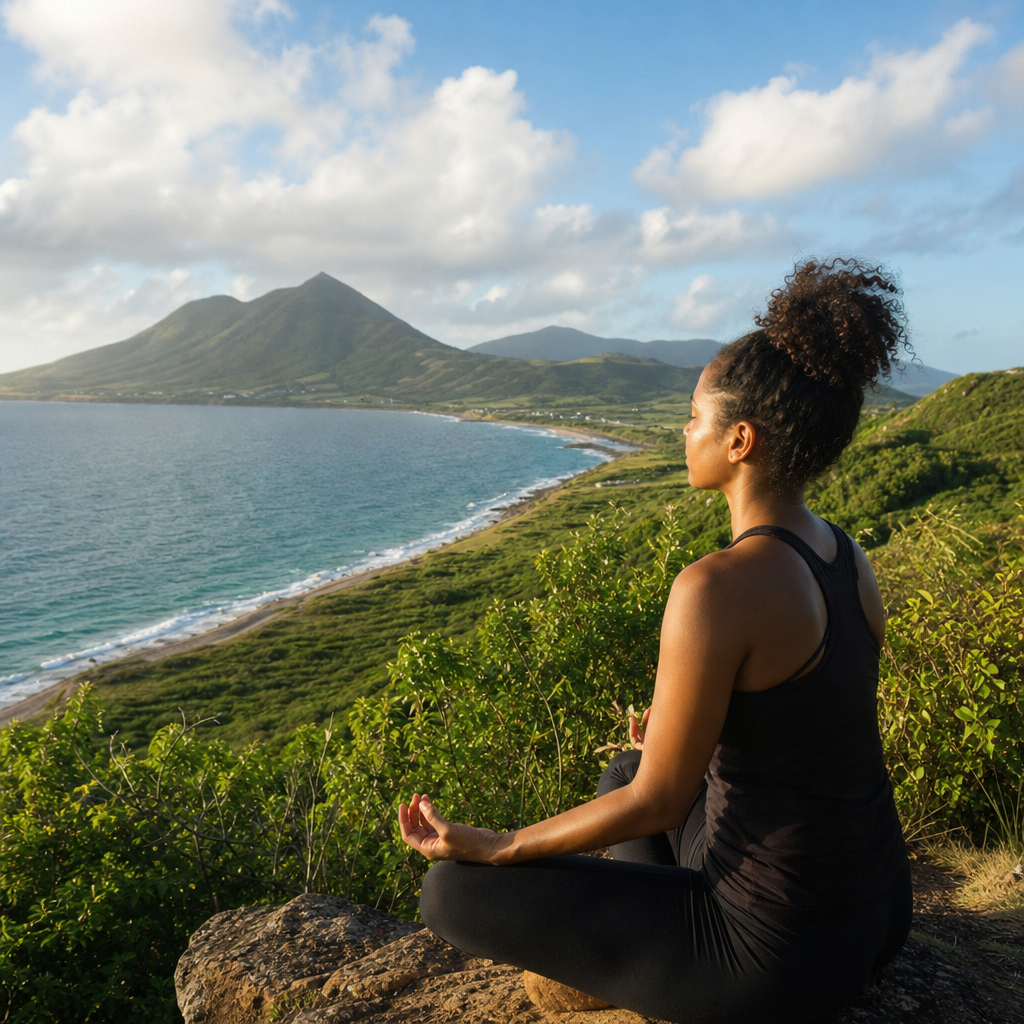
Saint Kitts’ eco-therapy offers a practical, grounded way to support mental health by using the island’s forests, beaches, volcanic slopes, and marine environments as settings for restoration. Eco-therapy, sometimes called nature-based therapy, refers to structured or intentional time in natural spaces to reduce stress, improve mood, sharpen attention, and rebuild a sense of connection. On Saint Kitts, that idea is especially relevant because the landscape is compact yet unusually varied: rainforest trails in the Central Forest Reserve National Park, black and golden sand beaches, coastal wetlands, and the biodiverse waters around the island all sit within short driving distance. For residents, returning nationals, and travelers seeking wellness, this creates a rare opportunity to pair evidence-based mental health practices with daily access to living ecosystems.
I have seen the difference this setting makes when wellness programming is built around local terrain rather than imported spa language. People who arrive feeling overstimulated often respond fastest not to complicated interventions, but to simple, repeatable experiences: a silent walk beneath canopy cover, slow breathing on South Friars Bay at sunrise, journaling after birdwatching near the coast, or snorkeling in calm water with focused attention on breath and movement. These are not miracle cures, and they do not replace psychiatric care when that is needed. What they do offer is a credible, accessible layer of support that fits prevention, recovery, and everyday resilience.
This hub page explains how eco-therapy works in Saint Kitts, who benefits, which environments matter most, and how to use the island safely and intentionally. It also serves as a foundation for related articles across the wider Health and Wellness topic, including hiking for stress relief, beach mindfulness, marine wellness, sleep support through natural rhythms, and restorative travel planning. If you want a direct answer, here it is: Saint Kitts supports mental health through nature exposure that lowers physiological stress, encourages movement, improves attention, and creates emotionally meaningful routines in places people want to return to.
Why Nature Supports Mental Health on Saint Kitts
Nature helps mental health through several mechanisms that are well documented in environmental psychology and public health. Time outdoors can reduce rumination, lower perceived stress, and improve mood. Green settings often restore directed attention, the form of focus that gets depleted by screens, traffic, and constant decision-making. Blue spaces such as beaches and calm coastal water can slow breathing and create a measurable sense of calm. On Saint Kitts, these effects are strengthened by proximity and contrast. Within one day, a person can move from a shaded mountain trail to an open shoreline and then to a quiet garden or historic estate landscape, using each environment for a different therapeutic purpose.
The island’s geography matters. Mount Liamuiga dominates the interior, feeding lush elevations that remain cooler and more enclosed than the coast. That canopy cover reduces heat load and sensory clutter, which makes forest walking easier for people who feel mentally fatigued. Coastal areas offer a different kind of regulation. The rhythmic sound of surf, long horizons, salt air, and visual simplicity can help interrupt repetitive anxious thinking. In practice, I recommend forest settings for cognitive reset and beaches for emotional downshifting, while marine activities such as snorkeling work well for people who benefit from immersive focus and gentle physical exertion.
Season, timing, and social context also shape outcomes. Early mornings tend to be best for heat management, bird activity, and quiet. During cruise-heavy or event-heavy periods, more secluded trails or lesser-used beaches may provide a better experience than busy hubs. Some people restore best alone; others do better with a guide, therapist, or small wellness group. The key is intentionality. Eco-therapy works best when the place, the activity, and the mental health goal match each other rather than being treated as a generic outdoor excursion.
Core Eco-Therapy Environments Across the Island
Saint Kitts gives users several distinct therapeutic landscapes. Forest trails are ideal for slow walking, sensory grounding, and reflective conversation. The Central Forest Reserve National Park and routes connected to the Mount Liamuiga area provide dense vegetation, shifting light, bird calls, and a sense of enclosure that many people find stabilizing. Beach environments support breathwork, meditation, grief processing, and gentle exercise. South Friars Bay, Cockleshell Bay, and quieter stretches outside peak times can be used for sunrise walking, seated mindfulness, or low-pressure swimming. Botanical and heritage landscapes, including well-kept estate grounds, can be useful for people who want nature exposure without the physical demand of a hike.
Marine settings deserve special attention because Saint Kitts can deliver unusually strong “soft fascination,” the term often used to describe environments that hold attention effortlessly without exhausting it. Snorkeling over reefs, floating in calm water, or simply watching wave patterns can occupy the mind enough to reduce intrusive thought loops. This matters for stress and mild anxiety management. However, marine eco-therapy should be structured conservatively. Calm conditions, visible supervision, hydration, sun protection, and honest assessment of swimming ability are essential. The goal is regulation, not adrenaline.
For people comparing options, the most useful question is not “What is the prettiest place?” but “What state am I trying to shift?” Someone with burnout may need a shaded trail with no phone signal for ninety minutes. Someone with low mood may do better with a brighter social beach walk and a clear movement goal. Someone recovering from grief may prefer a scenic overlook, a journaling prompt, and a private guide who understands silence. Matching environment to need is the practical heart of successful eco-therapy.
| Environment | Best mental health use | Typical activity | Main caution |
|---|---|---|---|
| Rainforest trail | Stress reduction, attention recovery | Guided mindful walk | Heat, mud, uneven footing |
| Beach | Anxiety relief, emotional regulation | Breathwork at sunrise | Sun exposure, crowds |
| Calm coastal water | Immersive focus, mood lift | Snorkeling or floating | Current, swimming limits |
| Garden or estate grounds | Gentle restoration, reflection | Journaling or seated meditation | Less privacy in public areas |
Practical Eco-Therapy Methods That Work
The most effective eco-therapy practices on Saint Kitts are simple, repeatable, and tied to a clear outcome. Mindful walking is the easiest entry point. Instead of treating a trail as exercise only, participants move slowly and cycle attention through five anchors: foot placement, breath, ambient sound, peripheral vision, and one natural detail such as leaf texture or cloud movement. This method is useful because it redirects attention from internal worry to external sensory information without forcing the mind to go blank. On shaded trails, twenty to forty minutes is often enough to produce a noticeable shift.
Beach-based grounding is another strong option. I often use a short sequence: stand still facing the horizon, inhale for four counts, exhale for six, then identify five things you can see, four you can hear, three you can feel, two you can smell, and one intention for the day. The longer exhale helps downshift the stress response, while the horizon line reduces visual clutter. For many people, this is easier than indoor meditation because the setting does part of the work. The ocean gives the mind something steady to return to.
Reflective practices also matter. Journaling after a walk or swim can help people translate a good feeling into a durable habit. Prompts should be concrete: “What changed in my body during this session?” “Which part of the landscape felt safest?” “What can I repeat at home?” Group eco-therapy can add accountability if it stays small and well facilitated. A guide should know route difficulty, hydration needs, weather patterns, and how to keep discussion supportive rather than intrusive. For readers exploring this Miscellaneous hub, related articles can go deeper on beach mindfulness, forest bathing, low-impact hiking, and combining wellness itineraries with local conservation experiences.
Who Benefits, and When Professional Care Is Needed
Eco-therapy on Saint Kitts can benefit a wide range of people: professionals with burnout, caregivers under chronic stress, students dealing with attention fatigue, older adults seeking gentle mood support, and visitors who need a restorative break that feels more meaningful than passive leisure. It can also help people rebuilding routine after illness or life disruption because natural settings make healthy habits easier to sustain. Walking at the same beach each morning or visiting the same lookout every week creates rhythm, and rhythm is often the first thing mental strain disrupts.
That said, nature-based practice has limits. It can support mild to moderate stress, low mood, adjustment difficulties, and nonclinical anxiety symptoms, but it is not a substitute for treatment in cases of major depression, panic disorder, trauma, psychosis, substance dependence, or suicidal thinking. In those situations, licensed mental health care is essential. The most responsible approach is integration. Eco-therapy works well alongside counseling, medical care, sleep improvement, physical activity, and social support. On islands, where people sometimes normalize stress until it becomes severe, that distinction needs to be stated plainly.
Accessibility is another real concern. Not everyone can manage steep or muddy trails, and not everyone feels comfortable in water. Fortunately, eco-therapy does not require athletic ability. Seated practices under shade, accessible coastal viewpoints, short garden walks, and sensory exercises from a bench can still be effective. The objective is not to conquer terrain. The objective is to use the island’s natural settings to regulate the nervous system, widen attention, and create manageable experiences of calm, meaning, and renewal.
Safety, Sustainability, and Building a Personal Routine
Any serious guide to eco-therapy in Saint Kitts must address safety and sustainability. Tropical heat, sudden rain, uneven surfaces, insects, and coastal conditions can turn a restorative outing into a stressful one if people are unprepared. Basic risk management is straightforward: start early, carry more water than you think you need, wear proper footwear, check weather and sea conditions, use reef-safe sun protection where possible, and avoid isolated routes without telling someone your plan. Guided outings are a smart choice for newcomers, especially on interior trails.
Sustainability is not separate from mental health; it is part of the practice. People relax more deeply in places that are visibly cared for, and local ecosystems remain therapeutic only if visitor behavior protects them. Stay on marked trails, avoid touching coral, keep noise low, pack out waste, and choose operators who follow marine and hiking best practices. On small islands, environmental damage is quickly felt. A degraded beach or littered trail weakens both biodiversity and the sense of refuge people seek from these spaces.
To build a routine, start with one setting and one measurable intention. For example: “I will walk for thirty minutes at sunrise on two weekdays,” or “I will spend one hour each Sunday on a shaded trail with my phone on airplane mode.” Track only a few markers afterward, such as stress level, sleep quality, and ability to concentrate. After two weeks, patterns usually appear. The real benefit of Saint Kitts’ eco-therapy is not a single beautiful outing. It is the ability to turn the island itself into a repeatable mental health resource. Explore the related Health and Wellness articles, choose one practice, and begin this week.
Frequently Asked Questions
What is eco-therapy, and why is Saint Kitts such a strong setting for it?
Eco-therapy, also known as nature-based therapy, is the intentional use of natural environments to support emotional balance, mental clarity, and overall well-being. It does not simply mean “being outside.” The key idea is purposeful engagement with landscapes in ways that calm the nervous system, reduce stress, improve mood, and help people feel more grounded and connected. That can include walking quietly through forest trails, spending reflective time on a beach, practicing mindful breathing near the sea, or taking in expansive views from the island’s volcanic slopes. These experiences can help interrupt cycles of mental fatigue, overstimulation, and emotional strain.
Saint Kitts is especially well suited to eco-therapy because its natural settings are both diverse and accessible. Within a relatively compact island, visitors and residents can move between rainforest, coastline, hillsides, black-sand and golden beaches, and marine environments without traveling far. That variety matters because different ecosystems can support different therapeutic effects. Forests often encourage calm, sensory focus, and a sense of shelter. Beaches and open sea views can create mental spaciousness and emotional release. Elevated terrain and volcanic landscapes can inspire perspective, reflection, and renewed energy. Because these settings are close together, eco-therapy on Saint Kitts can feel practical rather than abstract, making it easier to build restorative nature experiences into everyday life or travel plans.
How can time in Saint Kitts’ natural environments support mental health in practical ways?
Spending intentional time in nature can support mental health through several well-recognized pathways. First, natural environments often help lower stress by reducing sensory overload. Many people spend much of their time in highly stimulating indoor or urban settings filled with screens, noise, and constant demands on attention. By contrast, Saint Kitts’ forests, shorelines, and quieter trails can offer a slower, less fragmented experience that allows the mind to settle. This can help ease tension, reduce irritability, and support a more stable mood.
Second, eco-therapy can improve attention and mental clarity. When people are mentally exhausted, natural settings can provide a gentler form of focus. Listening to waves, noticing birds, observing shifting light through trees, or following a trail across volcanic terrain engages the senses without the pressure of multitasking. That can refresh concentration and help people feel less scattered. Third, nature can encourage emotional regulation. Rhythmic sensory experiences, such as ocean sounds or steady walking, can help the body shift out of a heightened stress response and into a calmer state.
On Saint Kitts specifically, the island’s varied landscapes make these benefits easier to tailor to individual needs. Someone feeling overwhelmed may benefit from quiet beach time and breathing exercises by the water. Someone feeling mentally foggy may respond well to a guided hike through greener, more immersive environments. Someone seeking perspective after a difficult period may find that scenic overlooks or time near the sea helps restore a sense of meaning and connection. Eco-therapy is not a cure-all, but it can be a valuable, grounded support for people dealing with stress, burnout, low mood, or general mental fatigue.
What are some simple eco-therapy activities to try on Saint Kitts?
Eco-therapy does not have to be complicated to be effective. In fact, simple, intentional practices are often the most sustainable. One accessible approach is a mindful beach walk. Instead of rushing for exercise alone, the goal is to slow down and pay attention: the feel of sand underfoot, the sound of waves, the movement of wind, the temperature of the air, and the horizon line. This kind of sensory grounding can be especially useful for reducing anxious mental chatter and helping people return to the present moment.
Another excellent option is a quiet forest or hillside walk, ideally without constant phone use. Saint Kitts’ greener areas and volcanic slopes can create a feeling of immersion that helps reset attention. You might pause regularly to observe textures, plant life, birdsong, or the changing quality of light. Journaling after the walk can deepen the effect by helping you process thoughts and emotions that surfaced during the experience. Snorkeling or simply sitting near calm marine environments can also be therapeutic, especially for people who find water naturally regulating and restorative.
Other effective activities include guided breathing at sunrise or sunset, reflective sitting in a scenic area, light yoga outdoors, photography focused on natural detail, or “sit spot” practice, where you return to the same outdoor place regularly to observe subtle changes. The most important factor is intention. Rather than treating nature as a backdrop, eco-therapy works best when you consciously use Saint Kitts’ landscapes to slow down, notice more, and reconnect with your body, senses, and emotional state.
Is eco-therapy in Saint Kitts a substitute for professional mental health care?
Eco-therapy can be a meaningful support for mental health, but it should not be viewed as a replacement for professional care when someone is dealing with serious or persistent psychological challenges. Nature-based practices can complement therapy, counseling, stress-management plans, and other forms of treatment by creating space for regulation, reflection, and recovery. For many people, time in Saint Kitts’ forests, beaches, and marine settings can reduce stress and improve mood, but deeper conditions such as major depression, trauma-related symptoms, panic disorder, or severe anxiety may require structured support from a licensed mental health professional.
That said, eco-therapy can work very well alongside formal care. A therapist might encourage nature walks as part of a routine for managing stress, improving sleep, or strengthening mindfulness skills. Someone recovering from burnout may use regular time outdoors to reinforce healthier rhythms and reduce overstimulation. Even a simple practice like spending 20 to 30 intentional minutes near the sea several times a week can become part of a larger mental wellness plan. The value of eco-therapy lies in its practicality: it gives people a real-world way to support their mental state between appointments or during periods when they need extra grounding.
If someone is in acute distress, experiencing thoughts of self-harm, or unable to function in daily life, professional help should come first. Eco-therapy is best understood as a supportive and often highly effective tool within a broader approach to mental health, not as a standalone solution for every situation.
How can visitors and residents build a consistent eco-therapy routine on Saint Kitts?
Consistency matters more than intensity. A sustainable eco-therapy routine on Saint Kitts does not require dramatic excursions or long retreats into nature. It can begin with short, repeatable practices in nearby outdoor settings. For example, a resident might take a 20-minute walk along the coast in the early morning three times a week, or spend ten quiet minutes after work in a green space without using a phone. A visitor could create a simple routine during a stay by starting each day with beach breathing, ending afternoons with a reflective walk, or choosing one half-day each week for a guided hike or marine activity focused on presence rather than performance.
It also helps to match the environment to your current emotional needs. If you feel overstimulated, seek quieter beaches, shaded paths, or gentle sea views. If you feel mentally drained or stuck, a more active experience such as walking through varied terrain or exploring a rainforest trail may feel more energizing. If you are carrying emotional heaviness, journaling after time outdoors can help translate the experience into insight. The routine becomes more effective when you pay attention to what settings and activities leave you feeling calmer, clearer, or more emotionally steady.
Finally, treat eco-therapy as a practice rather than a one-time event. The real benefits often build over time as the body begins to associate certain places and rhythms with safety, calm, and restoration. Saint Kitts makes this easier because the island offers so many natural environments within a short distance. By returning regularly to beaches, forested trails, scenic hillsides, and marine spaces, both residents and visitors can create a realistic, grounded habit that supports mental health in an ongoing way.