Nevis’ offshore fishing combines blue-water excitement, Caribbean scenery, and a surprising variety of game species into one of the island’s most rewarding adventure experiences. Offshore fishing means heading beyond the reef and coastal shallows into deeper water where pelagic fish such as mahi-mahi, wahoo, tuna, and marlin patrol current lines, drop-offs, and weed patches. Around Nevis, those productive waters are close to shore, which is one reason the activity matters to visitors who want a serious day on the water without a long, exhausting run. For travelers exploring Adventure and Activities in Nevis, this subject also acts as a practical hub because offshore fishing connects naturally to boating, snorkeling, island-hopping, local cuisine, wildlife watching, and seasonal events.
I have planned and evaluated fishing excursions across the Eastern Caribbean, and Nevis stands out for how quickly conditions shift from calm coastal cruising to true offshore action. The island sits near deep Atlantic-influenced waters, and charter captains often reach productive zones in well under an hour, depending on weather and target species. That efficiency matters for families, first-time anglers, and experienced sport fishers alike. It means more lines in the water, more flexibility to change tactics, and a better balance between fishing time and comfort. It also makes Nevis appealing compared with destinations where boats burn half the trip simply reaching the grounds.
Fishing here is not only about the fight. It is also about understanding the environment that creates those opportunities. Trade winds, current edges, bait movements, moon phases, and floating sargassum all influence what captains do on a given day. A visitor searching for the best offshore fishing in Nevis usually wants direct answers: what can you catch, when should you go, how long is the trip, what should you bring, and is it suitable for beginners? This guide answers those questions clearly while also serving as a broad starting point for the island’s wider miscellaneous adventure offerings, from private charters and sailing days to culinary experiences built around the catch.
Why Nevis Is a Standout Offshore Fishing Destination
Nevis benefits from geography. The shelf falls away relatively quickly, giving boats access to deep water without the punishing transit common in flatter island chains. That matters because pelagic species roam temperature breaks and bait-rich zones offshore, and captains can spend more time trolling or live-baiting where fish are actually present. On many days, crews work rips, color changes, and current seams between Nevis and neighboring St. Kitts or farther into open water, adjusting lure spread and boat speed to match conditions.
The island also offers a calmer, less crowded experience than some marquee fishing destinations. Marinas are not overloaded, radio chatter is lighter, and charters often feel personal rather than industrial. For many travelers, that means more direct interaction with the captain, more explanation of technique, and a trip tailored to skill level. Serious anglers can discuss spread patterns, hook rigging, lure head shapes, and strike placement. Beginners can simply learn how to hold the rod, watch teaser action, and react when the outrigger clip snaps. That flexibility is a major strength of Nevis as a fishing hub.
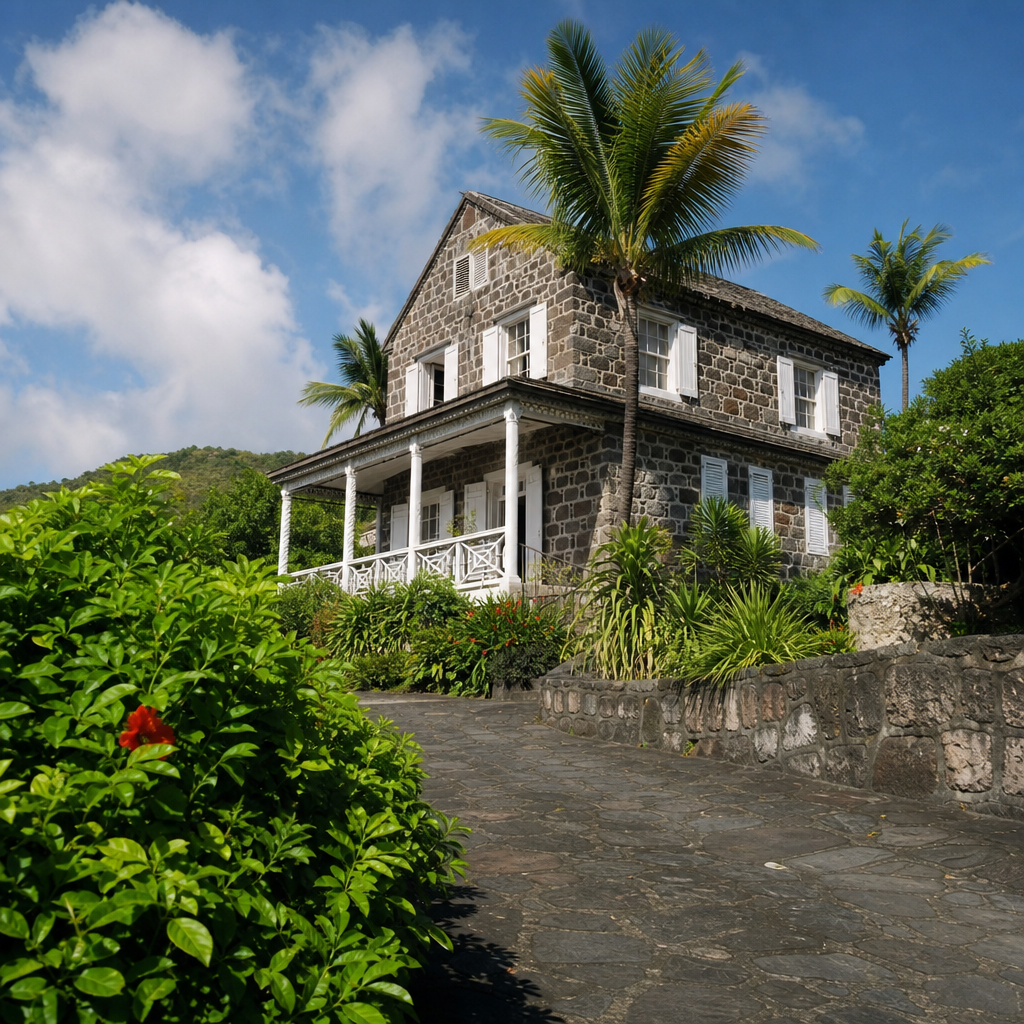
Another advantage is the broader tourism context. A fishing day here can fit into a larger itinerary that includes hiking Nevis Peak, visiting historic estates, relaxing on Pinney’s Beach, or dining at waterfront restaurants that may prepare parts of the legal catch. In practical terms, that makes offshore fishing one of the island’s most versatile activities. It can be the centerpiece of an adventure trip, a luxury add-on for couples, or a memorable family excursion that mixes wildlife viewing with the possibility of landing a trophy fish.
What You Can Catch in Nevis Waters
The headline species around Nevis are blue marlin, white marlin, sailfish, mahi-mahi, wahoo, yellowfin tuna, blackfin tuna, and king mackerel, though actual catches depend on season, sea conditions, and bait presence. Blue marlin are the prestige fish for many crews, especially on full-day charters when captains can commit to offshore structure and current-rich zones. These fish demand heavy tackle, disciplined boat handling, and an experienced mate who can clear lines fast. Even when marlin are not landed, the possibility changes the energy on board.
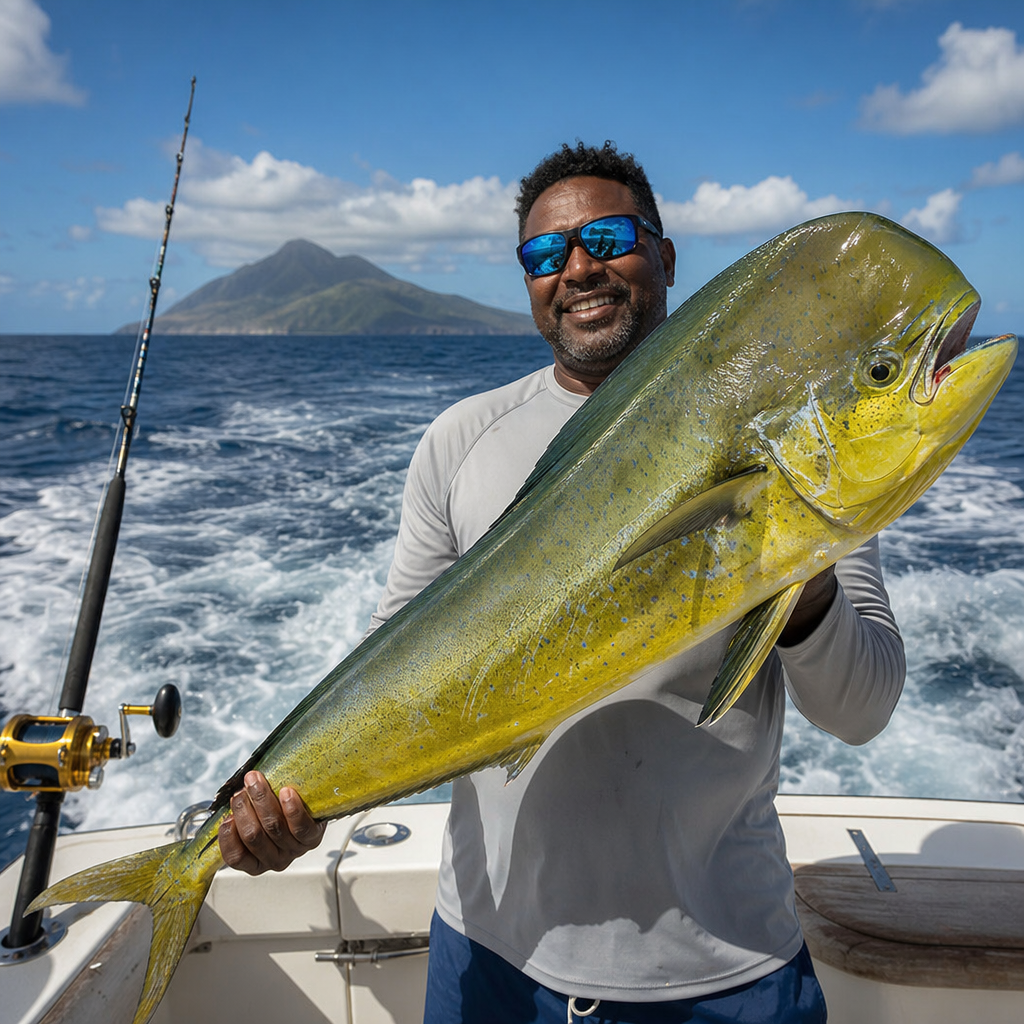
Mahi-mahi are among the most visitor-friendly catches because they strike aggressively, fight with speed and jumps, and often appear in brilliant neon colors boatside. Wahoo are different: fast, razor-toothed, and commonly targeted with high-speed trolling or carefully positioned lures. Tuna provide another style of excitement, especially when birds, bait balls, and surface feeding activity reveal moving schools. Kingfish and other mid-sized pelagics can round out the day, giving action when billfish are elusive. No captain can promise a particular species, but a competent operator will explain what is realistic that week and why.
| Species | Typical Seasonality | Common Method | Why Anglers Target It |
|---|---|---|---|
| Mahi-mahi | Often stronger in warmer months, especially around weed lines | Trolling lures or ballyhoo | Colorful, acrobatic, excellent table fare |
| Wahoo | Good through cooler and transitional periods | High-speed trolling | Extreme speed and premium meat |
| Tuna | Variable; linked to bait and bird activity | Trolling, casting, or live bait | Hard runs, schooling action, strong food value |
| Blue marlin | Peak windows vary, often discussed by local captains | Trolling large skirted lures | Trophy status and technical challenge |
Best Time for Offshore Fishing in Nevis
Nevis supports offshore fishing year-round, but “best” depends on priorities. If the goal is a realistic shot at billfish, captains usually identify certain warmer-season months as stronger, though annual variation is normal. For wahoo, cooler periods and transitional weather can be especially productive. Mahi-mahi often improve when floating weed lines and bait are present. Tuna may show well when birds work actively over feeding schools. Because local conditions can change quickly, the smartest approach is to ask a reputable captain what has been producing in the previous two weeks, not just what a generic seasonal chart suggests.
Weather also shapes the experience. The dry season usually brings more predictable travel conditions, while summer can offer calm mornings but greater heat and occasional squalls. During the Atlantic hurricane season, trips depend closely on forecasts and marine advisories. Good operators follow weather routing, wind models, and sea-state reports from sources such as Windy, PredictWind, and national marine bulletins. If a captain recommends rescheduling because of swell direction or building wind, that is usually a sign of professionalism, not lost enthusiasm.
Half-day trips can work for casual visitors, but full-day charters generally provide the best offshore fishing in Nevis because they create time to locate birds, test different lure patterns, and shift between species. In my experience, shorter trips are best treated as introductory sessions. Full days let the captain fish the conditions rather than the clock.
How Charters Operate and What to Expect On Board
Most offshore fishing charters in Nevis provide the essentials: rods, reels, terminal tackle, lures, basic drinks, and a captain with local knowledge. Higher-end boats may add outriggers, fighting chairs, sonar, GPS chartplotters, fish boxes, private shade, and quality marine heads. Ask what is included before booking. Some trips bundle snacks and lunch; others expect guests to bring food. Clarify fuel policy, gratuity norms, fish-cleaning arrangements, and whether the quoted rate is private or per person.
On board, the day typically starts with a safety briefing and a short run out of harbor or anchorage. Once the crew reaches target water, lines go out in a staggered spread behind the boat. You may hear terms like flat lines, shotgun, teaser, dredge, and wash position. Beginners do not need to memorize them, but understanding the basics improves the experience because you can follow what the mate is doing and why. When a fish strikes, the crew will direct the angler clearly: keep the rod tip up, crank when the fish gives line, and move carefully around the cockpit if the fish changes angle.
Families often ask whether children can join. Usually yes, if sea conditions are moderate and the operator is comfortable hosting them. Motion sickness is the main obstacle, not complexity. Non-anglers can still enjoy the ride, seabirds, flying fish, dolphin sightings, and views back toward Nevis Peak.
Techniques, Tackle, and Local Fishing Strategy
Trolling is the dominant offshore method around Nevis because it efficiently covers water and targets multiple pelagic species. Captains adjust speed, lure size, and leader configuration based on what is likely to be feeding. For marlin, larger skirted lures or rigged baits run in clean water positions. For wahoo, crews may troll faster with bullet-shaped lures or weighted presentations that hold track at speed. For mahi-mahi and tuna, ballyhoo, smaller lures, or opportunistic casting can become part of the plan if fish are found under birds or debris.
Good crews constantly read signs. Frigatebirds circling low may indicate bait pushed up by tuna or mahi. A sudden temperature break on the machine can justify a course change. Floating pallets, logs, or weed mats often deserve inspection because bait shelters beneath them. These details are not random folklore; they are repeatable patterns used by experienced captains throughout the Caribbean. The most successful Nevis operators combine electronics with observation instead of relying on one alone.
Tackle quality matters more than many visitors realize. Reels should have smooth drags, line should be fresh, and hooks should be sharp and rigged to match local regulations and target species. Well-maintained gear reduces pulled hooks, tangles, and fatigue. If you are an experienced angler, ask in advance whether the boat uses stand-up gear, chair setups, circle hooks for natural baits, and what pound-test classes are standard.
Conservation, Regulations, and Responsible Fishing
Responsible offshore fishing protects the very resource that makes the trip worthwhile. Around Nevis, practices vary by operator, but the best charters discuss size limits, closed seasons where applicable, and selective harvest. Billfish are frequently released, especially on sport-focused trips. Circle hooks are widely recognized for reducing deep hooking when using natural bait, and proper handling matters: keep the fish in the water when possible, minimize fight time, and avoid unnecessary lifting for photos.
Visitors should also understand that weather safety and fishery ethics are linked. A captain who ignores rough-sea warnings may be equally casual about regulations. Choose operators who explain their release policy, maintain clean decks, and avoid wasteful harvest. Ask whether they participate in tagging programs, support local fisheries data collection, or work with established marina and tourism partners. These are practical trust signals.
If you plan to keep fish for dinner, discuss expectations early. Some species are excellent table fare, but not every fish should be retained. A balanced charter respects both the excitement of the catch and the long-term health of Nevis waters.
How Offshore Fishing Fits the Wider Adventure and Activities Hub
As a miscellaneous hub within Adventure and Activities, offshore fishing in Nevis should be seen as more than a standalone excursion. It links naturally to sailing charters, sunset cruises, snorkeling trips, beach clubs, culinary tourism, and marine wildlife experiences. A traveler researching this page may also be deciding between a fishing charter and a catamaran day, or looking for ways to combine both across a week-long stay. That is why this topic belongs at hub level: it helps visitors compare effort, cost, pace, and payoff across several sea-based experiences.
For example, a couple might choose a half-day fishing trip followed by a beach afternoon at Pinney’s and a seafood dinner. A family might combine a gentle coastal boat trip on one day and a serious full-day offshore charter on another. A group of friends may prioritize competitive sport and book during a known billfish window. In each case, offshore fishing acts as an anchor activity that organizes the rest of the itinerary.
When planning, think in terms of compatibility. If your group values adrenaline, wildlife, local food, and time on open water, this is one of the strongest choices on Nevis. If some members dislike boat motion, start with a shorter excursion or a calmer nearshore option before committing to a full offshore day.
Nevis’ offshore fishing delivers exactly what many Caribbean travelers hope to find but do not always get: fast access to deep water, credible chances at prized game fish, and a charter culture that still feels personal. The key takeaways are simple. First, the island’s geography shortens the run to productive grounds, which improves both comfort and fishing time. Second, species variety is strong, with mahi-mahi, wahoo, tuna, and billfish all part of the local conversation. Third, results depend on season, weather, and captain judgment, so choosing a reputable operator matters more than chasing unrealistic catch promises.
This activity also earns its place as a hub topic because it connects to so many other Nevis experiences. A fishing day can lead into beach dining, sailing, wildlife viewing, and broader marine adventures, making it useful for visitors building a complete itinerary under Adventure and Activities. The smartest way to book is to match the trip to your goals. Beginners should prioritize patient crews, stable boats, and realistic half-day or moderate full-day plans. Experienced anglers should ask detailed questions about tackle, target species, release practices, and recent conditions.
If Nevis is on your travel list, put offshore fishing near the top. Review recent charter reports, speak directly with local captains, and reserve early during peak travel periods. One well-run day offshore can become the story you tell longest after the island fades from view.
Frequently Asked Questions
What makes offshore fishing in Nevis different from other Caribbean fishing destinations?
Nevis stands out because anglers can reach productive blue-water fishing grounds quickly, often without spending long hours running far offshore before lines even hit the water. The island drops into deep water relatively close to shore, which means visiting fishermen can move from scenic coastal views to serious pelagic action in a short amount of time. That efficiency matters, especially for travelers who want a full adventure experience without committing an entire day just to transit. Around Nevis, current lines, drop-offs, and floating weed patches can concentrate bait and attract prized game fish such as mahi-mahi, wahoo, tuna, and marlin, creating exciting opportunities across multiple seasons.
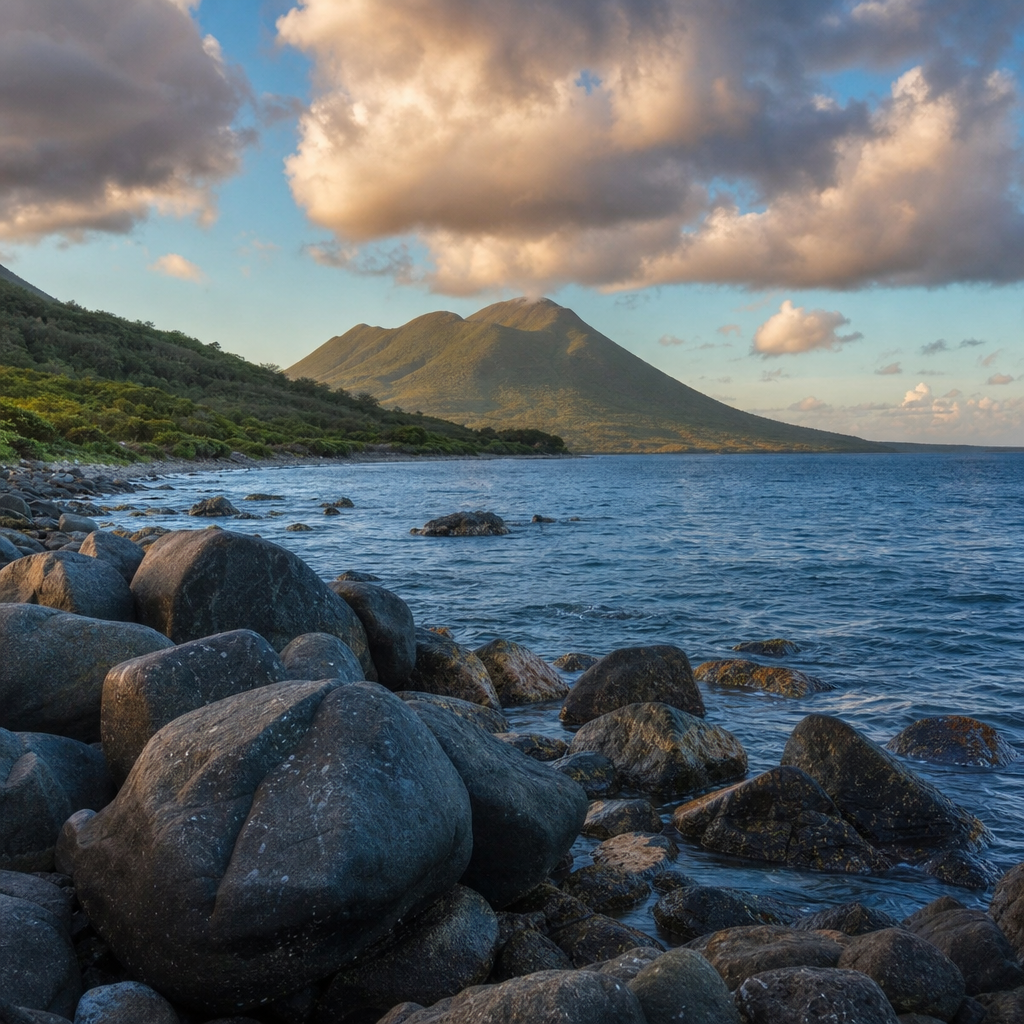
Just as important, the overall setting adds something special to the trip. Offshore fishing here is not only about the catch, but about combining adrenaline, natural beauty, and island atmosphere in one outing. Anglers can enjoy dramatic views of Nevis Peak, clear Caribbean water, and the possibility of fast-paced action at nearly any moment. The experience feels both accessible and adventurous, making it appealing to seasoned sport fishermen as well as first-time visitors who want to try deep-sea fishing in a destination known for both relaxation and outdoor excitement.
What kinds of fish can you catch when offshore fishing around Nevis?
The most talked-about offshore species around Nevis are mahi-mahi, wahoo, tuna, and blue marlin, though the exact mix can vary with the season, water temperature, bait activity, and prevailing currents. Mahi-mahi are especially popular because they are colorful, aggressive, and often found around weed lines or floating debris where baitfish gather. Wahoo are another prized target, known for explosive speed, hard strikes, and excellent table quality. Tuna, including blackfin and sometimes larger offshore varieties depending on conditions, provide strong runs and steady action when schools are active.
For anglers seeking a true bucket-list challenge, marlin fishing adds another level of excitement. These powerful billfish are among the most respected game species in the world, and hooking one turns an ordinary trip into a memorable offshore battle. Depending on conditions, fishermen may also encounter barracuda or other pelagic species while trolling. A good captain will adjust tactics to match what is feeding that day, whether that means trolling baits along current edges, searching for birds working over bait, or targeting structure where larger predators are likely to be hunting.
Do you need offshore fishing experience to enjoy a trip in Nevis?
No, and that is one of the reasons offshore fishing in Nevis appeals to such a wide range of travelers. Experienced anglers will appreciate the chance to target sought-after pelagic species in genuinely productive Caribbean waters, but beginners can also have an excellent time with the help of a professional charter crew. Most offshore fishing charters provide the boat, tackle, bait, safety equipment, and practical guidance needed for the trip. The crew typically handles rigging, lure selection, line setting, and fish-finding strategy, while also showing newcomers how to respond when a fish strikes and how to fight it effectively.
For first-timers, the learning curve is usually manageable because offshore charters are built around making the experience enjoyable and approachable. Captains can explain the basics of trolling, how teasers and baits work, what to expect from different species, and when to move from one area to another. Families, couples, solo travelers, and small groups can all participate, and many charters tailor the day based on skill level and goals. Whether someone wants a relaxed day on the water with a chance at fresh fish for dinner or a more serious sportfishing outing focused on trophy species, Nevis offers options that make the adventure accessible without requiring prior offshore experience.
When is the best time of year to go offshore fishing in Nevis?
Offshore fishing in Nevis can be rewarding year-round, but the best time depends on which species you most want to target and the type of trip you have in mind. Pelagic fishing is influenced by seasonal migrations, bait movements, sea conditions, and local current patterns, so there is no single answer that fits every angler. In general, charter operators monitor what is running at different times of year and plan trips around the species most likely to be active. Certain months may be better for wahoo, while others can bring stronger mahi-mahi or marlin opportunities. Tuna activity can also shift depending on water movement and feeding conditions.
The smartest approach is to check with a local charter captain before booking, especially if you have a priority species in mind. Local knowledge is invaluable because captains spend time on the water regularly and understand how conditions are changing week to week, not just season to season. Travelers should also consider weather, sea state, and their own comfort level. Some visitors prefer calmer days with a focus on enjoyable cruising and moderate action, while dedicated anglers may plan around peak game-fish windows. If flexibility is possible during your stay, booking early in the trip can also leave room to reschedule for the best fishing conditions.
What should you bring and expect on an offshore fishing charter in Nevis?
Most offshore fishing charters in Nevis supply the essential gear, including rods, reels, tackle, bait, and safety equipment, so guests usually only need to bring personal items and practical clothing. Lightweight, breathable clothing, non-slip footwear, sunglasses, sunscreen, a hat, and plenty of hydration are all wise choices under the Caribbean sun. If you are prone to motion sickness, it is best to take preventative medication in advance rather than waiting until the boat is already underway. A camera or phone in a waterproof pouch is also useful, since offshore trips often deliver memorable scenery as well as exciting catches.
In terms of what to expect, a typical trip begins with a run to promising offshore water where the captain looks for signs of feeding activity such as birds, weed lines, temperature breaks, or visible bait. Lines are usually set for trolling, and from there the mood can shift quickly from calm anticipation to fast action when a fish hits. Some days produce steady strikes from smaller pelagics, while others may build toward one major encounter with a powerful fish like a marlin or large tuna. Good charters balance fishing time, safety, local expertise, and guest comfort, and they will also explain fish-handling practices, local regulations, and whether any catch can be kept. The result is not just a boat ride or a fishing lesson, but a full blue-water experience that captures the adventurous side of Nevis.