Nevis’ rum distillery tours turn a simple tasting into one of the island’s most rewarding adventures, blending Caribbean history, agriculture, engineering, and hospitality in a way few excursions can match. On an island better known for quiet beaches, hiking trails, and heritage estates, rum tourism adds another dimension: visitors see how sugarcane shaped Nevis, how modern producers reinterpret that legacy, and how a guided visit can connect food, landscape, and local identity in a single afternoon. In practical terms, a distillery tour usually includes a walk through production areas, an explanation of fermentation and distillation, a guided tasting, and time to explore a bar, shop, or historic grounds. For travelers building an itinerary under the wider umbrella of adventure and activities, these tours fit surprisingly well because they combine sensory discovery with cultural depth.
Rum matters in Nevis because the spirit is inseparable from the history of St. Kitts and Nevis. Sugarcane cultivation drove the islands’ colonial economy for centuries, and the surviving architecture, estate ruins, mills, and place names still reflect that era. When I plan island activity guides, I treat distillery visits as more than a drinking stop. They are field lessons in Caribbean trade, labor history, craftsmanship, and contemporary tourism. They also answer practical traveler questions: What should you expect on a Nevis rum distillery tour? Is it worth the time if you are not a rum expert? Which tour suits couples, cruise visitors, or serious spirits enthusiasts? The short answer is yes. A well-run tour is accessible to beginners yet detailed enough for collectors who want to discuss barrel management, cask finishing, ester formation, and proofing methods with staff who know the process.
This hub article covers the miscellaneous side of Nevis rum experiences comprehensively, from how tours work and what makes local rum distinct to how to compare formats, pair them with other island activities, and choose responsibly. It is designed as a central resource for related guides on tastings, heritage estates, food pairings, transport planning, and rainy-day experiences. If you want one page that explains the big picture before you book, start here. By the end, you will know what to look for, what questions to ask, how to taste with confidence, and how to turn Nevis’ rum distillery tours into a spirited adventure rather than a rushed checkbox excursion.
What to Expect on Nevis’ Rum Distillery Tours
A Nevis rum distillery tour typically begins with orientation: a host explains the estate or production site, safety rules, and the sequence of the visit. Expect to hear key terms early. Molasses is the dark, sugar-rich byproduct commonly fermented for rum. Wash is the fermented liquid before distillation. Pot stills usually produce heavier, more aromatic spirits, while column stills can create lighter, cleaner rum with greater efficiency. Maturation refers to barrel aging, often in ex-bourbon casks, where oak influences color, texture, vanilla notes, spice, and tannin. Most visitors are relieved to find that guides explain these concepts in plain language. You do not need prior knowledge to follow along, but if you enjoy spirits, listening for details about yeast choice, fermentation length, barrel origin, and bottling proof will tell you a lot about quality and style.
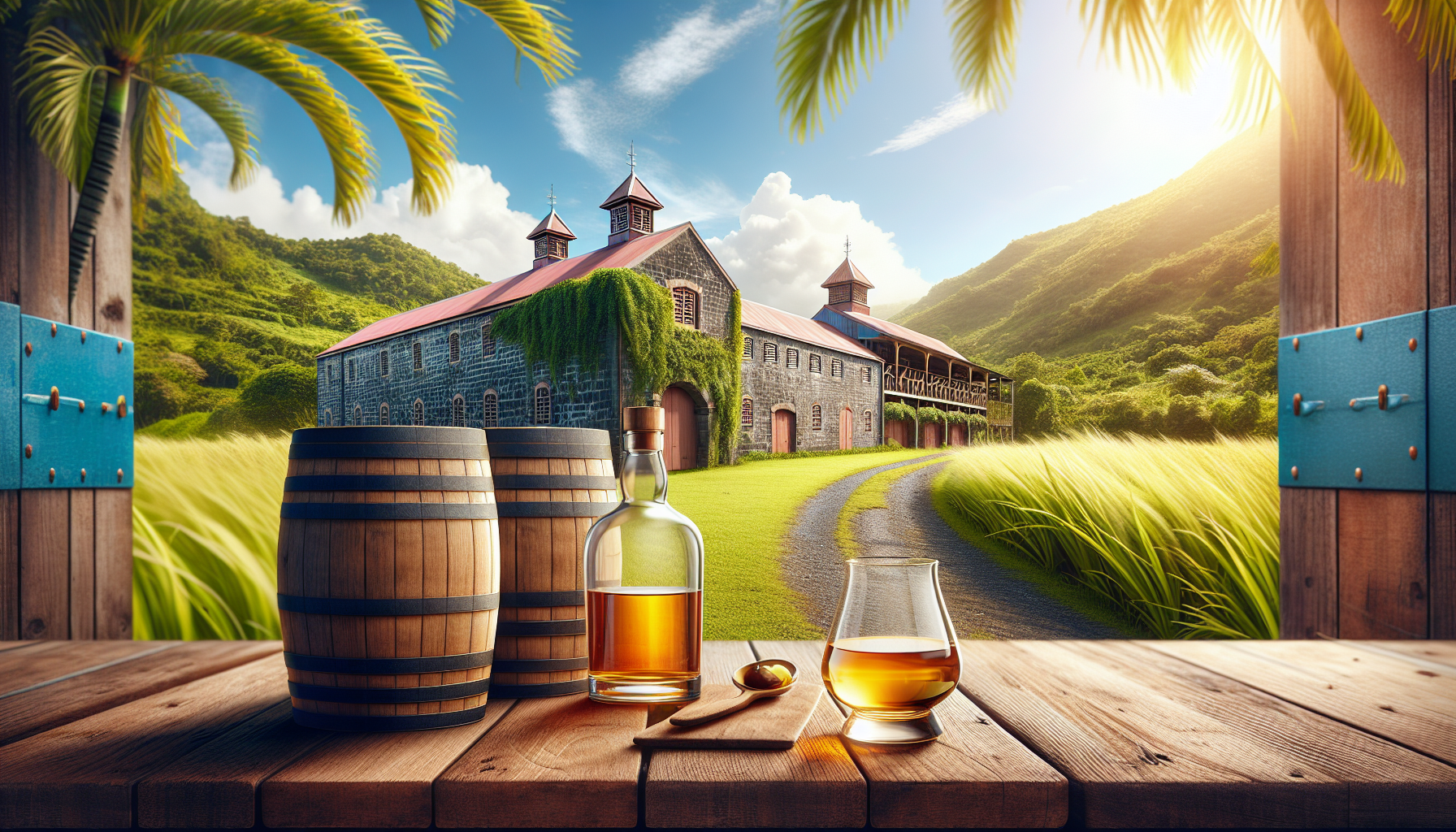
On Caribbean islands, the exact production footprint varies. Some tours focus on a working distillery with active equipment, while others emphasize a tasting room and historical interpretation tied to regional rum traditions. That distinction matters. A production-led tour is best if you want to understand mechanics, heat, condensation, cuts, and maturation. A heritage-led tour is ideal if your interest leans toward plantation history, architecture, and the story of sugar on Nevis. In my experience, travelers enjoy the latter more than they expect because seeing an old estate, hearing how cane moved from field to mill, and then tasting rum in that context makes the drink more meaningful. It stops being an anonymous souvenir and becomes part of the island narrative.
Tastings usually progress from lighter expressions to older or more intensely flavored offerings. Guides may ask you to nose first, then sip, then note sweetness, spice, fruit, oak, and finish. This is not snobbery; it is simply the easiest way to notice differences. A three-year-old rum aged in bourbon barrels can show coconut, caramel, and mild pepper, while a longer-aged bottling might add dried fruit, tobacco, and deeper baking spice. Spiced rum, if included, often highlights vanilla, cinnamon, clove, orange peel, or allspice. Some tours also feature rum punches or cocktails, which are enjoyable but less useful for understanding the base spirit. If tasting quality matters to you, choose a visit that includes neat pours and guided explanation rather than only mixed drinks at the bar.
Why Nevis Is a Strong Destination for Rum Lovers
Nevis occupies a sweet spot for rum tourism because it offers authenticity without the industrial scale that can make larger destinations feel generic. The island’s slower pace supports smaller-group experiences, and that often means more direct access to knowledgeable staff. Instead of being rushed through a scripted attraction, you are more likely to ask about local cane history, cask sourcing, evaporation in tropical warehouses, or why one release is bottled at a higher proof than another. The island setting adds another layer. Tropical maturation is not a marketing phrase; warmer temperatures accelerate interaction between spirit and wood, which can intensify extraction and oxidation compared with cooler climates. That is one reason Caribbean-aged rum can develop pronounced character in fewer years than spirits aged in Europe.
Nevis also works well for travelers who want variety in a single day. You can combine a rum tour with Charlestown heritage sites, hot spring stops, beach time, a plantation inn lunch, or a rainforest excursion. This flexibility makes distillery touring ideal for mixed-interest groups. One person may care about history, another about cocktails, another about photography, and another about local cuisine. Rum tours can satisfy all four if planned well. For families or groups with non-drinkers, the cultural and historical components still provide value, and many properties offer scenic grounds or food service that justify the outing even if only some guests participate in tasting.
Compared with destinations where rum experiences are heavily commercialized, Nevis feels personal. That matters because spirits tourism is at its best when hosts can answer real questions rather than recite a memorized line. I have found that the most memorable Caribbean tastings happen when a guide explains why a barrel behaved differently in one season, how humidity affects warehouse decisions, or why a certain blend was created for balance rather than age-statement prestige. Those details build trust. They also help visitors buy smarter, whether they are choosing one bottle to take home or deciding which deeper rum experiences on the island deserve another day.
How to Compare Tour Types and Choose the Right One
The best Nevis rum distillery tour depends on your priorities: production detail, heritage interpretation, tasting depth, convenience, or social atmosphere. Cruise passengers and day-trippers usually need short, transport-inclusive options with clear timing. Independent travelers staying several nights can choose slower experiences that include food pairings, estate exploration, or premium tastings. Serious enthusiasts should prioritize tours that identify still type, aging conditions, cask program, and bottling proof. Casual visitors can focus on hospitality, scenery, and whether the tasting includes recognizable flavor explanations instead of jargon. The table below shows the practical tradeoffs.
| Tour type | Best for | Typical length | Main strengths | Possible drawback |
|---|---|---|---|---|
| Working distillery tour | Spirits enthusiasts | 90–150 minutes | Production access, technical detail, guided tasting | Less focus on wider island history |
| Heritage estate and rum tasting | Culture-focused travelers | 60–120 minutes | Architecture, sugar history, scenic setting | Limited behind-the-scenes production access |
| Cocktail-centered experience | Groups and casual visitors | 60–90 minutes | Fun format, mixology tips, social energy | Less educational tasting depth |
| Private premium tasting | Collectors and couples | 90–180 minutes | Rare pours, slower pace, expert discussion | Higher price per person |
| Half-day combo excursion | First-time island visitors | 3–5 hours | Combines rum with beaches, history, or food | Can feel rushed if itinerary is dense |
When booking, ask direct questions. Is the tour at an active production site? How many rums are poured? Are premium expressions included or extra? Is transport provided from hotels, the ferry terminal, or the port? Are there stairs, uneven surfaces, or hot warehouse conditions to consider? These details matter more than brochure language. Terms like authentic, exclusive, and immersive are common in tourism marketing, but concrete specifics tell you whether the experience truly fits your group.
If you only plan one rum activity on Nevis, I recommend a tour that combines place and process. Seeing equipment is useful, but understanding how rum sits inside the island’s story gives the tasting weight. Likewise, a beautiful estate alone is not enough if the spirits component feels superficial. The strongest tours do both: they explain what is in your glass and why that glass belongs on Nevis.
Tasting Like a Pro Without Pretension
You can get much more from Nevis’ rum distillery tours by using a simple tasting method. First, look at the rum, but do not overinterpret color. Darker does not always mean older because some producers use caramel coloring for consistency. Second, nose gently with your mouth slightly open; this reduces alcohol burn and helps you notice aromas such as banana, toasted sugar, citrus peel, cocoa, nutmeg, or oak. Third, take a small sip and hold it briefly. Pay attention to texture as much as flavor. Is it light, oily, dry, or creamy? Finally, notice the finish. A short finish fades quickly, while a long finish leaves spice, fruit, or wood notes that linger.
Water is not cheating. A few drops can open higher-proof rum and reveal aromas hidden by alcohol intensity. This is standard practice in professional tastings and spirits judging. Food also changes perception. Salty snacks can soften bitterness, while chocolate may amplify spice and oak. If a tour offers pairings, use them to understand structure rather than simply to make the tasting feel indulgent. For example, a rum with strong vanilla and caramel notes often pairs well with grilled pineapple or bread pudding, while a drier, oak-forward expression can hold up better beside aged cheese or charred meats.
The most common beginner mistake is searching for the one correct note. Tasting is comparative, not performative. If you smell green apple and the guide says dried banana, neither observation is wrong unless it ignores the overall profile. What matters is learning to distinguish a lighter style from a heavier one, a younger barrel-driven rum from an older integrated blend, or an authentic spice profile from one dominated by added sweetness. Once visitors realize there is no exam to pass, they relax, ask better questions, and enjoy the experience more.
Practical Planning, Safety, and Responsible Enjoyment
Good planning improves a rum excursion significantly. Book ahead in high season, especially if your group needs transport or a private session. Wear breathable clothing and closed shoes if production areas are included; distillery floors can be wet, warm, or uneven. Eat before you go, even if light bites are offered. Bring water, sunscreen, and a phone or card for purchases, because premium bottles and branded glassware often tempt visitors after a successful tasting. If you are driving, arrange a designated driver or use a taxi service. On a small island, transport is straightforward, and there is no reason to compromise safety.
It also helps to manage expectations around availability. Small-batch or single-cask releases may sell out quickly, and export rules can affect what you can take home. Ask about customs limits, airline packing rules, and whether the producer ships internationally. If a bottle is not available, ask what house style best represents the brand. Staff can often recommend a core expression that captures the distillery’s character better than a flashy limited release.
Responsible enjoyment is part of a quality tour, not an afterthought. The best operators pace pours, provide water, explain proofs clearly, and keep the educational side central. This creates a better experience for everyone. If you are sensitive to alcohol or traveling with children, ask whether nonalcoholic options, mocktails, or heritage-only access are available. Many attractions can accommodate mixed groups with a little notice. That flexibility is one reason rum tours belong in the miscellaneous adventure category: they are adaptable, educational, and easy to combine with broader island exploration.
Nevis’ rum distillery tours deserve a place on any serious island itinerary because they deliver more than drinks. They reveal the agricultural roots of Caribbean rum, explain the technical craft behind fermentation, distillation, blending, and aging, and place every tasting in the cultural context of Nevis itself. For first-time visitors, a tour answers the practical basics quickly: what local rum tastes like, how to compare experiences, and how to book something that matches your schedule and interest level. For enthusiasts, the island offers the slower conversations and sensory detail that make spirits travel memorable.
The central lesson is simple. Choose a tour that balances process, place, and hospitality. Ask specific questions before booking. Taste methodically, even if casually. Plan transport responsibly and leave room to connect the distillery stop with food, history, or outdoor activities nearby. That approach turns a standard excursion into a deeper adventure and makes this hub a useful starting point for every related guide in the subtopic, from pairings and estate history to rainy-day plans and premium tastings.
If Nevis is on your travel list, make time for a rum experience that goes beyond the bar menu. Start with a well-reviewed distillery or heritage tasting, follow your curiosity, and use this hub to explore the rest of the island’s spirited activities.
Frequently Asked Questions
What can visitors expect on a rum distillery tour in Nevis?
A rum distillery tour in Nevis is usually much more than a quick tasting at a bar. Visitors can expect a guided experience that explains how rum fits into the island’s past and present, often beginning with the story of sugarcane cultivation and the role it played in shaping Nevisian agriculture, trade, and daily life. From there, tours typically move into the production side, where guests learn how ingredients are selected, how fermentation works, how distillation creates flavor and character, and how aging, blending, and finishing influence the final spirit. Even if a facility is small, the educational value is often high because guides tend to connect the technical process to the island’s landscape and heritage.
Most tours also include sensory elements that make the visit memorable. Guests may smell molasses or fermenting wash, see stills and storage areas, and compare different rum styles through structured tastings. A good guide will explain why one rum feels lighter and brighter while another shows deeper notes of spice, oak, caramel, or tropical fruit. In many cases, the experience is rounded out by local hospitality, with opportunities to ask questions, enjoy food pairings, or purchase bottles that reflect the distinct character of Nevis. The result is an excursion that combines history, craftsmanship, and island culture in a way that appeals to both casual travelers and serious spirits enthusiasts.
Why are rum tours in Nevis considered such an important cultural experience?
Rum tours in Nevis matter culturally because they reveal how deeply the island’s identity is tied to sugar, trade, land use, and hospitality. Long before rum became a vacation indulgence, sugarcane influenced the economy, labor systems, settlement patterns, and estate life across the Caribbean, and Nevis was no exception. A well-designed tour helps visitors understand that rum is not just a drink but part of a larger historical narrative involving colonial expansion, plantation agriculture, adaptation, and the evolution of local industry. This context gives the tasting experience more meaning and turns a leisure activity into a more thoughtful encounter with the island’s past.
At the same time, modern rum tourism in Nevis shows how heritage can be reinterpreted in a contemporary way. Today’s producers, guides, and hospitality professionals often frame rum as part of a broader local story that includes food culture, craftsmanship, tourism, and pride of place. Visitors see how a traditional Caribbean product can still express innovation through small-batch techniques, curated tastings, cocktail programs, and educational storytelling. That blend of legacy and reinvention is what makes distillery tours especially rewarding: they connect the historical foundations of Nevis with the island’s modern identity in a direct, accessible, and genuinely enjoyable format.
Are Nevis rum distillery tours suitable for beginners, or are they better for serious rum enthusiasts?
Nevis rum distillery tours are generally well suited to both beginners and experienced rum drinkers. For newcomers, the biggest advantage is that tours break down the process in a clear, approachable way. Guides usually explain the basics of sugarcane, fermentation, distillation, maturation, and tasting without assuming prior knowledge, so even someone who normally orders rum only occasionally can follow along comfortably. The tasting portion is often structured to help beginners identify common aromas and flavors, making the experience feel educational rather than intimidating. Because the setting is relaxed and welcoming, first-time visitors often come away with a much stronger appreciation for rum’s complexity and for the work behind each bottle.
For enthusiasts, the appeal lies in the details. Serious rum fans often enjoy hearing about still design, barrel influence, blending decisions, aging conditions in a tropical climate, and the differences between production methods used across the Caribbean. They may also appreciate opportunities to compare expressions, discuss provenance, or taste limited releases that are not widely distributed. In other words, Nevis tours can operate on multiple levels at once. A strong guide can keep the conversation accessible for casual guests while still offering enough depth to engage collectors, connoisseurs, or travelers specifically interested in the technical and regional aspects of rum production.
How should travelers prepare for a rum distillery tour in Nevis?
Preparation for a rum tour in Nevis is fairly simple, but a few smart choices can make the experience much better. It is wise to book ahead when possible, especially during peak travel periods, because smaller producers and guided experiences may have limited capacity. Visitors should also confirm the tour format in advance, including how long it lasts, whether transport is included, and whether the experience focuses more on history, production, cocktails, or formal tasting. Wearing light, comfortable clothing is a good idea in the Caribbean climate, and closed-toe shoes may be helpful if the tour includes production areas or walking around estate grounds. Bringing water, sunscreen, and a charged phone or camera is also sensible, particularly if the visit includes scenic outdoor portions.
Equally important is planning for the tasting itself. Guests should avoid arriving on an empty stomach, since even small pours can feel stronger in warm weather. If food pairings are not included, having a meal or snack beforehand is recommended. Travelers should also arrange safe transportation if they plan to drink, whether that means using a taxi, joining an organized excursion, or designating a driver. Finally, coming with curiosity makes a difference. The best distillery visits are interactive, and guides often welcome questions about local agriculture, barrel aging, flavor profiles, and the history of the island. A little preparation allows visitors to focus less on logistics and more on the experience itself.
What makes Nevis’ rum distillery tours different from other island excursions?
What sets Nevis’ rum distillery tours apart is the way they bring together several sides of the island in a single experience. Many excursions focus on one theme, such as beaches, hiking, or historic architecture, but a rum tour naturally combines all of them in spirit. It draws on agriculture through sugarcane and raw ingredients, on engineering through distillation equipment and production methods, on history through estate culture and colonial-era trade, and on hospitality through tastings, storytelling, and local food. That layered experience gives visitors a deeper understanding of Nevis than they might get from a standard sightseeing stop.
There is also a strong sense of place that makes these tours memorable. Nevis is often celebrated for its quiet elegance, slower pace, and rich heritage, and rum tourism fits that character especially well. Rather than feeling like a generic attraction, a well-run distillery visit often feels rooted in the island itself, with guides explaining not only what is in the glass but how the surrounding landscape, climate, and community shape it. For travelers looking for an excursion that feels both enjoyable and meaningful, rum distillery tours offer a rare combination: they are relaxed yet informative, indulgent yet educational, and distinctly tied to the culture of Nevis.