Saint Kitts’ spa and wellness industry sits at the intersection of tourism, health services, real estate, and lifestyle entrepreneurship, making it one of the most promising miscellaneous investment spaces under the wider business and investment opportunities landscape. In practical terms, the industry includes destination spas, hotel wellness centers, yoga and fitness studios, beauty and recovery services, herbal and natural product businesses, wellness retreats, preventive health programs, and the supporting supply chain that serves residents and visitors. I have worked with Caribbean tourism operators and service businesses long enough to see the same pattern repeatedly: travelers no longer separate leisure from wellbeing, and islands that build credible wellness offerings earn longer stays, higher spend per guest, and stronger year-round demand. That matters for Saint Kitts because the country already has many core ingredients investors look for, including a recognizable tourism brand, cruise and air access, a premium resort pipeline, attractive natural settings, and a government agenda that consistently supports diversification beyond traditional sectors. Wellness is not a niche add-on anymore. Globally, the Global Wellness Institute has valued the wellness economy in the trillions of dollars, with wellness tourism and personal care among the fastest expanding categories. For Saint Kitts, that scale translates into local opportunities: boutique treatment rooms near beach corridors, resort partnerships for signature therapies, training academies for therapists, agro-wellness products made from local botanicals, and integrated developments where spa membership supports residential sales. This hub article explains where the real growth opportunities are, what business models fit the market, what operational standards matter, and how entrepreneurs can position themselves effectively.
Why Saint Kitts Has Strong Wellness Market Fundamentals
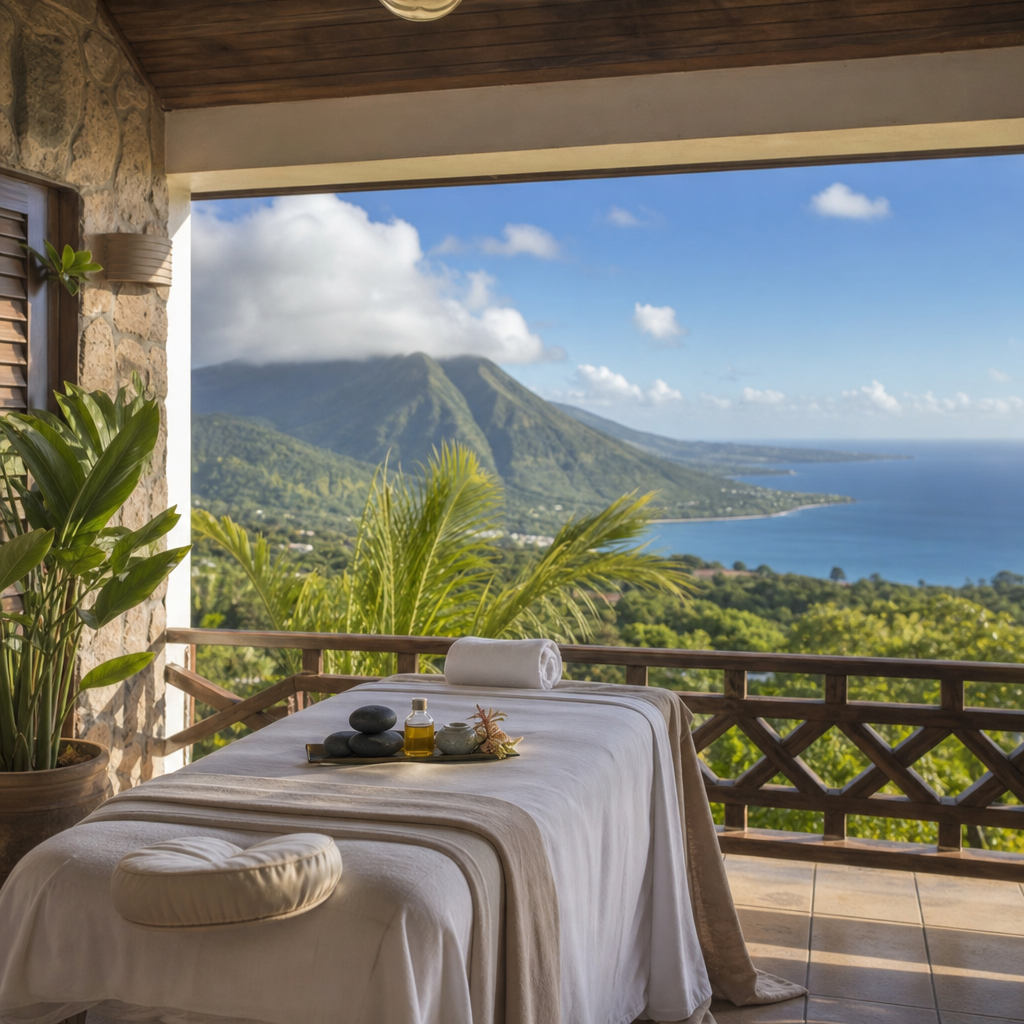
Saint Kitts has a combination of demand drivers that many larger markets struggle to assemble in one place. First, tourism creates an immediate customer base. Stayover visitors, cruise passengers seeking short treatments, destination wedding groups, and remote workers all buy wellness differently, but together they expand the addressable market. In my experience, the highest-value guests are not always luxury travelers in the narrow sense; they are often time-poor professionals who want convenience, credible service, and an environment that feels restorative from arrival to departure. Saint Kitts can deliver that because the island offers beaches, volcanic landscapes, rainforests, panoramic hiking routes, warm climate, and an overall pace that fits the wellness promise.
Second, the country’s hospitality inventory supports layered pricing. Large resorts can host full-service spas and wellness concierge programs, while smaller hotels, villas, and guesthouses can partner with mobile therapists, yoga instructors, nutrition coaches, or recovery specialists. This matters because wellness demand is fragmented. Some guests want a ninety-minute massage after a long-haul flight; others want a seven-day reset with movement classes, healthy dining, and sleep optimization. A market with only one service tier leaves money on the table. Saint Kitts has room for entry-level, mid-market, and premium wellness businesses to coexist.
Third, the island’s size is an operational advantage. Short transfer times make half-day and full-day packages more feasible than in destinations where guests lose hours to transport. A visitor can check into a hotel, book a massage, join a sunset meditation session, and still attend dinner without logistical friction. Convenience converts interest into revenue. When wellness businesses reduce booking friction, package services clearly, and coordinate with hotels and transport providers, utilization improves quickly.
Fourth, there is strategic relevance beyond tourism receipts. Spa and wellness businesses create employment across therapy, customer service, maintenance, retail, agriculture, and training. They also stimulate linked sectors such as local skincare manufacturing, healthy food supply, architecture, interior design, laundry services, booking software, and event production. For an island economy, that multiplier effect is important. A strong wellness industry does not just sell treatments; it builds a service ecosystem.
Most Promising Business Models in the Spa and Wellness Industry
The best opportunities in Saint Kitts are not limited to building a large luxury spa. In reality, several smaller and more flexible models can generate better returns with lower upfront risk. One is the resort-linked independent operator. In this model, an entrepreneur runs the spa operation under a management agreement or concession within a hotel, bringing expertise, staff training, treatment protocols, and retail strategy. Hotels benefit because wellness is no longer an afterthought, while operators gain access to ready-made foot traffic. I have seen this work especially well when the operator standardizes menu engineering, treatment timing, upsell pathways, and therapist productivity targets.
Another strong model is the boutique wellness studio that combines services rather than relying on one revenue stream. For example, a business might offer massage therapy, facials, prenatal care, Pilates, breathwork classes, and curated retail products. Diversification matters because treatment rooms alone can face utilization swings. Memberships, classes, private sessions, and product sales smooth revenue across the week. In destinations with tourism seasonality, local memberships are often what protect cash flow.
Mobile wellness is also highly suited to Saint Kitts. Villa guests, yacht visitors, bridal parties, and executive travelers often prefer in-room or on-site treatments. A mobile operator can start with lower capital expenditure than a fixed-site spa while building brand recognition. The tradeoff is logistical discipline: transport reliability, portable equipment standards, therapist scheduling, hygiene controls, and insurance must be managed carefully. When done well, mobile wellness can become the lead generator for a future physical location.
There is also room for wellness retreat design and curation. Not every entrepreneur needs to own a property. Some of the smartest operators create themed retreats around stress recovery, women’s wellbeing, fitness immersion, digital detox, or healthy aging, then package accommodation, treatments, excursions, and expert-led sessions through partner venues. This asset-light approach is particularly useful for testing market demand before investing in dedicated facilities.
| Business model | Main customers | Revenue sources | Key advantage | Main challenge |
|---|---|---|---|---|
| Resort-linked spa operator | Hotel guests, wedding groups, premium travelers | Treatments, retail, packages, management fees | Built-in demand from hospitality traffic | Dependence on hotel relationship and occupancy |
| Boutique wellness studio | Residents, long-stay visitors, remote workers | Memberships, classes, treatments, retail | Diversified recurring income | Requires strong local marketing and retention |
| Mobile wellness service | Villa guests, yachts, private events, executives | Call-out treatments, group bookings, premium convenience fees | Lower startup cost and flexible scaling | Transport, scheduling, and quality control complexity |
| Retreat curation business | Special-interest groups, corporate teams, international hosts | Package margins, consulting, commissions | Asset-light market entry | Needs excellent coordination and partnership management |
Where Revenue Growth Will Come From
Growth in Saint Kitts’ wellness sector will come from packaging, specialization, and local integration rather than from treatment menus copied from generic resort playbooks. Basic Swedish massage and standard facials are necessary, but they rarely create a compelling market position on their own. Higher-margin growth usually comes from named experiences that tie together setting, story, and outcomes. Examples include jet-lag recovery packages, post-hike recovery sessions, prenatal wellness programs for babymoon travelers, couples rituals for wedding parties, and men’s grooming and recovery services aimed at the underdeveloped male wellness segment.
Retail is another underused revenue line. A spa that sells only treatments is giving away margin. Aftercare products, sunscreen, locally inspired oils, body scrubs, herbal teas, sleep sprays, and wellness gift sets increase average transaction value and extend the customer relationship beyond one appointment. Where possible, these products should incorporate local ingredients with clear safety testing and consistent formulation. Lemongrass, ginger, coconut, sea salt, aloe, and other Caribbean botanicals can support a distinctive product story, but only if manufacturing, labeling, and shelf-life controls are professionally managed.
Corporate and group wellness will also become more important. As conference travel and executive retreats recover, event organizers increasingly ask for add-on programming such as chair massage stations, guided stretch breaks, mindfulness sessions, healthy catering, and team-building nature experiences. These are profitable because they use staff time efficiently and create referrals into private bookings. Cruise passenger wellness should not be ignored either. Short-format services, especially express massage, foot therapy, cooling facials, and recovery treatments, fit shore excursion windows when transport and booking coordination are tight.
Finally, real estate-linked wellness is a major long-term opportunity. Residential developments increasingly use spas, fitness centers, recovery lounges, and wellness programming as value-enhancing amenities. Buyers are not just purchasing square footage; they are buying a lifestyle promise. Developers in Saint Kitts can strengthen sales by integrating credible wellness operators early in the planning stage, rather than retrofitting a treatment room at the end of construction.
Operational Standards, Training, and Trust
Wellness businesses grow only when customers trust them. Attractive treatment rooms and ocean views help, but repeat business depends on standards. The basics are non-negotiable: intake forms, contraindication screening, sanitation protocols, linen controls, therapist certification verification, incident reporting, retail traceability, and clear guest communication. In every market I have worked in, the operators who document procedures outperform those who rely on informal habits. Consistency is the brand.
Training is the clearest gap and the clearest opportunity. Saint Kitts can benefit from stronger pipelines for massage therapists, estheticians, fitness instructors, yoga teachers, and wellness managers trained in service design as well as technical delivery. Businesses should not limit training to treatment technique. Front-desk conversion, consultation skills, retail recommendation, complaint handling, and scheduling efficiency have direct revenue impact. A therapist who can confidently explain why a guest should choose a recovery treatment over a relaxation treatment is increasing both satisfaction and yield.
Recognized standards matter because international travelers compare destinations constantly. Operators should align with established hygiene and safety expectations used across reputable spas and hospitality settings, including clear disinfection routines, equipment maintenance logs, and practitioner scope-of-practice boundaries. A wellness operator should never present beauty services as medical treatment or claim therapeutic outcomes without appropriate credentials. Balanced communication protects both consumers and the business.
Technology also supports trust. Reliable booking engines, automated reminders, digital intake forms, point-of-sale integration, and customer relationship management tools reduce no-shows and improve follow-up marketing. Software platforms such as Mindbody, Fresha, and resort PMS integrations can help businesses track therapist utilization, retail conversion, and repeat-guest rates. Owners who measure these numbers can fix weak points early instead of guessing.
How Saint Kitts Can Build a Distinctive Wellness Brand
The strongest wellness destinations do not compete only on luxury; they compete on identity. Saint Kitts should build its brand around authenticity, nature immersion, and integrated island wellbeing. That means connecting spa services with rainforest excursions, volcanic landscapes, nutrition rooted in fresh Caribbean ingredients, and culturally grounded hospitality. Visitors remember treatments, but they talk about experiences that felt impossible to replicate elsewhere.
For example, a wellness itinerary can start with a guided morning hike, continue with a cool-down herbal infusion and locally inspired body treatment, and end with a chef-led lunch built around nutrient-dense island produce. Another concept is a restorative program for remote workers that combines ergonomic coaching, mobility classes, digital detox sessions, and evening sleep rituals. These are not abstract ideas; they are sellable products that can be listed by hotels, tour operators, and travel advisors.
Partnerships will determine whether the sector matures. Hotels, villas, transport companies, farms, gyms, nutrition professionals, event planners, and tourism authorities need shared packaging and referral systems. Even simple internal linking across business websites, consistent destination messaging, and direct booking pathways can improve discovery and conversion. If a visitor researching business and investment opportunities in Saint Kitts can easily move from tourism, real estate, agriculture, and healthcare content into wellness offerings, the market becomes easier to understand and invest in.
Saint Kitts has real advantages for spa and wellness growth: natural appeal, expanding hospitality demand, flexible business models, and room for product innovation. The next step is disciplined execution. Investors and entrepreneurs should focus on standards, staff development, partnerships, and differentiated experiences that fit the island rather than importing generic concepts. Done well, the spa and wellness industry can generate jobs, extend visitor spending, support real estate value, and diversify the economy with resilient service businesses. If you are evaluating business and investment opportunities in Saint Kitts, wellness deserves serious attention. Start by mapping the customer segment you want to serve, then build a model around trust, local relevance, and operational excellence.
Frequently Asked Questions
1. Why is Saint Kitts considered a strong market for spa and wellness investment?
Saint Kitts is increasingly viewed as a strong spa and wellness market because it combines several growth drivers in one place: a tourism-based economy, a premium hospitality sector, rising interest in preventive health, and growing demand for lifestyle-oriented services from both visitors and residents. Unlike sectors that rely on a single customer profile, wellness businesses in Saint Kitts can often serve multiple audiences at once, including leisure travelers, cruise passengers, long-stay visitors, expatriates, second-home owners, and the local population. That broader demand base gives the industry resilience and creates room for multiple business models, from boutique spas and resort wellness centers to independent yoga studios, recovery clinics, natural skincare brands, and curated retreat experiences.
Another reason the sector stands out is the island’s natural positioning. Saint Kitts offers a setting that already aligns with the global wellness narrative: tropical scenery, a slower pace of life, outdoor recreation, ocean views, and an environment well suited to stress reduction and restorative travel. Investors are not trying to create the wellness story from scratch; they are building on an existing lifestyle appeal that is already marketable. In practice, that means wellness offerings can be integrated into tourism packages, luxury real estate developments, destination branding, and long-stay relocation strategies more easily than in many other markets.
The industry also benefits from international consumer trends. Travelers are spending more on experiences that support sleep, fitness, mental clarity, recovery, beauty, and holistic well-being. At the same time, hospitality operators are looking for ways to increase guest spending, extend average stays, and differentiate their properties. A well-designed wellness offering can help achieve all three. For investors, that creates opportunities not only in direct consumer services but also in business-to-business partnerships with hotels, villas, resorts, and property developers seeking to add wellness value to their operations.
2. What types of spa and wellness businesses have the most growth potential in Saint Kitts?
The strongest opportunities are usually found in businesses that match the island’s tourism profile while still appealing to the local and expatriate markets. Destination spas and hotel-based wellness centers are among the most obvious opportunities because they fit naturally into the visitor economy and can generate revenue through treatments, day passes, retail products, and premium guest packages. However, the market is not limited to traditional spa formats. There is also promising potential in yoga and Pilates studios, personal training and functional fitness services, massage and recovery therapy, meditation and mindfulness programs, beauty and aesthetics services, detox and nutrition programs, and wellness retreats built around rest, movement, and nature-based experiences.
Natural and locally branded product businesses also have significant room for expansion. This includes herbal teas, botanical oils, natural skincare, body care products, wellness gift lines, and spa consumables made with Caribbean ingredients and storytelling. These businesses can complement service-based operations while creating additional retail revenue and stronger brand identity. A spa that develops its own product line, for example, may be able to sell not only to guests but also through boutiques, hotels, airports, online channels, and export networks over time.
Another high-potential segment is preventive and recovery-oriented wellness. Global consumers are increasingly interested in services that support stress management, mobility, sleep quality, post-travel recovery, and overall vitality. Businesses that combine relaxation with practical health benefits tend to perform well, especially when they are packaged clearly and professionally. Investors should also pay attention to hybrid models, such as wellness cafés paired with studios, boutique accommodations paired with retreat programming, or real estate developments that include spa, fitness, and health-focused amenities. In Saint Kitts, the most scalable concepts are often the ones that connect tourism, lifestyle, and repeat-use local demand rather than relying entirely on one-time visitors.
3. How can investors successfully position a wellness brand in Saint Kitts?
Successful positioning starts with understanding that wellness customers are not all looking for the same thing. Some want luxury and indulgence, others want fitness and structure, and others are seeking healing, restoration, or authentic Caribbean experiences. A strong brand in Saint Kitts should therefore be very clear about its niche. It may position itself as a luxury resort spa, a science-backed recovery center, an eco-conscious holistic retreat, a locally rooted herbal wellness brand, or a practical community wellness studio. Clarity matters because it helps determine pricing, design, staffing, partnerships, and marketing strategy.
Local relevance is equally important. Businesses that simply copy international spa concepts without adapting them to the island often miss a major opportunity. Saint Kitts has cultural, environmental, and lifestyle assets that can make a wellness brand more distinctive and memorable. Incorporating local ingredients, Caribbean healing traditions, outdoor settings, local wellness practitioners, and island-inspired treatment concepts can create an identity that feels authentic rather than generic. Visitors, especially in the higher-value travel segments, often respond well to experiences they cannot easily find elsewhere.
Operational credibility also plays a major role in brand positioning. In wellness, trust is essential. Investors should focus on high standards in hygiene, therapist training, service consistency, safety protocols, and client education. The brand should communicate professionalism just as strongly as it communicates relaxation or beauty. In addition, partnerships can help strengthen market positioning. Aligning with hotels, tour operators, real estate developers, wedding planners, and concierge networks can quickly expand visibility and customer access. The most effective wellness brands in Saint Kitts are typically those that blend strong experience design, authentic local character, and disciplined business execution.
4. What are the main challenges in Saint Kitts’ spa and wellness industry, and how can they be addressed?
Like many island-based business sectors, the spa and wellness industry in Saint Kitts comes with both opportunity and operational complexity. One major challenge is scale. Saint Kitts is not an unlimited-volume market, so businesses need to be realistic about demand, seasonality, and customer segmentation. A concept that is too large, too expensive, or too narrowly targeted may struggle if it depends on constant high occupancy or nonstop tourist flow. The best response is careful market validation, phased growth, and a business model that can generate income from more than one source, such as services, memberships, retail, partnerships, and events.
Staffing and skills development can also be a challenge. Wellness businesses rely heavily on service quality, which means recruitment, training, and retention are critical. Specialized therapists, instructors, and wellness professionals may not always be readily available in the numbers some investors expect. This makes training systems, ongoing professional development, and a positive workplace culture especially important. Operators who invest in talent development are often better positioned for long-term success than those who focus only on branding or décor.
There are also practical considerations such as import costs for equipment and supplies, utility expenses, compliance requirements, and the need for consistent service standards in a highly reputation-driven industry. These issues can be managed, but they must be built into the business plan from the beginning. Investors should pay close attention to sourcing strategies, pricing structure, maintenance planning, and legal and regulatory obligations. Digital marketing and customer acquisition can be another weak point if neglected. Because wellness is often an experience-led purchase, businesses need strong visual branding, clear service descriptions, online booking functionality, and active reputation management. The operators that do well are usually the ones that treat wellness not just as a passion business, but as a disciplined, professionally managed enterprise.
5. What makes the long-term outlook for Saint Kitts’ wellness sector attractive?
The long-term outlook is attractive because wellness is not a short-term trend; it is increasingly becoming part of how people travel, live, invest, and choose destinations. Saint Kitts is well placed to benefit from this shift because its wellness potential extends far beyond spa treatments alone. The industry connects naturally to tourism development, retirement and relocation demand, residential communities, boutique hospitality, sustainable lifestyle brands, and preventive health services. That cross-sector relevance gives wellness unusual durability as an investment theme. Even as consumer preferences evolve, the broader demand for health, restoration, beauty, stress management, and meaningful lifestyle experiences is likely to remain strong.
Another positive factor is the ability to create layered value. A wellness business can generate direct revenue from treatments or classes, but it can also increase the appeal of a hotel, support real estate sales, enhance destination branding, and encourage repeat visitation. This multiplier effect is especially important in a market like Saint Kitts, where a thoughtfully designed wellness offering can add distinction to both tourism assets and mixed-use developments. Investors who understand this broader value proposition are often better able to justify quality investment and strategic partnerships.
Looking ahead, the biggest winners are likely to be businesses that combine authenticity, strong operations, and smart market alignment. Saint Kitts has the ingredients to support premium wellness experiences, locally inspired product innovation, and integrated lifestyle ventures that appeal to modern travelers and residents alike. As wellness continues to move into the mainstream of hospitality and consumer spending, the island’s combination of natural appeal, tourism infrastructure, and entrepreneurial flexibility should keep the sector relevant and investable. For investors willing to build thoughtfully and operate to high standards, Saint Kitts’ spa and wellness industry offers credible long-term growth potential.