Saint Kitts’ year-end hiking adventures combine dry-season weather, dramatic volcanic terrain, and festive island energy into one of the Caribbean’s most rewarding outdoor experiences. For travelers planning adventure and activities in late November through early January, Saint Kitts offers rainforest trails, historic footpaths, crater climbs, coastal viewpoints, and community-led excursions that feel active without becoming inaccessible. In practical terms, year-end hiking on Saint Kitts means taking advantage of the island’s cooler mornings, clearer views, and holiday-season events while navigating routes that range from easy plantation walks to strenuous volcano ascents. The island’s compact size is a major advantage: you can hike in the central mountain range at sunrise, visit a heritage site by lunch, and still make it back to Basseterre or Frigate Bay for dinner.
As a hub within the broader Adventure and Activities topic, this guide covers the miscellaneous side of hiking that travelers often need most: where to go, what each trail feels like, what conditions change at year-end, how guided hikes work, what to pack, and how to connect hiking with rail tours, beaches, wellness outings, and local culture. I have planned and evaluated Caribbean hiking itineraries around winter holiday travel windows, and Saint Kitts consistently stands out because its trail network delivers variety in a short radius. The keyword to understand is microclimate. Coastal areas can be sunny and breezy while the forested interior is damp, shaded, and cooler. Another useful term is trail difficulty: on Saint Kitts, difficulty often comes less from distance and more from mud, roots, elevation gain, and steep volcanic grades. That distinction matters because many visitors underestimate moderate routes and overestimate how quickly they can move.
Why does this topic matter? Because year-end is one of the busiest periods for Caribbean travel, and good hiking decisions protect both your vacation time and your safety. Cruise passengers need routes with reliable timing. Stayover visitors want adventures that complement beaches and holiday events rather than exhausting them. Families need to know which trails are realistic for mixed abilities. Serious hikers want to know whether Mount Liamuiga is worth the effort. The short answer is yes, but only with proper preparation and usually with a guide. Saint Kitts rewards informed planning. The island’s volcanic backbone, old estate roads, biodiversity, and layered history make hiking more than a fitness activity; it becomes a way to understand how the landscape shaped sugar estates, villages, transportation, and even modern tourism.
At year-end, that experience becomes richer. December is part of the dry season, so trails are often more manageable than in wetter months, though recent rain can still create slick conditions. Visibility from ridge lines and higher elevations tends to improve, making photo opportunities better and summit days more satisfying. Holiday programming also increases the appeal of pairing a morning hike with carnival events, heritage visits, or waterfront dining. If you are looking for a flexible island adventure hub, hiking on Saint Kitts is the connective tissue that links nature, history, and local life.
Best year-end hikes on Saint Kitts
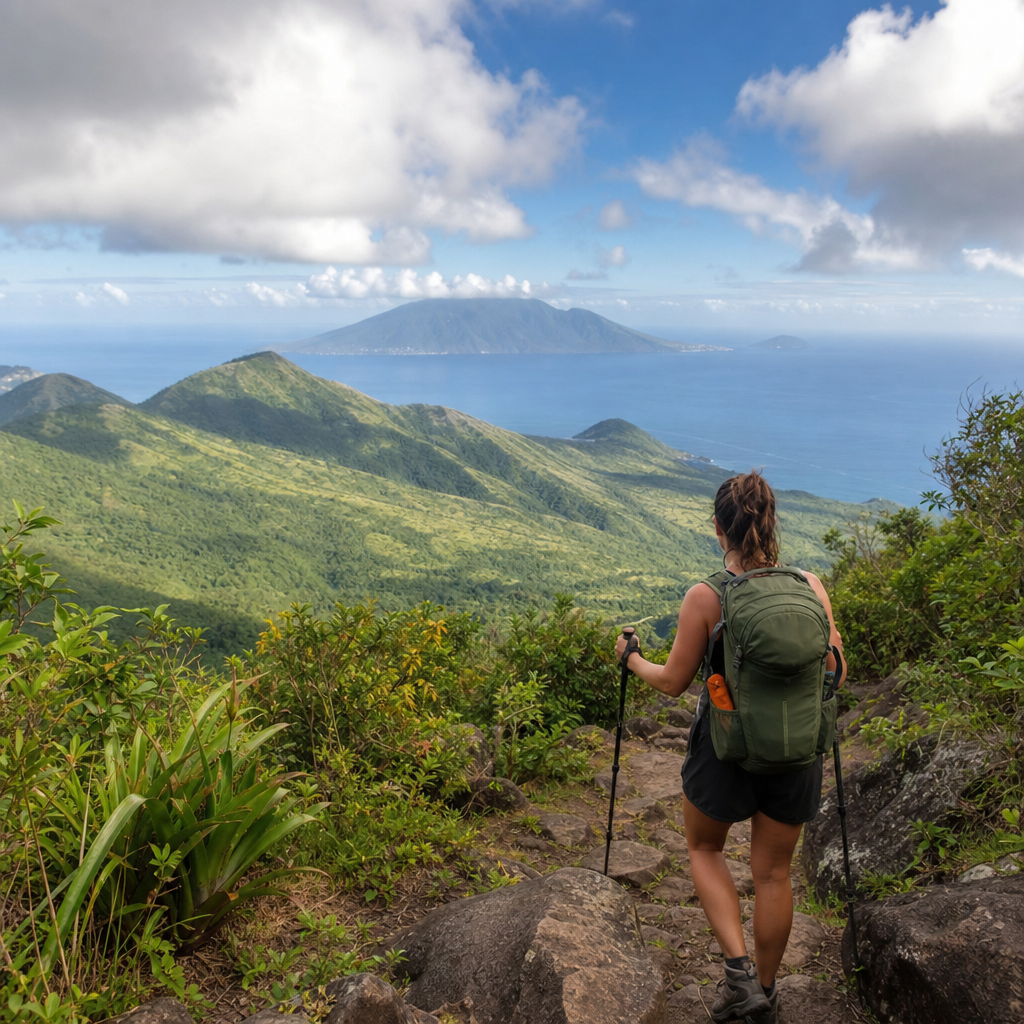
The signature hike is Mount Liamuiga, a dormant stratovolcano rising to about 3,792 feet, or 1,156 meters. This is the island’s premier strenuous trek and the route most often asked about by experienced travelers. A standard guided outing usually starts with transport to the Belmont Estate area, followed by a climb through farmland, secondary growth, and dense rainforest before reaching the crater rim zone. Depending on pace, weather, and how far conditions allow safe movement, the total experience often takes four to six hours. The appeal is obvious: giant tree roots, cloud forest atmosphere, and exceptional views over Saint Kitts, neighboring islands, and the Atlantic-Caribbean divide. The caution is equally clear: the upper section can be muddy, steep, and rope-assisted in places. This is not a casual walk in beach sandals.
For travelers who want a moderate alternative, the rainforest trails near Wingfield Estate and Romney Manor are more forgiving and easier to integrate into a broader sightseeing day. These routes introduce the island’s interior ecology without the full physical demand of a volcano ascent. You move through old estate lands, broad-leaf vegetation, and stream-cut terrain that shows how water and volcanic soils shaped agriculture. These hikes work well for visitors who care as much about interpretation as exercise. A knowledgeable local guide can point out breadfruit, bamboo, medicinal plants, vervet monkeys, and remnants of colonial infrastructure that most independent walkers would miss.
Another overlooked option is combining shorter trail segments with scenic drives through the foothills above Old Road Town, Sandy Point, or the central parishes. These walks may not have the prestige of a summit, but they are ideal for year-end travelers balancing family schedules, cruise windows, or holiday events. In my experience, these half-day hikes often produce the best overall vacation memories because they leave energy for the rest of the day. The real choice is not simply hard versus easy. It is whether you want a landmark achievement, a nature-focused outing, or a mixed adventure that ties landscapes to local history.
| Hike or Area | Typical Difficulty | Best For | Year-End Advantage |
|---|---|---|---|
| Mount Liamuiga | Strenuous | Experienced hikers seeking a summit challenge | Cooler mornings and stronger visibility from higher elevations |
| Wingfield rainforest trails | Moderate | Nature lovers and first-time visitors | Drier conditions improve footing and comfort |
| Romney Manor area walks | Easy to moderate | Families and mixed-ability groups | Pairs well with gardens, heritage stops, and short itineraries |
| Foothill village and estate tracks | Easy to moderate | Travelers wanting flexible half-day adventures | Fits busy holiday schedules and cruise timing |
Weather, trail conditions, and what changes at year-end
Saint Kitts does not have four seasons in the temperate sense, but year-end still brings meaningful shifts for hikers. Late December sits within the drier part of the year, and average daytime temperatures commonly land in the upper 70s to mid-80s Fahrenheit, roughly 26 to 30 Celsius, depending on elevation and exposure. Humidity remains present, yet early starts are noticeably more comfortable than in late summer. This matters because heat management is one of the main factors that determines whether hikers enjoy the island or struggle through it. A route that feels manageable at 7:30 a.m. can feel punishing by late morning if there is little breeze.
That said, dry season does not mean dry trails. Rainforest routes hold moisture, leaf litter stays slick, and clay-heavy sections can remain muddy after overnight showers. The mountain interior creates its own weather patterns, and clouds can build quickly around higher elevations. On Mount Liamuiga especially, summit conditions can change from clear to misty in a short period. The practical lesson is simple: treat every hike as a wet-surface hike even when the coast looks bright and rain-free. Good traction matters more than many visitors expect. So does carrying a light rain shell, because a brief shower in the forest can drop temperature enough to make rest stops uncomfortable.
Year-end also affects daylight and logistics. Sunset comes earlier than many winter-sun travelers assume, so there is little margin for delayed starts. During holiday weeks, road traffic around events, resort transfers, and port movements can add time to morning pickups. Guides who know the island well build this into departure planning. Independent travelers often do not. If your goal is to hike and still enjoy Sugar Mas activities, beach time, or dinner reservations, start early, confirm transport, and do not schedule a demanding trail the morning after a late night.
Guided hikes, safety standards, and local knowledge
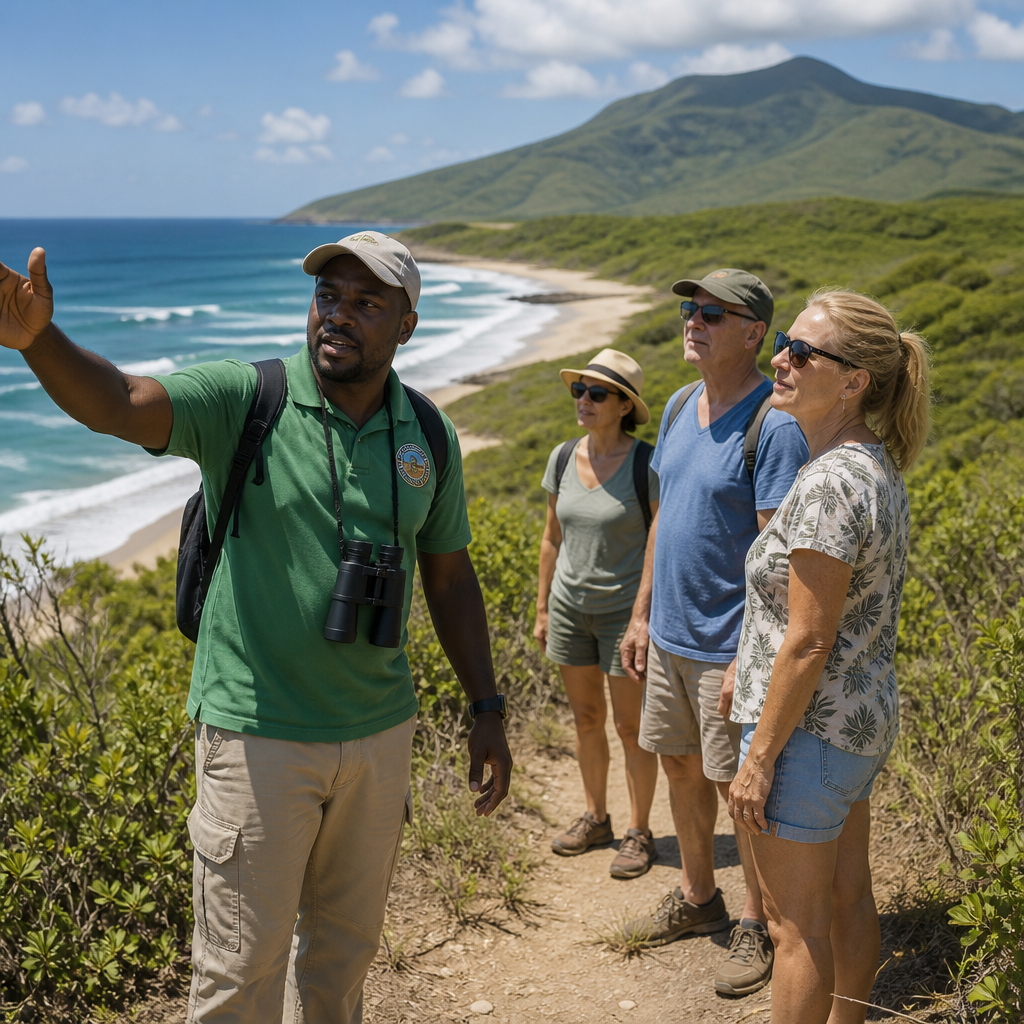
On Saint Kitts, guided hiking is not just a convenience; for many routes it is the right standard. This is especially true for Mount Liamuiga and less-marked rainforest paths where junctions, weather shifts, and footing can create avoidable risk. A capable guide does several things at once: manages pace, reads trail conditions, explains the landscape, and adjusts turnaround decisions based on the group. That skill is more valuable than visitors sometimes realize. I have seen otherwise fit travelers lose time on Caribbean mountain trails simply because they attacked the first steep section too aggressively, ran short on water, and struggled later when mud and roots demanded controlled footwork.
Local guides also add context that transforms the outing. They can explain how former sugar estates connected to inland tracks, why certain tree species dominate specific elevations, and where vervet monkeys are most commonly spotted. On heritage-linked routes, they often know oral histories and place names absent from standard maps. This turns a hike into a meaningful island interpretation experience rather than a workout with scenery. For a hub article covering miscellaneous hiking interests, that point is central: Saint Kitts is best understood through guided storytelling as much as through trail mileage.
When evaluating operators, ask direct questions. Is transportation included? What is the maximum group size? Are hiking poles recommended or provided? How long is the route, and what elevation gain should you expect? What happens in the event of rain? Reputable operators answer clearly and do not oversell difficulty. They will often state that summit success depends on weather and group ability. That is not evasive language; it is a sign of sound judgment. The Caribbean Tourism Organization and broader outdoor industry norms both support clear activity disclosure, realistic timing, and appropriate safety screening. If an operator dismisses footwear requirements or guarantees a summit regardless of conditions, consider that a warning sign.
What to pack and how to prepare for Saint Kitts hiking
The best packing list for Saint Kitts at year-end is short but specific. Trail shoes or light hiking boots with real grip are essential. Flat-soled casual sneakers are the most common mistake I see. Moisture-wicking clothing matters because cotton stays damp in the rainforest and becomes uncomfortable during rest periods. Carry at least one to two liters of water per person for moderate hikes and more for longer climbs, especially if you tend to sweat heavily. A small daypack, insect repellent, sunscreen, and a compact rain jacket round out the core kit. For Mount Liamuiga, add gloves if you prefer better hand protection on rope-assisted or root-heavy sections.
Preparation is not only about gear. It is about matching the trail to your current fitness and schedule. If you have been mostly sedentary before a holiday trip, start with a moderate rainforest route, not the volcano. If you are arriving on a cruise ship, build in buffer time and choose an excursion with a well-defined return schedule. If you are traveling with children or older adults, ask operators about uneven footing, restroom access, and bail-out options. These practical details determine whether a hike feels empowering or stressful.
Nutrition and recovery count too. Eat a light breakfast with some carbohydrates and protein before an early start. After the hike, rehydrate and plan a recovery-friendly afternoon, especially if you tackled a muddy ascent. One of the pleasures of Saint Kitts is that active mornings pair naturally with low-key afternoons: a swim at South Friars Bay, lunch in Basseterre, or a scenic rail excursion another day. Good itinerary design is part of good hiking.
How hiking connects with the rest of Saint Kitts adventure travel
Hiking is the hub activity that makes the island’s other adventures more coherent. Once you have walked through the forested interior or climbed toward the crater rim, the scenic railway, plantation houses, and coastal viewpoints make more sense because you have seen the terrain that linked them. Visitors interested in miscellaneous adventure options often ask what to do besides beaches. The best answer is to combine one signature hike with complementary low-impact activities. For example, a Mount Liamuiga day can be balanced with a catamaran sail on another day, while a moderate rainforest walk can be paired with Romney Manor gardens, Caribelle Batik, or Brimstone Hill Fortress National Park.
This mix is especially effective at year-end, when holiday calendars can be full and travelers may not want every day to be physically intense. Hiking gives structure to the trip. It creates a sense of achievement, opens up inland scenery many visitors never see, and supports a deeper connection to place. It also serves different traveler types. Couples use hikes as active sightseeing. Families use them to break up resort time. Solo travelers often find guided hikes one of the easiest ways to meet people. Photographers benefit from morning light and elevated vantage points. Birders and naturalists gain access to habitats beyond the coast.
The main benefit is perspective. Saint Kitts is not a one-note beach destination. Its year-end hiking adventures reveal the island as a layered volcanic landscape shaped by ecology, labor history, and contemporary tourism. Start with the trail that matches your ability, book with an experienced guide, pack for mud rather than postcards, and give yourself time to enjoy the island after the walk. If you are building an Adventure and Activities itinerary, let hiking be the anchor and use it to connect the rest of your plans.
Frequently Asked Questions
What makes Saint Kitts especially good for hiking at the end of the year?
Late November through early January is one of the most appealing times to hike in Saint Kitts because the island typically enters its drier, more comfortable season. That usually means greener trails without the heavy, persistent rainfall that can make footing more difficult at other times of year. Temperatures remain warm by most standards, but early starts and shaded forest routes keep many hikes manageable for travelers who want a real outdoor experience without extreme conditions. The year-end period also brings a distinct atmosphere: villages are active, holiday events add energy across the island, and guided excursions often feel more social and community-connected than at quieter times of year.
Just as important, Saint Kitts offers variety. Hikers can move from historic plantation landscapes to rainforest-covered slopes, climb toward the crater area of Mount Liamuiga, follow old footpaths, or stop at coastal viewpoints that contrast dramatically with the island’s volcanic interior. For many visitors, that balance is the real advantage of hiking here at year’s end. You can choose a trail that feels adventurous and immersive without needing to commit to highly technical trekking. In other words, Saint Kitts delivers a strong sense of exploration, scenery, and seasonal atmosphere in a format that suits a broad range of active travelers.
Is hiking in Saint Kitts during the year-end season suitable for beginners, or is it mainly for experienced hikers?
It can be suitable for both, but the right trail choice matters. Saint Kitts is not limited to expert-level hiking. Many routes and walking excursions are approachable for travelers with moderate fitness, especially when guided. Easier options may include shorter rainforest walks, scenic footpaths near historic estates, gentler countryside routes, and hikes designed to highlight viewpoints or local heritage rather than elevation gain. These experiences can still feel adventurous because of the island’s dense tropical vegetation, volcanic scenery, and changing terrain, but they do not necessarily require advanced hiking skills.
That said, some of the island’s best-known hikes, especially the Mount Liamuiga crater climb, are more demanding. They may involve steep sections, roots, mud, uneven ground, and a longer duration than casual walkers expect. Even in the dry season, trail surfaces can be slick in places under forest cover. Beginners who want a fuller experience should consider booking with a reputable local guide, asking specifically about trail difficulty, duration, elevation, and pace before committing. Good operators can match travelers with an outing that feels challenging but realistic. If you are reasonably active, wear proper footwear, bring water, and choose a route aligned with your fitness level, year-end hiking in Saint Kitts can be highly rewarding rather than overwhelming.
What are the most popular hiking experiences in Saint Kitts at this time of year?
The signature adventure is usually the hike to Mount Liamuiga, the island’s dormant volcano. This is the trail many outdoor-minded visitors ask about first because it combines rainforest scenery, volcanic geology, panoramic views, and the satisfaction of reaching one of Saint Kitts’ most dramatic natural features. Depending on conditions and the exact route used, it is generally considered a moderate-to-challenging excursion, and going with a guide is strongly recommended. For hikers looking for a memorable year-end achievement, this climb often becomes the highlight of the trip.
Beyond the volcano, Saint Kitts offers several other rewarding hiking styles. Rainforest trails appeal to travelers who want a lush, immersive setting filled with giant trees, tropical vegetation, birdsong, and the possibility of seeing local wildlife such as vervet monkeys. Historic footpaths and plantation-area walks add cultural depth, connecting the island’s landscapes with its colonial and agricultural past. Coastal viewpoint hikes provide a different kind of payoff, especially for visitors who want dramatic sea views without committing to a major ascent. Community-led excursions are also increasingly attractive because they combine outdoor activity with local insight, storytelling, and a more personal understanding of the island’s geography and traditions. For year-end travelers, that range of options is one of Saint Kitts’ biggest strengths: you can tailor the experience to scenery, difficulty, and interest level.
What should travelers bring and wear for a year-end hike in Saint Kitts?
Start with sturdy footwear. Trail shoes or hiking boots with reliable grip are far more useful than casual sneakers, especially on volcanic slopes, rooted rainforest sections, or damp ground. Lightweight, breathable clothing is usually best because temperatures remain warm, but it helps to choose fabrics that manage sweat well. Many hikers also prefer long shorts or lightweight pants to protect against brush and minor scrapes. A hat, sunscreen, and insect repellent are smart additions, particularly for more exposed sections and lower-elevation routes. Even during the drier months, carrying a light rain layer is sensible because tropical weather can change quickly.
Water is essential, and bringing more than you think you will need is wise, particularly on longer or steeper hikes. Snacks or a light energy source can also make a noticeable difference on routes that last several hours. A small daypack, a phone in a waterproof pouch, and a simple towel or extra shirt can improve comfort after a humid trek. If you are joining a guided crater hike or a more strenuous inland route, ask your guide in advance whether gloves, trekking poles, or additional gear might be useful. In practical terms, success on Saint Kitts’ year-end trails comes down to comfort, traction, hydration, and realistic preparation. The island’s hikes are rewarding, but they are best enjoyed when you dress for tropical conditions rather than assuming a casual beach-day outfit will be enough.
Should visitors book guided hikes in Saint Kitts, or can they explore on their own?
For many travelers, guided hiking is the best choice, especially at year’s end when the island is lively and demand can increase. A good local guide adds more than navigation. They help interpret the landscape, explain local plants and history, monitor trail conditions, set an appropriate pace, and improve overall safety. This is particularly valuable on routes that cross dense rainforest, involve elevation changes, or include less obvious trail markers. On Mount Liamuiga and other more ambitious hikes, a guide is strongly advisable because terrain can be steep, muddy, and physically demanding, and route knowledge matters.
There are some situations where independent exploration may work, particularly for short, well-understood walks near developed areas or properties that welcome visitors. Even then, it is worth confirming access, trail status, and local advice before heading out. Saint Kitts is not the kind of destination where every scenic route is extensively signed or standardized for self-guided hiking in the way some larger trekking destinations are. Booking a guide also supports local businesses and often creates a richer experience through conversation and community perspective. For year-end visitors who want the most confident, informative, and enjoyable introduction to the island’s hiking culture, guided excursions are usually the smartest option.