Snorkeling adventures in Nevis’ coral reefs reveal one of the Caribbean’s most rewarding ways to experience marine life, coastal geology, and the island’s quieter side in a single outing. Nevis, the smaller sister island of St. Kitts, is known for volcanic slopes, relaxed beaches, and reef systems that support parrotfish, angelfish, sea fans, hard corals, and occasional sea turtles in generally warm, swimmable water year-round. In practical terms, snorkeling means swimming at the surface while using a mask, snorkel, and usually fins to observe underwater habitats without scuba equipment. Coral reefs are living ecosystems built largely by colonies of tiny animals called coral polyps, and they matter because they protect shorelines, support fisheries, attract tourism revenue, and create unforgettable wildlife encounters for travelers. I have guided first-time snorkelers and experienced ocean swimmers through Eastern Caribbean reef sites, and Nevis stands out for its combination of easy beach access, manageable conditions on many days, and a broad mix of experiences ranging from shallow fringing reef to boat-based excursions on calmer offshore patches. For visitors planning an adventure and activities itinerary, this topic also serves as a useful hub because snorkeling connects naturally with sailing trips, beach hopping, kayaking, family outings, marine photography, and eco-tours around the island. Understanding where to go, what you are likely to see, how to choose a tour, and how to protect the reef will shape whether your day is merely pleasant or genuinely exceptional.
Why Nevis Is a Standout Snorkeling Destination
Nevis offers favorable snorkeling because it combines warm Caribbean water, varied shoreline access, and reef zones that are interesting without demanding technical diving skills. Water temperatures commonly hover around 26 to 29 degrees Celsius, which allows long sessions with minimal thermal discomfort for most travelers. Visibility changes with wind, swell, and runoff, but on calm mornings it can be excellent enough to distinguish coral heads, sandy channels, and schooling fish from the surface. The island’s western and southwestern coasts often provide the most approachable conditions because they are relatively sheltered compared with more exposed Atlantic-facing areas. This matters for casual snorkelers, families, and travelers who want to pair a reef session with beach time instead of committing to a full-day offshore expedition.
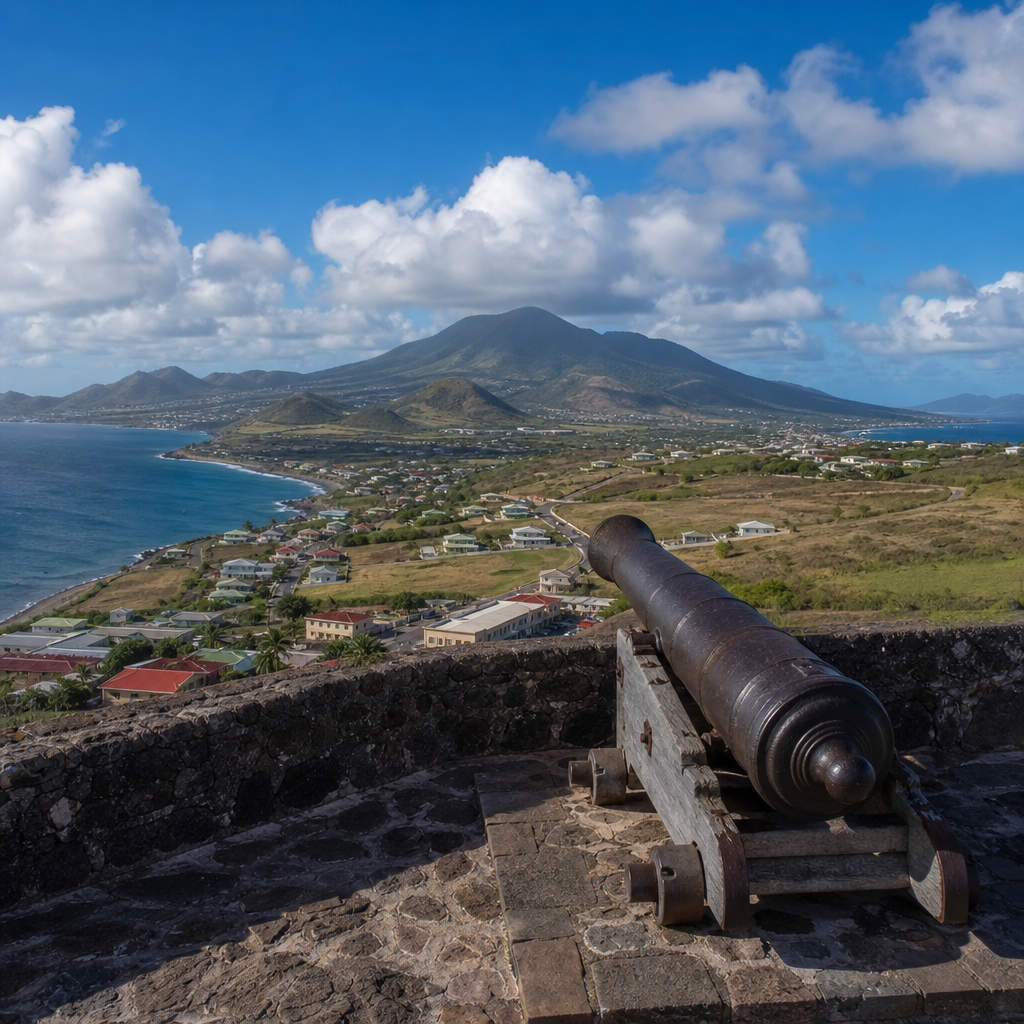
Another reason Nevis works well is scale. The island is compact, so it is possible to compare beach conditions quickly, pivot to a different bay if wind shifts, and combine snorkeling with stops at beach bars, heritage sites, or hiking trailheads. From an adventure planning perspective, that flexibility is valuable. A morning snorkel at Pinney’s Beach can be followed by lunch near Charlestown, then an afternoon sail or a visit to volcanic hot springs, all without a long transfer. For travelers building out a wider Adventure and Activities itinerary, snorkeling becomes a central anchor rather than a one-off excursion.
The marine environment is not identical everywhere, and that variety is part of the appeal. Some sites favor beginners with shallow bottom structure and easy entries. Others reward stronger swimmers with more fish density or healthier coral formations reached by boat. In my experience, travelers often arrive expecting a generic Caribbean reef and leave surprised by how much local conditions shape the outing: morning light affects visibility, seasonal swells influence comfort, and a knowledgeable guide can point out juvenile fish, cleaner stations, or camouflaged species that most people would otherwise miss entirely.
Best Reef Areas and What You Can Expect to See
Several areas around Nevis are commonly used for snorkeling, and each has a distinct personality. Pinney’s Beach is often the first place visitors consider because it is accessible, lined with amenities, and suitable for casual water entry. While not every stretch has dramatic coral growth close to shore, certain sections offer patches of reef, seagrass, and sandy bottom where beginners can practice and still encounter wrasse, sergeant majors, juvenile parrotfish, and the occasional ray. Oualie Beach is another strong option, particularly because waters nearby are often used by tour operators running boat snorkel trips. Boat access expands your range beyond the immediate shoreline and can bring you to clearer reef patches with more structured coral and higher fish activity.
Cades Bay and Herbert’s Beach are frequently mentioned by travelers seeking quieter settings. Conditions here can be rewarding on calm days, though comfort and visibility are more weather dependent. Strong swimmers who are accustomed to reading shoreline conditions may appreciate these less-developed spots, but first-timers are usually better served by going with a local guide who knows entry points, current patterns, and where reef life is concentrated. Off the coast, guides sometimes target reef and rocky areas where volcanic structure, coral heads, and sandy channels create habitat diversity. That diversity explains why one snorkel can include butterflyfish grazing near coral, trumpetfish hovering vertically by sea rods, and squid or barracuda moving through open water nearby.
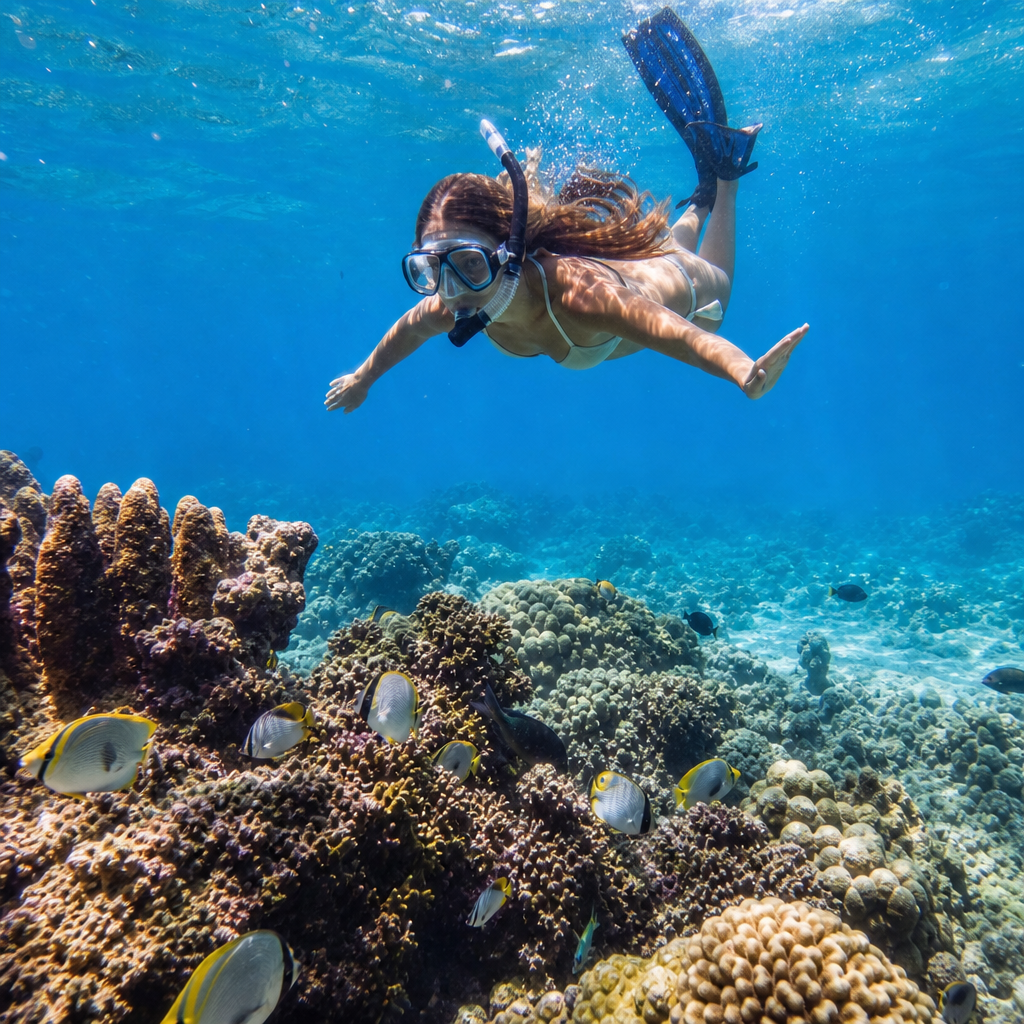
Common marine life in Nevis includes blue tang, French grunt, doctorfish, squirrelfish, damselfish, and queen angelfish. You may also see brain coral, elkhorn remnants in some areas, staghorn restoration efforts depending on local projects, sea fans, sponges, and fire coral, which looks harmless but can cause painful skin irritation on contact. Sea turtles are possible, especially green turtles feeding in seagrass beds, though they should never be chased or touched. Lobsters and eels may hide in crevices, and octopus sightings are a special bonus often missed by snorkelers who move too fast.
| Area | Best For | Typical Conditions | Likely Sightings |
|---|---|---|---|
| Pinney’s Beach | Beginners, families, easy access | Often calm in the morning, variable reef density | Sergeant majors, parrotfish, seagrass species |
| Oualie Beach | Boat trips, mixed skill levels | Good launch point, broader site access | Angelfish, coral heads, schooling reef fish |
| Cades Bay | Independent explorers on calm days | More weather dependent, quieter shoreline | Wrasse, rays, patch reef species |
| Offshore reef patches | Best overall marine variety | Usually reached by tour boat, clearer water possible | Turtles, larger schools, richer coral structure |
How to Plan the Right Snorkeling Trip
The best snorkeling trip in Nevis starts with matching the outing to your skill level, confidence in open water, and interest in marine life rather than booking the first available excursion. If you are a non-swimmer or weak swimmer, choose a guided tour that provides flotation aids, a slow briefing, and a sheltered site. Reputable operators will explain mask clearing, snorkel breathing, fin use, buddy procedures, and hand signals before anyone enters the water. If you are traveling with children, ask whether the guide works with families regularly and whether the site has a gentle entry instead of a deep-water drop from the boat. These details make a substantial difference to comfort.
Timing is equally important. Early morning usually offers the calmest surface, the best light penetration, and less boat traffic. Afternoon sessions can still be excellent, but wind often builds and can stir sediment or create chop that tires inexperienced snorkelers. Weather apps help, but they are not enough on their own. Local knowledge matters more because island captains understand how daily trade winds, recent rain, and swell direction affect specific coves. In my own trip planning, I always ask two direct questions: where was visibility best yesterday, and which side of the island is most protected today? Those answers usually predict the quality of the session better than a generic forecast.
Equipment quality is another planning factor people underestimate. A poorly fitting mask ruins the experience through constant leaks and fogging. Fins that are too large cause blisters and wasted energy. If you wear prescription lenses, ask in advance whether prescription masks are available. Rash guards are better than loose cotton shirts because they reduce sun exposure without becoming heavy in the water. Travelers prone to seasickness should consider non-drowsy remedies before boat departures, especially if the itinerary includes multiple sites. Finally, leave room in your schedule. Rushed snorkel trips are less safe and less enjoyable, while a half-day format usually gives enough time for fitting gear, learning the site, and observing marine life at a relaxed pace.
Safety, Reef Etiquette, and Environmental Responsibility
Safe snorkeling in Nevis depends on basic ocean awareness more than athletic ability. Never assume calm water from shore means no current. Watch the surface for drifting foam, ask guides about entry and exit points, and stay within the agreed area. Use a buddy system at all times, especially near boat channels or deeper reef edges. If you become tired, float, signal, and recover instead of forcing a long fin back to shore. Bright sun, saltwater dehydration, and motion can drain energy faster than many vacationers expect. Hydrate before and after the trip, and do not snorkel immediately after heavy alcohol consumption.
Reef etiquette is simple and non-negotiable: look, do not touch. Standing on coral kills living tissue and damages structures that take decades to grow. Touching turtles or fish changes animal behavior and can violate local wildlife rules. Keep your fins and knees high in shallow water, maintain horizontal body position, and avoid chasing wildlife for photos. I regularly remind first-time snorkelers that the healthiest reefs are observed slowly. The more quietly you move, the more likely you are to notice cleaning gobies, juvenile damselfish guarding algae gardens, or a hawksbill turtle surfacing at a respectful distance.
Sunscreen choice also matters. Mineral-based formulations that use non-nano zinc oxide are generally preferred over products containing chemicals associated with harm to marine environments. Better still, combine reef-safer sunscreen with UPF clothing and time your outing to avoid the harshest midday exposure. Responsible operators often participate in beach cleanups, mooring use to prevent anchor damage, and education about species identification. Choosing those businesses supports better outcomes for the marine environment and improves your own experience because guides who care about reef health usually provide more accurate interpretation in the water.
Related Adventures That Pair Well With Snorkeling
As a hub within the Adventure and Activities category, snorkeling in Nevis links naturally to several related experiences that help visitors build a fuller itinerary. Catamaran cruises are the most obvious companion because they combine coastal sightseeing, swim stops, and sunset views with onboard food or drinks. Kayaking and paddleboarding add a surface-level perspective that helps travelers understand reef placement, mangroves, and seagrass beds before entering the water. For photographers, a beach day paired with snorkeling offers opportunities above and below the surface, especially around sunrise and late afternoon when coastal light is softer.
Families often combine snorkeling with wildlife-focused outings, such as glass-bottom boat tours, which are useful for younger children or older relatives who want reef views without swimming. More active travelers can connect a morning reef session with hiking in Nevis Peak foothills, cycling the island road, or exploring historical sites in Charlestown. That contrast is one of Nevis’ strengths: marine adventure does not sit apart from culture and landscape; it complements them. A visitor can start the day watching blue tang over coral, spend lunch discussing local seafood and conservation, and end the afternoon touring plantation history. Few destinations package those layers so conveniently.
Snorkeling also works as a gateway activity. Many travelers who are unsure about open-water adventure begin with a guided reef swim and then gain confidence for scuba try-dives, freediving instruction, or longer boat excursions around St. Kitts and Nevis. From a planning standpoint, that makes this miscellaneous hub especially useful. It introduces the marine environment gently while pointing toward more specialized articles on beaches, sailing, family excursions, water sports, eco-tours, and island day trips. If you are deciding where to begin, start with snorkeling. It delivers immediate reward, requires limited training, and reveals the living system that connects many of Nevis’ best outdoor experiences.
Snorkeling adventures in Nevis’ coral reefs deserve a place near the top of any island itinerary because they combine accessibility, biodiversity, and genuine environmental value in a format that suits beginners and experienced travelers alike. The essential points are clear: choose calm conditions, favor knowledgeable local operators, use well-fitted gear, protect the reef by avoiding contact, and set realistic expectations based on weather and site exposure. Nevis is not defined by a single famous snorkel spot; its strength lies in the range of experiences available across beaches, bays, and boat-accessed reef patches. That variety lets travelers tailor the day to their comfort level while still seeing colorful fish, coral structure, and possibly turtles in warm Caribbean water.
As the central miscellaneous hub for this subtopic, this guide should also help you connect snorkeling to the wider Adventure and Activities landscape on Nevis. A reef outing can anchor a half-day family plan, a romantic beach itinerary, an eco-focused vacation, or a broader week of sailing, paddling, hiking, and cultural exploration. When travelers ask me for the best first water activity on the island, I recommend snorkeling because it teaches them how the coastline works and what lives just beyond the sand. Book an early trip, listen to your guide, move slowly in the water, and let the reef set the pace. That is how Nevis becomes more than a beach destination and turns into a place you understand from the shoreline down.
Frequently Asked Questions
What makes snorkeling in Nevis’ coral reefs special compared with other Caribbean islands?
Snorkeling in Nevis stands out because it combines healthy reef habitat, calm island atmosphere, and easy access to varied coastal scenery without the crowds often found at busier Caribbean destinations. The island’s reef systems support colorful marine life such as parrotfish, angelfish, small reef fish, sea fans, and hard corals, and snorkelers may also encounter sea turtles in the right conditions. What many visitors appreciate most is that the experience feels relaxed and uncrowded, which makes it easier to focus on the underwater world rather than boat traffic or packed beach areas.
Another reason Nevis is memorable is the setting above the water. The island’s volcanic character shapes the coastline, so a snorkeling outing often includes views of green slopes, quiet beaches, rocky points, and clear blue shallows all in one trip. That blend of marine life and coastal geology gives the experience more depth than a simple beach swim. For travelers who want a nature-focused excursion that feels authentic, scenic, and approachable for a wide range of skill levels, Nevis offers one of the Caribbean’s more rewarding snorkeling environments.
When is the best time of year to go snorkeling in Nevis?
Nevis generally offers warm, swimmable water throughout the year, so there is no single bad season for snorkeling. In practical terms, the best time depends less on water temperature and more on day-to-day sea conditions. Calm water, good visibility, and low wind usually create the most enjoyable experience, especially for beginners who want an easy surface swim and clear views of coral formations and fish activity below. Morning outings are often especially favorable because the sea can be smoother earlier in the day before winds pick up.
Travelers should also understand that reef visibility can change with weather, currents, and recent surf conditions. Even in a warm tropical destination, rougher seas or runoff after heavy rain can reduce clarity. If you are planning a dedicated snorkeling day, it is smart to ask local guides, hotel staff, or boat operators which side of the island has the best conditions at that time. Flexibility is often the key to a better outing. Rather than focusing only on the month of travel, focus on choosing a calm day with good visibility and using local advice to identify the safest and clearest locations.
Is snorkeling in Nevis suitable for beginners, and what should first-timers expect?
Yes, snorkeling in Nevis can be very suitable for beginners, especially in protected or calmer nearshore areas where the water is gentle and entry is straightforward. Snorkeling simply means swimming at the surface while using a mask to see underwater and a snorkel tube to breathe without lifting your head constantly. Many first-timers are surprised by how quickly they become comfortable once they float, breathe steadily, and allow themselves time to adjust to the equipment. In warm Caribbean water, the experience can feel easy and enjoyable after only a short practice period.
Beginners should expect a short learning curve with the mask, snorkel, and fins. The most common issues are getting used to breathing through the tube, clearing a little water from the mask, and avoiding fast or anxious movements. A guided trip can help a great deal because instructors or crew members can explain how to fit your gear correctly, enter the water safely, and identify the best areas for viewing marine life. New snorkelers should also remember that confidence grows gradually. Staying close to shore or the boat, using a flotation aid if needed, and snorkeling with a partner are all smart choices. With calm conditions and proper guidance, Nevis is an excellent place to begin.
What marine life and coral formations are commonly seen in Nevis’ reefs?
Nevis’ coral reef environments are known for a mix of tropical fish, soft coral growth, and harder reef structures that create shelter and feeding areas for marine species. Snorkelers commonly spot parrotfish, which are especially recognizable for their bright coloration and strong beak-like mouths, as well as angelfish and schools of smaller reef fish moving through the coral. Sea fans are another highlight, adding graceful movement and texture to the underwater landscape, while hard corals form the architectural base of the reef itself. These features together create a layered and visually rich snorkeling scene.
Depending on conditions, location, and luck, snorkelers may also encounter sea turtles, which are among the most memorable wildlife sightings in Caribbean waters. While turtle encounters can never be guaranteed, the possibility adds excitement to any reef excursion. Beyond individual species, part of the appeal is observing the reef as a living system. Coral structures provide habitat, fish move between shallow feeding zones and protected areas, and changing sunlight can dramatically alter the appearance of the seafloor. Visitors who move slowly, float quietly, and avoid splashing usually see more. The best approach is to treat the reef as an active natural environment rather than a checklist of species to find.
How can snorkelers protect Nevis’ coral reefs while still enjoying the experience?
Protecting Nevis’ reefs starts with simple, responsible behavior in the water. Snorkelers should never stand on coral, kick it with fins, grab sea fans, or chase marine life for a closer look. Coral may look rock-like, but it is a living ecosystem that can be damaged easily by contact. Maintaining good body position at the surface, moving slowly, and keeping a respectful distance from fish and turtles all help preserve the habitat. If you are not yet confident in the water, using a flotation device can prevent accidental contact with the reef while also making the experience more comfortable.
It is also wise to choose operators and guides who emphasize reef-safe practices and local environmental awareness. Listen carefully to pre-snorkel briefings, follow marked entry points, and avoid leaving any trash behind on the beach or boat. Many travelers also consider the products they bring into the water, including sunscreens and personal care items, because minimizing pollution supports healthier marine conditions over time. The goal is to enjoy the reef without leaving a trace. When snorkelers act carefully and respectfully, they help ensure that Nevis’ coral reefs remain vibrant for future visitors and for the marine life that depends on them every day.