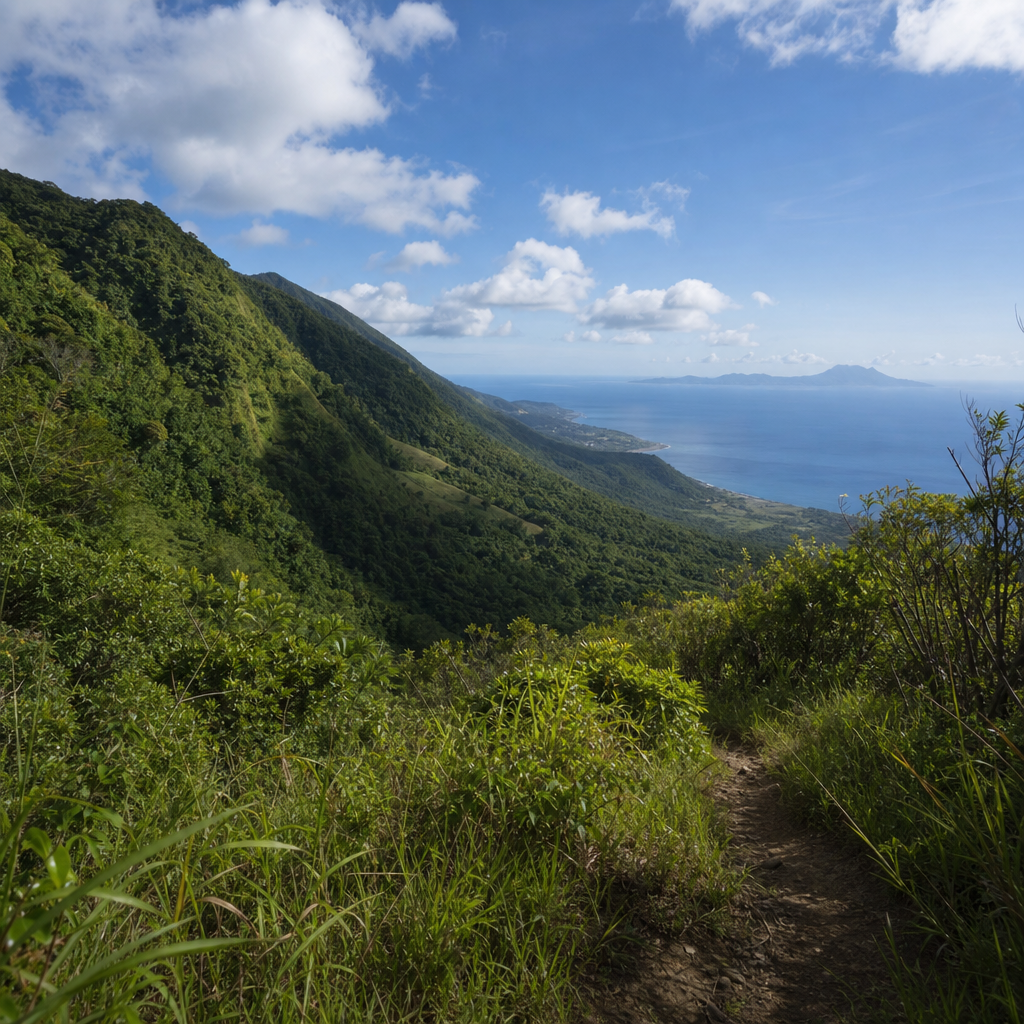
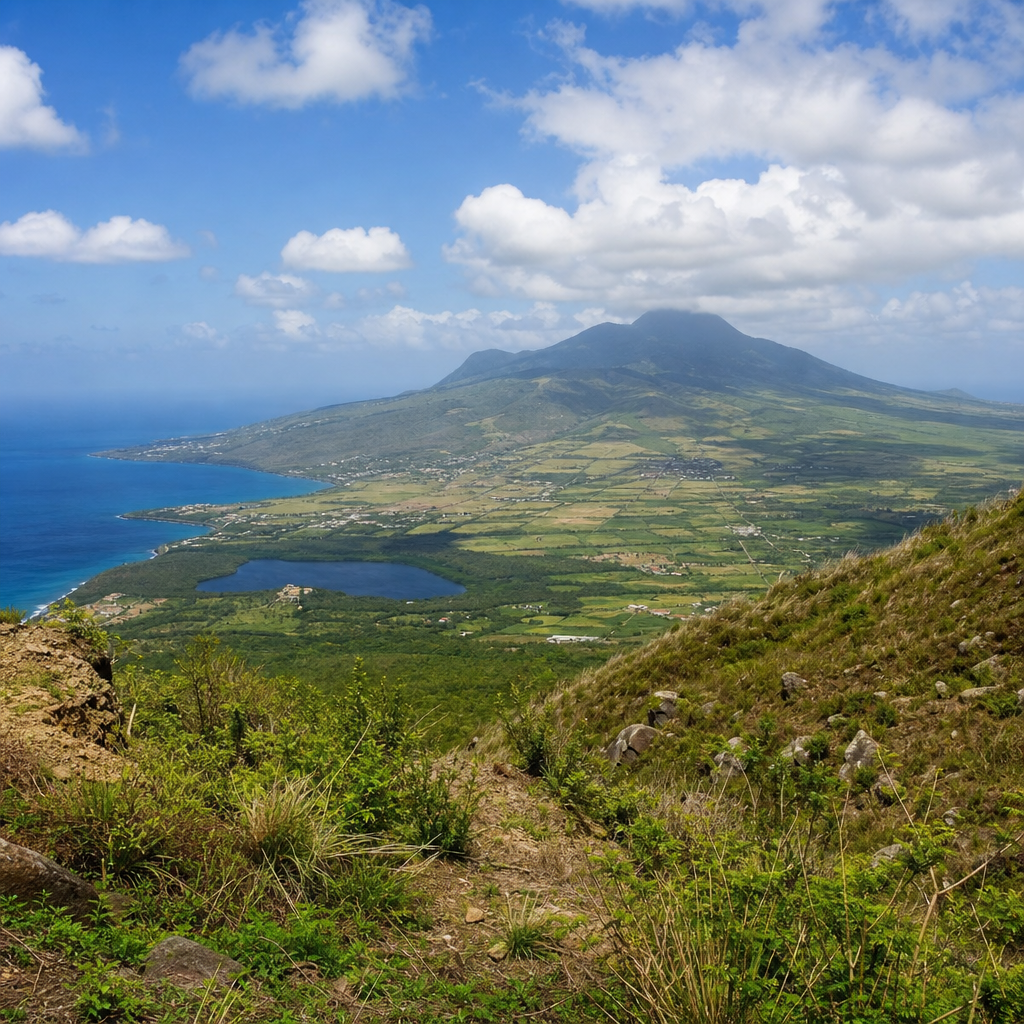
Nestled in the heart of the Caribbean, the small island of Nevis offers a unique experience for those passionate about the stars. With its low light pollution and clear skies, Nevis is an ideal destination for night sky observation. This guide will help you discover the best times, locations, and practices for stargazing on this serene island.
Why Nevis?
Unlike many destinations overwhelmed by artificial lighting, Nevis has maintained much of its natural darkness at night. This makes it a prime spot for viewing a multitude of celestial objects. From the Milky Way to meteor showers and the occasional comet, the island’s geographic location and clear atmosphere provide perfect conditions for night sky enthusiasts.
Best Times to Stargaze
The best stargazing experiences depend heavily on the time of year and the phases of the moon. For optimal viewing, plan your observation sessions around new moon phases when the sky is darkest. Here’s a quick rundown:
- January to March: These months offer cooler evenings and longer nights, which are great for comfortable, extended stargazing sessions.
- April to June: This period is less ideal due to the onset of the rainy season, which can bring cloudier skies. However, clear nights can still provide superb visibility.
- July to September: This is a fantastic time to catch the famous Perseid meteor shower, which peaks around August.
- October to December: The skies are generally clear again, and the cooler weather returns, making it a great time to observe the Geminid meteor shower in December.
Where to Go
Nevis’s compact size means that a dark sky spot is never too far away. Here are some of the best locations for stargazing:
- Nevis Peak: While a bit of a hike, the base of Nevis Peak offers a dark, elevated spot away from the majority of the island’s lights.
- Windward Beach: On the east side of the island, this beach provides a wide, unobstructed view of the sky with minimal light interference.
- Oualie Beach: Located on the northwest coast, it’s a serene spot that combines easy access with excellent night sky visibility.
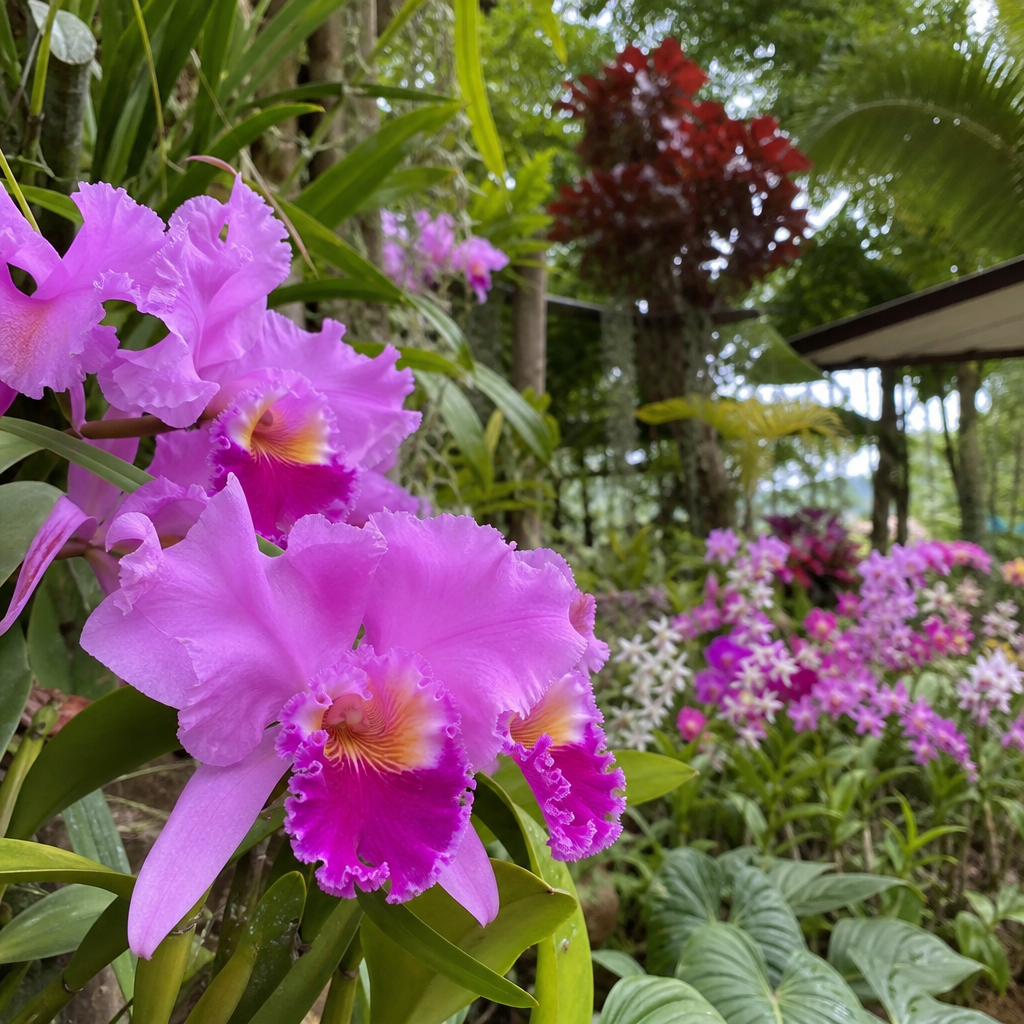
- Botanical Gardens of Nevis: Offering scheduled night events, the gardens are a comfortable place to stargaze, complete with amenities and guided sessions.
Stargazing Tips
To make the most out of your stargazing experience in Nevis, consider the following tips:
- Use the Right Equipment: A simple pair of binoculars or a small telescope can enhance your viewing experience significantly. Don’t forget a star map or a stargazing app to help identify celestial objects.
- Check the Weather: Always check the weather forecast before planning your night out. Clear skies are crucial for a successful stargazing session.
- Allow Your Eyes to Adjust: Give your eyes about 15-30 minutes to adjust to the darkness. Avoid looking at your phone or any other bright light sources during this time.
- Dress Appropriately: Nights can get cool, especially during the winter months. Bring a light jacket and consider a blanket if you plan to lie down and watch the sky.
- Respect the Environment: Keep the beaches and natural areas as pristine as you found them. Avoid using bright lights, and if you need to use a flashlight, cover it with red cellophane to reduce light pollution.
Wildlife Considerations
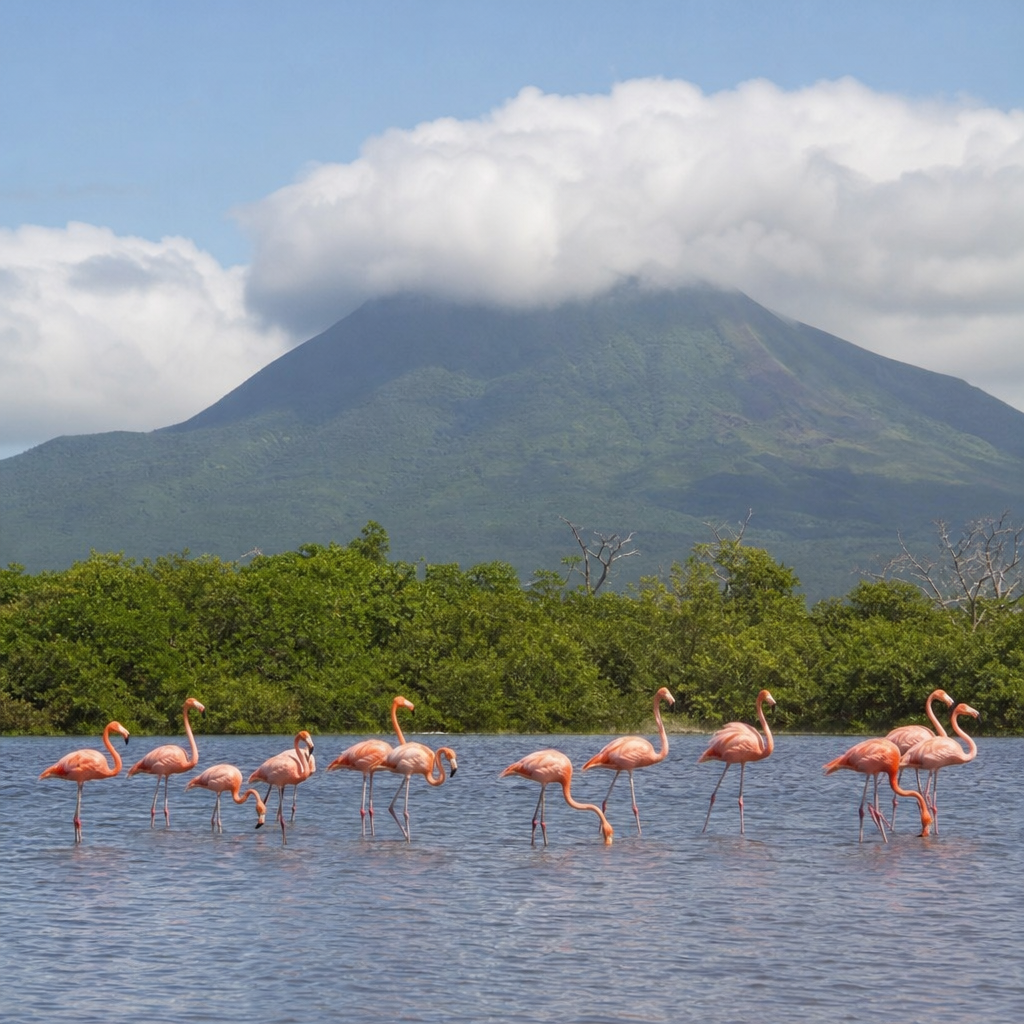
While enjoying the night skies, you may also encounter some of Nevis’s nocturnal wildlife. The rustling you hear in the underbrush could be anything from a harmless Nevisian green lizard to the rare Lesser Antillean iguana. Enjoy these sounds and sights, but remember to keep a respectful distance and use only red lights, as many animals are sensitive to bright light.
Nevis not only offers a break from the hustle and bustle of daily life but also serves as a gateway to the wonders of the universe. Whether you’re a seasoned astronomer or a curious newbie, the island’s dark skies provide a perfect canvas for exploring the stars. So pack your binoculars, choose your spot, and prepare for an unforgettable stargazing adventure in Nevis.

Expanding Your Night Sky Knowledge in Nevis
Gazing up at the night sky in Nevis can be more than just a visual treat; it’s an opportunity to deepen your understanding of the cosmos. Here’s how you can enhance your knowledge and appreciation of what you see overhead.
Identifying Constellations
One of the joys of stargazing is recognizing the patterns that stars form in the sky. In Nevis, you can see a variety of constellations that are prominent in the Northern Hemisphere:
- Orion: Easily identifiable by the three stars that make up his belt, Orion is best seen between November and February.
- Scorpius: With its distinctive scorpion shape, this constellation is a highlight in the summer skies.
- Ursa Major and Ursa Minor: Home to the Big Dipper and the Little Dipper, these are visible throughout the year and are useful for navigation.
Planets and Their Visibility
The planets of our solar system also make appearances in the night sky, each with its own cycle of visibility:
- Jupiter: Known for its brightness and visible for much of the year. The best time to observe Jupiter and its moons is from late spring to early autumn.
- Saturn: Best viewed during the late summer months, when its rings are more discernible with a medium-sized telescope.
- Mars: Appears particularly bright every two years, with its next peak visibility occurring in late 2024.
Meteor Showers and Comets
Meteor showers are spectacular events where numerous meteors radiate from one point in the sky. Nevis is an excellent spot to view these:
- Perseids: This shower peaks around August 12 each year and is known for producing bright, fast meteors.
- Geminids: Active in December, this is one of the most prolific meteor showers and is known for its multi-colored meteors.
Occasionally, a comet may also be visible to the naked eye or with binoculars. These celestial wanderers can provide a stunning sight, and local astronomy groups often provide updates when a comet is expected to be visible.
Astrophotography in Nevis
If you’re interested in capturing the beauty of the night sky, Nevis’s dark and clear nights are perfect for astrophotography. Here are some tips to get started:
- Equipment: A DSLR camera with manual settings on a tripod is essential. Use a wide-angle lens for capturing landscapes under the stars.
- Settings: Set your camera to a high ISO (1600-3200) and open your aperture as wide as possible. Experiment with shutter speeds to find the right balance for your scene.
- Planning: Use apps and tools to plan your shoots around the moon phases and position of the Milky Way.
Stargazing Events and Community
Participating in local stargazing events can enhance your experience. Nevis hosts several annual events where enthusiasts gather to share their knowledge and observe special astronomical events. Joining these gatherings can provide you with access to more advanced telescopic equipment and expert insights into what you’re seeing.
Conclusion
With its ideal conditions for night sky observation, Nevis provides not just a backdrop for stargazing, but a full-on celestial theatre. The island’s commitment to preserving its dark skies ensures that both locals and visitors will continue to enjoy these cosmic spectacles for years to come. So next time you visit, make sure to spend at least one night under the stars—it might just be the highlight of your trip.
Reference
- Official Nevis Tourism Board Website
- Local Astronomy Clubs and Societies