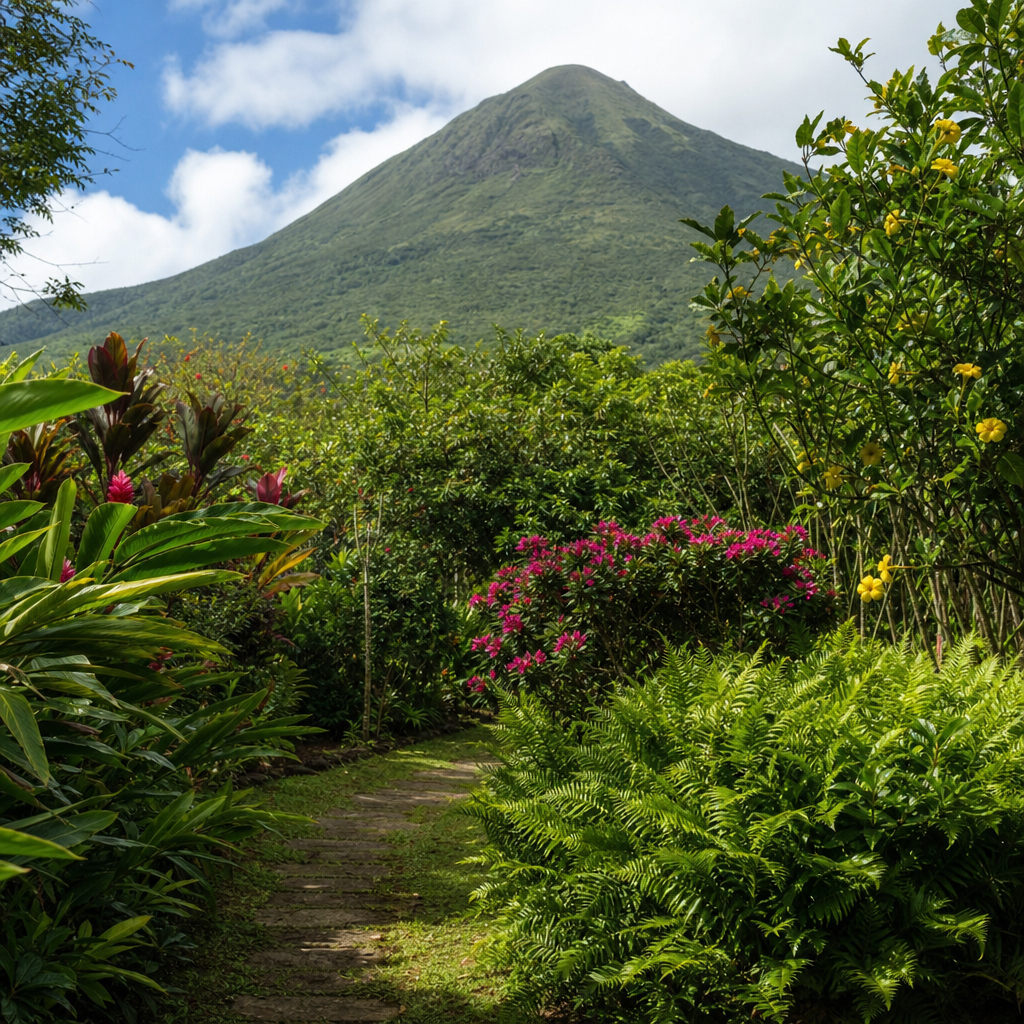
Nevis rewards travelers who slow down. Beyond its volcanic peak, celebrated beaches, and well-known plantation inns lies a quieter landscape of enclosed courtyards, forest clearings, medicinal plots, and seaside sanctuaries that together form the island’s secret gardens. In Nevis, a secret garden is not only a walled ornamental space. It can be a heritage orchard behind a Georgian ruin, a kitchen garden supplying a boutique hotel, a rainforest glade where heliconias crowd a stream, or a community plot where elders still grow cassava, sorrel, and pigeon peas using techniques passed down for generations.
This matters because Nevis is often marketed through a narrow lens: luxury, history, and postcard scenery. Those are real strengths, but they tell only part of the story. The island’s hidden beauty lives in layered ecosystems shaped by volcanic soil, reliable trade winds, tropical rainfall, colonial land use, and modern conservation. Garden spaces reveal how nature and culture meet. They explain what grows well on the island, how food traditions survived, why biodiversity remains surprisingly rich, and where visitors can experience Nevis beyond the standard itinerary. As someone who has spent time walking old estate roads, speaking with growers, and noting how quickly the landscape changes between coast and upland forest, I have found that gardens are one of the clearest ways to understand the island.
For readers exploring the wider Nature and Wildlife coverage, this article works as a hub for the miscellaneous side of the topic: the places and themes that do not fit neatly into beaches, hikes, or birdwatching alone, yet connect all three. It addresses practical questions directly. What makes Nevis so fertile? Which plants define the island’s hidden landscapes? Where can visitors find authentic garden experiences? How do historical estates, hotel grounds, and community plots differ? What conservation pressures threaten these spaces? The answers show that the secret gardens of Nevis are not a fringe attraction. They are a living map of the island’s ecology, memory, and everyday life.
Understanding these gardens begins with geography. Nevis is a small volcanic island in the Leeward Islands, dominated by Nevis Peak at roughly 3,232 feet. Elevation creates microclimates. Lower coastal areas are drier and salt-exposed, while interior slopes receive more moisture and support denser vegetation. Volcanic soils are typically mineral-rich and, when managed well, highly productive. Add year-round warmth, and the result is exceptional plant diversity in a compact area. That diversity supports ornamental horticulture, fruit production, medicinal planting, habitat for pollinators, and shaded spaces that moderate heat. In practical terms, a visitor can move in one day from sea grape and coconut near the coast to ginger, bamboo, ferns, and mountain species inland. That compressed variety is the foundation of Nevis’s hidden beauty.
How Nevis’s Landscape Creates Hidden Gardens
The most important fact about gardens in Nevis is that they are shaped by gradients. Rainfall, wind exposure, slope, and proximity to the sea determine what thrives. On the western and northern coasts, gardeners often work with tougher species that tolerate sun, intermittent dryness, and salt spray. You will see bougainvillea, frangipani, agave, sea grape, and hardy palms used as structure plants. In lower village plots, breadfruit, mango, tamarind, and banana are common because they combine beauty with food value. Higher up, where moisture increases, the palette changes. Ferns expand, orchids appear in sheltered spots, and heliconias, gingers, anthuriums, and broad-leaf tropical ornamentals create the lush feeling most people associate with a Caribbean secret garden.
Nevis’s volcanic origin also matters. Volcanic soils can drain well while still holding enough nutrients to support dense growth, especially when organic matter is added. Gardeners who mulch heavily with leaf litter, coconut husk, or cut grass improve moisture retention and suppress weeds, a necessary practice in tropical heat. I have seen small private plots produce an impressive range of crops in limited space because growers layer species intelligently: taller coconut or breadfruit trees create light shade, bananas fill the mid-level, and herbs or root crops occupy the understory. This vertical strategy mirrors tropical forest structure and makes excellent use of compact land parcels.
Hidden gardens are often hidden for practical reasons, not theatrical ones. Stone walls reduce wind stress. Hedges provide privacy and protect tender plants. Old estate compounds were designed with inner yards that created cooler microclimates. Modern inns continue this pattern, placing courtyards, ponds, and shaded walkways inside broader grounds. The result is that some of Nevis’s most memorable plant spaces are invisible from the road until you step through a gate or turn along a narrow path.
Historic Estates, Village Plots, and Hotel Grounds
Nevis’s garden story is inseparable from its plantation history. Sugar estates once dominated the island, and many of today’s hidden landscapes occupy or border former estate lands. Around surviving great houses, mills, and outbuildings, ornamental and practical planting often overlap. Tamarind, neem, and old shade trees may date back decades, even when formal designs are newer. In these spaces, the garden is part archive. It frames stone ruins, channels breezes, and preserves a sense of scale that helps visitors understand how the island was organized during the plantation era.
Hotel grounds on Nevis often offer the most accessible examples of curated secret gardens. The best properties do not simply import a tropical look. They work with local conditions, using lily ponds, palms, flowering shrubs, and fruit trees to create layered habitats that attract butterflies and birds. A well-designed garden path here is not decoration alone. It softens heat, supports privacy between buildings, reduces erosion, and turns outdoor circulation into an experience. Boutique hospitality on Nevis frequently depends on this intimate landscape design, which is why many visitors remember garden spaces as vividly as rooms or beaches.
Village plots tell a different story. These are not designed for tourism, yet they may reveal more about Nevisian life than any formal garden. Small family yards often combine ornamentals with useful plants: aloe for skin treatment, mint and lemongrass for tea, scallions and thyme near the kitchen, and papaya or soursop within easy reach. This mixed-use planting reflects a Caribbean tradition in which beauty, health, and food are not separated. When people speak of hidden beauty on Nevis, these ordinary but carefully tended spaces deserve equal attention. They show resilience, local knowledge, and a practical aesthetics rooted in everyday living.
Signature Plants and the Wildlife They Support
The secret gardens of Nevis are defined by plant communities rather than single specimens. Fruit trees are especially important because they connect ecology, cuisine, and memory. Mango, breadfruit, guava, sugar apple, tamarind, soursop, and coconut appear repeatedly across the island. During fruiting periods, these trees feed people and wildlife alike. Birds visit for pulp and insects, while fallen fruit enriches the soil food web. Breadfruit is especially significant in Caribbean food systems because it is productive, filling, and adaptable in home landscapes.
Flowering ornamentals create much of the island’s visual drama. Hibiscus, allamanda, ixora, ginger lily, bird of paradise, and bougainvillea provide long seasons of color. Heliconias and red torch gingers add vertical texture in wetter areas. Frangipani contributes scent and sculptural form, particularly in drier gardens. These plants also support pollinators. Butterflies, bees, and nectar-feeding birds benefit from gardens that maintain varied bloom times instead of relying on a single showy species.
Medicinal and culinary plants deserve special attention because they are central to the island’s hidden botanical culture. Lemongrass, basil, thyme, rosemary, aloe, turmeric, ginger, and moringa appear in many domestic gardens. On Nevis, plant knowledge is often transmitted informally through family practice rather than labels or guided interpretation. That means a seemingly simple yard can function as a living pharmacy and pantry. For visitors, this is a reminder that not every important garden is formal or publicly promoted.
| Garden Type | Typical Plants | Wildlife Value | Visitor Experience |
|---|---|---|---|
| Coastal garden | Sea grape, coconut, bougainvillea, agave | Shelter for small birds, pollinator flowers | Open views, wind-shaped planting, strong light |
| Historic estate garden | Tamarind, palms, lilies, shade trees | Bird habitat, cooler microclimates | Heritage setting, ruins, layered history |
| Village kitchen garden | Thyme, scallion, aloe, papaya, banana | Pollinators, beneficial insects | Authentic daily life, food and medicine traditions |
| Upland tropical garden | Ferns, heliconias, gingers, orchids | Moist habitat for insects and birds | Lush enclosure, shade, rainforest atmosphere |
Where to Find Nevis’s Hidden Beauty Responsibly
Visitors looking for secret gardens on Nevis should think in categories rather than expecting a single famous site. Start with heritage properties and inns known for landscaped grounds. Even when access is limited to guests or diners, these places often provide the most polished examples of tropical garden design integrated with local history. Walk slowly, especially in early morning or late afternoon, when light is softer and bird activity increases. Notice transitions: a gravel court opening into shade, a stone wall holding in moisture, or a fruit tree placed to frame a distant sea view. These details are intentional and reveal how Nevisian landscapes are composed.
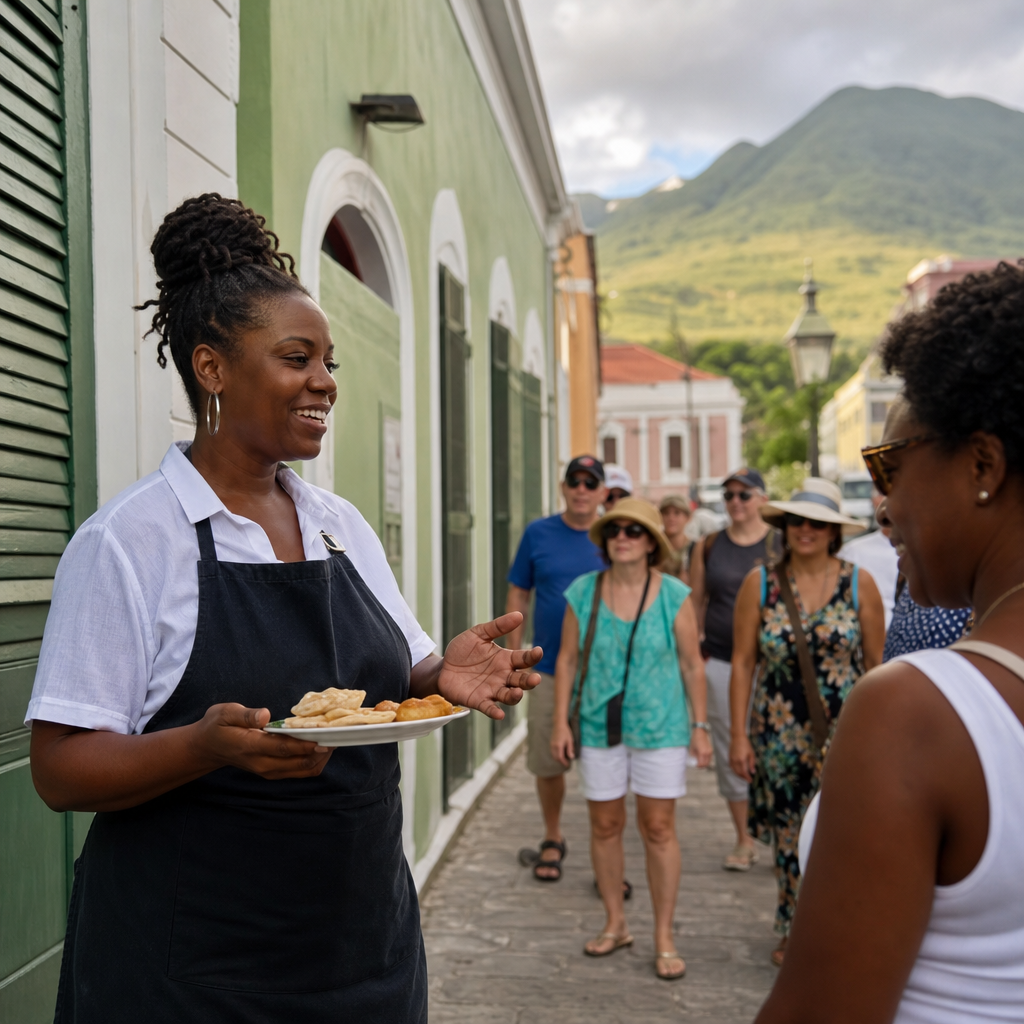
Next, explore village areas respectfully. This does not mean entering private property. It means observing from public roads, patronizing local businesses with planted courtyards, and joining community-based experiences when available. Some of the most rewarding discoveries come from conversations. Ask where herbs are grown, which fruits are in season, or how older homes managed shade before air conditioning. On Nevis, local knowledge often unlocks more than signage does.
For wilder garden experiences, look at the edges of trails, estate roads, and rainforest approaches. These liminal zones often contain the most striking plant combinations because cultivated and natural vegetation overlap. A path lined with naturalized ginger, bamboo, wild vines, and volunteer fruit trees can feel more magical than a formal display. Still, responsible behavior is essential. Stay on marked paths, avoid picking plants, and treat springs, streams, and upland areas as sensitive habitat. Tropical ecosystems can look robust while being easily damaged by trampling and informal collecting.
Conservation, Climate Pressure, and the Future of Small-Island Gardens
Nevis’s hidden gardens face real pressures. Climate variability is one of the biggest. Longer dry spells stress shallow-rooted ornamentals, while intense rain events can erode slopes and wash nutrients from exposed soil. Coastal gardens are vulnerable to salt intrusion and storm damage, especially during active hurricane seasons. These pressures affect private yards as much as resorts. Gardeners increasingly need drought-aware plant choices, mulching strategies, rainwater capture, and wind-resilient layouts rather than purely aesthetic planting.
Development pressure is another challenge. On a small island, every land-use change matters. When large parcels are cleared without regard for mature trees, hedgerows, and drainage patterns, hidden garden networks fragment. Wildlife loses cover, temperatures rise locally, and historical planting knowledge can disappear in a single construction cycle. Conservation on Nevis therefore is not only about preserving forests. It also includes protecting culturally important landscapes such as orchard remnants, estate grounds, and mixed-use village gardens.
The encouraging reality is that small-scale stewardship works. Composting, mulching, native or well-adapted species selection, and reduced chemical use improve resilience quickly. Hotels can create demonstration value by labeling plants, sourcing produce from kitchen gardens, and protecting mature canopy trees. Households can maintain biodiversity with flowering hedges, herb borders, and fruit trees that support birds and pollinators. Community groups and schools can use gardens to teach both ecology and heritage. On an island the size of Nevis, these distributed efforts add up fast. Hidden beauty survives when many people care for small places consistently.
Why This Hub Matters for Nature and Wildlife Readers
As a miscellaneous hub within Nature and Wildlife, this topic connects multiple strands of island exploration. Secret gardens link birdwatching because layered planting attracts species that avoid exposed spaces. They connect hiking because trail edges and upland clearings reveal transitions between cultivated and wild flora. They support culinary travel because many characteristic flavors of Nevis begin in kitchen gardens and orchards. They enrich heritage tourism because estate landscapes explain how people lived, worked, and adapted over time. In other words, gardens are not a side note. They are a crossroads where ecology, architecture, agriculture, and culture meet.
For content planning, this hub naturally points readers toward deeper coverage of medicinal plants, hotel gardens, heritage estates, rainforest flora, pollinators, seasonal fruit, and sustainable gardening on small islands. It also helps travelers ask better questions. Instead of only asking where the best beach is, they can ask which properties preserve old trees, where local herbs are used, or how a village yard reflects Nevisian tradition. Those questions lead to richer experiences and more respectful tourism.
The secret gardens of Nevis reveal the island at human scale. They show how volcanic soil, tropical climate, and historical memory combine in spaces that feed people, shelter wildlife, cool buildings, and preserve beauty without spectacle. Some are formal courtyards framed by stone walls and old estate ruins. Others are family plots with mint, papaya, and aloe beside a kitchen door. Others still are half-wild transitions where rainforest species mingle with cultivated fruit trees. Together, they form one of the most intimate ways to understand Nevis.
The main benefit of seeking out these hidden landscapes is perspective. You begin to see the island not as a checklist of attractions, but as a living system of plants, people, and place-based knowledge. That perspective improves any visit and deepens any Nature and Wildlife itinerary. If you are building your Nevis plans, use this hub as your starting point, then explore the related topics it opens up: heritage landscapes, tropical flora, pollinator habitats, and community-grown food traditions. Walk slowly, look beyond the road, and let the gardens lead you to the real Nevis.
Frequently Asked Questions
What does the phrase “secret gardens of Nevis” actually mean?
On Nevis, the idea of a secret garden goes far beyond a formal, gated garden filled with ornamental flowers. It describes the island’s quieter, less-publicized green spaces that reveal themselves only when visitors move slowly and pay attention. These places may include intimate courtyards hidden behind historic stone walls, productive kitchen gardens attached to boutique inns, old orchards near plantation ruins, rainforest clearings rich with tropical plants, and coastal sanctuaries where sea air shapes the landscape. What unites them is not a single style, but a sense of discovery, intimacy, and connection to place.
These gardens also reflect the island’s layered history and everyday life. Some are rooted in colonial-era estate landscapes, while others are living community spaces where herbs, fruit, and flowers are grown for practical use as well as beauty. In many cases, a so-called secret garden in Nevis is as much about atmosphere as design: filtered light under fruit trees, the scent of lemongrass after rain, the sound of water in a shaded ghaut, or a path that opens unexpectedly onto a secluded view. For travelers, the term captures the hidden side of Nevis—its cultivated beauty, ecological richness, and cultural memory tucked just beyond the obvious attractions.
Where can visitors find these hidden gardens and quiet green spaces on Nevis?
Many of Nevis’s most memorable garden spaces are not marked as major tourist sites, which is part of their appeal. Visitors often encounter them around heritage properties, boutique hotels, historic villages, old estate grounds, and along interior roads that climb toward the island’s greener elevations. Some are carefully maintained private or semi-private spaces, such as inn gardens, orchard courtyards, and chef-driven kitchen plots. Others appear in more natural forms, including rainforest edges, streamside pockets, and shaded clearings where native and tropical species thrive in the volcanic soil. Coastal areas can also hold their own secret sanctuaries, especially where sea grapes, palms, flowering shrubs, and stone boundaries create secluded corners near the shore.
The best approach is to explore thoughtfully rather than rush from landmark to landmark. Guided heritage tours, botanical walks, and conversations with local hosts can reveal spaces that do not appear in standard itineraries. Historic sites may have gardens that are easy to overlook if you focus only on architecture, while village lanes can lead to unexpectedly lush compounds filled with fruit trees and medicinal plants. Because some gardens are on private land or within hospitality properties, it is important to ask permission and respect boundaries. In Nevis, hidden beauty often rewards curiosity paired with courtesy.
What kinds of plants and natural features make Nevis’s secret gardens so distinctive?
Nevis benefits from fertile volcanic soil, varied elevations, and a tropical climate that supports an impressive range of plant life. In the island’s secret gardens, visitors may see flamboyant flowering species such as heliconias, hibiscus, ginger, bougainvillea, and ixora, alongside practical plantings of herbs, vegetables, and medicinal botanicals. Fruit trees are especially important to the island’s garden character, with mango, breadfruit, soursop, papaya, banana, coconut, tamarind, and citrus often appearing in both cultivated and semi-wild settings. The result is a landscape where ornamental beauty and daily usefulness exist side by side.
What makes these spaces especially distinctive is the way plants interact with topography and history. A garden on Nevis may sit against a weathered stone wall from the plantation era, open into a mountain view, or border a stream where ferns and heliconias cluster in damp shade. At higher elevations, the air cools and moisture increases, creating ideal conditions for lush growth and layered green textures. Near the coast, salt tolerance becomes part of the garden’s identity, shaping which species flourish. The island’s secret gardens often feel immersive rather than formal, with fragrance, birdsong, filtered light, and dense planting creating a strong sense of place that is unmistakably Caribbean and specifically Nevisian.
Why are these gardens important to the culture and heritage of Nevis?
These gardens matter because they preserve the living relationship between land, memory, and community. Nevis’s hidden gardens are not simply decorative spaces; many carry traces of how people have lived, cultivated, healed, cooked, and gathered over generations. A heritage orchard behind a ruin can speak to older agricultural patterns. A courtyard filled with herbs may preserve traditional knowledge about home remedies and flavoring. A hotel kitchen garden can continue the island’s long connection between local growing and hospitality. In this way, gardens become small but meaningful records of Nevisian history, revealing how beauty and practicality have always been intertwined.
They also help travelers understand the island beyond its postcard image. Beaches and historic inns are central to Nevis’s appeal, but the quieter green spaces often tell a more intimate story about resilience, adaptation, and stewardship. They show how residents use limited space creatively, how tropical ecosystems support daily life, and how landscapes are shaped by both natural forces and human care. For many visitors, discovering these gardens deepens appreciation of Nevis as a place with texture and continuity, not just scenery. The hidden garden becomes a lens through which the island’s heritage feels personal, sensory, and alive.
How should travelers explore Nevis’s secret gardens respectfully and make the most of the experience?
The most rewarding way to explore these spaces is to slow down and remain open to small discoveries. Rather than trying to “check off” a list of locations, allow time for walking village roads, visiting historic properties, joining guided nature or heritage tours, and speaking with local residents, gardeners, or innkeepers when appropriate. Mornings and late afternoons are often ideal, when light is softer and gardens are at their most atmospheric. Bringing water, sun protection, and comfortable shoes is wise, especially if your search includes uneven paths, estate grounds, or higher-elevation areas with more humid conditions.
Respect is essential because many of Nevis’s hidden gardens are private, semi-private, or culturally meaningful spaces. Always ask before entering enclosed grounds, avoid picking fruit or flowers without permission, stay on paths where possible, and keep noise to a minimum so the setting retains its tranquility. If a garden is part of a hotel, restaurant, or heritage site, support the place by booking a meal, tour, or visit when appropriate. Travelers who approach these spaces with patience and courtesy often gain far more than a photo opportunity: they experience the island’s quieter rhythms, learn from the people who care for the land, and come away with a deeper sense of Nevis’s hidden beauty.