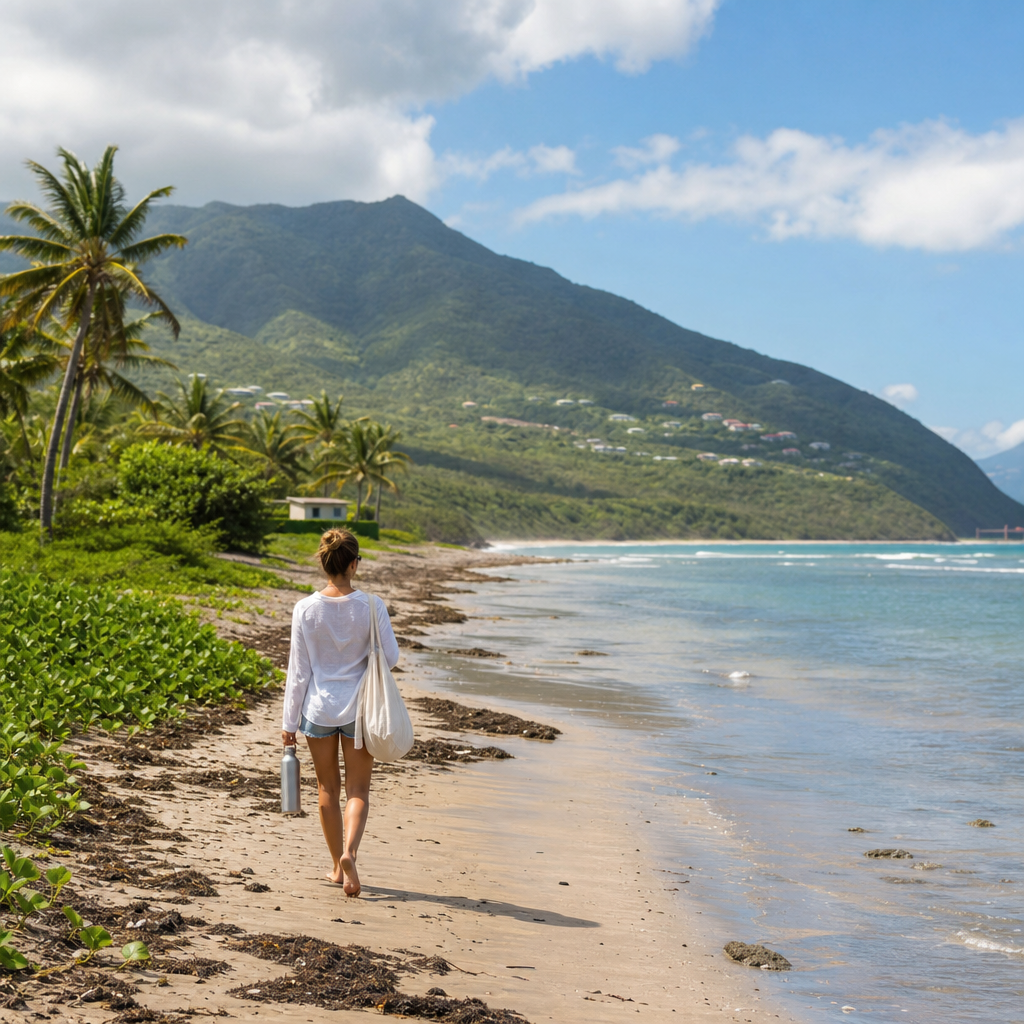
Eco-friendly beach days in Saint Kitts start with understanding that a relaxing shoreline visit is also an environmental decision. Every towel shaken out on the sand, every sunscreen choice, every snack wrapper, and every excursion booking affects coastal habitats that support tourism, fisheries, and community life across the island. Saint Kitts, part of the Federation of Saint Kitts and Nevis in the Eastern Caribbean, is known for volcanic landscapes, coral-fringed coasts, sea turtle nesting beaches, and reef systems that buffer shorelines from storm energy. When visitors and residents plan beach outings with sustainability in mind, they help protect the very assets that make the island attractive.
In practical terms, an eco-friendly beach day means reducing pollution, respecting wildlife, supporting local businesses that manage resources responsibly, and limiting wear on fragile coastal ecosystems. This includes obvious habits such as taking litter home, but it also includes less visible choices: using mineral-based reef-safer sunscreen, avoiding single-use plastics, keeping distance from nesting turtles, and choosing operators that follow marine best practices. I have worked on destination content and coastal travel guidance long enough to see a consistent pattern: beaches stay cleaner, wildlife becomes less stressed, and visitor experiences improve when expectations are clear and small actions are repeated consistently.
Why does this matter specifically in Saint Kitts? Small-island environments are beautiful but sensitive. Coastal erosion, coral bleaching linked to warmer seas, storm damage, sewage mismanagement, and litter from both local and imported waste streams can all degrade beach quality. Tourism can either intensify those pressures or help fund better stewardship. A well-informed beachgoer becomes part of the solution by spending with responsible vendors, respecting posted rules, and avoiding habits that create cumulative damage. This hub article covers the miscellaneous but essential practices that tie sustainable tourism together at the beach, from packing and transport to wildlife etiquette, waste reduction, and community-minded recreation.
Choose low-impact beach gear and pack with waste prevention in mind
The most sustainable beach day begins before you leave your accommodation. Pack reusable items first: a refillable water bottle, insulated food container, cloth tote, reusable cutlery, and a compact bag for wet items and trash. Saint Kitts is warm year-round, so hydration matters, but buying multiple plastic bottles during a single outing creates avoidable waste on an island where landfill space is limited. Bring more water than you expect to need, especially if you are heading to less serviced stretches of coast.
Beach gear matters too. Lightweight umbrellas and mats are preferable to bulky disposable shade products that break in wind and leave fragments behind. If you bring chairs, choose models with stable feet that minimize deep gouging in soft sand near vegetation lines. Avoid glitter, confetti, balloons, and foam coolers; all become litter hazards quickly in coastal wind. I also recommend packing a small microtrash pouch. Bottle caps, twist ties, cigarette filters, and food seals are easy to miss, yet they are among the most common beach pollutants and can be ingested by birds and marine life.
Your sunscreen deserves special attention. Many travelers now look for reef-safe labels, but those claims are inconsistent. The safer approach is to choose non-aerosol mineral sunscreens using zinc oxide or titanium dioxide and avoid spraying product directly onto sand where residue can wash into nearshore water. Wear UPF clothing, a rash guard, and a hat to reduce how much sunscreen you need. This approach cuts waste, lowers chemical runoff, and often provides better sun protection during long beach days.
Get to the beach with less impact and spread visitation wisely
Transportation is an overlooked part of sustainable beach tourism. If you are staying near Basseterre, Frigate Bay, or the Southeast Peninsula, ask whether shared shuttles, hotel transfers, cycling, or walking are realistic. Combining errands and beach time into one trip reduces fuel use and congestion on smaller roads. Cruise visitors, in particular, can lower pressure by avoiding the instinct to all go to the same famous strip at the same hour. Concentrated foot traffic strains facilities, fills bins quickly, and can change the atmosphere for residents.
Timing matters almost as much as transport mode. Arriving earlier in the day helps avoid peak heat, reduces crowding, and gives you a better chance to observe wildlife without disturbance. It also spreads demand for parking and services. Some beaches in Saint Kitts have stronger facilities, while others are quieter and more ecologically sensitive. A beach with bars, chairs, and regular cleaning may be more appropriate for a high-use day with a group. A less developed cove is better treated as a leave-no-trace setting, not an improvised party site.
Ask local hosts which beaches can absorb heavy recreational use and which ones require extra care. That simple question often leads to better choices and signals respect for place. Sustainable tourism works best when visitors do not just consume a destination but respond to local knowledge about carrying capacity, weather, sea conditions, and wildlife activity.
Protect marine life, dunes, and nesting areas through simple behavior
Saint Kitts supports marine ecosystems that are easy to damage unintentionally. Coral reefs are living animal colonies, not rocks, and a single kick from fins or a dropped anchor can break structures that took decades to grow. Seagrass beds stabilize sediment and provide nursery habitat for fish, conch, and turtles. Dune vegetation traps sand and reduces erosion. The best beach practice is straightforward: stay on established access paths, avoid trampling plants above the high-tide line, and never remove shells occupied by living organisms.
Sea turtles are a special concern in the wider Caribbean, including Saint Kitts and Nevis. Nesting females and hatchlings are highly vulnerable to bright lights, noise, handling, and crowding. If you encounter turtles, keep your distance, remain quiet, and do not use flash photography. Never stand in a turtle’s path to the sea. During nesting season, even well-meaning visitors can cause disorientation by shining phone lights or gathering too closely. If local guides are present, follow their instructions exactly.
Snorkelers should maintain buoyancy control and keep fins, knees, and equipment off the reef. Do not chase fish, touch starfish for photos, or feed wildlife. Feeding changes animal behavior and can increase aggression or disease transmission. These rules are not abstract. I have seen popular snorkeling spots degrade when beginner groups stand on coral heads for balance. A short pre-briefing from guides prevents most of that damage and leads to better sightings because marine life stays calmer.
Use responsible spending to support cleaner beaches and stronger communities
An eco-friendly beach day is not only about what you avoid; it is also about where your money goes. In Saint Kitts, spending with locally owned vendors, guides, food businesses, and craft sellers keeps more tourism revenue in the community and can strengthen support for conservation. Buy lunch from operators using reusable service ware or clearly managed waste systems. Choose watersports companies that provide safety briefings, use mooring buoys instead of anchoring on reefs, and limit group size when conditions require it.
When evaluating a beach business, look for practical indicators rather than slogans. Are there visible recycling and waste-separation efforts? Do staff prevent guests from taking glass onto the sand? Are bathrooms maintained to reduce pollution and runoff? Does the operator explain wildlife rules before excursions? Responsible businesses usually communicate these details confidently because they have procedures in place, not just marketing language.
The same logic applies to tipping and reviews. Reward operators who protect the environment and treat staff well. Mention those practices specifically in online reviews so other travelers can identify high-standard businesses. Market signals matter. If guests consistently praise clean facilities, refill stations, local sourcing, and respectful marine conduct, more operators will adopt those standards to stay competitive.
Handle food, waste, and beach amenities with a leave-no-trace mindset
Food waste and casual litter are among the fastest ways to spoil a beach. Secure snacks in reusable containers so wind cannot scatter packaging. Take all waste with you if bins are overflowing or absent. On islands, public bins near beaches can become vulnerable to windblown litter, scavenging animals, and delayed collection after busy weekends or storms. The correct response is not to leave trash neatly beside a full bin; it is to pack it out.
Cigarette butts deserve special mention because many people do not perceive them as litter. They are plastic-filter waste containing toxins that leach into sand and water. If you smoke, carry a pocket ash container and dispose of contents properly later. The same standard applies to drink caps, straws, and disposable wipes, which should never be buried in sand. Burial does not equal disposal; tides expose and spread waste quickly.
| Beach Day Choice | Lower-Impact Option | Why It Matters in Saint Kitts |
|---|---|---|
| Bottled water | Refillable insulated bottle | Reduces plastic waste on an island with limited disposal capacity |
| Aerosol sunscreen | Mineral lotion plus sun-protective clothing | Lowers overspray, packaging waste, and chemical runoff |
| Disposable lunch packaging | Reusable containers and cutlery | Prevents windblown litter and microtrash on beaches |
| Random parking near dunes | Use designated access and parking areas | Protects vegetation that stabilizes sand and reduces erosion |
| Wildlife selfies up close | Observe from a respectful distance | Reduces stress on turtles, birds, and intertidal life |
| Anchoring on reef areas | Book operators using mooring buoys | Avoids physical coral breakage and habitat loss |
If you use rented beach amenities, leave them in better condition than you found them. Return chairs, stack gear safely, and report broken fixtures or overflowing facilities instead of ignoring them. Small acts of stewardship reduce maintenance strain and help operators keep beaches pleasant without constant replacement of damaged items.
Recreate safely in ways that align with local conditions and conservation goals
Safe recreation is part of sustainability because accidents strain local emergency resources and can trigger avoidable environmental harm. Check sea state, currents, and weather before swimming, paddleboarding, kayaking, or snorkeling. Atlantic-facing beaches may behave very differently from calmer Caribbean-side areas, and conditions can shift fast with wind. Ask local staff where it is safe to enter the water and whether there are seasonal jellyfish, surge, or rip current concerns.
If you book a boat trip, snorkel tour, or paddle excursion, ask direct questions. How many guests are taken per guide? Are flotation devices available for weak swimmers? Does the crew use moorings? What is the wildlife interaction policy? Professional operators answer clearly and do not promise touching, feeding, or guaranteed close encounters with animals. On the beach itself, keep music low, respect quiet zones near residences, and avoid generators or amplified setups unless a venue is designed for events.
Families can make beach sustainability easier by setting simple rules before arrival: one reusable bottle per person, no shells with living creatures, no chasing animals, and everyone helps with a five-minute cleanup before leaving. These habits turn conservation into routine behavior rather than a lecture. They also improve the quality of the outing because less time is spent dealing with waste, sunburn, dehydration, or conflicts with other beach users.
Make this hub your starting point for sustainable tourism in Saint Kitts
Eco-friendly beach days in Saint Kitts come down to informed choices repeated consistently. Pack reusables, choose reef-considerate sun protection, use established access points, respect turtles and reefs, support responsible local businesses, and leave no trace when facilities fall short. None of these actions is difficult on its own. Their value lies in accumulation. Cleaner sands, healthier nearshore water, calmer wildlife, and stronger community benefit all result from ordinary decisions made well.
As a hub within the broader sustainable tourism topic, this miscellaneous guide connects the small practical behaviors that visitors often overlook but destinations feel immediately. Beach sustainability is not a single policy or one perfect product. It is a system of habits covering transport, gear, spending, safety, etiquette, and waste. When those habits align, Saint Kitts remains more resilient for residents and more rewarding for travelers.
Use this article as your planning checklist before your next shoreline outing, then explore related sustainable tourism resources for deeper guidance on marine activities, local culture, and low-impact travel across Saint Kitts. Start with one better choice on your next beach day, and build from there.
Frequently Asked Questions
How can I make my beach day in Saint Kitts more eco-friendly without giving up comfort or convenience?
An eco-friendly beach day in Saint Kitts starts with simple choices that reduce waste, protect wildlife, and minimize pressure on fragile coastal ecosystems. Bring reusables whenever possible, including a refillable water bottle, reusable food containers, cloth napkins, and a tote bag for carrying your gear. This helps prevent single-use plastics and lightweight packaging from blowing into the sea, where they can harm fish, seabirds, and turtles. Choose a shaded setup such as a reusable umbrella or a spot under existing natural shade rather than disturbing dunes or coastal vegetation, which help stabilize shorelines and support biodiversity.
Comfort and sustainability also work well together when you plan ahead. Pack snacks with minimal packaging, bring a small bag for your own trash, and separate recyclables if facilities are available nearby. Select beach gear designed to last rather than inexpensive disposable items that break quickly and often get left behind. If you enjoy music, keep the volume low so you do not disturb other visitors or local wildlife. A relaxed, low-impact beach routine is usually more enjoyable anyway, and it aligns with the way responsible travelers help preserve Saint Kitts’ scenic coastline for future visitors and for the communities that rely on healthy beaches and clean water.
What should I know about sunscreen and personal care products before heading to the beach in Saint Kitts?
Sunscreen is one of the most important items for a beach day in the Caribbean, but it is also one of the easiest areas to make a more environmentally responsible choice. Some conventional sunscreens contain ingredients that may contribute to stress on coral reefs and nearshore marine life, especially in heavily visited coastal areas. When possible, look for reef-conscious mineral-based sunscreens that use non-nano zinc oxide or titanium dioxide and avoid products with ingredients commonly flagged by marine conservation groups. Because labels and standards vary, it is smart to read ingredient lists carefully rather than relying only on marketing terms.
Application matters as much as product choice. Apply sunscreen well before entering the water so more of it absorbs into your skin rather than washing directly into the sea. You can also reduce the amount you need by wearing UV-protective swim shirts, hats, and lightweight cover-ups. This is especially useful in Saint Kitts, where strong tropical sun can lead to overapplication and repeated reapplication throughout the day. The same principle applies to other personal care items: avoid leaving wipes, cotton pads, or packaging behind, and be cautious with lotions, oils, and sprays near the shoreline. Cleaner product choices combined with sun-protective clothing create a practical routine that protects both your skin and the coastal environment.
How can visitors help protect sea turtles, coral reefs, and other marine life during a beach day in Saint Kitts?
Protecting marine life in Saint Kitts begins with understanding that beaches are more than recreation spaces. They are also nesting, feeding, and transition zones for important species, including sea turtles and shorebirds. If you encounter turtle nesting areas, posted signs, or cordoned-off sections of beach, keep a respectful distance and never move markers or walk through protected zones. Avoid digging large holes in the sand or leaving deep trenches behind, as these can become obstacles for nesting turtles or hatchlings trying to reach the sea. Before leaving, flatten sand structures and fill in holes so the beach is safe for both wildlife and people.
In the water, avoid touching coral, standing on reef structures, or chasing fish and turtles for photos. Coral reefs are living systems that are easily damaged by contact, and even small disturbances repeated over time can have major ecological consequences. If you snorkel or join a boat excursion, choose operators that follow responsible wildlife-viewing practices, provide clear environmental guidance, and avoid anchoring on sensitive reef areas. Feeding marine animals should also be avoided, since it alters natural behavior and can disrupt local ecosystems. Respectful observation is the standard: enjoy wildlife from a distance, keep noise low, and leave natural materials such as shells, coral fragments, and driftwood where they belong unless local rules clearly allow otherwise.
What is the best way to handle food, drinks, and waste at the beach to reduce environmental impact?
Food and drink choices can have a surprisingly large effect on beach cleanliness and ocean health. The best approach is to pack a low-waste picnic using reusable containers, refillable bottles, and durable utensils. This reduces the risk of plastic lids, wrappers, straws, and cutlery being left behind or carried away by wind. In a coastal setting like Saint Kitts, even small items can quickly end up in the water or among rocks and mangroves, where cleanup is difficult and wildlife may ingest them. Bringing a dedicated trash bag is essential, and it is even better to bring an extra one so you can pick up any litter you notice nearby.
Try to choose foods that travel well without generating excess packaging, and be mindful of crumbs or leftovers that may attract animals and encourage unhealthy feeding patterns. If bins are available, use them properly, but do not assume beachside waste systems can handle overflowing garbage, especially on busy days. Carrying your waste out with you is often the most reliable option. If you are buying from local vendors, support businesses that use recyclable, compostable, or reduced packaging when possible. These habits not only keep Saint Kitts’ beaches cleaner and more attractive, but they also reduce the burden on local waste management systems and help maintain the island’s reputation as a beautiful, well-cared-for destination.
How do I choose eco-friendly beach activities and tours in Saint Kitts?
Choosing eco-friendly activities in Saint Kitts means looking beyond the marketing language and paying attention to how a tour or beach experience is actually managed. Responsible operators typically emphasize small group sizes, safety briefings, wildlife respect, and clear rules about litter, reef contact, and noise. If you are booking snorkeling, kayaking, sailing, or coastal sightseeing, ask whether guides are trained in environmental best practices, whether boats use mooring buoys instead of anchoring on reefs, and whether guests are educated about local habitats. Businesses that can answer these questions clearly are often the ones making a genuine effort to reduce harm.
You can also support sustainability by choosing activities with a lighter physical footprint, such as guided snorkeling with reef education, paddling in designated areas, beach clean-up events, or community-based experiences that benefit local residents directly. Spending with locally rooted businesses helps keep tourism income within Saint Kitts while encouraging stewardship of the island’s beaches and marine resources. If a tour encourages collecting wildlife, harassing animals for close encounters, leaving marked paths, or treating natural areas as disposable backdrops, it is best to avoid it. The most rewarding experiences are usually the ones that combine enjoyment with respect, allowing visitors to appreciate Saint Kitts’ volcanic scenery, coral-fringed coastlines, and coastal culture without degrading the very environment that makes the island special.