Traditional New Year celebrations in Nevis blend village custom, family ritual, music, food, and street performance into one of the island’s most revealing expressions of local life. In practical terms, these celebrations center on the transition from Old Year’s Night on December 31 to New Year’s Day on January 1, but the season is broader than a single midnight countdown. In Nevis, “traditional” refers not only to church services and family meals, but also to community gatherings, house-to-house visiting, string band music, masquerade performance, and the wider Christmas season customs that continue into early January. Having spent time documenting Caribbean festival calendars and speaking with Nevisian hosts, performers, and small business owners, I have seen that New Year in Nevis matters because it shows how an island protects identity through repeated practice. Visitors often arrive expecting fireworks and resort parties alone; what gives the holiday meaning, however, is the combination of faith, kinship, memory, and performance rooted in village life.
Nevis is the smaller of the two islands in the Federation of St. Kitts and Nevis, and its holiday culture reflects both African-Caribbean inheritance and British colonial-era seasonal customs reshaped over generations. New Year traditions connect directly to the island’s broader festive cycle, especially Christmas community events, music, pageantry, and public socials. They also intersect with practical local realities: many families return home for the holidays, small shops extend hours, churches schedule watch-night services, and entertainment spaces host live bands rather than only recorded playlists. For anyone researching local life and experiences in Nevis, this topic acts as a hub because it touches food traditions, religious life, folk performance, village identity, tourism patterns, and intergenerational storytelling. Understanding New Year celebrations in Nevis is therefore not a niche seasonal interest; it is a concise way to understand how the island organizes belonging, hospitality, and continuity in everyday life.
What traditional New Year celebrations in Nevis include
Traditional New Year celebrations in Nevis usually begin with Old Year’s Night activities and carry into New Year’s Day visits and public events. The most recognizable elements include watch-night church services, family dinners, social gatherings in villages and at bars, live music, dancing, and the appearance of folkloric performance groups during the wider holiday season. In many homes, the final evening of the year is spent cleaning, cooking, dressing carefully, and preparing to welcome relatives, neighbors, or returning family members from abroad. That preparation matters. Across the Caribbean, the act of entering a new year in an orderly home and among loved ones carries symbolic value, and Nevis follows that pattern strongly.
One of the clearest markers of tradition is the balance between sacred and social time. Many residents attend church close to midnight, often in services known regionally as watch-night services, where prayer, singing, testimony, and reflection bridge the old year and the new one. Others may spend the evening at a family lime, a local term for relaxed socializing, before joining the midnight moment. Even when a celebration becomes lively, with drinks, dancing, and amplified music, the season still carries a moral vocabulary of gratitude, protection, and hope. That balance distinguishes Nevisian celebration from a purely commercial party model.
The holiday also operates as a reunion season. Nevisians living in St. Kitts, the United States, the United Kingdom, Canada, or other Caribbean islands often return during December. As a result, New Year gatherings become occasions for reconnection, news-sharing, and visible community renewal. Roads are busier, guesthouses fuller, and village events more animated. If you want to understand why traditional New Year celebrations in Nevis feel significant, start with this fact: the holiday is one of the times when the island becomes most densely social, with private family life and public festivity overlapping everywhere.
Old Year’s Night, watch-night services, and midnight customs
Old Year’s Night is the emotional core of the season. In Nevis, as in many Caribbean communities, December 31 is treated as a threshold rather than merely another party date. Families often cook substantial meals, set out drinks, and begin visiting before midnight. People dress for the occasion, whether they are heading to a church service, a live entertainment venue, or a community gathering. Radios and sound systems may carry calypso, soca, gospel, reggae, and classic party selections, but the progression of the night usually becomes more focused as midnight approaches.
Watch-night services are among the most enduring customs. These services commonly include scripture readings, prayers for the nation and families, hymns, and short sermons centered on reflection and renewal. Their structure is important because it frames the new year as something to be entered consciously. In churches across the English-speaking Caribbean, the midnight crossing often includes a countdown, collective prayer, and greetings exchanged immediately after the clock turns. On Nevis, this custom remains relevant because church institutions still anchor local social life beyond worship alone. They provide continuity, moral language, and an intergenerational setting where grandparents, parents, and younger people share the same ritual moment.
Outside church, midnight customs can be louder and more public. Horns sound, people embrace, drinks are poured, and music rises. Some families place emphasis on first visits after midnight, while others wait until New Year’s Day morning for broader rounds of greeting. The practical point is that midnight is not the end of the event; it is the ceremonial hinge. The old year is acknowledged, sometimes with thanks for survival through hardship, and the new year is welcomed with equal parts celebration and seriousness. That mixture is a defining feature of traditional New Year celebrations in Nevis.
Music, masquerade, and seasonal performance culture
No serious account of New Year traditions in Nevis is complete without music and performance. The island’s festive season overlaps with the broader Christmas cultural calendar of St. Kitts and Nevis, where street performance, costume traditions, and community entertainment remain highly visible. In Nevis, live bands, DJs, and small ensembles animate bars, hotels, open-air venues, and private events through late December and early January. String band music, calypso, soca, gospel, and old favorites all have a place, depending on the venue and the audience.
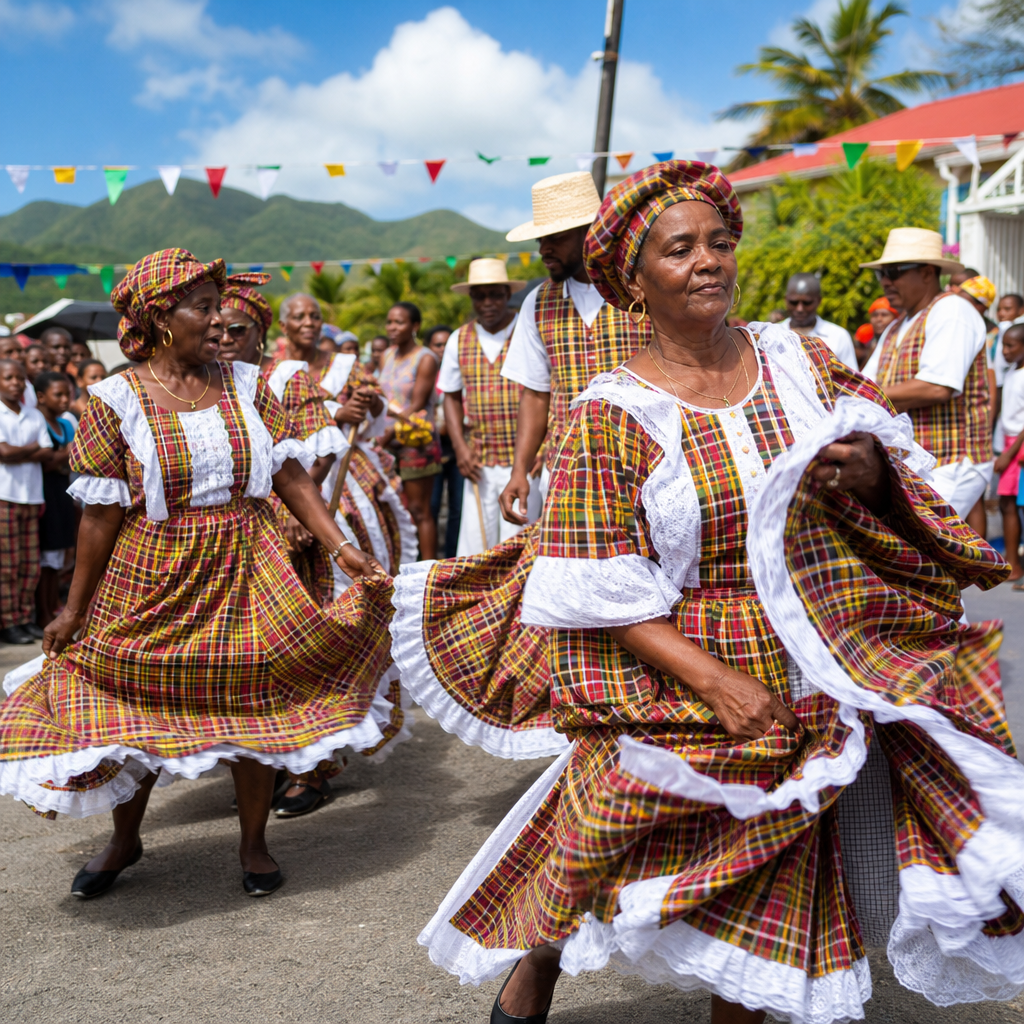
Masquerade tradition deserves special attention. Across St. Kitts and Nevis, masquerade is one of the most recognizable folk performance forms of the Christmas season, combining costume, dance, drumming, and symbolic movement. While tourists often see it as spectacle, locally it carries historical depth linked to African retention, plantation-era adaptation, and community artistry. Dancers may wear brightly decorated costumes with mirrors, ribbons, and structured headpieces, while accompanying performers build rhythm and theatrical energy. During the New Year period, such performances can appear at public events, organized shows, or village gatherings, helping connect the holiday to the island’s deeper cultural memory.
From experience, this is where many visitors make an important shift in understanding. What appears at first to be entertainment reveals itself as archive. A masquerade troupe, a village band, or a set of seasonal songs does not simply fill time between meals and drinks. It transmits style, discipline, memory, and pride. Traditional New Year celebrations in Nevis survive because people continue performing them, not just remembering them. That is why even modest community events can feel culturally rich: the performers are carrying forward forms that define Nevisian local life.
Food, visiting, and family-centered hospitality
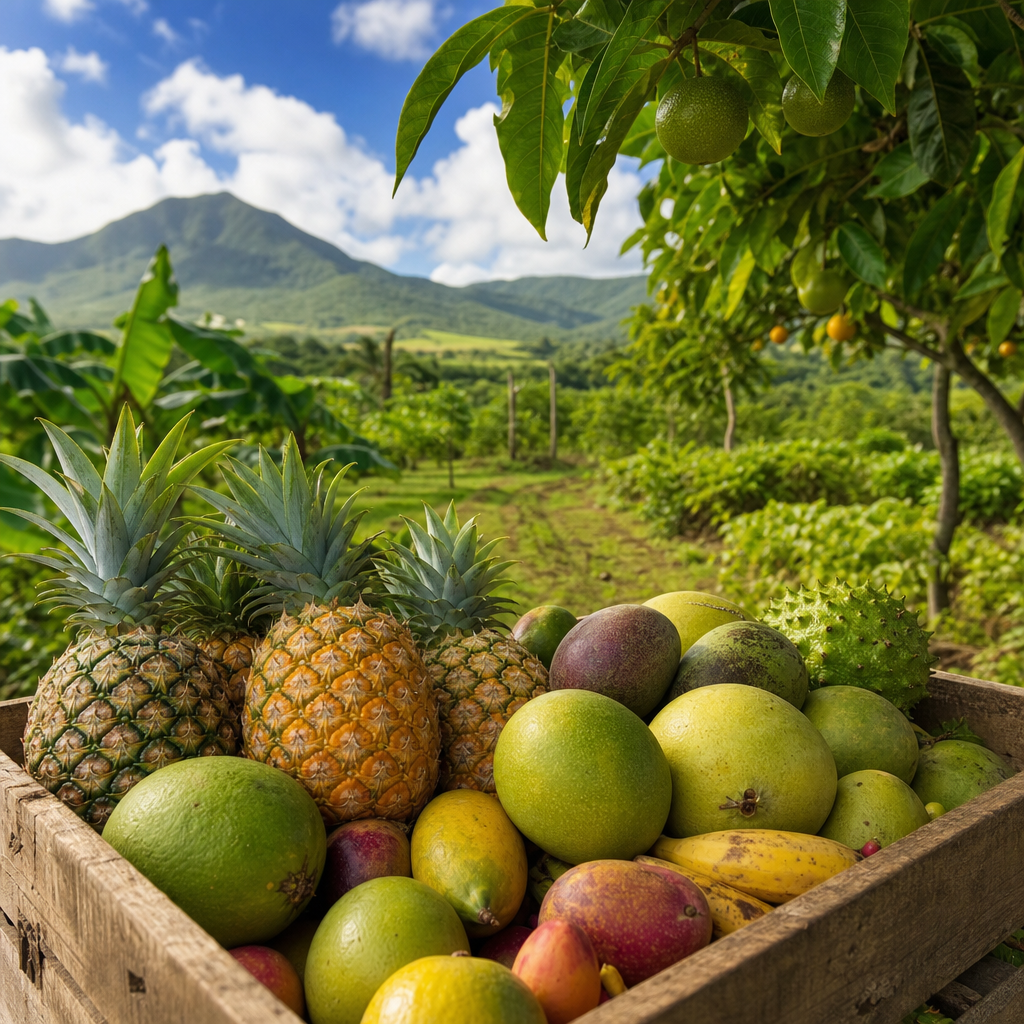
Food is central to New Year celebrations in Nevis because the holiday is built around hosting. Families prepare meals that are generous, familiar, and designed for sharing over hours rather than minutes. Menus vary by household, but common Caribbean festive patterns apply: roast meats, rice dishes, peas, provisions, salads, tarts, cakes, black cake, and drinks ranging from sorrel to ginger beer and rum-based punches. Fresh local produce and imported holiday staples often appear together, reflecting both island agriculture and long-standing Christmas culinary habits.
Just as important as what is cooked is how it is served. New Year hospitality in Nevis is relational. People visit relatives, drop in on neighbors, greet elders, and welcome returning family from overseas. A successful visit may include a plate, a drink, conversation about family news, memories of past Christmases, and discussion of the coming year. In small-island settings, these rounds of visiting reinforce social networks that matter long after the decorations come down. They are a social infrastructure, not a decorative custom.
| Tradition | How it appears in Nevis | Why it matters locally |
|---|---|---|
| Watch-night service | Church gathering before midnight with prayer, hymns, and reflection | Marks the new year with gratitude, discipline, and community presence |
| Family meal | Home-cooked dishes shared with relatives and guests | Reinforces kinship and the expectation of hospitality |
| House-to-house visiting | Stopping by homes on New Year’s Eve or New Year’s Day | Keeps village ties active and welcomes returning residents |
| Live music and dance | Bands, DJs, string music, and social dancing at venues and gatherings | Creates collective celebration rooted in local taste |
| Masquerade performance | Costumed seasonal folk display at events or in public spaces | Connects modern celebration to inherited cultural forms |
For travelers, the best approach is simple: accept that the meal is part of the meaning. If you are invited to a home or village gathering, arrive respectfully, greet people properly, and understand that lingering is normal. Nevisian celebration is not built only around itinerary efficiency. It values presence. That emphasis on time spent together is one reason traditional New Year celebrations in Nevis remain resilient even as tourism and digital culture change the island’s rhythms.
Village life, public events, and the tourism connection
New Year in Nevis unfolds across different social spaces at once. Charlestown, the island’s capital, serves as an anchor for movement, commerce, and public visibility, while villages and residential communities hold much of the intimate social life that gives the holiday character. Hotels and restaurants may host dinners, live music, and countdown events for guests, but these are only one layer of the celebration. The fuller picture includes roadside limes, church compounds, family yards, community centers, and open-air venues where residents and visitors mingle.
This matters for tourism because Nevis markets itself through tranquility, heritage, and authenticity rather than nonstop mass entertainment. Traditional New Year celebrations fit that identity. A traveler staying at a resort may enjoy a polished dinner and midnight toast, then discover the next day that the island’s real festive texture comes from village interactions, local music, and family-oriented social customs. The best local experiences usually happen when visitors move beyond the hotel perimeter with guidance from resident hosts, taxi drivers, guesthouse owners, or cultural organizers who know where events are happening and what etiquette applies.
There are, however, tradeoffs worth stating clearly. Traditional celebrations are not staged on demand. Some events are private, some are church-based, and some vary from year to year depending on funding, community energy, and the return of diaspora relatives. Weather also shapes attendance in outdoor spaces. For that reason, anyone planning a holiday trip to experience traditional New Year celebrations in Nevis should confirm schedules locally, remain flexible, and prioritize conversation with residents over fixed assumptions. The reward for that approach is a far more accurate and memorable view of Nevisian life.
How to experience the celebrations respectfully and what they reveal about Nevis
If you want to experience traditional New Year celebrations in Nevis well, begin with respect for pace, place, and people. Dress appropriately for church if attending a watch-night service. Ask before photographing performers or private gatherings. Support local businesses by choosing island-run restaurants, bars, craft vendors, and guides during the season. Listen more than you speak, especially when older residents explain how customs have changed over time. Those conversations often reveal the deepest truths: which villages once had stronger string band traditions, how migration affected holiday turnout, or why certain foods and songs carry emotional weight.
These celebrations reveal a broader lesson about Nevis. The island’s culture is not preserved because it is frozen; it is preserved because people continue adapting it without abandoning its core meanings. Amplified party culture exists. Hotels host modern events. Younger crowds use social media to organize where they will be at midnight. None of that automatically erases tradition. Instead, Nevis often layers the new over the old: church before party, family meal before dance, folk performance beside contemporary music, village etiquette alongside visitor curiosity.
That layered quality is exactly why this subject belongs at the center of any guide to local life and experiences. Through New Year customs, you can trace religion, migration, foodways, performance, social class, hospitality, and island identity in one season. To explore Nevis well, use this topic as a starting point for deeper articles on festivals, cuisine, churches, village culture, and heritage arts. Traditional New Year celebrations in Nevis are more than a holiday attraction; they are a working map of how the island welcomes the future while keeping faith with its past. Plan your visit with curiosity, ask local questions, and let the season teach you how Nevis lives.
Frequently Asked Questions
What makes traditional New Year celebrations in Nevis different from a typical New Year’s Eve party?
Traditional New Year celebrations in Nevis are much more than a single late-night party or a countdown to midnight. They are rooted in community life, family continuity, village custom, and the public sharing of music, food, and seasonal performance. While many places focus mainly on fireworks, clubs, or private gatherings, Nevisian New Year observances traditionally move between home, church, street, and village spaces. Old Year’s Night on December 31 often carries a reflective mood as families prepare food, visit relatives, attend watch-night services, and mark the passing of the old year with prayer, gratitude, and social connection. Then, as the calendar turns, the atmosphere becomes more celebratory, with people greeting one another, making rounds, and participating in community traditions that may continue into New Year’s Day.
Another key difference is that in Nevis, the season is not understood only as one midnight moment. Traditional celebration can extend across several days and is tied to broader Christmas season customs, including house-to-house visiting, village-based gatherings, and performance traditions that reflect the island’s cultural memory. Music and street activity are especially important, because they transform the celebration from a private event into a public expression of identity. In this sense, New Year in Nevis is not simply entertainment; it is a living cultural practice that shows how religion, kinship, hospitality, and local creativity come together at one of the most meaningful points in the calendar year.
How do families and communities in Nevis usually celebrate from Old Year’s Night into New Year’s Day?
For many families in Nevis, the transition from Old Year’s Night to New Year’s Day begins at home. Relatives gather to cook, share a meal, talk, and prepare for the evening’s activities. Older family members often play an important role in preserving the tone of the celebration, whether through prayer, storytelling, reminders about family customs, or organizing visits to neighbors and kin. In many households, there is a balance between festivity and reflection. People may dress for church, prepare special dishes, and welcome returning relatives who come home for the holidays. The hours before midnight can feel both social and ceremonial, with attention given to ending the year in a spirit of peace, togetherness, and gratitude.
Community life becomes especially visible as midnight approaches and passes. Watch-night church services are a major feature for many Nevisians, offering a structured way to close one year and enter the next through worship, testimony, music, and prayer. After midnight, greetings and visits take on fresh importance as people wish one another well for the year ahead. On New Year’s Day itself, traditional patterns of visiting, shared meals, and public gathering continue. Some communities are animated by music, street performance, and village activity, while others emphasize family hosting and slower-paced socializing. Across these variations, the common thread is connection: New Year is marked not in isolation but through active participation in family networks and community relationships.
What role do music, street performance, and house-to-house visiting play in Nevisian New Year traditions?
Music and movement are central to the character of traditional New Year celebrations in Nevis because they bring the island’s social energy into public view. Rather than keeping celebration confined indoors, Nevisian custom often allows the street, lane, and village center to become places of encounter, performance, and shared enjoyment. Seasonal music, lively rhythms, and organized or informal performance help mark the holiday as something communal rather than merely personal. These expressions can include village-based entertainment, festive bands, masquerade-linked traditions, and forms of street presence that blur the line between audience and participant. Even when the exact shape of celebration differs from one area to another, music remains one of the clearest signals that the old year has ended and a new cycle has begun.
House-to-house visiting is equally important because it reflects the island’s long-standing culture of hospitality and social obligation. Visiting is not only casual drop-in socializing; traditionally, it can serve as a way of renewing bonds, showing respect, checking in on elders, and extending good wishes for the new year. Guests may be offered food, drink, conversation, and a place in the household’s celebration. This custom strengthens village ties and keeps the holiday rooted in human relationships rather than spectacle alone. Street performance and visiting together create a rhythm of movement through the community: people gather, greet, observe, perform, and share. That circulation is one of the most distinctive features of New Year in Nevis, revealing a culture in which celebration is built through presence, reciprocity, and public participation.
What kinds of food and religious traditions are associated with New Year celebrations in Nevis?
Food plays a major part in New Year traditions in Nevis because the holiday is deeply tied to family gathering and hospitality. Although menus can vary by household, the overall pattern is familiar: people prepare substantial meals, share dishes with relatives and visitors, and use food as one of the main ways to welcome others into the season. The meal itself often carries emotional and cultural weight, especially when family members return home for Christmas and New Year and several generations are present. A New Year table in Nevis is not just about eating well; it is about demonstrating care, abundance, and continuity. Cooking may begin well before the holiday, and recipes or serving habits often reflect family heritage and local taste.
Religious observance is equally significant and, for many people, inseparable from the celebration. Watch-night services on Old Year’s Night are a longstanding practice across the Caribbean and have special importance in Nevis as a way of crossing into the new year with prayer and thanksgiving. These services typically include hymns, scripture, testimony, preaching, and moments of reflection on the year that has passed. For many families, attending church is not a secondary activity but a central act that gives meaning to the festivities around it. Even in households that also enjoy lively social events, the spiritual dimension often remains strong. This blend of food, fellowship, and faith is one reason traditional New Year celebrations in Nevis feel both joyful and grounded: people celebrate, but they also pause to acknowledge blessing, memory, and hope for the future.
Why are traditional New Year celebrations in Nevis considered such an important expression of local culture?
Traditional New Year celebrations in Nevis are considered culturally important because they bring together many of the values and practices that define everyday life on the island. In a single holiday period, you can see the importance of extended family, neighborhood relationships, religious faith, oral tradition, hospitality, music, and public festivity. These celebrations also reveal how culture is carried not just by formal institutions, but by repeated acts of participation: visiting an elder, attending a watch-night service, preparing family dishes, joining a village gathering, or taking part in seasonal street traditions. Each of these actions helps pass knowledge from one generation to the next. That is why New Year in Nevis is often understood as more than entertainment; it is a yearly reaffirmation of belonging.
The celebrations also matter because they preserve a distinctly Nevisian way of marking time and community in a changing world. As modern tourism, migration, and global media influence how holidays are celebrated, traditional customs offer a strong local framework that keeps the island’s identity visible and meaningful. They remind residents and visitors alike that Nevis has its own seasonal rhythm, shaped by village life, memory, and inherited practice. When people continue to honor these customs, they are not simply repeating old habits. They are actively sustaining a cultural language that explains who they are, how they relate to one another, and what they want to carry into the future. That enduring relevance is what makes traditional New Year celebrations in Nevis one of the island’s most revealing expressions of local life.