Saint Kitts reveals itself most clearly after sunset, when bass lines drift across Basseterre, steel pans ring from community yards, and a village bar turns into an informal history lesson. Local music in Saint Kitts is not background entertainment for tourists. It is a living record of migration, religion, labor, carnival, courtship, and neighborhood pride. To understand local life and experiences on the island, visitors need to hear how Kittitians celebrate, protest, flirt, worship, and remember through sound. That is why the rhythms of Saint Kitts deserve a dedicated guide: music connects nearly every miscellaneous experience that makes the island feel personal rather than packaged.
When people talk about music in Saint Kitts, they usually mean more than one genre. The island’s soundscape includes calypso, soca, string band traditions, steelpan, gospel, reggae, dancehall, choir music, drumming, and Carnival road music. There are also newer hybrid forms shaped by digital production, diaspora exchange, and regional collaborations with artists from Trinidad and Tobago, Antigua, Barbados, St. Martin, and beyond. In practical terms, “experiencing local music” means visiting live venues, attending Carnival events, listening to radio, hearing church choirs, watching school performances, and paying attention to what residents play at family gatherings, beach limes, and street festivals.
In my experience covering Caribbean destinations and speaking with festival organizers, bandleaders, and venue owners, the biggest mistake travelers make is searching only for polished resort shows. Those performances can be enjoyable, but they rarely capture the social role music plays in everyday Kittitian life. The most revealing moments often happen at a Friday night bar set, a community pan rehearsal, a small stage during Culturama spillover conversations, or a spontaneous roadside session where musicians test new songs before Carnival season. If your goal is to experience local culture rather than simply consume entertainment, music is one of the fastest and most reliable entry points.
This hub article explains how local music works in Saint Kitts, where to hear it, what genres matter most, how festivals shape the calendar, and how to listen respectfully. It also helps readers navigate related miscellaneous experiences under the broader local life and experiences topic, from nightlife and street food to community celebrations and radio culture. Whether you are planning a trip, building an itinerary, or researching Caribbean cultural identity, this guide provides the context needed to hear Saint Kitts with more understanding.
What Defines the Sound of Saint Kitts
The sound of Saint Kitts is shaped by layered Caribbean history. African rhythmic traditions, European colonial forms, church hymnody, labor-era storytelling, and regional popular music all contribute to what listeners hear today. Calypso remains one of the clearest examples. It is lyrical, topical, and often satirical, using melody and rhythm to comment on politics, daily frustrations, social behavior, and public events. Soca pushes toward movement and celebration, built for fetes, road marches, and Carnival energy. String bands preserve older acoustic traditions with instruments such as guitar, banjo, cuatro-style variations, and percussion, while steelpan reflects a pan-Caribbean musical language adapted to local identity.
These genres matter because each one occupies a distinct social space. Gospel dominates many Sundays and major church events. Calypso takes center stage during competition season, when audiences judge wit, vocal delivery, crowd response, and lyrical relevance. Soca is what powers dancing at Carnival fetes and beach events. Reggae and dancehall are common in bars, taxis, and radio rotation, showing how closely Saint Kitts participates in wider Caribbean listening habits. The result is not a single signature beat but a set of rhythms attached to specific settings. Knowing that difference helps visitors understand why a steelpan concert, a calypso tent, and a late-night dancehall session feel culturally connected yet socially distinct.
Language also defines local music. Lyrics may move between standard English and Caribbean vernacular, allowing artists to be direct, playful, and sharply local at the same time. For first-time listeners, some jokes or references may pass quickly, especially in calypso, where double meanings and political commentary are common. That does not reduce the experience. In fact, it is a reminder that local music is made first for local audiences. Visitors who ask bartenders, taxi drivers, or hosts to explain a song often get richer stories than they would from a formal brochure.
Core Genres Every Visitor Should Recognize
Calypso is essential because it functions as Saint Kitts’s musical newspaper. A strong calypso song can summarize a year’s grievances, scandals, and jokes in four minutes. Performers are valued not only for singing ability but for composition, timing, and courage. During Carnival season, calypsonians compete with songs that address governance, social issues, migration, romance, or public controversy. If you attend a live calypso show, listen for audience laughter, call-and-response reactions, and the way a line lands when it references a known event. That reaction is part of the performance, not an interruption.
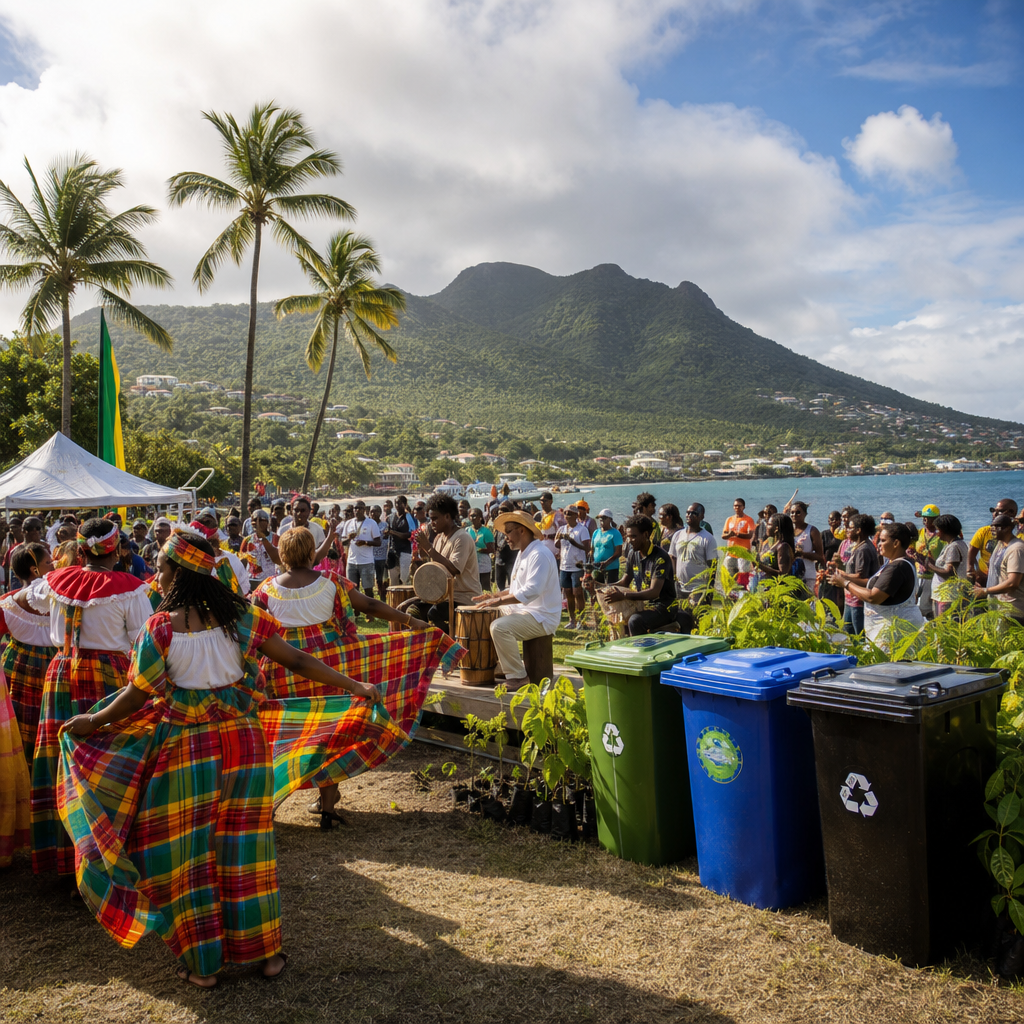
Soca is the island’s release valve. It is high-energy, percussion-driven, and designed for movement. In Saint Kitts, soca appears at fetes, road events, club nights, and pre-Carnival build-up parties. The substyles can range from groovy and melodic to fast-paced tracks engineered for jumping, waving, and crowd interaction. If calypso asks people to think and laugh, soca asks them to move together. For travelers, a local soca event is one of the quickest ways to see how music creates temporary community among friends, families, and strangers.
Steelpan deserves focused attention because many visitors underestimate its range. In Saint Kitts, pan is not just festive background music. Skilled players perform arrangements that require discipline, ensemble timing, and melodic sensitivity. Community bands often rehearse for weeks before competitions and public appearances. Watching rehearsal can be as rewarding as attending a formal performance because you hear how arrangers build texture across tenor, double seconds, guitar pans, and bass pans. It is a serious musical practice with deep Caribbean significance.
String band music and folk-derived performance traditions connect listeners to an older village-centered Saint Kitts. Though less commercially dominant than soca or dancehall, these forms remain culturally important, especially in heritage events and community gatherings. They often carry a warmth and immediacy that amplified stage shows cannot replicate. Visitors interested in roots culture, oral traditions, and local storytelling should actively seek these performances rather than assuming contemporary Carnival music tells the whole story.
Where to Hear Local Music Across the Island
The best places to hear local music in Saint Kitts vary by season, but several patterns hold year-round. Basseterre offers the widest range, from bars and lounges with live bands to event spaces that host themed nights and Carnival programming. Frigate Bay is a useful nightlife zone for visitors because it mixes tourist traffic with local attendance, especially on weekends. Beach bars sometimes feature DJs, small live acts, or special event nights where soca, reggae, and dancehall dominate. These spaces are accessible, but they are only the starting point.
More locally grounded experiences often happen away from obvious visitor corridors. Village festivals, school concerts, church events, and community fundraisers can include excellent performances with little formal promotion. Radio announcements, flyers, and word of mouth still matter. I have found that asking a hotel front desk where music is happening usually produces generic answers, while asking a local driver where people are actually going this weekend produces better leads. Residents know which venue has a working band, which promoter consistently draws crowds, and which event will feel authentic rather than staged.
If you are planning a music-focused itinerary, use this framework.
| Setting | What You Will Likely Hear | Best For | Practical Tip |
|---|---|---|---|
| Bars and lounges in Basseterre | Live bands, calypso, reggae, dancehall, occasional soca sets | Year-round evening listening | Arrive early and ask whether a live set starts on island time |
| Frigate Bay nightlife spots | DJs, soca, dancehall, mixed Caribbean playlists | Casual nights out with easy access | Check social media flyers the day of the event |
| Carnival venues and fetes | Soca, calypso competitions, road music, steelpan | Peak seasonal immersion | Buy tickets early for headline events |
| Churches and community halls | Gospel choirs, youth ensembles, special concerts | Understanding spiritual and community life | Dress modestly and confirm whether visitors are welcome |
| Village events and fundraisers | Local bands, string music, DJ sets, mixed genres | Less commercial, more community-driven experiences | Bring cash and expect schedules to shift |
Digital discovery is increasingly important. Many local promoters use Facebook and Instagram flyers rather than websites. Regional radio stations and DJs also preview upcoming events. If you follow tourism pages alone, you will miss much of the island’s actual music life. A smarter approach is to combine social media checks with local recommendations once you arrive.
Carnival, Festivals, and the Seasonal Pulse
No article about the rhythms of Saint Kitts is complete without Carnival, often branded nationally as Sugar Mas. It is the island’s most concentrated expression of music culture, blending pageantry, costuming, street performance, competition, and social release. For musicians, Carnival is not just a festive period; it is a professional season that shapes song production, rehearsals, bookings, audience visibility, and media attention. Artists often release tracks strategically ahead of major fetes and contests, hoping to build momentum before the road events begin.
During Carnival, music becomes public infrastructure. Trucks carry amplified sound through the streets, bands perform at organized shows, and calypso tents or competition stages create spaces where lyrical craft receives focused attention. Visitors who attend only the parade miss a large part of the experience. The lead-up events matter: launch parties, band rehearsals, pan showcases, and smaller fetes reveal how anticipation builds. This is where you hear songs before they become season anthems and where local debates about the best performers begin.
Outside Carnival, music remains woven into national and community observances. Independence-related celebrations, school arts programs, and church anniversaries all generate performance opportunities. Nearby Nevis also influences the cultural ecosystem, and travelers moving between the two islands can hear how shared traditions take slightly different forms. For anyone building a broader local life and experiences itinerary, festival timing should shape accommodation choices, transportation planning, and even restaurant reservations because major music events alter traffic and late-night patterns.
How Music Connects to Food, Nightlife, and Everyday Local Life
Music in Saint Kitts rarely stands alone. It is tied to food stalls, rum culture, roadside grilling, community fundraising, and social rituals built around gathering. At a beach bar, the soundtrack may shift from reggae in the afternoon to soca at sunset and dancehall late at night, while vendors sell chicken, fish, conch, or festival-style snacks nearby. At Carnival events, music and food function together: people arrive for the vibe, stay for the crowd, then remember the whole evening through both taste and sound.
This matters for travelers exploring the miscellaneous side of local life because the island’s smaller experiences often overlap. A live band night may also be one of the best places to sample local pepper sauces, talk with residents about cricket, or learn which village celebration is worth attending next. Radio is another overlooked thread. Local stations help shape public taste, promote artists, and keep Carnival songs in circulation. Listening to morning shows or drive-time programming can quickly orient visitors to what people are discussing and which songs currently matter.
There is also a strong intergenerational element. Older residents may prefer calypso and string band traditions, while younger crowds may lean toward soca, dancehall, and digital hybrids. But the separation is not absolute. Family events often mix all of it. That blend is one reason Saint Kitts’s music scene feels socially rooted rather than niche. It belongs to formal stages and ordinary life at the same time.
How to Listen Respectfully and Support the Scene
Experiencing local music well requires more than showing up. Respect starts with understanding that you are entering spaces built for residents, not performances calibrated exclusively for visitors. Dress appropriately for the setting, ask before filming close-up, and avoid treating community events as cultural exhibits. Applaud, dance when invited, buy a drink or food if you are using the venue, and pay cover charges without complaint. These basics help sustain the places where local music actually lives.
Support can be practical. Hire local guides who understand nightlife logistics. Purchase artist releases on legitimate platforms when available. Follow bands and event organizers online, share their flyers responsibly, and recommend venues by name after your trip. If you attend pan or school performances, donations and merchandise purchases can matter more than travelers assume. Small music ecosystems depend on repeat local support and occasional visitor spending, especially outside peak tourist months.
It also helps to accept limitations. Not every night will produce a perfect live set, and island scheduling can be fluid. Weather, turnout, transportation, and technical issues affect events. The reward for flexibility is access to experiences that feel real rather than curated.
To experience Saint Kitts deeply, listen for the island before you try to summarize it. Its music carries memory, humor, conflict, worship, seduction, and celebration in forms that no resort playlist can replicate. Calypso explains the public mood, soca fuels collective release, steelpan demonstrates discipline and artistry, and community performances reveal how sound anchors local relationships. Together, these traditions turn a visit into cultural participation rather than passive sightseeing.
For readers exploring the wider local life and experiences hub, music is the ideal starting point because it connects naturally to nightlife, festivals, food culture, village events, radio, and everyday conversation. Once you know where and how to listen, many other miscellaneous experiences make more sense. You understand why a beach bar crowd reacts instantly to one chorus, why Carnival songs dominate discussion for weeks, and why a church concert can be as revealing as a headline party. Music is not one attraction among many in Saint Kitts; it is a framework for understanding the island’s social life.
Build your itinerary around at least one live performance, one community-centered event, and one seasonal celebration if timing allows. Ask locals what they are listening to, not just where tourists go. Follow the sound, stay curious, and let the rhythms of Saint Kitts introduce the island on its own terms.
Frequently Asked Questions
What kinds of local music should visitors expect to hear in Saint Kitts?
Visitors to Saint Kitts will quickly notice that the island’s music scene is layered, social, and deeply tied to everyday life. You may hear soca and calypso most prominently, especially around Carnival season, where lyrics often mix celebration, humor, rivalry, and social commentary. String band traditions also remain important, connecting modern listeners to older community styles shaped by African and European influences. In many neighborhoods, steel pan music carries its own special energy, with bright, percussive melodies that feel both festive and historical. Gospel and church music are also central to Kittitian life, revealing how faith and music intersect across generations. Reggae, dancehall, and other Caribbean sounds are part of the musical landscape too, but what makes Saint Kitts distinctive is how local performers use music to tell island-specific stories. Rather than existing as separate genres in neat categories, these sounds often overlap in real spaces such as bars, festivals, family events, street celebrations, and village gatherings.
Why is local music so important to understanding the culture of Saint Kitts?
Local music in Saint Kitts is one of the clearest ways to understand the island beyond its beaches and scenic beauty. It carries memory. Songs reflect the history of labor, colonialism, migration, religion, and resistance, while also documenting courtship, neighborhood pride, and the humor of daily life. In many cases, lyrics do more than entertain; they comment on politics, celebrate communities, tease public figures, and preserve a sense of what matters to ordinary people. Music also helps explain how Saint Kitts experiences time and belonging. Carnival songs, road march energy, church choirs, and late-night jam sessions all reveal different sides of public and private life. For a visitor, listening carefully can provide insight into how Kittitians celebrate achievement, respond to hardship, honor tradition, and maintain social bonds. In that sense, local music is not simply a performance for outsiders. It is a living cultural archive, and hearing it in context makes the island feel far more real and understandable.
Where can travelers experience authentic local music in Saint Kitts?
Authentic local music in Saint Kitts is often found in places that feel informal, community-driven, and unpolished in the best possible way. Basseterre comes alive after dark, and visitors may find live music in small bars, open-air venues, beach gatherings, and neighborhood events where the audience includes as many locals as travelers. Village festivals and community celebrations can be especially rewarding because they place music in its natural setting rather than presenting it as a staged attraction. Carnival is one of the best times to experience the full force of local sound, from calypso competitions to street parades and energetic soca performances. Church services and religious events can also offer meaningful musical experiences, especially for those interested in the spiritual side of island culture. The key is to remain open, ask residents where music is happening, and choose spaces where people are clearly there for themselves, not only for visitors. That is often where the most memorable and genuinely Kittitian musical moments unfold.
How should visitors engage respectfully with music events and performances in Saint Kitts?
The best approach is to arrive with curiosity, humility, and a willingness to listen before treating the moment as a photo opportunity. In Saint Kitts, music is often communal and participatory, but that does not mean every setting is designed for tourist consumption. If you are attending a local bar event, street celebration, or community performance, observe how people interact, how close they stand, when they dance, and when they simply listen. Support performers and venues by buying drinks, paying cover charges, or contributing where appropriate. If you want to record video or take close-up photos, it is wise to ask permission, especially in smaller spaces or religious settings. Showing genuine interest in the lyrics, instruments, and performers usually goes a long way, and respectful questions are often welcomed. Visitors should also understand that some songs may contain social commentary, satire, or references that are meaningful within local history. Engaging respectfully means accepting that not every part of the experience needs to be translated for outsiders in the moment.
What makes the nighttime music scene in Saint Kitts so memorable?
Nighttime in Saint Kitts transforms music from something you hear into something you feel moving through streets, courtyards, and social spaces. After sunset, the island’s atmosphere changes: conversations stretch longer, rhythms travel farther, and ordinary places can suddenly become stages for storytelling and release. A bass line drifting through Basseterre, steel pan practice echoing from a yard, or a singer leading a crowd in a familiar chorus can make the island feel intimate and alive all at once. The nighttime music scene is memorable because it blurs the line between performance and community life. Musicians are not always separated from the crowd, and listeners often become participants through dancing, singing along, calling out responses, or simply adding their presence to the social energy. It is also at night that the emotional range of Kittitian music becomes especially clear. Joy, flirtation, nostalgia, protest, spirituality, and pride all emerge in ways that feel immediate rather than staged. For many visitors, these evenings provide the strongest connection to the island’s real character.