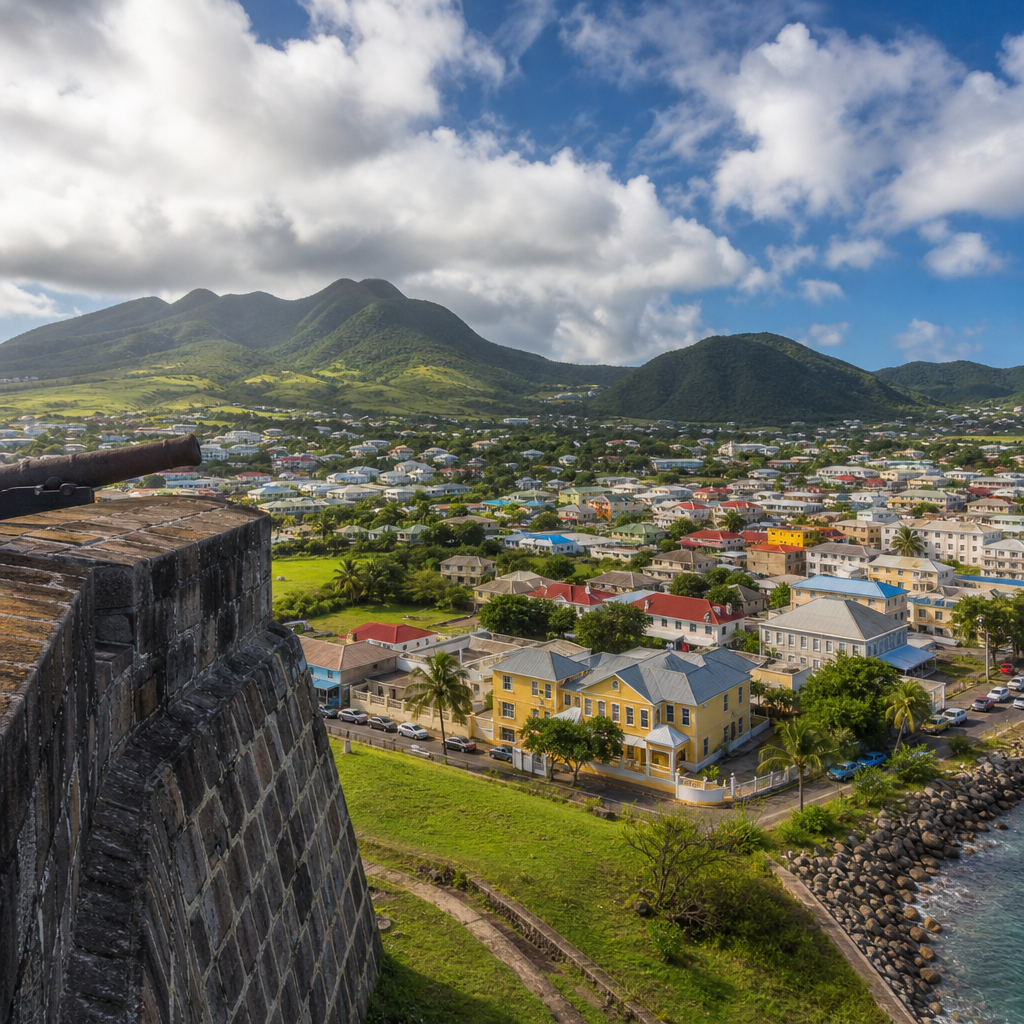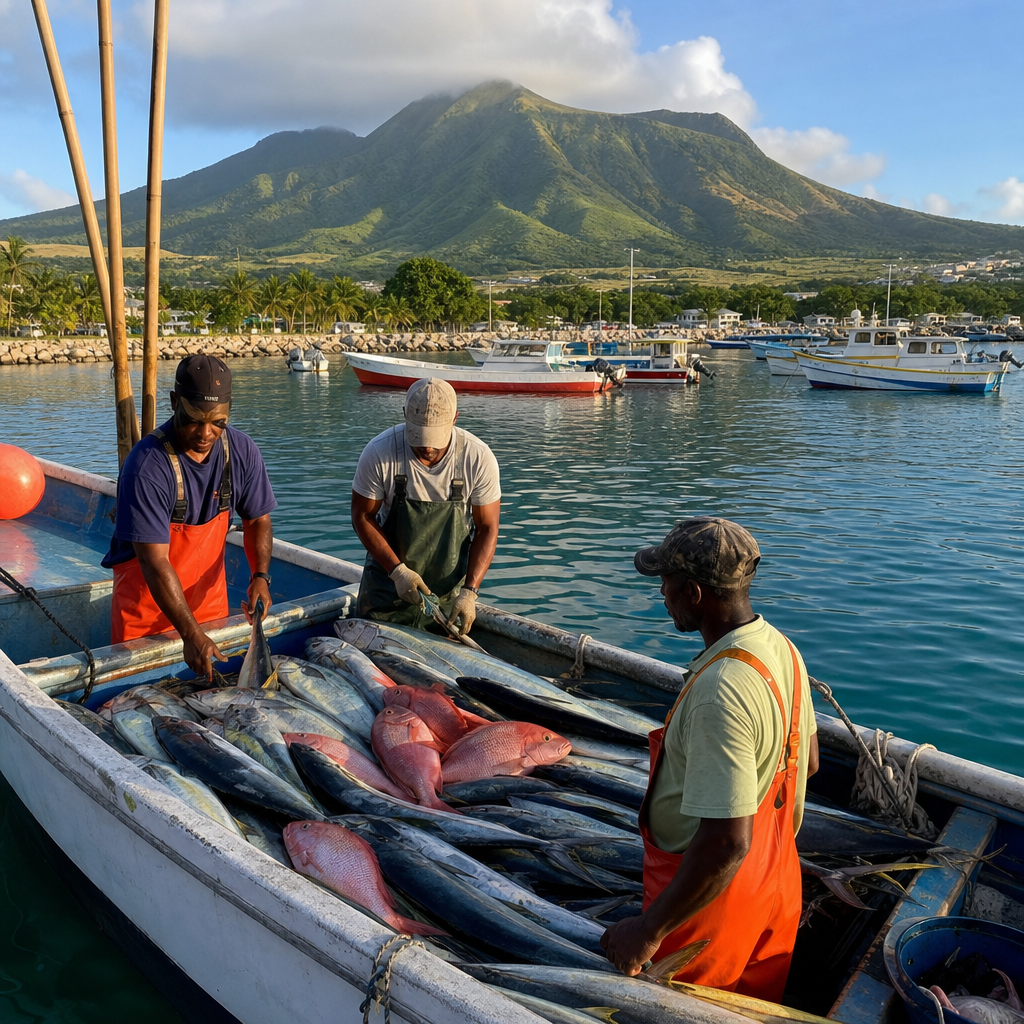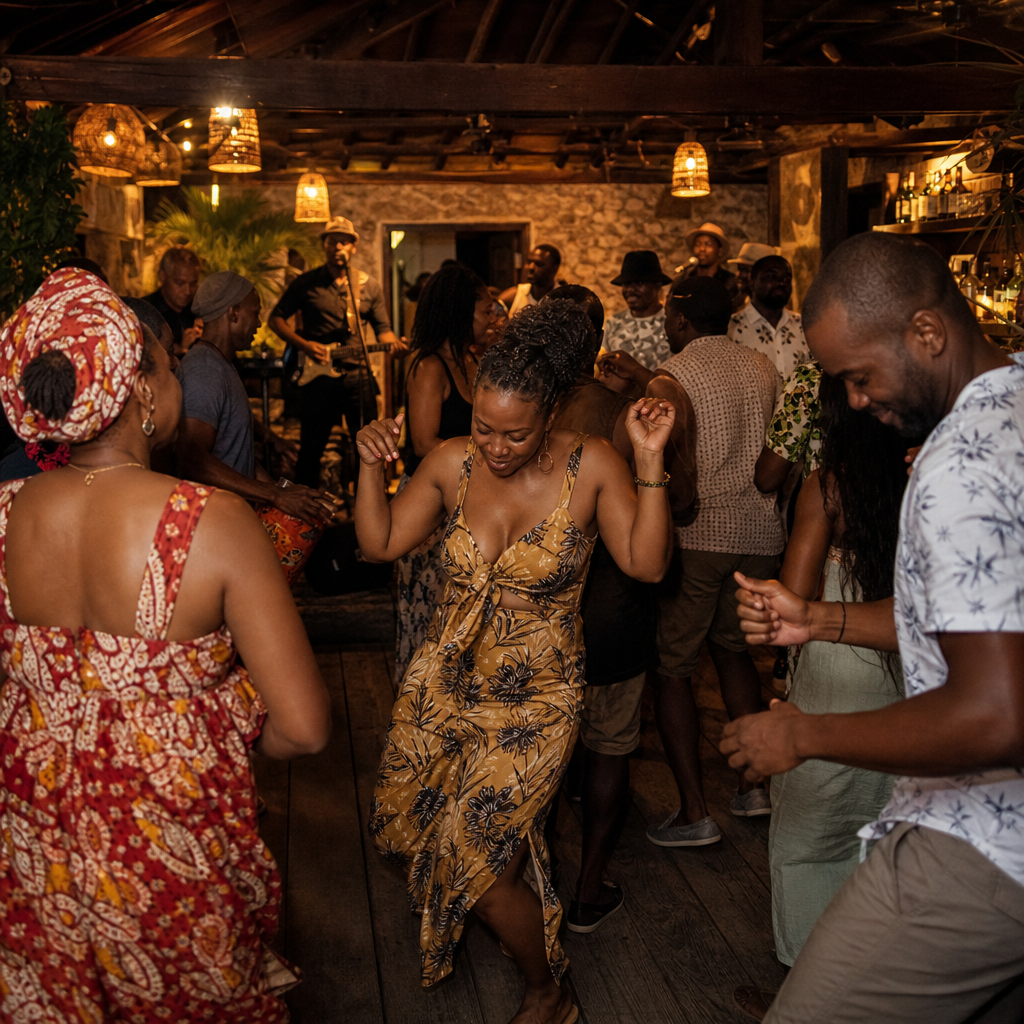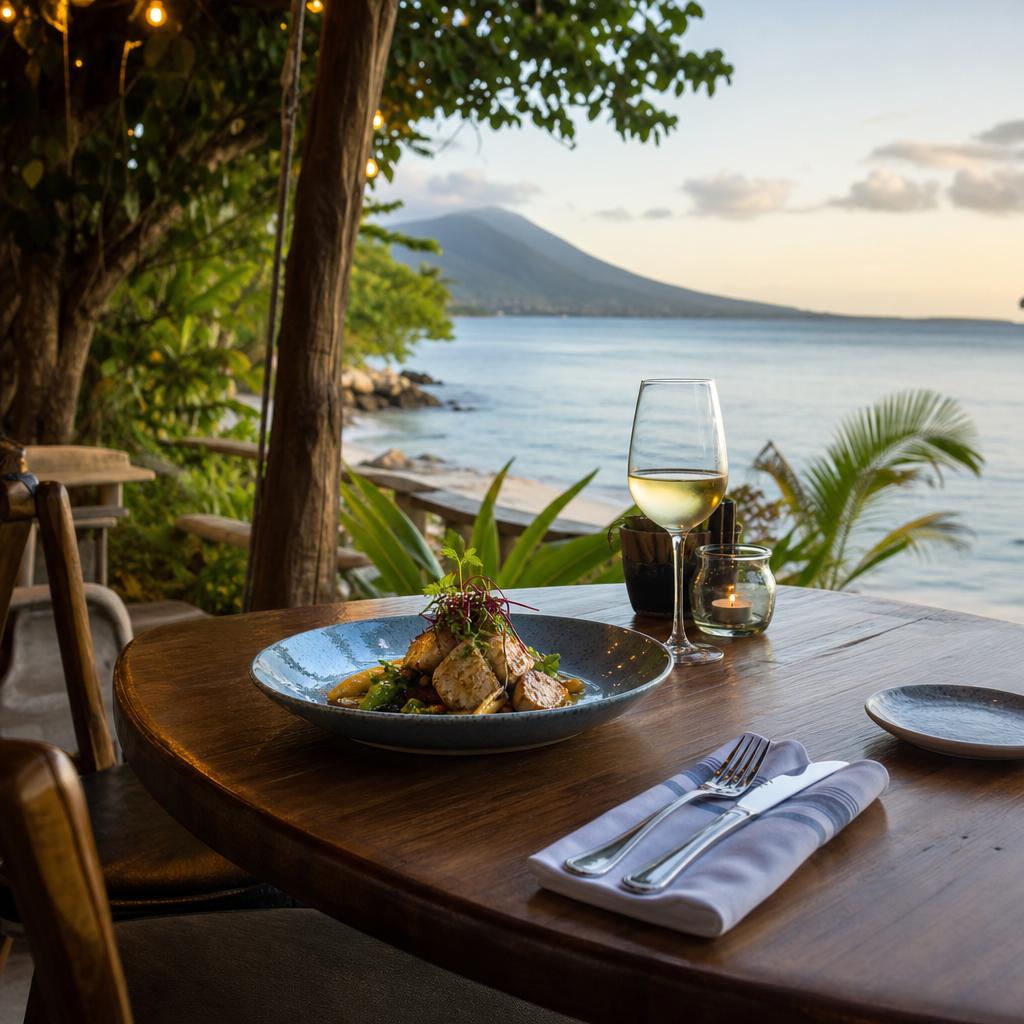
Nevis’ boutique restaurants prove that a small island can deliver one of the Caribbean’s most memorable dining scenes. On Nevis, “boutique” usually means independently owned restaurants with limited seating, highly personal service, distinctive settings, and menus shaped by local catch, tropical produce, and the chef’s own point of view. These are not anonymous resort buffets or interchangeable chains. They are intimate dining rooms in old plantation houses, candlelit courtyards, beach shacks turning out expert grilled lobster, and hillside kitchens where a short menu tells you exactly what is fresh that day. For travelers researching local cuisine and dining in Nevis, this hub matters because it connects the many “miscellaneous” pieces of the island’s food culture into one clear picture: where to eat, what to order, how to choose between styles, and why these places often become the strongest memory of a trip.
Having planned meals across Nevis repeatedly, I have learned that the island rewards diners who look beyond size and polish. A 20-seat restaurant may have a stronger culinary identity than a much larger property because the owner greets guests, the kitchen buys from nearby fishers, and the bartender adjusts rum cocktails to your taste rather than following a rigid recipe card. Nevis itself is small, roughly 36 square miles, but its dining range is wider than many first-time visitors expect. Menus often blend Kittitian and Nevisian staples such as goat water, johnny cakes, plantain, saltfish, coconut, breadfruit, and spiny lobster with French, Italian, Indian, and modern Caribbean techniques. The result is a food destination defined less by quantity of venues than by concentration of character, and that is exactly why boutique restaurants deserve a dedicated guide.
What Makes Nevis’ Boutique Restaurants Different
The defining advantage of boutique restaurants in Nevis is specificity. Large hotel dining rooms must satisfy broad guest preferences, but smaller venues can build around a narrow idea and execute it well. One restaurant may focus on line-caught fish with Creole sauces; another may specialize in wood-fired pizzas using local herbs; another may offer a refined tasting-style menu in a restored great house. Because the island’s supply chain is limited, better operators design menus around what is realistically available rather than pretending every ingredient can be flown in at peak quality. That restraint improves flavor. When wahoo, mahi-mahi, tuna, or snapper lands fresh, it appears quickly; when lobster is in season, it becomes a centerpiece; when mangoes are abundant, they move from chutney to dessert.
Atmosphere is equally important. Nevisian dining often depends on place: sea breeze, volcanic slopes, old stone walls, gallery lighting, garden fragrance, and live acoustic music. At boutique restaurants, design is not an afterthought but part of the meal. You might eat under tamarind trees, on a veranda facing Charlestown, or beside the water with your feet almost in the sand. Service tends to be more conversational than scripted, which matters on an island where recommendations about off-menu specials, spice tolerance, or the day’s catch can shape the evening. Visitors often ask whether “small place” means casual. Not necessarily. In Nevis, boutique can range from relaxed barefoot beach dining to polished fine dining with linen, curated wine, and composed plating.
Signature Flavors and Dishes to Look For
If you want to understand Nevis through food, start with ingredients that anchor the island’s cooking. Seafood leads the list. Spiny lobster, unlike cold-water clawed lobster, has sweet, firm tail meat that handles grilling beautifully. Wahoo is prized for its clean flavor and meaty texture; mahi-mahi holds up to blackening spices; snapper works well steamed or pan-seared with citrus and herbs. Conch appears in salads, fritters, and stews where available. Beyond seafood, goat is central to local identity, especially in goat water, the island’s famous savory stew seasoned with bread, spices, and slow-cooked meat. It is the kind of dish boutique restaurants may reinterpret without losing its roots.
Side dishes and seasonings matter just as much as the protein. Expect rice and peas, fried plantain, sweet potato, breadfruit, seasoned vegetables, and pepper sauces ranging from bright and fruity to seriously hot. Coconut appears across the menu landscape in curries, tarts, ice cream, and breakfast breads. Tamarind, sorrel, ginger, nutmeg, cinnamon, and fresh thyme show up repeatedly. Many small restaurants use these flavors with confidence instead of softening them for tourists. That approach gives Nevisian food its identity. When a menu describes “local catch with coconut curry” or “goat water with johnny cake,” those are not filler items; they are direct pathways into the island’s culinary history and should be treated as priority orders.
Where Boutique Dining Fits in the Nevis Food Landscape
Nevis dining can be understood in four broad categories: resort restaurants, independent boutique restaurants, beach bars and grills, and everyday local eateries. Boutique restaurants sit in the sweet spot between destination dining and neighborhood familiarity. They often attract both travelers and residents, which is a strong signal of quality on any island. In practice, this means you may see a honeymoon couple at one table, a group of returning villa guests at another, and Nevisians celebrating a birthday nearby. That mix is valuable because it keeps menus grounded. Restaurants that survive on repeat local support usually maintain better consistency than places aimed only at one-time visitors.
Location also shapes the experience. Around Pinney’s Beach, many boutique venues emphasize seafood, sunsets, and a relaxed rhythm. Near Charlestown and the island’s historic estates, you find more heritage architecture and often more formal dining. In the interior or foothills, restaurants may lean into cooler evening breezes, garden produce, and panoramic views. Transportation matters here. Taxis are common, and many visitors renting villas or staying at inns build dinners around a few key reservations rather than moving impulsively from place to place. As a hub under local cuisine and dining, this topic links naturally to related guides on beach bars, fine dining, breakfast spots, local dishes, rum culture, and where to eat by area.
How to Choose the Right Restaurant for Your Trip
The best Nevis boutique restaurant for you depends on three variables: setting, menu style, and service pace. If your priority is a romantic evening, choose restaurants with sunset views, courtyard seating, or historic architecture and reserve early for the best tables. If your priority is cuisine, read menus for signals of local sourcing and seasonality. A compact menu is usually a good sign on Nevis because it suggests disciplined purchasing and fresher prep. If you care most about value, lunch can offer the same kitchen talent at lower prices, especially in beachside spots where grilled fish sandwiches, lobster specials, and house-made sauces showcase the restaurant without the cost of a full dinner production.
It also helps to ask practical questions before booking. Is the restaurant open year-round or seasonally? Some Nevis restaurants close during slower months or adjust hours significantly. Is there a dress expectation? Beachfront does not always mean swimwear is acceptable after dark. Are vegetarian options substantial or symbolic? Because local cuisine often centers on seafood and meat, plant-based diners should confirm details. Finally, ask how the restaurant handles specials. Many of the island’s best meals come from a verbal rundown of what arrived that morning. A diner who listens carefully and orders the day’s catch, instead of the safest familiar option, usually eats better on Nevis.
| Dining Goal | Best Boutique Restaurant Style | What to Look For | Typical Best Order |
|---|---|---|---|
| Romantic dinner | Historic house or garden setting | Candlelight, curated wine list, reservation-only feel | Local fish entree with dessert and wine |
| Seafood focus | Beachfront grill or coastal bistro | Daily catch board, lobster in season, sunset seating | Grilled lobster or wahoo with plantain |
| Local flavor | Independent Nevisian kitchen | Goat water, johnny cakes, pepper sauce, lunch crowd | Goat water with traditional sides |
| Casual value | Small beach cafe | Short menu, lunch specials, house rum punch | Fish sandwich or grilled mahi-mahi plate |
Real-World Dining Patterns: What Experienced Visitors Learn
After several trips, one pattern becomes obvious: the strongest dining itineraries mix polished dinners with humble lunches. Travelers who reserve only expensive evening meals often miss the island’s culinary texture. Some of the most satisfying plates on Nevis come from modest kitchens serving a perfectly seasoned catch, fresh slaw, rice and peas, and an ice-cold local beer steps from the water. At the same time, skipping the island’s more refined boutique restaurants would mean missing the chefs who translate local ingredients into a broader Caribbean fine-dining language. The smart approach is balance, not category loyalty.
Another lesson is to respect island timing. Fresh fish is not a theoretical concept here; availability changes. Weather affects boats, deliveries, and even evening service patterns. The best restaurants communicate that honestly. If a server says the tuna is gone but the snapper just arrived, that is useful information, not an inconvenience. Visitors who embrace this flexibility usually get better meals and a more authentic experience. I also recommend confirming transportation before dinner, especially if you plan to drink. Roads are manageable, but boutique restaurants are often spread out, lighting can be limited, and a simple taxi arrangement removes friction from the evening.
Price, Value, and Reservations
Nevis is not the cheapest Caribbean island for dining, and boutique restaurants in particular can command premium pricing because of import costs, small scale, and the economics of operating on a low-volume island. That said, value should be judged by execution, setting, and ingredient quality, not simply portion size. A carefully cooked piece of local wahoo in a beautiful setting with attentive service can justify a higher check more convincingly than a larger but forgettable meal elsewhere. Alcohol, especially imported wine and spirits, often drives totals up faster than food. If budget matters, dine out for lunch, share appetizers, or focus on places where the strengths are local seafood and rum rather than imported steak and Napa cabernet.
Reservations are strongly recommended in high season, on weekends, and whenever live music or special events are scheduled. Because many boutique restaurants have limited tables, “just showing up” can mean waiting a long time or missing out entirely. I have seen excellent restaurants fully committed with only a handful of occupied tables because they stagger service carefully to protect kitchen flow. That is another difference from larger venues. Make bookings early, reconfirm if your plans shift, and arrive on time. The restaurant may be small, but the planning behind a smooth Nevis dinner service is often highly disciplined.
How This Hub Connects Your Wider Nevis Food Research
As a hub page within local cuisine and dining, Nevis’ boutique restaurants are the connective tissue for many related topics. Researching the best beach restaurants leads naturally to seafood seasonality and sunset dining. Looking for traditional food leads to goat water, breakfast bakes, roadside lunches, and the role of local produce. Planning a special occasion dinner links to historic inns, wine programs, tasting menus, and transportation logistics. Even a search for the best rum punch or the top brunch on Nevis often ends at a boutique venue, because small operators are where personality shows most clearly in both kitchen and bar.
Use this page as your starting framework. Decide first what kind of meal you want, then branch into the supporting guides for neighborhood, cuisine type, budget, and atmosphere. That method saves time and improves results because Nevis rewards intentional dining choices. The island’s restaurant scene is compact enough to navigate yet nuanced enough to merit planning. Boutique restaurants capture that balance better than any other category: intimate but not limited, local but often globally informed, relaxed yet capable of genuine sophistication. Explore a few with purpose, order the day’s specialties, and let this hub guide the rest of your Nevis dining itinerary.
Nevis’ boutique restaurants deliver exactly what great island dining should: a sense of place, confident local flavor, and hospitality that feels personal rather than procedural. The island’s small scale is an advantage because it encourages restaurants to work closely with fresh catch, seasonal produce, and returning guests who expect consistency. For travelers, that means better odds of eating something distinctive instead of generic Caribbean resort fare. The key takeaways are simple. Look for independently run venues with clear culinary identity, favor short menus and daily specials, mix refined dinners with casual lunches, reserve ahead, and stay flexible when fresh ingredients shift the menu. In practical terms, boutique dining is the best lens through which to understand Nevisian food culture.
If you are building a complete Nevis dining plan, start here and expand outward. Use boutique restaurants as anchors for each day, then add nearby beach bars, breakfast stops, local lunch counters, and dessert or rum experiences around them. That approach turns isolated meals into a coherent food itinerary shaped by place and timing. Most importantly, order boldly. Choose the grilled lobster in season, the goat water when it is offered, the catch your server recommends, and the tart or ice cream made with local fruit. Small places really do deliver big flavors on Nevis. Save this hub, map out a few reservations, and make your meals part of the trip’s main event.
Frequently Asked Questions
What makes Nevis’ boutique restaurants different from larger Caribbean dining venues?
Nevis’ boutique restaurants stand out because they focus on intimacy, individuality, and a strong sense of place. Rather than serving large crowds with standardized menus, these smaller restaurants typically offer limited seating, close attention from the staff, and food that reflects the personality of the chef and the character of the island itself. Many are independently owned, which means the experience often feels more personal from the moment you arrive. You are not just another table in a busy system; you are a guest in a thoughtfully curated setting.
Another defining feature is the atmosphere. On Nevis, boutique dining may take place in a restored plantation house, a tucked-away garden courtyard, a breezy veranda, or a humble beachside spot where the setting is as memorable as the meal. These restaurants often embrace local ingredients, including fresh fish, lobster when in season, tropical fruits, herbs, and island-grown vegetables. Because of their smaller scale, they can be more flexible and creative, adjusting menus based on the day’s catch or what is freshest and most flavorful. The result is a dining scene that feels authentic, distinctive, and deeply connected to Nevis rather than designed to be universally interchangeable.
What kind of food can travelers expect at boutique restaurants on Nevis?
Travelers can expect a rich mix of Caribbean flavor, local seafood, and globally influenced cooking shaped by fresh island ingredients. Boutique restaurants on Nevis often build their menus around what is available that day, so diners may find freshly caught snapper, mahi-mahi, tuna, or lobster prepared with both traditional and contemporary techniques. Dishes frequently feature ingredients such as coconut, mango, papaya, breadfruit, plantain, tamarind, callaloo, ginger, and lime, creating meals that feel vibrant, seasonal, and unmistakably Caribbean.
At the same time, Nevis’ dining scene is known for variety. One restaurant may lean toward refined island cuisine served in a historic setting, while another may offer French, Mediterranean, or modern international influences layered onto local produce and seafood. It is common to see menus that combine elegant presentation with relaxed island spirit. A dinner might begin with conch fritters or a tropical salad, move into grilled catch with herb sauces or curries, and end with desserts featuring rum, local spices, or fresh fruit. That range is part of the appeal: boutique restaurants on Nevis deliver both a sense of discovery and a genuine taste of the island.
Are Nevis’ boutique restaurants only for special occasions, or are they suitable for casual dining too?
They are suitable for both, which is one reason Nevis’ restaurant scene is so appealing. Some boutique restaurants are ideal for a romantic evening, anniversary dinner, or celebratory meal, especially those set in historic buildings or candlelit courtyards with polished service and carefully composed menus. These places often feel elevated without being stiff, offering a memorable experience that still reflects the warmth and ease of island hospitality.
However, boutique dining on Nevis is not limited to formal occasions. The term also includes smaller beach bars, chef-driven lunch spots, and relaxed local favorites where the food is exceptional even though the atmosphere is laid-back. In many cases, what makes a place “boutique” is not formality but character: a small footprint, hands-on ownership, and a menu with a clear point of view. Visitors can enjoy everything from a leisurely seaside lunch to an elegant dinner under the stars, all within the same island dining culture. That flexibility makes Nevis especially attractive for travelers who want quality food without feeling locked into one style of experience.
Do you need reservations for the best small restaurants on Nevis?
In many cases, yes. Because Nevis’ boutique restaurants tend to have limited seating, the most sought-after tables can fill quickly, especially during peak travel periods, holiday weeks, weekends, and sunset dining hours. Smaller dining rooms naturally create a more exclusive and comfortable atmosphere, but they also mean availability can be tight. If a restaurant is known for a particular chef, a scenic location, or a standout seafood menu, booking ahead is a smart move.
Reservations are especially important if you are traveling with a group, celebrating a special occasion, or hoping to dine at a specific time. Even more casual boutique spots may appreciate advance notice, particularly if they prepare around fresh inventory or offer nightly specials based on the catch of the day. Planning ahead also helps diners enjoy the best of what these restaurants do well, since some signature dishes may be limited in quantity. While spontaneous meals are certainly possible on Nevis, travelers who want access to the island’s most intimate and popular dining experiences will usually have a better experience by reserving in advance.
Why are boutique restaurants such an important part of the Nevis travel experience?
Boutique restaurants are important to the Nevis experience because they capture the island’s personality in a way large, generic venues rarely can. Dining on Nevis is not just about eating well; it is about connecting with the island’s pace, landscape, history, and people. A meal in a small restaurant might place you in a centuries-old estate, on a quiet beach with your feet near the sand, or in a garden where the setting feels private and deeply atmospheric. These details create a stronger memory than a standard dining room ever could.
They also serve as a window into local culture and craftsmanship. Boutique restaurants often rely on regional ingredients, local fishermen, nearby farms, and family-informed recipes or culinary traditions reimagined through a chef’s individual style. That means each meal can tell a story about Nevis itself, from its agricultural roots to its coastal bounty to its understated sophistication. For many visitors, these restaurants become highlights of the trip because they combine flavor, hospitality, and setting in a way that feels intimate and genuine. On an island known for quiet luxury and authenticity, boutique dining is not a side attraction; it is one of the clearest expressions of what makes Nevis special.