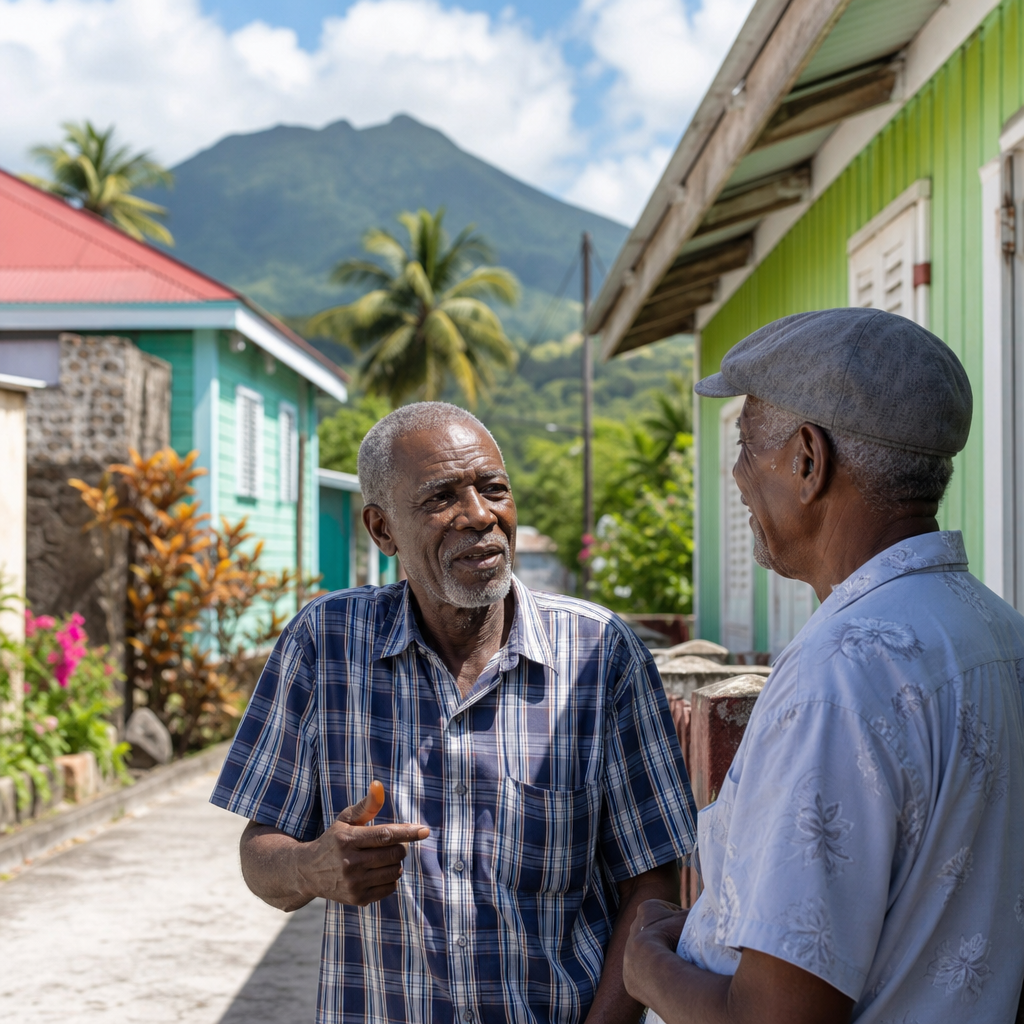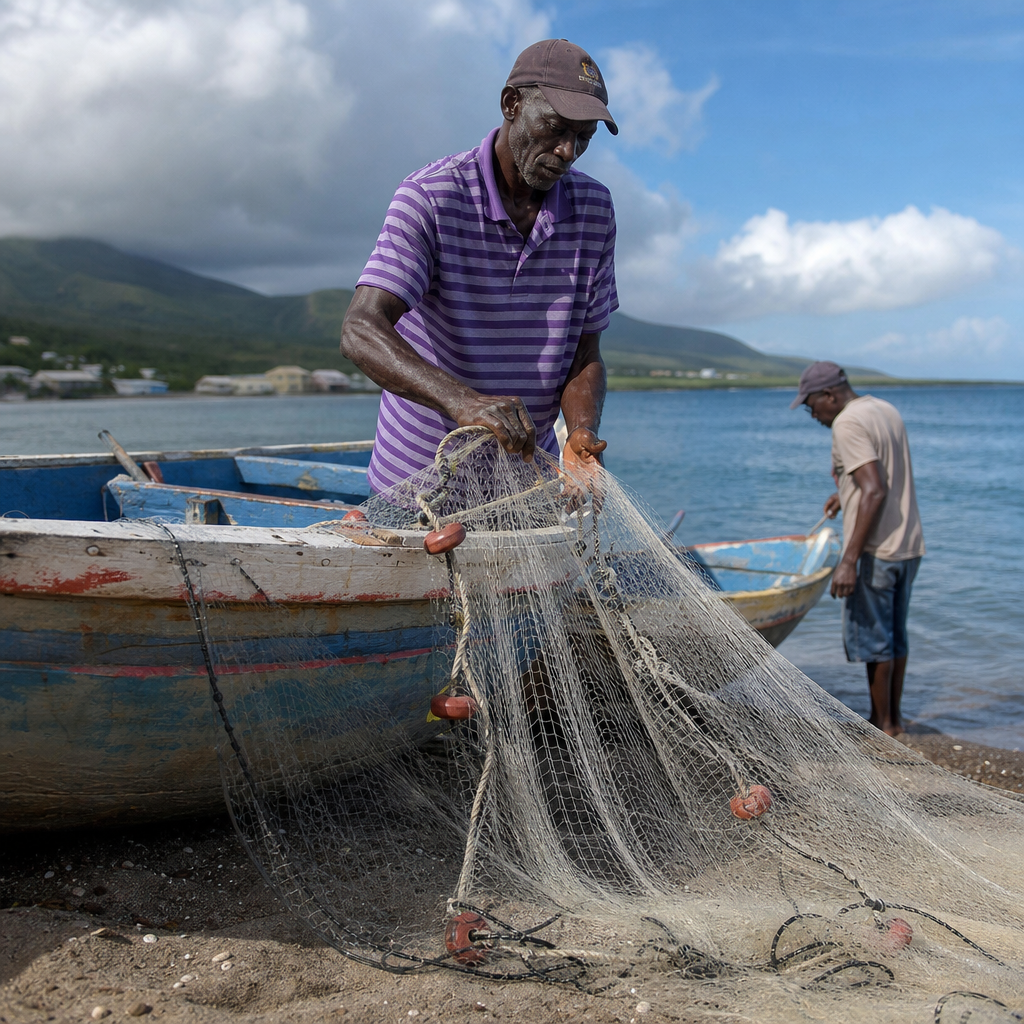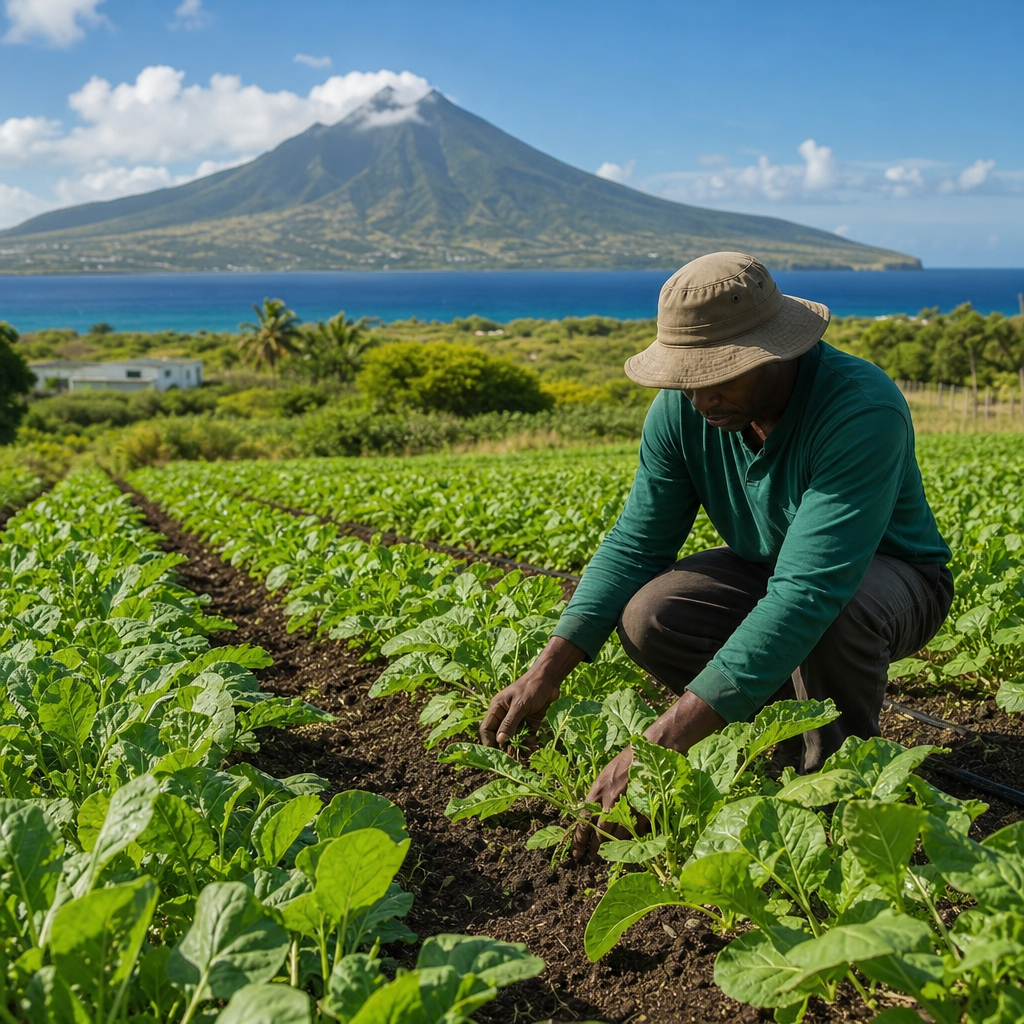
Exploring Agricultural Business Opportunities in Nevis starts with understanding why this small Caribbean island attracts serious interest from growers, exporters, hospitality operators, and impact investors looking for resilient, high-value agribusiness models. Nevis, part of the Federation of Saint Kitts and Nevis, has a long agricultural history shaped by sugar, smallholder production, imported food dependence, and a modern economic shift toward tourism, services, and niche local enterprise. In practical terms, agricultural business opportunities in Nevis include commercial farming, greenhouse production, livestock, agro-processing, input supply, cold-chain services, farm-to-table distribution, agri-tourism, and specialty exports. I have worked with Caribbean market assessments where islands with limited land and strong tourism demand consistently rewarded operators who focused on efficiency, product differentiation, and reliable delivery rather than commodity volume. That pattern fits Nevis well. The island matters because it combines fertile pockets of land, a recognizable tourism brand, close business networks, and a policy environment that increasingly values food security. For entrepreneurs, the central question is not whether agriculture can work in Nevis, but which segments can produce margins despite scale constraints, weather risk, and import competition. The answer lies in choosing businesses that match local demand, reduce post-harvest losses, and capture premium pricing through freshness, traceability, and service quality.
Why Nevis Is Attractive for Agricultural Investment
Nevis offers a distinctive operating environment for agribusiness because demand is concentrated, land is finite, and buyers often pay more for consistent local supply than importers can for standardized bulk produce. Hotels, villas, restaurants, supermarkets, schools, and households all need fruit, vegetables, herbs, eggs, meat, and processed goods. Yet many islands in the Eastern Caribbean still import a large share of food. That import gap creates room for local businesses that can substitute imported lettuce, tomatoes, peppers, microgreens, poultry, goat, honey, sauces, jams, or ready-to-cook items with products harvested closer to sale. In my experience, hospitality buyers on small islands care less about the lowest possible unit cost and more about predictability, quality, and communication. If a grower can confirm weekly volumes, food safety practices, and delivery times, that grower can win repeat contracts.
Climate and geography also shape the business case. Nevis has varied microclimates, volcanic soils in some areas, and enough topographic diversity to support different production systems. Rainfall variability and storm exposure are real constraints, but they also push entrepreneurs toward protected agriculture, water management, and climate-smart methods that improve yields per acre. Small islands reward intensive production. A quarter-acre greenhouse unit supplying premium greens to hotels may outperform a larger open-field plot selling into lower-margin channels. Agricultural business opportunities in Nevis therefore favor focused, well-managed enterprises that know their customers before planting.
High-Potential Production Segments
The strongest opportunities usually sit in products with repeat demand, short transport distances, and visible quality advantages. Fresh vegetables are the clearest example. Leafy greens, cucumbers, sweet peppers, tomatoes, seasoning peppers, scallions, basil, parsley, and specialty herbs fit both household and hospitality demand. Imported produce often arrives with reduced shelf life after sea freight and handling. A Nevis-based producer can harvest in the morning and deliver the same day, extending usability for chefs and retailers. That freshness premium is bankable when backed by crop planning and protected cultivation.
Fruit production has promise where varieties are selected for local consumption, processing, or visitor appeal. Mango, soursop, guava, papaya, pineapple, breadfruit, coconut, tamarind, and citrus can support direct sales and value-added products. However, fruit businesses need disciplined post-harvest handling and market timing. A glut of mangoes without processing capacity quickly becomes waste. Entrepreneurs who pair orchard output with drying, pulping, bottling, or frozen packs create more stable revenue streams.
Livestock can work in targeted formats. Eggs are often one of the most practical protein categories because layer operations can scale gradually and supply a product with constant demand. Small ruminants, especially goat and sheep, align with local food culture and limited grazing realities when integrated with cut-and-carry forage systems. Broilers can be profitable, but feed costs, biosecurity, and temperature management require tight execution. Beekeeping is another smart category for Nevis because it supports pollination, honey sales, and tourism-linked retail with relatively modest land needs.
| Opportunity | Why It Fits Nevis | Main Requirements | Key Risk |
|---|---|---|---|
| Greenhouse vegetables | High hotel and retail demand, premium freshness | Irrigation, shade or cover, crop planning, pest control | Storm damage and input costs |
| Layer eggs | Daily local consumption, import substitution | Housing, feed management, biosecurity, cold storage | Feed price volatility |
| Fruit processing | Reduces waste, supports branded local products | Food-safe facility, packaging, labeling, stable supply | Seasonal raw material gaps |
| Honey and hive products | Low land demand, strong gift and retail appeal | Hive management, extraction equipment, branding | Weather and colony health |
Agro-Processing and Value-Added Businesses
Some of the best agricultural business opportunities in Nevis are not on the farm itself but just beyond the farm gate. Agro-processing allows entrepreneurs to stabilize supply, extend shelf life, and build brands that tourists and residents remember. Hot sauces, pepper sauces, fruit preserves, dried fruit, herbal teas, coconut products, cassava-based foods, baked goods using local inputs, frozen soup mixes, and vacuum-packed cut vegetables are all practical categories. I have seen small Caribbean processors outperform larger competitors by solving one simple buyer problem: ready-to-use convenience. A restaurant that does not have labor to peel breadfruit or portion pumpkin may gladly pay for cleaned, cut, packaged local produce.
Processing also improves economics for cosmetically imperfect produce. Tomatoes with superficial blemishes can become sauce. Overripe fruit can become jam, puree, or sorbet base. Herbs can be dried or blended. That reduces waste and improves whole-farm returns. To succeed, processors need disciplined attention to food safety, consistent formulations, packaging integrity, and labeling compliance. Standards matter. Buyers expect ingredient lists, production dates, allergen information where relevant, and shelf-life validation. Even for small-batch products, a business that documents sanitation procedures and batch records is far easier to place in supermarkets and hotel kitchens.
Branding should emphasize locality, quality, and usefulness rather than generic island imagery alone. Products that clearly state how they are used sell better. For example, a label reading “Nevis Herb Blend for Grilled Fish” is stronger than simply “Seasoning Mix.” The winning processor in a market like Nevis is usually the one that combines local story, practical packaging, and dependable repeat quality.
Service Businesses That Support Agriculture
Not every investor or entrepreneur needs to farm directly. In small-island agricultural ecosystems, support services are often underdeveloped and profitable. Input supply is an obvious gap. Farmers need seedlings, irrigation parts, greenhouse film, shade cloth, fertilizers, biological controls, tools, feed, and packaging. A business that stocks the right items consistently can become indispensable. Mechanization services also matter because many farms are too small to justify owning specialized equipment. Land preparation, compost shredding, spraying, mowing, and transport-for-hire can generate revenue across many clients.
Cold-chain and logistics services are particularly valuable. Produce loses value quickly without pre-cooling, shaded transport, or proper storage. A refrigerated collection and delivery service serving farms, retailers, and hospitality clients can reduce spoilage and improve scheduling. The same applies to aggregation models. Many hotels want one invoice and one delivery window, not transactions with ten small farmers. An aggregator that buys, grades, packs, and delivers local products can sit at the center of the market. In practice, these middle-layer businesses often grow faster than individual farms because they solve coordination problems that the whole sector faces.
Advisory services are another opening. Producers increasingly need help with nutrient management, integrated pest management, greenhouse planning, bookkeeping, and digital marketing. A technically competent operator who offers farm setup, compliance assistance, and buyer-readiness coaching can build a strong niche, especially when paired with supply or distribution services.
Agri-Tourism, Local Branding, and Direct Sales
Nevis has an unusually strong platform for agri-tourism because visitors already associate the island with authenticity, landscape, and refined hospitality. Farms can convert that traffic into premium experiences: orchard tours, beekeeping demonstrations, cocoa or herb workshops, farm dinners, school visits, seedling classes, and tasting events featuring local produce. These are not side activities when designed properly. They are revenue streams with marketing value. Guests who visit a farm are more likely to buy branded products later and more likely to ask hotels for local ingredients.
Direct-to-consumer channels strengthen margins. Farmers’ markets, subscription produce boxes, farm stands, online ordering, and chef collaborations allow producers to capture retail rather than wholesale pricing. The key is professionalism. Customers expect clean packaging, clear availability, digital payment options, and reliable communication. I have watched farms double customer retention simply by sending one weekly availability list with prices, harvest notes, and ordering deadlines. On a relationship-driven island market, that consistency becomes a competitive advantage.
Local branding should be specific. “Grown in Nevis” helps, but businesses should go further by emphasizing pesticide management practices, harvest timing, flavor profile, or chef-preferred varieties. A hotel menu that names a farm creates status for both the restaurant and the producer. That kind of traceability supports premium pricing in a way anonymous imports rarely can.
Challenges, Risk Management, and Execution Priorities
Agricultural business opportunities in Nevis are real, but they are not effortless. Land access can be fragmented. Water reliability can determine whether a business survives the dry season. Hurricanes and intense rainfall can wipe out exposed crops. Imported products may undercut local prices during certain periods, especially when overseas suppliers move large volumes. Labor can be scarce, and specialized inputs may take time to arrive. Feed and fertilizer costs can compress margins quickly. These are manageable issues, but only for operators who plan around them.
Execution starts with market validation. Before planting or building, identify buyers, required volumes, quality standards, and delivery frequency. Then design the production system backward from that demand. Protected agriculture, rainwater harvesting, drip irrigation, mulching, crop rotation, soil testing, and integrated pest management are not optional best practices; they are core risk controls. Financial discipline matters equally. Many promising farm businesses fail because owners confuse revenue with cash flow and underestimate packaging, transport, shrinkage, and maintenance.
Regulatory and operational discipline should match the target market. A business selling into hotels and formal retail needs invoices, records, food handling protocols, and clear product specifications. A processor needs sanitation plans and packaging controls. A livestock producer needs biosecurity and mortality tracking. Investors should look for enterprises that understand these basics early. In Nevis, the operators most likely to succeed are those who treat agriculture as a structured business system, not just as production.
For investors and entrepreneurs evaluating miscellaneous agricultural business opportunities in Nevis, the clearest takeaway is that the island rewards precision, not scale for its own sake. The best prospects are businesses that replace imports, serve hospitality consistently, add value after harvest, or provide essential services to other producers. Fresh vegetables, eggs, honey, fruit processing, aggregation, cold-chain logistics, input supply, and agri-tourism all stand out because they match real local demand and benefit from the island’s tourism-linked premium market. The strongest operators build around reliability: reliable water, reliable production schedules, reliable packaging, reliable delivery, and reliable communication with buyers.
This hub matters because miscellaneous opportunities often create the connective tissue of the broader agricultural economy. A greenhouse grower needs seedlings and distribution. A fruit farmer needs processing and branding. A hotel chef needs one trusted supplier. When those links strengthen, the whole sector becomes more investable. Nevis does not need to compete as a bulk exporter to build a profitable agricultural base. It needs focused businesses that produce better, fresher, more useful products for clearly defined customers. That is a realistic path to stronger food security, local employment, and durable enterprise growth.
If you are assessing business and investment opportunities in Nevis, start with one segment, validate demand with actual buyers, and build a model that solves a specific market problem better than imports do. Then expand carefully, using partnerships, data, and disciplined operations to reduce risk and improve margins.
Frequently Asked Questions
What makes Nevis attractive for agricultural business opportunities?
Nevis stands out because it combines several advantages that are increasingly important in modern agriculture: a strong tourism economy, demand for fresh and premium local food, limited land that favors high-value production, and a business environment that rewards niche specialization rather than commodity-scale farming. For growers and investors, this creates room for profitable models built around quality, reliability, and local market alignment. Instead of competing on sheer volume, agricultural businesses in Nevis can focus on crops and products that command better margins, including specialty vegetables, herbs, tropical fruits, greenhouse-grown produce, value-added foods, and farm-to-table supply partnerships.
Another major advantage is the island’s connection to the hospitality sector. Hotels, villas, restaurants, and wellness-focused tourism operators often want a stable source of fresh, local ingredients that improve guest experience and reduce dependence on imports. That demand can support premium pricing when farmers deliver consistency, traceability, and quality standards. In practical terms, this means agricultural enterprises in Nevis can be designed around direct sales, contract supply arrangements, branded local products, and agritourism experiences rather than relying only on traditional wholesale channels.
Nevis is also attractive because imported food dependence creates clear substitution opportunities. Many food items consumed on the island are brought in from overseas, which can mean higher landed costs, shipping delays, and quality variability. Local businesses that can produce suitable alternatives efficiently may be able to capture market share while improving food security. For impact investors and development-oriented entrepreneurs, that combination of commercial return and resilience-building is especially appealing. The key is to match business ideas to the island’s actual conditions, including land availability, water access, labor capacity, buyer requirements, and climate risk.
Which agricultural sectors and business models have the strongest potential in Nevis?
The strongest opportunities in Nevis are usually found in sectors that serve local hospitality demand, reduce import dependence, or create premium export potential in small volumes. Fresh produce is one of the clearest examples. Restaurants and hotels need a steady supply of leafy greens, tomatoes, peppers, cucumbers, herbs, microgreens, and other high-turnover items that are often imported. Controlled-environment growing, shade houses, hydroponics, and efficient irrigation can make these products more reliable and commercially viable on a small island where consistency matters as much as yield.
Fruit and tree crop enterprises can also perform well, especially when positioned around processing and branding rather than raw volume alone. Mango, coconut, soursop, tamarind, breadfruit, and other tropical crops may support businesses in juices, sauces, preserves, dried fruit, frozen pulp, wellness products, or culinary ingredients for hotels and retail outlets. Value-added processing is important because it extends shelf life, improves margins, and helps producers manage fluctuations in seasonal harvests. This can be especially useful in a market where logistics and perishability can quickly affect profitability.
Livestock and integrated farming may offer opportunities too, though usually on a carefully managed scale. Poultry, eggs, small ruminants, and aquaponic or mixed farming systems can fit local demand when supported by sound biosecurity, feed planning, and strong market links. Beekeeping is another promising niche, particularly when connected to premium honey branding, pollination services, and sustainable land use. In addition, agritourism has real potential in Nevis. Farm tours, culinary experiences, herbal gardens, educational visits, and wellness-oriented farm products can connect agriculture directly to the island’s visitor economy. In many cases, the most resilient business model is not a single activity, but a combination of production, processing, direct sales, and visitor-facing experiences.
What are the biggest challenges of starting an agricultural business in Nevis?
One of the biggest challenges is scale. Nevis is a small island, which means land is limited, the domestic market is finite, and production systems must be highly efficient to remain profitable. That does not eliminate opportunity, but it does require discipline in business planning. Entrepreneurs need to think carefully about what to grow, who will buy it, how frequently they will buy it, and what level of quality and consistency the market expects. A crop that performs well biologically may still fail commercially if there is no structured route to market or if buyer volumes are too small to support the operation.
Climate and resource constraints are also central concerns. Water availability, drought conditions, storms, soil health, and pest pressure can all affect yields and operating costs. Businesses that ignore climate resilience often struggle over time, which is why protected agriculture, rainwater harvesting, irrigation efficiency, crop diversification, and proper farm management practices are so important. Imported inputs such as seeds, fertilizer, packaging, equipment, and feed can also be expensive, so entrepreneurs must build realistic budgets and avoid assuming low-cost operations simply because the farm is small.
Labor and technical capacity can present additional hurdles. Depending on the business model, it may be difficult to find workers with the right agricultural, processing, food safety, or equipment-handling skills. That makes training, process standardization, and phased growth especially valuable. There may also be regulatory, financing, and infrastructure considerations, including business registration, land tenure clarity, food handling requirements, transportation, cold storage, and utility reliability. The businesses that succeed in Nevis are usually the ones that approach agriculture as a professional enterprise, not just as production. They plan for logistics, quality control, customer relationships, and risk management from the beginning.
How can investors and entrepreneurs reduce risk when entering the Nevis agricultural market?
Risk reduction starts with choosing the right entry strategy. Instead of launching a large operation immediately, many investors and entrepreneurs are better served by piloting a focused concept with a defined customer base. For example, supplying a small number of hotels, restaurants, or specialty retailers with a narrow line of products can provide valuable proof of demand before expansion. This approach helps test pricing, production reliability, labor needs, and logistics without overcommitting capital. In a small market like Nevis, disciplined validation is far more effective than assuming broad demand will naturally develop.
Partnerships are another key tool for reducing risk. Working with local farmers, hospitality buyers, processors, distributors, or agricultural agencies can improve market access and local knowledge. A business that understands seasonal demand, import patterns, buyer preferences, and operational realities will make better decisions than one relying only on theoretical projections. Investors should also conduct serious due diligence on land suitability, water access, infrastructure, legal arrangements, and supply chain costs. These factors can significantly affect project viability, especially on an island where transport and input expenses can quickly narrow margins.
Operational resilience matters just as much as financial planning. Smart entrants build systems that can absorb shocks, including crop losses, delayed shipments, weather events, and fluctuations in tourism demand. That may involve crop diversification, protected growing systems, insurance where available, staggered planting cycles, and backup sourcing for critical inputs. It is also wise to invest early in record-keeping, food safety protocols, branding, and customer agreements. In Nevis, strong relationships and a reputation for reliability can be as valuable as production capacity. The lower-risk agricultural businesses are typically those that combine realistic scale, proven demand, local partnerships, and resilient operations.
Is agriculture in Nevis more suited to local supply, exports, or agritourism?
In most cases, the best opportunities begin with local supply and then expand selectively into value-added exports or agritourism. The local market, particularly hospitality and food service, offers one of the most accessible entry points because buyers already need regular supplies of fresh produce, specialty ingredients, and locally branded food items. Replacing imports with reliable local production can be commercially attractive while also supporting national food resilience. For many businesses, this is the most practical foundation because it allows entrepreneurs to refine production systems, establish a reputation, and build cash flow without immediately taking on the added complexity of export compliance and overseas distribution.
Exports can still be viable, but they generally work best for niche, high-value, low-volume products rather than bulk commodities. Examples may include specialty sauces, preserves, herbal products, premium honey, dried fruit, spice blends, or branded wellness items tied to Nevis’s identity. Export success depends on quality consistency, packaging, shelf stability, certification where required, and strong logistics. Because export markets are competitive and compliance-driven, businesses often need a mature operational base before expanding in that direction. For that reason, export ambition should usually be paired with a clear understanding of target customers, shipping economics, and regulatory requirements.
Agritourism is especially promising because it aligns naturally with Nevis’s broader economy. Visitors increasingly value authentic, local, and experience-driven offerings, which creates room for farm visits, culinary events, tasting experiences, botanical and herbal tours, educational workshops, and farm-based wellness concepts. Agritourism can diversify income, strengthen a brand, and make smaller-scale farms more profitable by monetizing experience as well as production. For many operators in Nevis, the most resilient model is a hybrid one: supply the local market, create selected value-added products, and develop visitor-facing experiences that reinforce the brand. That combination can produce stronger margins and greater resilience than relying on a single channel alone.