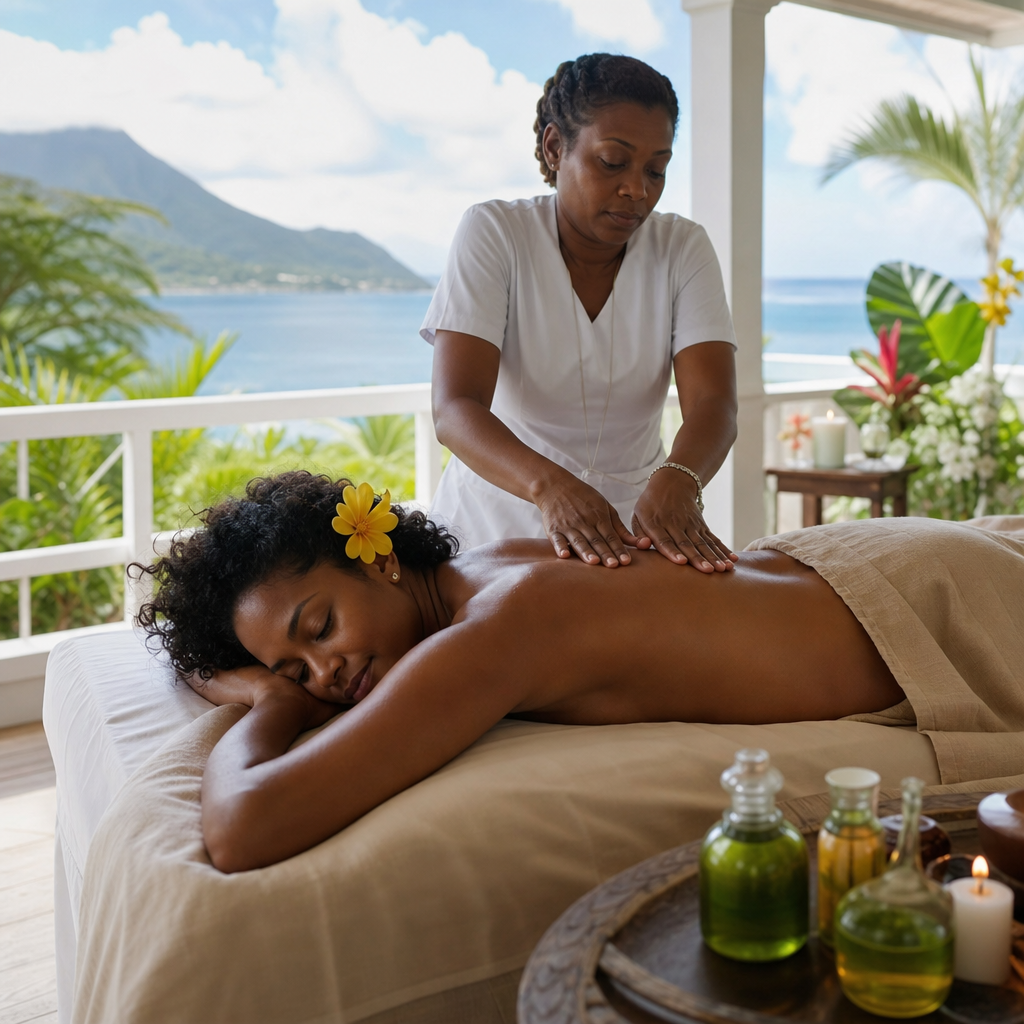
Nevis’ healing arts blend Caribbean tradition, clinical wellness practice, and nature-based restoration into a distinctive health experience that goes far beyond a standard spa menu. On this small volcanic island in St. Kitts and Nevis, massages, herbal treatments, energy work, hydrotherapy, movement classes, and guided mindfulness are not isolated services; they form a practical ecosystem of care shaped by hot springs, tropical botanicals, hospitality culture, and a slower pace of life. When travelers search for wellness in Nevis, they usually want clear answers to three questions: what treatments are available, who are they best for, and how do you choose safely. Those are the right questions. In my experience reviewing Caribbean wellness offerings, the strongest programs in Nevis succeed because they combine recognizable therapies such as Swedish massage and facials with localized elements like volcanic mineral baths, island-grown oils, and outdoor treatment settings that reduce sensory overload. This matters because wellness travel is no longer a niche category. The Global Wellness Institute has consistently valued wellness tourism in the hundreds of billions of dollars globally, and travelers increasingly judge destinations by recovery, prevention, and stress management options, not just beaches and dining.
Healing arts is a broad term, so it helps to define it precisely. In this context, it includes evidence-informed bodywork, traditional restorative practices, complementary therapies that support relaxation and symptom management, and lifestyle services such as yoga, meditation, nutrition support, and sleep-focused retreats. It does not mean miracle cures, and responsible providers in Nevis do not present it that way. Massage may ease muscle tension and improve perceived well-being; hydrotherapy can support relaxation and circulation; meditation can lower stress reactivity; and some botanical applications may soothe skin or create calming sensory cues. None of these should replace emergency or specialist medical care when needed. Instead, the value of Nevis’ healing arts lies in integration. A visitor can spend the morning in a therapeutic massage session, the afternoon at the Bath Hot Springs, and the evening in a breathwork class, building a layered recovery plan that addresses both body and mind. As a hub for miscellaneous health and wellness topics, this guide maps the full landscape so readers can understand the options, compare approaches, and connect this page to deeper articles on specific treatments, practitioners, and wellness itineraries across Nevis.
Massage Therapy in Nevis: Core Treatments and Best Uses
Massage therapy is the most visible entry point into Nevis wellness, and for good reason: it is accessible, widely offered at resorts and private studios, and easy to tailor. The baseline treatments are Swedish massage for relaxation, deep tissue massage for persistent muscular tightness, aromatherapy massage for sensory calming, and couples massage for shared wellness experiences. Better practitioners begin with a brief intake, asking about injuries, pressure preferences, circulation issues, pregnancy, and areas to avoid. That consultation matters more than many travelers realize. A person with acute low-back pain may benefit from lighter, targeted work and movement advice rather than aggressive pressure. Someone arriving after a long-haul flight may need lymphatic-style strokes, hydration, and gentle hip-opening work more than a standard full-body session.
Nevis adds local character through setting and materials. Open-air treatment pavilions, sea breeze, and ambient natural sound reduce the overstimulation common in urban spas. Many providers use coconut-based oils, botanical infusions, or sugar scrubs that fit the island environment. At luxury properties, therapists may combine hot stones with massage, drawing on the island’s volcanic identity to frame warmth and grounding. The practical question is whether these extras improve outcomes. Usually, they improve comfort and adherence more than they change the fundamental therapeutic effect. A great deep tissue session still depends on anatomy knowledge, pacing, communication, and post-treatment guidance. Travelers should ask whether the therapist is trained in sports massage, prenatal massage, manual lymphatic techniques, or myofascial work if they have a specific goal. The right match between client need and therapist skill is what turns massage from a pleasant indulgence into meaningful restorative care.
Hydrotherapy, Hot Springs, and Water-Based Recovery
The Bath Hot Springs are among Nevis’ most important natural wellness assets. Fed by geothermal activity, these mineral-rich waters have been used for centuries and remain central to the island’s healing identity. Hydrotherapy refers to the therapeutic use of water in different temperatures and forms to encourage relaxation, circulation changes, joint comfort, and nervous system downshifting. In plain terms, soaking in warm mineral water can help muscles feel less guarded, make stretching easier, and create the sense of decompression many travelers seek after physically demanding schedules. It is not a cure for arthritis, chronic pain syndromes, or inflammatory disease, but it can be a useful supportive practice.
What makes Nevis distinctive is that hydrotherapy is not confined to luxury spa architecture. Visitors can engage with a historically rooted hot spring environment and then pair it with resort-based wellness programming. That combination broadens access. A practical routine might include a short soak, hydration, a rest period, and then a light massage or mobility session later in the day. The sequence matters because heat can temporarily increase relaxation and reduce movement resistance. People with cardiovascular conditions, uncontrolled blood pressure, pregnancy concerns, or heat sensitivity should consult a clinician before prolonged soaking. Safe use is straightforward: keep sessions moderate, avoid alcohol beforehand, and leave the water if you feel dizzy or overheated. For readers exploring miscellaneous wellness topics in Nevis, hydrotherapy is one of the clearest examples of the island turning a natural resource into a restorative practice that feels authentic rather than staged.
Alternative Therapies in Nevis: What They Include and How to Evaluate Them
Alternative and complementary therapies in Nevis usually include reflexology, Reiki or other energy-based sessions, sound healing, guided meditation, breathwork, herbal body wraps, and occasional acupuncture through visiting practitioners or specialized retreats. These services can be valuable, but they require careful framing. The best providers describe them as supportive therapies for relaxation, emotional balance, body awareness, and stress reduction. They do not claim to diagnose disease through foot maps, clear trauma in a single session, or replace licensed medical treatment. That distinction separates credible wellness practice from sales language.
I recommend evaluating any alternative therapy with the same filters I use professionally: provider training, scope of practice, explanation quality, hygiene standards, and whether expected outcomes are specific and realistic. If a reflexology practitioner says the session may be calming and may reduce perceived tension, that is reasonable. If they say they will cure endocrine disorders, it is not. Nevis generally benefits from a hospitality culture where repeat reputation matters, so experienced resort spas tend to be careful about claims. Independent practitioners can be excellent as well, especially when they clearly explain lineage, certification, and contraindications. For many travelers, the real benefit of these therapies is that they create structured time for stillness. A 60-minute breathwork or meditation session can meaningfully reduce stress load, improve emotional regulation, and complement massage or yoga without pretending to be more than it is.
Botanical Treatments, Scrubs, and Skin-Focused Rituals
Island wellness is not only about muscles and stress. Skin-focused rituals are a major part of Nevis’ healing arts, especially because climate, salt exposure, sun, and travel fatigue quickly affect skin comfort. Common treatments include body polishes, wraps, facials, scalp rituals, and after-sun recovery sessions. Sugar scrubs, clay masks, aloe-based applications, and coconut oil blends are popular because they align with local ingredients and visitor needs. The useful question is not whether a treatment sounds tropical, but whether it matches the skin barrier’s condition. Exfoliation can leave skin smoother and improve product absorption, but over-exfoliation after sun exposure can irritate already compromised tissue. A competent esthetician will ask about recent sunburn, sensitivity, retinoid use, allergies, and hydration habits before choosing products.
Where Nevis performs well is in translating local sensory identity into practical care. Botanical oils can support massage glide and leave skin feeling conditioned. Aloe and cooling masks can improve comfort after beach exposure. Mineral-rich mud or clay treatments may absorb excess oil and create a temporary tightening effect. None of this should be oversold as detoxification in a medical sense. Skin benefits are real, but they are mainly cosmetic, comfort-based, and barrier-supportive. Travelers with eczema, rosacea, active acne treatments, or known fragrance sensitivities should ask for ingredient lists and patch-test when possible. When chosen well, botanical rituals add a restorative layer to a wellness itinerary and connect personal care with place, which is one reason they remain central to Nevis spa culture.
Movement, Mindfulness, and Integrated Wellness Programs
The strongest healing arts programs in Nevis do not treat massage as a standalone fix. They integrate movement, breathing, and recovery planning. Yoga classes, guided stretching, Pilates-inspired mobility sessions, meditation, and beachside mindfulness walks are common across wellness-focused properties. This integrated model works because physical tension rarely comes from one source. Travel stress, sleep disruption, dehydration, long periods of sitting, and emotional overload all contribute. Massage can reduce immediate discomfort, but lasting relief usually improves when clients also address posture variation, breathing patterns, and nervous system regulation.
Nevis is especially well suited to gentle, accessible movement because the environment itself lowers barriers. Outdoor practice spaces encourage attendance from beginners who might avoid an intimidating urban studio. In retreat settings, I have seen the most benefit when schedules alternate effort and recovery: morning mobility, midday rest, afternoon treatment, and evening meditation. That sequencing respects fatigue rather than fighting it. The table below shows how common wellness goals align with typical Nevis offerings.
| Wellness Goal | Best-Fit Nevis Therapies | Why They Help |
|---|---|---|
| Stress reduction | Swedish massage, meditation, breathwork, hot springs | Supports relaxation, lowers sensory load, creates recovery time |
| Muscle soreness | Deep tissue massage, hot stone therapy, mobility classes | Addresses tight tissue, heat comfort, and movement restriction |
| Jet lag and travel fatigue | Light massage, hydration, gentle yoga, hydrotherapy | Promotes circulation, eases stiffness, and resets routine |
| Skin recovery | Aloe treatments, facials, body wraps, scalp rituals | Soothes sun-stressed skin and improves comfort |
| Mental reset | Sound healing, Reiki, mindfulness walks, journaling sessions | Creates structured calm and reflective space |
For travelers building a complete health and wellness itinerary, integrated programming is usually the best value. It reduces the common mistake of booking three intense treatments in one day and ending up depleted. Instead, it encourages progression: assess, treat, rest, move, and reassess. That is how healing arts become sustainable rather than performative.
How to Choose Practitioners and Plan a Safe Wellness Experience
Choosing among Nevis’ healing arts providers is easier when you separate ambiance from clinical competence. A beautiful treatment room matters, but practitioner skill matters more. Start with credentials, years of practice, and whether the provider works within a defined scope. Massage therapists should be able to explain pressure choices and contraindications. Estheticians should understand skin sensitivity and sanitation. Energy practitioners should explain session structure without diagnostic overreach. If you are staying at a resort, ask whether therapists are employed full-time, contracted seasonally, or brought in for special events. Continuity often correlates with quality control.
Planning also means matching therapy intensity to your health status. People with recent surgery, blood clot history, uncontrolled hypertension, severe sunburn, active infection, or pregnancy should disclose that information before booking. Medications matter too; anticoagulants increase bruising risk, and isotretinoin or exfoliating prescriptions change facial treatment options. A safe provider welcomes these details. Price should be evaluated in context. In Nevis, higher rates at premium resorts may reflect longer consultations, stronger facilities, and more experienced staff, but smaller independent practices can offer excellent value and more personalized care. Read reviews for specifics, not adjectives. “Listened carefully to my injury history” is meaningful. “Amazing vibes” is pleasant but incomplete. As this miscellaneous hub expands, readers should use it as a starting map, then move into detailed articles on massage types, hot springs etiquette, wellness retreats, and practitioner standards to make informed decisions and build a Nevis wellness plan that genuinely supports health.
Nevis’ healing arts stand out because they combine trusted wellness basics with place-specific experiences that feel rooted, not manufactured. Massage therapy remains the foundation, offering practical relief for stress, muscle tension, and travel fatigue when delivered by skilled practitioners who tailor pressure and technique. Hydrotherapy at the Bath Hot Springs adds a rare natural asset with historical depth and genuine restorative value. Alternative therapies, when presented responsibly, can create calm, focus, and emotional breathing room. Botanical treatments and skin rituals round out the picture by addressing the climate realities of sun, salt, and dehydration. Most importantly, the island’s best wellness experiences are integrated. They combine treatment, movement, hydration, sleep support, and mindful pacing instead of promising instant transformation.
For readers using this page as a health and wellness hub, the main benefit is clarity. You now have a practical framework for understanding what Nevis offers, what each therapy does well, where the limits are, and how to choose providers safely. That matters whether you are planning a restorative vacation, researching Caribbean wellness destinations, or building a deeper reading path across this subtopic. Use this hub to identify your goal first: pain relief, stress reduction, skin recovery, mental reset, or holistic retreat planning. Then explore the related articles linked from this section of the site, compare providers, and build a schedule that respects your body rather than overwhelming it. If you are considering a wellness trip to Nevis, start with one massage, one water-based recovery experience, and one mindfulness or movement session, and let the island show you how healing can be both simple and deeply effective.
Frequently Asked Questions
What makes Nevis’ healing arts scene different from a typical spa destination?
Nevis stands out because wellness on the island is not limited to beauty treatments or occasional relaxation sessions. Instead, it reflects a broader healing culture that combines Caribbean traditions, clinically informed wellness practices, and the restorative effects of the natural environment. Visitors will find classic massage therapies, but they are often complemented by herbal remedies, hydrotherapy, mindfulness sessions, gentle movement classes, and holistic treatments designed to support the body and mind together rather than in isolation.
Another key difference is the setting itself. Nevis is a small volcanic island with lush landscapes, mineral-rich hot springs, tropical plant life, and a pace of life that naturally encourages rest and recovery. This creates an atmosphere where healing feels integrated into everyday experience. Whether someone is receiving a deep-tissue massage, soaking in thermal waters, or participating in breathwork overlooking the sea, the island’s environment becomes part of the treatment. That combination of local tradition, professional care, and nature-based restoration is what gives Nevis its distinctive wellness identity.
What types of massages and bodywork are commonly available in Nevis?
Massage offerings in Nevis typically range from familiar international styles to therapies shaped by the island’s slower, restorative approach to wellness. Swedish massage, deep-tissue massage, aromatherapy massage, hot stone treatments, and couples massage are commonly available at hotels, resort spas, and private wellness practices. Many providers also offer body scrubs, wraps, reflexology, and targeted muscle recovery sessions for travelers dealing with stress, long flights, or physical tension from activity.
What often makes the experience more memorable in Nevis is the way bodywork is adapted to the local environment. Treatments may incorporate tropical oils, herbal infusions, calming outdoor treatment spaces, and personalized pressure or pacing based on a guest’s energy level and goals. Some therapists emphasize relaxation and nervous system support, while others focus on athletic recovery, circulation, posture, or chronic tension patterns. Because Nevis attracts both vacationers and wellness-minded travelers, bodywork on the island often feels less rushed and more intentional, with practitioners taking time to understand what the client actually needs rather than simply delivering a standard menu service.
Are alternative therapies in Nevis rooted in local tradition or modern wellness practice?
In many cases, they are both. Nevis’ alternative therapies often reflect an overlap between long-standing Caribbean healing traditions and contemporary holistic wellness methods. Herbal knowledge, the use of botanicals, restorative bathing, and respect for rest and balance all have deep cultural relevance in the region. At the same time, many wellness providers on the island are trained in modern modalities such as reiki, guided meditation, sound therapy, breathwork, yoga, and integrative stress-reduction practices. The result is a wellness landscape that feels authentic without being outdated, and modern without being disconnected from place.
For travelers, this means the experience can be both grounded and accessible. Someone interested in natural healing may encounter treatments using island herbs or plant-based oils, while also having access to professional practitioners who frame their work in a clear, client-friendly, wellness-oriented way. As with any destination, the exact style and depth of practice varies by provider, so it is wise to ask about training, methods, and intended benefits before booking. Still, one of Nevis’ strengths is that alternative therapy does not feel like a trend there; it feels like part of a broader, lived understanding that healing can come through touch, plants, movement, stillness, water, and environment.
How do Nevis’ hot springs, natural surroundings, and slower pace contribute to healing?
Nevis’ natural setting plays a major role in shaping the island’s wellness appeal. The island’s volcanic geography supports hot spring experiences that many visitors associate with muscle relief, relaxation, and improved overall well-being. While hot springs are not a cure-all, warm mineral bathing has long been valued in many cultures for its ability to encourage circulation, ease physical tension, and create a strong sense of calm. In Nevis, this effect is enhanced by the surrounding environment: green mountains, sea air, tropical vegetation, and a rhythm of life that feels noticeably less pressured than in many urban destinations.
That slower pace matters more than people often realize. Healing is not only about a treatment itself; it is also about having the mental space to receive it. On Nevis, wellness experiences are often supported by quieter mornings, less crowded settings, more time outdoors, and a general sense that rest does not need to be justified. Nature walks, open-air yoga, mindful breathing, and simply spending time in peaceful surroundings can help reduce overstimulation and stress. In this way, the island functions almost like a therapeutic partner, reinforcing the benefits of massages, hydrotherapy, meditation, and other healing practices through its climate, scenery, and atmosphere.
What should visitors look for when choosing a wellness or healing experience in Nevis?
Start by identifying your goal. Some visitors want pure relaxation, while others are looking for pain relief, emotional reset, movement support, better sleep, or a more immersive mind-body experience. Knowing whether you want a classic spa treatment, therapeutic bodywork, hydrotherapy, energy-based care, or a multi-part wellness day will make it much easier to choose the right provider. It is also worth looking at practitioner qualifications, treatment descriptions, reviews, and whether the approach feels personalized. The best wellness experiences are usually those that match the practitioner’s strengths with the visitor’s actual needs.
It is also smart to ask practical questions before booking. Find out how long the session lasts, what it includes, whether the treatment is indoors or outdoors, what products are used, and whether the provider can adapt the experience for injuries, pregnancy, stress sensitivity, or health conditions. If you are interested in alternative therapies, ask how the practitioner explains the modality and what kind of outcome you can realistically expect. Nevis offers everything from luxurious spa settings to more intimate, holistic experiences, so a little research can make a big difference. Choosing thoughtfully helps ensure that your time on the island supports not just relaxation, but meaningful restoration.