Nevis’ natural pools and hot springs offer one of the Caribbean’s most restorative outdoor experiences, blending volcanic geology, rainforest ecology, and island culture into a form of wellness that feels both ancient and immediate. On a small island better known for its quiet beaches and historic plantation inns, these inland water features reveal another side of Nevis: one shaped by rainfall captured in mountain gullies, mineral-rich groundwater warmed by geothermal activity, and communities that have long understood the value of bathing, soaking, and slowing down. In practical terms, natural pools are freshwater basins formed in riverbeds, rock depressions, or sheltered coastal pockets, while hot springs are geothermal waters heated below the earth’s surface and emerging at the ground through fissures or porous rock. Together, they create a landscape of therapeutic opportunities for travelers interested in nature, recovery, and authentic local discovery.
This matters because wellness tourism often drifts toward polished spa treatments detached from place, whereas Nevis delivers therapy through the island itself. I have planned nature-focused itineraries across the Eastern Caribbean, and Nevis consistently stands out for how compactly it combines accessibility with ecological richness. A morning hike on the lower slopes of Nevis Peak can lead to cool, shaded pools fed by seasonal runoff, while a short drive later can bring visitors to the Bath Stream area, where geothermal water has been valued since the colonial era. The result is not simply sightseeing. It is a practical, sensory experience that supports muscle recovery, mental decompression, and a deeper understanding of the island’s volcanic identity. For travelers researching nature and wildlife in Nevis, this Miscellaneous hub matters because it connects geology, health, heritage, safety, route planning, and conservation in one comprehensive guide.
Why Nevis Has Natural Pools and Hot Springs
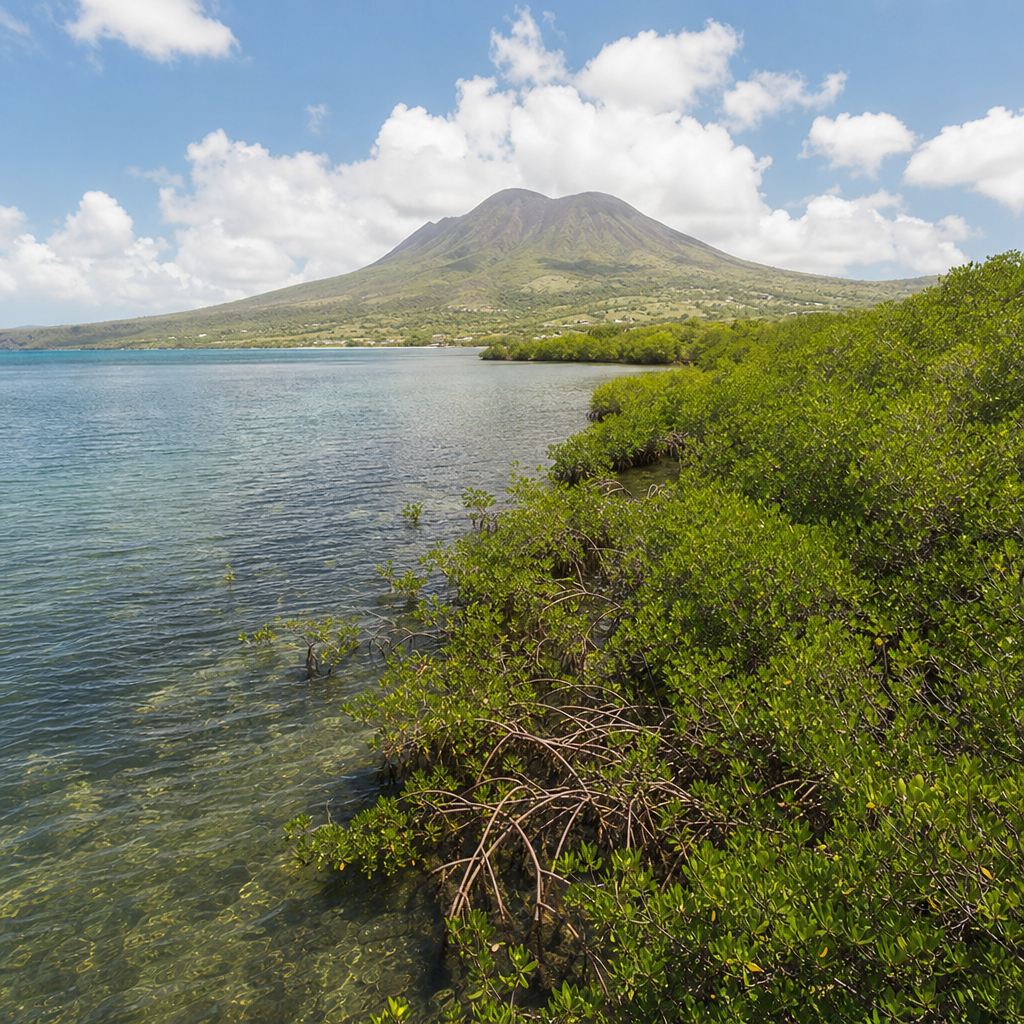
Nevis exists because of a volcano, and that fact explains almost every inland water experience on the island. Nevis Peak, rising to roughly 3,232 feet, dominates the landscape and drives both rainfall patterns and underground heat flow. Moist trade winds hit the mountain, condense, and feed ghauts, springs, and short watercourses that can carve or fill natural basins after periods of rain. At the same time, residual geothermal energy beneath the island heats groundwater, creating hot spring outlets that have drawn attention for centuries. This is why Nevis can offer both cool freshwater pools in shaded upland settings and warm mineralized waters in lower geothermal zones.
The best-known hot spring area is Bath Village, home to the historic Bath Stream and the Bath Hotel site established in the eighteenth century. The spring water there has long been associated with relaxation and relief from aches, although visitors should treat such claims as supportive rather than medical. The important point is that Bath Stream is not a resort invention. It is a natural geothermal feature integrated into local life. Natural pools elsewhere on the island are less formal and more variable. Some appear fuller after heavy rain; others become shallow in drier periods. That seasonality is part of the landscape. Anyone exploring Nevis’ natural pools and hot springs should understand that changing water levels, clarity, and access conditions are normal outcomes of a small volcanic island environment.
The Therapeutic Benefits Visitors Actually Feel
The therapeutic appeal of Nevis’ natural pools and hot springs comes from a combination of temperature, mineral content, movement, and setting. Warm geothermal water can help relax muscles by increasing circulation near the skin surface and reducing the perception of stiffness after hiking, swimming, or long flights. Cool freshwater pools can do the opposite, helping reduce heat stress and delivering a mild cold-water recovery effect after exertion. In sports recovery terms, contrast between warm soaking and cool immersion can be useful for comfort, even if the scientific evidence varies by individual and duration. What is consistent is the way people feel afterward: less tense, less overheated, and more mentally settled.
The psychological effect is just as significant. Nature-based immersion lowers sensory overload because it replaces traffic, screens, and climate-controlled interiors with running water, birdsong, shaded vegetation, and unhurried rhythms. On Nevis, that effect is amplified by the island’s scale. You are rarely far from the sea, the mountain, or a village. A visit to a pool or spring fits naturally into a day rather than becoming a choreographed retreat. Travelers often combine a soak with a rainforest walk, a heritage stop, or lunch in Charlestown. That rhythm makes the experience more sustainable and realistic than a one-off spa session. It also explains why these sites appeal to hikers, couples, birdwatchers, older travelers seeking gentle activity, and cruise passengers wanting an experience rooted in the island’s natural character.
Key Places to Experience on Nevis
Bath Stream is the essential geothermal stop and the first place most visitors should understand. Located near Bath Village, just outside Charlestown, it is one of the Caribbean’s oldest documented spa areas. The nearby Bath Hotel, built in 1778, was created around the island’s hot spring reputation and attracted elite visitors in the colonial period. Today, the area remains a meaningful expression of local heritage rather than a luxury enclave. Visitors may encounter channels of warm water, bathing points, and residents using the space in ordinary daily life. That local use is part of its authenticity and should shape visitor behavior: arrive respectfully, keep noise low, and view the area as a shared community asset.
For natural pools, there is no single branded attraction that defines the island, which is exactly why this hub article matters. On Nevis, smaller inland basins and stream-fed pools are discovered through guided hikes, local knowledge, and seasonal conditions. Lower mountain trails and ghaut crossings can reveal shallow plunge areas where water collects among volcanic rocks. Some are best for cooling feet and sitting rather than full immersion. Others become swimmable after sustained rain. Because conditions shift, local guides, hotel concierges, and experienced drivers are often the best source of current information. That is especially important in the wetter months, when access can improve dramatically but surfaces also become slicker and streams more forceful. Treat these places as dynamic nature sites, not fixed attractions with guaranteed amenities.
| Site Type | Primary Example | Best For | What to Expect |
|---|---|---|---|
| Geothermal hot spring | Bath Stream, Bath Village | Warm soaking, heritage interest, easy access | Historically significant spring area, communal use, simple setting |
| Freshwater natural pool | Seasonal inland basins near ghauts and lower mountain trails | Cooling off after hikes, nature immersion, quiet breaks | Variable depth, rain-dependent flow, rocky footing, little infrastructure |
| Shaded stream pocket | Small rainforest-fed runoffs identified by local guides | Photography, birdwatching, brief restorative stops | Short visits, slippery stones, best combined with guided walks |
How to Plan a Safe and Rewarding Visit
A rewarding visit starts with timing. Nevis has a tropical climate with a wetter season generally running from late spring through autumn, although rainfall patterns can shift from year to year. If your priority is seeing fuller freshwater pools, recent rain helps. If your priority is easier trail footing and more predictable access, drier weeks are better. For Bath Stream, access is comparatively straightforward year-round, but early morning or late afternoon usually offers a calmer atmosphere and softer light. Midday heat can reduce the comfort of both hiking and hot soaking, so build your itinerary accordingly.
Footwear is the most overlooked safety factor. Volcanic rock, algae, wet concrete, and packed mud can all be slippery, and ordinary flip-flops are a poor choice for anything beyond a quick roadside stop. Wear closed-toe water shoes or trail sandals with grip. Bring drinking water, a quick-dry towel, insect repellent, and a change of clothes. If you have sensitive skin, open cuts, cardiovascular concerns, or heat intolerance, limit time in warm spring water and consult a clinician before relying on any geothermal bath as treatment. Families should supervise children closely because even shallow moving water can destabilize footing. In my experience, visitors have the best outings when they treat these sites with the same respect they would give a trail or shoreline: check conditions, move deliberately, and do not expect lifeguards, changing rooms, or formal signage at every stop.
Culture, Conservation, and Responsible Use
Natural pools and hot springs on Nevis are not isolated wellness products; they sit inside a living cultural and ecological system. Bath Stream in particular carries layers of history, from Indigenous awareness of geothermal areas to colonial-era spa development and modern community use. That history should discourage extractive tourism behavior. Taking a quiet soak, learning the site’s story, and supporting nearby businesses contributes more to the island than treating the area as a photo set. The same principle applies to inland pools on hiking routes. These places are often shared with farmers, guides, residents, and wildlife, not reserved for visitors alone.
Conservation is practical here. Sunscreen, oils, soaps, and litter can degrade small water systems quickly, especially on a compact island where runoff connects habitats. Avoid washing in pools or streams, pack out every item, and stay on established paths to prevent erosion. Birdlife, insects, amphibians, and riparian vegetation all depend on intact edges and clean water. If you book a guide, choose operators who emphasize low-impact access and current safety knowledge. Responsible visitation protects the very qualities that make Nevis’ natural pools and hot springs therapeutic: clean water, quiet surroundings, and a sense that the island has not been overbuilt for mass tourism.
How This Hub Connects the Wider Miscellaneous Topic
As a hub under Nature and Wildlife, this Miscellaneous page should guide readers toward the broader network of experiences that make sense alongside pools and springs. Natural bathing connects naturally with rainforest hikes, Nevis Peak trail planning, birdwatching in moist upland habitats, botanical interests such as ginger lilies and heliconia, and heritage visits tied to Bath Village and Charlestown. It also overlaps with practical travel questions: how weather affects inland conditions, which excursions are suitable for older travelers, what to pack for mixed land-and-water days, and how to choose between self-guided exploration and local guiding. In other words, this topic is miscellaneous only in the publishing sense. On the ground, it is a connective thread linking many of the island’s most rewarding low-impact activities.
That makes this article useful as a starting point for deeper coverage. A traveler who begins by searching for Nevis’ natural pools and hot springs is often also asking hidden questions: Is Nevis good for wellness travel? Are there non-beach nature activities? Can I combine history and outdoor recovery in one day? Is this suitable for families or older adults? The answer to all four is yes, with the right expectations. Nevis is not a theme-park island and does not package every asset with heavy signage. Its strength is the opposite: small-scale, historically grounded, ecologically rich experiences that reward curiosity and respectful planning. For many travelers, that is exactly what turns a pleasant island visit into a memorable therapeutic experience.
Nevis’ natural pools and hot springs show how a small volcanic island can deliver meaningful wellness without artifice. The key takeaway is simple: these sites are therapeutic because they unite warm mineral water, cool freshwater, rainforest scenery, and local history in one compact destination. Bath Stream offers the clearest geothermal experience and the strongest historical context, while seasonal inland pools add a more adventurous, nature-led dimension. Together they appeal to travelers seeking recovery, calm, and a deeper connection to place rather than a generic spa itinerary.
The second takeaway is that expectations matter. Some sites are easy to reach, others depend on rainfall, local knowledge, or guided access. Infrastructure may be minimal, and that is part of the appeal. Visitors who arrive prepared with proper footwear, realistic timing, and respect for community use usually have the most satisfying experience. They also help preserve these waters by avoiding litter, soaps, and careless trail use. On an island as environmentally sensitive as Nevis, responsible behavior is not an optional extra; it is what keeps therapeutic places clean, quiet, and welcoming.
For readers exploring the wider Nature and Wildlife category, this hub is the doorway to a broader Nevis itinerary built around movement, restoration, and discovery. Start with Bath Stream, add a guided inland walk to identify seasonal pools, and pair both with related articles on hiking, birdlife, and heritage landscapes. That approach turns a single outing into a fuller understanding of the island. If you are planning a trip, use this guide to map a half-day or full-day experience that lets Nevis do what it does best: restore you through nature, gently and authentically.
Frequently Asked Questions
What makes Nevis’ natural pools and hot springs so special compared with other Caribbean wellness attractions?
Nevis’ natural pools and hot springs stand out because they bring together several elements that are rarely experienced so intimately in one place: volcanic geology, lush rainforest hydrology, geothermal warmth, and a deeply local sense of place. Unlike resort-based spas or manicured thermal facilities, these sites feel organically connected to the island itself. The natural pools are often fed by rainwater flowing down from Nevis Peak through shaded gullies and forested ravines, creating cool, clear basins that reflect the island’s highland ecology. The hot springs, by contrast, are tied to Nevis’ volcanic origins, where mineral-rich groundwater is naturally heated underground before surfacing.
That contrast is part of the appeal. Visitors can move from the humidity of the forest to the soothing warmth of geothermal water and feel the island’s natural systems at work in a very direct way. There is also a strong cultural dimension. These waters are not simply tourist attractions; they are part of local knowledge, community tradition, and everyday island life. For many travelers, that authenticity is what makes the experience memorable. It feels less like a packaged activity and more like stepping into one of Nevis’ oldest forms of restoration, where landscape, wellness, and history meet in a way that is both grounding and distinctly Caribbean.
Are Nevis’ hot springs believed to have therapeutic benefits?
Yes, Nevis’ hot springs have long been associated with therapeutic and restorative benefits, both through local tradition and through the general wellness appeal of mineral-rich warm water. While individual spring composition can vary and they should not be treated as a substitute for medical care, many visitors seek them out for the soothing effect they can have on tired muscles, stiff joints, and overall stress levels. Warm water encourages circulation, helps the body relax, and can make it easier to unwind after hiking, traveling, or simply carrying the tension of daily life.
Part of the experience is physical, but part of it is environmental. Soaking in a natural geothermal setting often feels more calming than using an ordinary pool because the surroundings contribute to the effect. On Nevis, that might mean tropical greenery, birdsong, humid air, and the sense of being somewhere elemental and undisturbed. Many travelers describe the springs as mentally restorative as much as physically comforting. The wellness value comes not only from heat and minerals, but also from the slower pace they encourage.
It is still wise to approach hot springs thoughtfully. People with certain medical conditions, heat sensitivity, or cardiovascular concerns should limit exposure and consult a healthcare professional if needed. Hydration is important, and visitors should avoid over-soaking in very warm water. When enjoyed responsibly, Nevis’ hot springs offer a gentle, natural form of relaxation that aligns beautifully with the island’s reputation for quiet, low-key healing travel.
Where are Nevis’ natural pools and hot springs typically found, and what kind of setting should visitors expect?
Nevis’ natural pools and hot springs are generally found away from the beach-centered areas that many first-time visitors know best. The natural pools are often associated with the island’s interior landscape, especially in places influenced by runoff from higher elevations around Nevis Peak. These are the greener, wetter parts of the island, where steep terrain, dense vegetation, and seasonal water flow create secluded basins and small cascades. Reaching them may involve short walks, uneven paths, or local guidance, depending on the site and weather conditions.
The hot springs are linked to geothermal activity and tend to be located in areas where underground heat reaches the surface. They may feel more rustic than travelers expect if they are used to developed thermal spas. That rustic quality is part of their appeal. Rather than polished infrastructure, visitors often encounter simple, natural surroundings that emphasize the island’s geology and authenticity. Conditions can vary with rainfall, maintenance, and access routes, so it helps to ask locally for current information rather than assuming every site will be fully signposted or highly developed.
Overall, visitors should expect intimacy rather than spectacle. These are not massive hydrothermal parks or heavily commercialized attractions. They are smaller-scale, more atmospheric spaces where the experience depends on being attentive to the environment. Comfortable footwear, water, insect protection, and respect for local guidance can make a significant difference. Going with someone familiar with the area, especially when exploring inland pools, is often the best way to enjoy the experience safely and fully.
What is the best way to visit Nevis’ natural pools and hot springs responsibly and safely?
The best approach is to treat these places as living natural environments rather than casual recreation spots. Start by checking local conditions, especially after heavy rain, since water levels, trail surfaces, and access points can change quickly in tropical terrain. If you are visiting an inland pool, wear sturdy shoes with grip, since wet rocks and muddy paths can be slippery. For hot springs, bring water to stay hydrated, avoid prolonged soaking if temperatures are high, and listen to your body if you begin to feel overheated or lightheaded.
Responsible visitation also means minimizing your impact. Avoid leaving trash, using harsh soaps or skincare products in natural water, or disturbing vegetation around pools and stream edges. If a site is near a village, private land, or a community-used water source, be especially respectful of boundaries and local customs. In some cases, asking permission or going with a local guide is not just polite but important for access and context. A guide can also help explain seasonal variations, safer entry points, and any cultural significance attached to the site.
It is equally important to respect the pace of the place. Nevis’ restorative waters are best experienced slowly. Crowding, loud music, or careless behavior can undermine both the ecosystem and the atmosphere that makes these sites meaningful. By visiting thoughtfully, travelers help preserve the qualities that make the pools and springs therapeutic in the first place: quiet, cleanliness, and a close connection to the island’s natural rhythms.
Can Nevis’ natural pools and hot springs be part of a broader wellness or eco-travel itinerary?
Absolutely. In fact, they fit naturally into the kind of slower, more intentional travel experience for which Nevis is especially well suited. The island’s natural pools and hot springs complement activities like rainforest hiking, birdwatching, yoga, heritage exploration, and beach relaxation. A morning walk in the greener interior followed by time at a warm spring can create a satisfying contrast between movement and recovery. Likewise, a visit to a cool mountain-fed pool can refresh travelers after a hot day spent exploring historic estates, botanical landscapes, or coastal roads.
What makes these sites so effective within a wellness itinerary is that they do not feel isolated from the rest of the island. They reflect the same themes that define Nevis more broadly: calm, authenticity, nature, and understated luxury. Even travelers staying in elegant inns or upscale resorts often find that the island’s most memorable restorative moments happen outdoors, in places shaped more by geology and rainfall than by design. That balance between comfort and immersion is one of Nevis’ unique strengths.
For eco-travelers, the pools and springs also provide a deeper understanding of how the island works as an environmental system. They reveal how mountain watersheds, volcanic heat, forest cover, and human settlement intersect on a small Caribbean island. Seen in that context, the experience becomes more than a soak or a swim. It becomes a way to engage with Nevis as a living landscape—one that offers wellness not as a trend, but as a natural expression of place.