Saint Kitts’ endangered species reflect the pressures facing small Caribbean islands: limited land, fragmented habitats, invasive predators, pollution, and climate change. On an island better known to many travelers for beaches and cruise tourism, wildlife conservation can be overlooked, yet it is central to the health of forests, reefs, wetlands, farms, and coastal communities. In Saint Kitts, endangered species include sea turtles, native birds, reef-building corals, and other animals whose survival depends on coordinated management. Protecting them is not only about saving rare creatures. It is also about preserving ecosystem services such as shoreline protection, fisheries support, soil stability, freshwater quality, and tourism value.
When conservation professionals use terms like endangered species, habitat loss, or biodiversity, they mean specific things. An endangered species is one at very high risk of extinction in the wild. Biodiversity refers to the variety of living organisms, from genes to species to entire ecosystems. Habitat loss happens when the places animals and plants need for feeding, breeding, nesting, migration, or shelter are reduced or degraded. On islands like Saint Kitts, these concepts are practical rather than abstract. A single damaged nesting beach can affect turtle reproduction. A hillside stripped of vegetation can increase sediment on coral reefs below. A new predator can devastate birds that evolved with few natural threats.
I have worked on island-focused wildlife content and conservation planning long enough to see a consistent pattern: on small islands, every land-use decision carries outsized ecological consequences. Saint Kitts illustrates that reality clearly. The island combines steep volcanic terrain, remaining forest patches, agricultural land, urban growth, and a busy marine fringe. Species survival depends on how those pieces fit together. Effective protection therefore requires more than isolated rescue efforts. It requires laws, monitoring, education, habitat restoration, and practical enforcement on land and at sea.
This Nature and Wildlife hub for the miscellaneous subtopic brings those threads together. It explains which species matter most, what threatens them, who is doing the work, and where protection efforts are making progress. It also serves as a starting point for related reading on marine life, forest ecology, birdlife, and sustainable travel across Saint Kitts. If you want a clear overview of Saint Kitts wildlife conservation, this article provides the essential context.
Why endangered species protection matters in Saint Kitts
Saint Kitts is part of the Lesser Antilles, a region recognized for high endemism and high vulnerability. Islands often contain species found nowhere else, but they also have small populations and narrow habitat ranges. That combination makes local extirpation more likely when drought, storms, disease, or development strike. In Saint Kitts, conservation matters because ecological damage quickly affects people as well as wildlife. Coral reefs reduce wave energy. Mangroves and coastal vegetation help stabilize shorelines. Forests regulate runoff, reduce erosion, and support pollinators.
There is also a strong economic argument. Wildlife and healthy landscapes support dive operations, birdwatching, scenic value, and the wider tourism brand. Once reefs are degraded or iconic species disappear, recovery is costly and often slow. In practice, prevention is cheaper than restoration. That is why modern conservation on Saint Kitts increasingly focuses on protecting intact habitats before losses become irreversible.
Key endangered and vulnerable wildlife on the island
Sea turtles are among the most visible conservation priorities in Saint Kitts. Green turtles, hawksbill turtles, leatherbacks, and loggerheads use Caribbean waters, while some species nest on local beaches. Hawksbills are especially important because they help maintain reef health by feeding on sponges, preventing those organisms from overwhelming corals. Across the Caribbean, turtles face poaching, bycatch in fishing gear, artificial lighting near nesting beaches, beach armoring, and disturbance from vehicles or dogs. On Saint Kitts, even a well-meaning beachfront development can reduce hatchling survival if lighting disorients young turtles away from the sea.
Bird conservation is more complex because the island hosts resident species, migrants, wetland birds, and forest birds. Habitat quality determines whether these populations remain stable. Clearing scrub, draining ponds, or allowing invasive mammals to spread can reduce nesting success dramatically. Small island bird populations often appear common until monitoring reveals long-term decline. That is why surveys, breeding records, and habitat mapping are so important.
Marine ecosystems add another layer. Reef-building corals in the wider Caribbean have suffered from disease outbreaks, warming seas, storm damage, and poor water quality. Species such as elkhorn and staghorn coral have experienced severe regional declines. In Saint Kitts, coral loss is not just an underwater concern. It affects fish nurseries, reef structure, dive tourism, and natural coastal defense. Seagrass beds and nearshore habitats also deserve attention because they support juvenile fish, turtles, and invertebrates.
Monkeys are part of Saint Kitts’ wildlife identity, though the widely seen vervet monkey is not native and creates its own management issues. That fact matters because popular animals are not always conservation priorities. Native species with less public visibility, including reptiles, bats, seabirds, and invertebrates, may be more ecologically urgent. Good wildlife policy must distinguish between cultural familiarity and true conservation need.
Main threats driving wildlife decline
The most significant threats in Saint Kitts are habitat conversion, invasive species, unsustainable coastal use, pollution, and climate stress. Habitat conversion occurs when land is cleared for housing, roads, tourism facilities, or poorly managed agriculture. On an island with finite space, each new project can fragment habitat into smaller patches that support fewer species. Fragmentation also creates edge effects, including more heat, wind exposure, predators, and human disturbance.
Invasive species are a classic island problem. Rats, mongooses, feral cats, and dogs can destroy eggs, chicks, hatchlings, and small reptiles. In practical fieldwork, predator control often produces faster results than expected because native species may rebound once nesting pressure decreases. However, invasive management must be continuous. A short campaign without long-term monitoring rarely holds gains.
Pollution reaches wildlife through sewage discharge, litter, plastics, agrochemicals, and sediment runoff. Sedimentation is especially damaging around reefs because it blocks light and smothers coral surfaces. I have seen coastal sites recover when uphill erosion is reduced through better drainage, replanting, and construction controls. That is a reminder that marine conservation often begins on land.
| Threat | How it harms wildlife | Typical local response |
|---|---|---|
| Beach lighting | Disorients nesting turtles and hatchlings | Shielded amber lights and seasonal restrictions |
| Invasive predators | Eat eggs, chicks, and small native animals | Trapping, exclusion, and monitoring |
| Sediment runoff | Smothers reefs and seagrass beds | Erosion control and replanting |
| Plastic waste | Causes entanglement and ingestion | Cleanup campaigns and waste reduction |
| Overuse of coastal land | Removes nesting and feeding habitat | Zoning, setbacks, and protected areas |
Climate change intensifies every existing pressure. Stronger storms erode beaches and damage reefs. Hotter sand can alter sea turtle sex ratios because incubation temperature influences hatchling sex. Warmer oceans increase coral bleaching risk. Rising sea level can squeeze beaches between the sea and hard coastal infrastructure. For Saint Kitts, climate adaptation and wildlife protection are now inseparable.
How Saint Kitts protects habitats and species
Successful conservation in Saint Kitts depends on habitat-based management. Species-specific interventions, such as guarding turtle nests, matter, but they work best when supported by broader land and sea protection. Protected areas, development controls, seasonal restrictions, and environmental review processes all play a role. The exact strength of outcomes depends on enforcement, political continuity, and funding, but the framework is clear: conserve ecosystems, not just individual animals.
Marine protected areas and fisheries rules can reduce direct pressure on reefs and associated species. Where anchoring damages coral, mooring systems help. Where overfishing disrupts reef balance, catch controls and no-take zones can support recovery. On land, forest retention on slopes reduces erosion, while coastal setbacks preserve turtle nesting beaches and dune vegetation. The best programs coordinate agencies rather than treating watershed, coast, and reef management as separate problems.
Restoration is also becoming more targeted. Coral nurseries, beach vegetation planting, and wetland cleanup projects are useful when they address a specific ecological function. For example, replanting native coastal vegetation can stabilize sand, reduce runoff, and improve habitat quality for nesting turtles and shorebirds at the same time. Restoration succeeds when planners choose the right site, the right native species, and realistic maintenance schedules.
The role of research, monitoring, and community action
Conservation decisions are only as good as the data behind them. On Saint Kitts, research and monitoring help answer practical questions: Which beaches have the most turtle nesting activity? Which reefs show bleaching or disease? Which bird habitats are declining? Where are invasive predators concentrated? Without baseline data, agencies and nonprofits cannot measure trends or justify stronger protections.
Standardized monitoring methods matter. Turtle patrols record nest numbers, species identification, emergence success, and disturbance. Reef surveys may use transects, photo quadrats, fish counts, and water quality sampling. Bird monitoring can include point counts, migration records, and breeding observations. These methods are not glamorous, but they are what turn anecdote into evidence. In my experience, the strongest island conservation programs are the ones that collect modest data consistently over many years.
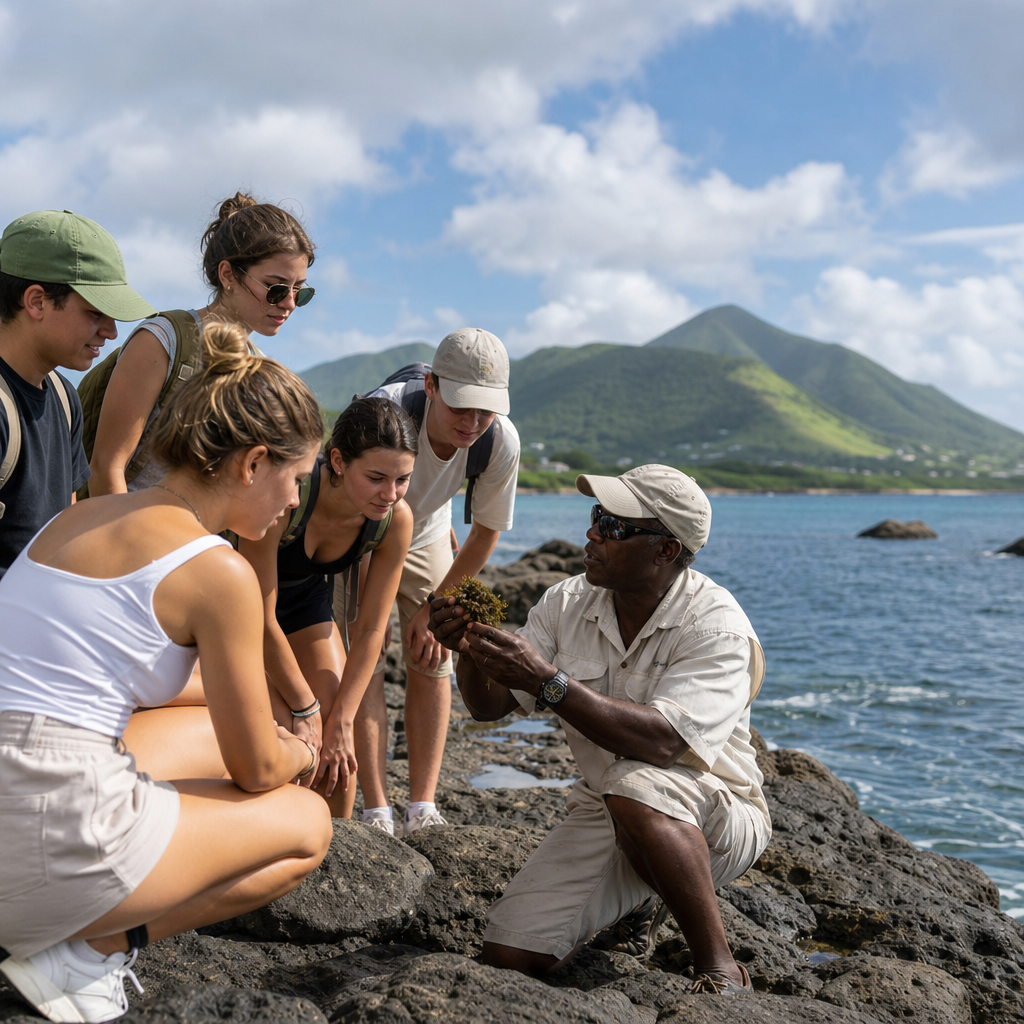
Community participation often determines whether protection measures hold. Residents can report illegal harvest, reduce free-roaming pets near nesting areas, join beach cleanups, and support local groups that advocate for better planning. Schools can build lasting awareness by linking wildlife protection to national identity and practical livelihoods. Businesses also matter. Hotels that use turtle-friendly lighting, reduce single-use plastics, and brief guests on wildlife etiquette directly lower pressure on sensitive sites.
What visitors and residents can do to help
People often ask what individual actions genuinely make a difference. In Saint Kitts, the answers are straightforward. Keep beaches dark at night during turtle season. Do not disturb nests, hatchlings, or wildlife resting areas. Choose tour operators that follow wildlife viewing guidelines and avoid feeding animals. Dispose of trash properly, especially fishing line and plastic. Support accommodations and businesses that show clear environmental practices rather than vague green claims.
Residents can have an even larger impact by backing better local planning. That includes supporting drainage improvements that reduce runoff, opposing development on critical habitat, and encouraging pet management in sensitive areas. Gardeners and landowners can plant native species that support birds and pollinators. Fishers can contribute valuable local knowledge to seasonal management and habitat protection. Conservation is strongest when it respects both ecological science and lived experience.
For readers exploring this Nature and Wildlife hub, the next useful step is to go deeper into Saint Kitts marine ecosystems, birdlife, rainforest habitats, and responsible outdoor activities. Endangered species protection is the thread connecting all of them. When beaches are managed well, turtles benefit. When upland forests are conserved, reefs benefit. When communities value wildlife as part of national heritage, long-term stewardship becomes possible. Saint Kitts still has the opportunity to protect its most vulnerable species before losses become permanent. Learn the habitats, support credible conservation efforts, and make every visit or local decision count for wildlife.
Frequently Asked Questions
What endangered species are most important in Saint Kitts?
Saint Kitts is home to several species and habitats that are especially important to protect, even on a relatively small island. Among the best known are sea turtles, including hawksbill, green, and leatherback turtles, which depend on healthy beaches and nearshore waters for nesting and feeding. Native and migratory birds are also a major conservation priority, particularly species that rely on forest patches, mangroves, ponds, and coastal wetlands for shelter, nesting, and seasonal stopovers. In surrounding marine ecosystems, reef-building corals deserve special attention because they create the physical structure that supports reef fish, protects shorelines from wave energy, and helps sustain tourism and fisheries. Other vulnerable wildlife may include bats, reptiles, and small native animals whose populations can decline quickly when habitats are disturbed or invasive predators spread.
What makes endangered species in Saint Kitts so important is that they are tied directly to the island’s broader environmental health. A decline in turtles can signal trouble in coastal ecosystems. Damage to coral reefs often affects fish populations, shoreline stability, and water quality. Loss of birds can point to forest degradation or wetland stress. Because island ecosystems are compact and interconnected, the disappearance of even one species can have outsized effects. Protecting endangered wildlife in Saint Kitts is therefore not only about saving individual animals; it is also about preserving the ecological systems that support communities, agriculture, tourism, and long-term resilience.
Why are so many species in Saint Kitts under pressure?
Endangered species in Saint Kitts face a combination of challenges that are common across small Caribbean islands but often more intense because land and resources are limited. Habitat loss and fragmentation are major concerns. Forests may be broken into smaller sections, wetlands can be altered or polluted, and coastal development may disturb nesting beaches and nearshore marine habitats. When animals are left with fewer safe places to feed, breed, or migrate, their populations become more vulnerable to decline. Even if some habitat remains, isolated patches may not be large or connected enough to support healthy wildlife numbers over time.
Invasive species add another serious layer of pressure. Predators such as rats, feral cats, and mongooses can prey on eggs, chicks, hatchlings, and small native animals that evolved without strong defenses against them. Pollution also affects both land and sea. Runoff carrying sediment, fertilizers, sewage, or plastics can damage coral reefs, reduce water quality, and harm marine life. Climate change intensifies these existing problems by increasing sea temperatures, contributing to coral bleaching, raising sea levels, and making storms more destructive. On an island like Saint Kitts, where ecosystems are tightly linked and space for wildlife is limited, these pressures can accumulate quickly and make recovery much harder without targeted conservation action.
What is being done to protect wildlife and endangered species in Saint Kitts?
Wildlife protection in Saint Kitts typically involves a mix of habitat conservation, legal protections, scientific monitoring, community outreach, and marine stewardship. Sea turtle conservation is one of the clearest examples. Efforts may include protecting nesting beaches, reducing artificial light that disorients hatchlings, monitoring nests, educating residents and visitors, and encouraging responsible behavior along the coast during nesting season. In marine areas, protecting coral reefs often means promoting better water quality, supporting sustainable fishing practices, discouraging anchor damage, and increasing awareness about how sunscreen pollution, litter, and careless tourism can affect reef ecosystems.
On land, conservation work may focus on safeguarding forest remnants, wetlands, and ponds that support birds and other native species. Monitoring programs help identify which species are declining, where critical habitats remain, and which threats are most urgent. Public education is also essential because long-term success depends on local participation. Farmers, fishers, tourism businesses, schools, and community groups all have a role in reducing harmful practices and supporting restoration. In many island settings, effective conservation is less about one large intervention and more about many practical actions working together, such as habitat management, enforcement of wildlife rules, invasive species control, and ongoing research to guide decisions.
How do healthy ecosystems and endangered species protection benefit people in Saint Kitts?
Protecting endangered species in Saint Kitts benefits people in direct and practical ways. Healthy coral reefs help reduce coastal erosion and storm damage by buffering wave energy before it reaches the shore. They also support fish populations that matter for food security and local livelihoods. Forests and wetlands contribute to cleaner water, soil stability, and flood management, while also creating habitat for birds, pollinators, and other wildlife. When these systems are intact, they provide environmental services that are costly or impossible to replace with infrastructure alone. In that sense, conservation is not separate from development; it is part of the island’s long-term economic and environmental stability.
There are also important tourism and cultural benefits. Visitors increasingly value destinations that protect marine life, maintain scenic coastlines, and demonstrate environmental responsibility. Sea turtles, birds, and coral reefs are part of what makes Saint Kitts distinctive, and conserving them can strengthen the island’s reputation as a high-quality nature and heritage destination, not just a beach stop. For local communities, wildlife protection can support education, civic pride, and a stronger connection to place. By preserving biodiversity, Saint Kitts is also investing in resilience against climate change and environmental shocks, which matters for public health, livelihoods, and future generations.
How can residents and visitors help protect Saint Kitts’ endangered wildlife?
Residents and visitors can make a meaningful difference by adopting everyday behaviors that reduce pressure on wildlife and habitats. On beaches, people should avoid disturbing nesting sea turtles, keep lights low or shielded at night during nesting season, and never handle hatchlings unless directed by trained conservation staff. Boaters and swimmers can protect marine life by avoiding contact with coral, not anchoring on reefs, and respecting wildlife viewing distances. Proper waste disposal is equally important, since plastic and other litter can enter the sea and harm turtles, birds, and fish. Choosing reef-safe habits, reducing runoff from land, and supporting businesses that follow responsible environmental practices also help protect coastal ecosystems.
Community involvement matters just as much as individual behavior. Residents can support cleanups, habitat restoration projects, school education programs, and local conservation groups. Reporting illegal hunting, wildlife harassment, or destructive dumping can help authorities respond more effectively. Property owners and tourism operators can reduce habitat disturbance by managing lighting, controlling pets, and protecting native vegetation. Visitors can contribute by following local guidelines, learning about the island’s ecosystems, and spending with operators who prioritize conservation. In a place like Saint Kitts, small actions add up quickly. Because the island’s habitats are limited and interconnected, consistent local stewardship can have a real and lasting impact on endangered species recovery.