Nevis’ Green Guides: Eco-Friendly Tour Operators are reshaping how travelers experience one of the Caribbean’s most quietly remarkable islands. On Nevis, sustainability is not a marketing add-on; it is a practical approach to protecting reefs, trails, heritage sites, village life, and the island’s limited natural resources while still delivering memorable excursions. Eco-friendly tour operators are guides, boat captains, hiking leaders, cultural interpreters, and small transport providers who design trips to reduce environmental impact, support local livelihoods, and educate visitors about place. In my work reviewing sustainable tourism businesses across island destinations, the strongest operators consistently share the same habits: small group sizes, local hiring, low-waste operations, wildlife-safe practices, and clear respect for community boundaries.
That matters especially on Nevis. The island is small, volcanic, water-conscious, and ecologically diverse, with coral ecosystems offshore, nesting and feeding habitats along the coast, and forested slopes rising toward Nevis Peak. Tourism can either strain those systems or help fund their protection. A well-run snorkeling trip can teach reef etiquette and prevent anchor damage through mooring use. A responsible heritage walk can direct spending toward family-owned businesses rather than imported tourism models. A carefully paced hiking excursion can keep visitors on established trails, reducing erosion and disturbance. For travelers researching sustainable tourism in Nevis, this hub explains what eco-friendly tour operators actually do, how to evaluate them, what types of tours exist, what standards matter, and how to choose experiences that benefit both visitor and island.
What makes a tour operator eco-friendly in Nevis
An eco-friendly tour operator in Nevis combines environmental management with cultural responsibility and economic fairness. In practical terms, that means using licensed guides, keeping groups small enough to minimize noise and habitat pressure, avoiding single-use plastics, offering reusable water options, and following marine and trail best practices. On the water, responsible operators use existing moorings where available instead of dropping anchors on coral or seagrass. On land, they stay on marked routes, time departures to avoid heat stress and overcrowding, and brief guests on behavior before the tour starts. The best companies also source supplies locally, pay guides fairly, and partner with farmers, fishers, artisans, and drivers who live on Nevis.
Travelers should also look for evidence of planning rather than slogans. A genuine operator can explain how waste is handled, how wildlife interactions are limited, what happens in bad weather, and why certain areas are off-limits. They will not promise guaranteed turtle touching, unrestricted drone flights, shell collecting, or off-trail shortcuts. In my audits of excursion businesses, the most reliable signal has been operational detail: captains who mention reef-safe sunscreen, guides who carry out every scrap of trash, and managers who can describe seasonal changes in trail conditions or sea visibility. If a company talks only about fun and never about stewardship, it is usually a red flag.
Types of sustainable tours travelers can book
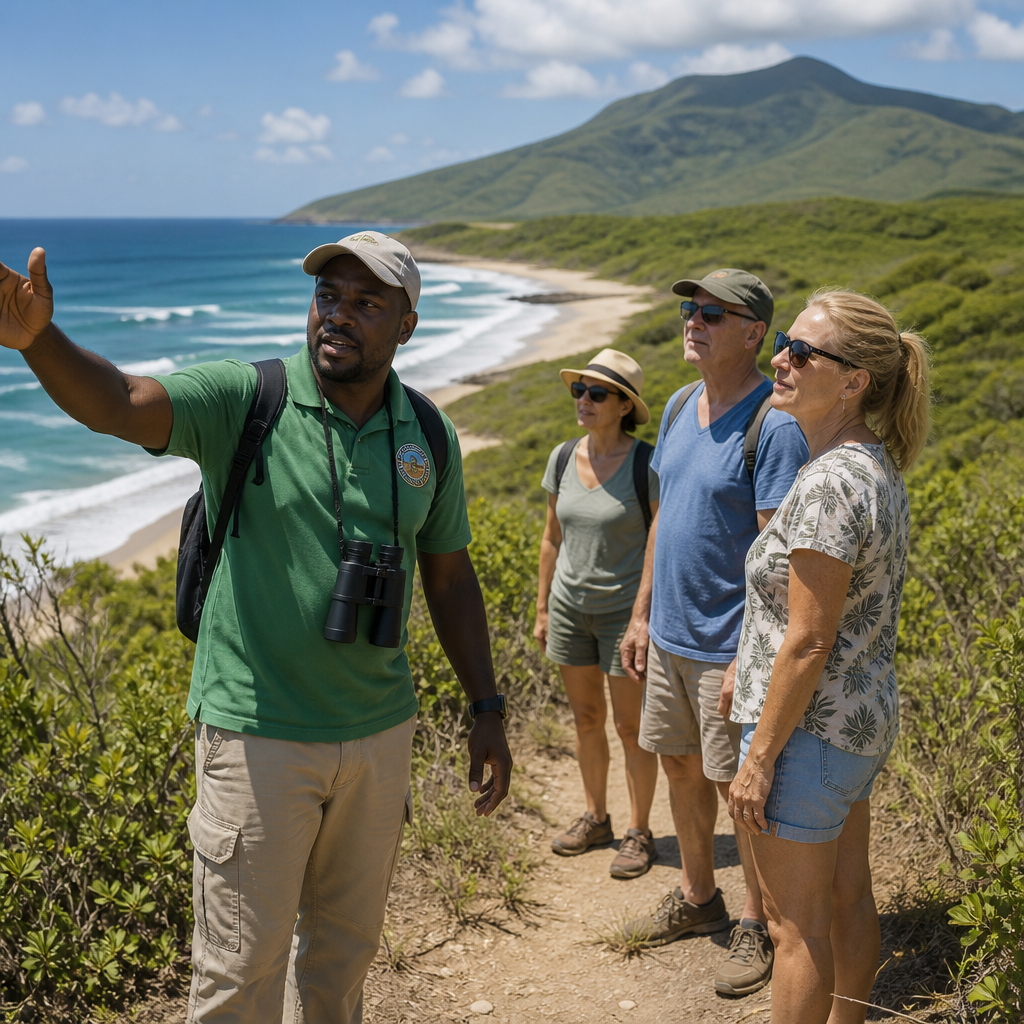
Nevis supports a broad range of low-impact excursions, and understanding the main categories helps travelers match their interests with responsible operators. Hiking tours are among the most obvious choices, especially routes around the rainforest foothills or the challenging ascent toward Nevis Peak. Good hiking guides discuss endemic and native plant life, explain watershed importance, manage pace for safety, and monitor weather closely because volcanic slopes can change quickly. Coastal and marine tours are another major category, including snorkeling, sailing, and boat-based sightseeing. The better operators emphasize buoyancy control, no-touch reef rules, and fish-feeding avoidance, all of which align with widely accepted coral protection principles.
Cultural and heritage tours are equally important within sustainable tourism, even though they are sometimes overlooked in favor of nature activities. On Nevis, eco-friendly guiding can include walking tours through Charlestown, visits focused on architecture and history, food experiences built around local ingredients, and storytelling that reflects the island’s African, colonial, and community heritage with care and accuracy. Farm visits, botanical experiences, cycling tours, and artisanal workshops also fit the category when they are locally led and ethically managed. These options spread visitor spending more evenly across the island and reduce pressure on a few headline attractions. For a sustainable tourism hub page, this miscellaneous category matters because many of the best low-impact experiences do not fit neatly into one niche but still produce strong community value.
How to evaluate operators before you book
Most travelers will not have access to a company’s full sustainability policy, so smart screening depends on a few direct questions. Ask how large the groups are, whether guides are from Nevis or trained locally, whether reusable water systems are provided, and how the company protects reefs, trails, and cultural sites. Ask whether transportation is shared, whether food is sourced on-island, and whether a portion of revenue supports conservation or community projects. Specific answers matter. “We care about nature” is weak. “We cap snorkeling groups at eight, use refillable jugs instead of plastic bottles, and brief every guest not to stand on coral” is meaningful.
Reviews can help, but they should be read critically. Look for comments about briefing quality, respect for wildlife, punctuality, trail knowledge, and whether guests felt rushed into unsafe or extractive behavior. Responsible operators often receive praise for things that casual tourists do not always expect, such as turning back in poor weather, declining to approach nesting areas, or refusing to overcrowd a boat. Those are positive signs, not inconveniences. It is also useful to check whether the operator collaborates with recognized local hospitality businesses, conservation-minded accommodations, or destination organizations. Legitimate partnerships usually indicate stable standards and accountability.
| Question to Ask | Strong Answer | Warning Sign |
|---|---|---|
| How many guests per tour? | Clear cap with guide-to-guest ratio | No limit or vague response |
| How do you protect reefs or trails? | Briefings, moorings, marked paths, no-touch rules | “Guests can do what they want” |
| Do you reduce plastic waste? | Refill stations, reusable coolers, no single-use bottles | Disposable bottles for every guest |
| Who leads the tour? | Licensed or experienced local guides | Seasonal staff with little local knowledge |
| What happens in bad conditions? | Safety-first cancellation or route change policy | Pressure to go regardless |
Marine excursions, reef care, and coastal responsibility
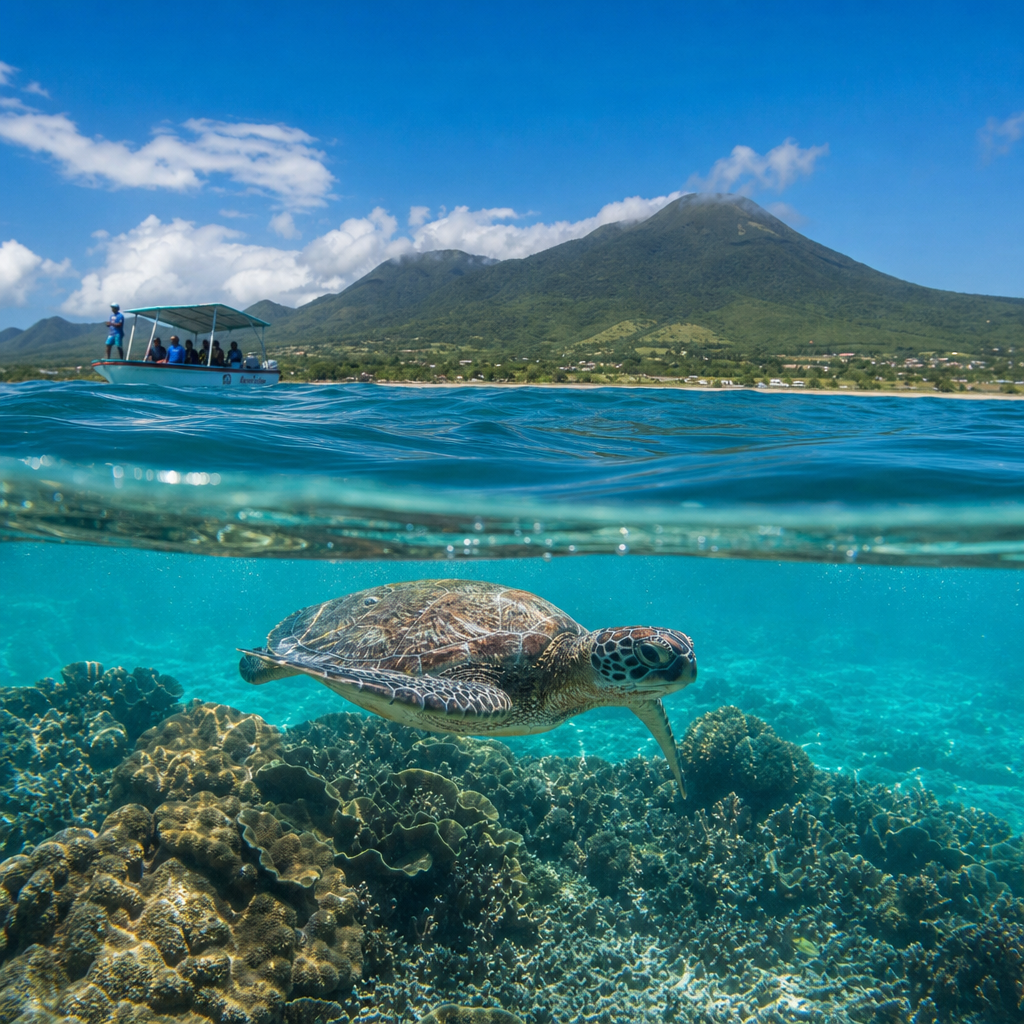
Marine tourism is where sustainability claims are easiest to test. Coral reefs are physically fragile, and the damage caused by fins, anchors, sunscreen runoff, litter, and careless wildlife interactions accumulates quickly. A strong Nevis boat or snorkeling operator will begin with a safety and etiquette briefing before anyone enters the water. They will instruct guests to maintain horizontal body position, never stand on coral, and keep distance from turtles, rays, and schooling fish. If equipment is provided, it should be well maintained because poor mask fit and inadequate fin sizing often lead inexperienced swimmers to kick downward and strike reef structures.
Boat handling also tells you a lot. Captains who know local currents, entry points, and mooring locations reduce both environmental risk and guest stress. Some of the best operators I have assessed build extra time into marine itineraries so they do not need to rush entry and exit procedures. That operational patience lowers accident risk and improves interpretation because guides can explain the function of parrotfish grazing, the importance of seagrass nurseries, and the consequences of coral bleaching in terms ordinary travelers understand. For visitors comparing options, choose operators who treat the coast as a living system rather than a backdrop for photos.
Land-based tours, heritage interpretation, and community benefit
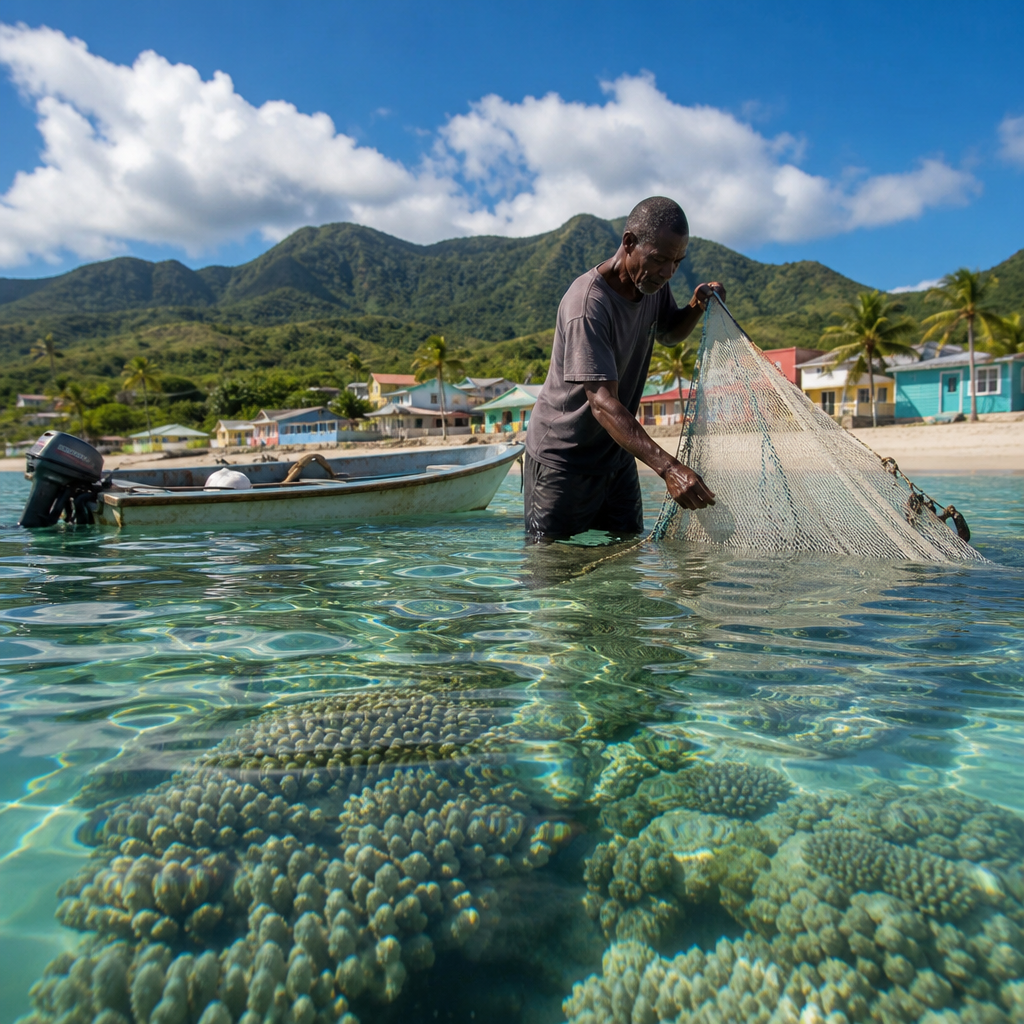
On land, sustainability depends just as much on social practice as environmental care. Guided hikes, village walks, food routes, and mixed-interest excursions can either keep value on Nevis or leak spending outward. The better operators hire island residents, compensate drivers and interpreters fairly, and include stops where guests can buy directly from local businesses. That might mean a fresh juice stand after a hike, a lunch featuring breadfruit or goat water prepared by a local cook, or a heritage stop that supports community preservation. These details sound small, but in aggregate they shape whether tourism strengthens local resilience.
Interpretation quality matters too. Nevis has layered history, and responsible guides present it honestly rather than flattening it into postcard storytelling. They explain the connections between landscape, plantation history, village identity, religious traditions, and contemporary island life. They ask visitors to photograph respectfully, dress appropriately where relevant, and understand that not every local space exists for tourism consumption. In my experience, guests remember these tours most strongly because they leave with context, not just scenery. For a sustainable tourism hub, that is the central point: eco-friendly guiding is not only about reducing harm; it is about increasing understanding and ensuring tourism revenue reaches the people who give a destination its character.
Common greenwashing claims and how to spot them
Because sustainability sells, some operators borrow eco language without changing operations. The most common greenwashing claim is the generic “small local company” pitch. Small scale helps, but it does not automatically mean responsible behavior. A tiny boat can still dump waste, approach wildlife too closely, or use disposable plastics on every trip. Another weak claim is “all-natural experience,” which often has no operational meaning at all. Ask what standards the company follows. Do guides carry waste back out? Are routes adjusted during sensitive seasons? Is there any policy on marine life interaction? If the answer stays abstract, be cautious.
A second red flag is performative volunteering or donation language without specifics. Some businesses advertise that a percentage of profits supports the environment but cannot say which project, how much, or how often. Others encourage guests to collect beach items or handle wildlife for social media moments under the guise of education. Legitimate stewardship is usually quieter and more procedural. It shows up in maintenance logs, refill systems, route planning, supplier choices, guide training, and visitor briefings. Trust operators who can explain exactly what they do and why it works. On Nevis, where ecosystems and communities are both visible and vulnerable, substance matters far more than branding.
How this hub connects to the wider sustainable tourism journey
This miscellaneous hub exists because travelers rarely book just one type of experience. A visitor choosing an eco-friendly tour operator in Nevis is also making decisions about lodging, transport, dining, water use, reef-safe products, and how to behave in villages, beaches, and historic sites. The best planning approach is to connect those choices. Stay with accommodations that conserve water and energy. Choose shared transfers when practical. Carry a reusable bottle and sun protection that does not encourage harmful reef contact. Book tours early enough to ask good questions instead of selecting the cheapest last-minute option. Responsible travel is cumulative.
Use this page as the starting point for the broader sustainable tourism ecosystem on Nevis. From here, travelers should explore deeper guides on marine outings, hiking ethics, heritage experiences, local food systems, and low-impact transportation. Tour operators sit at the center of that network because they influence behavior in real time. A skilled guide can prevent reef damage, reduce litter, direct money to local enterprises, and give visitors the confidence to travel more thoughtfully for the rest of their stay. If you want your trip to support Nevis rather than simply consume it, begin by choosing guides whose practices are as impressive as the island itself. Then keep following this hub to plan the rest of your sustainable itinerary.
Frequently Asked Questions
What makes a tour operator in Nevis truly eco-friendly?
A genuinely eco-friendly tour operator in Nevis does much more than mention sustainability in its marketing. The strongest operators build low-impact practices into the way they plan excursions, move guests around the island, interact with wildlife, and support local communities. That can include limiting group sizes on hikes, choosing routes that reduce trail erosion, avoiding disturbance to nesting areas and marine habitats, reducing single-use plastics on boats and vehicles, and following reef-safe snorkeling and boating standards. In a place like Nevis, where natural resources are limited and ecosystems are closely connected, these details matter.
Eco-conscious operators also tend to work with the island rather than around it. They hire local guides, collaborate with fishermen, farmers, artisans, and heritage custodians, and help visitors understand why respectful behavior is essential at beaches, historic sites, villages, and nature areas. You may also notice practical actions such as reusable water systems, fuel-efficient transport choices, waste collection during excursions, and educational briefings before activities begin. In short, an eco-friendly operator in Nevis is one that protects the island’s reefs, trails, culture, and everyday community life while still offering a high-quality, memorable experience.
Why are eco-friendly tours especially important on Nevis?
Nevis is a relatively small island, which means tourism impacts can be felt quickly and directly. Trails can wear down faster, reefs can be damaged by careless anchoring or snorkeling behavior, litter can affect coastal ecosystems, and overuse of water and fuel places added pressure on local infrastructure. Eco-friendly tours help reduce these pressures by operating more thoughtfully and by educating travelers about how to enjoy the island without contributing to its degradation. This approach helps preserve the very qualities that make Nevis appealing in the first place: quiet beaches, clear waters, lush mountain landscapes, wildlife, and a strong sense of local character.
These tours also matter because they help connect tourism revenue to long-term community and environmental well-being. When local guides, cultural interpreters, and small transport providers are committed to sustainable practices, tourism becomes a tool for conservation and economic resilience rather than simple consumption. Visitors gain a deeper understanding of the island, and local people benefit from business models that value stewardship. On Nevis, where authenticity and natural beauty are central to the visitor experience, eco-friendly tourism is not a niche concept; it is a practical way to keep the island healthy, distinctive, and welcoming for years to come.
What types of experiences do Nevis’ green tour operators usually offer?
Eco-friendly tour operators on Nevis typically offer a wide range of experiences that showcase the island’s environment and heritage in a responsible way. These may include guided rainforest and mountain hikes, birdwatching walks, coastal nature tours, snorkeling excursions, low-impact boat trips, heritage tours through historic sites and villages, farm visits, and cultural experiences centered on local food, crafts, and storytelling. The focus is usually on smaller groups, slower-paced exploration, and meaningful interpretation rather than mass-tourism volume.
What sets these experiences apart is how they are delivered. A hiking guide may explain native plants, watershed protection, and the importance of staying on designated paths. A boat captain may use wildlife-safe viewing distances and avoid sensitive reef zones. A cultural guide may connect visitors with local history in a way that respects community spaces rather than turning them into backdrops. Many green operators aim to create a richer experience by helping travelers understand how ecology, history, and everyday life intersect on Nevis. That often results in excursions that feel more personal, more educational, and ultimately more memorable than standard sightseeing tours.
How can travelers identify and choose a responsible eco-tour operator in Nevis?
One of the best ways to identify a responsible operator is to look for evidence of specific practices rather than broad claims. Travelers should check whether the company explains how it minimizes environmental impact, manages waste, protects marine and land habitats, and supports the local economy. Useful signs include small group sizes, clear safety and conservation briefings, no-touch wildlife policies, reef-safe guidance, reusable or refillable water options, and partnerships with local guides or community businesses. Reviews can also be helpful, especially when past guests mention educational value, professionalism, and respect for nature and local culture.
It is also smart to ask direct questions before booking. For example: How do you protect reefs or trails during your tours? Do you employ local guides? How do you handle trash and plastics? Do you follow wildlife-viewing guidelines? Operators that take sustainability seriously are usually happy to answer and often proud to explain their methods. Price alone should not be the deciding factor. A slightly higher rate may reflect better guide training, safer operations, fairer local wages, and more careful resource use. Choosing well helps ensure that your visit supports the kinds of businesses that are helping Nevis remain both beautiful and livable.
How can visitors support sustainable tourism while touring Nevis?
Visitors play a major role in whether sustainable tourism succeeds. Supporting green tourism on Nevis starts with booking local, responsible operators, but it also extends to personal behavior throughout the trip. Travelers can bring reusable water bottles, decline unnecessary plastic items, use reef-safe sunscreen, stay on marked trails, avoid touching coral or marine life, and follow all guide instructions in sensitive natural areas. Respecting quiet village spaces, asking permission before photographing people, and treating heritage sites carefully are equally important. Sustainable travel is often about consistent small choices that reduce strain on the island while showing consideration for residents and ecosystems.
Spending intentionally also makes a difference. Buying from local businesses, tipping guides fairly, choosing locally owned services when possible, and participating in tours that include genuine cultural or environmental education all help strengthen the island’s sustainable tourism economy. Visitors should also value quality over quantity. Rather than trying to rush through many activities, choosing a few well-run, low-impact experiences often leads to a deeper connection with Nevis. When travelers approach the island with curiosity, patience, and respect, they help reinforce a tourism model that protects natural beauty, honors local life, and keeps future travel experiences just as rewarding.