Saint Kitts’ environmental education connects conservation, tourism, community life, and national identity in ways that are unusually visible on a small island. On Saint Kitts, lessons about reefs, monkeys, mangroves, volcanic slopes, waste, water, and climate resilience are not confined to classrooms. They happen on hiking trails in the Central Forest Reserve National Park, at beaches affected by sargassum and plastic litter, in schools running coastal cleanups, and through tour operators explaining why a coral colony should never be touched. Environmental education, in this context, means the structured effort to build knowledge, shape attitudes, and encourage practical stewardship among residents and visitors. It includes formal school curricula, public awareness campaigns, interpretive tourism, citizen science, heritage programming, and everyday behavior change. It matters because Saint Kitts depends directly on healthy ecosystems for food security, disaster protection, public health, and visitor appeal. A clear understanding of local nature and wildlife also helps people make better decisions about development, recreation, and resource use.
Having worked on destination content and conservation communication for Caribbean audiences, I have seen that small islands face a distinct challenge: environmental problems are immediately tangible, yet public information is often fragmented across agencies, schools, hotels, and nonprofits. A hub article on Saint Kitts’ environmental education must therefore do two jobs at once. First, it should explain how awareness is being raised among locals and tourists in practical terms. Second, it should point readers toward the wider “Nature and Wildlife” conversation, because environmental learning on the island touches nearly every subtopic: rainforest ecology, marine habitats, invasive species, protected areas, sustainable tourism, waste management, and climate adaptation. Saint Kitts offers a strong case study because the island’s compact size makes links between environmental cause and effect easy to observe. Upland deforestation influences runoff. Runoff influences reefs. Reef condition affects fisheries, beach quality, and snorkeling experiences. The best environmental education on the island makes those links obvious, memorable, and actionable.
For visitors, this awareness turns sightseeing into informed travel. For locals, it supports long-term stewardship rooted in place. For policymakers and tourism businesses, it creates a more resilient destination brand. The most effective programs do not lecture people in abstract terms. They interpret what someone can see directly: a vervet monkey near a roadside orchard, erosion after heavy rain, nesting seabirds on offshore islets, or bins overflowing after a beach event. That practical, place-based style is why environmental education in Saint Kitts deserves serious attention as a core part of nature and wildlife management rather than as an optional outreach exercise.
What Environmental Education Looks Like on Saint Kitts
Environmental education on Saint Kitts works through several overlapping channels. Schools introduce ecology, conservation, waste reduction, and climate topics through science classes, field trips, school gardens, and cleanup campaigns. Government bodies and statutory agencies contribute through public notices, protected-area messaging, coastal management initiatives, and community events. Tourism operators add another layer when they interpret landscapes, wildlife behavior, reef etiquette, and trail safety for guests. Civil society groups, youth organizations, and faith-based communities often strengthen these efforts by organizing tree planting, beach cleanups, and public discussions around water use or plastic waste.
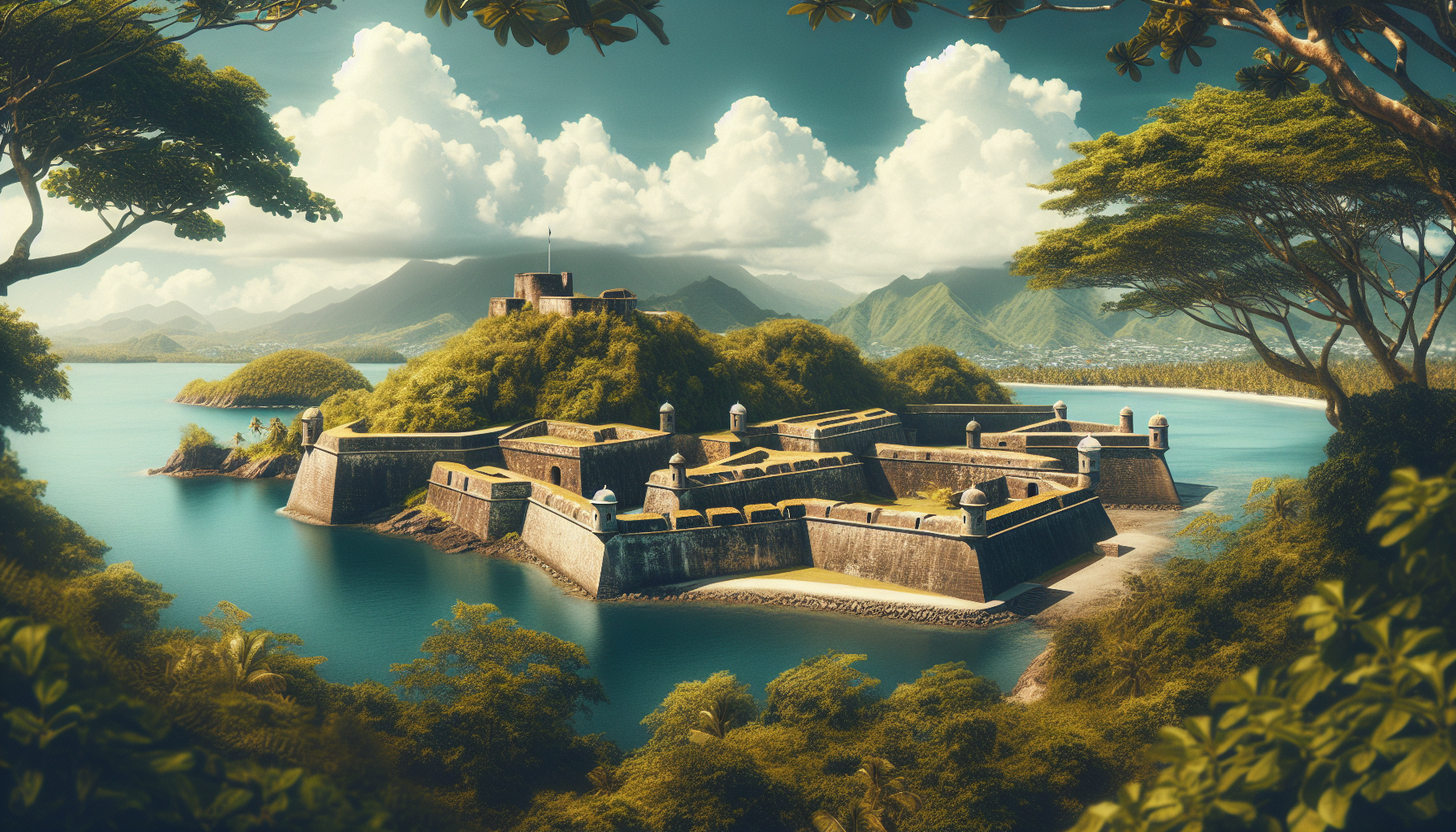
On an island where tourism is highly visible, visitor-facing education carries unusual weight. A single catamaran briefing about reef-safe behavior can influence dozens of people in one morning. A Brimstone Hill Fortress guide linking military history to surrounding land use can reframe how guests view the island’s forests and coastlines. Hotel signage about towel reuse matters less when presented as a generic global message and more when connected to local water and energy realities. The strongest Saint Kitts programs explain why a behavior matters here, on this island, in this watershed, on this coast.
Environmental learning is also increasingly interdisciplinary. It is not only about wildlife identification or anti-litter messages. Good programs connect ecology with heritage, agriculture, public health, and disaster risk reduction. For example, teaching about mangroves is more effective when people understand that mangrove systems provide nursery habitat for fish, trap sediment, buffer storm surge, and support birdlife. That fuller explanation moves the topic beyond scenery into economic and social value.
Key Themes: Forests, Coasts, Wildlife, and Everyday Stewardship
Saint Kitts’ environmental education tends to revolve around a few core themes because they are highly relevant to island life. Forest education focuses on biodiversity, watershed protection, hiking impact, and the ecological importance of the island’s interior slopes. The Central Forest Reserve National Park, officially designated in 2024, has sharpened public attention on habitat protection and the value of intact upland ecosystems. Coasts and marine environments form another major theme, especially coral reef care, beach litter, anchoring damage, and the cumulative effects of sedimentation and wastewater on nearshore life.
Wildlife education often begins with species people recognize quickly. Vervet monkeys are a familiar example. Visitors often see them as charming photo subjects, while farmers may experience them as crop raiders. That tension makes monkeys a useful gateway topic for discussing habitat change, human-wildlife interaction, and responsible feeding rules. Sea turtles, shorebirds, reef fish, and migratory species offer similar teaching opportunities because they connect local action to wider Caribbean and global conservation systems.
Everyday stewardship is the final theme, and it is arguably the most important. Residents and tourists need clear guidance on the small repeated actions that shape environmental outcomes: reducing single-use plastics, staying on marked trails, not removing shells or coral, reporting illegal dumping, conserving water during dry periods, and respecting closed or sensitive areas. This is where awareness becomes behavior. In my experience, campaigns succeed when they stop assuming people already understand environmental impact. A direct explanation is usually necessary, especially for first-time visitors.
| Theme | Typical Audience | Practical Message | Real-World Example |
|---|---|---|---|
| Forest conservation | Students, hikers, tour groups | Stay on trails and protect watershed vegetation | Guided hikes explaining erosion and runoff on steep slopes |
| Marine protection | Snorkelers, boat passengers, beach users | Do not stand on coral or litter beaches | Pre-tour reef briefings before coastal excursions |
| Wildlife awareness | Residents, families, photographers | Observe animals without feeding or harassing them | Monkey-viewing guidance near roadsides and farms |
| Waste reduction | Communities, schools, hotels | Separate waste streams and reduce disposable plastics | Cleanup drives paired with recycling education |
How Visitors Learn: Tours, Signage, Hotels, and Interpretation
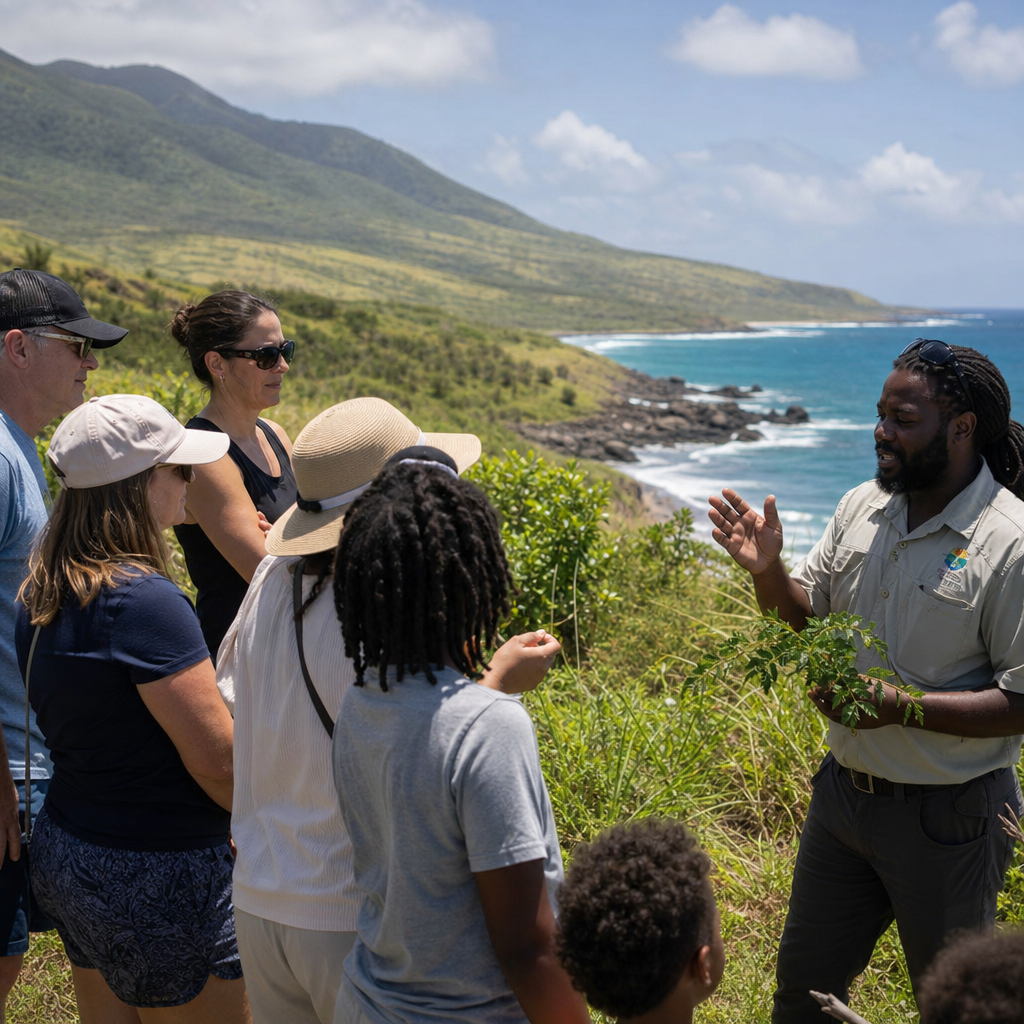
Visitors absorb environmental information fastest when it is embedded in experiences they already want. On Saint Kitts, that means guided rainforest hikes, scenic railway commentary, snorkel and sail excursions, botanical and heritage visits, and concierge recommendations at hotels. Interpretation is not an accessory to these activities; it is what turns a pleasant outing into informed engagement. A guide who explains why turbidity reduces coral growth, why dry forest differs from rainforest, or why invasive species matter can significantly improve visitor behavior during the same trip.
Signage has a role, but only when it is specific, visible, and well maintained. Generic “Keep Our Island Clean” signs are easy to ignore. Signs that identify a nesting site, explain a habitat, or show the direct result of litter and trampling perform better because they answer an immediate question. Hotels can reinforce these messages by training front-desk teams, excursion desks, and housekeeping staff to give accurate local advice. Many destinations miss this opportunity. In Saint Kitts, where tourism density is concentrated, hospitality workers can become a front line of environmental communication.
Cruise tourism creates a special challenge because guests often spend only a few hours ashore. The educational window is short, so the message must be simple and concrete. I have found that three points work best for short-stay visitors: respect wildlife distance, leave nothing behind on beaches and trails, and avoid touching reef or historic stonework. If these messages are repeated by port staff, drivers, and excursion operators, awareness rises quickly even without a long formal program.
How Locals Learn: Schools, Community Action, and Cultural Context
For residents, environmental education is most durable when it starts young and continues outside school. Primary and secondary students benefit from field-based learning because island ecology becomes real when they can compare coastal scrub, agricultural land, ghauts, and forest. Teachers who connect textbook science to local examples usually get better retention. A lesson on watersheds means more when students can trace where rain falls, how runoff moves, and what happens downstream after heavy weather.
Community action is equally important. Cleanup events, tree-planting days, school competitions, fisheries outreach, and neighborhood meetings create visible public participation. These activities work best when organizers explain outcomes, not just effort. People should know how much waste was removed, what types were most common, what species benefit from habitat restoration, and what behavior changes are being asked next. Without that feedback loop, environmental events become symbolic rather than educational.
Cultural context matters as well. Saint Kitts is not a blank conservation landscape; it is an island shaped by Indigenous history, plantation agriculture, sugar-era land use, fishing traditions, urban growth, and modern tourism. Environmental education should reflect that history honestly. Understanding how cane cultivation altered land cover, how settlements developed along the coast, and how food systems changed over time helps residents see current environmental pressures as part of a longer story. That historical framing makes stewardship feel less like imported messaging and more like local responsibility.
Challenges That Limit Awareness and What Actually Improves Results
Several barriers can weaken environmental education on Saint Kitts. One is message fragmentation. Different agencies and businesses may promote worthy ideas, but if terminology, priorities, and behavior guidance vary, the public receives mixed signals. Another challenge is resource limitation. Small islands often need more interpretive materials, trained educators, monitoring capacity, and maintenance funds for signs, trails, and public facilities. Seasonality also affects results. Messages delivered strongly during peak tourism periods may fade in slower months when staffing and attention shift.
There is also the risk of overemphasizing awareness without measuring behavior change. People can repeat facts about coral reefs or plastic pollution yet still act carelessly if the desired action is inconvenient or unclear. That is why the best programs combine information with infrastructure and enforcement. If a beach campaign asks people not to litter, bins must be available and emptied regularly. If trail protection is a priority, routes must be marked and sensitive areas managed. If boats are expected to avoid reef damage, operators need practical mooring guidance and standards.
What improves results? Consistency, local relevance, and repetition. Consistency means the same core conservation messages appear across schools, parks, hotels, tour briefings, and media. Local relevance means every message is anchored in a visible Saint Kitts example. Repetition means people hear and see the guidance more than once, in different settings, until it becomes normal behavior. Partnerships matter too. Education performs better when ministries, tourism stakeholders, schools, and community groups share materials and reinforce the same priorities.
Why This Miscellaneous Hub Matters for Nature and Wildlife
This miscellaneous hub matters because environmental education is the connective tissue across the full Nature and Wildlife topic. A reader interested in rainforest hiking also needs guidance on trail impact. A traveler looking up monkeys or sea turtles should also understand wildlife etiquette. Someone researching beaches, reefs, or marine tours benefits from learning how sediment, waste, sunscreen choice, and anchoring practices affect what they hope to enjoy. In other words, environmental education is not separate from nature and wildlife content on Saint Kitts; it is the interpretive framework that makes all related articles more useful.
As this sub-pillar hub expands, it should connect readers to focused pieces on protected areas, endemic and native species, marine ecosystems, conservation volunteering, school outreach, climate resilience, and sustainable visitor behavior. That internal structure helps both human readers and search systems understand the topical relationship between broad awareness and specific environmental issues. It also reflects how people actually learn. Most do not begin with policy language. They begin with a beach, a trail, an animal sighting, or a question about what to do responsibly.
Saint Kitts’ environmental education is most powerful when it stays practical, local, and repeated across daily life and tourism touchpoints. It teaches that forests protect water, reefs support livelihoods, wildlife deserves respectful distance, and small actions accumulate into island-scale outcomes. For locals, that knowledge strengthens stewardship and civic responsibility. For visitors, it leads to better travel choices and a deeper experience of place. Explore the rest of the Nature and Wildlife hub to learn how Saint Kitts’ habitats, species, and conservation efforts fit together—and how your own decisions can help protect them.
Frequently Asked Questions
1. What makes environmental education in Saint Kitts different from classroom-only learning?
Environmental education in Saint Kitts stands out because it is highly visible in everyday island life rather than being limited to textbooks or formal lessons. On a small island, the connections between land, sea, tourism, public health, and national identity are immediate and easy to see. A lesson about watersheds is not abstract when people can trace how rainfall on volcanic slopes affects streams, coastal water quality, farming, and marine habitats. In the same way, conversations about waste management become more meaningful when litter on roadsides or beaches can directly affect community spaces, visitor impressions, and wildlife.
That practical, place-based quality makes learning more memorable. Students, residents, and visitors can experience environmental issues firsthand on hiking trails in the Central Forest Reserve National Park, along shorelines impacted by plastic debris or sargassum, and during community activities such as beach cleanups or school projects. Tour operators, park guides, teachers, and local organizations often serve as educators, helping people understand how ecosystems function and why conservation matters. Because Saint Kitts is small, the cause-and-effect relationship between human behavior and environmental outcomes is especially clear, which gives environmental education a strong real-world impact.
2. Why is environmental education important for both locals and visitors in Saint Kitts?
Environmental education matters for locals because it supports long-term stewardship of the island’s natural resources, which are closely tied to quality of life, public well-being, and economic security. Healthy reefs, mangroves, forests, and beaches help protect shorelines, support biodiversity, strengthen fisheries, improve water systems, and reduce vulnerability to climate-related hazards. When local communities understand these relationships, they are better equipped to make decisions about waste disposal, water use, land management, and coastal protection. Environmental knowledge also helps reinforce cultural pride by showing how the island’s landscapes and ecosystems are part of its identity, history, and future.
For visitors, environmental education is equally important because tourism has a direct footprint. Tourists interact with beaches, marine areas, trails, and wildlife, and their choices can either support or strain local ecosystems. When visitors learn why coral reefs are sensitive, why monkeys should not be fed, why mangroves matter, or why single-use plastics create lasting problems, they are more likely to behave responsibly. This improves the visitor experience while helping protect the island’s resources. In Saint Kitts, environmental education often acts as a bridge between hospitality and conservation, showing guests that enjoying the island also comes with a responsibility to respect and preserve it.
3. What environmental topics are most commonly taught and discussed in Saint Kitts?
Several environmental topics are especially important in Saint Kitts because they reflect the island’s most visible challenges and natural strengths. Marine and coastal conservation is a major focus, including reef protection, beach health, sea life, sargassum impacts, erosion, and the effects of plastic pollution. Since beaches and nearshore waters are central to both community life and tourism, they naturally become key teaching spaces. Coastal cleanups, shoreline monitoring, and discussions about litter, runoff, and habitat protection are common ways people learn about these issues in practical terms.
Forest and watershed education is another major area, particularly in relation to the island’s volcanic terrain and the Central Forest Reserve National Park. People are taught how forests help capture water, reduce erosion, support wildlife, and contribute to climate resilience. Wildlife awareness is also significant, especially around species that visitors notice quickly, such as monkeys and tropical birds, and around the broader role of habitat protection. In addition, waste management, recycling awareness, water conservation, and climate change adaptation are increasingly central topics. These are not treated as isolated issues; they are usually connected to daily life, tourism development, storm preparedness, and the need to build a more resilient island for future generations.
4. How do tourism and environmental education work together in Saint Kitts?
In Saint Kitts, tourism and environmental education often reinforce one another when done well. The island’s natural beauty is a major part of its appeal, so protecting that environment is in the interest of tourism operators, local communities, and policymakers alike. Guides, eco-tour providers, hotel staff, and excursion companies can play an important educational role by explaining local ecosystems, encouraging low-impact behavior, and helping visitors understand that conservation is not separate from their vacation experience. A hike, snorkel trip, or beach visit can become an opportunity to learn about habitat protection, invasive pressures, watershed health, wildlife behavior, and climate risks.
This relationship also works in practical ways. Visitors who understand the environmental value of what they are seeing are often more willing to support protected areas, local conservation efforts, sustainable businesses, and community-based initiatives. At the same time, the tourism industry benefits from healthier beaches, cleaner waters, more attractive trails, and stronger local goodwill. Environmental education helps shift tourism from passive sightseeing to informed participation. Instead of simply consuming a destination, visitors are encouraged to appreciate how the island functions ecologically and how their own behavior—from sunscreen choices to waste disposal to wildlife interactions—can make a difference.
5. How can someone support environmental education and conservation efforts while in Saint Kitts?
Supporting environmental education in Saint Kitts begins with paying attention and being willing to learn from local knowledge. Visitors can choose guides and tour operators who emphasize conservation, ask questions about ecosystems and community efforts, and follow site-specific rules in parks, beaches, and marine areas. Simple actions matter: avoiding litter, reducing single-use plastics, staying on marked trails, not disturbing wildlife, and respecting coastal habitats all help reinforce the lessons that environmental education is trying to teach. Travelers can also participate in community cleanups, support businesses with responsible practices, and contribute to organizations or programs working on conservation and public awareness.
For residents, support can take the form of school involvement, neighborhood action, citizen participation in cleanups or awareness campaigns, and encouraging young people to see environmental stewardship as part of civic responsibility. Even small habits—proper waste disposal, water conservation, and sharing accurate information about local ecosystems—help strengthen a culture of environmental responsibility. The key idea in Saint Kitts is that education and action are closely linked. People do not just learn about the environment as a distant concept; they are invited to see themselves as active participants in protecting an island where natural systems, community life, and economic well-being are deeply interconnected.