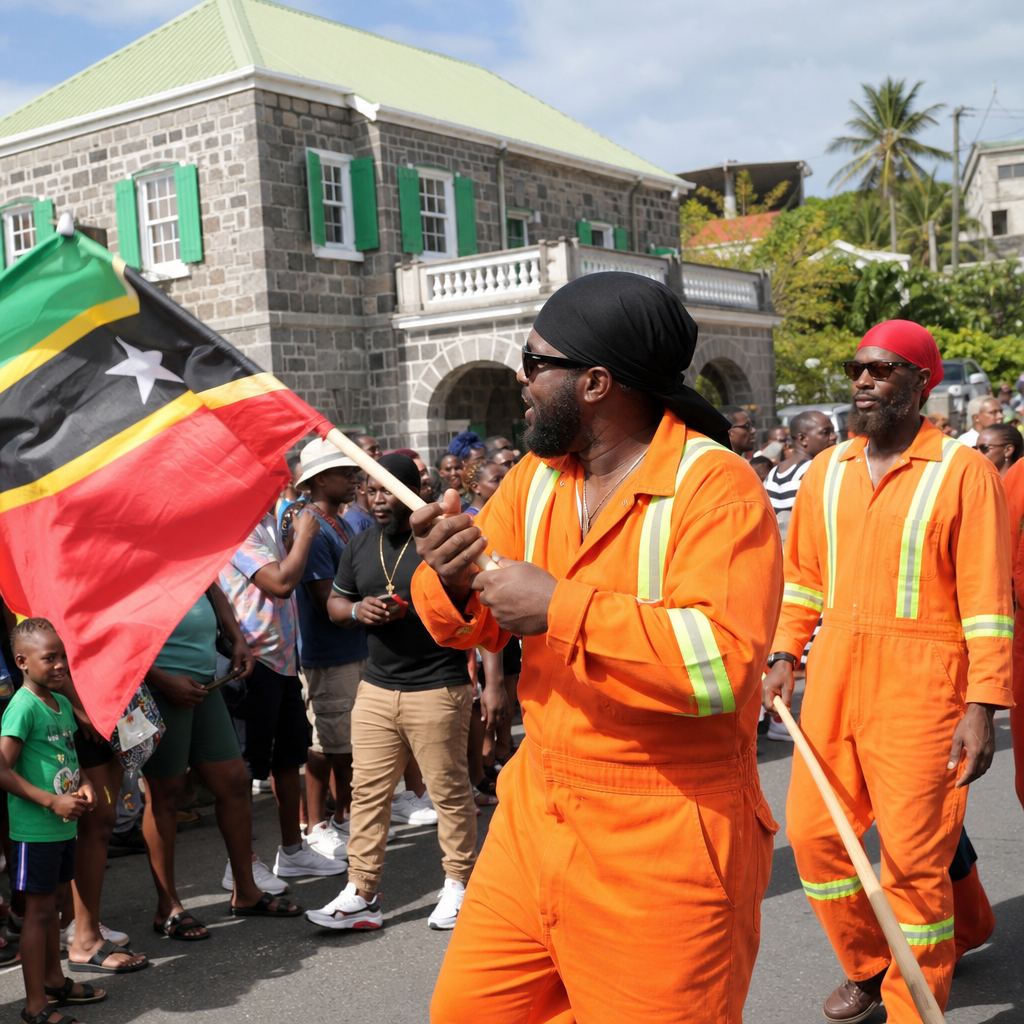
Carnival crafts in Nevis turn ordinary weeks into a season of purposeful making, where fabric, wire, beads, glue, paint, and music come together long before the first parade crosses Charlestown. In Nevis, carnival is not only a public celebration; it is a hands-on community process shaped by costume builders, sign painters, school groups, dancers, drummers, vendors, and families preparing homes and roadside stalls. When people talk about “carnival crafts,” they mean the full range of creative work that supports the festival: costume design, headpieces, masks, banners, stage décor, troupe props, souvenir items, children’s art projects, and practical decorative pieces used for fetes and street events. This matters because the craft tradition keeps local identity visible. It also creates seasonal income, teaches younger residents transferable skills, and strengthens the link between heritage and daily life. I have seen the preparation cycle up close in small island communities, and the pattern is consistent: the most memorable celebrations are built in workshops, schoolrooms, verandas, and village yards weeks in advance. For anyone exploring local life and experiences in Nevis, carnival crafts offer one of the clearest windows into how culture is made, shared, and sustained.
What Carnival Crafts Include in Nevis
In practical terms, carnival crafts in Nevis cover both artistic and functional work. Costume pieces often start with sketching and color planning, followed by pattern cutting, wire bending, foam shaping, feather placement, and embellishment with sequins, rhinestones, braid, and reflective trim. Troupes may commission coordinated back pieces, collars, wrist cuffs, and leg adornments, while individual revelers sometimes customize their own looks for Jouvert, pageants, and themed events. Outside costumes, makers produce hand-painted signs, booth decorations, stage backdrops, parade props, and table centerpieces for community functions. Even simple items such as decorated cups, branded fans, and souvenir T-shirts fit the category because they help define the atmosphere of the season.
Children’s carnival crafts are especially important in Nevis. Schools and youth groups often use paper, cardboard, fabric scraps, paint, and recycled plastic to create masks, crowns, flags, and mini costumes. These projects teach design thinking and resourcefulness while making festival culture accessible at a small scale. Adults do similar work with more durable materials, using plywood, PVC, aluminum wire, hot glue, industrial adhesives, and sewing machines for pieces that must survive heat, movement, transport, and sudden rain. The result is a layered creative economy: not every craft item is elaborate, but each one contributes to the look and feel of the big celebration.
Why Craft Preparation Starts Early
One reason carnival preparation in Nevis feels so intense is that good craft work takes time. A polished costume section is not assembled in a day. Makers must source fabrics and trims, test color combinations, measure performers, prototype large pieces, and revise designs once they see how materials behave in movement. If imported items are involved, shipping timelines add pressure. Small islands regularly work around limited stock, delayed freight, and the need to substitute materials without compromising the final presentation. Starting early reduces costs, improves finishing quality, and gives organizers room to fix structural issues before public events begin.
Early preparation also matters because carnival crafts are interconnected. A costume theme may influence banner design, stage dressing, makeup plans, dance styling, and social media promotion. If a troupe selects a folklore-inspired concept, every visual element should support that story. I have watched committees lose valuable time when they treat crafts as an afterthought. The strongest presentations come from integrated planning: sketches approved first, budgets aligned second, production scheduled third, and fitting sessions booked before the final week. That discipline helps community groups avoid rushed work, weak fastenings, and expensive last-minute buying.
Materials, Tools, and Smart Sourcing
The best carnival crafts in Nevis balance visual impact with durability and comfort. Common materials include satin, lycra, mesh, organza, felt, EVA foam, millinery wire, aluminum rod, elastic, hook-and-loop tape, acrylic paint, glitter sealant, and heat-set rhinestones. For larger props, builders may use corrugated plastic sheets, lightweight wood, PVC pipe, and cable ties because they are easier to transport and repair than heavier alternatives. Adhesive choice is critical. Hot glue works for quick bonding on low-stress sections, but contact cement, E6000-style industrial adhesive, or stitched reinforcement are often better for pieces exposed to movement and sun.
Sourcing on Nevis usually combines local ingenuity with imported supplies. Fabric shops, hardware stores, craft vendors, and general retailers cover part of the need, while specialty trims, feathers, mirror acrylic, and high-volume stones may come from overseas suppliers. Smart makers build a material schedule. They order long-lead items first, buy basic consumables in bulk, and keep a contingency stock of thread, elastic, batteries, safety pins, and spare fasteners. This is also where sustainability enters the picture. Reusing wire frames, refurbishing backpacks for costume mounts, and repurposing offcuts into children’s projects can lower costs and reduce waste without diminishing creativity.
Popular Carnival Craft Projects and Their Uses
Not every carnival craft project requires a full masquerade budget. Some of the most effective pieces are modest, well-planned, and repeatable. Community groups often focus on crafts that serve several events, from opening activities to village gatherings and parade day itself. The table below shows common project types, what they are used for, and the practical skill involved in making them well.
| Craft project | Main use during carnival | Key materials | Skill focus |
|---|---|---|---|
| Feathered headpiece | Parades, pageants, troupe costumes | Wire frame, foam base, feathers, stones | Balance, attachment strength, symmetry |
| Hand-painted banner | Troupe identity, roadside display, stage branding | Canvas, vinyl, paint, sealant, rope | Lettering, composition, weather resistance |
| Children’s mask | School events, workshops, cultural lessons | Cardboard, paint, elastic, recycled trim | Creativity, safe cutting, color planning |
| Portable parade prop | Dance storytelling and themed performances | PVC, lightweight board, fabric, straps | Weight control, mobility, repairability |
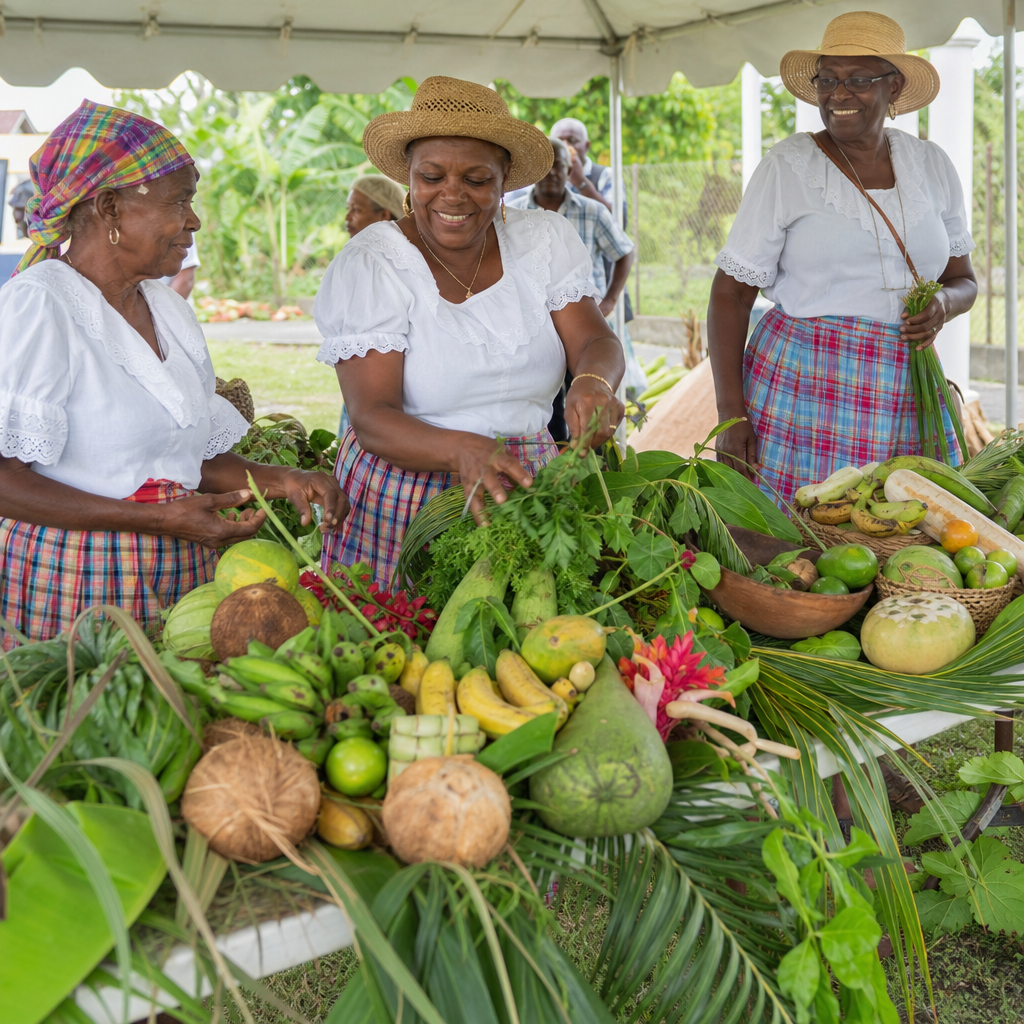
| Decorated vendor stall | Food sales, community fetes, photo spots | Fabric drape, signs, lights, table covering | Branding, layout, fast setup |
These examples show why carnival crafts in Nevis should be viewed broadly. A headpiece may draw the camera, but a well-designed sign or vendor stall also shapes the public experience. Good craft decisions support movement, visibility, storytelling, and commerce at the same time.
Community Workshops, Schools, and Skill Transfer
Craft knowledge survives when it is shared deliberately. In Nevis, one of the strongest ways to prepare for carnival is through workshops led by experienced makers, teachers, pageant coordinators, seamstresses, and cultural groups. These sessions often cover measuring, pattern drafting, basic sewing, safe glue use, mask construction, color harmony, and finishing methods. Short workshops are useful for beginners, but multi-week sessions produce better outcomes because participants move from concept to completed piece. They also learn that strong crafts depend on hidden details: reinforced joins, clean hems, even spacing, and comfortable wear points.
Schools play a major role in this transfer of skills. Art teachers can connect carnival projects to local history, geometry, design, and environmental awareness by encouraging recycled-material builds. Youth participation matters beyond the festival itself. A student who learns to sew trim accurately or paint a banner cleanly gains practical abilities that can carry into events, hospitality, merchandising, and entrepreneurship. Community centers and church halls are often ideal workshop spaces because they allow collaborative production at a manageable cost. When neighborhoods treat craft-making as a shared activity rather than a private task, more people feel invested in the celebration.
Budgeting, Safety, and Quality Control
Beautiful carnival crafts can fail if teams ignore budget discipline and basic safety. Every project should begin with a materials list, unit costs, labor estimate, and contingency line. In my experience, a ten to fifteen percent buffer is realistic because fasteners, replacement fabric, transport, and tool wear usually cost more than expected. Organizers should separate visual “must-haves” from optional upgrades. That keeps the build on track if prices rise or a shipment arrives short. Simple quality-control checks help too: weigh large headpieces, test straps under motion, inspect edges for sharp points, and walk costumes outdoors to see how they behave in sun and wind.
Safety is not a minor detail. Wire ends should be capped, adhesives used in ventilated areas, and electrical additions such as battery lights secured away from skin and sweat. Children’s projects need age-appropriate tools and close supervision during cutting, stapling, or heat application. Costumes for dancing must allow breathing, shoulder movement, and stable foot placement. If a piece cannot be worn comfortably for the duration of an event, it is not truly finished. The best Nevis carnival craft teams understand that durability, comfort, and safety are part of design excellence, not constraints on creativity.
How Carnival Crafts Support Local Business and Cultural Tourism
Carnival craft production has economic value that extends beyond parade photos. Local seamstresses, decorators, printers, makeup artists, woodworkers, DJs, event planners, and small retailers all benefit when the craft side of carnival is active. A single troupe may purchase fabric locally, hire a tailor for alterations, commission a sign painter, rent tools, and order branded merchandise for supporters. Food vendors and bar operators also gain from better-looking event spaces because attractive décor helps create the festive environment that draws attendance. In small-island economies, these linked transactions matter.
Crafts also shape how visitors understand Nevis. Travelers remember visuals. A thoughtfully built costume section, a folklore-themed backdrop, or a row of decorated stalls communicates identity more clearly than generic party décor ever could. For tourism, authenticity is an advantage. Visitors are more likely to value experiences that feel rooted in place, especially when makers can explain the symbolism behind colors, motifs, and characters. This hub under Local Life and Experiences connects naturally to related topics such as festivals, village traditions, local artisans, markets, food events, and family activities. Carnival crafts sit at the center because they touch all of them.
Practical Tips for Preparing Your Own Carnival Crafts in Nevis
If you plan to make carnival crafts in Nevis, start with the event calendar and work backward. Identify whether your piece is for a child, a dance group, a vendor stall, a pageant contestant, or a road parade participant, because function determines materials. Build a mood board with two or three dominant colors, then test a small sample before buying in volume. Choose one focal feature, such as a crown, shoulder piece, or banner graphic, and design the rest to support it. Schedule at least one fitting or mock setup in full conditions, including movement, lighting, and transport. Many failures appear only after the piece leaves the workshop.
Document every step. Keep measurements, supplier names, glue types, and repair notes so you can repeat successful builds next season. Photograph unfinished stages as a guide for assembly and breakdown. Pack a repair kit with thread, spare stones, tape, cable ties, safety pins, scissors, and a battery backup if lights are involved. Most importantly, leave time for finishing. Clean backs, lined interiors, sealed glitter, and secure closures are what separate a rushed costume from a professional one. Carnival on Nevis rewards boldness, but it also rewards preparation. Strong craft work lets the celebration look effortless because the hard work was done early. Whether you are a parent, teacher, troupe leader, artisan, or first-time participant, use this hub to plan projects, learn techniques, and connect carnival creativity to the wider life of the island. Start your materials list now, set your design theme, and make this year’s celebration visibly, unmistakably Nevisian.
Frequently Asked Questions
What does “carnival crafts” mean in Nevis?
In Nevis, “carnival crafts” refers to far more than making a costume a few days before a parade. It describes the full creative work that supports the island’s carnival season from the ground up. That includes costume design and assembly, wire bending, fabric cutting, feathering, beadwork, mask making, banner painting, stage decoration, sign writing, stall decoration, drumming accessories, dance props, and even the practical preparation of homes, shops, and roadside vending spaces. Carnival in Nevis is built by many hands, and each type of craft contributes to the final atmosphere people experience in Charlestown and beyond.
What makes this especially important in Nevis is that the making process is part of the celebration itself. Families gather to glue, stitch, paint, and organize materials. School groups prepare themed displays and wearable art. Community members help one another solve design problems, stretch budgets, and finish pieces on time. A simple table covered with sequins, thread, cardboard, wire, and paint can become a workshop where tradition, innovation, and local pride meet. So when people speak about carnival crafts in Nevis, they are usually describing a broad, community-driven culture of preparation that transforms ordinary materials into the visual identity of the season.
How early do people in Nevis start preparing carnival crafts for the big celebration?
Preparation often begins weeks or even months before the main festivities, especially for larger projects such as troupe costumes, parade pieces, performance props, and decorated vendor spaces. The timeline depends on the scale of the work. A child’s school costume or a small accessory might be completed in a short period, but full costume sections with wire frames, detailed beadwork, and coordinated color themes require much more planning. Designers usually begin by selecting concepts, sketching ideas, sourcing materials, and testing construction methods long before the public sees the finished result.
Starting early also matters because carnival crafting in Nevis is rarely a one-step process. Materials must be gathered, measured, cut, painted, dried, fitted, repaired, and adjusted. Community makers often work around jobs, school schedules, church events, and family responsibilities, so the crafting season unfolds steadily rather than all at once. Early preparation reduces last-minute stress and gives builders time to improve quality, strengthen structures, and make sure costumes are comfortable enough for movement, dancing, and outdoor weather. In practical terms, the earlier the preparation begins, the better the final presentation tends to be.
What materials are commonly used for carnival crafts in Nevis?
The materials used for carnival crafts in Nevis are chosen for color, movement, durability, and affordability. Fabric is one of the most common foundations, with makers using satin, mesh, lycra, felt, tulle, and other textiles depending on the design. Wire is essential for frames, wings, headpieces, and other sculptural pieces that need structure. Beads, sequins, rhinestones, braid, ribbon, fringe, and trims add shine and texture, while glue, thread, elastic, tape, and fasteners help hold everything together. Paint, brushes, markers, and spray finishes are often used for signs, props, backdrops, and decorative surfaces.
Many crafters also rely on cardboard, foam board, lightweight plastic, recycled containers, wood supports, and hand tools to create practical and eye-catching results. One of the strengths of Nevis carnival crafting is resourcefulness. Makers frequently combine purchased supplies with repurposed materials, turning simple items into impressive visual pieces through layering, painting, and careful finishing. Material choice is not only about appearance; it is also about heat, mobility, transport, and how long an item must last. A beautiful costume or display still has to survive dancing, sun, handling, and public use, so experienced crafters in Nevis pay close attention to both decoration and construction.
Who is involved in making carnival crafts in Nevis?
Carnival crafts in Nevis are created by a wide cross-section of the community, which is one reason the season feels so deeply rooted in island life. Costume builders, designers, tailors, wire benders, painters, dancers, drummers, event organizers, vendors, teachers, students, and family members all play a role. Some people bring specialized skills, such as stitching fitted garments or building large headpieces, while others help with sorting beads, attaching trims, painting letters, setting up displays, or preparing food and workspace for long crafting sessions. It is common for major projects to become collaborative efforts where each person contributes according to ability and experience.
This shared involvement gives carnival preparation a strong social dimension. Young people learn techniques from older makers. Friends gather after work to complete pieces together. Schools may use craft activities to encourage creativity and cultural participation. Vendors decorate stalls in ways that reflect both personal style and festive tradition. Even people who are not marching in costume may still be painting signage, helping assemble props, or preparing public and private spaces for the season. In that sense, carnival crafts in Nevis are not limited to artists alone; they are part of a broader community practice that brings people into the celebration through hands-on contribution.
Why are carnival crafts so important to the culture and atmosphere of celebration in Nevis?
Carnival crafts matter in Nevis because they turn celebration into something visible, local, and participatory. The finished costumes, painted signs, decorated stalls, and handmade props do more than beautify an event; they communicate identity, effort, memory, and pride. Crafting gives form to themes, music, movement, and storytelling. It allows communities to present themselves creatively and helps transform streets and gathering places into festive spaces that feel distinctively tied to Nevis. Without the craft tradition, carnival would lose much of its texture, preparation, and emotional build-up.
Just as importantly, carnival crafts preserve the idea that celebration is made, not merely consumed. People do not only show up to watch; they prepare, assemble, decorate, repair, and invent. That process strengthens community bonds and gives value to practical creativity. It also creates a sense of anticipation, because every stage of making signals that the big celebration is coming closer. In Nevis, the season lives not only in parades and performances, but in workshops, porches, classrooms, yards, and roadside spaces where ordinary materials are transformed by time, skill, and collective spirit. That is why carnival crafts remain central to both the cultural meaning and the unmistakable atmosphere of carnival on the island.