Nevis’ wildlife sanctuaries protect one of the Caribbean’s most compact yet ecologically varied landscapes, where cloud forest, dry coastal scrub, offshore reefs, and quiet nesting beaches exist within a small volcanic island. In practical terms, a wildlife sanctuary is an area managed to conserve habitats, species, and ecological processes while limiting damaging human activity. On Nevis, that idea is especially important because limited land area means every wetland, hillside forest patch, mangrove edge, and nearshore marine zone carries outsized ecological value. I have seen this firsthand while researching conservation across the Leeward Islands: on islands of this scale, one damaged bay or one poorly managed hillside can affect seabirds, pollinators, fisheries, and tourism at the same time.
The phrase “nature’s sanctuaries” fits Nevis because conservation here is not centered on a single giant national park. Instead, protection depends on a network of places and practices: upland forest around Nevis Peak, coastal wetlands used by migratory birds, marine habitats supporting turtles and reef fish, and community-backed stewardship that keeps development from overtaking sensitive zones. This hub article explains that broader picture. It defines the main ecosystems, identifies the wildlife they support, and outlines the policies, community efforts, and visitor behaviors that determine whether preservation succeeds. It also serves as a gateway for deeper articles under the wider Nature and Wildlife topic.
Why does this matter? First, biodiversity on small islands is inherently vulnerable. Species populations are smaller, habitat fragments are closer together, and invasive species can spread quickly. Second, Nevis’ economy is tied to the same natural assets conservation seeks to protect. Beaches attract visitors, reefs support diving and fishing, forests stabilize watersheds, and healthy scenery underpins the island’s premium travel appeal. Third, climate pressure is already reshaping Caribbean habitats through stronger storms, warmer seas, and coastal erosion. Preserving Nevis’ wildlife sanctuaries is therefore not simply about protecting charismatic animals; it is about water security, food systems, shoreline stability, cultural identity, and long-term economic resilience.
For searchers asking what kinds of wildlife sanctuaries exist on Nevis, the direct answer is this: they include terrestrial forest habitats, wetland and coastal bird areas, turtle-nesting beaches, and marine environments managed through conservation rules and sustainable use. Some are formally protected; others function as de facto sanctuaries because access, topography, ownership, or local custom have limited disturbance. Understanding Nevis requires looking at the whole mosaic rather than expecting one fenced reserve with a ticket booth. That mosaic approach is the island’s conservation reality, and it is the foundation for every wildlife-related article connected to this miscellaneous hub.
Nevis’ main sanctuary landscapes and the species they support
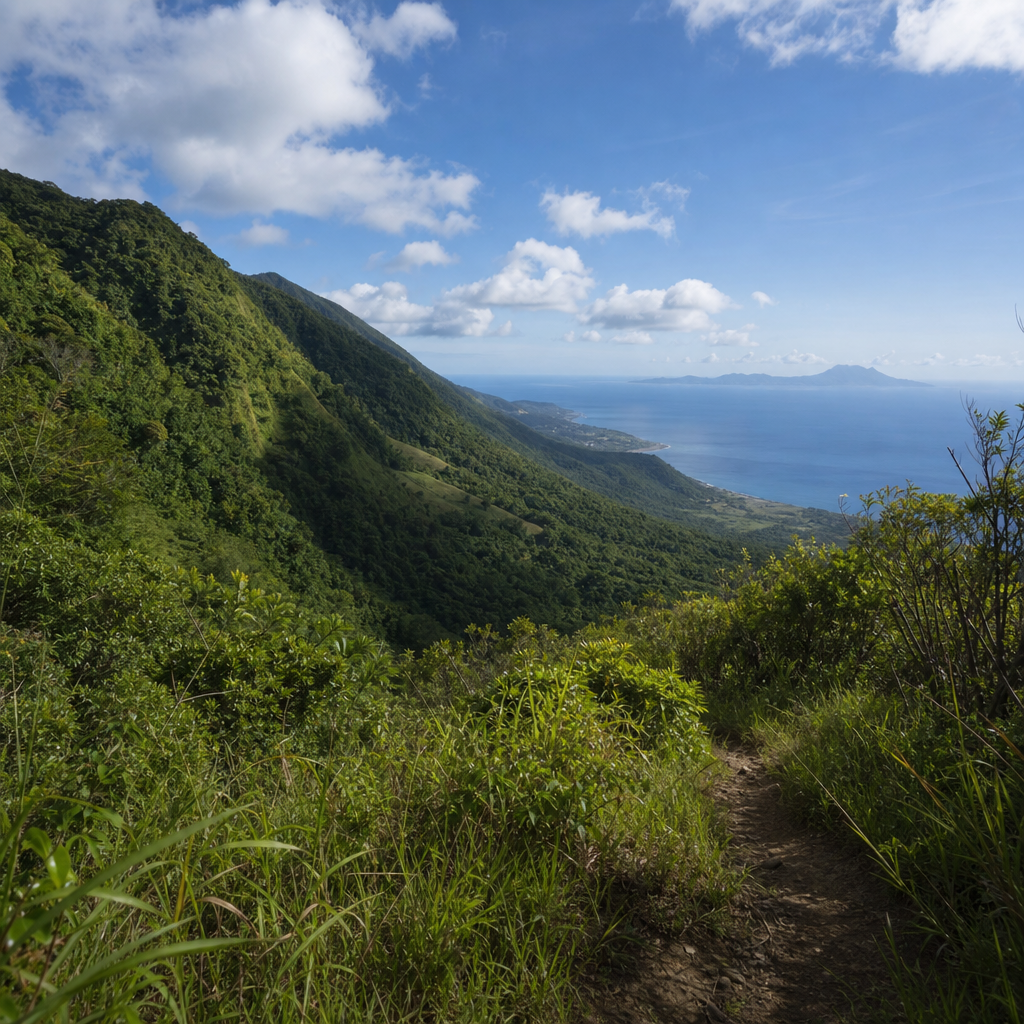
Nevis rises steeply from the sea to the forested slopes of Nevis Peak, a 985-meter volcano whose upper elevations create cooler, wetter conditions than the coast below. Those upland areas are among the island’s most important terrestrial sanctuaries because they hold remnant tropical forest, dense understory, epiphytes, and watershed vegetation that slows runoff and protects soils. In these habitats, observers regularly note green vervet monkeys, native and migratory birds, bats that pollinate and disperse seeds, and invertebrates that sustain food webs. The monkey population is not native to Nevis, but it has become a defining part of the visible wildlife landscape and a management consideration in agriculture and tourism alike.
Below the mountain, drier lowland zones support thorn scrub, grassland pockets, cultivated areas, and seasonal ghauts. These transitional landscapes often get less attention than forests or reefs, yet they function as ecological connectors. Small birds forage there, reptiles use the heat and cover, and insects move between flowering plants and agricultural plots. On islands, edge habitats matter because wildlife rarely stays within neat boundaries. A bird might roost upslope, feed in a wetland, and shelter in a coastal tree line within the same day. That is why effective sanctuary planning on Nevis must account for corridors and seasonal movement, not just isolated scenic sites.
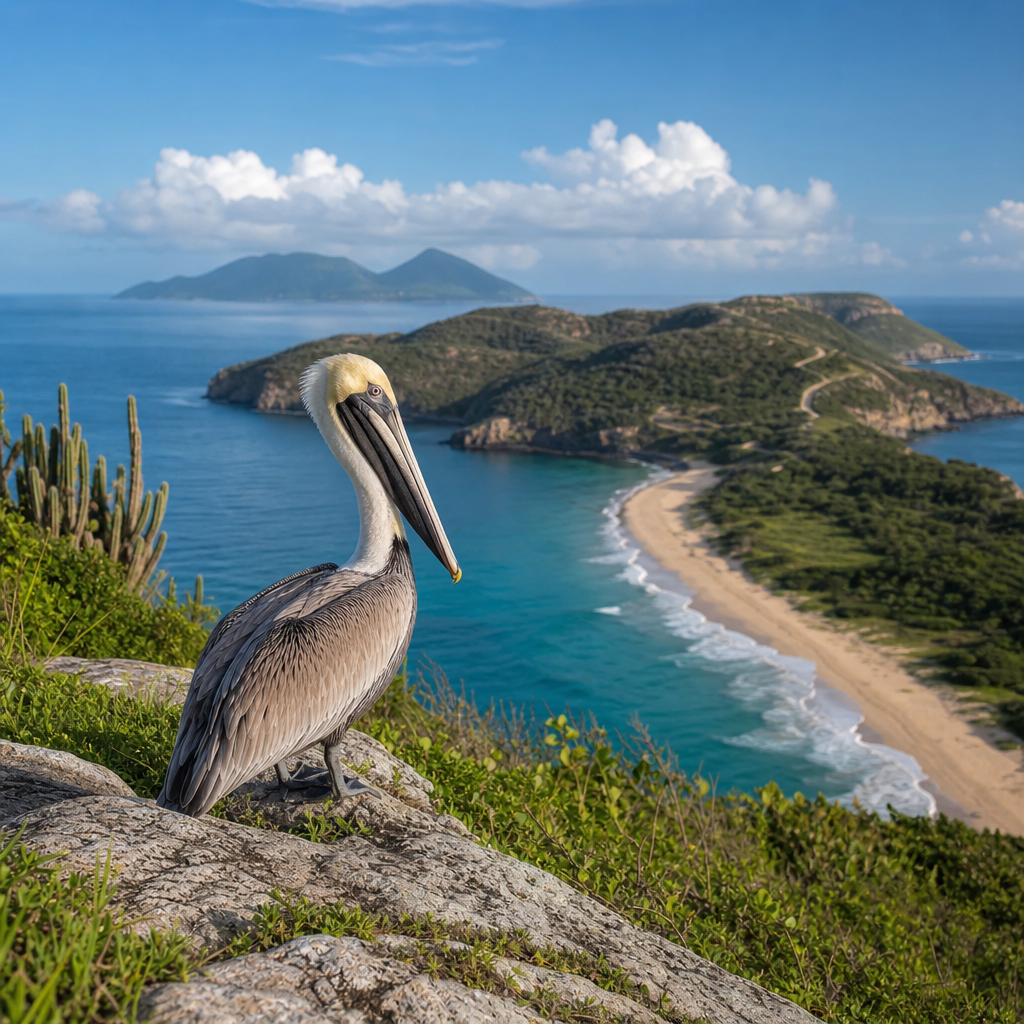
Coastal wetlands and salt pond systems are especially valuable. Across the eastern Caribbean, ponds, marshes, and mangrove-fringed inlets provide feeding and resting habitat for herons, egrets, plovers, sandpipers, terns, and other migratory birds using the Atlantic flyway. On Nevis, these areas also buffer storm surge, filter sediment, and support juvenile marine life. When wetlands are filled, dredged, or polluted, the damage extends offshore. Sediment and nutrient loading can reduce water clarity, stress seagrass beds, and undermine coral health. In other words, a bird sanctuary and a reef sanctuary are often the same system viewed from different angles.
Marine sanctuaries around Nevis include coral reefs, seagrass meadows, and nearshore waters used by sea turtles. Hawksbill, green, and leatherback turtles are among the species associated with the wider Eastern Caribbean, with nesting and foraging depending on beach quality and marine habitat condition. Coral structures support reef fish, spiny lobster, urchins, and countless smaller organisms. Seagrass beds are nurseries for juvenile fish and feeding grounds for turtles. Because these systems are interconnected, damage to anchoring sites, sewage management, overfishing, or careless snorkeling can reduce biodiversity quickly. Healthy marine habitat is not a luxury add-on to Nevis’ landscape; it is one of the island’s core wildlife sanctuaries.
How protection works on a small Caribbean island
On large continental destinations, wildlife conservation can rely on vast remote reserves. Nevis operates differently. Protection is shaped by land tenure, coastal planning, marine regulation, heritage concerns, and practical community enforcement. The island’s conservation framework sits within the federation of Saint Kitts and Nevis, where environmental management typically involves public agencies, planning authorities, fisheries oversight, tourism stakeholders, and civil society groups. In practice, successful protection often depends less on signs and more on whether multiple actors agree that certain places should remain ecologically intact.
One useful way to understand Nevis is to separate formal protection from functional protection. Formal protection refers to legally recognized areas, regulations, and permit systems. Functional protection refers to habitats that stay relatively healthy because they are difficult to access, lightly developed, traditionally respected, or actively monitored by local advocates. I have seen this pattern on many islands: a remote beach with turtle nests may survive because nearby residents report disturbances, while a technically protected site can degrade if enforcement is weak. Real conservation outcomes come from management capacity, not labels alone.
Standards used internationally help explain what good sanctuary management should include. The International Union for Conservation of Nature emphasizes protected area governance, ecological integrity, and long-term conservation objectives. For wetlands, the Ramsar framework highlights wise use and habitat value for waterbirds. For marine systems, reef monitoring commonly draws on indicators such as live coral cover, herbivorous fish populations, macroalgae levels, and water quality. Nevis benefits when local decisions align with these established principles, even if every site is not designated under a famous international banner.
| Sanctuary type | Key habitats on Nevis | Wildlife value | Main management priorities |
|---|---|---|---|
| Upland terrestrial | Cloud forest, moist slopes, ghauts | Birds, bats, pollinators, watershed species | Erosion control, trail management, invasive plant monitoring |
| Coastal wetland | Ponds, marsh edges, mangrove zones | Migratory birds, juvenile fish, crustaceans | Drainage control, pollution prevention, setback enforcement |
| Nesting beach | Quiet sandy shorelines | Sea turtle nesting and hatchling success | Light reduction, access limits, predator control |
| Marine nearshore | Coral reefs, seagrass, rocky bottoms | Reef fish, turtles, lobster, invertebrates | Moorings, fisheries rules, water quality, visitor education |
For readers asking who actually preserves these spaces, the answer is a mix of government, local organizations, tourism operators, fishers, landowners, and residents. Conservation on Nevis is collaborative by necessity. A hotel can protect a nesting beach through lighting controls. Fishers can support sanctuary health by respecting seasonal closures or no-take rules. Hikers and guides can reduce trail erosion and wildlife disturbance. Schools can turn bird counts and beach cleanups into long-term stewardship. When these efforts connect, sanctuaries become durable. When they do not, ecological losses accumulate quietly until restoration is far more expensive than prevention.
Pressures facing Nevis’ wildlife sanctuaries
The most persistent threat is development pressure along the coast. Beachfront land on a scenic Caribbean island is economically valuable, and construction can fragment nesting habitat, increase artificial lighting, alter drainage, and harden shorelines. Sea turtles are particularly sensitive to bright beachfront lighting because hatchlings orient toward the brightest horizon. When villas, roads, or event spaces glow at night, hatchlings can move inland instead of toward the sea, dramatically lowering survival. Coastal engineering can also narrow beaches over time, especially where seawalls interrupt natural sand movement.
Invasive species create another layer of risk. Across Caribbean islands, rats, mongoose, feral cats, and invasive plants have affected nesting birds, reptiles, and native vegetation. On Nevis, as elsewhere, small islands magnify these impacts because wildlife populations do not have much room to recover. Predation on eggs and hatchlings, browsing on native plants, and competition for habitat can shift entire ecological balances. Managing invasive species is rarely glamorous, but it is one of the most effective sanctuary interventions available.
Climate change intensifies every existing pressure. Warmer seas contribute to coral bleaching, while stronger hurricanes can strip vegetation, flood wetlands with saltwater, and reshape beaches in a single season. More erratic rainfall can increase erosion on disturbed hillsides, sending sediment downslope into reefs. Even forests are affected, because storm-damaged canopy opens paths for invasive plants and changes moisture conditions. For Nevis, resilience means protecting intact habitats now so they can absorb shocks later. A degraded sanctuary has little buffer; a healthy one can recover.
Pollution is often underestimated because it is less visible than bulldozers. Sediment runoff from construction, untreated wastewater, plastics, abandoned fishing gear, and nutrient enrichment all degrade habitat quality. Coral reefs need clear, low-nutrient water. Wetlands need natural hydrology. Birds and turtles need shorelines free of entanglement hazards. The practical lesson is simple: sanctuary preservation is not only about setting land aside. It requires better waste management, drainage planning, and routine maintenance of the built environment surrounding those habitats.
What responsible visitors and local communities can do
Travelers can make a measurable difference on Nevis because visitor behavior directly affects wildlife on trails, beaches, and boats. Stay on marked paths in upland areas to prevent erosion and avoid trampling vegetation. Keep distance from nesting turtles and shorebirds, and never use flash photography at night on nesting beaches. Choose dive and snorkel operators that use moorings instead of anchoring on reefs. Use reef-safe sun protection where possible, avoid feeding wildlife, and support accommodations that reduce beachfront lighting during turtle season. These are not symbolic gestures; they reduce real stress on sensitive habitats.
Residents and businesses have even greater influence. Landscaping with native or well-adapted species can support pollinators and reduce runoff. Proper septic maintenance and wastewater management protect coastal water quality. Farmers can minimize erosion with contour planting, ground cover, and careful chemical use upslope from ghauts and wetlands. Restaurants and hotels can cut single-use plastics that often end up in nearshore habitats. Community science also matters. Bird monitoring, turtle patrols, reef surveys using protocols such as Reef Check, and school-based habitat restoration all generate data and public ownership.
For a miscellaneous hub within Nature and Wildlife, the main point is breadth: Nevis’ sanctuaries are linked to birding, hiking, marine life, conservation travel, ecological history, and environmental policy. Readers exploring this subtopic should see each related article as part of one system. A guide to Nevis birds connects to wetland protection. A feature on sea turtles connects to beachfront lighting and fisheries stewardship. A trail article connects to watershed protection on Nevis Peak. This hub sits at the center of those pathways, giving the subtopic a coherent conservation lens.
The future of sanctuary preservation on Nevis
Nevis is well positioned to strengthen wildlife conservation because the island is still relatively compact, scenic, and capable of coordinated management. The most effective next steps are clear: map and prioritize critical habitats, enforce coastal setbacks, expand marine monitoring, control invasive species, and integrate conservation standards into tourism and land-use approvals. Better baseline data would help, especially for bird populations, reef condition, turtle nesting activity, and wetland change over time. Without measurement, management becomes guesswork.
Technology can help, but only if matched with local commitment. Drones can monitor coastline change, GPS mapping can document habitat boundaries, and water-quality sampling can identify runoff hotspots. Yet the decisive factor remains stewardship. Islands protect wildlife best when residents understand that sanctuaries are infrastructure, not scenery alone. Forests protect water. Reefs protect shorelines. Wetlands absorb floods. Beaches support turtles and tourism simultaneously. Once that link is accepted, preservation stops looking like a restriction and starts looking like sound island management.
Nevis’ wildlife sanctuaries preserve far more than animals. They preserve ecological services, landscape character, and the living experiences that make the island distinctive within the Caribbean. The essential takeaway is straightforward: conservation on Nevis depends on protecting a network of upland, coastal, wetland, and marine habitats that work together. If you are building a deeper understanding of Nevis under the Nature and Wildlife umbrella, use this hub as your starting point, then explore the related articles on birds, marine life, forests, beaches, and conservation practices that keep these sanctuaries alive for the next generation.
Frequently Asked Questions
What makes Nevis’ wildlife sanctuaries so important despite the island’s small size?
Nevis’ wildlife sanctuaries matter precisely because the island is small. On a compact volcanic island, habitats that might be widely separated in larger countries exist close together and depend heavily on one another. Cloud forest on higher slopes helps capture moisture, stabilize soils, and regulate water flow. Lower hillside woodland and dry coastal scrub provide shelter and feeding areas for birds, insects, reptiles, and small terrestrial species. Wetlands and ponds support migratory birds and other water-dependent life, while offshore reefs and seagrass beds protect shorelines, nurture marine biodiversity, and connect to coastal ecosystems through nutrient cycles and fisheries.
Because there is limited land to absorb disturbance, even small-scale habitat loss can have outsized consequences. A single damaged wetland, fragmented forest patch, or disturbed nesting beach may remove a critical link in the island’s ecological network. Wildlife sanctuaries help prevent that by setting aside areas where conservation comes first and harmful activities are controlled. They preserve not only individual species, but also the ecological processes that allow the island to function, including pollination, seed dispersal, erosion control, water retention, and coastal protection.
In practical terms, sanctuaries on Nevis are essential insurance for biodiversity. They protect rare and native species, support migratory wildlife that depends on safe stopover habitat, and reduce the risk that development pressures permanently erase ecosystems that cannot easily be replaced elsewhere on the island. For residents and visitors alike, these protected areas also safeguard scenic beauty, research opportunities, environmental education, and the natural character that makes Nevis distinct within the Caribbean.
What kinds of habitats and wildlife do Nevis’ sanctuaries help protect?
Nevis’ sanctuaries protect a surprisingly broad range of habitats for such a small island. Higher elevations include moist forest and cloud forest environments, which are important for water capture, temperature regulation, and specialized plant and animal life. Mid-elevation slopes may contain secondary forest, woodland, and regenerating habitat that still plays a major role in supporting birds, insects, and native vegetation. Along the coast, dry scrub and littoral vegetation are especially valuable because they are often under pressure from construction and land clearing, yet they provide nesting, shelter, and feeding space for many species adapted to salt, wind, and seasonal dryness.
Wetlands, ponds, and mangrove-influenced coastal zones are another major focus of protection. These areas support resident and migratory birds, juvenile fish, invertebrates, amphibious life, and complex food webs. Nesting beaches and quiet shorelines may also be safeguarded because they offer sensitive habitat for marine life and shorebirds. Just offshore, coral reefs, rocky coastal waters, and seagrass systems can be tied closely to sanctuary goals, since healthy marine habitats are deeply connected to the health of beaches and nearshore ecosystems.
As for wildlife, Nevis supports a mix of resident and migratory birds, reptiles, pollinators, marine organisms, and native plant communities that benefit from protected management. Some species may rely on one habitat throughout their lives, while others move among forests, wetlands, beaches, and reef environments depending on season or life stage. That is why sanctuary protection tends to focus on whole ecosystems rather than a single charismatic species. By keeping habitats intact, reducing disturbance, and preserving ecological connectivity, sanctuaries create the conditions wildlife needs to breed, feed, rest, and adapt over time.
How do wildlife sanctuaries on Nevis balance conservation with tourism and recreation?
Effective wildlife sanctuaries do not necessarily exclude people altogether, but they do manage human activity carefully. On Nevis, the goal is usually to allow low-impact enjoyment of nature while preventing the kinds of disturbance that degrade habitats or disrupt wildlife behavior. That means activities such as guided walks, birdwatching, photography, and environmental education may be appropriate in some areas, especially when trails, viewing points, and visitation rules are designed to limit trampling, noise, litter, and off-trail damage.
The balance comes from zoning, seasonal restrictions, and practical management. Sensitive nesting beaches may need temporary closures during breeding periods. Wetland edges may require buffer zones to keep people from disturbing feeding birds. Forest sanctuaries might limit group sizes or prohibit collection of plants and animals. In marine-adjacent areas, rules may govern anchoring, fishing, reef access, and waste disposal. These measures are not obstacles to tourism; they are what make nature-based tourism sustainable over the long term.
When managed well, sanctuaries actually strengthen Nevis’ tourism appeal. Many travelers are increasingly interested in authentic, conservation-minded experiences rather than purely high-volume recreation. Protected natural areas offer exactly that: quiet landscapes, wildlife observation, scenic trails, and the chance to understand the island beyond its beaches. Responsible visitation can also generate support for conservation through entrance fees, guided tours, local employment, and public awareness. The key principle is simple: recreation should fit the needs of the ecosystem, not force the ecosystem to absorb unlimited recreation.
What are the biggest threats facing Nevis’ wildlife sanctuaries?
The main threats are the same pressures that affect many islands, but on Nevis they can be more intense because there is so little room for ecological loss. Habitat conversion is one of the most serious issues. Construction, road expansion, land clearing, and poorly planned coastal development can fragment forests, disturb wetlands, and eliminate native vegetation that wildlife depends on. Once small habitats are broken up, species may lose breeding sites, feeding grounds, and the safe movement corridors that connect one area to another.
Invasive species are another major concern. Non-native plants can outcompete native vegetation, changing habitat structure and reducing food sources for local wildlife. Introduced predators or opportunistic animals may threaten nesting birds, reptiles, and other vulnerable species, particularly in coastal or ground-nesting environments. Pollution also poses risk, whether from runoff, sedimentation, plastics, sewage, or chemicals. On an island, pollutants can move quickly from upland areas to wetlands, beaches, and reefs, linking land-based decisions directly to marine damage.
Climate-related pressures add another layer of urgency. Stronger storms, erosion, sea-level rise, heat stress, altered rainfall patterns, and coral reef decline can all weaken already limited ecosystems. Dry periods may strain freshwater-dependent habitats, while intense rain can increase runoff and landslides. At the same time, overuse by visitors, illegal dumping, unauthorized extraction, or unmanaged access can gradually erode the ecological value of protected sites even without large-scale development. This is why active management matters so much. A sanctuary is not protected by name alone; it requires monitoring, enforcement, restoration, and community support to remain effective.
How can residents and visitors help protect Nevis’ wildlife sanctuaries?
The most helpful step is to treat protected areas as living ecosystems, not just scenic places. Visitors should stay on marked trails, respect barriers and seasonal closures, avoid disturbing wildlife, and never remove plants, shells, coral, or other natural materials. On beaches and in coastal areas, keeping noise low, minimizing nighttime light, and giving nesting or resting animals plenty of space can make a real difference. Reef-safe behavior matters too, including not stepping on coral, not anchoring irresponsibly, and not leaving any trash behind.
Residents play an equally important role through everyday decisions. Supporting proper waste disposal, reducing runoff, preserving native vegetation on private land, and reporting illegal dumping or habitat destruction all contribute to sanctuary health. Community involvement in cleanups, restoration projects, bird counts, school programs, and local conservation initiatives can strengthen long-term stewardship. Because Nevis is small, local action has visible impact. Protecting one ghaut, one wetland edge, or one coastal strip can improve conditions across a much wider ecological area.
It also helps to support businesses, guides, and policies that value sustainability over short-term exploitation. Choosing responsible tour operators, learning about the island’s habitats, and encouraging development that respects ecological limits all reinforce the purpose of wildlife sanctuaries. Ultimately, conservation on Nevis works best when people understand that protected areas are not isolated parcels of land. They are part of a connected island system that supports biodiversity, water resources, fisheries, climate resilience, and the natural heritage that residents and visitors both depend on.