Saint Kitts has become an instructive case in global sustainable tourism because it combines small-island vulnerability, strong cultural identity, and practical policy choices that shape how visitors interact with nature, communities, and the local economy. Sustainable tourism means managing travel so that environmental resources are protected, cultural heritage is respected, and economic benefits remain durable for residents rather than leaking outward through imports, foreign ownership, or short-term extraction. In the Caribbean, where tourism often drives GDP, jobs, and foreign exchange, this balance is not abstract. It determines reef health, water security, disaster resilience, heritage preservation, and whether young people can build careers without leaving home. I have worked on tourism content and destination strategy long enough to see a recurring pattern: places that treat sustainability as branding alone struggle, while places that connect policy, community participation, and visitor education perform better over time. Saint Kitts matters because it is small enough for decisions to show visible results yet internationally connected enough to influence how other islands think about cruise tourism, hotel development, protected areas, and authentic local experience. As a hub topic within sustainable tourism, Saint Kitts opens discussion on climate adaptation, marine management, agriculture-tourism linkages, community enterprises, heritage interpretation, transport emissions, certification standards, and the difficult tradeoffs between growth and carrying capacity.
The island is part of the Federation of Saint Kitts and Nevis, located in the Lesser Antilles, and its tourism identity extends beyond beaches into rainforest hiking, colonial history, railway excursions, yachting, and festivals such as Sugar Mas. That diversity is important. A destination with multiple attractions can distribute visitor spending and reduce pressure on a single ecosystem or district. Sustainable tourism in Saint Kitts therefore is not one project or one hotel standard. It is a network of decisions about land use, waste, energy, local sourcing, shoreline protection, visitor flow, and community benefit. For travelers, investors, policymakers, and researchers, the island offers a practical lens on what responsible tourism looks like in a climate-exposed, resource-constrained, culturally rich destination.
Why Saint Kitts matters in the global sustainable tourism conversation
Saint Kitts matters globally because many of the tourism challenges it faces are shared by island destinations worldwide: limited land, high import dependence, fragile coastal ecosystems, and exposure to hurricanes, sea-level rise, and coral stress. The World Travel and Tourism Council and the UN World Tourism Organization have long emphasized that islands must link tourism growth to resilience and community value. In Saint Kitts, that principle is visible in the need to protect beaches that support hotels, mangroves that buffer storms, and reefs that attract divers while also sustaining fisheries. When one environmental asset degrades, the tourism economy and local livelihoods both weaken.
The island also illustrates a broader shift from volume-based tourism to value-based tourism. More arrivals do not automatically mean better outcomes. Cruise passengers may produce large headline numbers, but overnight visitors usually generate more spending per person across lodging, dining, transport, tours, and retail. Sustainable destination management asks a harder question: which visitor mix creates stable jobs and lower ecological strain? Saint Kitts has had to navigate that exact issue, especially as Caribbean ports compete for cruise calls while trying to maintain resident quality of life and protect waterfront areas.
Environmental stewardship as the foundation of destination value
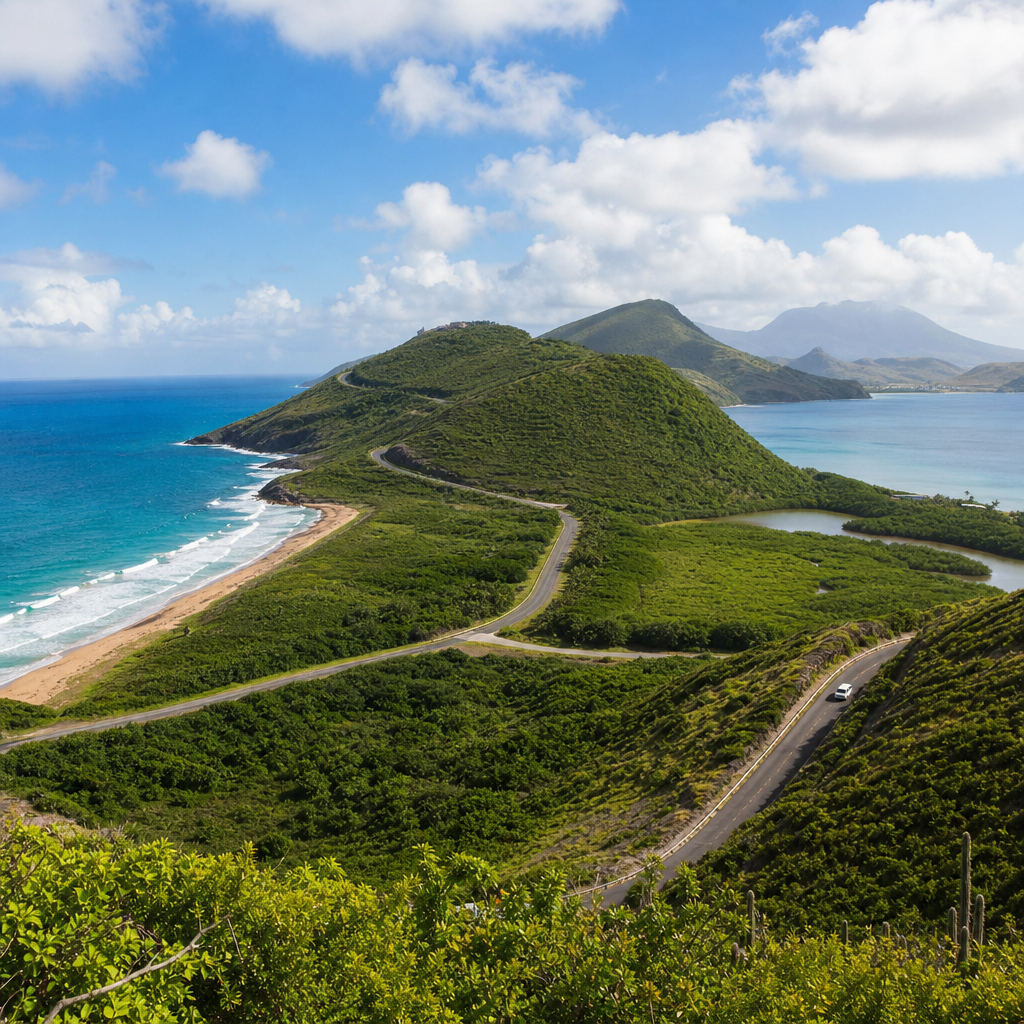
Environmental stewardship is the base layer of sustainable tourism in Saint Kitts because the island’s tourism product depends directly on healthy landscapes and seascapes. Rainforests in the central mountains support hiking, birdlife, watershed functions, and cooler inland microclimates. Coastal areas support beach tourism, turtle habitats, and marine recreation. Brimstone Hill Fortress National Park, a UNESCO World Heritage Site, depends on careful landscape management because erosion, invasive species, and unchecked development can diminish both the site and the visitor experience.
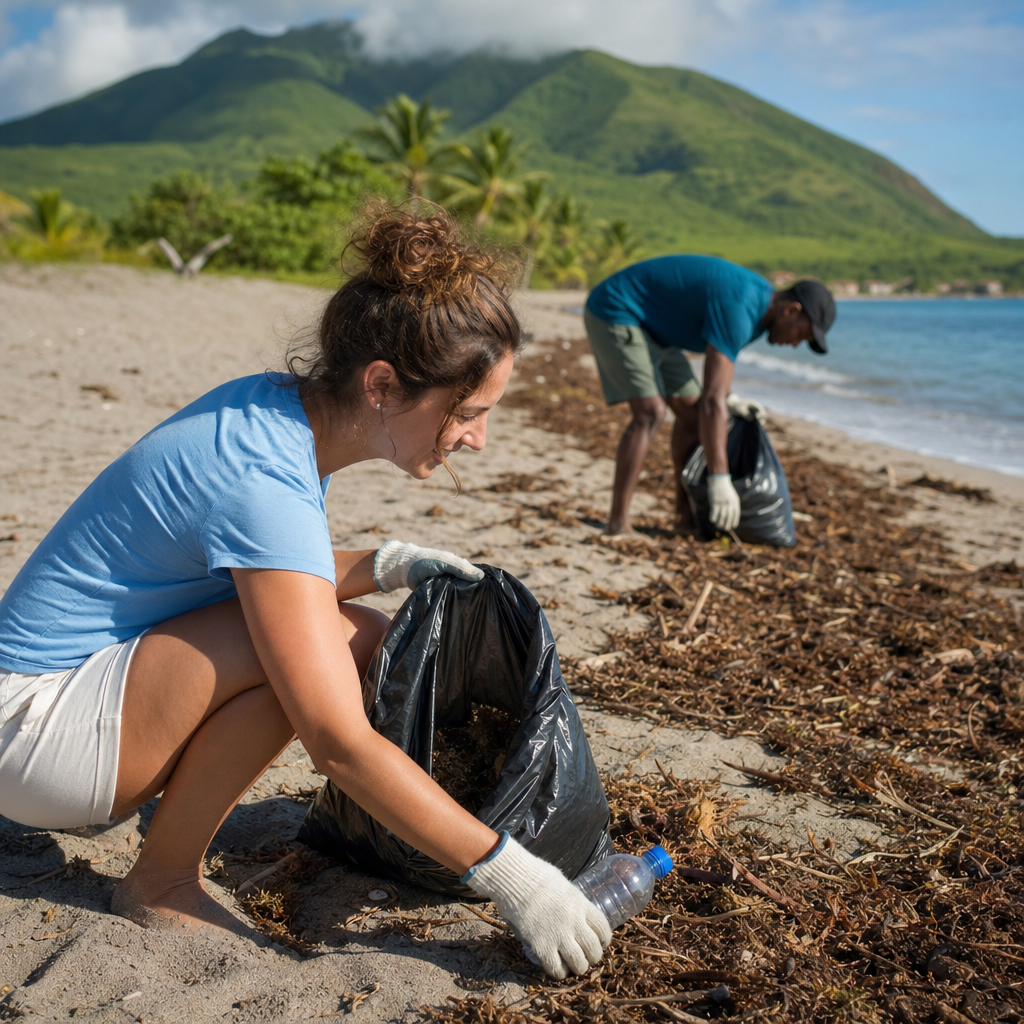
In practice, sustainability on the island means controlling runoff, limiting habitat destruction, improving waste collection, and addressing sewage and plastics before they reach nearshore waters. Coral reefs are especially sensitive. Sedimentation from construction, anchor damage, overfishing, and warming seas all reduce reef resilience. Once reefs degrade, snorkeling quality declines, fish abundance falls, and coastlines lose natural protection. That is why marine conservation is not separate from tourism strategy. It is tourism strategy.
Hotels and tour operators also influence outcomes through concrete operating choices: low-flow fixtures reduce pressure on freshwater supplies, solar water heating cuts fuel use, linen reuse programs lower water and detergent consumption, and reef-safe excursion practices reduce physical damage to marine habitats. These are basic interventions, but across a destination they accumulate into measurable gains. On a small island, bad practice is visible quickly, and so is improvement.
Heritage, culture, and community benefit
Sustainable tourism in Saint Kitts is not only about ecosystems. It is also about who tells the island’s story and who earns from that storytelling. The island’s history includes Indigenous presence, colonization, sugar plantation economies, enslavement, emancipation, and post-sugar economic transition. Sites such as Brimstone Hill, old estates, churches, and railway corridors gain value when interpretation is accurate, locally informed, and connected to living culture rather than presented as a sanitized backdrop.
Community benefit grows when local guides, artists, musicians, farmers, and small business owners participate directly in tourism value chains. I have seen destinations lose credibility when souvenir shops stock imported products while local crafts remain marginal. Saint Kitts has a stronger sustainability story when food tours feature Kittitian dishes, when festivals are treated as cultural assets rather than visitor spectacles, and when rural communities share in excursion revenue from hiking, heritage walks, and farm visits. Cultural sustainability depends on fair participation, not just preservation language.
This is also where tourism can support social resilience. If younger residents see viable careers in guiding, hospitality management, heritage conservation, culinary entrepreneurship, or environmental monitoring, tourism becomes a platform for long-term development. If they see mostly seasonal low-wage work with limited advancement, sustainability claims ring hollow.
Economic resilience and the local supply chain
One of the most practical tests of sustainable tourism is whether money circulates locally. Import-heavy hotel models can create attractive resorts while retaining only a thin share of spending on the island. Saint Kitts improves its tourism resilience when accommodation providers buy from local farmers, fisheries, transport firms, maintenance contractors, and creative professionals. Farm-to-table sourcing reduces leakage, shortens supply chains, and gives visitors a stronger sense of place.
There are limitations, and they matter. Small islands cannot produce every item at competitive scale, and weather shocks can disrupt local agriculture. Sustainable planning therefore is not about eliminating imports. It is about increasing feasible local procurement in categories such as fresh produce, seafood, baked goods, beverages, landscaping, furniture, and cultural programming. Training and quality standards help bridge the gap between hospitality requirements and local supplier capacity.
| Tourism area | Sustainable practice in Saint Kitts | Primary benefit |
|---|---|---|
| Hotels | Local food sourcing and energy efficiency | Lower leakage and reduced operating emissions |
| Cruise sector | Managed shore excursions and vendor regulation | Better visitor distribution and community income |
| Marine tourism | Mooring use and reef-safe guiding standards | Less habitat damage and stronger dive appeal |
| Heritage attractions | Local interpretation and conservation funding | Authentic storytelling and asset preservation |
| Rural communities | Farm visits, craft sales, and guided trails | Income diversification and cultural continuity |
This local-circulation lens is crucial for understanding Saint Kitts’ role as a hub within sustainable tourism. It connects to wider subjects including destination governance, inclusive growth, procurement policy, microenterprise development, and visitor spending analysis. A destination is more resilient when tourism revenue reaches many hands rather than a narrow cluster of external operators.
Cruise tourism, carrying capacity, and infrastructure pressure
Saint Kitts is a recognized Caribbean cruise stop, which creates both opportunity and strain. Cruise tourism can deliver significant same-day foot traffic for retail, taxis, attractions, and food vendors. It can also congest historic districts, overburden waste systems, compress the visitor experience into a few crowded hours, and leave limited net spending compared with land-based tourism. Sustainable management therefore depends on carrying capacity: the number of visitors a site, town, beach, or transport network can absorb without degrading environment, infrastructure, or resident satisfaction.
Carrying capacity is not a single number. It changes with weather, season, staffing, transport flow, and the sensitivity of the site. For Saint Kitts, good management can include staggered excursions, investment in pedestrian-friendly port areas, dispersal of visitors beyond the waterfront, and clear standards for taxis, guides, beach operators, and waste handling. The objective is not to reject cruise tourism outright. It is to shape it so that local businesses benefit while sensitive places are protected and residents do not feel displaced from their own public spaces.
This question matters globally because many island destinations are now reconsidering tourism success metrics. Ports once celebrated by raw arrival counts are increasingly judged by per-visitor value, congestion management, and resident sentiment. Saint Kitts is part of that broader evolution.
Climate adaptation, standards, and the path forward
No discussion of Saint Kitts and sustainable tourism is complete without climate adaptation. Hotter temperatures, stronger storms, coastal erosion, bleaching events, and water stress are direct business risks for tourism operators. Resilient tourism planning includes stronger building codes, setback rules in vulnerable coastal zones, rainwater harvesting, backup energy systems, shade and heat management, and emergency preparedness aligned with regional disaster frameworks. The Caribbean Tourism Organization and the Caribbean Hotel and Tourism Association have repeatedly emphasized resilience because recovery speed often determines whether tourism jobs and investor confidence survive a shock.
Standards also matter. Properties that align with recognized environmental management practices, measure energy and water use, train staff, and report improvements are usually better prepared for both regulation and market demand. Tools such as GSTC-aligned criteria, Green Key style operational benchmarks, and ISO-informed management systems give destinations a common language for performance. Certification alone does not guarantee sustainability, but measurement beats vague intention every time.
For Saint Kitts, the path forward is practical: protect marine and heritage assets, increase local sourcing, manage cruise flow, improve waste and water systems, support community enterprises, and embed climate resilience into every new tourism investment. The island’s importance in global sustainable tourism lies in its clarity. It shows that sustainability is not a side program for marketing teams. It is the operating system of a destination. Travelers can support that model by choosing locally owned experiences, respecting ecosystems, and spending in ways that strengthen communities. If you are researching sustainable tourism, use Saint Kitts as a benchmark and explore the connected topics that shape responsible travel outcomes across island destinations.
Frequently Asked Questions
Why is Saint Kitts considered an important example in global sustainable tourism?
Saint Kitts is often viewed as an important example because it shows how a small island destination can balance tourism growth with environmental protection, cultural preservation, and local economic participation. Its relevance comes from the fact that small islands are especially vulnerable to climate change, coastal erosion, habitat loss, and economic shocks, yet they also depend heavily on tourism for jobs and foreign exchange. In that setting, Saint Kitts demonstrates why sustainability cannot be treated as a marketing slogan. It has to shape decisions about land use, water management, waste reduction, energy use, heritage conservation, and the kinds of visitor experiences being promoted.
What makes Saint Kitts especially instructive is the way its identity influences tourism strategy. The island is not simply selling beaches; it is presenting a living mix of natural landscapes, historical landmarks, community traditions, and local enterprise. That broader approach helps reduce overreliance on a narrow form of mass tourism and encourages visitors to engage more responsibly with the destination. In global discussions about sustainable tourism, Saint Kitts matters because it reflects a practical reality many countries face: growth is important, but growth that damages ecosystems, sidelines residents, or weakens cultural authenticity is ultimately self-defeating. Its experience helps illustrate how tourism can be designed to create longer-term value rather than short-term volume.
How does Saint Kitts protect its natural environment while still welcoming visitors?
Saint Kitts supports sustainable tourism by recognizing that its natural assets are not separate from tourism; they are the foundation of it. Beaches, marine ecosystems, forests, scenic volcanic terrain, and biodiversity all contribute directly to the visitor experience. Protecting those resources therefore becomes both an environmental responsibility and an economic necessity. In practice, this means encouraging forms of tourism that place lower pressure on fragile ecosystems, promoting better management of coastal areas, and increasing awareness among both businesses and travelers about conservation.
Environmental protection in a destination like Saint Kitts also involves managing the hidden pressures tourism can create. Hotels and cruise activity can increase demand for water and energy, generate more solid waste, and put stress on reefs and shorelines. Sustainable tourism policy seeks to reduce those impacts through smarter planning, improved infrastructure, and operational standards that encourage efficiency and stewardship. Just as importantly, the island’s approach underscores that visitor access should not come at the expense of ecological resilience. A healthy reef, a clean coastline, and well-preserved landscapes are not only attractive to travelers; they also support fisheries, protect communities, and strengthen climate resilience. That is why Saint Kitts’ role in sustainable tourism is closely tied to the idea that conservation and tourism success should reinforce one another rather than compete.
What role does culture and heritage play in Saint Kitts’ sustainable tourism model?
Culture and heritage are central to Saint Kitts’ sustainable tourism model because they help ensure that tourism reflects the island’s real character instead of replacing it with a generic resort experience. Sustainable tourism is not only about protecting the environment; it is also about respecting the stories, traditions, architecture, music, foodways, and historical memory of the host community. In Saint Kitts, cultural identity gives tourism depth and distinctiveness. It allows visitors to connect with the island through meaningful experiences while helping residents maintain ownership over how their heritage is shared and valued.
This matters for sustainability because destinations that preserve and interpret their culture well are often better positioned to avoid the social costs of poorly managed tourism. When local history and traditions are treated as assets rather than background decoration, tourism can support heritage sites, community events, local artisans, culinary producers, and cultural education. That creates broader economic participation and strengthens pride in place. It also helps protect authenticity, which is increasingly important to travelers looking for experiences that are rooted in local reality. Saint Kitts offers a useful lesson internationally: sustainable tourism works best when communities are not passive backdrops for visitors, but active participants whose heritage shapes the tourism product itself.
How does sustainable tourism benefit local communities and the economy in Saint Kitts?
One of the biggest goals of sustainable tourism in Saint Kitts is to make sure that tourism benefits remain durable and widely shared within the local economy. This is especially important because tourism can sometimes create impressive visitor numbers without producing equally strong gains for residents. Money may leak out through imports, foreign ownership, or business structures that keep profits offshore. A more sustainable model looks beyond arrivals and focuses on how much value stays on the island through local employment, local sourcing, small business development, and community-based enterprise.
For Saint Kitts, that means tourism is most successful when it creates linkages with farmers, fishers, craft makers, guides, transport providers, cultural performers, and locally owned hospitality businesses. The stronger those linkages are, the more tourism spending circulates through the domestic economy rather than quickly leaving it. Sustainable tourism also encourages a more resilient labor market by supporting skills development and creating opportunities in areas tied to conservation, heritage management, hospitality quality, and entrepreneurship. At the community level, the benefits can include improved public spaces, stronger cultural programming, and greater incentive to preserve environmental resources that directly support livelihoods. In the global conversation, Saint Kitts helps show that tourism should not be judged only by how many people visit, but by whether local people gain stable, long-term value from those visits.
What can other destinations learn from Saint Kitts’ approach to sustainable tourism?
Other destinations can learn that sustainable tourism is most effective when it is integrated into the broader development strategy of a place, rather than treated as a separate niche. Saint Kitts demonstrates that sustainability works best when environmental policy, cultural preservation, community inclusion, and economic planning are connected. Small islands, coastal regions, and heritage-rich destinations around the world face similar questions: how to attract visitors without overbuilding, how to protect identity while modernizing, and how to ensure that tourism strengthens rather than weakens local resilience. Saint Kitts offers a practical example of addressing those questions through deliberate choices about what kind of tourism to encourage and what outcomes matter most.
Another key lesson is that vulnerability can become a source of leadership. Because Saint Kitts must think carefully about resource limits, climate pressures, and economic dependence, it highlights issues that many larger destinations are now being forced to confront as well. Its experience suggests that sustainable tourism is not just for eco-lodges or specialty travelers; it is a mainstream necessity for any destination that wants long-term competitiveness. The island also reinforces the importance of authenticity, local participation, and stewardship as strategic advantages. In short, Saint Kitts shows that a destination does not need to be large to influence global tourism thinking. By aligning visitor experiences with environmental care, cultural respect, and stronger local economic retention, it provides a model with lessons far beyond the Caribbean.