Saint Kitts is often introduced through its beaches, cruise port, and cloud-wrapped volcano, yet some of its most memorable water experiences lie away from the sand in natural pools shaped by lava rock, reef shelves, river courses, and seasonal runoff. The natural pools of Saint Kitts are scattered rather than centralized, which is why travelers miss them unless they know where to look, when to go, and how local conditions change access. In practical terms, a natural pool is any swimmable basin formed without concrete construction: a rock pool filled by the sea, a freshwater plunge pool below a small fall, or a tidal basin protected by stone. These places matter because they reveal the island’s geology, biodiversity, and community knowledge more clearly than resort infrastructure ever can. They also fit the wider Nature and Wildlife theme perfectly, connecting marine ecology, rainforest hydrology, birdlife, hiking, and low-impact exploration across this Miscellaneous hub.
Over years of planning Caribbean nature itineraries, I have found that visitors searching for “natural pools in Saint Kitts” are usually asking several questions at once. Are there safe swimming holes on the island? Which pools are saltwater and which are freshwater? Do you need a guide, a 4×4, or a hike? Is this a dry-season activity or a year-round one? The honest answer is that Saint Kitts offers a small but rewarding mix, and conditions matter more here than on islands with famous, mapped pool systems. Atlantic swell, recent rain, and trail maintenance can turn an easy stop into a place you should skip entirely. That variability is not a weakness; it is part of the appeal. Exploring hidden gems on Saint Kitts means reading the landscape, respecting private land and coastal hazards, and understanding how volcanic islands create pockets of calm water in otherwise energetic environments.
As a hub page for Miscellaneous nature experiences, this guide does more than list a few spots. It explains the main types of natural pools found around Saint Kitts, where they are generally encountered, how to evaluate conditions, what wildlife you may see, and how these sites connect with related pursuits such as coastal walks, rainforest hikes, snorkeling, photography, and heritage exploration. Some pools are best thought of as exact points on a route; others are better understood as pool zones along a shoreline or stream corridor. Because access can shift after storms and local advice is essential, the smartest approach is to use this article as a field guide framework, then confirm current conditions with hotel staff, local guides, or conservation-minded tour operators before you go.
What natural pools in Saint Kitts actually look like
Natural pools on Saint Kitts do not usually resemble the broad turquoise basins travelers know from Aruba or Madeira. On this island, they are more intimate and geologically rougher. Along the coast, wave-cut lava shelves and limestone edges can trap seawater at lower tide, creating calm pockets where small fish, crabs, sea urchins, and juvenile reef species shelter. Inland, steep ghauts and short watercourses can form freshwater basins after rain, especially on the wetter slopes influenced by Mount Liamuiga’s cloud forest. There are also semi-sheltered coves where reef structure and rock placement reduce wave energy enough to create pool-like swimming conditions. The unifying feature is not appearance but formation: these are places where natural topography slows, collects, or protects water.
The southeast peninsula gives the clearest example of coastal pool conditions. This area is dry, scenic, and dramatic, with black rock, scrub vegetation, strong Atlantic exposure on one side, and calmer Caribbean-facing water on the other. Inlets and rock shelves here can look inviting from a distance, but not every basin is safely swimmable. I advise travelers to distinguish between a photogenic tide pool, which is ideal for observation, and a true bathing pool, where water exchange, depth, footing, and exit points are manageable. On calmer days, some sheltered sections become excellent places to float and look for small marine life. On rough days, the same formations can experience surge powerful enough to knock adults off balance.
Freshwater pools are even more condition-dependent. Saint Kitts has rainforest trails, old estate routes, and volcanic ravines where rainfall gathers, but flow varies by season. After moderate rain, plunge pools can be cool, clear, and refreshing, especially after a hike in humid conditions. After heavy rain, they may become silty, fast-moving, or simply inaccessible. During dry periods, some shrink to shallow basins that are better for a foot soak than a swim. This is why maps alone are not enough. The best hidden gems are discovered through timing and local judgment rather than by chasing a pinned location online.
Where to find the best hidden pool settings
Most travelers should think in terms of regions rather than one headline site. The first region is the southeast peninsula, where volcanic rock and alternating sea conditions create the island’s strongest concentration of coastal pool scenery. Stops near viewpoints, trail pull-offs, and lesser-used coves can reveal shallow basins alive with intertidal species. The second region is the rainforest belt below Mount Liamuiga, especially where hiking routes intersect streams or old sugar estate lands. Here, pools may be small, shaded, and seasonal, but the surrounding ecology makes the visit worthwhile even when swimming is limited. The third region includes quieter coastal stretches outside Basseterre and the main resort zones, where reef protection and rocky indentations occasionally create swimmable natural basins.
| Region | Pool type | Best use | Main caution |
|---|---|---|---|
| Southeast Peninsula | Saltwater rock pools and tide basins | Scenic stops, marine observation, occasional bathing in calm weather | Atlantic surge, slippery rock, sharp edges |
| Mount Liamuiga foothills | Freshwater plunge pools and stream basins | Cooling off after hikes, photography, birdwatching | Flash runoff, muddy trails, variable depth |
| Sheltered west and north coves | Pool-like sea inlets | Gentle swimming, snorkeling entry, family exploration | Unmarked access, sea urchins, changing tide |
One useful way to plan is to pair a natural pool search with another nature outing. For example, a morning on the southeast peninsula can combine panoramic viewpoints, seabird watching, and a careful check of rock basins at lower tide. A rainforest day can include a guided hike, a stop at an old estate, and a visit to a stream pool if recent rainfall has been moderate rather than extreme. This layered approach prevents disappointment. Even if conditions are poor for swimming, you still get a strong day of nature travel.
If you want the closest thing to a guaranteed experience, choose semi-sheltered coastal sites over inland plunge pools. Freshwater basins are more magical when they are running well, but they are less predictable. Coastal pool zones, by contrast, are usually present year-round, though not always safe for immersion. The key is to value observation as much as swimming. Some of the best hidden gems in Saint Kitts are places where you spend twenty minutes watching blennies dart through a clear tide basin while brown pelicans patrol overhead.
How to assess safety, tides, and weather before entering
The most important rule is simple: never enter a Saint Kitts natural pool because it looks calm in a single moment. Watch it for several minutes. Sets of larger waves can arrive after a quiet interval, especially on exposed coasts. If you see water suddenly surging over the lip of a rock basin, or if there is no easy way to climb out, treat the spot as a lookout rather than a swimming hole. Wear footwear with grip, because lava rock and algae are both unforgiving. I have seen experienced hikers slip on surfaces that looked dry but were coated with fine spray and biofilm.
Tide height influences both access and safety. Lower tide often reveals more defined coastal pools, but very low tide can also expose sharp substrate and marine organisms that make footing difficult. Mid-tide in a sheltered basin may offer enough depth for a comfortable soak without excessive surge. Ask locally which side of the island is reading calmer that day, because wind direction changes the feel of a site quickly. If there has been heavy rain in the hills, inland pools deserve extra caution due to flash runoff and bacterial concerns from disturbed sediment or animal waste washed downstream.
Travelers with children should be selective. A true hidden gem for confident adults is not automatically suitable for families. The best family-friendly natural pool conditions are usually in sheltered sea inlets with easy exits, visible bottoms, and limited current. Avoid cliff-edged rock pools, wave channels, and any basin where a child would need to jump in or climb out unaided. Masks can improve safety by making underwater footing visible, but they do not compensate for surge. If in doubt, skip the swim and enjoy the site from shore.
Wildlife and ecology around Saint Kitts natural pools
These pools are not just swimming spots; they are ecological windows. In coastal basins, you may find juvenile parrotfish, sergeant majors, gobies, hermit crabs, chitons, sea anemones, and occasionally small octopus using crevices for shelter. Because isolated pools can be nurseries or stress zones depending on temperature and oxygen, responsible behavior matters. Do not remove shells, overturn rocks unnecessarily, or chase trapped fish. Sunscreen should be reef-safe if you plan to enter marine areas, and even then, applying it well before swimming reduces direct contamination in small water volumes.
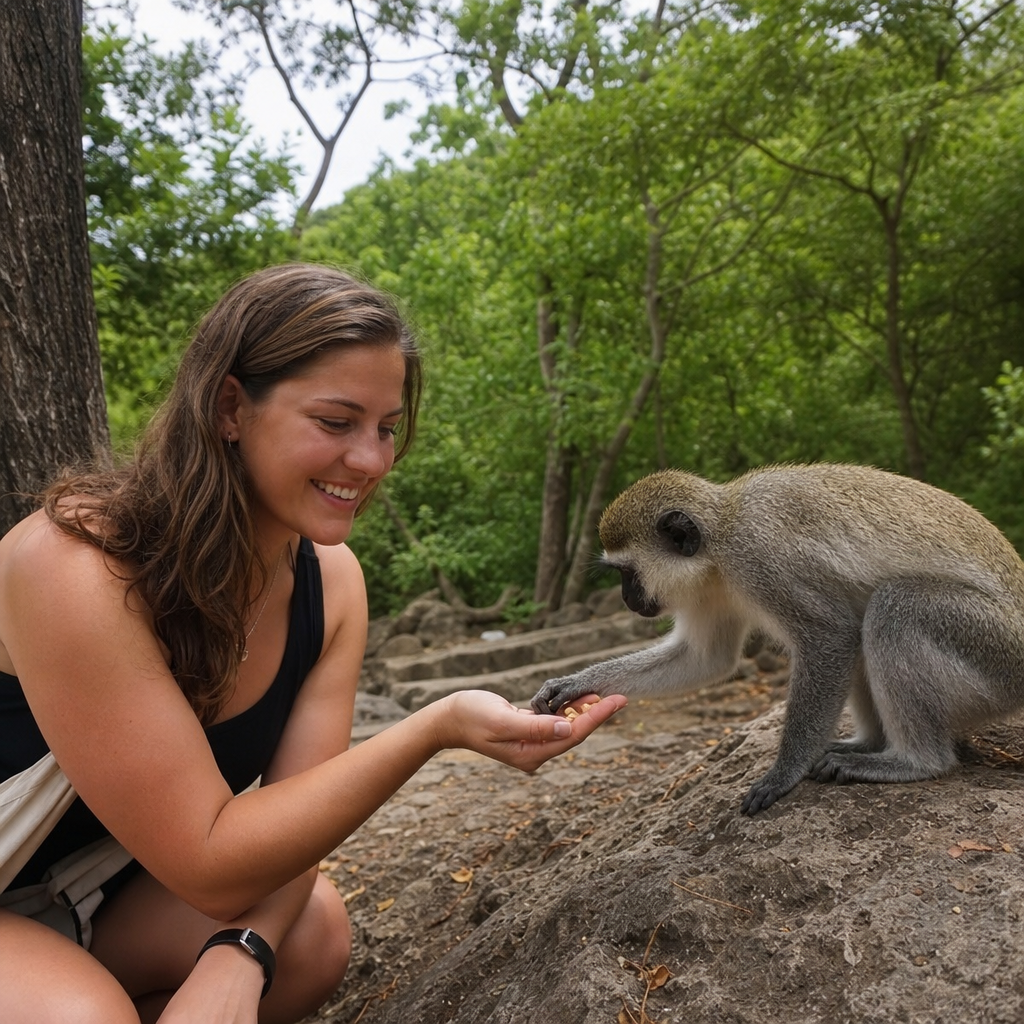
Birdlife often enhances the experience. The southeast peninsula and other open coast sections can produce frigatebirds, brown pelicans, terns, and shorebirds scanning the intertidal zone. Inland pools may sit under canopies alive with bananaquits, bullfinches, and occasionally green vervet monkeys moving through estate edges and secondary forest. After rain, insects increase, which in turn raises bird activity. For photographers, that means early morning around a freshwater pool can be better for wildlife than midday, even if the light on the water is less dramatic.
Geology shapes every pool you see. Saint Kitts is a volcanic island, and its igneous rock creates shelves, cracks, and basins that behave differently from coral limestone systems elsewhere in the Caribbean. Black rock absorbs heat, so shallow saltwater pools can warm quickly under direct sun, changing the animal life present at different times of day. In forested ravines, cooler water and leaf litter support freshwater invertebrates and amphibian habitat, though these areas are less studied by casual visitors than coastal pools. Understanding that each basin is part of a living system makes the island more rewarding and naturally encourages low-impact travel.
How to build an itinerary around this Miscellaneous hub
Because this page serves as a Miscellaneous hub within Nature and Wildlife, it should help you connect natural pools with the broader Saint Kitts outdoors network. Start with three trip types. For soft adventure, combine a scenic drive on the southeast peninsula with selected coastal pool stops and a beach lunch on the calmer Caribbean side. For active nature travel, pair a Mount Liamuiga foothill hike with a guide-led visit to a freshwater basin, then finish at an interpretive site linked to old estates or forest restoration. For mixed-interest groups, alternate one easy wildlife morning with one pool-focused afternoon, keeping expectations flexible around weather.
Useful companion topics for linked reading include hiking trails, snorkeling sites, black sand beaches, birdwatching areas, rainforest excursions, and coastal viewpoints. These are natural internal connections because the same conditions that make a good pool day often shape other activities. Calm seas improve shoreline exploration and beginner snorkeling. Recent light rain can make forest walks greener and stream pools more attractive. Strong wind may ruin a rock-pool plan but create excellent wave photography on the Atlantic side. Thinking this way turns miscellaneous experiences into a coherent nature strategy instead of a list of unrelated stops.
Practical preparation is straightforward. Bring water shoes, a dry bag, a mask, insect repellent for inland sites, and at least one backup stop. Download offline maps, but do not assume every visible track is public or maintained. Ask permission where access crosses private land, and support guides who know local conditions, especially for less obvious freshwater sites. Saint Kitts rewards travelers who stay curious and adaptable. The island’s natural pools are hidden gems precisely because they require attention, patience, and respect rather than passive sightseeing.
The natural pools of Saint Kitts offer a different lens on the island: less polished than resort beaches, more intimate than headline attractions, and deeply tied to geology, weather, and wildlife. Coastal rock basins, sheltered sea inlets, and seasonal freshwater plunge pools each deliver a distinct experience, but all demand the same approach—observe first, verify conditions, and treat the setting as habitat before recreation. That mindset leads to better trips and safer decisions.
For travelers interested in Nature and Wildlife, this Miscellaneous hub is valuable because it connects hidden pool exploration with broader outdoor planning. A pool stop can anchor a day of birdwatching, hiking, snorkeling, or scenic driving, and understanding the island’s regions helps you choose the right activity for the weather you have, not the weather you hoped for. Saint Kitts is not a destination of famous, heavily signposted natural pools; it is a destination of subtle finds that reward preparation and local insight.
If you want to experience the best natural pools in Saint Kitts, start by choosing your region, checking sea and rain conditions, and speaking with a knowledgeable local guide or host before setting out. Then explore slowly, leave no trace, and let the island’s quieter water landscapes show you a side of Saint Kitts many visitors never see.
Frequently Asked Questions
What counts as a natural pool in Saint Kitts, and how is it different from a regular beach or swimming spot?
In Saint Kitts, a natural pool is usually a swimmable basin formed by the island’s geology and water flow rather than by man-made construction. That can include lava-rock depressions that fill with seawater, reef-shelf pools protected from stronger surf, freshwater or mixed-water basins along river courses, and pockets created by seasonal runoff after rain. Unlike a typical beach, where you enter open water directly from the sand, natural pools tend to feel more enclosed and sheltered, often with rock walls, ledges, or natural barriers that calm the water inside.
What makes them especially interesting is that no single type defines them all. Some are coastal and influenced by tides, wave action, and sea conditions, while others are inland and depend more on rainfall, elevation, and the island’s drainage patterns. On one visit, a pool may be clear, calm, and ideal for a short soak; on another, the same spot may be too rough, too shallow, or simply inaccessible because of weather. That variability is part of the appeal, but it also means travelers should think of these places as dynamic natural features rather than fixed attractions with guaranteed conditions. In short, a natural pool in Saint Kitts is less about a formal destination and more about a naturally formed basin that becomes swimmable when the island’s conditions align.
Where are the natural pools of Saint Kitts usually found, and why do so many visitors miss them?
The natural pools of Saint Kitts are scattered across the island rather than grouped in one clearly marked area, which is one of the main reasons they stay under the radar. Some are found along rugged stretches of coastline where volcanic rock and reef shelves create protected basins. Others appear near ghauts, streams, or interior areas where water collects after rainfall. Because they are shaped by local terrain instead of tourism infrastructure, they are often reached by side roads, footpaths, rocky shoreline walks, or short hikes that are easy to overlook if you are only following the main beach-and-port circuit.
Many first-time visitors focus on the island’s most visible highlights: the cruise port, major beaches, panoramic viewpoints, and Mount Liamuiga. Natural pools rarely dominate standard sightseeing itineraries because they are condition-dependent, less publicized, and not always signposted. In some cases, even locals describe them by informal names or simply by nearby landmarks, which can make them harder to identify on a map. Access can also change with vegetation growth, rain, surf, and road conditions, so a place that was easy to reach a few months ago may require more caution later on. That is why local guidance matters so much. Travelers who ask residents, tour operators, or experienced guides about current conditions often uncover spots they would never find independently. The pools are hidden not because they are secret in a dramatic sense, but because they sit outside the island’s most obvious travel patterns.
When is the best time to visit a natural pool in Saint Kitts, and how do weather and seasons affect the experience?
The best time to visit depends on the type of natural pool you want to experience. Coastal pools are most enjoyable when seas are relatively calm, tides are favorable, and wave surge is limited. Inland or runoff-fed pools tend to be more appealing after periods of rainfall, when water levels are higher and the basins are fuller. The challenge is that the same conditions that make one pool attractive can make another less safe. For example, fresh rain can improve interior pools but may also create slippery trails, stronger flow in channels, murkier water, and more difficult footing.
Seasonality matters, but daily conditions matter even more. Saint Kitts can shift quickly between bright, calm weather and passing rain or rougher coastal water. Wind direction, recent swell, and localized showers all influence whether a pool is pleasant, accessible, or worth skipping that day. A rock pool by the sea may look inviting in photos, yet become hazardous when waves break over the rim with force. Likewise, a stream-fed basin may be beautiful after moderate rainfall but less appealing during very dry periods when the water recedes. The most reliable approach is to stay flexible: ask about current conditions, avoid assuming that online images reflect the present reality, and treat each pool as a site-specific outing. Early daylight hours often offer better visibility and a safer window for evaluating footing, water clarity, and exits, especially if you are visiting a less-developed location.
Are the natural pools of Saint Kitts safe for swimming, and what precautions should visitors take?
They can be safe and rewarding to enjoy, but only when approached with sound judgment. Natural pools in Saint Kitts do not come with the predictability of hotel pools or heavily managed beach zones. Coastal pools may have sharp volcanic rock, uneven ledges, sudden drop-offs, sea urchins, slippery algae, and wave surge that is stronger than it first appears. Inland pools can present muddy banks, submerged debris, fast-moving water after rain, insects, and isolated access points where help is not immediately nearby. Safety depends less on the name of the spot and more on the exact conditions at the time you arrive.
A few precautions make a major difference. Wear sturdy water shoes or footwear with grip rather than flip-flops. Study entry and exit points before getting in, and do not assume the easiest way down will be the easiest way back out. If waves are spilling into a coastal pool with force, skip it. If rain has recently fallen in the hills, be alert to changing water levels and currents in inland areas. Never dive unless you know the depth and what is below the surface. It is also wise to go with a local guide or at least with someone familiar with the area, especially if the pool is remote or reached by rough terrain. Bring water, keep valuables protected, and let someone know where you are headed if you are exploring on your own. The key is simple: these are natural environments first and swimming spots second, so visitors should prioritize conditions and caution over the urge to get in just because they found the place.
Do you need a guide to explore Saint Kitts’ natural pools, or can you visit them independently?
You do not always need a guide, but in many cases a guide is the smartest choice. Because the natural pools of Saint Kitts are dispersed, condition-dependent, and sometimes referenced by local rather than formal names, a knowledgeable guide can save time and reduce uncertainty. They can help determine whether a specific pool is worth visiting on a given day, explain whether the site is coastal, inland, or seasonal, and steer you away from spots that may look attractive online but are unsafe under current conditions. Guides also add context, connecting what you see to the island’s volcanic landscape, reef formations, drainage patterns, and weather rhythms.
Independent exploration is possible for confident travelers who are comfortable with imperfect directions, changing terrain, and self-assessment in outdoor settings. If you go on your own, preparation matters. Confirm access in advance, ask locals about current conditions, carry proper footwear, and build extra time into your day in case a route is unclear or a site turns out to be unsuitable. It is also important to respect property boundaries and avoid forcing access where a path appears private or uncertain. For many visitors, the ideal approach is a hybrid one: use local advice to narrow down the best options, then visit easier spots independently while reserving more remote or less obvious pools for a guided outing. That way, you keep the sense of discovery while benefiting from the practical knowledge that makes these hidden gems much easier to enjoy responsibly.