Mango season in Nevis is one of the island’s most flavorful travel experiences, blending agriculture, culture, roadside eating, and home cooking into a short window that rewards visitors who arrive at the right time. In practical terms, mango season usually runs from late spring into summer, with peak variety and abundance often appearing between May and August, though exact timing shifts with rainfall, heat, and local growing conditions. Nevis, the smaller sister island of St. Kitts in the Federation of St. Kitts and Nevis, has long been known for village fruit trees, family gardens, and a pace of life that lets seasonal produce shape daily routines. For travelers planning a Caribbean trip, understanding mango season in Nevis means more than knowing when the fruit ripens. It means knowing where locals buy and share mangoes, which beaches and villages offer the best chance of finding roadside sellers, how to identify common varieties, and how to turn fresh fruit into drinks, chutneys, salads, and desserts once you get it back to your villa or guesthouse kitchen.
I have planned island food guides around harvest calendars for years, and Nevis stands out because the experience remains grounded in everyday life rather than staged tourism. A good mango on Nevis might come from a market table in Charlestown, a roadside stand near Gingerland, a tree in a guesthouse yard, or a beach picnic prepared by a host who knows exactly when the fruit is ready. That immediacy matters. Mango quality falls quickly when fruit is picked too early, chilled too hard, or shipped too far. On Nevis, visitors can often taste mangoes within a day of harvest, which is why the fruit shows deeper sweetness, more floral aroma, and less fibrous texture than imported supermarket mangoes. This guide explains the best spots to look, what to expect, and which recipes make the most of the season.
When mango season happens in Nevis and what makes it special
The simplest answer to the question “When is mango season in Nevis?” is late spring through summer, with the strongest supply often in June and July. However, local fruiting patterns are not identical every year. Caribbean mango trees respond to dry periods, flowering cycles, wind exposure, elevation, and soil moisture. On Nevis, lower and warmer coastal areas can produce slightly earlier fruit, while higher inland locations may lag. Visitors who want maximum choice should aim for the middle of the season rather than the edges, when stalls carry fewer varieties.
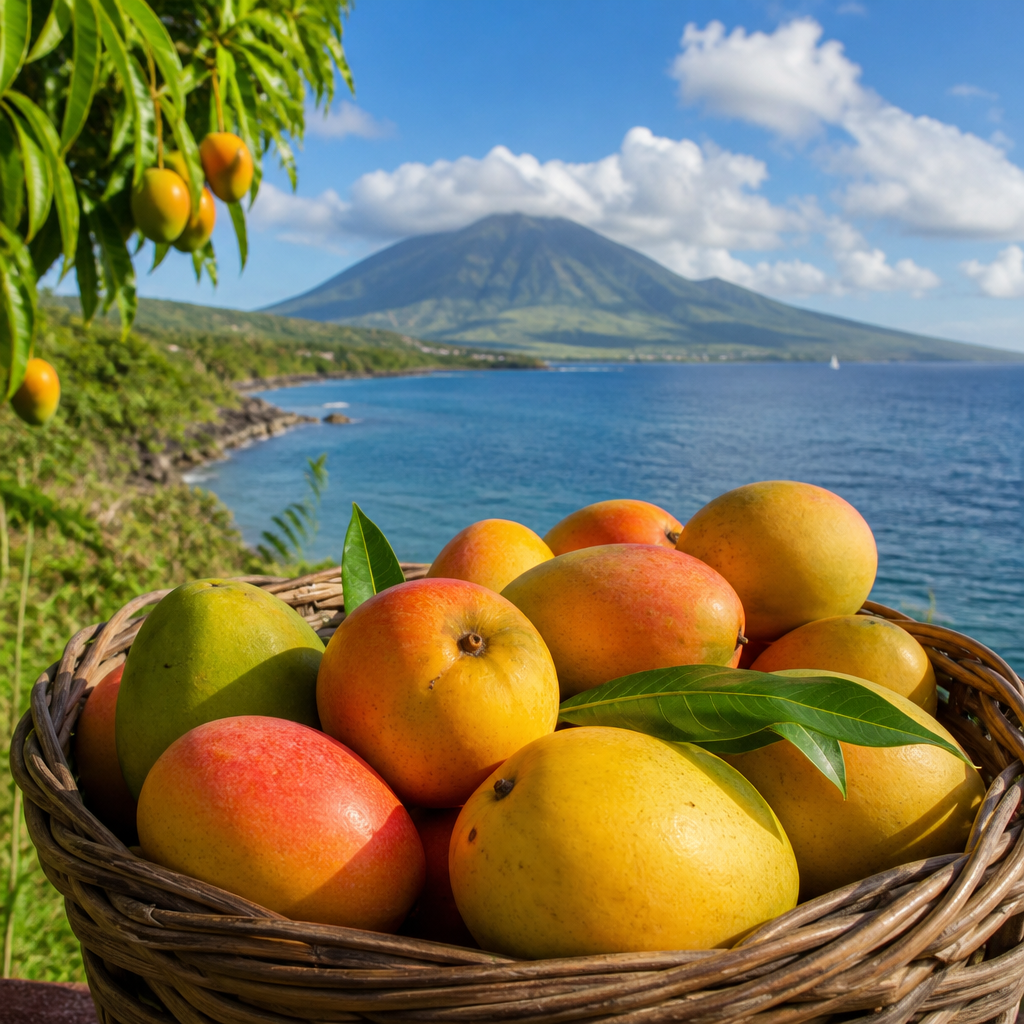
What makes Nevis mango season special is diversity. Across the Caribbean, people use the word mango broadly, but island residents often distinguish carefully among Julie, East Indian, Graham, Starch, Long Mango, and other local or locally named types. Some are buttery and low in fiber, ideal for eating over the sink. Some are firmer and slightly tart, making them better for chow, salsa, or chutney. Others are intensely aromatic but soft and delicate, which means they bruise easily and are best eaten the same day. If you ask a seller which mango is best, the honest answer is usually “best for what?” Flavor, texture, ripeness, and intended use all matter.
Nevis also offers a scale that suits food-minded travelers. The island is small enough that you can sample fruit from several areas in one day, yet varied enough to notice differences. A basket bought near Charlestown may not taste the same as fruit sourced in Gingerland or around St. James Parish. That is not branding; it is local growing reality. Sun exposure, tree age, and harvest timing show up in the final taste.
Best spots to find mangoes across Nevis
Charlestown is the first place most visitors should check. As the island’s capital and commercial center, it offers the easiest access to produce vendors, small groceries, and informal sales points where local fruit appears when the harvest is strong. The Charlestown Public Market area and nearby roadside produce tables can be excellent starting points because you can compare ripeness, size, and price quickly. Go in the morning for the best selection. By midday, the choicest ripe fruit may be gone, especially on days when cruise traffic or weekend shoppers increase demand.
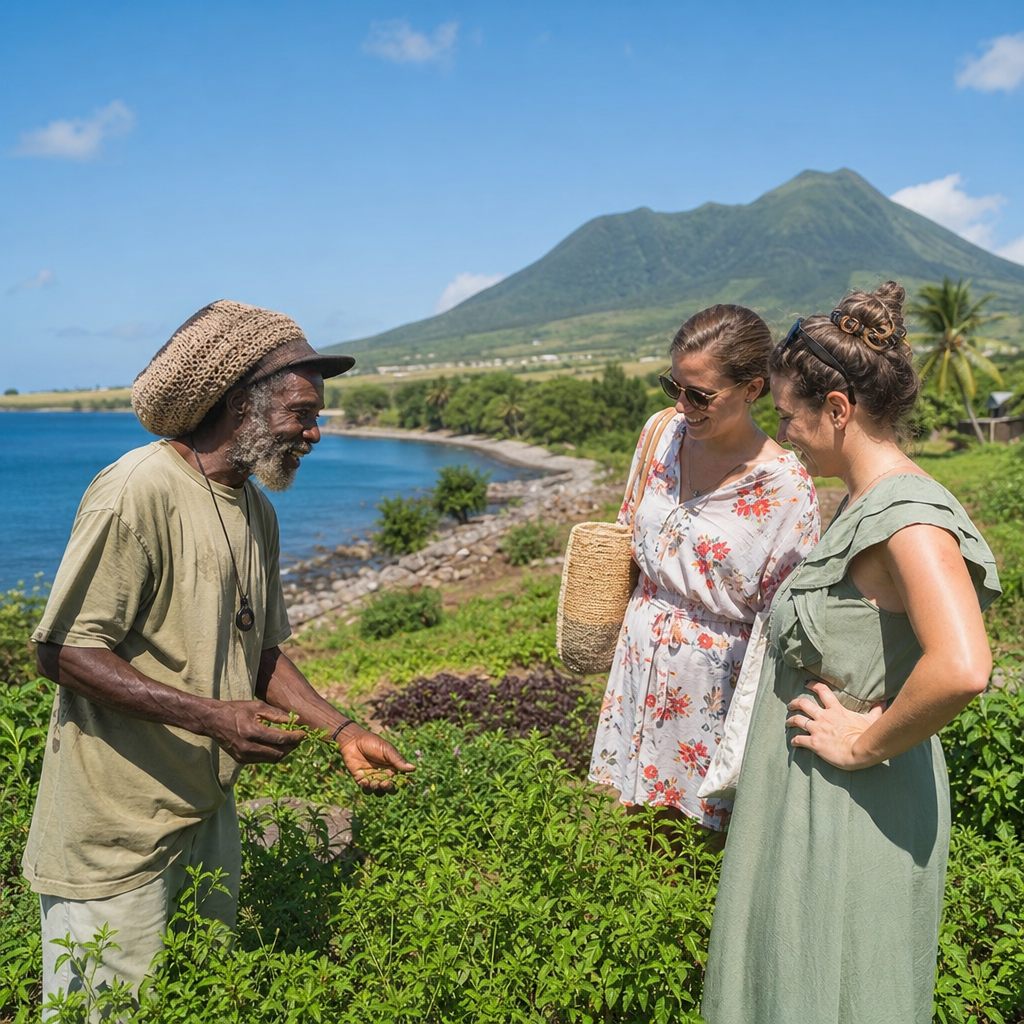
Gingerland is another key area, and in my experience it often provides a more direct connection to the agricultural side of the island. This inland district has long been associated with farming and village life, so it is one of the likeliest places to see fruit sold from home yards, roadside stands, or pickup tailgates. Do not expect formal signage everywhere. Some of the best buys come from simple setups with a handwritten price board, a plastic crate, and fruit harvested that morning. If you are driving, keep small cash on hand and stop when you see local traffic doing the same.
Bath Village and roads leading toward the western coast can also produce worthwhile finds, especially during peak weeks when abundance pushes fruit beyond formal market channels. Sellers sometimes cluster near junctions, busier roadside pull-offs, or outside small shops. The advantage of these spots is freshness and local knowledge. Ask whether the mangoes are ready to eat today, tomorrow, or in two days. Sellers usually answer accurately because they know repeat business depends on honest guidance.
Beach areas near Pinney’s can occasionally yield prepared mango snacks, juices, or fruit plates through bars, restaurants, and pop-up vendors, though these are less predictable than market buying. Pinney’s is better viewed as a place to enjoy mango products than a guaranteed fruit sourcing location. Upscale resorts may feature mango in seasonal cocktails, breakfast preserves, or dessert menus, especially when chefs can buy directly from local growers. That does not replace the roadside experience, but it complements it.
| Area | What to Expect | Best Time to Go | Why It Works |
|---|---|---|---|
| Charlestown | Produce vendors, market shopping, easy price comparison | Early morning | Reliable access and quick overview of what is in season |
| Gingerland | Roadside stands, home-yard sales, very fresh local fruit | Morning to late morning | Strong agricultural connection and high chance of tree-ripened mangoes |
| Bath Village area | Informal roadside sellers and small shop fronts | Mid-morning | Good overflow supply during peak season |
| Pinney’s area | Mango dishes, drinks, and occasional fresh fruit vendors | Lunch and afternoon | Best for enjoying prepared mango items near the beach |
How to choose, buy, and store mangoes like a local
The best way to choose a mango in Nevis is by smell, slight softness, and variety-specific appearance, not by color alone. Many travelers assume a red blush means ripeness, but that rule fails often in the Caribbean. Some excellent mangoes stay greenish or yellow-green even when fully ready. Lift the fruit and smell near the stem end. A ripe mango should smell fragrant and sweet, not sour or fermented. Press gently. It should yield a little without feeling mushy.
Ask how the fruit was picked. Tree-ripened mangoes usually develop better flavor than fruit harvested too firm. Also ask whether the mango is stringy. Local sellers understand that texture preferences differ. If you plan to slice mango for breakfast, choose low-fiber types. If you want to make chutney or pepper sauce, a firmer, slightly underripe fruit can be better because it holds structure and brings acidity.
Storage matters in the heat. Keep unripe mangoes at room temperature out of direct sun. Once ripe, eat them quickly or refrigerate for a short period, but do not overchill them for days because cold dulls aroma and can damage texture. In villas and guesthouses, I usually let fruit ripen on the counter, then chill only the pieces I plan to serve cold. If ants are an issue, place fruit in a bowl rather than leaving it loose on the counter.
Best ways to eat mangoes in Nevis
The most authentic way to enjoy Nevis mangoes is also the simplest: wash one, cut the cheeks, score the flesh, and eat it immediately. On a hot afternoon, especially after the beach, that direct approach beats any complicated preparation. Locals also eat mangoes sliced with a pinch of salt, or with pepper for contrast. Green mango may appear in chow-style preparations with lime, hot pepper, and herbs, delivering the salty-sour heat common across the Caribbean.
Breakfast is another excellent use. Many guesthouses and rental villas have enough kitchen space for quick fruit plates, yogurt bowls, and smoothies. Add Nevis mango to plain yogurt with toasted coconut and lime zest, and you have a breakfast that tastes local without requiring much effort. At lunch, diced mango works in salads with cucumber, avocado, red onion, and grilled fish. The fruit’s sweetness balances the salinity of seafood and the brightness of citrus-based dressings.
Dinner applications are equally practical. I have used Nevis mango in glazes for grilled chicken, relishes for mahi-mahi, and salsas for lobster when available. The key is restraint. Very ripe mangoes can overwhelm delicate proteins, so pair them with acid, herbs, and moderate heat. Scotch bonnet is traditional in the region, but use it carefully; it can dominate a dish if the ratio is wrong.
Three reliable Nevis-style mango recipes to make at home
The first recipe worth mastering is fresh mango chow. Peel and slice two slightly underripe mangoes into thin pieces. Toss with the juice of one lime, a pinch of sea salt, a little chopped cilantro or shadow beni if available, and very finely minced hot pepper. Let it rest for ten minutes. The result should taste bright, sharp, and only lightly sweet. This is an ideal beach snack because it wakes up the palate in humid weather.
The second is mango chutney, which suits ripe but still firm fruit. Dice three mangoes and cook them over medium heat with chopped onion, grated ginger, garlic, cane sugar or brown sugar, cider vinegar, mustard seeds, a small amount of hot pepper, and salt. Simmer until thick but not jammy. Proper chutney should hold visible fruit pieces. Serve it with grilled meats, curries, or aged cheese. If you are staying in a rental for several days, this is one of the best ways to use a large market haul before it overripens.
The third is a simple mango rum dessert. Blend ripe mango flesh with a squeeze of lime, a spoonful of sugar if needed, and a modest splash of dark Caribbean rum. Fold that puree into softly whipped cream or spoon it over vanilla ice cream with toasted coconut. The point is not heavy sweetness. A good dessert should preserve the perfume of the fruit. If the mangoes are excellent, keep the ingredient list short and let the flavor lead.
Planning your trip around mango season
If mangoes are a priority, book Nevis accommodations with at least a mini-fridge and basic kitchen tools. A knife, cutting board, and blender expand your options immediately. Villas, apartment rentals, and small inns often provide better fruit flexibility than standard hotel rooms. Also consider renting a car for at least part of your stay. Taxis can get you around, but self-driving makes it much easier to stop at roadside stands the moment you see quality fruit.
Weather planning matters too. Early summer in Nevis is warm, humid, and bright, with periodic showers. That climate supports beach time and fruit hunting, but it also means produce ripens fast. Buy in smaller quantities unless you are cooking for a group. Cash is useful for informal sellers, and small denominations help. Visitors should also remember basic courtesy. Ask before photographing stands or trees, and do not pick fruit from private property without permission. On islands where home gardens remain important, that respect goes a long way.
For travelers building a broader food itinerary, mango season pairs well with beach days, heritage stops in Charlestown, scenic drives through village districts, and relaxed restaurant dinners where chefs may incorporate local produce into specials. That combination is exactly why this topic belongs in a wider Nevis travel guide. Mango season is not a single attraction. It is a lens for experiencing the island through timing, place, and taste.
Mango season in Nevis offers something increasingly rare in modern travel: a chance to organize part of your trip around a truly local harvest rather than a manufactured experience. Visit between late spring and summer, start in Charlestown, explore Gingerland and nearby roadside stops, ask questions about variety and ripeness, and choose fruit based on smell and texture instead of color alone. Then use that fruit simply, whether you eat it fresh over the sink, slice it into breakfast bowls, toss it into chow, simmer it into chutney, or finish dinner with a rum-laced mango dessert.
The main benefit is not just better flavor, though the flavor is exceptional. It is the deeper understanding you gain of Nevis itself. Seasonal food reveals how people shop, cook, share, and move through the island. That makes mango season one of the best entry points into local life for travelers who want more than beaches and postcard views. If you are planning a Caribbean trip, put Nevis on your list during mango season and build at least one day around finding, tasting, and cooking the fruit at its peak.
Frequently Asked Questions
When is mango season in Nevis, and what is the best time to visit for the widest variety?
Mango season in Nevis generally begins in late spring and stretches through summer, with the most reliable abundance often falling between May and August. That said, mangoes do not follow an exact calendar every year. Rainfall, heat, wind, and local growing conditions all influence when trees flower and when fruit ripens, so some seasons start a little earlier while others peak later. For travelers who want the best chance of seeing roadside stalls piled high, tasting multiple varieties, and finding mangoes worked into juices, desserts, and home-style meals, the sweet spot is usually the heart of the season, especially from June into July.
If your goal is variety rather than simply catching the first fruit, plan your trip when the season is fully underway. Early in the season, you may find only a handful of types available, while mid-season often brings more choice in flavor, color, texture, and size. Some mangoes are ideal for eating out of hand, others are prized for smoothies or chutneys, and some are especially fragrant and juicy. Because Nevis is small and agricultural life remains visible, timing your visit well can turn mango season from a simple food interest into a full island experience, with fresh fruit at local homes, roadside stops, community conversations, and casual meals all reflecting what is ripe right then.
Where are the best places to find fresh mangoes in Nevis during the season?
The best places to find fresh mangoes in Nevis are usually the most local and least formal: roadside vendors, village fruit stands, small groceries, and produce sellers near residential areas and main roads. Because mango season is part of everyday island life, some of the best fruit is not found in polished tourist settings but in simple roadside tables, pickup truck sales, family yards, and neighborhood stalls where fruit is picked locally and sold quickly. These are often the places where you can ask which mangoes are sweetest, which are best for juice, and which ones are ready to eat that same day.
Charlestown and its surrounding areas are a practical place to begin, especially if you want easy access and the ability to compare what different sellers have on offer. Beyond town, driving through villages and agricultural pockets of the island can be especially rewarding during the peak season. Since Nevis is compact, it is possible to combine sightseeing with fruit hunting, stopping whenever you see handwritten signs, baskets of produce, or shaded roadside setups. If you are staying at a guesthouse, villa, or plantation-style hotel, ask your host where locals buy mangoes. On an island like Nevis, personal recommendations matter, and residents often know who has the best fruit that week. The freshest mangoes are frequently sold closest to where they were grown, so flexibility and curiosity are two of the best tools you can bring.
What kinds of mango experiences can visitors expect in Nevis beyond simply eating the fruit?
Mango season in Nevis is much more than a chance to snack on ripe fruit. It is a seasonal lens into the island’s agriculture, hospitality, and food traditions. Visitors can expect to encounter mangoes in roadside eating, homemade juices, desserts, jams, sauces, and everyday conversation. The season often creates a festive feeling because mangoes are everywhere at once: on trees hanging over lanes, in local kitchens, in market displays, and on plates in homes and casual eateries. Even if there is no formal festival happening during your stay, the island itself often feels as though it is quietly celebrating the harvest.
One of the most memorable parts of the experience is the contrast between varieties and uses. Some mangoes are soft and intensely sweet, perfect for eating fresh over a sink or chilled for breakfast. Others hold their shape better and are excellent for salsas, salads, and chutneys. In many Caribbean households, mango season also means practical cooking and preserving, turning surplus fruit into recipes that extend the harvest. For travelers, this opens the door to tasting mango in both immediate and traditional forms. If you enjoy culinary travel, ask whether restaurants are serving seasonal specials, or whether your accommodation can arrange a local cooking experience. Mango season is at its best when you treat it not just as produce, but as part of the island’s rhythm and identity.
What are the best local-style ways to eat mangoes in Nevis, and which recipes should travelers try?
The best local-style approach to mangoes in Nevis is to start simple and fresh, then branch into cooked and preserved recipes. A ripe mango eaten as-is is still one of the great pleasures of the season, especially when the fruit is tree-ripened and deeply aromatic. Beyond that, travelers should try mango juice, mango smoothies, and fresh mango served alongside breakfast or as an afternoon snack. In homes and casual kitchens, mango can also appear in fruit salads, chilled desserts, and refreshing blends that are ideal for warm island weather.
For those who want to cook, a few recipes stand out as especially worth trying. Mango chutney is a classic choice because it balances sweetness, spice, and acidity, making it a great companion for grilled fish, chicken, or curries. Fresh mango salsa is another excellent option, often combining diced mango with onion, herbs, lime, and a little heat for a bright topping or side dish. Mango jam is perfect if you want to preserve the flavor of the season, while mango bread, mango tarts, or simple mango compotes offer a more dessert-focused direction. If you can find slightly firmer fruit, it tends to hold up better in savory dishes; very soft, fragrant mangoes are ideal for juices, purees, and sweets. The key in Nevis is to let the fruit lead the recipe, because truly ripe local mangoes already carry so much flavor on their own.
How can travelers choose, store, and transport mangoes from Nevis without ruining them?
Choosing mangoes well starts with understanding how you plan to use them. If you want fruit to eat immediately, look for mangoes that give slightly under gentle pressure and smell fragrant near the stem. Skin color can vary by variety, so aroma and feel are often better indicators than color alone. Avoid fruit with large bruised patches, leaking juice, or a fermented smell unless you plan to use it right away in a puree or juice. If you are buying several mangoes, it is smart to select a mix of ripeness levels so you can enjoy some immediately and let others finish ripening over the next day or two.
Once you have them, store mangoes at room temperature until they ripen fully, then refrigerate them if needed to slow the process. In a tropical climate, fruit can move from perfect to overripe quickly, so do not leave ripe mangoes sitting in direct sun or in a hot car. For transport around the island, keep them in a soft bag or box where they will not roll around and bruise. If you are hoping to take mangoes home, check your airline and destination country’s agricultural rules before buying large quantities. Many places restrict fresh fruit imports. In that case, consider mango jam, chutney, or other prepared products instead, since they may be easier to carry legally and safely. A practical strategy is to enjoy fresh mangoes while in Nevis and bring home preserved forms that capture the season without the risk of spoilage or customs issues.