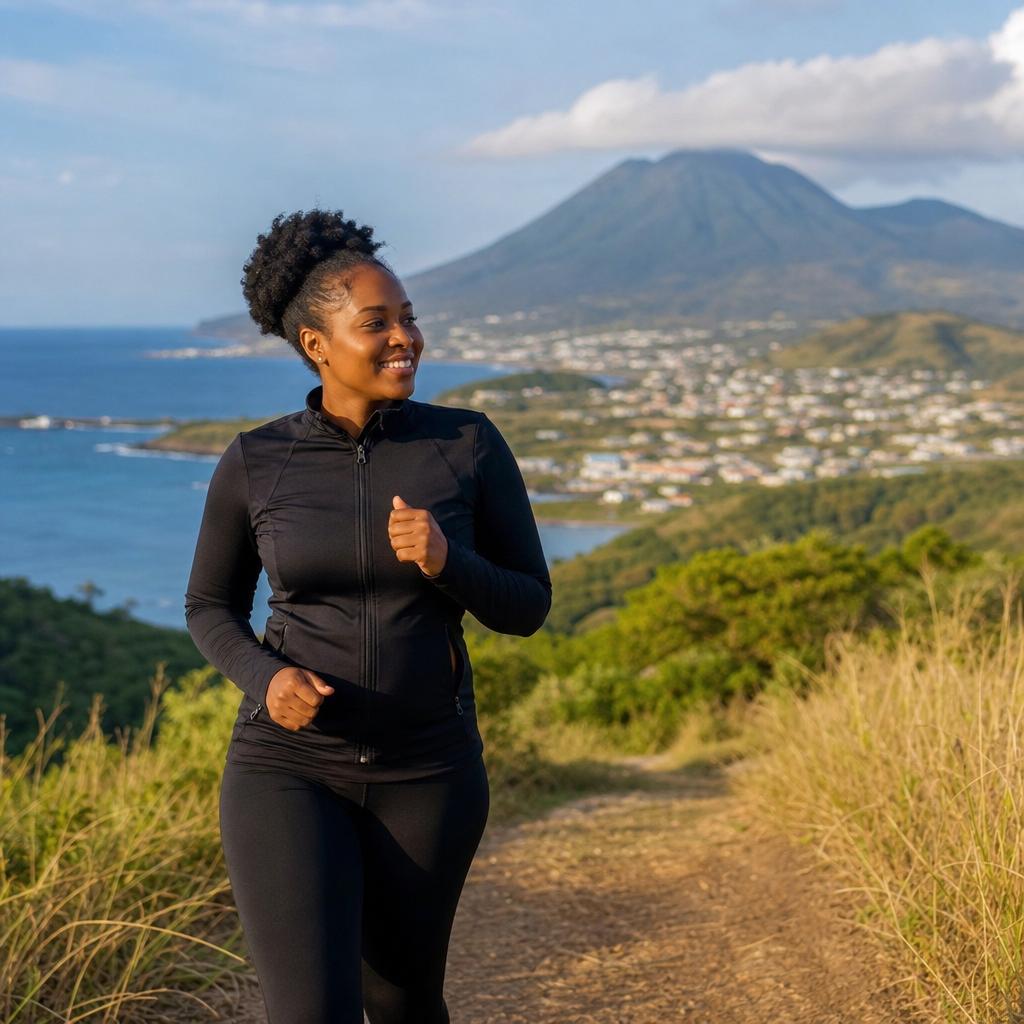
Autumn health tips from Saint Kitts’ locals begin with a simple truth: even on a warm Caribbean island, seasonal shifts affect sleep, hydration, immunity, mood, skin, and everyday energy. In Saint Kitts, autumn does not bring cold snaps and falling leaves in the way visitors from North America or Europe expect, yet residents still adjust routines as rainfall patterns, humidity, school schedules, mosquito pressure, holiday gatherings, and produce availability change. When I have spoken with clinic staff, fitness instructors, market vendors, and older residents across Basseterre and surrounding communities, the most consistent advice has been practical rather than dramatic: drink more water than you think you need, protect yourself from mosquitoes, keep food safe in humid weather, use local produce wisely, and pace your body during busy months. Those habits matter because health in autumn on Saint Kitts is less about surviving winter and more about staying resilient through heat, rain, infections, stress, and disrupted routines.
For this article, “autumn” refers broadly to September through November, a period that overlaps with the Atlantic hurricane season, the return to school, and changing activity patterns across the island. “Health tips” means preventive actions that reduce common risks before they become medical problems. This hub covers miscellaneous wellness concerns that do not fit into only nutrition, exercise, or mental health, but connect all three. Locals often frame wellness holistically: what you eat influences hydration, weather influences exercise timing, mosquito exposure affects sleep, and family schedules influence stress. That connected view is useful because it reflects real life on Saint Kitts. Good autumn health is not one habit; it is a set of small, repeatable decisions shaped by climate, community, and common sense.
Hydration and heat management still matter in autumn
The first mistake many newcomers make is assuming autumn means cooler conditions and lower risk of dehydration. On Saint Kitts, temperatures often remain around the high twenties to low thirties Celsius, and high humidity can make sweat evaporate less efficiently. That means you can lose fluid steadily without feeling dramatically thirsty. I have seen people underestimate this after school runs, market trips, beach walks, or afternoon commutes, then wonder why they develop headaches, fatigue, or dizziness later in the day. Local advice is straightforward: begin the morning with water, carry a reusable bottle, and drink regularly before strenuous activity rather than waiting until thirst catches up.
Hydration is not only about plain water. If you work outdoors, exercise heavily, or spend long stretches in the sun, replacing electrolytes matters too. Coconut water is popular and practical, though it should not be treated as a cure-all; for prolonged sweating, balanced meals with potassium and sodium still help. Older adults should be especially deliberate because thirst sensation often declines with age, and children may not stop playing long enough to drink. Watch for dark urine, dry mouth, unusual tiredness, muscle cramps, and reduced concentration. These are ordinary warning signs, but in Saint Kitts’ autumn climate they appear more often than visitors expect. Schedule walks and workouts for early morning or near sunset, wear breathable clothing, and use shade aggressively. Heat stress is preventable when people respect the climate instead of assuming the calendar alone changes the risk.
Mosquito protection is a health priority, not a minor annoyance
Autumn rainfall creates standing water, and standing water creates mosquitoes. Locals do not treat mosquito control as cosmetic comfort; they treat it as basic public health. Saint Kitts has experienced mosquito-borne disease risk within the wider Caribbean context, including dengue concern, and that history shapes behavior. The most effective prevention starts at home: empty buckets, clear blocked drains, scrub plant saucers, cover water storage containers, and check gutters after rain. A single neglected container can support breeding. Families who do these checks weekly usually reduce bites far more effectively than those who rely only on sprays.
Personal protection matters as much as environmental control. Use an EPA-registered or similarly recognized repellent with active ingredients such as DEET, picaridin, or oil of lemon eucalyptus where appropriate, follow label directions, and reapply after sweating. Screens, fans, long sleeves in peak mosquito hours, and bed nets for vulnerable sleepers all help. If you develop fever, body aches, rash, headache, or unusual fatigue after frequent bites, do not self-diagnose casually. Seek medical advice promptly, avoid dehydration, and monitor warning signs. In practical island life, mosquito prevention protects sleep quality, reduces scratching and skin infection risk, and lowers exposure to more serious illness. That is why locals take it seriously every autumn.
Food safety becomes more important in warm, humid conditions
Warm weather changes how quickly food spoils, especially cooked rice, poultry, seafood, stews, dairy products, and cut fruit. One of the most useful pieces of local wisdom is to stop thinking of leftovers as harmless just because they still smell acceptable. In Saint Kitts’ humid climate, bacteria can multiply rapidly if food sits out too long during family gatherings, roadside events, or relaxed weekend meals. The basic food safety rule is simple: refrigerate perishable food promptly, keep hot foods hot and cold foods cold, and reheat thoroughly. If refrigeration is unreliable because of power interruptions during storms, be more conservative than usual about what you keep.
Cross-contamination is another common problem. Separate raw meat from produce, wash hands before cooking, and clean cutting boards carefully. Fish and shellfish deserve extra caution; buy from trusted vendors, keep seafood chilled, and cook it fully unless you are certain of sourcing and handling standards. Street food can be excellent, but choose busy stalls with high turnover, visible hygiene, and proper holding temperatures. Gastrointestinal illness is often dismissed as “something I ate,” but repeated foodborne illness can disrupt work, school, hydration, and recovery for days. Local cooks who stay well tend to combine tradition with discipline: clean kitchen practices, fresh ingredients, and no guessing games with spoiled food.
Use seasonal local produce to support immunity and energy
Autumn wellness on Saint Kitts is easier when meals reflect what is fresh and available locally. Market produce often includes pumpkin, sweet potato, yam, breadfruit, dasheen, papaya, mango depending on timing, leafy greens, herbs, and limes. These foods support health in practical ways. Orange and yellow vegetables provide carotenoids, leafy greens contribute folate and minerals, root crops supply steady energy, and fruit adds hydration and vitamin C. Local soups, ground provisions, lightly cooked greens, and fruit-based breakfasts can be both affordable and nutrient dense when compared with heavily processed imported snacks.
Balanced eating matters more than any single “immune-boosting” ingredient. In my experience, locals who stay consistent do not chase miracle foods; they build regular meals around fiber, protein, and produce. A breakfast with eggs and fruit, a lunch with grilled fish and vegetables, or a dinner with beans, pumpkin, and salad does more for energy and immune support than sporadic supplements. Ginger tea, bush teas, and herbal remedies remain part of local culture, and some are soothing, especially for congestion or digestion, but they should complement—not replace—evidence-based care when symptoms are significant. The strongest nutritional strategy is still the least glamorous: varied whole foods, moderate portions, and fewer sugary drinks during busy autumn weeks.
| Common autumn issue | Local prevention habit | Why it works |
|---|---|---|
| Dehydration and fatigue | Carry water, drink early, limit midday exertion | Maintains fluid balance before heat stress develops |
| Mosquito bites and disease risk | Remove standing water, use repellent, wear light coverage | Reduces breeding sites and lowers exposure during peak activity |
| Foodborne illness | Refrigerate leftovers quickly, choose hygienic vendors | Prevents bacterial growth in hot, humid conditions |
| Low energy and poor diet | Eat local produce, root crops, fish, beans, and greens | Supports steady energy, micronutrient intake, and satiety |
| Stress and poor sleep | Keep routines, reduce evening screen time, ventilate rooms | Improves recovery, mood regulation, and next-day function |
Protect sleep quality during rainy, busy, and humid months
Sleep often declines in autumn for reasons that have little to do with illness. Children return to school, adults juggle transport changes and end-of-year demands, rain disrupts plans, and warm nights make bedrooms uncomfortable. Many Saint Kitts residents respond by tightening routines. They eat dinner earlier, reduce caffeine late in the day, keep bedrooms as cool and dark as possible, and avoid long evening naps that push bedtime later. This sounds basic, but it works. Sleep quality improves when the body expects a regular rhythm.
Humidity and mosquitoes can undermine even good habits. Use fans or air conditioning if available, keep bedding light, and make sure windows and screens are functioning. If noise from rain or neighborhood activity is a problem, white noise or a fan can help stabilize sleep. Alcohol at social events may make people feel drowsy initially, but it often fragments sleep later in the night, especially when combined with dehydration. Poor sleep weakens concentration, patience, appetite control, and exercise consistency. Locals who protect their sleep usually treat it as essential maintenance, not a luxury. If snoring, daytime sleepiness, or persistent insomnia becomes common, that is worth discussing with a healthcare professional rather than normalizing it.
Skin, respiratory, and household health need seasonal attention
Autumn weather can produce an odd mix of skin problems: sweat-related irritation, fungal flare-ups, insect bites, and occasional dryness from frequent washing or air conditioning. The practical local approach is to keep skin clean and dry without overstripping it. Change out of damp clothes quickly, dry feet carefully, use breathable footwear when possible, and pay attention to rashes in body folds or after workouts. Minor fungal infections spread easily in humid conditions but usually respond best when treated early rather than ignored.
Rainy periods also increase indoor dampness. Poor ventilation can encourage mold, which may aggravate asthma, allergies, sinus symptoms, and cough. Open spaces when weather allows, repair leaks quickly, dry wet materials, and clean mold safely before it spreads. For households with children or older adults, this can make a noticeable difference in comfort and respiratory health. Asthma action plans should be current, inhalers should not be expired, and families should know what symptoms require urgent help. Autumn preparedness on Saint Kitts includes the home environment as much as the body itself. A clean water tank, safe stored supplies, and dry living spaces support health quietly but powerfully.
Manage stress, storms, and community schedules with realistic routines
One reason local advice is so grounded is that autumn can be psychologically busy. Hurricane season brings uncertainty, schools restart, family budgets tighten, and holiday obligations begin to appear. Stress management here is rarely framed as a luxury wellness trend. It is usually about maintaining function. People cope best when they prepare early: refill medications, store drinking water safely, keep shelf-stable foods on hand, charge devices before storms, and know where key documents are. Preparedness lowers anxiety because it replaces vague worry with concrete action.
Daily stress also responds to simple structure. Keep meal times predictable, schedule exercise in short blocks if long sessions are unrealistic, and protect at least one wind-down ritual each evening, whether that is prayer, a walk, reading, or quiet conversation. Community ties matter on Saint Kitts; checking on neighbors and older relatives is both culturally normal and medically useful. Social support improves adherence to medications, reduces isolation, and helps people notice when someone is becoming unwell. If low mood, persistent anxiety, or burnout lasts for weeks, professional care is appropriate. Resilience is not pretending everything is fine. It is building routines, accepting help, and responding early.
The main lesson from autumn health tips shared by Saint Kitts’ locals is that seasonal wellness on the island is practical, preventive, and rooted in daily habits. You do not need extreme detoxes, expensive supplements, or complicated biohacks to stay well through autumn. You need disciplined hydration, mosquito control, safe food handling, nutrient-dense local meals, protected sleep, clean indoor spaces, and realistic stress management. Each habit is modest on its own, but together they create a strong baseline for energy, immunity, and resilience. That is why local guidance works: it is shaped by climate, experience, and repeatable routines rather than trends.
As a hub for miscellaneous health and wellness guidance, this page connects the everyday issues that influence how people actually feel from September through November. If you are building a healthier autumn routine in Saint Kitts, start with the basics you can sustain this week. Refill your water bottle, inspect your yard for standing water, clean out the fridge, buy fresh produce from the market, and set a consistent bedtime. Then build from there. The strongest health plan is the one you will keep, and locals on Saint Kitts have shown for years that steady, sensible actions are what carry people through the season well.
Frequently Asked Questions
Does autumn really affect health in Saint Kitts even though the weather stays warm?
Yes, absolutely. One of the most common misunderstandings visitors have is that if temperatures remain warm, the body does not experience a seasonal adjustment. Locals in Saint Kitts know that is not how everyday health works. Autumn on the island may not look like it does in colder countries, but it still brings meaningful changes in rainfall, humidity, daylight patterns, school and work routines, social schedules, and mosquito activity. Those shifts can influence sleep quality, hydration needs, appetite, skin comfort, mood, and overall energy.
For example, increased humidity can make people feel more sluggish, interfere with restful sleep, and lead to more sweating than they realize. At the same time, rainier periods can mean more standing water and more mosquitoes, which changes how families think about outdoor time, evening exposure, and prevention habits. School returning to full rhythm also affects household stress, meal timing, and how much rest both children and adults get. Even holiday gatherings later in the season can change eating patterns, alcohol intake, and recovery time.
The local approach is usually practical rather than dramatic. People tend to make small adjustments instead of waiting until they feel run down. That may mean drinking water more consistently, keeping bedrooms cooler and darker for sleep, choosing lighter meals when humidity is high, protecting skin from both sun and moisture-related irritation, and paying closer attention to immune-supporting basics like rest, fresh produce, and hand hygiene. In short, autumn in Saint Kitts is less about surviving cold weather and more about staying balanced through subtle but important environmental and lifestyle changes.
What are the most useful autumn hydration tips from Saint Kitts’ locals?
Hydration is one of the biggest themes locals emphasize, because warm weather often tricks people into thinking they understand their fluid needs when in reality those needs shift with humidity, activity level, and daily routine. In Saint Kitts during autumn, people may still sweat heavily, especially if they are commuting, working outdoors, exercising, or spending time in non-air-conditioned spaces. When school schedules become busier and the end-of-year season approaches, many also get distracted and simply forget to drink enough water through the day.
A local rule of thumb is not to wait until you feel thirsty. Thirst often shows up after mild dehydration has already started. Many residents make hydration easier by drinking water first thing in the morning, carrying a refillable bottle, and pairing water intake with regular habits such as meals, school drop-offs, work breaks, or evening walks. For people who spend long hours in the heat or who sweat heavily, fluids alone may not be enough; electrolytes from food or appropriate drinks can also help maintain balance. Coconut water is often mentioned as a useful option in moderation, especially after sweating, though plain water remains the foundation.
Locals also tend to watch for subtle signs that hydration is slipping: headaches, low energy, dry mouth, darker urine, irritability, and a feeling of heaviness or fatigue in humid conditions. It is also smart to remember that coffee, alcohol, and sugary drinks should not replace water. During gatherings and holiday events, alternating alcoholic beverages with water is a simple but effective habit. For children, older adults, and anyone with medical conditions affecting fluid balance, consistency matters even more. The best autumn hydration strategy in Saint Kitts is steady, everyday intake supported by water-rich fruits, sensible sun exposure, and awareness of how the body feels in changing weather.
How do Saint Kitts’ locals support immunity during autumn?
Local health wisdom around immunity usually begins with a reminder that there is no single “boost” that replaces the basics. In Saint Kitts, autumn immunity support is built around routine: enough sleep, good hydration, balanced meals, mosquito protection, handwashing, stress management, and early attention to symptoms instead of ignoring them. Because seasonal transitions can bring disrupted schedules and more social contact through school, work, travel, and gatherings, people often become more vulnerable to common infections when they are overtired or run down.
Food plays a major role. Locals often look to fresh, colorful produce and home-style meals rather than quick fixes. Fruits and vegetables, soups, ground provisions, beans, fish, and other nourishing staples help support overall health and recovery. Vitamin-rich foods matter, but so does eating regularly enough to maintain energy and avoid the kind of fatigue that leaves people feeling depleted. During rainy spells, many people also become more mindful of mosquito control around the home, since reducing bites is part of protecting family health.
Sleep is another major pillar. Even in a tropical climate, poor sleep during more humid nights can affect immune resilience. That is why locals often recommend cooler sleeping environments, lighter bedding, and limiting heavy meals or alcohol late at night. Hygiene habits also become more important when school terms are in full swing and households are mixing with larger groups daily. Frequent handwashing, keeping shared surfaces clean, and staying home when sick are simple steps that make a real difference. If symptoms linger, worsen, or involve fever, breathing issues, dehydration, or unusual fatigue, seeking medical advice promptly is the sensible local approach. Autumn immunity in Saint Kitts is less about chasing supplements and more about protecting the body’s natural defenses through disciplined everyday habits.
What skin and mosquito-care habits are especially important in Saint Kitts during autumn?
Autumn skin care in Saint Kitts is about managing two realities at once: strong sun exposure remains a concern, and increased moisture in the environment can create its own problems. Many locals notice that skin can become irritated not just from heat and sun, but from sweat, friction, clogged pores, damp clothing, and prolonged humidity. That means skin care in this season should be protective, breathable, and consistent rather than heavy or overly complicated.
Residents often recommend gentle cleansing, lightweight moisturizers, and daily sun protection even when skies are cloudy. UV exposure does not disappear just because it rains more often. If someone is outside for work, exercise, driving, or errands, sunscreen and protective clothing still matter. People who deal with heat rash, breakouts, or irritation often do better with loose, breathable fabrics and changing out of sweaty clothes quickly. Keeping feet dry, paying attention to areas where skin rubs, and not letting damp clothing sit on the body for hours can help prevent fungal irritation and discomfort.
Mosquito care becomes especially important as rainfall patterns shift. Locals know that prevention starts around the home: emptying standing water from buckets, plant saucers, tires, and containers; checking drains and outdoor areas; using screens or fans where possible; and being more cautious at dawn and dusk when mosquitoes are active. Repellent, long sleeves in high-mosquito areas, and thoughtful timing of outdoor activities are common-sense strategies. This is not just about comfort. Avoiding mosquito bites is part of protecting personal and community health. In practical terms, the best autumn routine is to treat skin gently, stay dry when possible, keep sun protection in place, and make mosquito prevention a shared household habit.
What simple daily routine changes do Saint Kitts’ locals recommend for better energy and mood in autumn?
Locals often say that energy and mood during autumn improve most when life becomes a little more structured. Even without dramatic temperature drops, seasonal transitions can still leave people feeling off balance. Busier school mornings, more indoor time during rainy periods, social obligations, and uneven sleep can all chip away at motivation. In Saint Kitts, the answer is usually not an extreme reset. It is a series of simple, realistic habits that support steadier energy from morning to night.
One of the first recommendations is to protect sleep. Going to bed and waking up at more regular times can make a noticeable difference, especially when humidity has already made rest less refreshing. Many residents also feel better when they get some daylight and gentle movement early in the day, whether that means walking, stretching, gardening, or doing errands on foot before the heat becomes draining. Balanced meals help too. Starting the day with something nourishing, avoiding long gaps without food, and not relying too heavily on sugary snacks can stabilize both energy and mood.
Mental well-being also comes up often in local conversations about seasonal health. Rainier stretches and busy end-of-year demands can make people feel mentally crowded or emotionally tired. Taking time to slow down, limit overcommitment, stay connected with family or community, and build in moments of rest matters just as much as diet or hydration. Some people benefit from reducing late-night screen time, cutting back on excess alcohol, or planning meals and errands ahead so the week feels less chaotic. The local philosophy is straightforward: when routines become more demanding, health gets easier to maintain if the basics are non-negotiable. A little more sleep, a little more water, a little more movement, and a little more consistency can go a long way toward better autumn energy and a more stable mood in Saint Kitts.