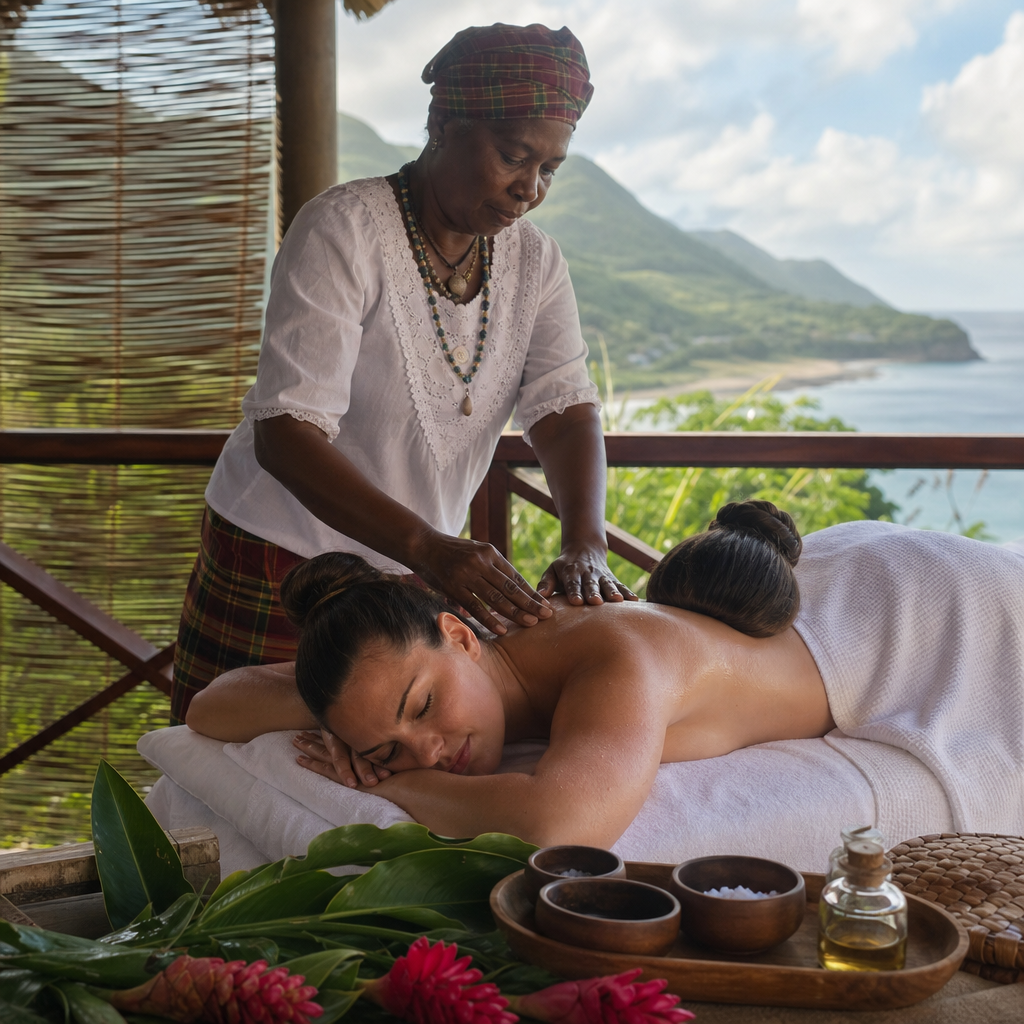
Nevis’ traditional spa techniques reflect the island’s layered history, where African, Indigenous, and European practices gradually merged into a distinct wellness culture shaped by volcanic earth, mineral-rich waters, medicinal plants, and strong community knowledge. In this context, “traditional spa techniques” means more than modern massage in a resort setting. It includes bush baths, herbal steaming, clay applications, sea-salt scrubs, hot stone work, coconut-oil skin treatments, and restorative rituals tied to childbirth, recovery, and seasonal change. I have seen how these methods are described casually by residents as everyday care rather than luxury, yet together they form one of the Caribbean’s most interesting wellness traditions. For travelers, practitioners, and wellness researchers, Nevis matters because it shows how health customs survive by adapting. A treatment may now happen in a polished spa room, but its logic often comes from older household practices built around local plants, heat, touch, and water. Understanding Nevis’ traditional spa techniques also helps explain the island’s broader health and wellness identity, making this article a practical hub for the miscellaneous side of the topic.
How Nevisian wellness traditions were shaped by multiple cultures
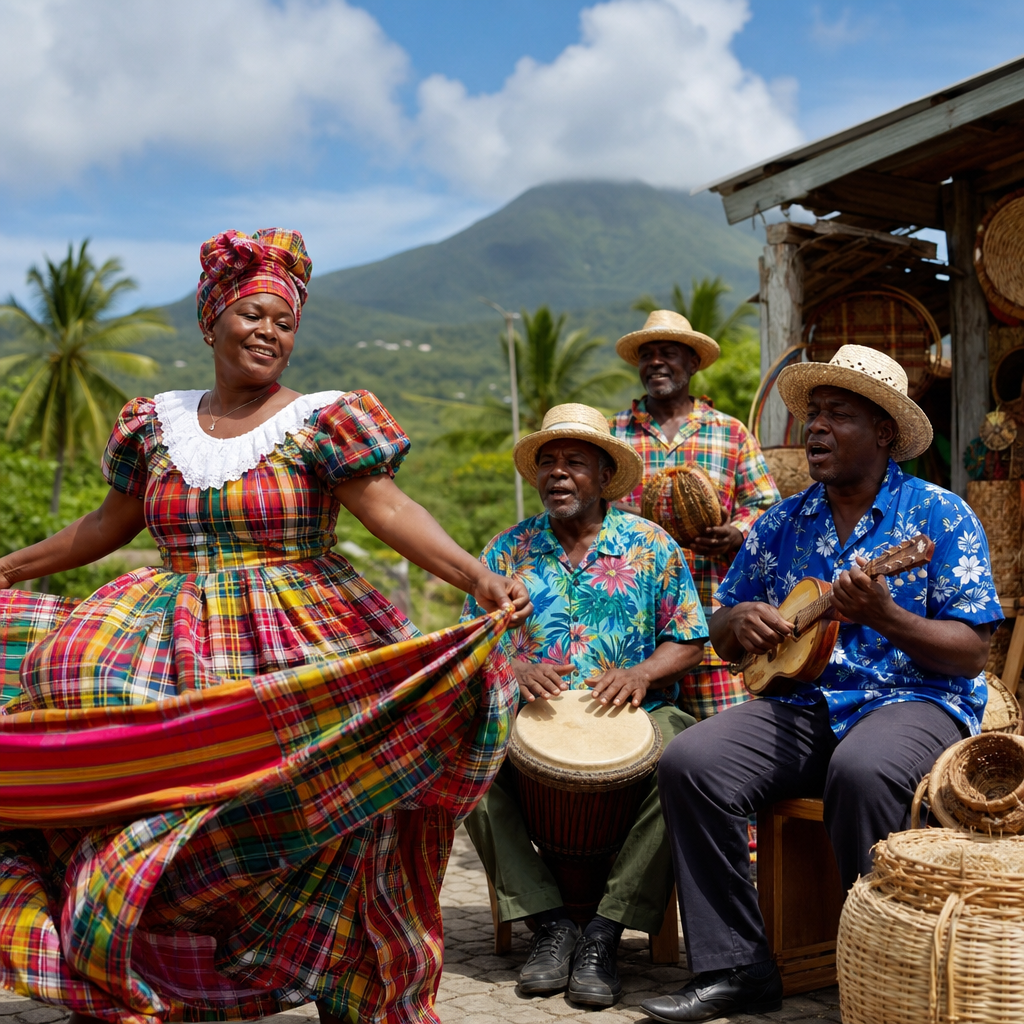
Nevisian spa culture did not appear as a single system. It developed through contact among the Kalinago and other Indigenous peoples who understood local plants and coastal resources, Africans who brought deep traditions of steam, bathing, bodywork, and botanical healing, and Europeans who introduced formal bathing habits and later commercial spa models. The result is a blended practice rather than a museum piece. For example, the use of heated water and mineral springs aligns with European bathing culture, while the reliance on lemongrass, sour orange leaves, bay leaf, aloe, and castor oil reflects African-Caribbean household medicine. Indigenous influence is visible in the practical use of roots, bark, clays, and marine materials drawn directly from the land.
In my experience reviewing Caribbean wellness programs, Nevis stands out because local treatments still make sense in their environment. Volcanic soils support botanicals used in wraps and compresses. Sulphuric spring areas and geothermal warmth reinforce the island’s reputation for restorative bathing. Fishing communities historically used salt, sand, and sea water for skin exfoliation and muscle relief after labor. Estate history also mattered. Plantation systems created hardship, but they also forced cultural exchange, and women in particular preserved recipes for teas, baths, poultices, and oils that later influenced hospitality wellness menus. Today, when a spa on Nevis offers a herbal soak or stone massage, that service often draws from these intertwined traditions, even if the brochure uses contemporary language.
Core traditional techniques and what they do
The most recognizable Nevisian techniques revolve around heat, plants, oils, minerals, and rhythmic touch. Bush baths are one of the clearest examples. A bush bath is a steeped herbal soak made from fresh leaves, flowers, bark, or roots selected for a purpose such as easing fatigue, calming the nerves, supporting postpartum recovery, or relieving congestion. Common ingredients include lemongrass for its bright aroma and relaxing effect, rosemary for circulation, mint for cooling relief, and bay leaf for warming stimulation. The bather may pour the infusion over the body or sit in a tub where heat helps release plant volatiles.
Herbal steaming is another longstanding method. Steam made from medicinal leaves opens pores, softens muscle tension, and supports respiratory comfort. In plain terms, it is used because warm vapor carries plant compounds while the heat itself encourages relaxation. Clay and mud applications draw on Nevis’ volcanic setting. Fine mineral earth is mixed with water or oil and spread over the skin to absorb excess oil, provide gentle minerals, and tighten the surface temporarily. Coconut oil rubs, often blended with local herbs, help protect the skin barrier in a hot, salty climate. Hot stone techniques, now common in resort spas, fit naturally with an island where warmed stones and heat therapy have long been used to soothe the back and legs after physical work. Sea-salt and sugar scrubs complete the picture by removing dead skin and stimulating circulation through friction.
Local ingredients that give Nevisian spa treatments their identity
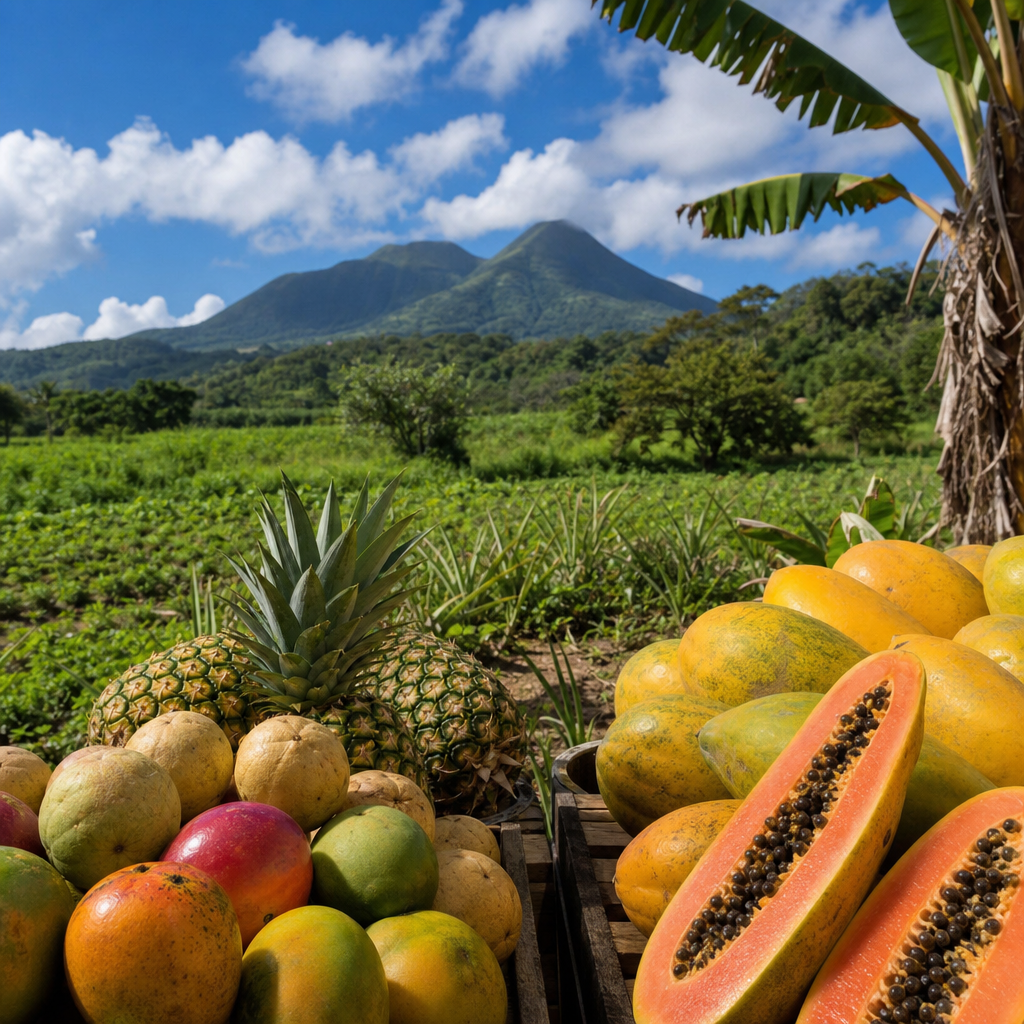
What makes Nevis’ traditional spa techniques distinctive is not only the method but also the ingredients. Coconut is central. Coconut oil works as an emollient, helping reduce transepidermal water loss, and it provides slip for massage. Aloe vera is used after sun exposure because its gel cools the skin and supports moisture retention. Lemongrass appears in baths, teas, and compresses for its clean scent and mild soothing effect. Ginger is used in warming preparations designed to stimulate circulation and relieve stiffness. Turmeric may be included in masks or body pastes for its antioxidant profile, though it must be balanced carefully because it can stain fabrics and briefly tint the skin.
Sea salt from the Caribbean environment contributes trace minerals and functions as a physical exfoliant. Brown sugar is gentler and often mixed with oil for a softer scrub. Clay and volcanic ash-inspired formulations are valued for oil absorption and texture refinement. Sour orange peel, cinnamon, and nutmeg add aroma and a warming sensory effect that reflects the wider eastern Caribbean spice tradition. These ingredients matter because they turn treatment into place-based care. A visitor can receive a generic massage anywhere, but a Nevisian ritual built around local botanicals and volcanic elements communicates the island’s ecology and history through touch and scent. That is why ingredient sourcing, freshness, and correct preparation are so important to authentic practice.
Where traditional knowledge meets modern spa standards
Modern spas on Nevis have adapted these cultural techniques to meet international expectations for hygiene, consistency, and safety. That adaptation is necessary. Traditional does not mean informal or unregulated. Professional therapists now assess skin sensitivity, review medical concerns, monitor water temperature, sanitize tools, and standardize dilution ratios for essential oils and concentrated botanicals. The best properties combine local knowledge with established spa protocols from organizations such as CIDESCO and recognized massage training frameworks. This protects clients while preserving the treatment’s cultural logic.
I have found that the strongest Nevisian wellness programs do three things well. First, they explain the origin of a treatment honestly instead of inventing folklore. Second, they preserve sensory authenticity by using real local ingredients rather than generic imported substitutes. Third, they adapt carefully for modern travelers, especially those with allergies, pregnancy considerations, or heat intolerance. A sulphuric or geothermal bathing experience, for instance, can be restorative, but it should come with clear guidance on hydration, duration, and contraindications for cardiovascular conditions. The same applies to vigorous exfoliation or deep pressure massage. Blending old and new works best when spas respect both tradition and evidence-based practice.
Signature Nevisian techniques at a glance
| Technique | Traditional purpose | Typical ingredients or tools | Modern spa adaptation |
|---|---|---|---|
| Bush bath | Relaxation, recovery, cleansing | Lemongrass, bay leaf, mint, rosemary | Herbal soaking tub with measured infusions |
| Herbal steam | Respiratory comfort, pore opening | Fresh leaves, hot water, steam tent or bowl | Steam room ritual with therapist supervision |
| Clay or mud wrap | Skin purification, cooling or warming effect | Volcanic clay, water, oils | Body mask followed by shower and hydration |
| Hot stone bodywork | Muscle relief after labor or travel | Heated stones, oil | Targeted massage using controlled temperatures |
| Sea-salt scrub | Exfoliation, circulation support | Sea salt, coconut oil, sugar, spices | Pre-massage polish with aftercare guidance |
The role of hot springs, geothermal features, and bathing culture
No article about Nevis’ traditional spa techniques is complete without discussing the island’s geothermal identity. Nevis Peak and the island’s volcanic geology contribute to hot spring culture, especially around areas historically known for thermal waters. Bathing in warm mineral water has long been associated with relief from stiffness and fatigue. While claims about curing disease should be treated cautiously, the mechanism for comfort is clear: heat increases blood flow locally, can reduce the perception of pain, and helps muscles relax. Mineral content may also affect skin feel, though exact benefits depend on water chemistry.
Historically, thermal bathing was social as well as therapeutic. People visited springs not only for health but for conversation, observation, and ritualized rest. In tourism settings, this tradition has evolved into soaking pools, hydrotherapy circuits, and spa journeys that pair heat exposure with cooling, hydration, and massage. The best versions preserve the original purpose: recovery from strain. For visitors exploring Nevis on foot, by bike, or through water sports, this sequence is practical. Heat loosens muscles, gentle exfoliation removes salt and sunscreen residue, and oil massage helps restore comfort. That is a coherent wellness system, not a collection of unrelated treatments.
Community, ritual, and the difference between wellness and luxury
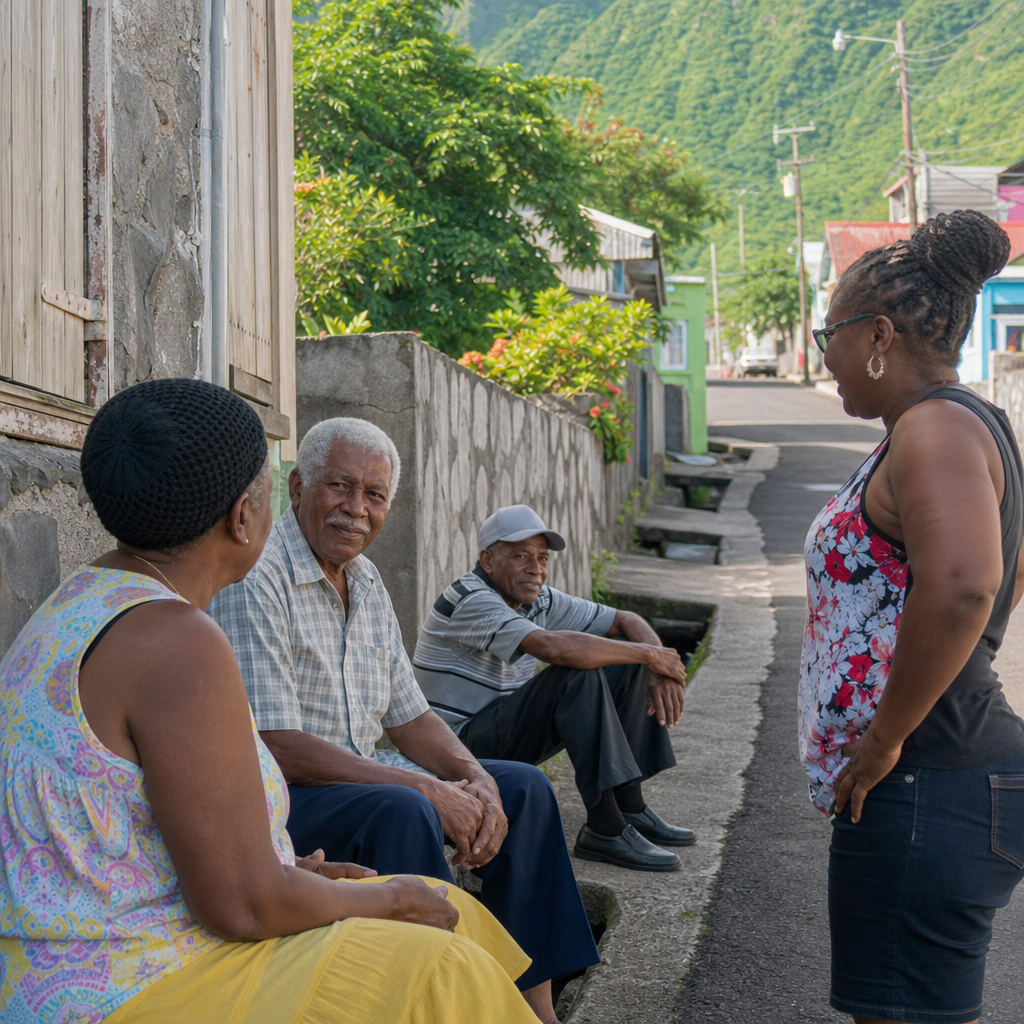
One reason Nevis’ traditional spa techniques deserve attention in a health and wellness hub is that they challenge a common assumption: spa culture is not always about indulgence. On Nevis, many practices began as domestic care. Grandmothers prepared baths for feverish children. Workers soaked sore feet. New mothers used specific herbs for cleansing and recovery. Aromatic leaves were placed in wash water because they were available, effective, and culturally familiar. That community basis explains why local wellness feels grounded rather than theatrical.
This matters for travelers choosing experiences. A treatment becomes more meaningful when it is connected to everyday life on the island. It also matters for businesses. Spas that collaborate with local growers, herbalists, and therapists tend to create stronger programs than those importing generic menus. They contribute to economic resilience, preserve plant knowledge, and give guests a clearer sense of place. At the same time, there are limits. Not every home remedy should be commercialized, and not every traditional claim has strong clinical evidence. Respectful interpretation means preserving what is useful, documenting what is known, and avoiding unsupported promises.
How to choose an authentic Nevis spa experience
If you want a treatment that genuinely reflects Nevisian tradition, start by asking direct questions. Which ingredients are sourced locally? How is the treatment connected to island history? Are therapists trained to explain contraindications? Is the product made fresh or bought as a standard commercial blend? Authenticity is usually visible in details. Menus mention real botanicals, not vague “island essence.” Therapists can describe why ginger is warming, why aloe follows sun exposure, or why a scrub should not be used on irritated skin. Facilities also maintain clear standards for cleanliness, patch testing, and hydration.
Look for treatments built around sequence. A strong Nevis-inspired ritual may begin with a bush tea or inhalation, continue with a scrub or clay application, move into a soak or steam, and end with massage using coconut oil or herb-infused oil. That order follows the basic logic of cleanse, warm, treat, and restore. It is also wise to match the treatment to your needs. After hiking, heat and stones may help. After too much sun, aloe and cooling botanicals are better than spices or salt. If you are pregnant, managing high blood pressure, or dealing with skin conditions such as eczema, ask for modifications before the session begins.
Why this topic anchors the miscellaneous wellness hub
As a sub-pillar within health and wellness, Nevis’ traditional spa techniques connect many smaller subjects that might otherwise seem miscellaneous: medicinal plants, hot springs, recovery rituals, massage traditions, skincare ingredients, cultural history, and sustainable tourism. That is why this page works as a hub. It gives readers a framework for exploring related articles on herbal remedies, geothermal bathing, Caribbean bodywork, local ingredients, postpartum traditions, and responsible wellness travel. Instead of treating these as isolated topics, Nevis shows how they function together in a living system.
The central lesson is simple. Wellness on Nevis is most compelling when culture, environment, and practical care remain linked. Bush baths, herbal steam, clay wraps, hot stones, and sea-salt scrubs are not random treatments. They are expressions of an island that learned to heal with what it had: plants from the hills, minerals from volcanic ground, warmth from geothermal activity, and knowledge carried across generations. If you are building your understanding of Caribbean wellness or planning a more meaningful spa experience, start here, then explore the connected topics that deepen the story.
Frequently Asked Questions
What makes Nevis’ traditional spa techniques different from a modern resort spa experience?
Nevis’ traditional spa techniques are rooted in cultural memory, local plants, natural geothermal resources, and practices passed down through families and communities, which makes them very different from a standard resort spa menu. In Nevis, wellness has historically been tied to everyday life rather than luxury alone. Treatments were often developed as practical ways to soothe sore muscles, support circulation, calm the mind, care for the skin, and encourage recovery after work, travel, childbirth, or illness. That means the experience is not only about relaxation, but also about restoration, cleansing, and connection to place.
Another key difference is the use of locally meaningful ingredients and methods. Volcanic clay, mineral-rich waters, bush infusions, coconut oil, sea salt, and heated stones all reflect the island’s environment. Traditional techniques also tend to be more holistic. A bush bath, for example, may be valued not just for its aroma or warmth, but for its role in easing tension, helping the body sweat, and creating a sense of emotional reset. In that sense, Nevisian spa traditions sit at the intersection of physical care, herbal knowledge, and community-based healing practices. Modern spas may borrow from these traditions, but the traditional forms themselves come from a much deeper cultural foundation.
How did African, Indigenous, and European influences come together in Nevis’ wellness traditions?
Nevis’ traditional spa culture reflects the island’s layered history, where different healing systems met, adapted, and gradually blended over time. Indigenous knowledge contributed an intimate understanding of the landscape, including the use of native plants, water sources, and natural materials for bodily care. African traditions brought strong herbal wisdom, steam and bathing customs, bodywork practices, and a philosophy that wellness includes both physical and spiritual balance. European influence added bathing rituals, certain botanical uses, and later ideas about hydrotherapy and restorative retreat, especially as mineral springs and warm waters gained attention.
What emerged in Nevis was not a simple borrowing of separate traditions, but a lived fusion shaped by the island’s climate, terrain, and people. Families and local healers adapted what was available and effective. Medicinal plants were prepared in ways that reflected African herbal practice, while local geography determined how volcanic earth, hot stones, and mineral waters were used. Community care also played an important role, as techniques were often shared through observation and experience rather than formal written systems. The result is a distinct wellness culture that feels unmistakably Caribbean and specifically Nevisian: practical, nature-based, and deeply informed by generations of cultural exchange.
What are bush baths and herbal steaming, and why are they important in Nevis?
Bush baths and herbal steaming are among the most recognizable expressions of traditional wellness in Nevis. A bush bath generally involves bathing or soaking with an infusion made from medicinal leaves, bark, roots, flowers, or other locally known plants. Depending on the herbs selected, the bath may be used to encourage relaxation, refresh the skin, ease bodily discomfort, or support post-exertion recovery. The term “bush” refers to the island’s medicinal plant tradition, not something informal or random. These baths are often based on long-standing knowledge about which combinations of plants are warming, soothing, cleansing, or calming.
Herbal steaming works on a similar principle but uses heat and aromatic plant vapors. The warmth helps open the pores and promotes perspiration, while the herbal steam creates a deeply immersive sensory experience. Traditionally, steaming may have been used to relieve feelings of heaviness in the body, support circulation, or help someone rest more comfortably. In Nevis, these practices matter because they reflect the island’s understanding of wellness as a process of release and renewal. They are also socially significant. Knowledge about which herbs to use, how to prepare them, and when to apply them often comes from elders and community healers. As a result, bush baths and herbal steaming are not just treatments; they are part of a living tradition of care, memory, and local identity.
Which natural ingredients are most commonly associated with Nevis’ traditional spa techniques?
Several natural ingredients and materials are closely associated with Nevis’ traditional spa practices, and each reflects the island’s environment. Volcanic clay is especially notable because Nevis’ volcanic landscape has long shaped how people think about the body and the earth’s restorative power. Clay applications are often valued for drawing out impurities, softening the skin, and creating a cooling or balancing effect after heat exposure. Mineral-rich waters are also central, particularly where geothermal warmth and natural springs are involved. These waters have historically been linked with soaking, recovery, and whole-body relaxation.
Medicinal plants are equally important. While the exact herbs can vary by family tradition and local availability, bush preparations have long been used in baths, steams, rinses, and compresses. Sea salt is commonly associated with exfoliation and cleansing, especially in scrubs that help remove dry skin and stimulate circulation. Heated stones, often used in bodywork, draw on the therapeutic value of warmth to loosen tension and encourage deep relaxation. Coconut oil is another staple because it is practical, nourishing, and well suited to the climate. It may be applied on its own or combined with herbs for skin conditioning and massage. Together, these ingredients show that Nevis’ spa heritage is not built around imported luxury products, but around the island’s own natural resources and the knowledge of how to use them effectively.
Are Nevis’ traditional spa techniques still relevant today, and how are they being preserved?
Yes, Nevis’ traditional spa techniques remain highly relevant today because they speak directly to current interest in natural wellness, cultural authenticity, and place-based healing. Many travelers now want experiences that feel connected to local history rather than generic spa treatments that could be found anywhere. Nevis offers exactly that through practices grounded in herbal wisdom, geothermal resources, skin rituals, and restorative bodywork. At the same time, these traditions still matter to local communities because they preserve practical knowledge about rest, recovery, self-care, and the use of natural materials. In a fast-moving world, they offer a slower and more rooted approach to wellness.
Preservation happens in several ways. One of the most important is oral transmission, with elders, herbal practitioners, and community members continuing to share plant knowledge, bathing customs, and treatment methods. Traditional ideas are also being carried forward through cultural storytelling, heritage tourism, and spa experiences that respectfully incorporate local ingredients and techniques. The most meaningful preservation, however, depends on maintaining context. That means recognizing these practices as part of Nevis’ cultural history rather than reducing them to trends. When traditional spa techniques are presented with care, proper attribution, and respect for the communities that sustained them, they continue to evolve without losing their identity. In that way, Nevis’ wellness traditions remain both historically significant and fully alive in the present.