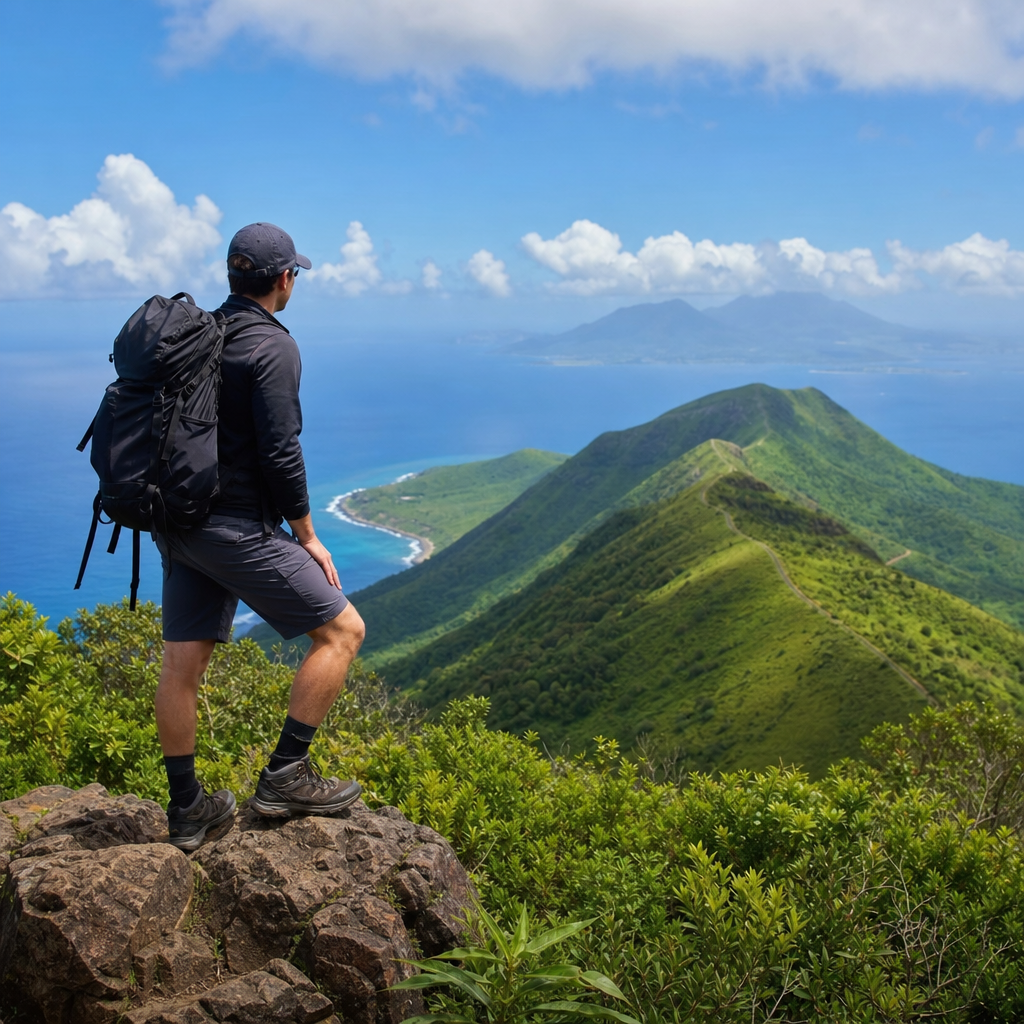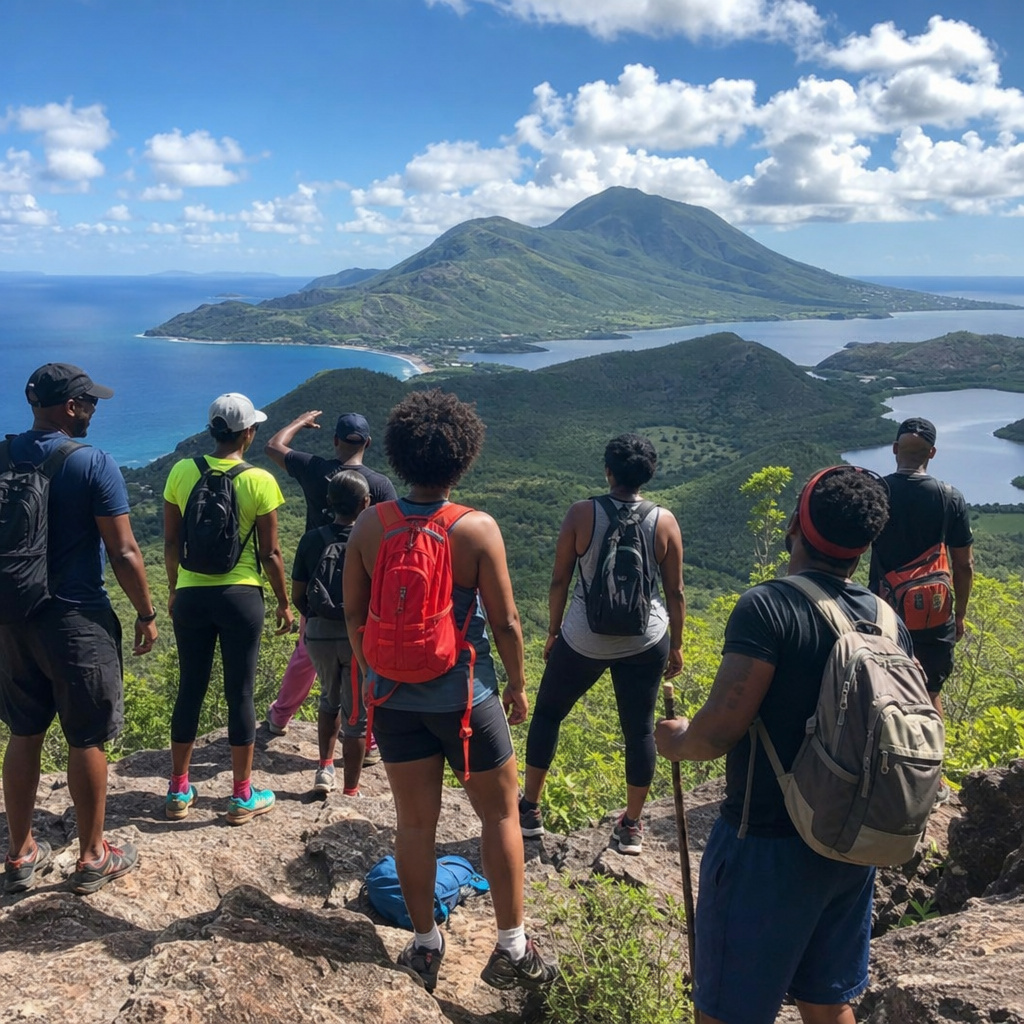
Saint Kitts’ hiking clubs turn simple walks into a structured community of wellness, giving residents, students, retirees, and visitors a practical way to improve fitness, reduce stress, and build lasting social ties on one of the Caribbean’s most varied volcanic islands. In this context, a hiking club is an organized group that plans routes, sets pace expectations, shares safety information, and creates accountability, while wellness means more than exercise alone: it includes cardiovascular health, mental restoration, social connection, outdoor confidence, and a stronger relationship with place. I have seen this firsthand on Saint Kitts, where people who would never train in a gym consistently show up for dawn climbs, rainforest walks, and coastal treks because the group makes movement feel purposeful and enjoyable. That matters on an island where terrain changes quickly from beach to cane-field track to shaded ghauts and mountain forest, offering an unusual range of experiences within short driving distances. For a health and wellness hub, hiking clubs sit at the center of many related topics because they connect nutrition, stress management, preventive health, eco-awareness, active aging, and community life. They also lower the barrier to entry for beginners by replacing uncertainty with shared knowledge about trails, weather, gear, hydration, and respectful trail behavior.
Saint Kitts is especially well suited to club hiking because its landscape naturally supports different ability levels. Easier routes around the Southeast Peninsula, coastal overlooks, and estate roads can welcome first-timers, while more demanding ascents toward Mount Liamuiga challenge experienced hikers seeking elevation, heat adaptation, and technical footing. The island’s climate makes timing important, with many groups starting early to avoid midday heat, but that same climate also allows year-round activity. Joining a club therefore solves a real problem: how to exercise consistently in tropical conditions without underestimating sun exposure, humidity, or route difficulty. A good club provides local judgment that an app alone cannot. It explains when recent rain has made slopes slick, which sections require gloves or trekking poles, how much water to carry, and when a hike should be canceled. That blend of movement, local knowledge, and mutual support is what makes Saint Kitts’ hiking clubs a genuine wellness asset rather than just a leisure activity.
Why Hiking Clubs Support Whole-Person Health
The strongest reason to join a hiking club in Saint Kitts is that it supports whole-person health in ways solitary exercise often does not. Hiking improves aerobic capacity, leg strength, balance, and glucose regulation, and the research base around walking in nature is equally compelling for mental health. Time on trails is associated with lower perceived stress, improved mood, and better attention restoration. On Saint Kitts, those benefits are amplified by scenery that changes quickly: sea views, forest canopy, volcanic rock, and agricultural landscapes create enough sensory variation to keep hikers mentally engaged. In my experience, club members who say they “hate exercise” often discover they can sustain ninety minutes or more of movement when the activity includes conversation, lookout points, and a shared goal.
Club structure also improves adherence, which is the hidden engine of wellness. Most health gains come from repeated participation, not occasional heroic effort. A scheduled Saturday morning hike, a WhatsApp reminder, and a familiar meeting point at a roundabout or estate entrance make attendance more likely than vague intentions to “be more active.” For adults managing blood pressure, weight control, or stress, consistency matters more than intensity. Many clubs naturally create progressive overload without using gym language: beginners start on shorter loops, then graduate to steeper trails or longer ridge walks as fitness improves. Because the group notices progress, motivation becomes social as well as personal.
There is also a measurable social-health dimension. Loneliness and weak community ties are linked to poorer health outcomes, while group activities can improve resilience and emotional wellbeing. On Saint Kitts, hiking clubs often become intergenerational spaces where longtime residents share local history, students bring energy, and newcomers find belonging quickly. That social fabric matters for wellness just as much as calories burned. A person who joins for fitness may stay because the club becomes a trusted circle that exchanges healthy recipes, recommends physical therapists, shares sunrise photos, and checks in when someone misses a walk.
What Hiking Looks Like on Saint Kitts
Saint Kitts offers a compact but surprisingly diverse hiking environment shaped by volcanic geography, plantation-era roads, rainforest sections, coastal cliffs, and seasonal water flow through ghauts. That diversity is one reason clubs thrive: they can rotate routes to match weather, goals, and member ability. A recovery-oriented social hike might use broad tracks with moderate incline and frequent scenic pauses. A conditioning hike could involve sustained elevation gain, uneven roots, and faster pacing. More adventurous outings may include muddy descents after rain, narrow sections with exposed edges, or summit attempts that require careful timing.
Mount Liamuiga is the island’s signature challenge and a landmark example of why organized hiking matters. The dormant stratovolcano rises to roughly 3,792 feet, and summit hikes combine steep gradients, changing temperatures, and technical footing near the crater rim. Strong guides and disciplined groups are essential there. By contrast, routes around the Southeast Peninsula can deliver substantial wellness value with lower technical demands, making them ideal entry points for people rebuilding fitness, recovering from sedentary routines, or simply wanting a scenic weekly habit. Clubs that understand this spectrum can design calendars that keep both beginners and advanced hikers engaged.
Weather literacy is another defining feature of local hiking. Even on a small island, microconditions matter. A bright coast can coincide with cloud buildup in higher forest. Rain turns clay and leaf litter into slip hazards quickly, and heat stress develops faster than many visitors expect. Experienced club leaders watch forecasts, but they also rely on local observation: wind shifts, cloud cover over central peaks, and knowledge of drainage patterns. That practical judgment is difficult to replace with generic travel advice. It is one reason community-based hiking on Saint Kitts is safer and more sustainable than informal, unplanned trekking.
How to Choose the Right Hiking Club
Not every hiking club serves the same purpose, so choosing the right one starts with clarity about your own goals. Some groups emphasize social wellness and moderate movement, while others focus on training, peak challenges, or eco-education. Before joining, ask direct questions: What is the typical distance? How much elevation gain should I expect? Is the pace conversational or brisk? Are beginners welcomed? What footwear is required? Is transportation arranged, and what happens if weather turns? Clubs that answer clearly are usually better organized and safer to join.
A useful way to evaluate a club is to look at leadership, communication, and risk management. Strong leaders do more than know trails. They set expectations before the hike, assess the group at the trailhead, place stronger hikers where they can support rather than surge ahead, and make conservative calls when conditions change. Communication tools matter too. Many effective island clubs use WhatsApp for route notes, departure times, packing reminders, and post-hike updates. That simple system reduces confusion and improves attendance. For wellness-focused members, it also creates a sense of continuity between hikes, which strengthens accountability.
| Club Feature | What It Means in Practice | Why It Matters for Wellness |
|---|---|---|
| Beginner-friendly pace | Frequent regrouping, clear route briefings, no pressure to race | Reduces intimidation and supports long-term consistency |
| Qualified local leadership | Knowledge of terrain, weather patterns, and emergency response | Improves safety and builds confidence outdoors |
| Regular schedule | Weekly or biweekly hikes published in advance | Creates routine, which is essential for fitness gains |
| Wellness culture | Encourages hydration, recovery, stretching, and mutual support | Expands benefits beyond the hike itself |
| Route variety | Mix of coastal, forest, and elevation-based outings | Prevents boredom and develops broader physical capacity |
Also consider club culture. A group can be technically competent but still be a poor fit if it prizes speed over inclusion. The best Saint Kitts hiking clubs understand that wellness requires challenge balanced with enjoyment. They welcome slower members without making them feel like a burden, and they normalize practical safeguards such as carrying electrolytes, using sun protection, and turning back when necessary. If a group dismisses preparation or treats tropical hiking casually, keep looking.
Preparing for Your First Group Hike
Your first club hike should feel manageable, and preparation is what makes that possible. Start with the basics: trail shoes or sturdy trainers with good grip, light moisture-wicking clothing, a hat, sunscreen, and more water than you think you need. On Saint Kitts, heat and humidity make hydration a primary concern. Many hikers do well with at least one to two liters for moderate outings, but the right amount depends on route length, pace, and personal sweat rate. For longer or steeper hikes, adding electrolytes is sensible, especially for people prone to cramping or heavy sweating. A small snack such as fruit, nuts, or an energy bar can help maintain energy on routes with prolonged climbs.
Arrive understanding your own current fitness rather than the fitness you wish you had. Tell the organizer if you are recovering from injury, new to hills, or uncertain about pace. Good leaders would rather place you appropriately than discover halfway up a muddy slope that you are overextended. In groups I have joined, the smoothest first experiences happen when beginners ask honest questions early. That includes practical details many people forget to ask: Is there a bathroom stop? Will phones have signal? Are trekking poles useful? Is there post-hike swimming or breakfast? Small logistics affect comfort, and comfort affects whether people return.
Recovery deserves equal attention. Stretching calves, hips, and hamstrings after the hike can reduce stiffness, but recovery also means refueling, replacing fluids, and respecting fatigue later that day. New hikers often underestimate downhill strain, which can produce delayed muscle soreness even when the outward pace felt easy. Clubs that discuss recovery openly help members avoid the boom-and-bust pattern of one difficult hike followed by two sedentary weeks. Sustainable wellness comes from participating again next week.
Safety, Etiquette, and Environmental Responsibility
Safe hiking on Saint Kitts depends on group discipline as much as individual fitness. The standard rules are simple and nonnegotiable: stay with the group, follow the leader’s instructions, respect turnaround times, and speak up early if you feel unwell. Heat exhaustion can begin with headache, dizziness, nausea, or unusual fatigue. Slips, twisted ankles, and dehydration are far more common than dramatic emergencies, which is why preventive habits matter. Leaders should carry a basic first-aid kit, know the route exit points, and maintain a head count, but members also share responsibility by arriving prepared and avoiding risky shortcuts.
Trail etiquette matters because clubs share paths with landowners, guides, farmers, and other walkers. Leave gates as instructed, avoid damaging vegetation, keep noise reasonable, and pack out every scrap of litter. On islands, environmental pressure is visible quickly. Eroded shortcuts widen after repeated use, and discarded plastic does not disappear just because vegetation is dense. Responsible clubs help protect the very landscapes that make hiking restorative. Many also use hikes as informal education, pointing out native species, watershed importance, and the history of estates and former transport routes. That deepens the wellness experience by connecting physical activity with stewardship and cultural understanding.
It is also wise to recognize limits. Not every route is appropriate for every season, every weather pattern, or every participant. Turning back is not failure; it is good judgment. The strongest clubs model that mindset consistently. They understand that trust is built when leaders prioritize member welfare over completing a planned route or posting summit photos.
The Wider Wellness Hub Around Hiking Clubs
As a miscellaneous hub within health and wellness, hiking clubs connect naturally to many related subjects and can guide readers toward deeper exploration. Nutrition is an obvious companion topic, since hydration strategy, pre-hike meals, and recovery foods influence performance and comfort. Mental wellness is another, because regular trail time often functions as stress relief, mindfulness practice, and social support all at once. Preventive health links are strong too: walking routines can support weight management, blood sugar control, and heart health when paired with medical guidance. There are also relevant conversations about active tourism, senior fitness, workplace wellness outings, youth development, and environmentally responsible recreation.
For local organizations, hiking clubs can become anchors for broader wellbeing programming. Employers can sponsor low-pressure weekend hikes to encourage movement outside office settings. Schools and community groups can introduce young people to local ecology through supervised walks. Hospitality businesses can partner with reputable guides to offer visitors authentic, low-impact activity beyond beach leisure. Public health advocates can use group hiking as an accessible entry point for people intimidated by formal exercise spaces. In practice, that is why hiking clubs matter so much: they are not isolated hobbies but platforms that connect many dimensions of healthier living on Saint Kitts.
If you want a realistic, rewarding way to improve wellbeing on the island, joining a hiking club is one of the best places to start. You gain structure, local knowledge, safety in numbers, and a community that makes consistency easier. You also experience Saint Kitts more fully, not as scenery viewed from a car window but as a living landscape felt step by step. Choose a club that matches your pace, prepare properly, respect the environment, and treat progress as cumulative. Then keep showing up. Over time, the benefits become unmistakable: stronger fitness, steadier mood, richer friendships, and a more grounded connection to the island. Find a local group, ask about the next beginner-friendly hike, and take that first walk.
Frequently Asked Questions
What makes Saint Kitts’ hiking clubs different from simply going for a walk on your own?
Saint Kitts’ hiking clubs offer much more than a casual walk. The biggest difference is structure. A club usually plans routes in advance, sets clear pace expectations, shares trail conditions, and organizes start times and meeting points so members know exactly what to expect. That organization makes hiking more accessible for beginners and more rewarding for experienced walkers who want consistency and variety. Instead of guessing which trail is appropriate, how long a route will take, or whether conditions are safe, members benefit from collective knowledge and a more dependable experience.
There is also a strong wellness advantage. On your own, it is easy to skip a walk, cut it short, or stay within the same routine. In a hiking club, accountability helps people show up regularly, and regular participation is what leads to meaningful health benefits. Those benefits often include improved cardiovascular endurance, better leg and core strength, reduced stress, improved sleep, and stronger mental resilience. Because Saint Kitts has volcanic terrain, coastal views, rainforest environments, and elevation changes, club hikes can provide a balanced physical challenge that supports overall fitness without requiring a gym setting.
Equally important is the social side. Hiking clubs create opportunities to meet residents, students, retirees, and visitors in a low-pressure environment centered on shared goals. Conversations develop naturally on the trail, and over time those repeated interactions often become real friendships and support systems. That sense of belonging is a major part of wellness. In Saint Kitts, where the landscape itself invites outdoor activity, joining a hiking club can turn exercise into a sustainable lifestyle rooted in community, accountability, and enjoyment.
Who can join a hiking club in Saint Kitts, and do you need to be very fit to participate?
Most hiking clubs in Saint Kitts are open to a broad mix of people, including local residents, university students, retirees, families, and short-term visitors who want a healthy and social way to experience the island. You do not need to be an elite athlete to join. In fact, many clubs are designed to welcome a range of ability levels by offering different route lengths, moderate pace options, or clear descriptions of difficulty before each outing. The key is choosing a group that communicates honestly about terrain, elevation, duration, and expected fitness level so members can select hikes that suit their current condition.
For beginners, this can be especially helpful. Volcanic trails and humid conditions can feel more demanding than a flat urban walk, so having guidance matters. A well-run club usually explains what to bring, how much water to carry, what shoes work best, and when a trail is more suitable for intermediate hikers. That kind of preparation reduces anxiety and makes it easier for new members to participate safely. People often discover that they are capable of more than they expected when hiking with experienced leaders and supportive fellow members.
Fitness also improves over time. Many people join not because they are already in top shape, but because they want a practical and enjoyable way to become healthier. Regular hikes can gradually improve stamina, balance, coordination, and confidence on uneven ground. If you have a medical condition, limited mobility, or concerns about heat and exertion, it is wise to consult a healthcare professional first and communicate openly with the club. The best hiking communities value inclusion, realistic pacing, and the idea that wellness is a journey rather than a competition.
What are the main wellness benefits of joining a hiking club on Saint Kitts?
The wellness benefits are both physical and mental, and they tend to reinforce each other. Physically, hiking on Saint Kitts can improve cardiovascular health by raising the heart rate in a sustained, natural way. Trails with inclines and uneven surfaces engage the legs, glutes, core, and stabilizing muscles more effectively than many routine walks on flat pavement. Over time, members may notice better endurance, healthier weight management, improved circulation, and greater energy in everyday life. Because hikes often vary in intensity, they can help people build fitness gradually while keeping exercise interesting.
Mental wellness is just as important. Spending time in nature has been linked to lower stress, improved mood, and better mental clarity, and those benefits are often amplified when the experience is shared with others. On an island as visually diverse as Saint Kitts, the combination of green landscapes, fresh air, changing elevation, and scenic viewpoints can make hiking feel restorative rather than repetitive. Many people find that club hikes help them disconnect from daily pressures, reduce feelings of isolation, and return to work or home life feeling calmer and more focused.
There is also a meaningful social and emotional component. A hiking club creates routine human connection, which supports long-term well-being in ways solitary exercise often cannot. Members encourage one another, celebrate progress, exchange local knowledge, and build trust through repeated shared experiences. That can be especially valuable for newcomers to the island, retirees seeking active community, or students trying to establish healthy habits. In this sense, wellness in a Saint Kitts hiking club goes beyond fitness metrics. It includes motivation, belonging, confidence, and the sense that health is something built together.
How do hiking clubs in Saint Kitts typically handle safety, planning, and trail expectations?
Safety and planning are central to a good hiking club, especially on an island where terrain, weather, and trail conditions can change the difficulty of an outing. Most organized clubs establish a route ahead of time and communicate key details such as distance, elevation, estimated duration, meeting location, and expected pace. This helps members decide whether a hike matches their fitness level and experience. Clubs may also identify trail leaders or coordinators who understand the route, monitor the group, and make adjustments if conditions require a change of plan.
Preparation usually includes practical guidance about gear and hydration. Members are often advised to wear supportive footwear with grip, carry sufficient water, use sun protection, and bring light rain protection if needed. On Saint Kitts, humidity and heat can increase fatigue more quickly than some hikers expect, so organized groups often emphasize hydration and pacing. Clubs may also brief members on trail etiquette, how to handle steep or muddy sections, and the importance of staying with the group rather than wandering off independently.
Another advantage of club hiking is shared situational awareness. Experienced members often know seasonal conditions, local access issues, and the characteristics of specific trails. That knowledge can reduce unnecessary risks and improve the overall experience. While no outdoor activity is risk-free, a responsible hiking club creates a safer environment through communication, leadership, pacing, and preparation. For anyone exploring Saint Kitts’ volcanic landscapes, that level of organization can make the difference between a stressful outing and a confident, enjoyable, wellness-focused adventure.
How can someone choose the right hiking club in Saint Kitts and get the most out of the experience?
Choosing the right hiking club starts with understanding your own goals. Some people want steady fitness and weight management, while others are looking for stress relief, social connection, outdoor adventure, or a way to explore more of Saint Kitts. Once you know what matters most, look for a club whose style fits your needs. Pay attention to how they describe route difficulty, pace, frequency of hikes, and group culture. A club that values encouragement, clear communication, and realistic expectations is usually the best choice for long-term participation.
It is also smart to ask practical questions before joining. Find out whether the club welcomes beginners, how long typical hikes last, what level of fitness is expected, and whether there are different options for easier or more advanced outings. If you are new to hiking in tropical conditions, ask what gear is recommended and how the group manages hydration breaks, weather changes, and trail safety. Clubs that provide this information openly tend to be better organized and more supportive. If possible, start with one or two introductory hikes to see whether the pace, leadership style, and social atmosphere feel comfortable.
To get the most from the experience, consistency matters. Attend regularly, arrive prepared, and be honest about your pace and comfort level. Over time, you will likely notice progress not only in physical endurance but also in confidence and connection with others. Many members find that the real value of a Saint Kitts hiking club is the combination of movement, accountability, and community. By choosing a group that matches your goals and participating with intention, you can turn hiking into a lasting wellness practice rather than an occasional activity.