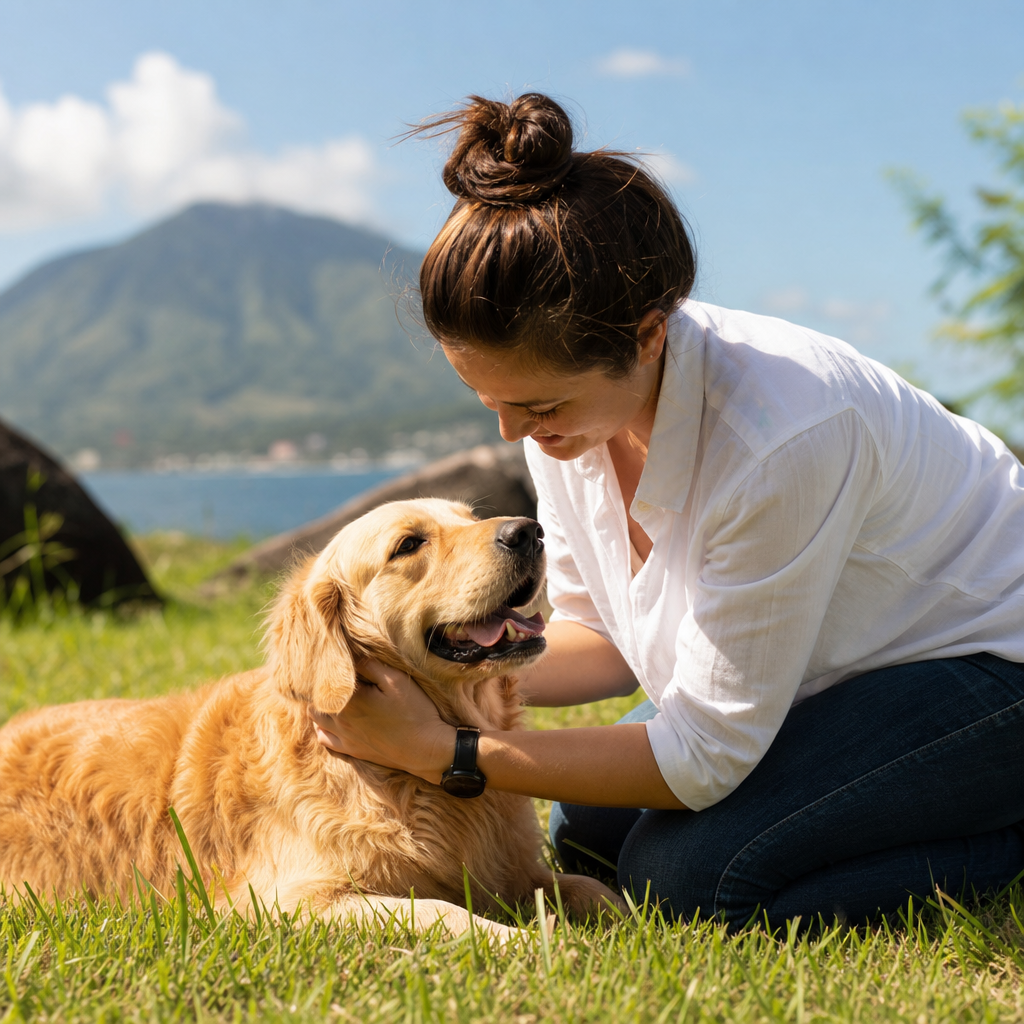
Holistic pet health in Nevis means caring for the whole animal rather than reacting only when something goes wrong. It combines nutrition, exercise, preventive veterinary care, emotional wellbeing, grooming, dental hygiene, parasite control, environmental safety, and age-appropriate support. For pet owners on a small Caribbean island, that broad approach matters even more because climate, salt air, seasonal rainfall, travel logistics, and access to supplies shape daily care in ways that colder, larger countries do not experience. I have worked with pet owners in tropical settings long enough to know that the basics are universal, but the details are local: a dog that thrives in London may struggle with heat stress in Charlestown, and an indoor cat in a hillside home faces different hydration and pest pressures than one in an urban apartment.
Nevis offers enormous advantages for animals, including outdoor space, walkable communities, and a slower pace of life, yet it also presents specific challenges. Warm weather increases flea, tick, and mosquito activity. Humidity can worsen skin infections and ear problems. Imported pet food may be expensive or unavailable for periods, forcing owners to make thoughtful substitutions rather than abrupt dietary changes. Emergency veterinary options can be more limited than in major cities, so prevention becomes more valuable. A holistic pet health plan helps owners build resilience into everyday routines. Instead of separating food from fitness or grooming from disease prevention, it treats each part as connected. Healthy skin depends on diet and parasite control. Calm behavior depends on sleep, exercise, and predictable routines. Longevity depends not on one miracle product, but on consistent, informed decisions made over months and years.
This hub article covers the miscellaneous but essential elements of whole-pet care in Nevis and provides a clear framework you can use whether you share your home with a beach-loving dog, a senior rescue cat, or multiple animals with different needs. The goal is practical: help you create a complete care system that supports daily comfort, reduces avoidable illness, and strengthens the bond between you and your furry friends.
Nutrition and hydration in a tropical climate
Good nutrition is the foundation of holistic pet health because every body system depends on it. In Nevis, nutrition planning should start with life stage, body condition, activity level, and climate. Puppies and kittens need calorie-dense diets with balanced calcium and phosphorus for growth. Adult pets need maintenance formulas matched to their size and energy output. Senior pets often do better with carefully controlled calories, high-quality protein, and joint-supportive nutrients, but there is no single senior formula that fits every animal. I advise owners to assess body condition score regularly rather than relying on guesswork. You should be able to feel the ribs without pressing hard, see a waist from above, and notice an abdominal tuck in most healthy dogs. For cats, subtle weight gain matters because obesity raises the risk of diabetes, arthritis, and urinary disease.
Hydration deserves equal attention in Caribbean heat. Dogs that spend time outdoors can dehydrate quickly, especially brachycephalic breeds such as Pugs and Bulldogs, which already struggle with cooling. Cats naturally drink less than dogs, so wet food, water fountains, and multiple clean water stations can make a measurable difference. Sudden food changes due to shipping delays should be avoided; when a preferred brand is unavailable, transition over five to seven days if possible. For owners comparing feeding approaches, the key issue is not trends but nutritional completeness, food safety, and consistency.
| Feeding approach | Main benefits | Main cautions | Best use case in Nevis |
|---|---|---|---|
| Commercial dry food | Convenient, shelf-stable, easy portion control | Lower moisture, quality varies widely | Reliable daily feeding with careful water access |
| Commercial wet food | Higher moisture, often more palatable | Costlier, spoils faster in heat | Cats, seniors, or pets needing more hydration |
| Fresh cooked diet | Ingredient transparency, flexible for sensitivities | Must be formulated correctly to avoid deficiencies | Pets with specific medical or digestive needs |
| Raw diet | Appealing to some owners, high protein | Pathogen risk, handling demands, formulation errors | Only with strong hygiene and veterinary guidance |
Treats should stay below roughly ten percent of daily calories. In practice, overfeeding often comes from extras, not meals: biscuits after walks, leftovers from dinner, or high-fat chews. Safe tropical snacks include small amounts of cucumber, pumpkin, or seedless watermelon, but fruit is not a substitute for balanced feeding. If your pet has chronic itching, recurrent diarrhea, or ear inflammation, diet may be one factor, yet owners should avoid assuming every skin problem is a food allergy. In warm climates, environmental triggers and parasites are often more common causes.
Preventive veterinary care and parasite control
The most effective way to keep pets healthy in Nevis is to prevent predictable problems before they become emergencies. A preventive care schedule should include vaccinations, fecal screening, heartworm prevention where indicated, flea and tick control, annual or semiannual exams, and baseline bloodwork for older pets. Core vaccination protocols vary by region and risk, but for dogs they typically include protection against distemper, adenovirus, and parvovirus, with rabies handled according to local law and travel requirements. Cats commonly need protection against panleukopenia, calicivirus, and herpesvirus, with additional vaccines based on exposure. Owners should ask their veterinarian to tailor risk rather than simply repeating a generic checklist.
Parasite control is especially important in humid, warm conditions. Fleas can trigger severe itching and flea allergy dermatitis. Ticks may spread blood-borne disease, and mosquitoes are relevant because heartworm remains a serious threat in many warm regions. Intestinal parasites are also common where pets share outdoor spaces. I recommend year-round prevention for most animals rather than seasonal treatment, because tropical weather does not provide the prolonged winter break that suppresses insect populations elsewhere. Product choice matters. Isoxazoline medications are widely used for fleas and ticks in dogs, while cats require species-specific products because common dog treatments can be toxic to them. Owners should never improvise with agricultural pesticides or home remedies such as concentrated essential oils, which are a frequent cause of poisoning.
Wellness visits are not just for vaccines. They give veterinarians a chance to detect heart murmurs, dental disease, early kidney changes, obesity, skin masses, and arthritis before owners notice obvious symptoms. In my experience, the pets that age best are not necessarily those with the most expensive care, but those with the most consistent monitoring. A yearly exam for a healthy adult and twice-yearly checks for seniors is a practical standard.
Exercise, mobility, and heat management
Exercise supports cardiovascular fitness, joint health, digestion, sleep quality, and behavior. In Nevis, the mistake I see most often is treating exercise intensity as fixed year-round. Tropical pet wellness requires adjusting duration, timing, and terrain to the weather. Early morning and late evening walks are safer than midday outings, especially for dark-coated dogs, overweight pets, seniors, and short-nosed breeds. Pavement temperatures can rise well above air temperature and burn paw pads, so owners should test surfaces with the back of the hand before long walks. Beach outings are enjoyable, but saltwater ingestion, sharp coral fragments, and sun exposure need to be managed.
Not every pet needs hard exercise. A young working-breed dog may require structured walks, scent games, retrieval sessions, and obedience drills to stay balanced, while a senior mixed breed may benefit more from shorter, more frequent walks and low-impact mobility work. Cats need exercise too, particularly indoor cats, which often become sedentary and overweight. Climbing shelves, food puzzles, chase play, and rotating toys improve muscle tone and mental stimulation. For dogs with arthritis, hydrotherapy and controlled strengthening can help, but overexertion can worsen pain. Watch for lagging behind, reluctance to jump, stiffness after rest, or licking at joints.
Heat stress is a genuine medical issue, not a minor inconvenience. Warning signs include excessive panting, thick saliva, bright red gums, vomiting, weakness, disorientation, and collapse. Move the pet to shade, offer small amounts of cool water, use cool towels rather than ice-cold shock, and seek veterinary help promptly. Prevention is far better: shade, ventilation, fresh water, and realistic activity plans save lives.
Emotional wellbeing, behavior, and daily routine
Holistic pet health includes mental and emotional stability because stress changes how animals eat, sleep, learn, groom, and interact. A dog that barks constantly or a cat that hides, overgrooms, or urinates outside the litter box is not being difficult for no reason. Behavior is communication. In island communities, pets may encounter unique stressors such as tourism traffic, fireworks, roaming animals, construction noise, or long stretches alone while owners work in hospitality or seasonal businesses. The solution starts with predictable routine. Regular mealtimes, walks, play periods, and rest periods help animals feel secure.
Training should rely on reward-based methods. Clear cues, repetition, and reinforcement build reliable behavior without damaging trust. Punishment may suppress a symptom temporarily, but it often increases anxiety or aggression. Separation-related distress, leash reactivity, and fear of storms are all easier to improve when owners address triggers early. Enrichment matters just as much as obedience. Sniff walks, puzzle feeders, shredding toys, hide-and-seek games, and safe social exposure reduce boredom and improve confidence. Cats benefit from vertical territory, hiding spaces, scratching posts, and litter boxes placed in quiet locations. The practical rule is simple: if an animal cannot perform normal species behavior, stress will usually appear somewhere else.
When behavior changes suddenly, rule out pain or illness. Ear infections, urinary problems, dental pain, and arthritis commonly masquerade as training issues. A holistic approach never separates behavior from health status.
Grooming, skin, dental health, and a safe home environment
Grooming in Nevis is not merely cosmetic. Regular brushing removes dead hair, distributes skin oils, allows early detection of lumps or parasites, and reduces matting that traps moisture against the skin. Humidity can aggravate hot spots, yeast overgrowth, and fold dermatitis, particularly in long-haired breeds and skin-fold breeds. Ears need routine inspection, especially after swimming, because warm, moist canals are ideal for infection. Baths should use pet-safe shampoos matched to skin type; overbathing can damage the skin barrier, while under-grooming allows debris and allergens to accumulate. Nail care matters too. Overgrown nails change posture and strain joints.
Dental disease is one of the most overlooked problems in companion animals. Plaque hardens into tartar, bacteria inflame the gums, and infection can eventually affect appetite, comfort, and systemic health. Daily brushing is the gold standard. Dental chews and water additives can help, but they do not replace mechanical cleaning. Veterinary dental assessments, and when needed professional cleaning under anesthesia, are part of preventive care, not a luxury.
Finally, a healthy pet needs a safe environment. Store medications, rodenticides, insecticides, chocolate, grapes, xylitol-containing products, and cleaning chemicals securely. Keep pets away from hot cars, unsecured balconies, and standing water contaminated by runoff. Make identification non-negotiable through tags and microchips, because even well-trained animals can slip out during storms or gatherings. Holistic care works best when the home itself supports health every day.
Taking care of your furry friends in Nevis is most effective when you think in systems rather than isolated tasks. Feed for body condition and hydration, not just convenience. Use preventive veterinary care to stay ahead of parasites, dental disease, and age-related change. Match exercise to the heat, the breed, and the animal in front of you. Protect emotional wellbeing with routine, enrichment, and kind training. Support skin, coat, teeth, and safety through practical home habits. None of these elements works as well alone as they do together, and that is the central benefit of a holistic pet health approach: small, consistent actions combine to create better comfort, fewer crises, and longer, healthier lives.
For pet owners in Nevis, this hub is the starting point for every miscellaneous aspect of companion animal wellness. Review your current routine, note any gaps, and schedule the next preventive check your pet needs. A healthier life for your dog or cat rarely begins with a dramatic change. It begins with one informed improvement today.
Frequently Asked Questions
What does holistic pet health really mean for pet owners in Nevis?
Holistic pet health means looking at your pet as a whole rather than focusing only on illness after symptoms appear. In Nevis, that approach includes balanced nutrition, regular exercise, preventive veterinary care, dental hygiene, grooming, emotional wellbeing, parasite protection, and a safe home environment. It also means adjusting care to the island’s unique conditions, including warm temperatures, humidity, salt air, heavy rainfall during certain seasons, and the reality that some supplies or specialist services may not always be immediately available. A holistic mindset encourages pet owners to be proactive: monitoring hydration, skin condition, appetite, energy levels, weight, mobility, and behavior before small issues become serious problems.
For example, a dog living in a tropical climate may need more frequent checks for fleas, ticks, ear irritation, and skin infections than a pet in a cooler region. A cat that spends time near open windows, gardens, or patios may need close supervision for parasites, heat stress, and environmental hazards. Holistic care also takes emotional health seriously. Pets thrive when they have predictable routines, companionship, stimulation, and opportunities to rest comfortably. On an island like Nevis, where weather patterns and travel logistics can affect access to care or products, pet owners benefit from planning ahead, maintaining routine checkups, and building a relationship with a trusted veterinarian. In short, holistic pet health in Nevis is about creating a complete lifestyle that supports long-term wellness, resilience, and quality of life.
How should I adjust my pet’s nutrition and hydration in Nevis’s warm Caribbean climate?
Nutrition and hydration are central to holistic pet health, especially in a warm, humid environment like Nevis. Pets may lose more fluids in tropical weather, particularly if they are active outdoors, have thick coats, are older, or have underlying health conditions. Fresh, clean water should always be available in multiple locations, and bowls should be washed regularly to prevent bacterial buildup. Some pets drink more readily from ceramic or stainless-steel bowls, and others benefit from pet water fountains that keep water moving and appealing. During hotter periods, it is wise to monitor for signs of dehydration such as lethargy, dry gums, reduced skin elasticity, sunken eyes, or unusual panting in dogs.
Food quality matters just as much as water intake. Pets do best on complete, balanced diets appropriate for their age, size, activity level, and health status. In Nevis, owners should store food carefully because heat and humidity can spoil kibble, affect freshness, and attract insects. Airtight containers and cool, dry storage are important. For some pets, adding moisture-rich foods under veterinary guidance can help support hydration. Portion control is also essential, because obesity increases the risk of joint strain, heart stress, diabetes, and reduced heat tolerance. At the same time, highly active pets may require more calories and electrolytes support through proper diet planning. If travel or shipping delays sometimes affect product availability, it is smart to keep a reasonable reserve of your pet’s regular food and transition slowly if a change becomes necessary. Sudden diet changes can cause digestive upset, which can be particularly concerning in hot weather. A veterinarian can help tailor feeding plans for puppies, kittens, senior pets, and animals with allergies, digestive issues, or chronic conditions.
What preventive health routines are most important for dogs and cats living in Nevis?
Preventive care is one of the most valuable parts of a holistic health plan because it helps detect issues early and reduces the risk of more complicated illness later. In Nevis, regular veterinary visits should include wellness exams, vaccination guidance, weight monitoring, dental checks, and discussions about parasite prevention. Because tropical climates can support year-round pest activity, flea, tick, mosquito, and internal parasite control often needs to be consistent rather than seasonal. Heartworm prevention, deworming schedules, and fecal testing may be especially important depending on your pet’s lifestyle and exposure. Cats and dogs that spend time outdoors, visit beaches, walk in grassy areas, or interact with other animals may have additional preventive care needs.
Home routines matter too. Check your pet’s skin, coat, ears, paws, and teeth regularly. Look for redness, odor, hotspots, rashes, cracked paw pads, hair loss, or signs of discomfort. Grooming is not just cosmetic; it supports skin health, allows early detection of lumps or parasites, and can improve comfort in warm weather. Dental care is another often-overlooked area. Daily or frequent tooth brushing, dental chews approved by your veterinarian, and professional cleanings when needed can help prevent gum disease and the systemic health issues that may follow. Preventive health also includes maintaining identification tags, secure fencing, safe transport, and a basic pet first-aid kit. Since access to specialized treatment may require planning or travel, staying current on preventive care in Nevis is one of the best ways to reduce emergencies and protect your pet’s long-term wellbeing.
How can I support my pet’s emotional wellbeing and exercise needs on a small island?
Emotional wellness is a core part of holistic pet health because stress, boredom, and lack of stimulation can affect behavior, appetite, sleep, and even physical health. In Nevis, pets benefit from consistent daily routines that include feeding, play, rest, social interaction, and physical activity suited to the weather. Dogs usually need regular walks, training sessions, enrichment games, and safe opportunities to explore. Cats need climbing spaces, scratching surfaces, window views, toys that encourage natural hunting behaviors, and quiet places where they can retreat and relax. Mental stimulation is especially important if your pet spends a lot of time indoors due to heat, rainfall, or safety concerns.
Exercise should be adapted to the tropical climate. Walk dogs during cooler times of day, such as early morning or late afternoon, and be cautious with hot pavement, intense sun, and high humidity. Shorter, more frequent sessions may be safer than a single long outing. Indoor games, puzzle feeders, scent work, obedience practice, and supervised play can help burn energy without overexposure to heat. Emotional wellbeing also depends on feeling secure. Loud events, storms, travel changes, and disruptions in household routine can be stressful for animals. Creating a calm resting area, using positive reinforcement, and avoiding harsh discipline help pets feel safe and confident. If a pet shows signs of chronic anxiety, destructive behavior, withdrawal, excessive vocalization, or aggression, those may be signs that their emotional and physical needs need closer evaluation. A veterinarian can help rule out medical causes and recommend behavioral strategies that fit your pet’s temperament and lifestyle in Nevis.
What special considerations should pet owners in Nevis keep in mind for grooming, safety, and senior pet care?
Grooming, environmental safety, and age-appropriate care become even more important when pets live in a coastal, tropical setting. Salt air, sand, humidity, and rain can all affect the skin and coat. Regular brushing removes debris, reduces matting, improves airflow through the coat, and helps owners notice early signs of irritation or parasites. Dogs that spend time outdoors may need paws wiped after walks, especially after beach visits or wet conditions. Ears should be checked regularly, as moisture can contribute to irritation or infection. Bathing should be done as needed using pet-safe products, but overbathing can dry the skin, so balance is important. Nail trims, coat maintenance, and routine dental care all play a role in overall comfort and mobility.
Environmental safety in Nevis should include shade, ventilation, escape-proof yards, secure screens, safe storage of chemicals and medications, and awareness of toxic plants or foods. Pets should never be left in enclosed vehicles or areas with poor airflow. During periods of heavy rain, owners should watch for standing water, muddy conditions, and increased pest exposure. For senior pets, holistic care becomes more personalized. Older animals may need softer bedding, joint support, lower-impact exercise, easier access to food and water, more frequent veterinary assessments, and close monitoring for vision changes, dental disease, arthritis, kidney issues, or cognitive decline. Senior pets can still enjoy excellent quality of life when their routines are adjusted thoughtfully. In Nevis, where climate and logistics can influence comfort and care access, planning ahead for medications, therapeutic diets, mobility aids, and regular checkups is one of the best ways to support aging pets with compassion and consistency.