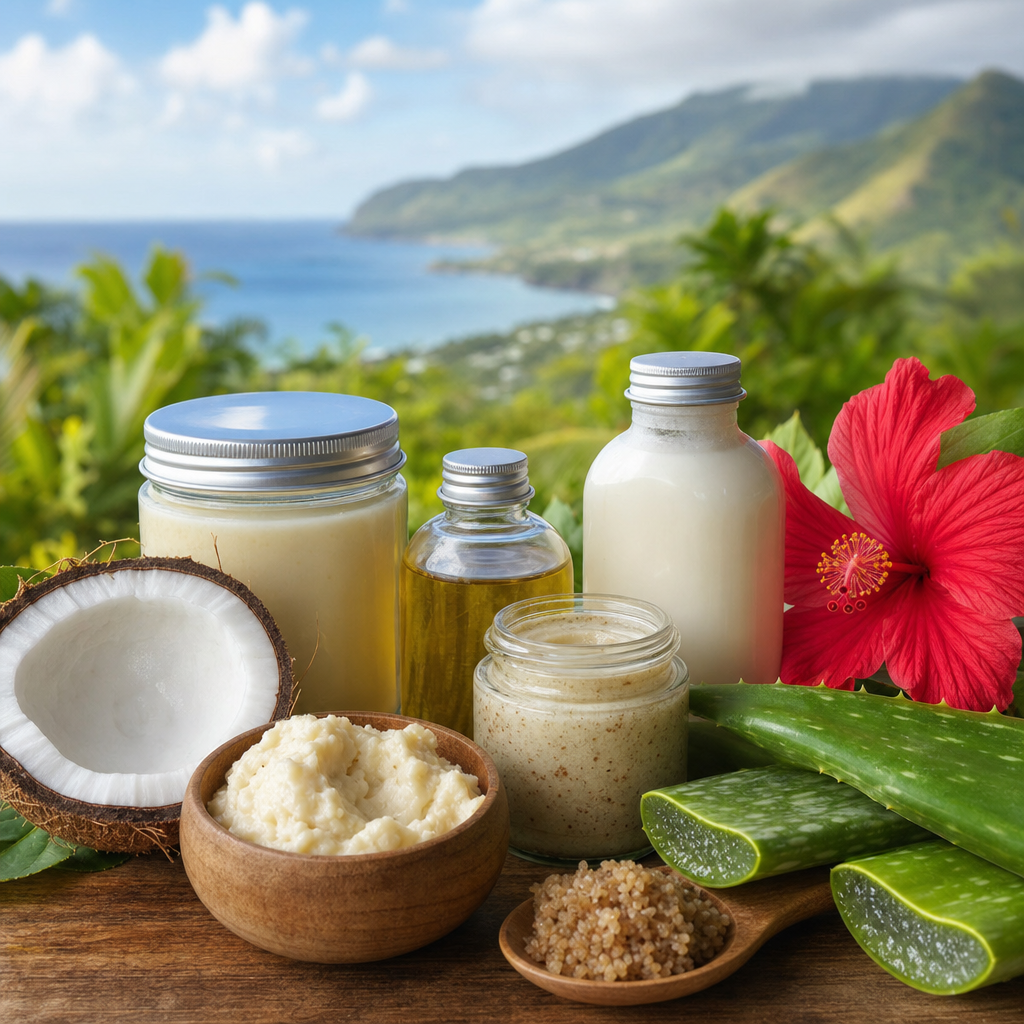
Nevis’ beauty secrets are rooted in a practical, natural skincare regimen shaped by tropical climate, mineral-rich surroundings, and generations of simple habits that protect skin rather than overwhelm it. In this guide, “natural skincare” means using botanicals, oils, clays, fruits, gentle cleansing methods, sun protection, hydration, and lifestyle practices that support the skin barrier with minimal irritation. Nevis, a small Caribbean island known for volcanic soil, warm trade winds, and abundant plant life, offers a useful lens for understanding how environment and routine influence healthy skin. I have worked with clients whose skin changed dramatically after moving between humid islands and drier cities, and the same lesson keeps repeating: skin responds best to routines that match climate, biology, and consistency. That is why Nevis-inspired skincare matters beyond the island itself. It teaches a balanced approach for dryness, excess oil, post-sun sensitivity, uneven tone, and texture without relying on aggressive overuse of actives. This article serves as a hub for the broader miscellaneous skincare subtopic within health and wellness, bringing together cleansing, exfoliation, masks, body care, nutrition, seasonal adaptation, and ingredient selection in one place.
The foundation of Nevis-inspired natural skincare
The core of a Nevis-inspired natural skincare regimen is barrier support. In a humid coastal climate, many people assume they need harsh cleansers because sweat and sunscreen build up quickly. In practice, stripping the skin often increases inflammation, rebound oiliness, and sensitivity. A better foundation is a gentle cleanse, lightweight hydration, antioxidant support, and disciplined sun protection. Dermatology guidance from organizations such as the American Academy of Dermatology consistently supports this sequence because barrier function controls water retention, microbial balance, and resilience against irritation. On Nevis, where sun exposure can be intense year-round, the healthiest complexions usually come from prevention, not correction.
Natural does not automatically mean safe, and effective does not always mean complicated. Coconut oil, aloe vera gel, honey, oatmeal, and clay can each be useful, but only in the right context. Coconut oil is excellent for many body areas yet can clog acne-prone facial skin. Fresh aloe can calm heat-exposed skin, but poorly preserved gels may trigger irritation. Raw honey can function as a humectant and mild antimicrobial dressing, though it should be patch tested in reactive skin. Oatmeal, especially colloidal oatmeal, is backed by evidence for soothing itchy or inflamed skin because it contains beta-glucans and avenanthramides. Clay masks can absorb oil, but overuse weakens the barrier. The secret is matching ingredient to purpose.
In my experience, the most effective island-style routine is not a long ritual. It is a short, repeatable system done every day. Morning usually means rinse or cleanse, antioxidant serum if tolerated, moisturizer, and broad-spectrum SPF 30 or higher. Evening means proper sunscreen removal, a gentle cleanser, targeted treatment if needed, and moisturizer. Everything else, including masks, scrubs, or facial steaming, belongs in moderation. This simple structure creates room for natural ingredients to help instead of compete with too many products.
Island botanicals and ingredients that actually earn a place
Many articles romanticize tropical ingredients without explaining what they do. A smarter approach is to look at function. Aloe vera supports temporary soothing and hydration. Sea moss is often discussed for minerals, but topical benefits depend on formulation quality and are less established than the claims suggest. Papaya contains papain, an enzyme that can help loosen dead surface cells, making it useful in carefully formulated exfoliating masks. Tamarind has polysaccharides that can support hydration and a smoother feel. Sugar cane derivatives provide glycolic acid, one of the best studied alpha hydroxy acids for surface exfoliation when used in controlled concentrations. Neem, tea tree, and sulfur-based natural formulas may help oily or blemish-prone skin, but they can also be drying.
On Nevis and across the Caribbean, people have long used simple kitchen-and-garden ingredients for face and body care. The best examples are the least dramatic. Cucumber and aloe compresses can reduce the sensation of heat after sun exposure. Oatmeal baths can calm prickly, itchy skin after sweat and salt exposure. Honey masks can soften rough patches. Avocado and soursop are sometimes used in homemade blends for emollience, though fruit acids and fragrances make patch testing essential. Cocoa butter and shea butter remain reliable for body care, especially on elbows, knees, heels, and areas exposed to wind and salt.
The key rule is formulation discipline. Fresh ingredients vary in strength, pH, and contamination risk. If you use papaya or citrus directly on skin, you increase the chance of irritation and, with some citrus oils, phototoxicity. For that reason, I generally recommend products from reputable formulators that use standardized extracts, preserved aloe, measured acid levels, and clear labeling. Natural skincare works best when it respects cosmetic chemistry rather than ignoring it.
Daily routines for humid weather, sun exposure, and mixed skin concerns
A natural skincare regimen for Nevis or any similar climate should answer three common questions directly: How do you stay hydrated without getting greasy, how do you protect skin from constant UV exposure, and how do you manage congestion caused by sweat, sunscreen, and humidity? The answer starts with texture. Gel creams, glycerin-based serums, squalane in small amounts, and light lotions typically outperform heavy occlusives during the day. At night, richer creams can be added if the skin feels tight from air conditioning, swimming, or over-cleansing.
For combination skin, I often recommend a split approach: gentle foaming cleanser only at night, water rinse in the morning, lightweight hydrating serum on the full face, and heavier cream only on drier zones. For oily skin, niacinamide paired with a non-comedogenic moisturizer can reduce the look of shine while supporting the barrier. For dry or mature skin, humectants such as glycerin and hyaluronic acid work best when sealed with an emollient moisturizer, especially after bathing. For post-acne marks or uneven tone, azelaic acid and low-strength lactic acid can fit within a natural-leaning routine better than harsh physical scrubs.
Sun care is not optional. On a bright island, ultraviolet radiation accelerates hyperpigmentation, collagen loss, rough texture, and visible vessels even when skin does not burn easily. Broad-spectrum SPF 30 or higher, reapplied as directed, is the most important anti-aging product in any regimen. Mineral sunscreens with zinc oxide are often well tolerated by sensitive skin, while modern chemical filters can offer more elegant textures for deeper skin tones when formulas are chosen carefully. Hats, shade, and UV-protective clothing make a visible difference over time.
| Skin concern | Useful natural-leaning ingredients | What to avoid | Practical example |
|---|---|---|---|
| Dehydration | Glycerin, aloe, squalane, oatmeal | Frequent clay masks, harsh soap | Apply gel moisturizer on damp skin after evening cleanse |
| Oiliness and congestion | Niacinamide, clay once weekly, green tea | Heavy oils on acne-prone areas | Use a gentle cleanser after sunscreen and sweat exposure |
| Uneven tone | Azelaic acid, licorice root, lactic acid | Lemon juice, abrasive scrubs | Alternate brightening serum with barrier cream at night |
| Post-sun sensitivity | Aloe, panthenol, colloidal oatmeal | Strong acids and retinoids immediately after irritation | Pause exfoliation for several days and focus on soothing care |
Exfoliation, masks, and treatments without damaging the barrier
One of the biggest misconceptions in natural skincare is that scrubbing harder produces cleaner, brighter skin. It usually does the opposite. Frequent use of sugar scrubs, nut shells, rough brushes, or harsh loofahs can create micro-inflammation, worsen pigmentation, and disrupt the outer barrier. In a sunny environment, that damage becomes even more visible because inflamed skin pigments more easily. Controlled exfoliation is safer. Lactic acid, mandelic acid, and enzyme masks can improve dullness with less friction, provided they are used sparingly and not combined recklessly.
For most people, once or twice weekly exfoliation is enough. Sensitive skin may need less. Clay masks should also be limited, especially if they dry completely and crack on the face. A common fix is to apply clay only to the T-zone or to mix kaolin with honey or glycerin so the mask stays more flexible. Charcoal masks can help with oil control, but they are not detox treatments in the medical sense. Their benefit is mainly adsorption of oil and surface debris. If your skin feels squeaky or tight after a mask, the routine is too aggressive.
Targeted treatments deserve the same restraint. Spot treatments with sulfur or diluted tea tree can help occasional blemishes, but widespread use may irritate large areas. Homemade steam facials are comforting, yet steam does not “open” pores permanently; it simply softens surface debris and increases circulation temporarily. After steam, extraction should be minimal, clean, and ideally avoided unless done professionally. The better strategy is consistent cleansing and ingredients that normalize cell turnover over time.
Body care, scalp care, and the overlooked habits behind healthy skin
Facial skincare gets most of the attention, but many of Nevis’ beauty habits are really full-body wellness practices. Salt air, warm weather, and regular bathing create specific needs for body skin. Gentle body cleansers with a skin-friendly pH help prevent the tightness caused by traditional alkaline soaps. Applying lotion, cream, or body oil within a few minutes of showering reduces transepidermal water loss. For rough areas, urea creams and lactic acid lotions often outperform simple oils because they soften thickened skin while also drawing in water. Cocoa butter remains a strong choice for sealing moisture, but pairing it with a humectant gives better long-term results.
Scalp care matters too, especially in humid climates where sweat, oils, styling products, and protective hairstyles can trap buildup. A healthy scalp supports stronger-looking hair and reduces flaking that is often mistaken for dryness when it is actually seborrheic dermatitis. Natural oils can condition hair shafts, but they do not treat scalp inflammation on their own. Tea tree shampoos, zinc pyrithione alternatives where available, salicylic acid washes, and fragrance-free scalp serums can be more effective depending on the issue. The lesson is the same as with facial care: choose ingredients for function, not trend value.
Sleep, stress control, and diet are not cosmetic details. Poor sleep increases cortisol, which can worsen inflammatory skin conditions and impair recovery. High-glycemic diets can aggravate acne in some individuals by influencing insulin and androgen pathways. Omega-3 fats, colorful produce, adequate protein, and consistent hydration support skin repair more reliably than expensive beauty drinks. I have seen routines improve quickly when clients stop chasing miracle products and start protecting sleep, washing off sunscreen properly, and moisturizing every day.
How to build a simple Nevis-inspired regimen that lasts
The best regimen is one you can sustain through travel, work, changing weather, and occasional flare-ups. Start with four essentials: cleanser, moisturizer, sunscreen, and one treatment matched to your main concern. If your skin is sensitive, your treatment might be colloidal oatmeal or azelaic acid. If your concern is congestion, it might be niacinamide or a salicylic acid cleanser used a few times weekly. If pigmentation is the priority, consider azelaic acid, licorice root, vitamin C, or carefully introduced exfoliation. Add only one new product every two to three weeks so you can identify reactions clearly.
Patch testing is non-negotiable, especially with botanical products and essential oils. Apply a small amount behind the ear or on the inner arm for several days before using it broadly. Watch for delayed irritation, not just immediate stinging. Keep a short list of triggers, because patterns matter: fragrance, peppermint, eucalyptus, citrus oils, strong acids, and certain preservatives are common problems for reactive skin. Also remember that “clean” packaging claims do not replace stability testing, proper preservation, or broad-spectrum sun protection.
A Nevis-inspired approach is valuable because it is grounded in common sense. Respect the climate. Support the skin barrier. Use plants and natural ingredients where they have a clear role. Avoid harsh shortcuts. Protect skin from the sun every day. If you want to explore this miscellaneous hub further, build from the basics covered here and connect them to more focused topics such as sensitive skin routines, body care, scalp health, after-sun recovery, and ingredient guides. Natural skincare works best when it is disciplined, consistent, and adapted to your real life. Start with a simple routine this week, track how your skin responds, and refine from there.
Frequently Asked Questions
What makes Nevis-inspired natural skincare different from other “clean beauty” routines?
Nevis-inspired natural skincare stands out because it is less about trends and more about climate-aware, barrier-supportive habits that have practical value in a tropical environment. On an island like Nevis, skincare is shaped by heat, humidity, sea air, strong sun, and mineral-rich natural resources, so the goal is not to overload the skin with too many active ingredients. Instead, the emphasis is on gentle cleansing, lightweight moisture, regular sun protection, and simple botanical support that helps skin stay balanced. This approach often includes plant oils, fruit-based ingredients, clay masks, soothing aloe, and hydration practices that work with the skin rather than constantly forcing it to adapt to aggressive treatments.
Another important difference is that Nevis’ beauty traditions reflect a lifestyle as much as a product routine. Natural skincare in this context includes drinking enough water, eating fresh produce, minimizing unnecessary irritation, and respecting the skin’s natural barrier. Rather than chasing quick fixes, the regimen is built around consistency and moderation. That makes it especially appealing for people who want healthy-looking skin without an overwhelming lineup of products. In practical terms, a Nevis-inspired routine is simple, grounded, and realistic: cleanse gently, moisturize thoughtfully, protect from the sun, and use natural ingredients in ways that soothe and support instead of stripping or inflaming the skin.
Which natural ingredients are commonly associated with Nevis-style skincare, and how do they benefit the skin?
Natural skincare inspired by Nevis often highlights ingredients that make sense in a tropical, mineral-rich setting. Aloe vera is one of the most recognizable examples because it helps calm skin that feels warm, dry, or irritated from sun and environmental exposure. Clay, especially mineral-rich clay, is also valued for its ability to absorb excess oil, lift surface impurities, and leave the skin feeling refreshed without relying on harsh scrubs. Lightweight botanical oils may be used to seal in moisture, soften rough patches, and support the skin barrier, particularly when applied in small amounts to damp skin. Depending on the formulation, fruit-derived ingredients can provide gentle enzymes or antioxidants that help skin look brighter and smoother.
These ingredients are effective when they are used carefully and appropriately for skin type. For example, clay can be beneficial for oily or combination skin, but it should not be left on so long that it causes tightness or dehydration. Aloe can be soothing after sun exposure, but it works best as part of a broader routine that includes regular moisturizing and sunscreen use. Botanical oils can help reduce moisture loss, yet heavier oils may not suit everyone in humid weather. The broader lesson from Nevis’ beauty traditions is that even natural ingredients should be selected with purpose. “Natural” does not automatically mean better in every situation; the most effective routine is one that uses a few well-suited ingredients consistently and gently, with close attention to how the skin responds.
How can I build a simple natural skincare routine based on Nevis’ beauty secrets?
A simple Nevis-inspired routine starts with the basics and keeps them consistent. In the morning, begin with a gentle cleanser or even a mild rinse if your skin does not wake up oily. Follow with a lightweight moisturizer that supports hydration without feeling heavy in warm or humid conditions. Then apply broad-spectrum sunscreen every day, even if your routine is otherwise very minimal. Sun protection is one of the most important parts of protecting the skin barrier, preventing uneven tone, and preserving overall skin health. If desired, a soothing botanical mist or aloe-based gel can be added for comfort, but the core morning routine should remain uncomplicated.
At night, focus on removing sunscreen, sweat, and daily buildup with a gentle cleanser that does not leave the skin feeling stripped. After cleansing, apply a moisturizer suited to your skin type. If your skin feels dry, a few drops of a compatible plant oil can be layered on top to help seal in moisture. Once or twice a week, you can use a clay mask or a mild fruit-based treatment, but the key is moderation. Overusing masks, exfoliants, or strong natural ingredients can still irritate the skin. The beauty of a Nevis-style regimen is that it avoids excess. You do not need a crowded shelf to care for your skin well; you need a steady routine that respects your environment, your skin type, and your skin’s need for calm, hydration, and protection.
Is natural skincare enough to protect skin in a tropical climate, or do I still need sunscreen and other essentials?
Natural skincare can be a valuable foundation, but it is not a substitute for sunscreen, especially in a tropical climate. One of the biggest misunderstandings in natural beauty is the belief that oils, butters, or plant extracts alone can provide adequate protection from UV exposure. In reality, strong sunlight requires reliable daily sun protection with a broad-spectrum sunscreen. This is fully consistent with Nevis’ practical beauty philosophy: protect the skin first, then support it with soothing and nourishing natural ingredients. Without proper sun protection, even the best natural routine may struggle against preventable sun damage, visible irritation, and long-term uneven texture or tone.
Other essentials still matter too. Gentle cleansing is necessary to remove sweat, salt, pollution, and sunscreen buildup. Proper hydration supports how the skin looks and feels, especially in heat and wind. A well-chosen moisturizer helps defend the skin barrier and reduces the chance of dryness, sensitivity, or rebound oiliness. In other words, natural skincare works best when it is part of a complete, sensible routine rather than a replacement for proven basics. The Nevis-inspired perspective is not anti-science or anti-sunscreen; it is about using fewer, better-aligned products and habits that keep skin resilient in a demanding environment.
Can Nevis-inspired natural skincare work for sensitive, acne-prone, or mature skin?
Yes, Nevis-inspired natural skincare can work well for many skin types, including sensitive, acne-prone, and mature skin, as long as the routine is tailored thoughtfully. For sensitive skin, the biggest advantage is the emphasis on simplicity and low irritation. A gentle cleanser, a fragrance-free or minimally fragranced moisturizer, soothing ingredients like aloe, and careful sun protection can be more helpful than a complicated routine full of strong acids and frequent exfoliation. The main caution is that natural ingredients can still trigger reactions, so patch testing remains important. Essential oils, heavily scented plant extracts, or rough DIY scrubs may not be appropriate for sensitive skin, even if they sound wholesome.
For acne-prone skin, this style of skincare can be beneficial because it reduces the chance of over-stripping the skin, which often worsens oil imbalance and irritation. Clay masks used occasionally, light moisturizers, and non-comedogenic botanical ingredients may help keep skin comfortable and balanced. For mature skin, the focus shifts to preserving moisture, supporting elasticity, and minimizing environmental stress. Richer creams, gentle oils, antioxidants from fruit or plant sources, and diligent sunscreen use can all play a role. The central principle across all skin types is balance. Nevis’ beauty secrets are not about using the same ingredient on everyone; they are about choosing simple, supportive measures that strengthen the skin barrier, reduce unnecessary stress, and allow skin to function at its best over time.