Yoga retreats in Nevis offer a rare combination of steady tropical warmth, quiet coastlines, forested mountain slopes, and a pace of life that makes genuine restoration possible. For travelers looking beyond a standard beach holiday, a yoga retreat in Nevis can reset sleep, lower stress, support mobility, and create space for focused reflection without the noise and scheduling pressure that defines many wellness trips elsewhere. In practical terms, a retreat usually combines daily yoga classes, meditation, nourishing meals, and guided time in nature, often with optional spa treatments, hiking, sailing, or cultural excursions. Nevis, the smaller island in the Federation of St. Kitts and Nevis, is especially well suited to this format because it remains uncrowded, easy to navigate, and deeply scenic.
When I evaluate retreats for clients and editorial guides, I look at more than the class schedule. The strongest programs balance physical practice with climate, terrain, accommodation quality, instructor credentials, meal planning, and realistic downtime. Nevis performs well across those criteria. The island has long stretches of calm shoreline, views of Nevis Peak, boutique inns and resorts with open-air pavilions, and a wellness-friendly rhythm that encourages early rising and outdoor movement. It also supports varied travel goals. Some visitors want an intensive week of alignment-based yoga and meditation. Others want a gentle retreat with beach walks, restorative sessions, and healthy Caribbean cuisine. Both can work here.
As a hub within Adventure and Activities, this guide covers the miscellaneous side of yoga retreats in Nevis comprehensively: what they include, who they suit, where they typically take place, how to choose the right format, what to pack, and which off-mat experiences add value. If you are asking whether Nevis is a good destination for a yoga holiday, the direct answer is yes. Its scale, natural setting, and laid-back infrastructure make it easier to slow down, stay present, and actually benefit from the retreat experience rather than spending the week in transit or crowds.
Why Nevis Works So Well for Yoga Retreats
The essential advantage of Nevis is environmental fit. Good retreats depend on conditions that support regular practice: moderate daily logistics, low noise, access to outdoor space, and a setting that encourages nervous system downregulation. Nevis delivers each of these. The island is compact, so transfers between lodging, beaches, and activity sites are short. There is less traffic than in larger Caribbean destinations, and many retreat properties are set among palms, gardens, or hillside views instead of dense commercial strips. That matters because the retreat environment shapes whether participants can maintain attention in class and recover well between sessions.
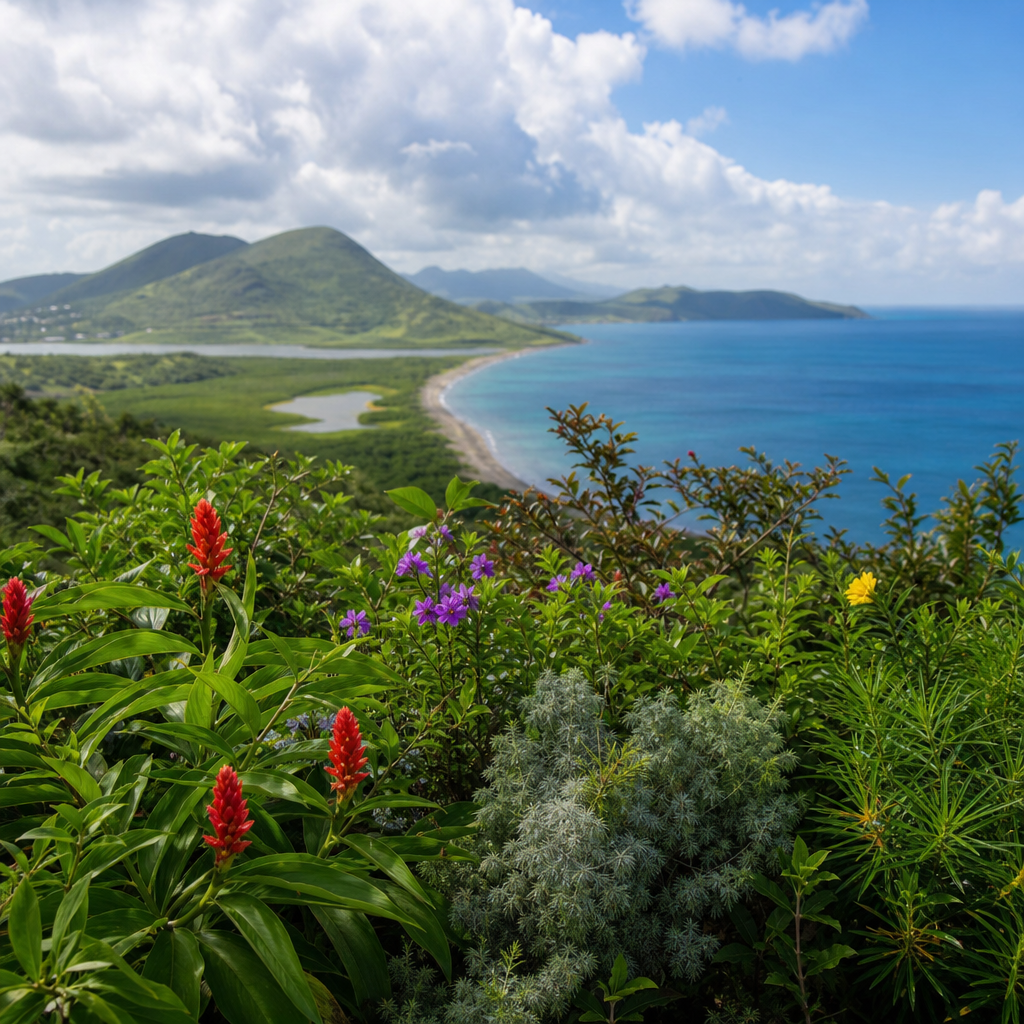
Climate is another factor. Warm mornings allow sunrise yoga outdoors for much of the year, while sea breezes make shaded practice decks comfortable. The landscape also creates variety. A retreat can pair grounding beach sessions with cooler, greener experiences inland near the slopes of Nevis Peak. In my experience, that contrast improves adherence; guests are more likely to stay engaged when the week includes multiple sensory environments rather than repeating the same studio setting. Nevis also benefits from an identity that feels intimate rather than performative. You are not constantly being sold a wellness lifestyle. You are simply in a place where walking, breathing deeply, eating well, and sleeping early become easier.
The cultural tone supports this too. Nevis is known for hospitality, understated luxury, and historical depth, from Charlestown architecture to old plantation estates repurposed as inns. That gives retreats a grounded quality. Wellness here can include local herbal traditions, fresh produce, marine excursions, and heritage visits without feeling packaged. For travelers who want body-and-mind renewal in nature, Nevis is not just visually attractive; it is operationally practical and emotionally calming.
What a Typical Yoga Retreat in Nevis Includes
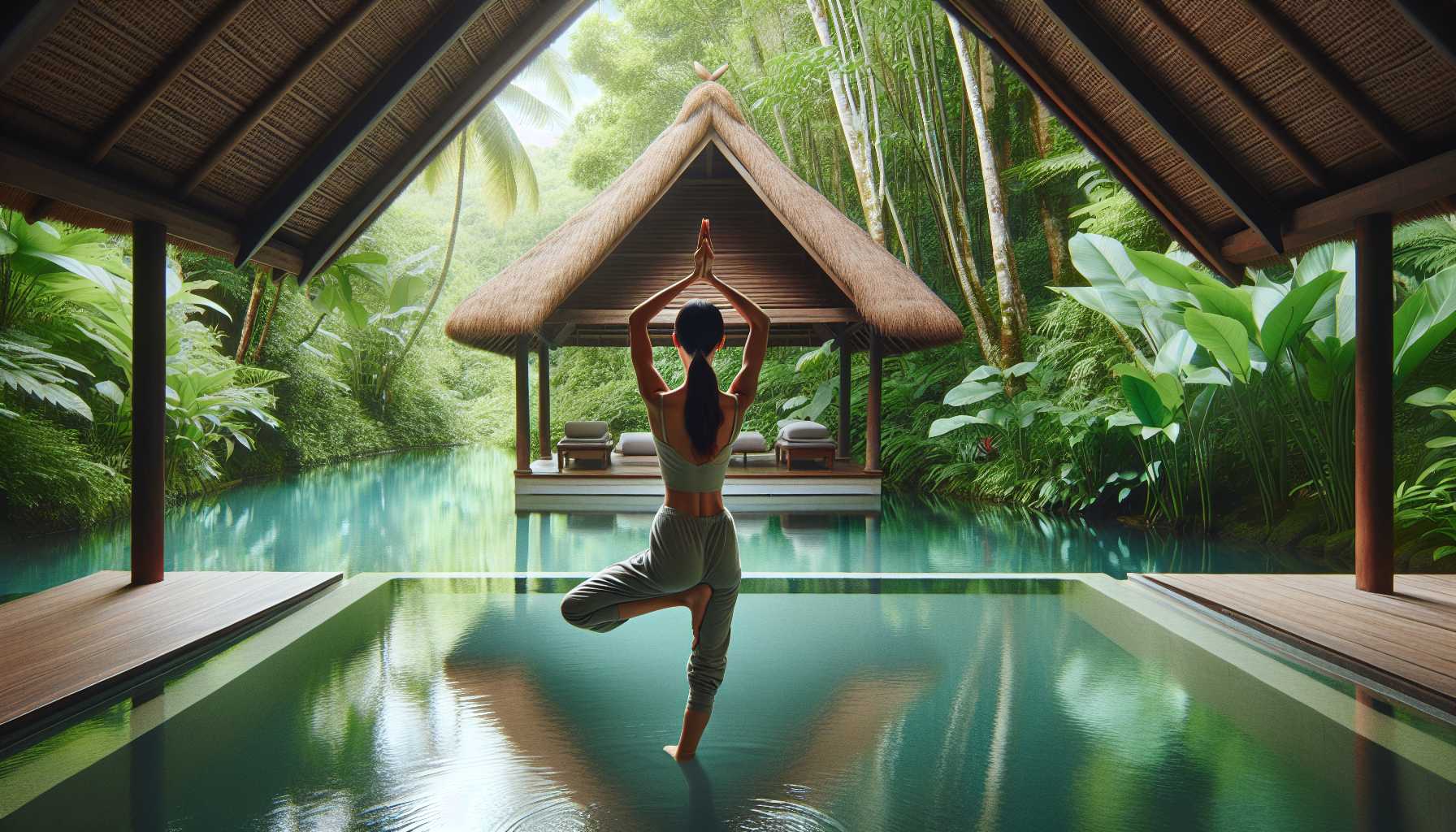
Most yoga retreats in Nevis follow a twice-daily rhythm. Morning practice usually emphasizes energizing movement such as vinyasa, hatha, or breath-led mobility work, often timed around sunrise when temperatures are milder. Evening sessions tend to shift into restorative yoga, yin, guided stretching, pranayama, or meditation. Between classes, guests usually have time for breakfast, beach access, pool recovery, massages, journaling, or optional excursions. Better retreats build in unscheduled hours because an over-programmed itinerary undermines the very recovery guests came for.
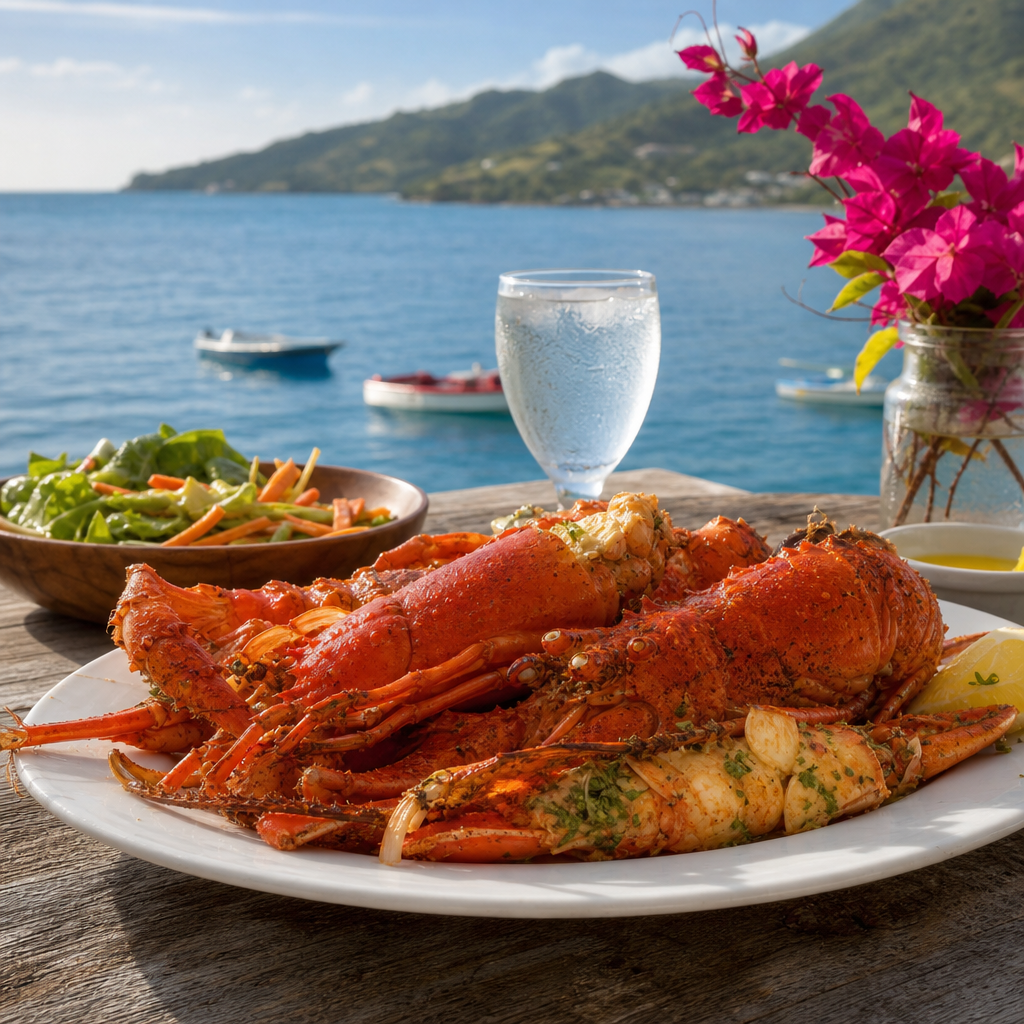
Accommodation ranges from boutique guesthouses to upscale resorts with dedicated wellness facilities. Some retreats use open-air shalas overlooking the sea; others convert lawn, deck, or pavilion space into temporary practice areas. Meals are often a major strength. Nevis can support fresh fish, tropical fruit, vegetables, and lighter Caribbean preparations that align well with retreat dining. The best operators accommodate vegan, vegetarian, gluten-free, and allergy-related needs, while still serving food that feels local rather than generic wellness fare. If meals are listed as “clean” but not described in detail, ask specific questions about ingredients, sourcing, and protein options.
Many retreats also include supporting modalities. Common additions are mindfulness workshops, sound healing, private yoga therapy, spa treatments, hiking, snorkeling, paddleboarding, or boat trips. The quality varies, so review the lead teacher’s training and the exact number of instruction hours. A certified teacher with 200-hour or 500-hour training, trauma-aware cueing skills, and retreat leadership experience is a materially better choice than a charismatic host with limited formal background.
| Retreat Element | What to Expect in Nevis | Why It Matters |
|---|---|---|
| Morning yoga | Sunrise beachside or garden practice | Cooler temperatures and strong attendance |
| Evening sessions | Restorative, yin, meditation, breathwork | Improves relaxation and sleep quality |
| Meals | Fresh produce, seafood, vegetarian-friendly menus | Supports energy, digestion, and recovery |
| Nature access | Beach walks, mountain views, tropical gardens | Reduces stress and enriches mindfulness |
| Optional activities | Hiking, sailing, spa, snorkeling, cultural tours | Adds variety without forcing intensity |
| Accommodation | Boutique inns or resort wellness settings | Shapes comfort, privacy, and practice atmosphere |
Types of Retreat Travelers Nevis Serves Best
Nevis is not only for advanced practitioners. In fact, it is one of the better islands in the Caribbean for beginners who feel intimidated by high-performance yoga culture. Because the destination is naturally quiet, retreats do not need to manufacture serenity through rigid rules or social signaling. That makes first-time participants more comfortable asking for modifications, skipping an excursion, or choosing a gentler class. Beginners generally do best in hatha, slow flow, or mixed-level retreats that include alignment instruction and clear prop use. If a listing uses terms like power flow, advanced inversions, or intensive immersion, that is usually a sign the retreat is less suitable for new students.
Couples also fit Nevis well. One partner may attend every class, while the other may prefer golf, sailing, spa treatments, or historic sightseeing. Because the island has enough non-yoga activities to fill free hours, mixed-interest travel works without friction. Solo travelers benefit too. I often recommend Nevis to people recovering from burnout because it feels safe, navigable, and socially manageable. You can connect with the group when you want community and withdraw to the beach or your room when you need quiet.
Corporate leaders, creatives, and remote workers increasingly use yoga retreats as reset periods between intensive work cycles. For them, Nevis provides a useful middle ground: enough comfort and connectivity for practical needs, but not so much stimulation that the retreat turns into another working week. There is also value for active travelers. If you enjoy hiking, swimming, paddleboarding, or light adventure, the island lets you combine those with structured recovery practices. The result is a more rounded wellness trip where movement is not limited to the mat.
Nature-Based Experiences That Deepen the Retreat
The strongest yoga holidays in Nevis extend beyond class time into deliberate contact with the island’s ecosystems. Beach meditation at sunrise is the obvious example, but there is more to work with. Nevis Peak and its surrounding greenery create a visual anchor that enhances grounding practices. Guided hikes, when paced appropriately, can complement a retreat by adding cardiovascular effort, sensory immersion, and perspective. I generally advise scheduling demanding hikes after a restorative evening rather than before a strong morning flow, since fatigue affects balance and concentration.
The coastline offers another layer of therapeutic value. Gentle swimming and snorkeling can function as active recovery, especially for guests arriving with stiffness from long flights or desk-heavy routines. Time near the water also has measurable psychological benefits; environmental psychology research consistently links blue-space exposure with reduced stress and improved mood. While a retreat does not need scientific language to justify a beach walk, the underlying effect is real and observable. Guests sleep more deeply, spend less time on phones, and often report better emotional regulation by the third or fourth day.
Gardens, historic estates, and open-air dining spaces matter as well. Nature on retreat is not only dramatic scenery; it is the cumulative effect of breeze, shade, birdsong, and reduced indoor confinement. Some of the best sessions I have seen in the Caribbean happened on simple covered terraces with no elaborate production, just competent teaching and an environment that encouraged attention. Nevis excels at that kind of understated immersion, which is why the island appeals to travelers who want substance rather than spectacle.
How to Choose the Right Retreat, Season, and Setting
Start with the teacher, not the photography. Beautiful beachfront images are easy to market, but instruction quality determines whether the retreat is safe, useful, and worth the price. Review the teacher’s certification level, years of teaching, class style, and experience with mixed abilities or injuries. If you have back pain, hypermobility, prenatal considerations, or anxiety around hands-on adjustments, ask directly how those needs are handled. A credible organizer will answer precisely. Vague assurances are a warning sign.
Next, assess the retreat structure. Count the included classes, note whether airport transfers and meals are covered, and check the ratio of organized activity to genuine free time. For many travelers, four to six instructional sessions over a long weekend or ten to twelve over a week is the right range. More than that can feel draining, especially in warm weather. Also verify the practice space. A shaded pavilion with mats, blocks, straps, and backup indoor space is far better than a grass lawn with no rain plan.
Season matters. The dry season generally brings more predictable conditions and easier outdoor scheduling, while the greener months may offer lower rates and a quieter atmosphere. Shoulder periods can be excellent value if the property has good ventilation and weather contingencies. Setting is the final decision point. Beachfront retreats suit travelers prioritizing swimming, sunsets, and easy sand walks. Hillside or estate settings often feel cooler, more private, and more contemplative. Neither is universally better; the right choice depends on whether you want social seaside energy or deeper seclusion.
Practical Planning: Budget, Packing, and Expectations
Yoga retreat pricing in Nevis varies with accommodation category, meal inclusions, and instructor profile. Boutique group retreats may be relatively attainable compared with fully luxury wellness programs at premium resorts, but flights, ferry connections, transfers, and add-on treatments still affect total cost. Build your budget from the full door-to-door number, not the headline package rate. I also advise checking cancellation terms, minimum participant policies, and whether travel insurance covers weather disruption or medical issues. These details matter more in island destinations where transport options can shift.
Packing should be disciplined. Bring breathable practice wear, a light layer for breezy mornings, reef-safe sunscreen, insect protection, a reusable water bottle, sandals, walking shoes, and any personal props you strongly prefer, such as a travel mat towel or yoga strap. If the retreat includes hiking or boat time, pack accordingly rather than assuming gear is provided. For digital wellbeing, decide in advance how connected you want to remain. I have seen guests protect the value of a retreat simply by removing work email from their phones for five days.
Set realistic expectations. A yoga retreat in Nevis can leave you calmer, more mobile, and mentally clearer, but it is not a cure-all. Lasting benefit comes from carrying one or two practices home: ten minutes of morning breathwork, an evening stretch sequence, or a weekly screen-free walk outdoors. Treat the retreat as a reset and a template, not a one-time rescue. That mindset leads to better choices before, during, and after the trip.
Yoga retreats in Nevis stand out because they combine effective wellness structure with a destination that naturally supports rest. The island gives travelers what many retreat settings promise but do not consistently deliver: manageable scale, genuine quiet, scenic variety, quality hospitality, and enough outdoor access to make each day feel restorative rather than scheduled. Whether you are a beginner seeking a gentle introduction, a seasoned practitioner wanting focused classes, or a busy traveler trying to recover from chronic stress, Nevis provides a setting where yoga, sleep, movement, and time in nature reinforce each other.
The central lesson is simple. Choose a retreat based on teaching quality, realistic scheduling, and environment fit, then use the island itself as part of the practice. Walk the beach at dawn, take the restorative class seriously, eat well, and leave room for stillness. When done properly, a yoga holiday here becomes more than a break from routine; it becomes a practical way to reset physical habits and mental attention. If you are planning your next Adventure and Activities itinerary in Nevis, start with a retreat that matches your level and travel style, and let the island do the rest.
Frequently Asked Questions
What makes yoga retreats in Nevis different from wellness trips on other Caribbean islands?
Yoga retreats in Nevis stand out because they combine a genuinely peaceful setting with a slower, less commercial atmosphere that supports real rest. Unlike busier resort destinations where schedules, crowds, and nightlife can compete with the purpose of a retreat, Nevis offers quiet coastlines, lush mountain landscapes, warm tropical weather, and a calm rhythm of daily life that naturally complements yoga and mindfulness practices. That environment matters. It can help guests settle more quickly into a restorative routine, improve sleep quality, reduce overstimulation, and create space to focus on physical movement, breathwork, and mental clarity.
Another key difference is the island’s scale. Nevis is small enough to feel intimate, which often makes retreat experiences more personal and less rushed. Many programs take advantage of open-air practice spaces, ocean views, garden settings, and proximity to hiking trails or natural hot spots, allowing the retreat to feel connected to the landscape rather than confined to a studio. For travelers who want more than a beach holiday, a yoga retreat in Nevis often delivers a stronger sense of reset because the island itself supports reflection, stillness, and a healthier pace from the moment you arrive.
What is typically included in a yoga retreat in Nevis?
A yoga retreat in Nevis usually includes daily yoga classes, and these are often scheduled in the morning and late afternoon to take advantage of cooler temperatures and a quieter mood on the island. Depending on the retreat style, classes may range from gentle restorative sessions and slow flow practices to more active vinyasa, mobility-focused movement, meditation, pranayama, or guided mindfulness. Many retreats are designed to serve both experienced practitioners and beginners, so the structure often emphasizes accessibility, body awareness, and stress reduction rather than intensity alone.
Beyond yoga, retreats commonly include accommodations, selected meals, and a broader wellness routine that supports recovery and focus. Meals are often fresh, simple, and nourishing, with an emphasis on local ingredients, hydration, and balanced nutrition. Some retreats also include journaling sessions, workshops, nature walks, beach meditation, massage options, or excursions that let guests experience more of Nevis without disrupting the restorative pace of the program. Depending on the host, airport or ferry guidance, mats and props, and small-group support may also be part of the package. It is always wise to review what is specifically included before booking, because some retreats are all-inclusive while others offer a more flexible format with optional add-ons.
Is a yoga retreat in Nevis suitable for beginners or do you need prior yoga experience?
Most yoga retreats in Nevis are very suitable for beginners, and in many cases, they are especially valuable for people who are just starting. A well-designed retreat is not only for advanced students or highly flexible travelers. In fact, many guests attend because they want to improve mobility, manage stress, reconnect with healthier routines, or simply spend time in a supportive environment without pressure. Good retreat instructors typically offer modifications, encourage rest when needed, and create classes that prioritize alignment, breath, and comfort over performance.
For beginners, Nevis can be an excellent place to begin because the setting makes it easier to slow down and pay attention to how the body feels. There are fewer distractions, and the retreat format often allows for consistent daily practice, which can lead to noticeable improvements in energy, sleep, posture, and mental calm in a relatively short period. If you are new to yoga, it helps to check the retreat description for terms like “all levels,” “beginner-friendly,” or “restorative.” You should also communicate any injuries, limitations, or concerns with the organizers in advance. That way, the teaching team can help tailor the experience so it feels safe, welcoming, and beneficial from the start.
What are the main health and wellness benefits of attending a yoga retreat in Nevis?
A yoga retreat in Nevis can support both physical and mental well-being in ways that are often difficult to achieve during everyday life. Physically, daily yoga can improve flexibility, mobility, posture, circulation, and body awareness. For many people, stepping into a consistent routine for several days allows tight muscles to release, breathing patterns to deepen, and general tension to ease. Combined with warm weather, opportunities for walking, swimming, and time outdoors, the retreat setting can also encourage more natural movement and a greater sense of physical balance without the strain of a highly demanding fitness program.
Mentally and emotionally, the benefits can be even more noticeable. Nevis offers the rare advantage of quiet surroundings, natural beauty, and a gentle pace that helps reduce sensory overload. This can lower stress, calm the nervous system, and make it easier to rest, reflect, and sleep more deeply. Many guests find that being away from constant notifications, deadlines, and packed itineraries creates room for sharper focus and emotional reset. While a retreat is not a substitute for medical treatment, it can be a meaningful complement to an overall wellness plan by supporting stress management, mindfulness, and healthier daily habits that continue after the trip ends.
When is the best time to book a yoga retreat in Nevis, and what should you bring?
Nevis enjoys warm tropical weather for much of the year, which makes yoga retreats possible across multiple seasons. The best time to book often depends on your priorities. If you want reliably sunny conditions and a classic island escape, many travelers prefer the drier and busier travel months. If your goal is deeper quiet, better availability, and a more secluded feel, shoulder periods may be especially appealing. Because retreat sizes are often limited, booking early is a smart choice, particularly for specialized programs, holiday dates, or retreats led by well-known instructors.
As for what to bring, think light, breathable, and practical. Comfortable yoga clothes, swimwear, sandals, walking shoes, sun protection, insect repellent, a reusable water bottle, and a light cover-up for breezy mornings or evenings are all useful. If you have a preferred yoga mat, blocks, or strap, check whether the retreat provides them or whether bringing your own will make you more comfortable. You may also want a journal, a small day bag, and any personal wellness items that help you settle into a restorative routine. Most importantly, bring realistic expectations and a willingness to slow down. The value of a yoga retreat in Nevis often comes not just from the classes themselves, but from allowing the island’s natural calm to shape how you move, rest, and reconnect with yourself.