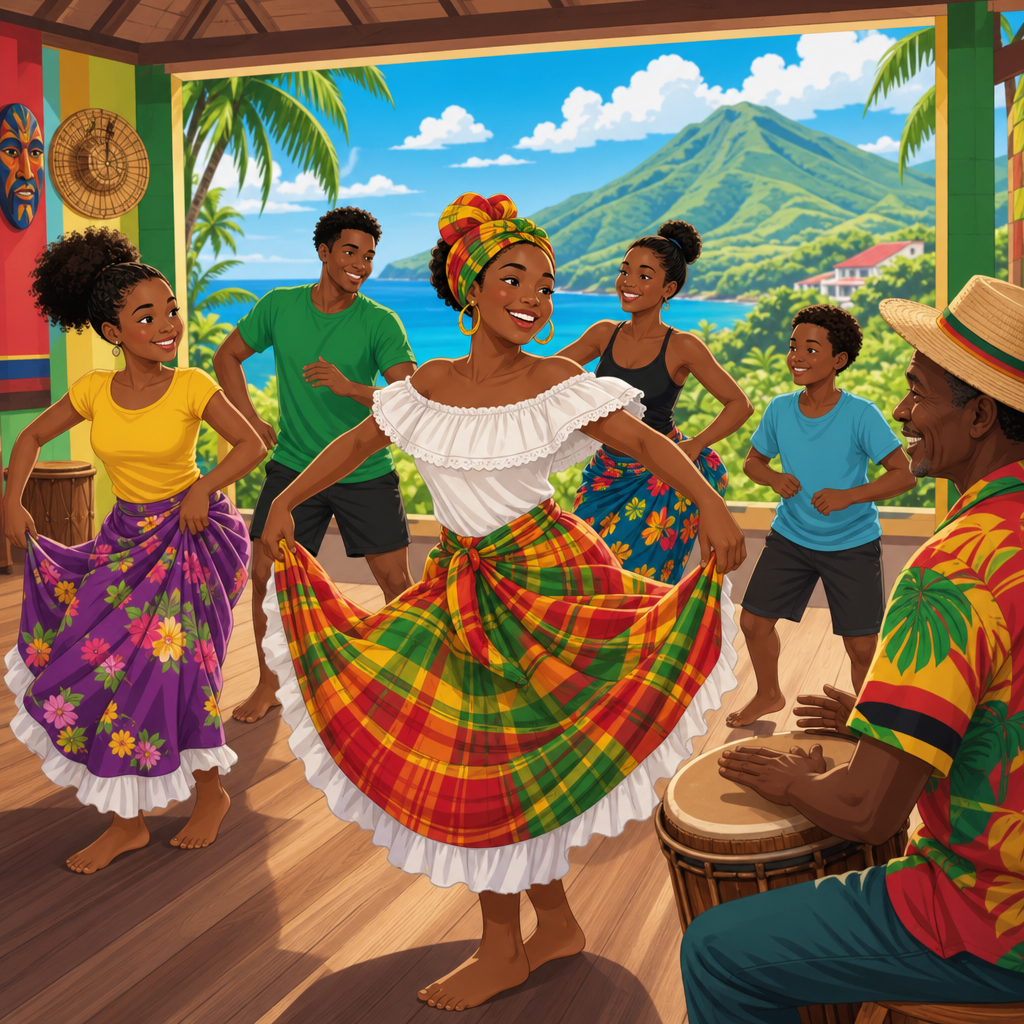
Cultural dance classes in Nevis offer one of the clearest ways to understand the island beyond beaches and postcard scenery, because movement, music, and storytelling sit at the center of local identity. For travelers exploring Adventure and Activities, this Miscellaneous hub matters because it gathers the practical and cultural context that connects many smaller experiences: festival performances, village socials, school showcases, hotel entertainment nights, and community workshops where visitors can learn local rhythms directly from Nevisian instructors. When I have worked with Caribbean activity providers, dance consistently stood out as the experience guests remembered longest, not because it was polished for tourists, but because it revealed how history lives in the body. In Nevis, cultural dance classes can include folk traditions, quadrille-inspired forms, African-rooted movements, social dances, drum-led routines, and modern Caribbean styles shaped by calypso, soca, gospel, and carnival performance culture.
Understanding the topic starts with defining what a cultural dance class is in the Nevis context. It is not simply a fitness session with island music in the background. A true cultural dance class teaches rhythm structure, body positioning, movement vocabulary, costume meaning, performance etiquette, and the historical reasons certain steps exist. Instructors often explain how plantation-era social structures, African retention, church influence, emancipation celebrations, inter-island exchange, and festival traditions all shaped present-day dance. That makes these classes valuable for visitors, diaspora families, students, and event planners who want more than entertainment. They create a bridge between recreation and heritage education. They also support local artists, drummers, costume makers, and youth programs, which is why this hub belongs within a broader activities guide rather than a narrow performing arts category.
For trip planning, cultural dance classes in Nevis solve a practical problem as well: many visitors want authentic, low-impact activities that fit mixed-age groups and variable weather. A dance workshop can work for cruise day visitors, honeymooners, school groups, conference delegates, and families traveling with grandparents and children. It can be scheduled indoors, outdoors, at community centers, hotels, schools, or festival grounds. It also pairs naturally with other island experiences, including drumming sessions, local food tastings, history tours in Charlestown, heritage village visits, and carnival season programming. This hub article explains what styles you may encounter, how classes are usually structured, what beginners should expect, how to choose a reputable instructor, and how dance connects to wider cultural life on Nevis.
What cultural dance classes in Nevis usually include
Most cultural dance classes in Nevis begin with rhythm before choreography. In practical terms, that means participants learn how to hear the beat pattern, where to place weight, and how to follow a count that may feel different from standard studio dance instruction in North America or Europe. A good instructor will introduce the music first, often with clapping, stepping, or call-and-response, then layer in basic footwork, hip and torso movement, turns, line formations, and partner transitions. In community-based sessions, the teaching style is often participatory and oral rather than highly technical, but that does not mean it lacks rigor. Skilled leaders correct timing, posture, spacing, and energy with precision, especially when teaching dances performed at public events.
You may also see classes divided by purpose. Some are heritage workshops designed to preserve traditional forms. Others are performance-oriented classes preparing groups for cultural festivals, hotel showcases, or youth competitions. Some sessions are social and accessible, aimed at helping visitors join a village celebration without feeling lost. In my experience, the strongest programs make all three goals work together: preservation, performance, and participation. They explain where a movement comes from, teach it accurately, and then show how it functions in a real social setting. That balance is essential if you want an experience that feels authentic rather than staged.
Music matters as much as movement. Depending on the class, accompaniment may come from live drumming, recorded soca and calypso, string band traditions, or mixed arrangements adapted for teaching. Instructors often use repetition to build confidence, and beginners should expect to spend more time on groove and timing than on memorizing long combinations. The result is usually more rewarding than a quick demonstration because students leave understanding why the dance feels the way it does.
Local rhythms, traditions, and the cultural roots behind the steps
Nevisian cultural dance cannot be separated from the island’s broader heritage. Like other Eastern Caribbean societies, Nevis reflects layered influences: West and Central African rhythmic traditions, European social dance structures, Christian liturgical culture, colonial-era hierarchy, emancipation-era transformation, and ongoing exchange with nearby islands such as St. Kitts, Antigua, and Montserrat. In class, that history shows up in the contrast between grounded, rhythm-led movement and more formal partnered formations. It also appears in costuming, gesture, and musical phrasing. A step may look simple until an instructor explains that its character comes from labor rhythms, ceremonial procession, masquerade performance, or community courtship practices.
Festival culture plays a major role. Around Culturama, Nevis’s signature festival, dance becomes highly visible through troupes, pageantry, street performance, and youth presentations. Visitors who take classes during this period often get a richer experience because instructors are teaching material that is alive in current community use, not preserved only for demonstration. At the same time, off-season classes can allow deeper explanation and slower pacing, especially for travelers who want to understand context. Both options are worthwhile. If your goal is energy and immersion, festival season is ideal. If your goal is detailed learning, quieter months may be better.
One point that experienced instructors make repeatedly is that “local rhythms” are not a single style. They are a musical and movement ecosystem. A class may move from folk stepping to carnival-inspired choreography, then into social partner work, each with different tempo, posture, and expressive intent. That variety is exactly why this subject deserves a hub page. Visitors often search for one phrase, such as Caribbean dance class or Nevis cultural experience, but what they are really seeking could be folk heritage, festival training, or simply a joyful introduction to island movement traditions.
How to choose the right class, instructor, or workshop format
Not every dance activity marketed to visitors offers the same value. The best way to choose is to look for evidence of community connection, teaching experience, and a clear explanation of what the session covers. Reputable providers usually identify the dance style, duration, group size, music format, skill level, and whether the class is participatory, performative, or educational. They often have ties to schools, cultural organizations, local festivals, or established performance groups. If the description promises “authentic island dancing” without naming any tradition, that is a sign to ask more questions.
Ask who teaches the class and why they are qualified. A strong answer might include years performing at Culturama, leading school arts programs, training youth troupes, collaborating with drummers, or preserving folk repertoire through community workshops. Also ask whether live musicians are included, whether the class explains history, and whether photography is appropriate throughout or only at certain moments. These details affect both quality and respectfulness.
| Class Type | Best For | What to Expect | Questions to Ask |
|---|---|---|---|
| Heritage workshop | Travelers seeking context | History, basic steps, cultural explanation | Which traditions are taught? Is there live music? |
| Festival rehearsal style | Active learners, groups | High energy, repeated drills, performance focus | Is prior experience needed? What should I wear? |
| Social dance session | Couples, families, beginners | Easy entry, partner patterns, fun participation | Are children welcome? Is rotation required? |
| Private cultural class | Small groups, special events | Customized pace and content | Can the class include drumming or costume elements? |
Private classes work well for weddings, retreats, and intergenerational family trips because the instructor can adapt to mobility levels and interest. Group workshops often offer better atmosphere because participants feed off each other’s energy. Neither format is inherently superior. The right choice depends on whether you want customization or communal momentum.
What beginners should expect in a Nevis dance class
Beginners do not need dance training to enjoy cultural dance classes in Nevis. In fact, many of the best sessions are designed for people with no formal background. You should expect a warm-up, rhythm drills, a breakdown of foundational steps, short combinations, and several rounds of repetition with music. If the class includes partner work, instructors typically rotate pairs or demonstrate alternatives for solo travelers. Footwear varies by venue, but flat shoes with grip usually work best, and some community spaces may prefer soft-soled shoes to protect floors.
The biggest challenge for first-timers is usually not complexity but comfort with expression. Caribbean movement often asks the torso, hips, knees, and shoulders to work in coordinated but relaxed ways. Visitors used to upright studio posture may initially feel stiff. Good instructors handle this well by teaching from the ground up: bend the knees, settle the weight, find the pulse, then let the upper body respond naturally. Once students stop trying to “perform correctly,” they usually learn faster.
Hydration, breathable clothing, and realistic expectations matter. Even moderate classes can be physically demanding in tropical heat, especially if they involve percussion-led repetition. If you have knee, back, or balance limitations, tell the instructor before class starts. Experienced teachers can modify range of motion without stripping the dance of its character. That is another marker of quality. A class should be welcoming, but it should also protect the integrity of the form.
For families, dance classes can be an excellent cross-generational activity. Children tend to pick up rhythm quickly, while older adults often appreciate the storytelling and social aspect. I have seen multigenerational groups engage more deeply in dance than in standard island excursions because everyone can contribute at a different level without anyone feeling sidelined.
Why dance classes belong in a broader Nevis activities itinerary
As a Miscellaneous hub under Adventure and Activities, cultural dance classes in Nevis should not be treated as a niche add-on. They connect to multiple interest areas across the island. A history-focused visitor can combine a class with museum stops and heritage walks in Charlestown. A culinary traveler can pair dance with a local cooking session and understand how music, food, and festival traditions overlap. Wellness travelers may appreciate dance as active recovery between hikes, sailing trips, or beach days. Corporate and incentive groups use cultural workshops to create shared experiences that feel more rooted than generic team building.
Dance is also one of the few activities that scales gracefully across budgets. Community classes can be affordable and direct more money into local programs. Hotel-based workshops offer convenience. Private instruction costs more but can deliver depth and flexibility. For destination planners, that range matters. It means cultural engagement is available whether someone is backpacking, staying in a villa, or organizing a formal event.
From a destination perspective, supporting dance classes has broader benefits. It keeps local knowledge visible, creates paid opportunities for artists, and gives younger performers reasons to maintain traditions in a modern economy dominated by hospitality. Visitors often say they want authentic experiences; booking a dance class from a qualified local teacher is one of the clearest ways to turn that intention into real support. It is participatory tourism at its best: enjoyable for the traveler, economically useful for residents, and culturally meaningful when done respectfully.
Practical booking tips, etiquette, and how to get more from the experience
Book in advance when possible, especially during Culturama, school holiday periods, and peak winter travel months. Ask about class length, transportation, minimum participant counts, payment methods, cancellation policy, and whether the session can be tailored to your group’s interests. Confirm location carefully; on smaller islands, “near town” can still require arranged transport if you are staying at a resort or villa outside Charlestown.
Etiquette matters. Arrive on time, listen before filming, and avoid treating sacred, ceremonial, or heritage elements as costume props. If an instructor explains that a movement or song has specific cultural meaning, receive that information seriously. Participation is encouraged, but curiosity should be paired with respect. Tip fairly when appropriate, particularly for private sessions or classes involving live musicians. If you share photos online, credit the instructor or group whenever possible.
To get more from the class, spend a few minutes learning about Nevisian festivals and music beforehand, then ask focused questions during breaks: Which dances are still common at community events? How have younger performers changed the style? What role do drums versus recorded tracks play today? These conversations often become the most valuable part of the session because they reveal how tradition adapts rather than standing still. That living quality is what makes cultural dance classes in Nevis worth seeking out.
Cultural dance classes in Nevis bring together movement, history, music, and community in a way few other island activities can match. They are accessible to beginners, useful for families and groups, and deeply connected to the rhythms of local life. More importantly, they help visitors move from passive sightseeing to active participation. Instead of only watching culture on a stage, you learn how timing, posture, and storytelling carry memory across generations. That shift makes the experience memorable and meaningful.
As the central Miscellaneous hub for this part of Adventure and Activities, this page highlights the full value of dance as both recreation and heritage. The key takeaways are simple: choose instructors with real community ties, look for classes that explain context as well as steps, match the format to your goals, and approach the experience with curiosity and respect. Whether you book a heritage workshop, a social dance session, or a festival-style class, you will leave with a stronger understanding of Nevis than any brochure can provide.
If you are building your Nevis itinerary, make room for at least one cultural dance class and use it as a gateway to the island’s wider arts, festivals, and community traditions. It is one of the smartest ways to learn local rhythms while supporting the people who keep them alive.
Frequently Asked Questions
What can I expect from cultural dance classes in Nevis?
Cultural dance classes in Nevis usually offer much more than a simple lesson in steps. They are often designed as an introduction to the island’s living traditions, combining movement, rhythm, music, and the stories that give each dance meaning. Depending on the class, you may learn folk-inspired social dances, festival-style routines, forms influenced by African and Caribbean traditions, and group movements commonly seen at community celebrations, school performances, and seasonal events. Instructors often explain where a dance comes from, when it is performed, what the gestures represent, and how music shapes the pace and mood.
Visitors should expect a welcoming atmosphere that balances instruction with cultural context. Some classes are informal and community-based, while others are structured for travelers through hotels, cultural centers, or private activity providers. A session may begin with a warm-up, continue with basic footwork and timing exercises, and then build into short combinations performed as a group. Live drumming or percussion may be included in some experiences, while others use recorded local music. Even beginner classes often emphasize participation over perfection, so you do not need prior dance experience to enjoy them. The overall experience is usually as much about connecting with Nevisian identity and local rhythms as it is about learning choreography.
Do I need dance experience to join a local dance class in Nevis?
No previous dance experience is usually required for most cultural dance classes in Nevis. Many sessions are intentionally designed for beginners, including travelers who are curious about local culture but have never taken a dance class before. Instructors typically break movements down into manageable steps, repeat patterns several times, and encourage students to focus on rhythm, posture, and confidence rather than technical perfection. Because these classes often welcome a mix of visitors and locals, teachers are generally used to adapting their instruction to different comfort levels and learning speeds.
What matters most is a willingness to participate, listen, and enjoy the process. Cultural dance is often communal by nature, which means classes may feel more like shared cultural experiences than formal studio training. If you are nervous, it helps to know that many local dance traditions prioritize expression, musicality, storytelling, and group connection. Even if you miss a step or lose the beat for a moment, the class environment is usually supportive and encouraging. Comfortable clothing, shoes you can move in, and an open mind are often all you need. If you do have physical limitations or concerns about intensity, it is a good idea to ask the organizer in advance whether the session can be adjusted for your needs.
How do cultural dance classes help travelers understand Nevis beyond typical sightseeing?
Cultural dance classes give travelers access to a side of Nevis that cannot be fully understood from scenic drives, resort stays, or beach visits alone. Dance on the island is closely tied to memory, celebration, community pride, and everyday identity. Through movement and music, visitors begin to see how local traditions connect across many settings, from village socials and school showcases to festival performances and hotel entertainment nights. What may first appear to be a performance style for visitors often turns out to be part of a much larger cultural ecosystem rooted in community life.
These classes are especially valuable because they place travelers inside the rhythm of local expression rather than leaving them as spectators. Learning even a few basic patterns can deepen your appreciation when you later watch a troupe perform at a public event or hear traditional rhythms during a celebration. Instructors frequently share insights about costume, drumming, call-and-response, ceremonial elements, and the social settings where certain dances are most meaningful. That context transforms the experience from entertainment into cultural literacy. For travelers exploring adventure and activities in Nevis, dance classes function as a bridge that connects many smaller experiences into a more coherent understanding of the island’s heritage.
Where can I find cultural dance classes in Nevis, and when are they usually offered?
Cultural dance classes in Nevis may be offered through several channels, depending on the season and the type of experience you want. Some are arranged by hotels and resorts as part of guest activity schedules, especially during busier travel periods. Others are hosted by community organizations, cultural groups, schools, local event spaces, or independent instructors who teach private or small-group sessions. During festival periods or major public celebrations, short workshops and demonstration classes may become easier to find because there is greater emphasis on performance, rehearsal, and cultural programming.
The best way to locate a class is often through a combination of direct local inquiry and advance planning. Ask your accommodation, tour provider, or local cultural center whether classes are currently available. Community notice boards, event calendars, social media pages for dance groups, and word-of-mouth recommendations can also be useful. Availability may vary throughout the year, and some of the most authentic opportunities are not heavily advertised online. If participating in a class is important to your trip, it helps to arrange it before arrival or shortly after reaching the island. Private sessions may offer more flexibility, while community-led classes may follow fixed schedules tied to school terms, rehearsals, or local events.
What should I wear, bring, and keep in mind to get the most out of a dance class in Nevis?
For most cultural dance classes in Nevis, lightweight and breathable clothing is the best choice, especially given the island’s warm climate. Wear something you can move in comfortably, such as a T-shirt, tank top, athletic wear, or loose-fitting casual clothing. Footwear depends on the venue and the style being taught. Some classes work best in sneakers or flat shoes with good support, while others may be done in soft shoes or even barefoot on certain indoor surfaces. It is always smart to ask the organizer ahead of time. Bringing water, a small towel, and perhaps insect repellent if the class is outdoors can also make the experience more comfortable.
Just as important as what you wear is the mindset you bring. Arrive ready to observe, listen, and engage respectfully with the cultural significance of what you are being taught. If the instructor explains the background of a dance, references local customs, or asks the group to follow a particular formation or etiquette, treating those details seriously will enrich your experience. If photos or videos are important to you, ask permission before recording, especially in community settings. The best classes are not just physical activities; they are invitations into a shared tradition. Approaching the session with curiosity, humility, and enthusiasm will help you gain far more than a few new dance steps.